The Silver Lining To No Sleep
We’ve all been told since we were kids that getting a solid eight hours of shut-eye is the golden rule for health, but life doesn't always play along. Whether you're pulling an all-nighter for a deadline or just binging your favorite show, being awake when the rest of the world is dreaming creates a pretty unique headspace. While science mostly warns us about the dangers of skipping rest, there are actually some bizarrely fascinating things that happen to your brain when you're running on empty. It’s a bit of a mixed bag of temporary perks and long-term bummers, so let's break down what happens when you decide to break up with your pillow for a night.

1. Temporary Mood Boost
You might notice that staying up way past your bedtime occasionally makes you feel strangely euphoric or giggly. This happens because your brain releases a surge of dopamine to compensate for the exhaustion, giving you a fleeting sense of happiness. It's almost like a natural high that keeps you going, even though you'll eventually have to pay the price when the crash inevitably hits.
2. Heightened Sensory Awareness
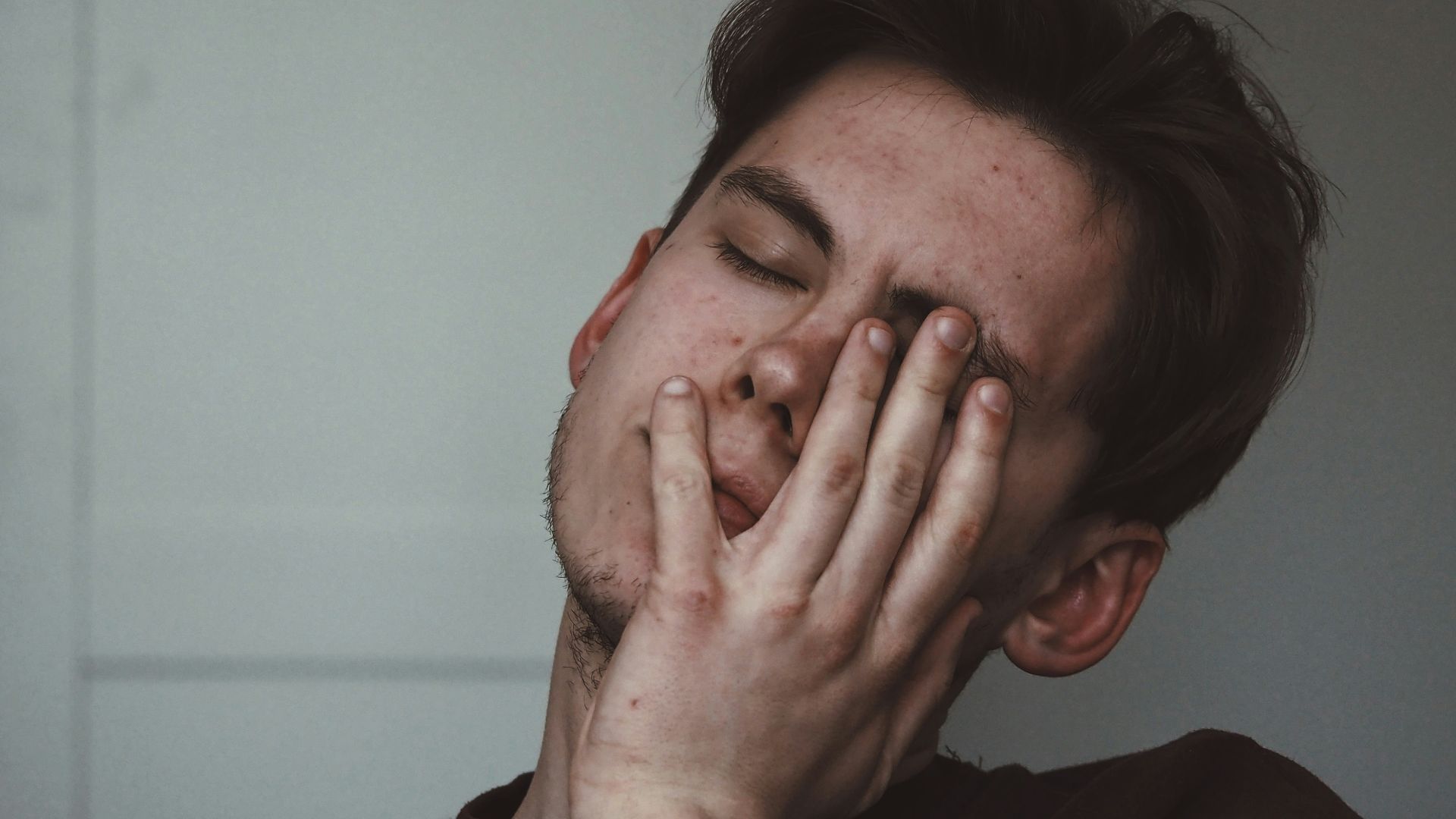
When you're deeply tired, your nervous system sometimes enters a state of hyper-arousal as a survival mechanism. Colors might look more vivid or sounds could seem sharper as your body tries to stay alert despite the lack of rest. You’ll feel incredibly tuned into your surroundings, which is your brain's way of making sure you don't miss anything important while you're vulnerable.
3. Enhanced Short-Term Creativity
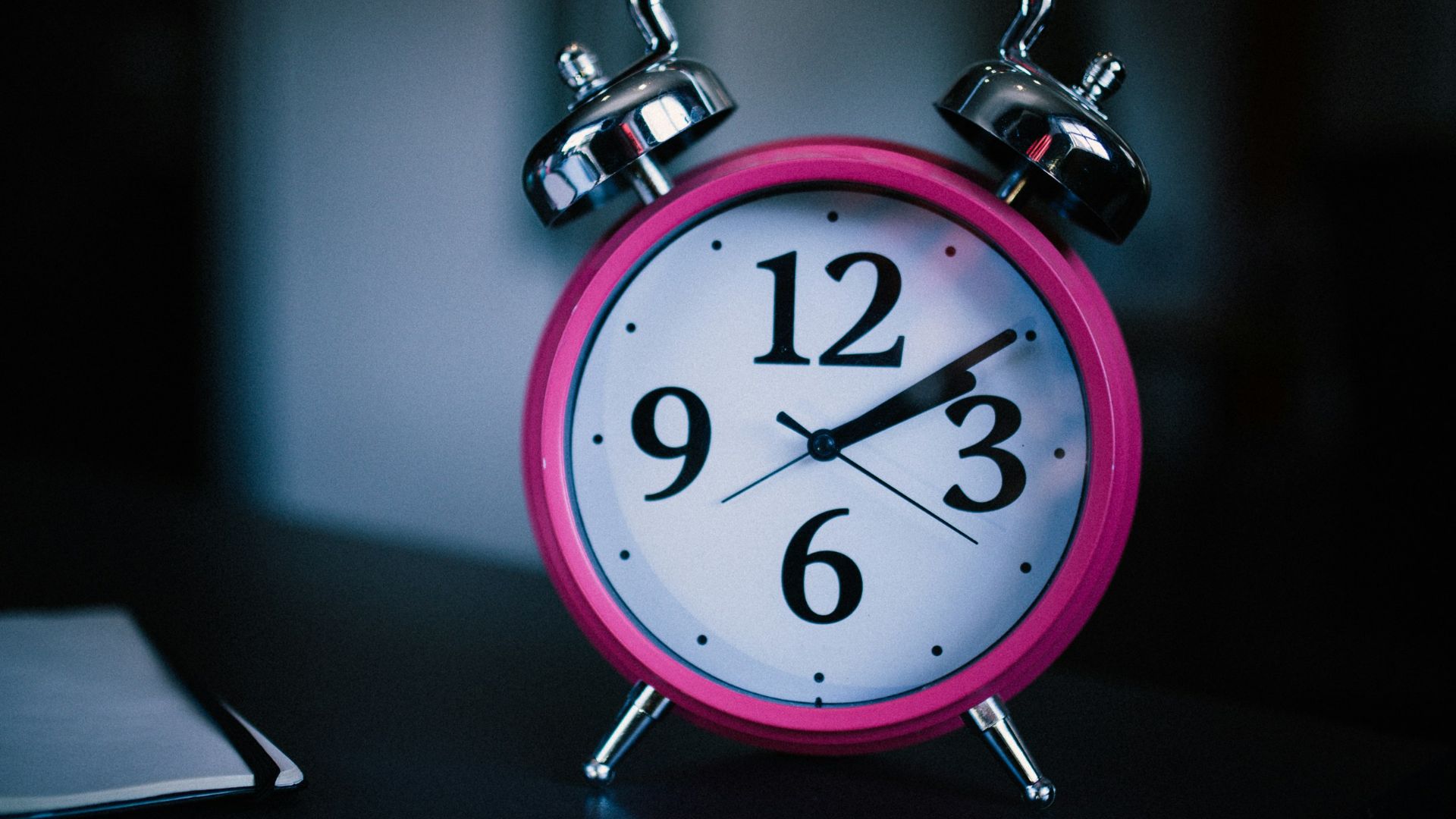
Some people find that the "filters" in their brain start to slip after twenty hours of being awake. This lack of inhibition can lead to some truly wild and original ideas that you wouldn't normally consider when you're fully rested and logical. Many artists and writers lean into this groggy state to find inspiration that feels completely outside of their usual thought patterns.

4. Reduced Social Anxiety
The exhaustion can actually dull the part of your brain that worries about what other people think of you. You might find yourself being more honest or talkative in social situations because you simply don't have the energy to overthink your responses. It creates a "don't care" attitude that can make awkward interactions feel surprisingly easy for a short period of time.

5. Increased Pain Tolerance
There is some evidence to suggest that acute sleep loss can temporarily numbs certain types of physical discomfort. Your body is so focused on staying awake that it deprioritizes minor aches and pains, effectively pushing them to the background. While this isn't a long-term solution for health, it explains why you might not notice a sore muscle as much during a long overnight shift.

6. Rapid Antidepressant Effects
In very specific clinical settings, controlled sleep deprivation has been used to quickly lift the spirits of people suffering from severe depression. The chemical shift in the brain can reset a person's mood almost instantly, providing a temporary window of relief. Researchers are still studying exactly why this works, but it’s one of the most mysterious silver linings of missing out on sleep.

7. Intense Focus on Simple Tasks
While complex math might be out of the question, you could find yourself getting oddly "in the zone" with repetitive chores. Since your brain doesn't have the bandwidth to multitask, it locks onto one single activity with a strange, meditative intensity. You'll likely breeze through folding laundry or organizing a shelf without getting distracted by your usual wandering thoughts.

8. Lowered Blood Pressure
Interestingly, some studies have shown that a single night of missed sleep can lead to a slight drop in blood pressure for certain individuals the next day. This is a very temporary physiological response as the body tries to manage its energy resources under stress. Of course, this benefit disappears quickly, and chronic lack of sleep will actually do the exact opposite over time.
 Vladislav Muslakov on Unsplash
9. Increased Resilience to Stress
Getting through a difficult night of being awake can give you a strange sense of accomplishment and mental toughness. Once you've survived the "wall" of exhaustion at 4:00 AM, you feel like you can handle almost anything the following morning throws at you. It’s a bit of a psychological win that makes you realize just how much your body can endure when pushed to the limit.
 Priscilla Du Preez 🇨🇦 on Unsplash
10. Weirdly Vivid Daydreams
When you're sleep-deprived, the line between being awake and dreaming begins to blur in a way that can be quite trippy. You might experience brief, intense bursts of imagery while your eyes are still open, which is essentially your brain trying to force itself into REM sleep. These "micro-dreams" can be incredibly creative and vivid, offering a glimpse into your subconscious while you're standing in line for coffee.
Now that we talked about strange benefits, here are 10 downsides.

1. Terrible Memory Retention
One of the biggest downsides to skipping sleep is that your brain loses its ability to move new information into long-term storage. You’ll find yourself walking into rooms and forgetting why you're there or struggling to remember a conversation you had just an hour ago. Without rest, the "save button" in your mind basically stops working, leaving you feeling incredibly foggy.
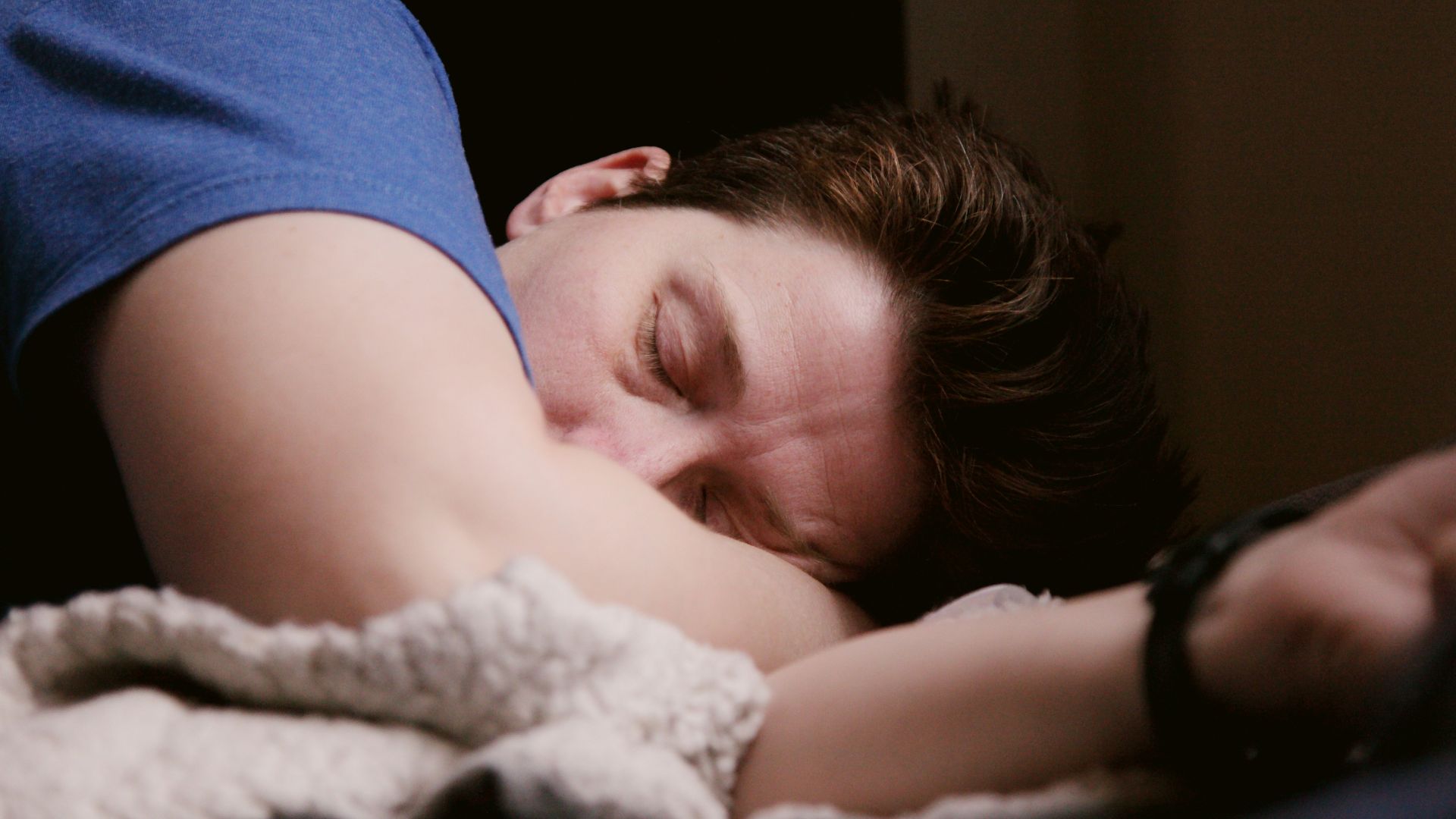
2. Emotional Volatility
Everything feels like a much bigger deal than it actually is when you haven't slept, leading to unnecessary arguments or random crying fits. Your amygdala becomes overactive, meaning your "fight or flight" response is constantly on edge and ready to overreact to tiny inconveniences. You’ll likely lose your temper over a dropped spoon or a slow internet connection because your emotional brakes are totally fried.

3. Weakened Immune System
Your body does most of its repair work and germ-fighting while you're unconscious, so skipping that time leaves you wide open to getting sick. You're much more likely to catch a cold or a flu after a few nights of poor rest because your white blood cells aren't operating at full strength. It’s essentially like leaving the front door of your health wide open for any passing virus to walk right in.

4. Increased Junk Food Cravings
The hormones that control hunger and fullness go completely haywire after an all-nighter, making you crave sugar and grease. Your brain starts screaming for quick energy, which usually leads you straight to the nearest donut shop or fast-food drive-thru. You’ll find it almost impossible to make healthy choices when your stomach is convinced it’s starving despite having eaten plenty.

5. Slower Reaction Times
Driving while tired is famously as dangerous as driving under the influence because your brain just can't process information fast enough. You might see a brake light in front of you but your foot won't move to the pedal for a crucial second longer than usual. This lag in physical coordination makes even simple tasks like walking down stairs or using a knife in the kitchen a bit risky.
6. Poor Decision Making
The prefrontal cortex, which handles logic and self-control, is the first part of the brain to shut down when you're exhausted. This leads to impulsive choices, like spending money you don't have or sending a text message you’ll definitely regret the next morning. You lose the ability to weigh the consequences of your actions, making you prone to some pretty regrettable blunders.
7. Increased Risk of Heart Disease
Long-term sleep deprivation puts a massive amount of strain on your cardiovascular system by keeping your stress hormones elevated for too long. Over the years, this can lead to permanent damage to your arteries and a much higher chance of experiencing a stroke or heart attack. It’s a sobering reminder that while one night is fine, a lifetime of no sleep is a major health hazard.
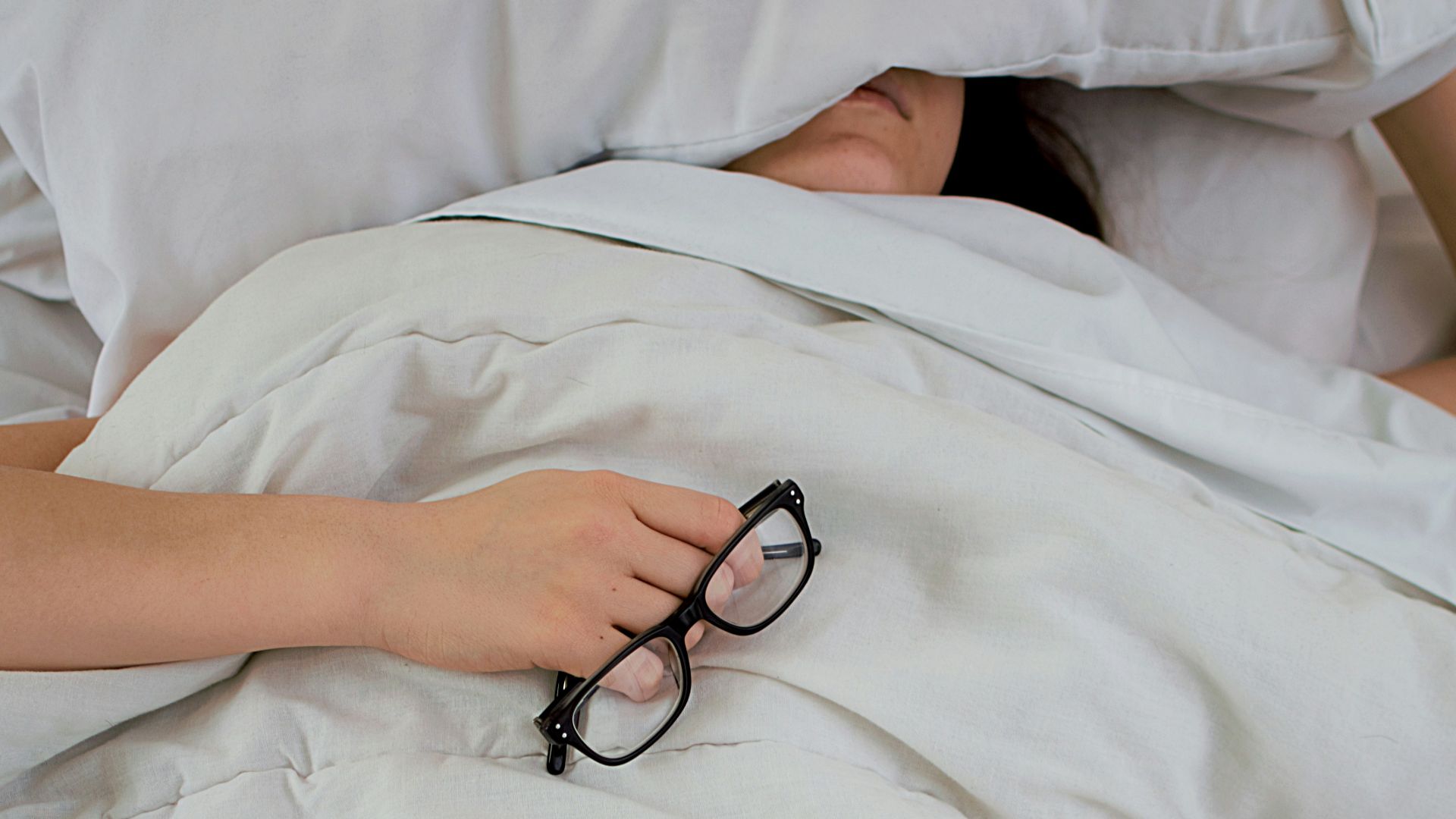
8. Chronic Skin Issues
They don't call it "beauty sleep" for nothing, as your skin needs time to produce collagen and repair damage from the sun and pollution. Frequent all-nighters lead to dark circles, puffy eyes, and a dull complexion that no amount of expensive cream can truly fix. You'll notice that fine lines seem much more prominent when your skin hasn't had the chance to hydrate and heal overnight.

9. Reduced Libido
When your body is exhausted, it prioritizes basic survival over everything else, which means your libido is usually the first thing to disappear. Lowered testosterone levels and general fatigue can make intimacy feel like a chore rather than a pleasure. You'll likely find that you're much more interested in a nap than any kind of romantic encounter when you're running on empty.

10. Impaired Growth and Repair
For younger people, sleep is the primary time when growth hormones are released to help build muscle and strengthen bones. Even for adults, this is when your tissues recover from exercise and general wear and tear from the day. If you don't give your body those hours of downtime, you'll find that minor injuries take much longer to heal and your muscles feel perpetually weak.
KEEP ON READING



10 Pre-Workout & 10 Post-Workout Tips To Follow