Fear Sets Off a Whole-Body Response
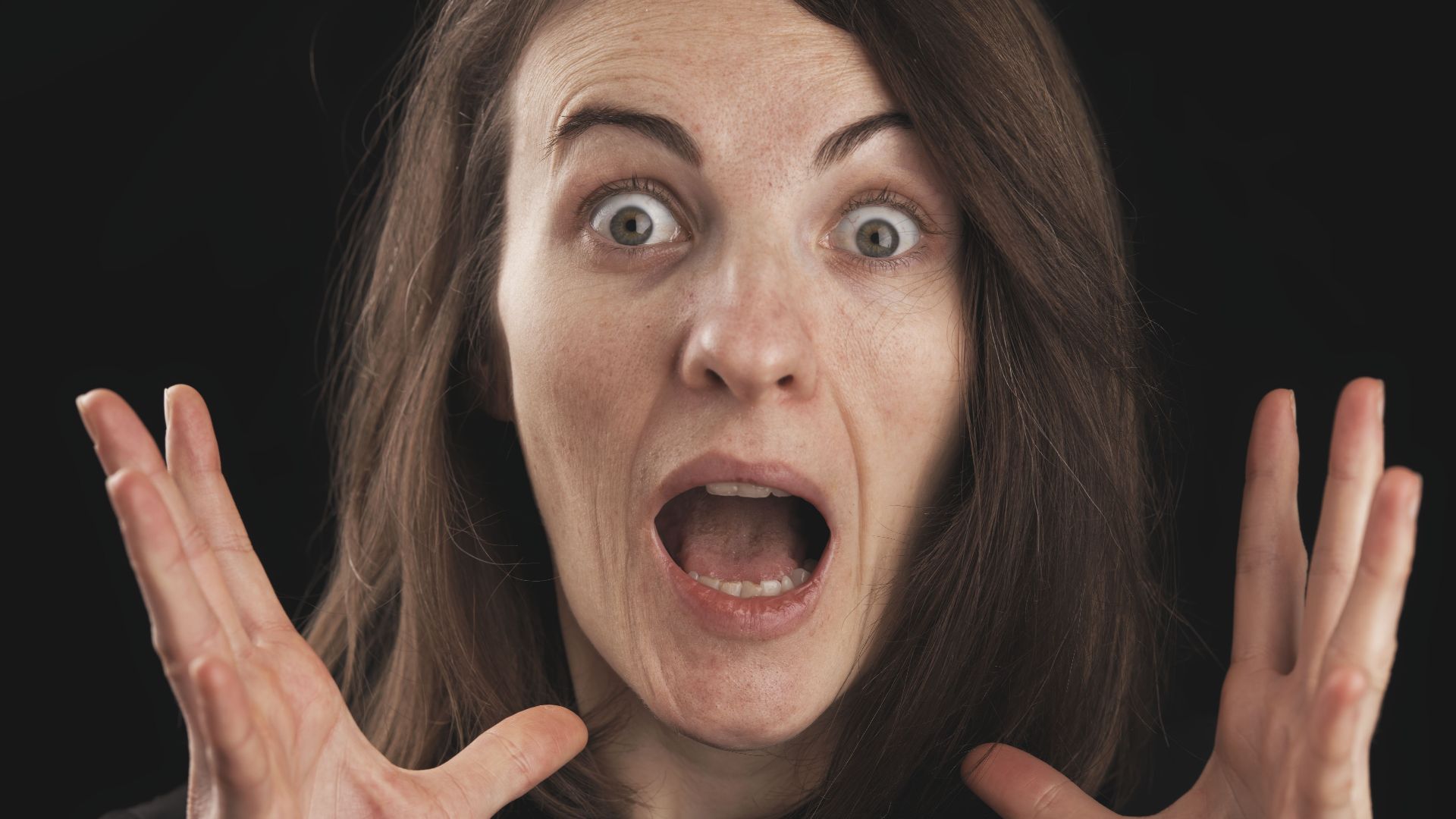
Fear doesn't just happen in your head. The moment your brain senses danger, real or imagined, it starts sending signals throughout your body to help you react quickly. Some of those changes are obvious, like a racing heart, while others happen quietly in the background before you've even had time to think about what's going on. Here are 20 things that happen to your body when you're afraid.
1. Your Heart Starts Beating Faster
One of the quickest reactions to fear is an increase in heart rate. Your body is trying to move more blood and oxygen to the muscles that might need to act fast. That's why a sudden scare can leave your chest pounding even after you realize there wasn't actually any danger.
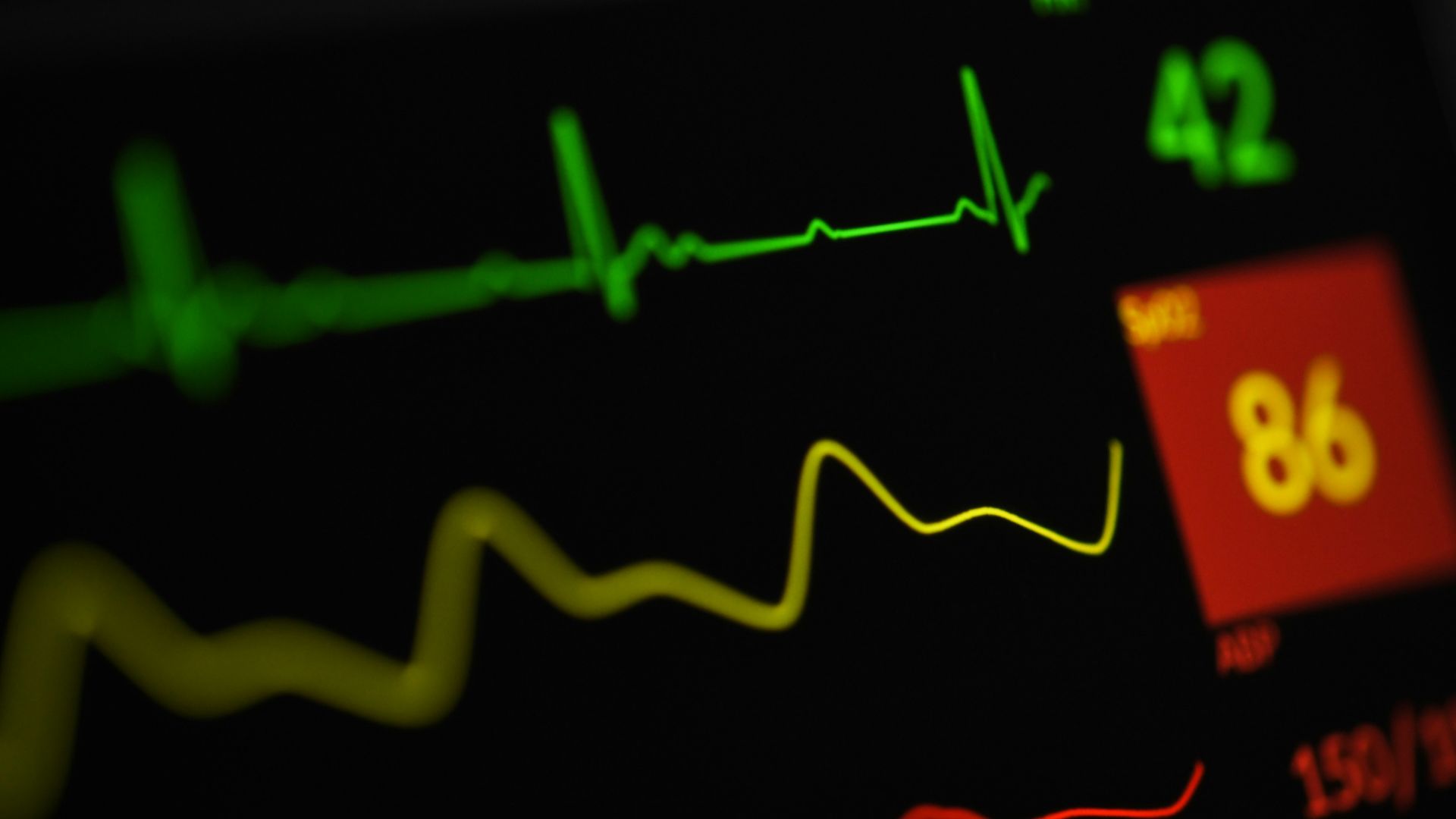
2. Your Breathing Speeds Up
Fear often causes you to breathe faster and more shallowly. This helps bring additional oxygen into the body so your muscles are prepared for action. If the response becomes intense, though, rapid breathing can leave you feeling dizzy or lightheaded.

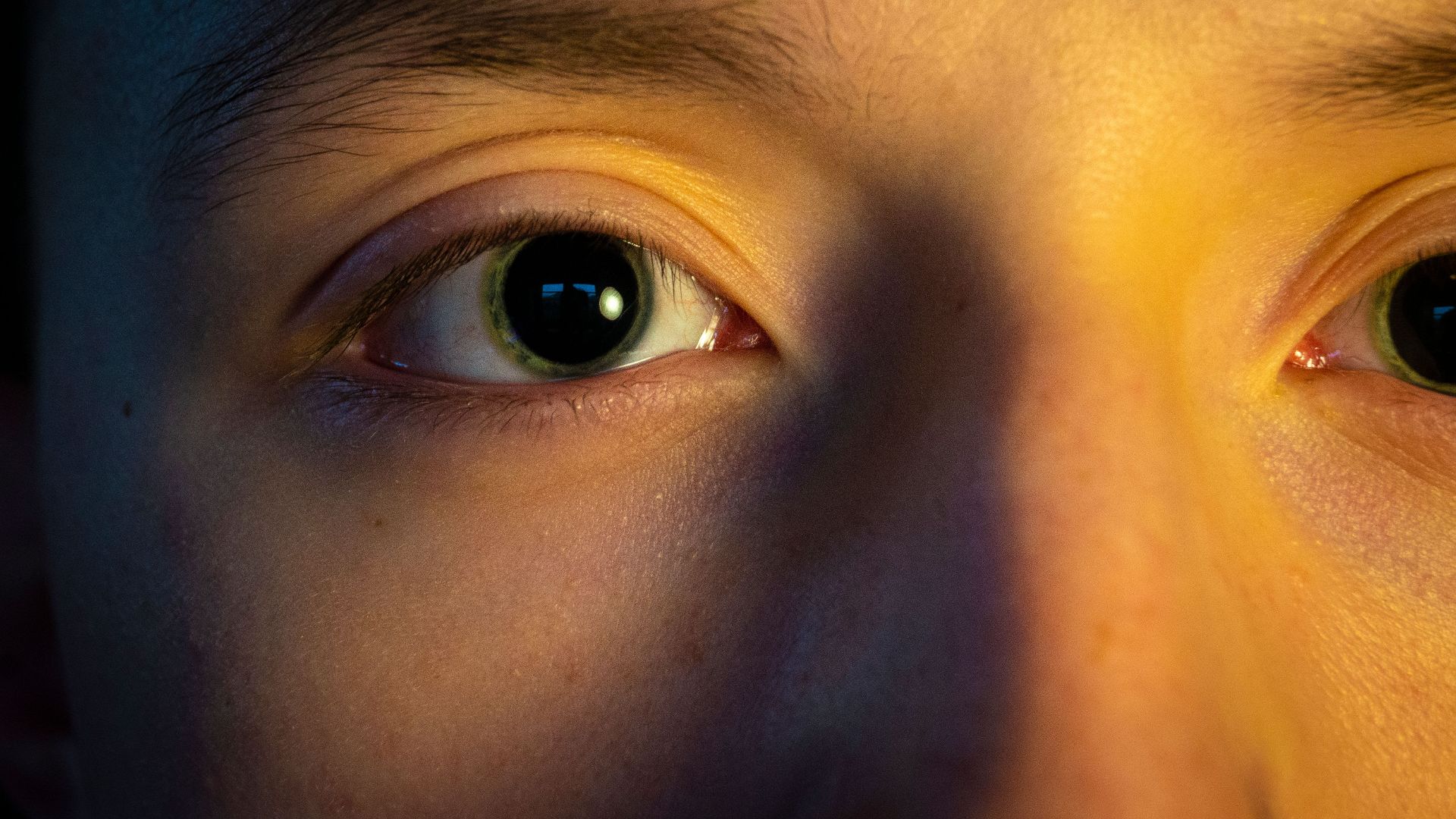
3. Your Pupils Get Bigger
Your pupils can dilate when you're frightened, allowing more light into your eyes. This may help you take in more visual information about whatever is happening around you. You probably won't notice this reaction yourself, but someone looking closely at your face might.
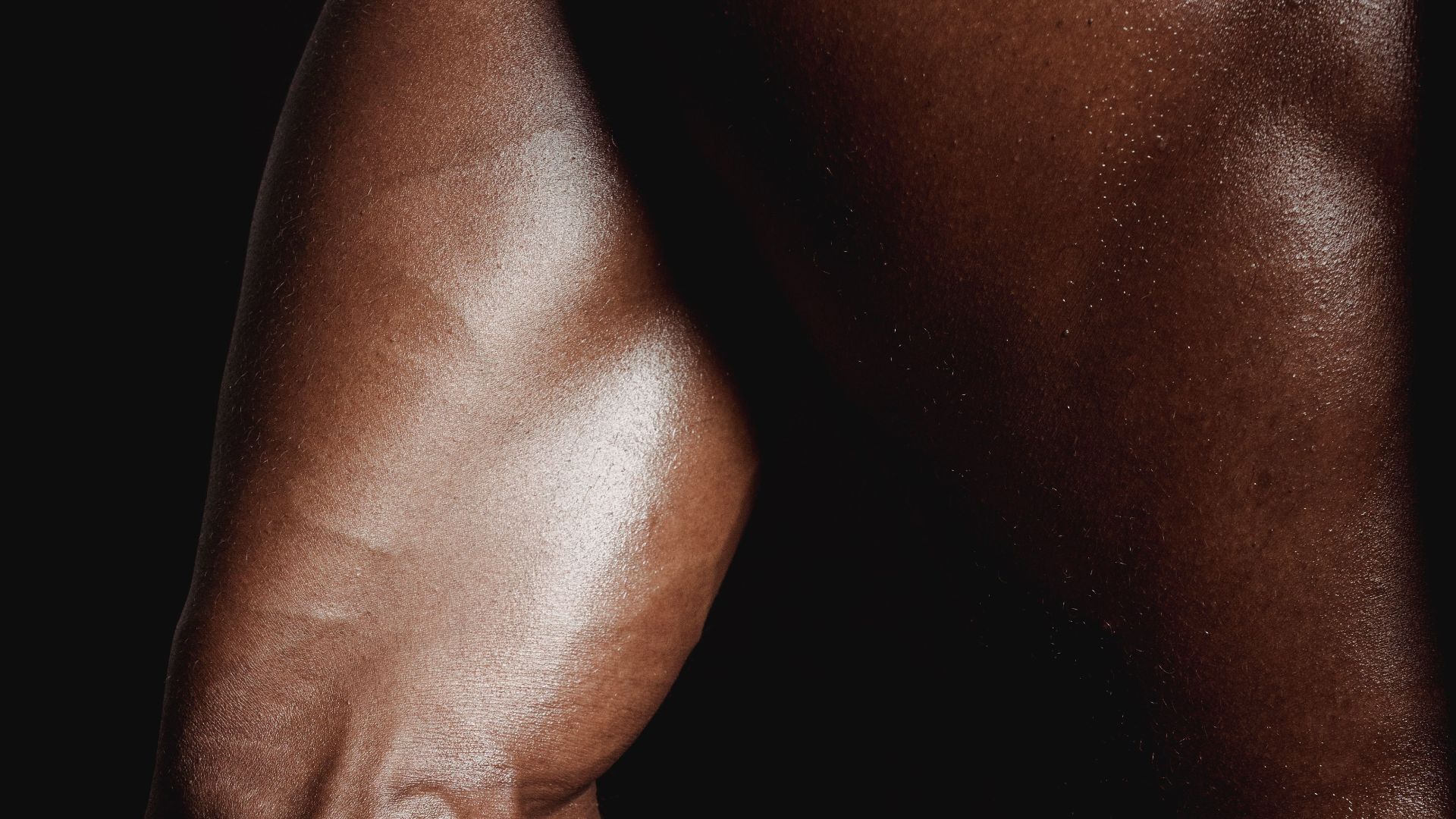
4. Your Muscles Tighten
When your brain detects a threat, muscles throughout your body may tense almost immediately. Your shoulders might rise, your jaw may clench, or your hands can stiffen without you consciously deciding to do it. The body is essentially preparing itself to move, defend itself, or stay completely still.
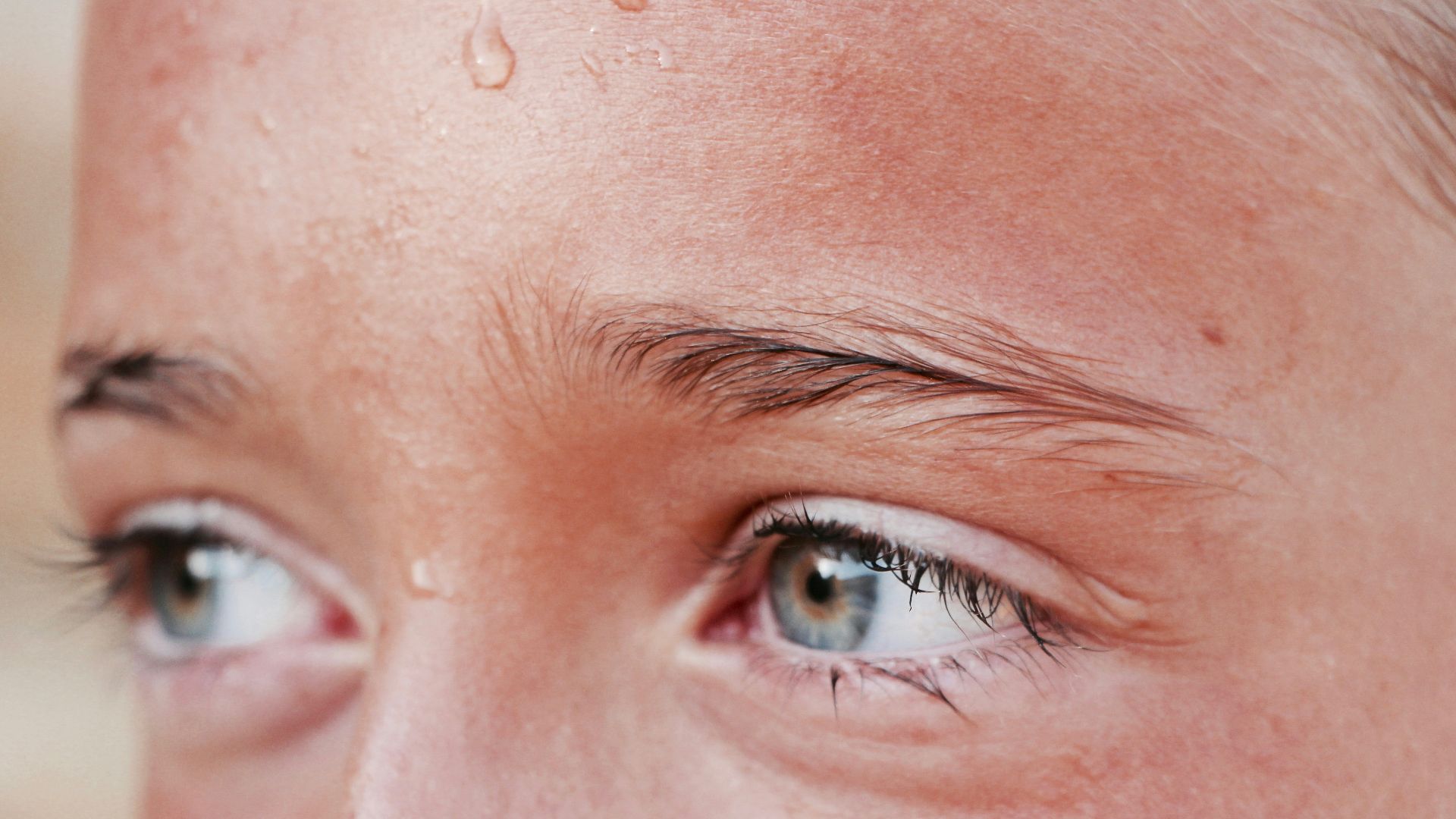
5. You May Start Sweating
Fear activates sweat glands, particularly in areas such as your palms, forehead, and underarms. Sweating helps regulate body temperature during a stressful physical response. It also explains why your hands can suddenly feel clammy during a tense conversation.
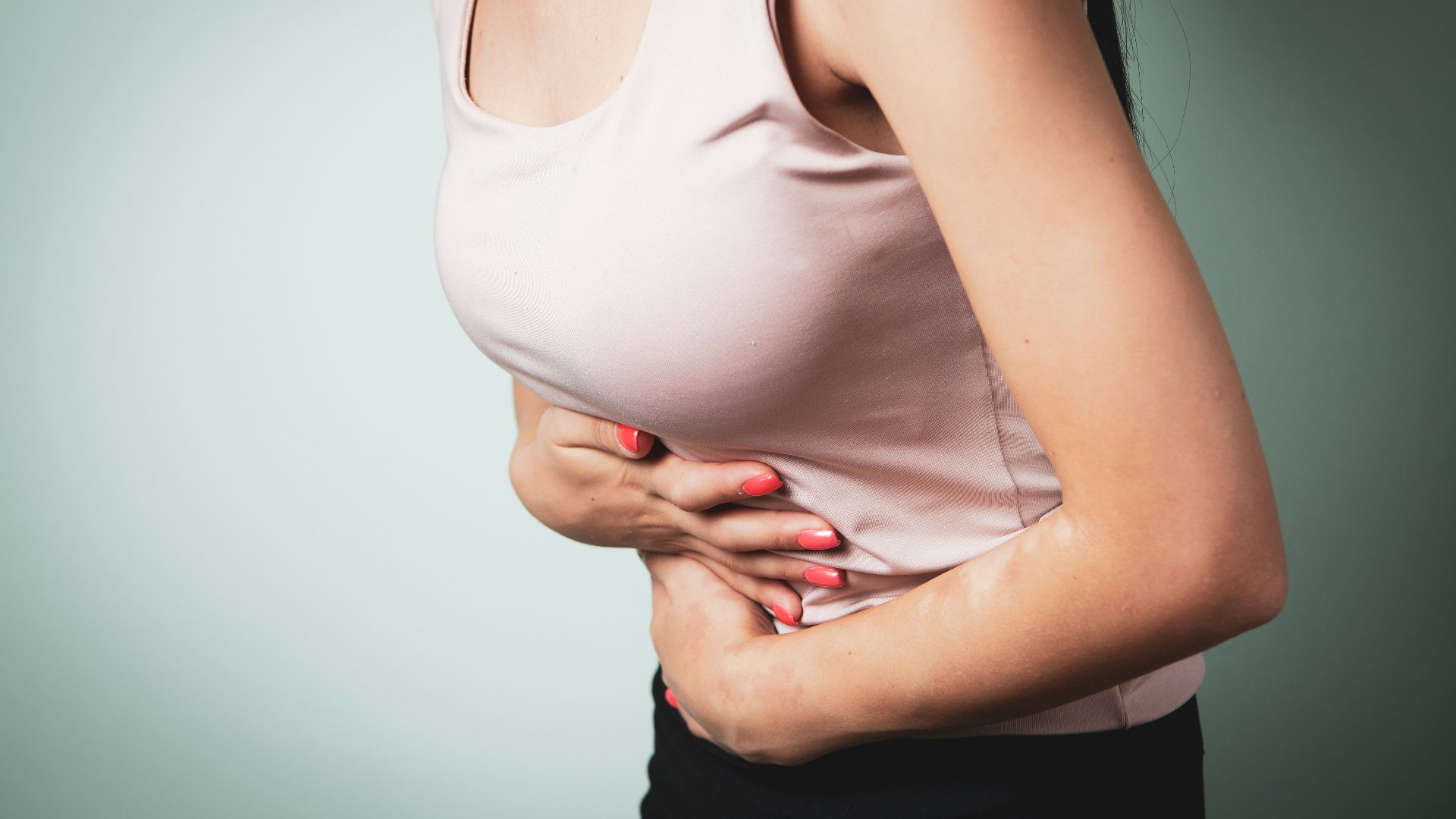
6. Your Stomach Can Feel Strange
That nervous feeling in your stomach has a genuine physical explanation. During fear, your body can temporarily shift resources away from digestion and toward systems considered more immediately important. The result may be nausea, cramping, a fluttery feeling, or an urgent need to find a bathroom.
7. Your Mouth May Go Dry
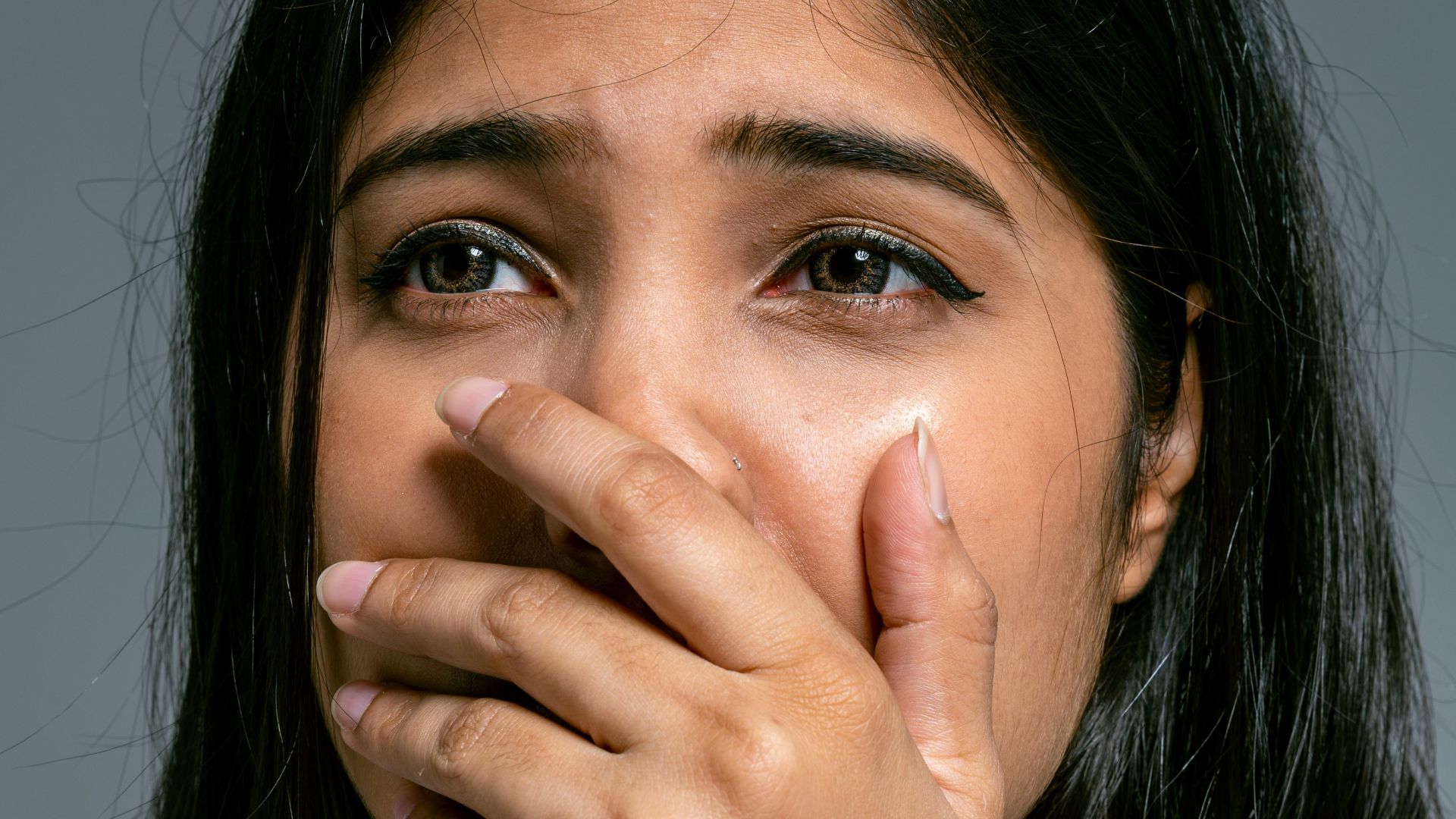
Saliva production can decrease when your stress response kicks in. This is why your mouth may suddenly feel dry before giving a speech, hearing bad news, or facing something frightening. Even swallowing can feel slightly more difficult when the reaction is strong.

8. Your Skin Can Turn Pale
Blood vessels near the surface of your skin may constrict during a fear response. This redirects blood toward muscles and major organs that your body considers more important in that moment. As a result, someone's face can noticeably lose color after a sudden shock.
9. Your Hair Can Stand Up
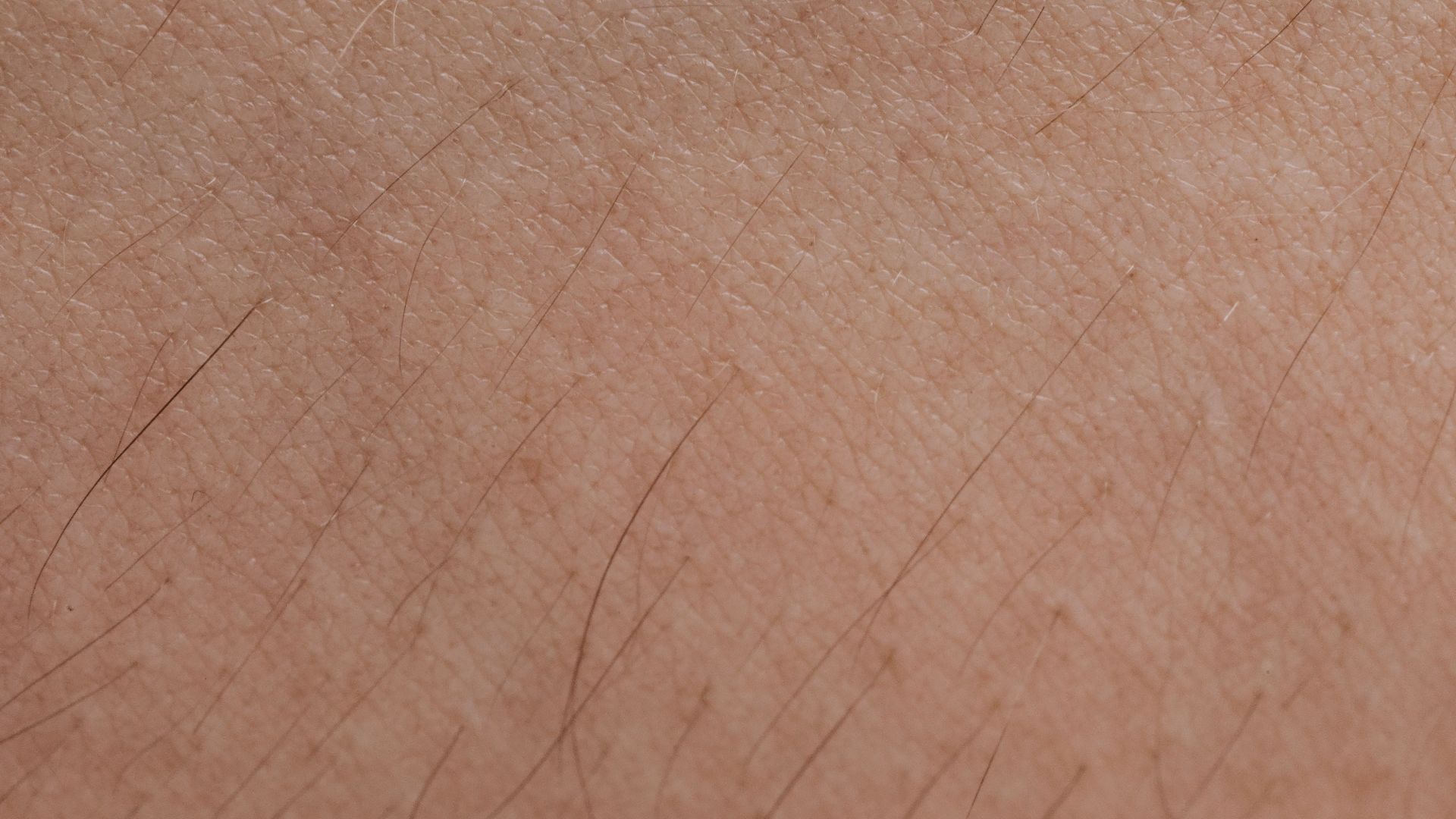
Goosebumps aren't limited to cold weather. Fear can cause tiny muscles attached to your hair follicles to contract, making the hairs stand upright. Humans don't get much practical benefit from this anymore, but the reaction is still built into our nervous system.
 https://kaboompics.com/ on Pexels
10. Your Hearing May Become More Alert
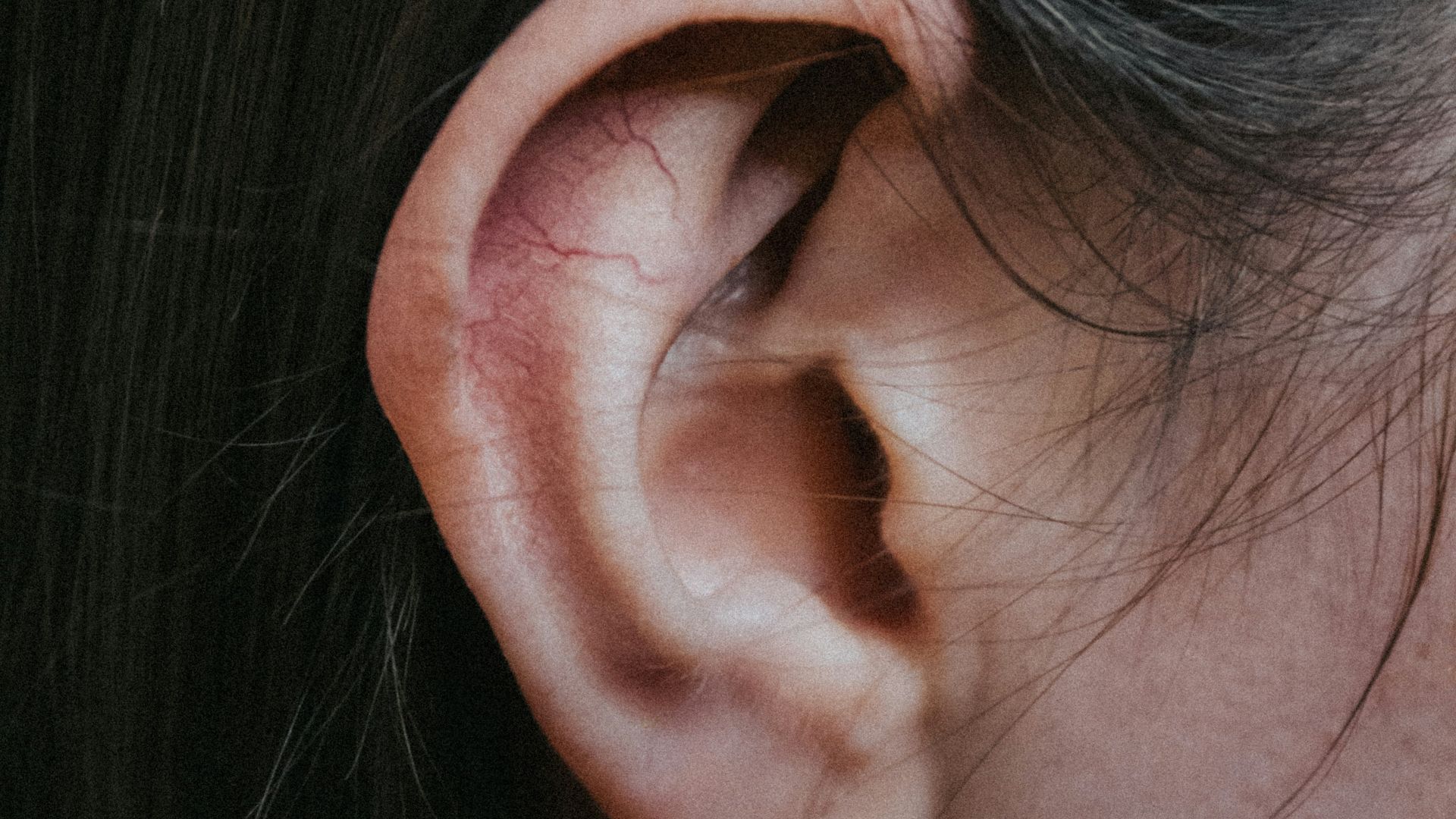
A frightening situation can make your brain pay unusually close attention to sounds. Small noises that you'd normally ignore may suddenly seem important or surprisingly loud. This heightened awareness can help you locate a possible threat before you can fully see what's happening.
11. Your Attention Narrows
Fear can make it difficult to focus on anything except the perceived danger. Your brain prioritizes information that seems relevant to immediate survival and temporarily pushes less urgent details aside. That's useful in a genuine emergency, although it isn't ideal when you're simply panicking before a presentation.
12. You May Freeze
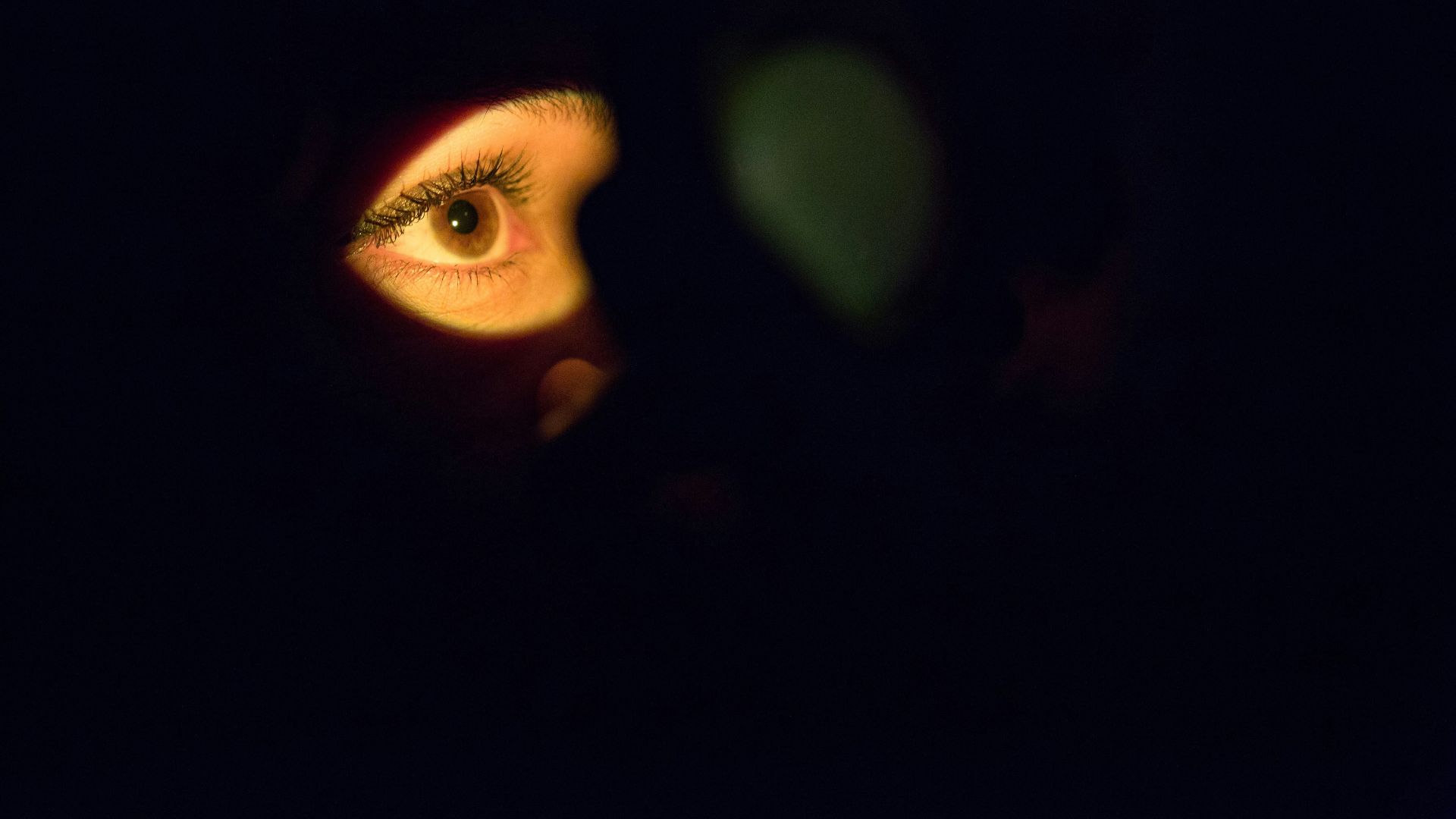
Not everyone immediately runs or fights when they're scared. Some people briefly become still because the nervous system can trigger a freeze response before deciding what to do next. You might find yourself unable to speak or move for a few seconds even though your mind feels extremely active.
13. Your Hands May Shake
Adrenaline and muscle tension can cause trembling during moments of intense fear. Your hands are often where this becomes most noticeable, especially if you're trying to hold something steady. The shaking usually settles once your nervous system begins returning to normal.
14. Your Pain Sensitivity Can Temporarily Drop
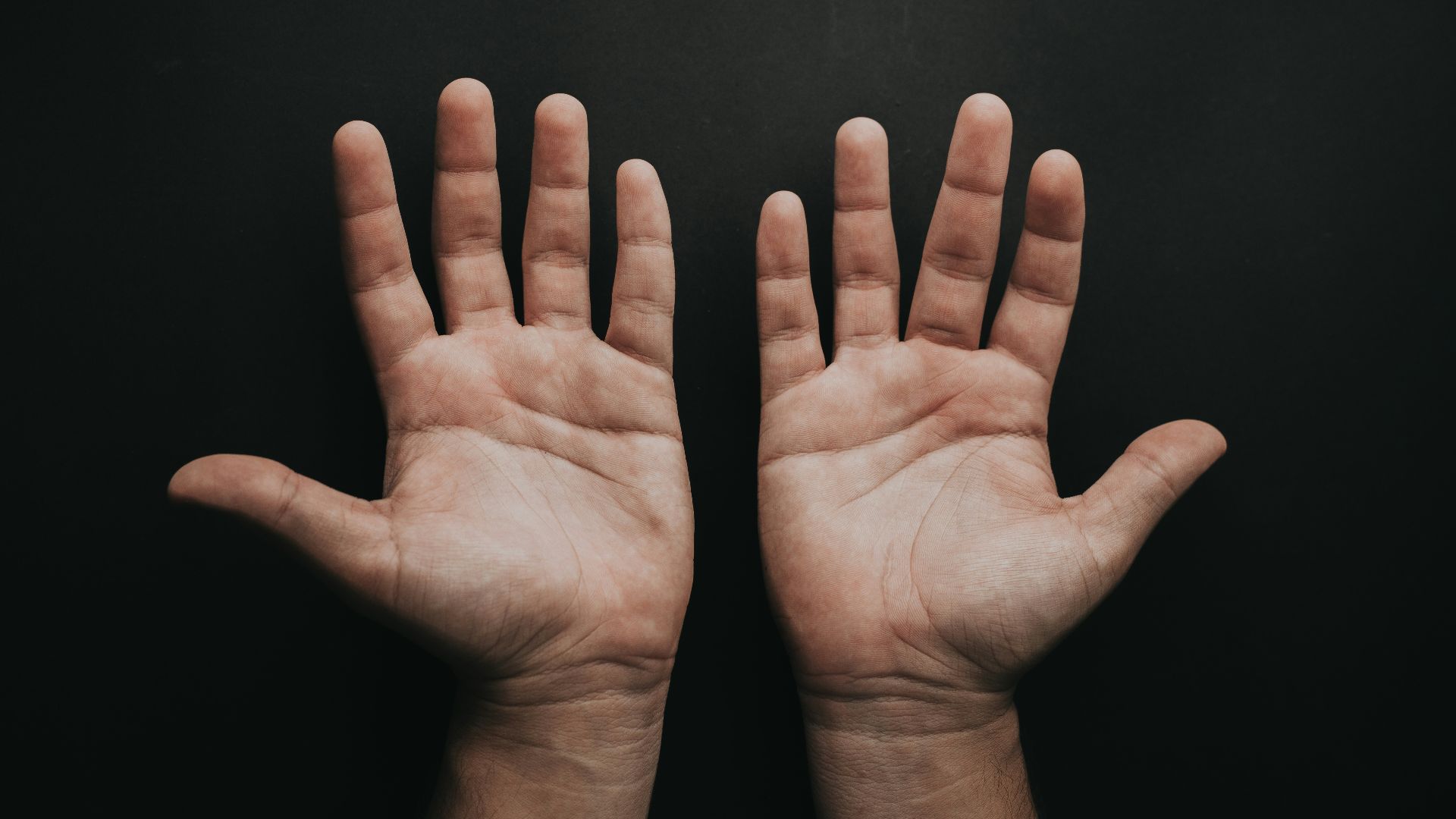
People sometimes don't notice an injury until after a frightening event has ended. Stress hormones can temporarily reduce how strongly the brain registers pain during an emergency. Once the immediate danger passes, aches and injuries may suddenly become much harder to ignore.

15. Your Digestion Slows Down
Preparing lunch isn't a priority when your brain thinks you're in danger. Fear can reduce activity in parts of the digestive system while energy is redirected elsewhere. If stress continues for a long time, this disruption can contribute to ongoing digestive complaints.
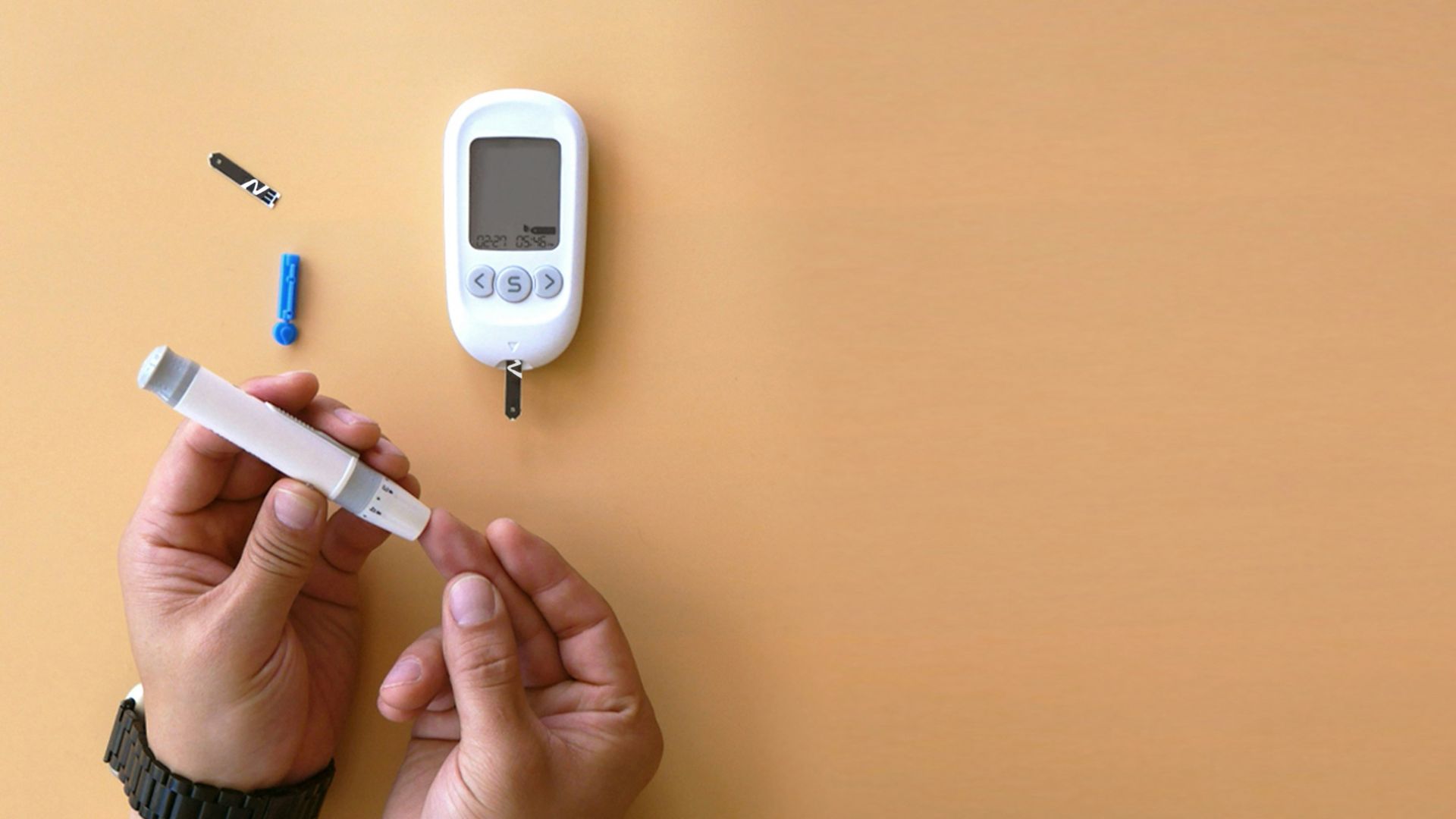
16. Your Blood Sugar Can Rise
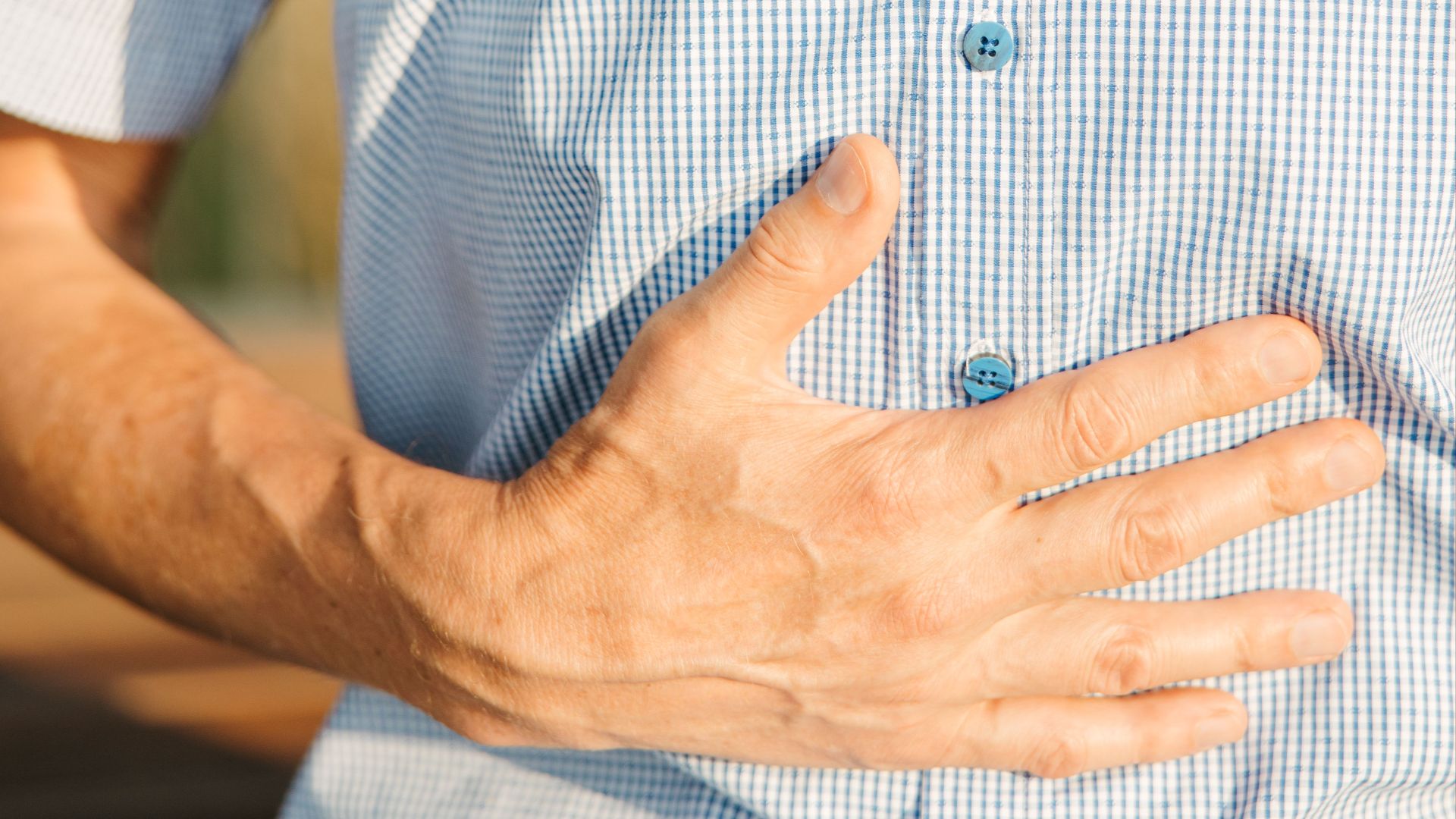
The body wants quick access to energy when it senses a threat. Stress hormones encourage stored glucose to enter the bloodstream so your muscles have fuel available immediately. It's a useful short-term response, even if the scary situation turns out to be nothing more than an unexpected noise downstairs.
17. Your Memory Can Become Sharper or More Confused
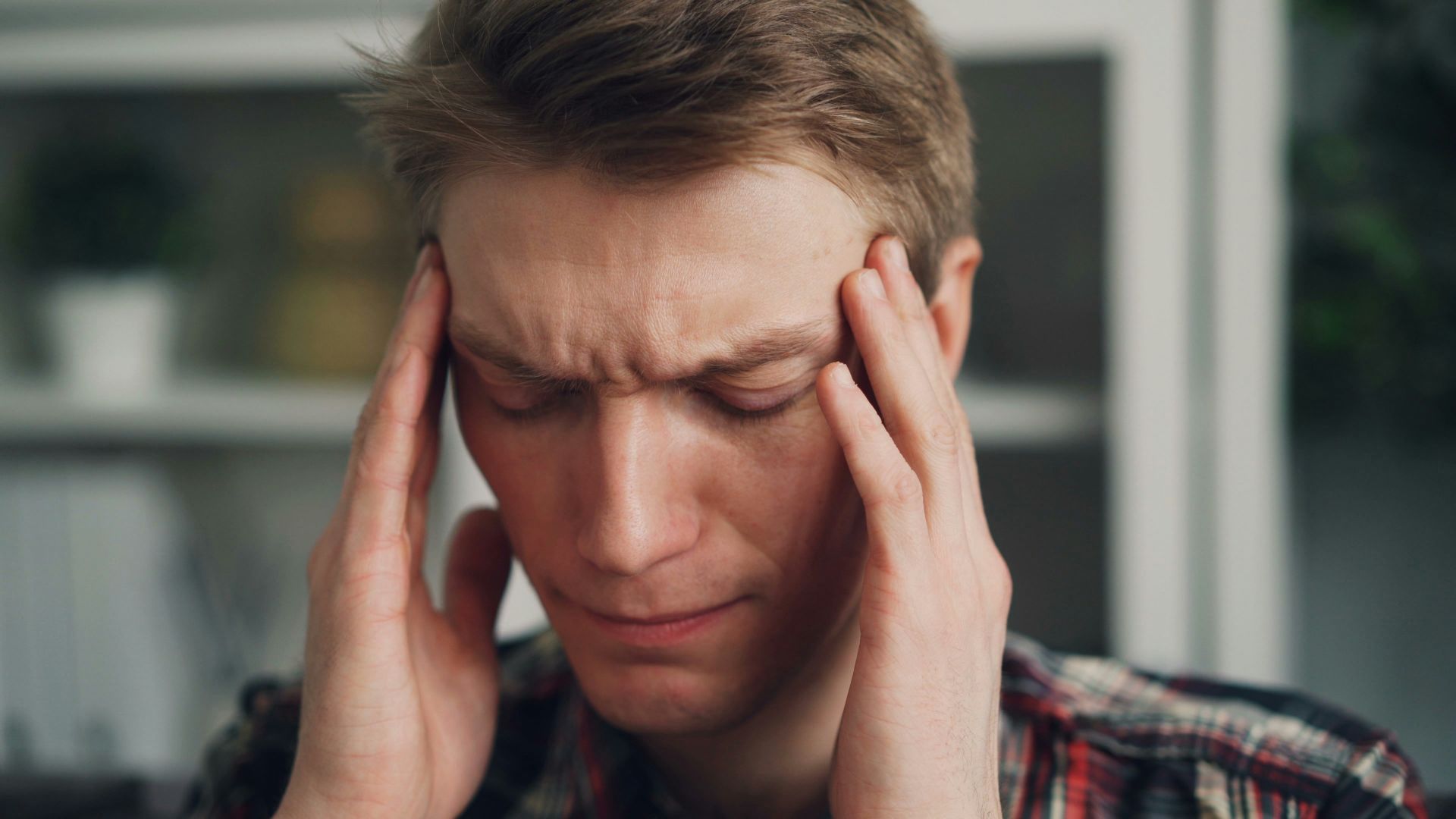
Fear can have a complicated effect on memory. Strong emotional moments sometimes become extremely vivid, while intense stress can also make it harder to remember specific details accurately. That's one reason two people may recall the same frightening event quite differently.
18. Time May Seem to Slow Down
A few frightening seconds can feel much longer than they actually are. Your brain becomes intensely focused and processes a large amount of sensory information in a short period. That increased attention can make the moment seem stretched out when you remember it afterward.

19. You Might Feel an Urge to Run
The classic flight response is exactly what it sounds like. Your nervous system prepares your legs and other large muscle groups for rapid movement if escaping seems like the safest choice. Sometimes that urge appears even when you're standing perfectly still and know intellectually that you aren't in danger.

20. Your Body Eventually Starts Calming Down
Once your brain decides the threat has passed, the parasympathetic nervous system helps bring things back toward normal. Your heart rate slows, breathing becomes steadier, muscles loosen, and digestion starts picking up again. However, you may still feel shaky or drained for a little while because your body has just gone through a surprisingly intense burst of activity.

KEEP ON READING