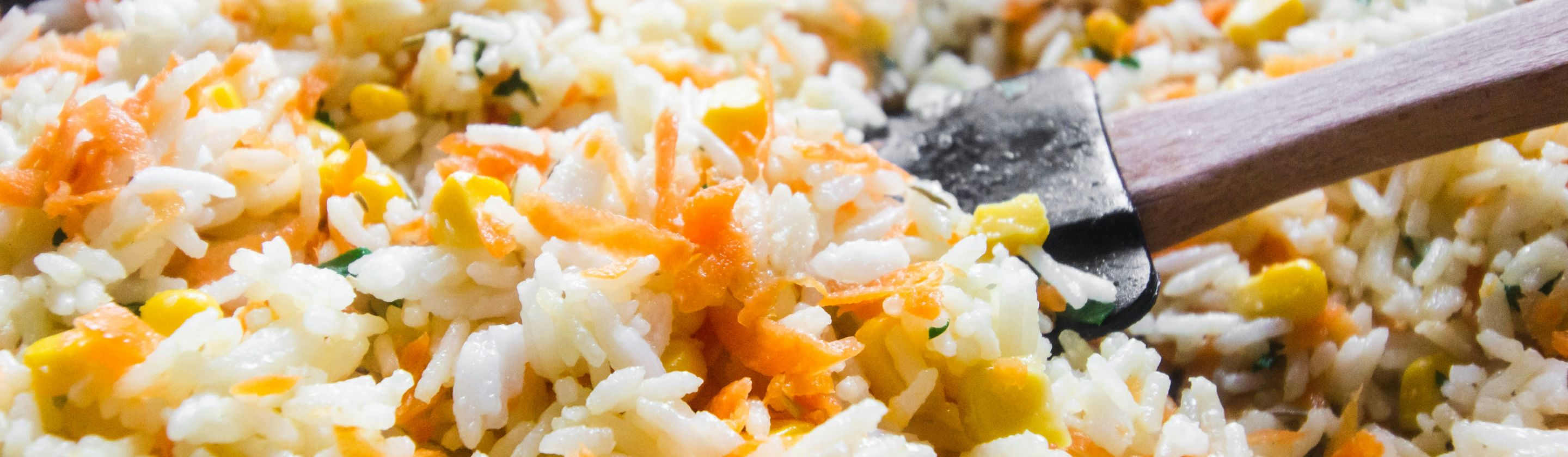
Way Better Than Rice
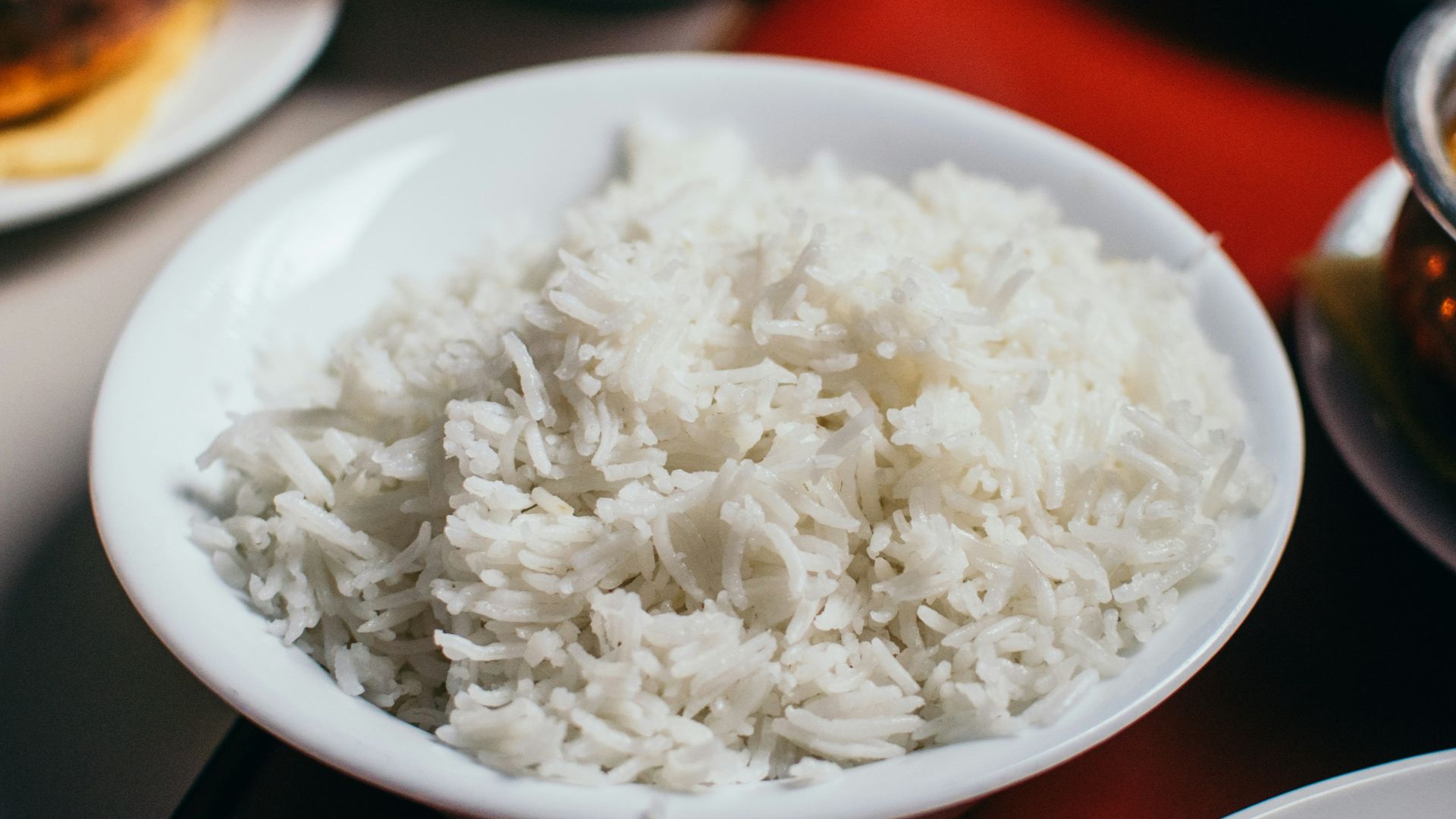
White rice is a perfectly useful staple, but the refining process removes the bran and germ, which contain many of a grain's vitamins, minerals, and other nutrients. Ancient and minimally processed grains often retain more of these components, giving you a wider range of micronutrients in a serving. That doesn't make white rice "bad," and these grains aren't automatically better in every situation, but they can add variety and more nutrients to everyday meals.
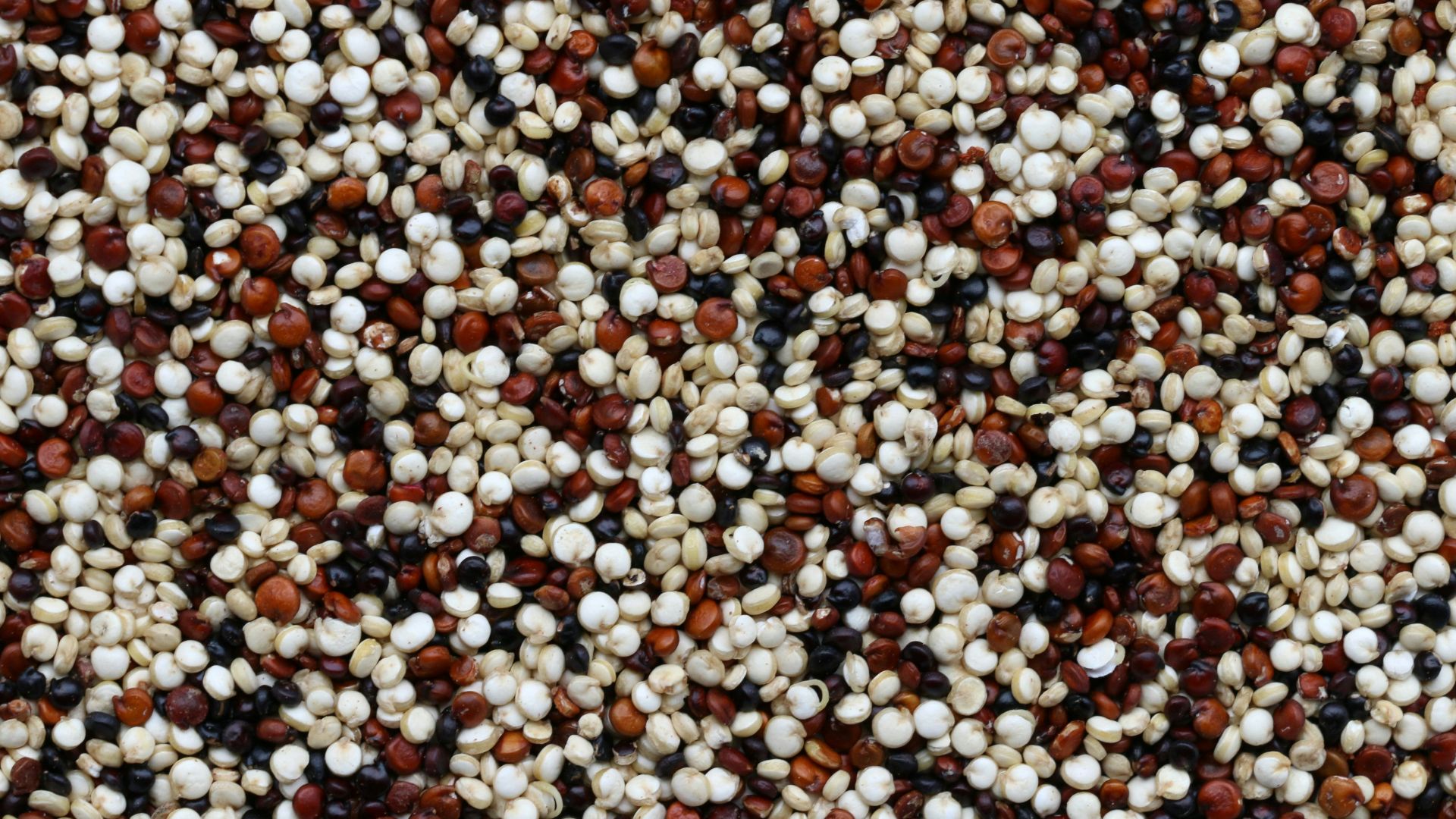
1. Quinoa
One of the most popular “ancient grains” available today, quinoa helps fill in some nutritional gaps that white rice doesn’t cover. It’s a good source of magnesium, phosphorus, manganese, iron, and folate, and it also gives you some protein. Quinoa seeds are tiny and cook fairly quickly, which makes it easy to swap into a grain bowl or side dish when you want something heartier.
2. Amaranth
An ancient grain that was used widely by pre-Columbian cultures throughout the Americas, amaranth is another useful substitute for white rice. It contains magnesium, phosphorus, manganese, iron, folate, and other micronutrients. Like quinoa, amaranth seeds can be cooked into a porridge or added to soups.
3. Teff
Popular in Ethiopian and Eritrean cuisine, teff is most familiar as the ingredient used to make injera bread. It has notable amounts of iron, magnesium, phosphorus, and manganese. Because the grains are so small, it also has a pleasant texture when cooked into porridge or breads.
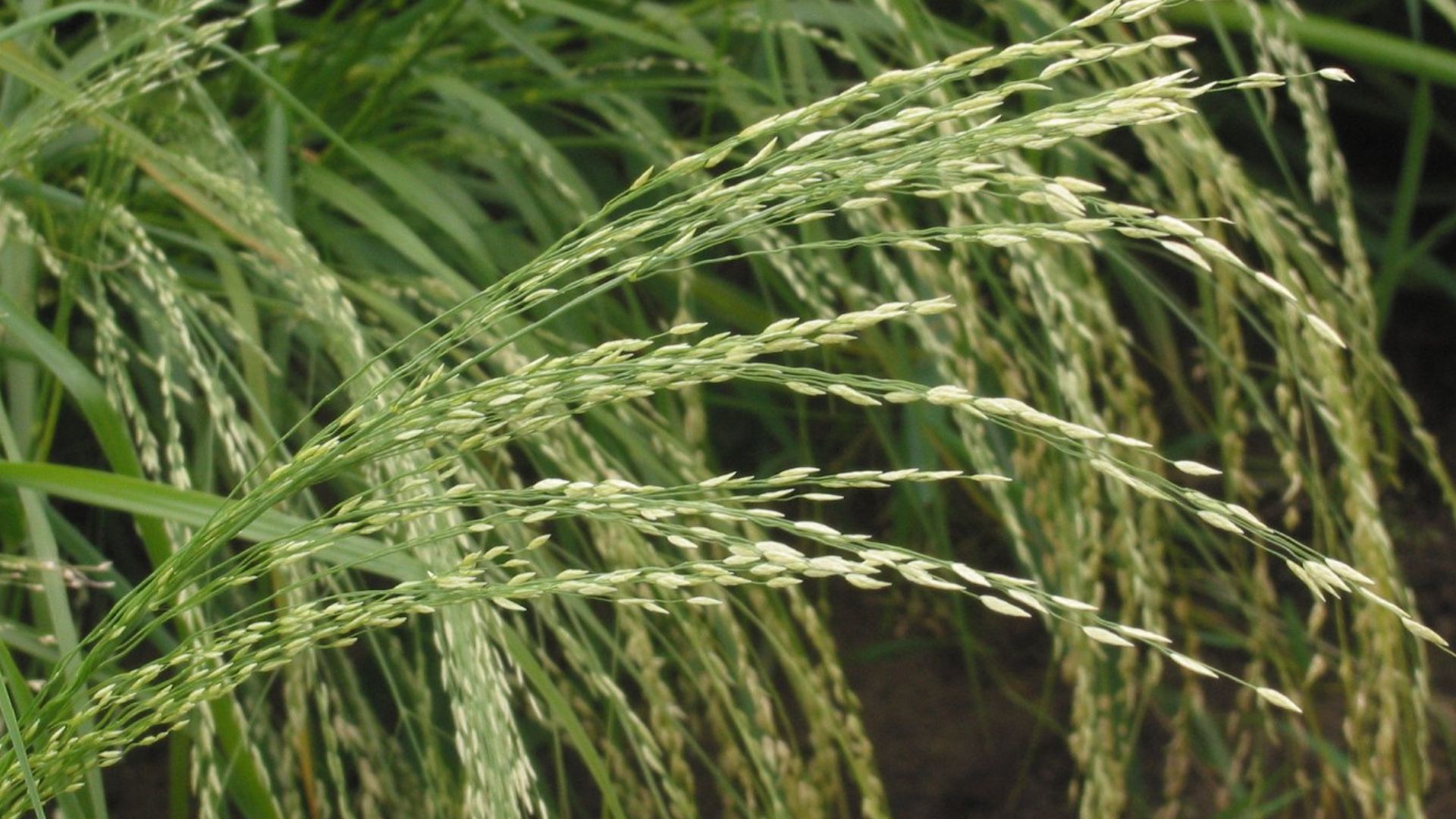 No machine-readable author provided. Rasbak assumed (based on copyright claims). on Wikimedia
4. Millet
Ancient millet grains have been used for thousands of years across Asia and Africa. Millet is a good source of magnesium, phosphorus, manganese, copper, and several B vitamins. Plus, its mild flavor makes it easy to add to meals without drastically altering the flavor of a favorite dish.
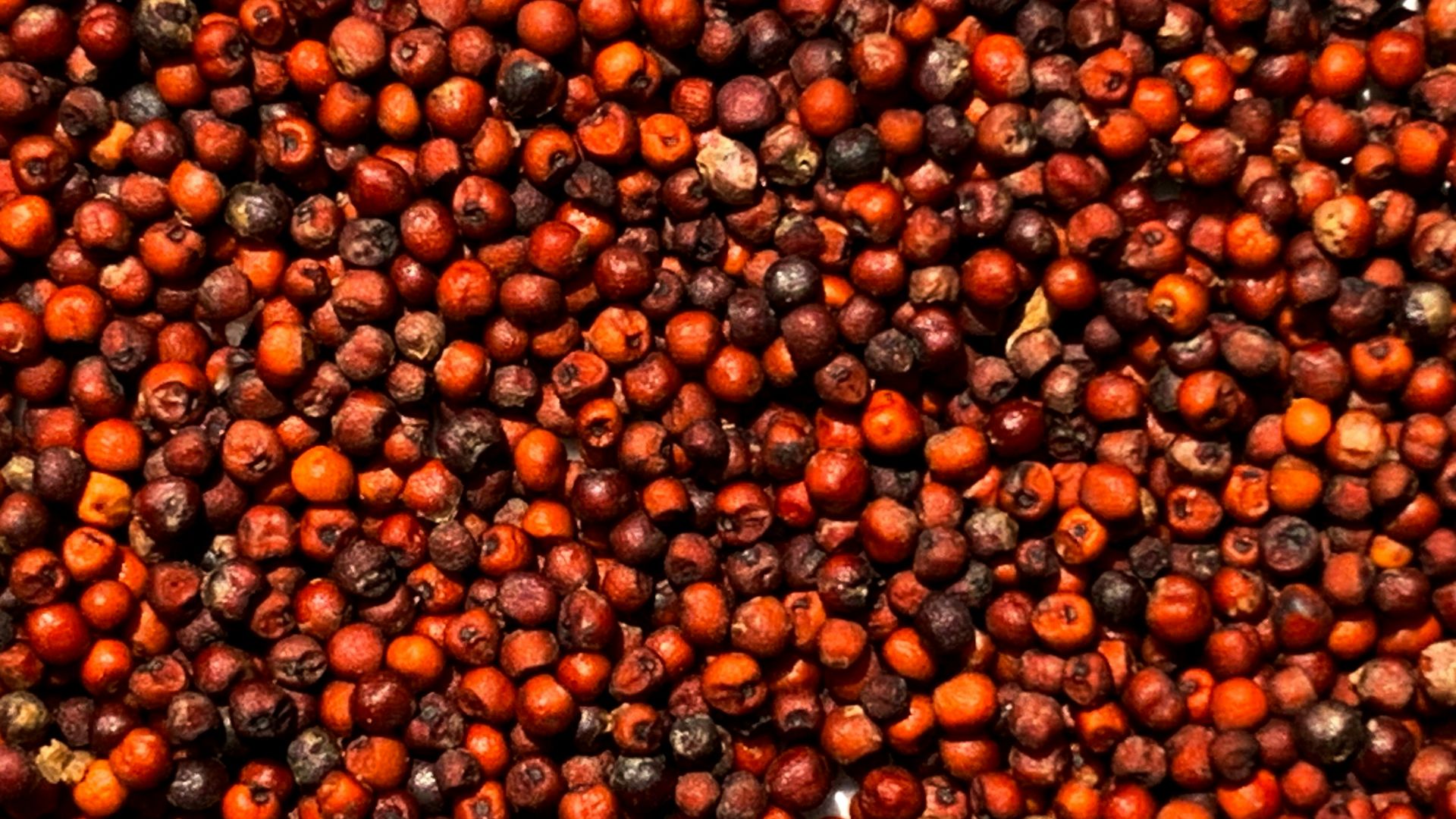
5. Sorghum
Ancient sorghum grains are another staple in gluten-free diets, as they’ve been around for thousands of years in Africa and Asia. Sorghum provides helpful minerals such as magnesium, phosphorus, manganese, and iron. It also contains B vitamins, along with fiber and plant compounds that refined white rice does not.
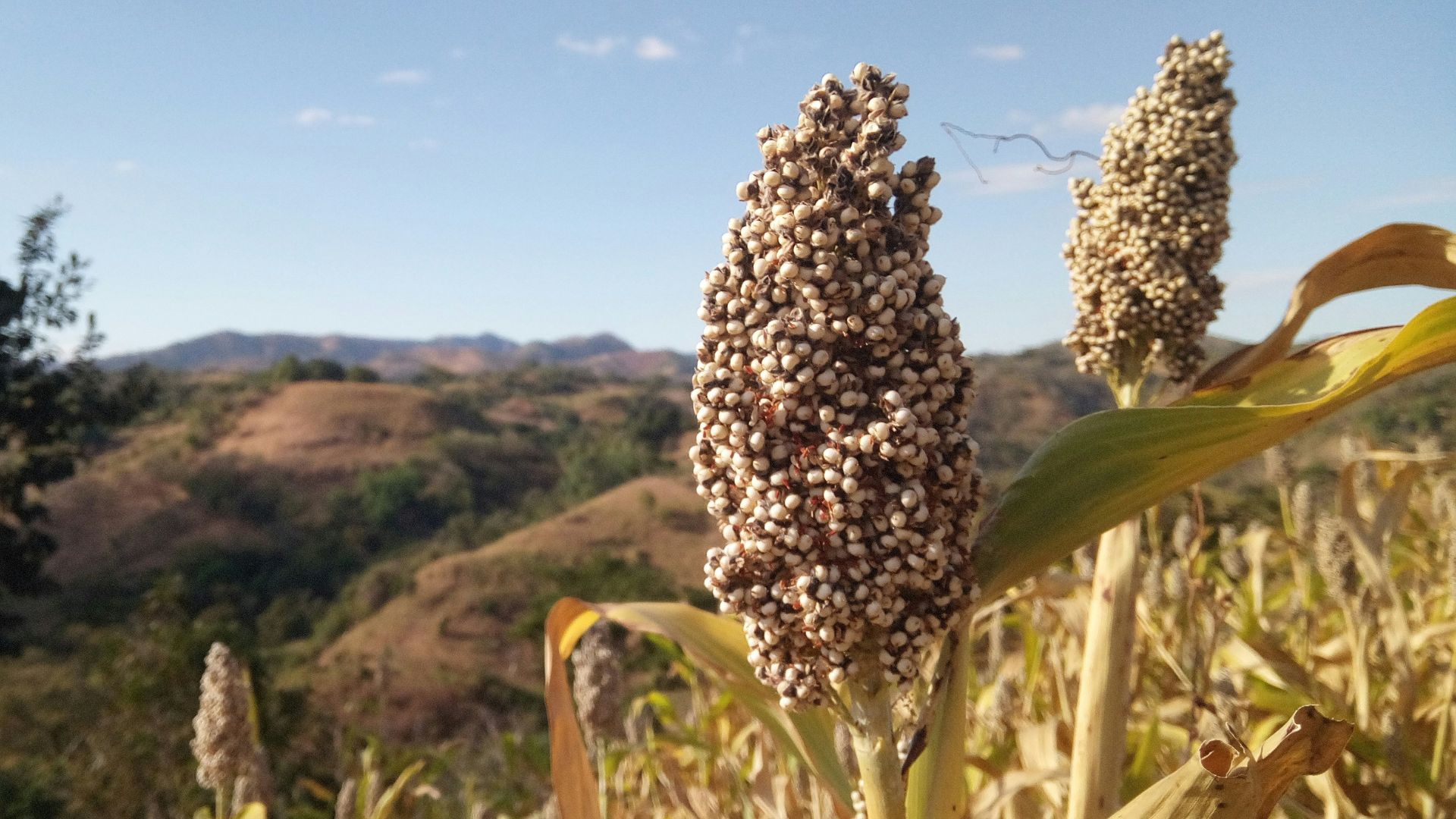
6. Farro
If you’re a fan of Italian cuisine, you may already know about farro. It’s an ancient wheat grain that can refer to several different, but closely related, wheat varieties. Farro has magnesium, zinc, iron, phosphorus, and B vitamins, and its intact structure provides much more fiber than white rice.
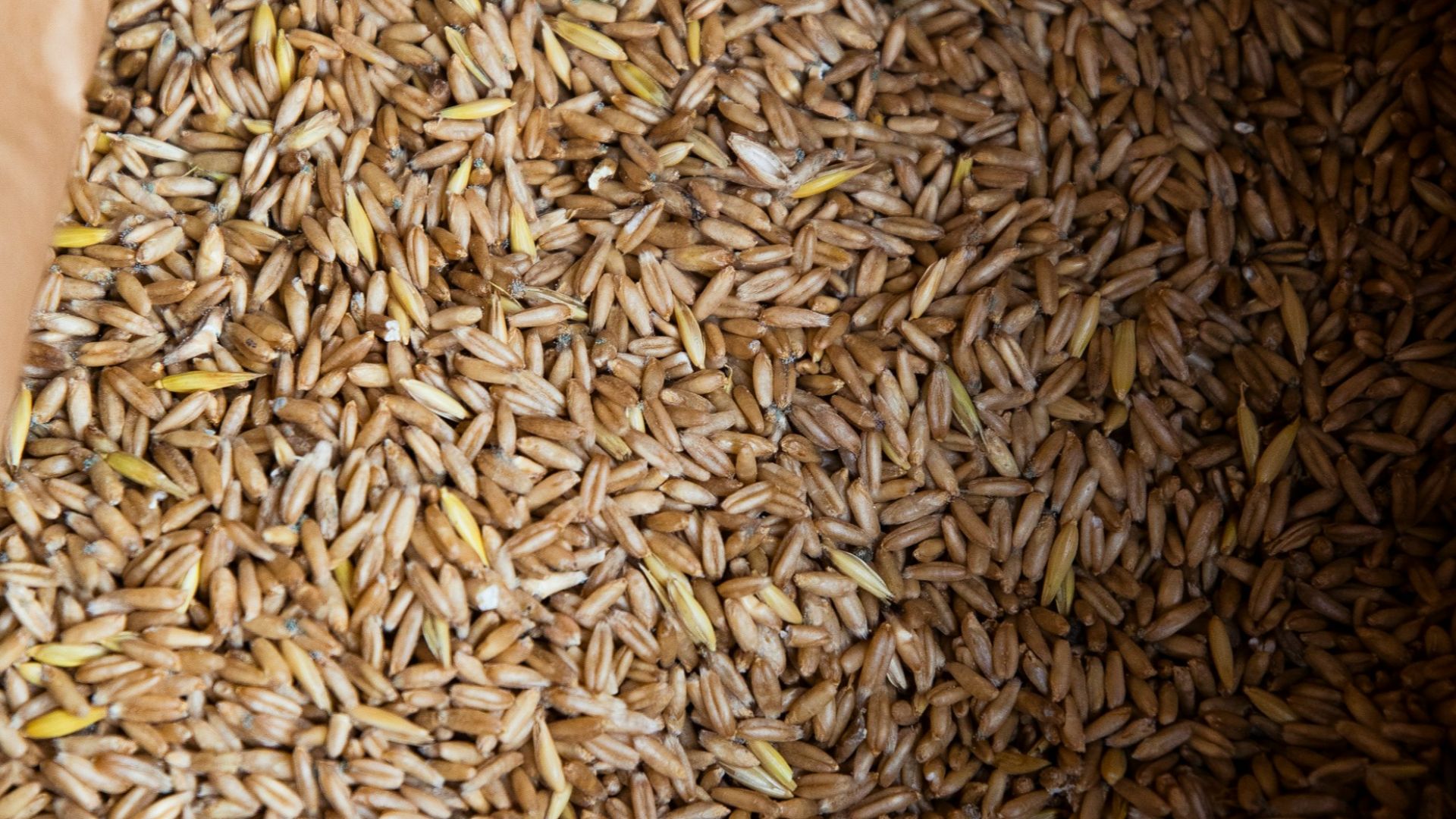
7. Einkorn
Einkorn is another ancient wheat grain. It’s one of the oldest wheat varieties, and its nutrition profile is garnering a lot of attention these days. Einkorn has zinc, iron, magnesium, manganese, and several B vitamins.
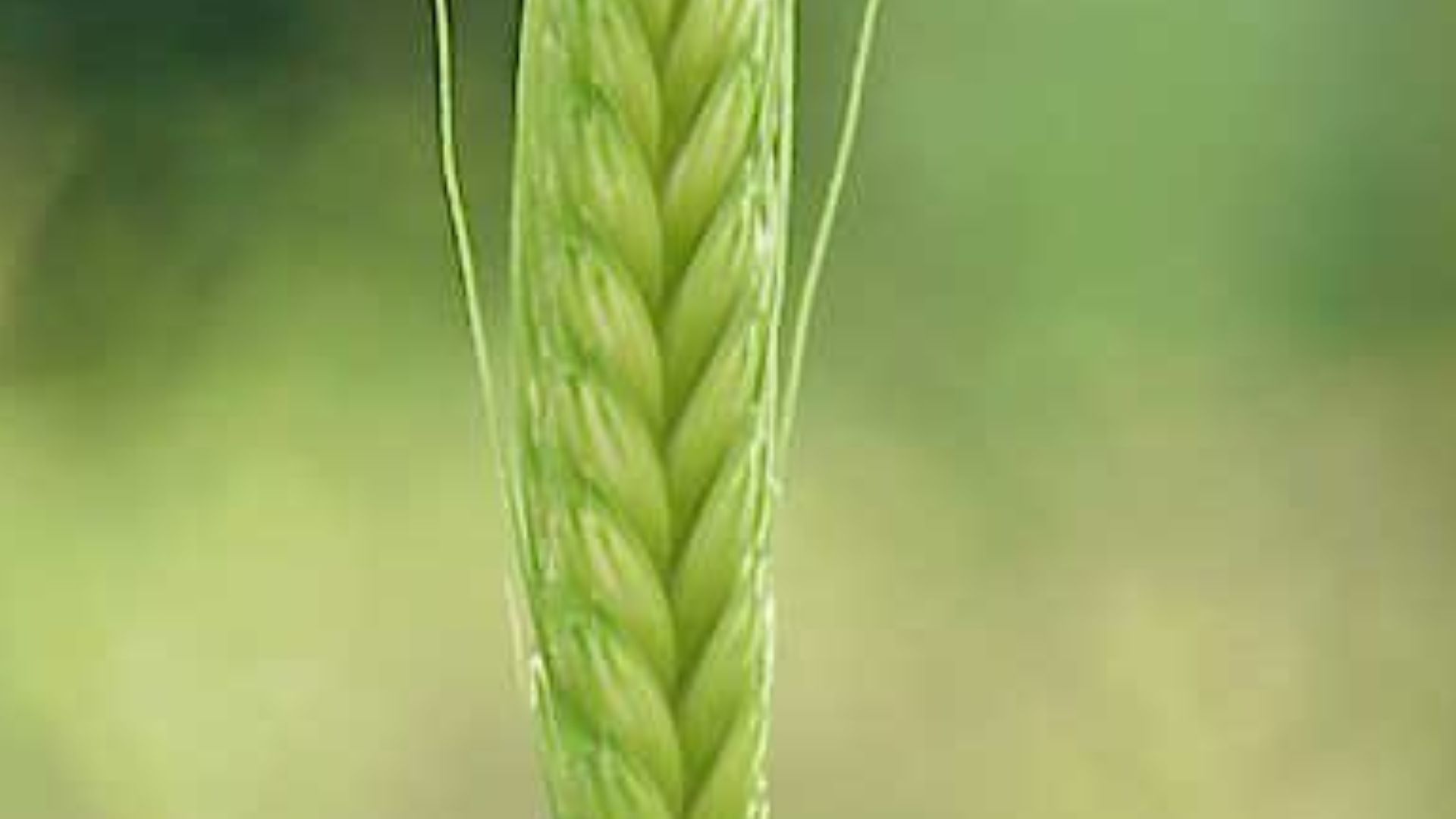
8. Emmer
Emmer wheat is ancient, yet another grain that has been around for thousands of years. Like einkorn, it’s closely related to the types of wheat we consume today. Emmer has iron, magnesium, phosphorus, zinc, and B vitamins.
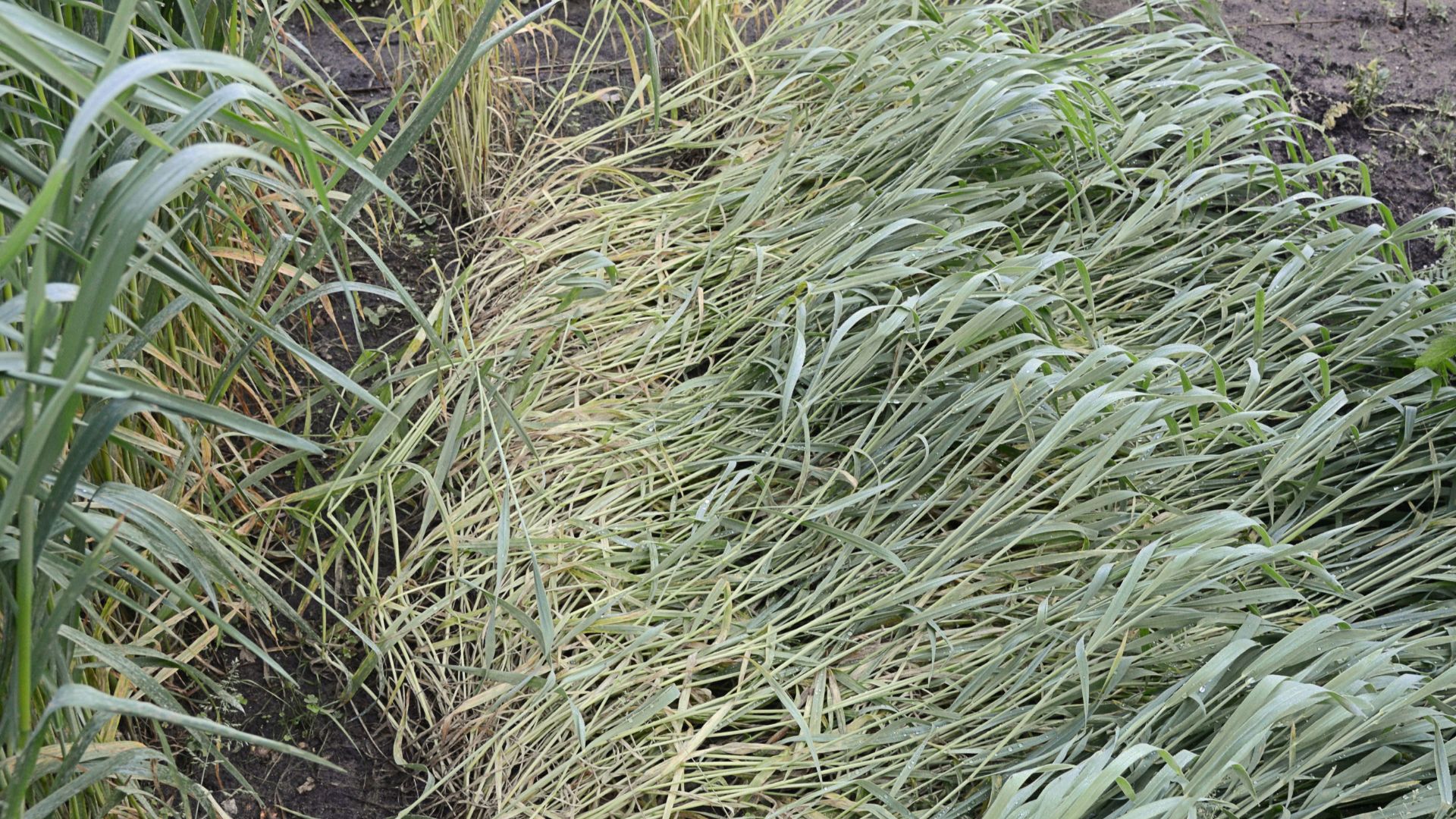
9. Freekeh
Freekeh is processed a bit differently than other grains on this list. It starts out as young green wheat that is harvested, roasted over an open flame, and dried. It’s higher in fiber than white rice and provides manganese, magnesium, phosphorus, and zinc.
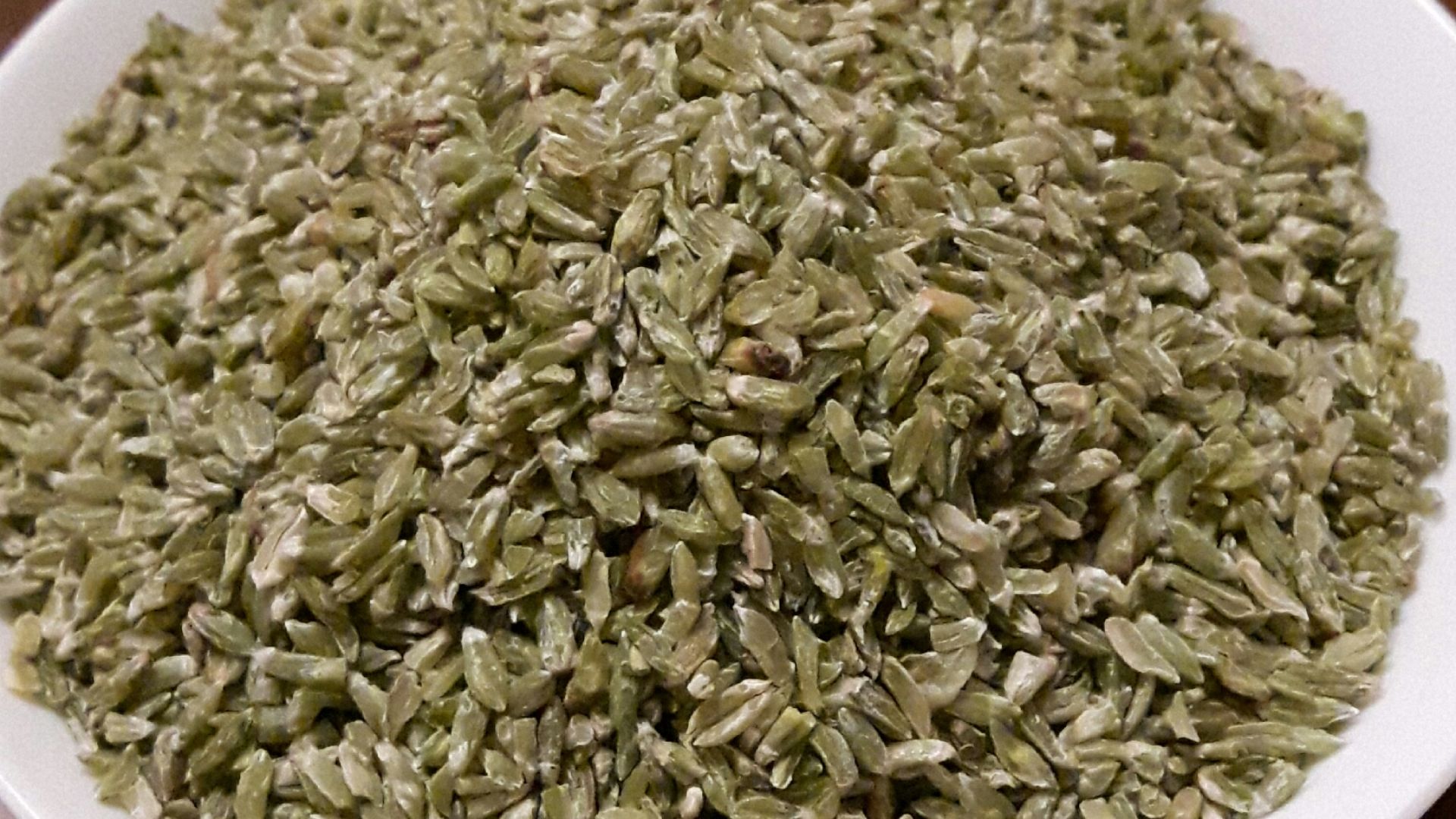
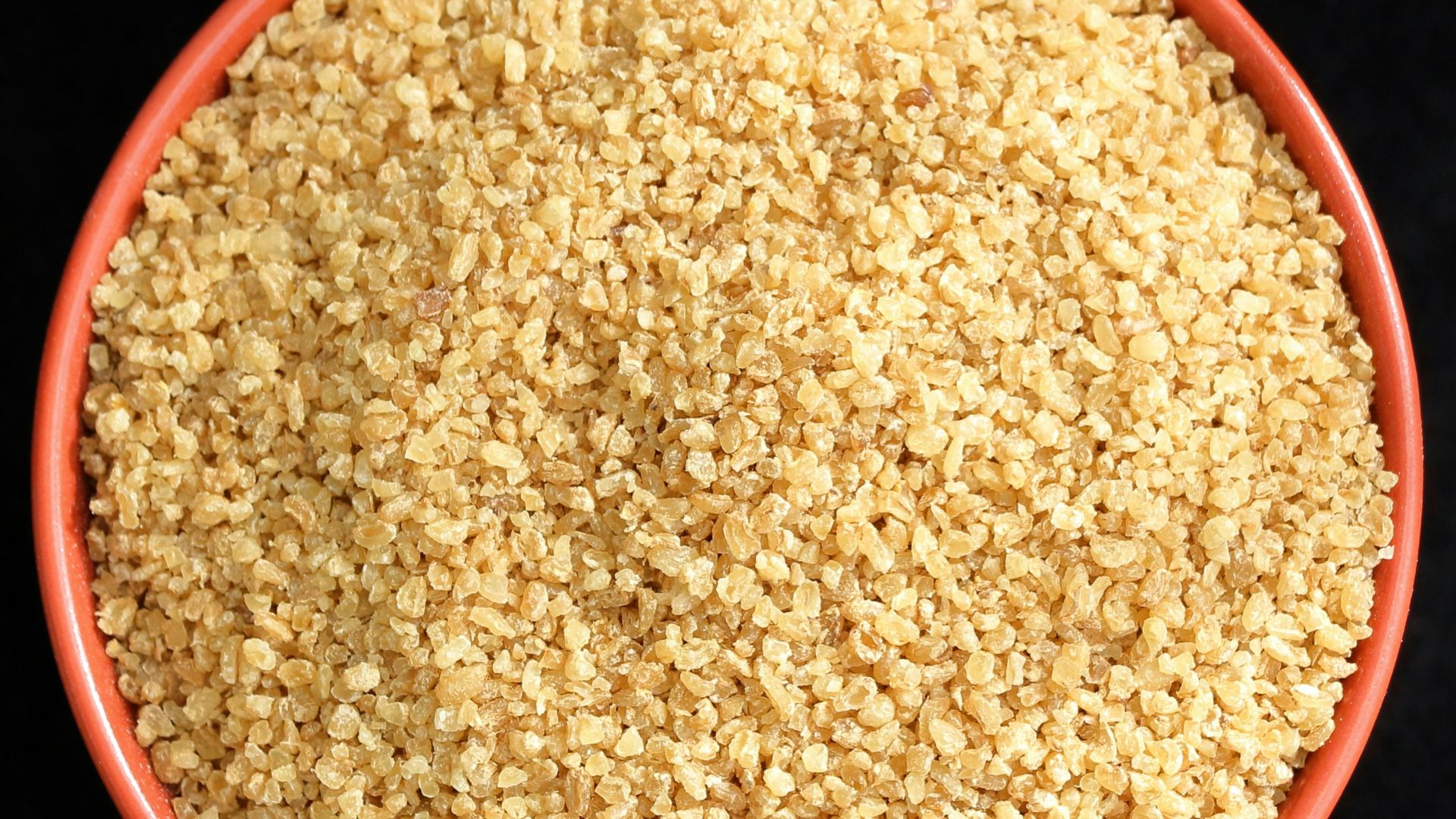
10. Bulgur
This whole grain comes from cracked, partially cooked wheat. Bulgur has a longstanding history in Middle Eastern cuisine and Mediterranean diets. It’s high in manganese, magnesium, iron, phosphorus, and B vitamins, with a bonus of fiber too.
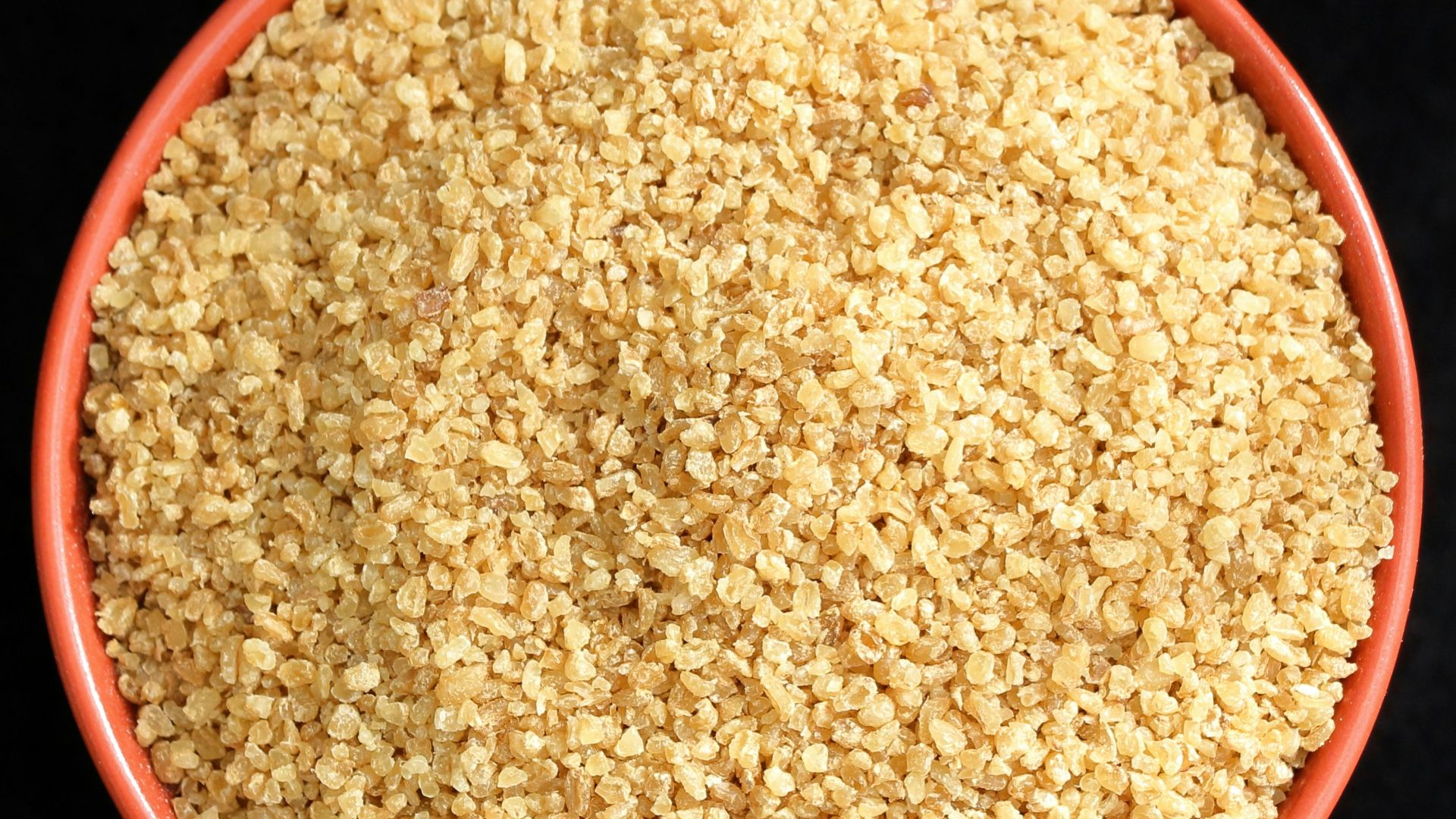
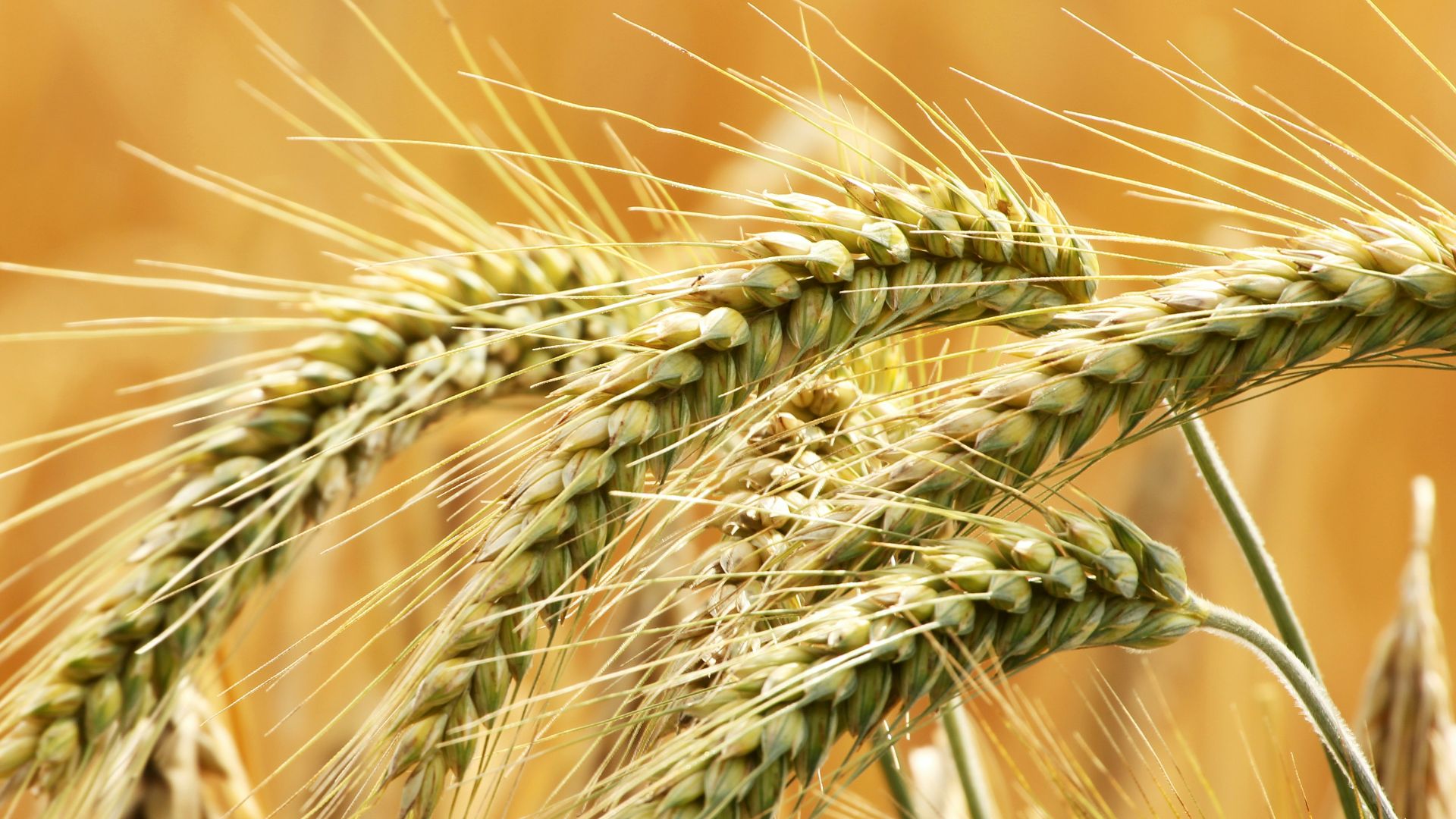
11. Barley
Barley is ancient, as well as one of the first cereal grains ever cultivated for human consumption. Whole barley provides selenium, manganese, magnesium, phosphorus, copper, and B vitamins. Barley has a hearty texture and is often used in soups and stews, although pearled barley is more processed and lower in fiber than the intact version.
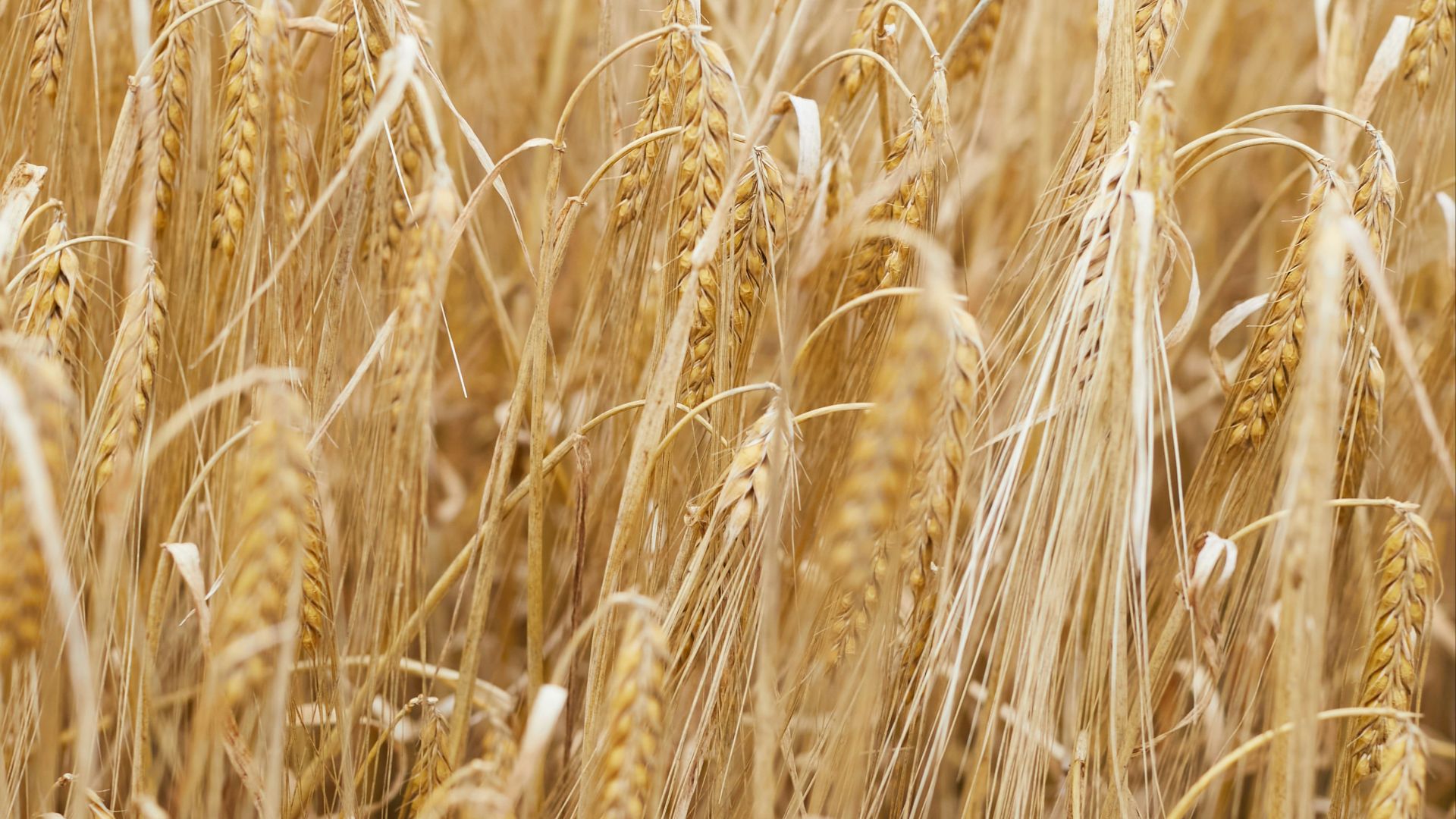
12. Rye
A longstanding staple in Eastern Europe and Scandinavia, whole rye supplies manganese, magnesium, phosphorus, iron, zinc, and B vitamins. Since eating whole-grain rye adds more fiber to your diet, a slice of whole-grain rye bread will give you a broader spectrum of micronutrients than refined grains.
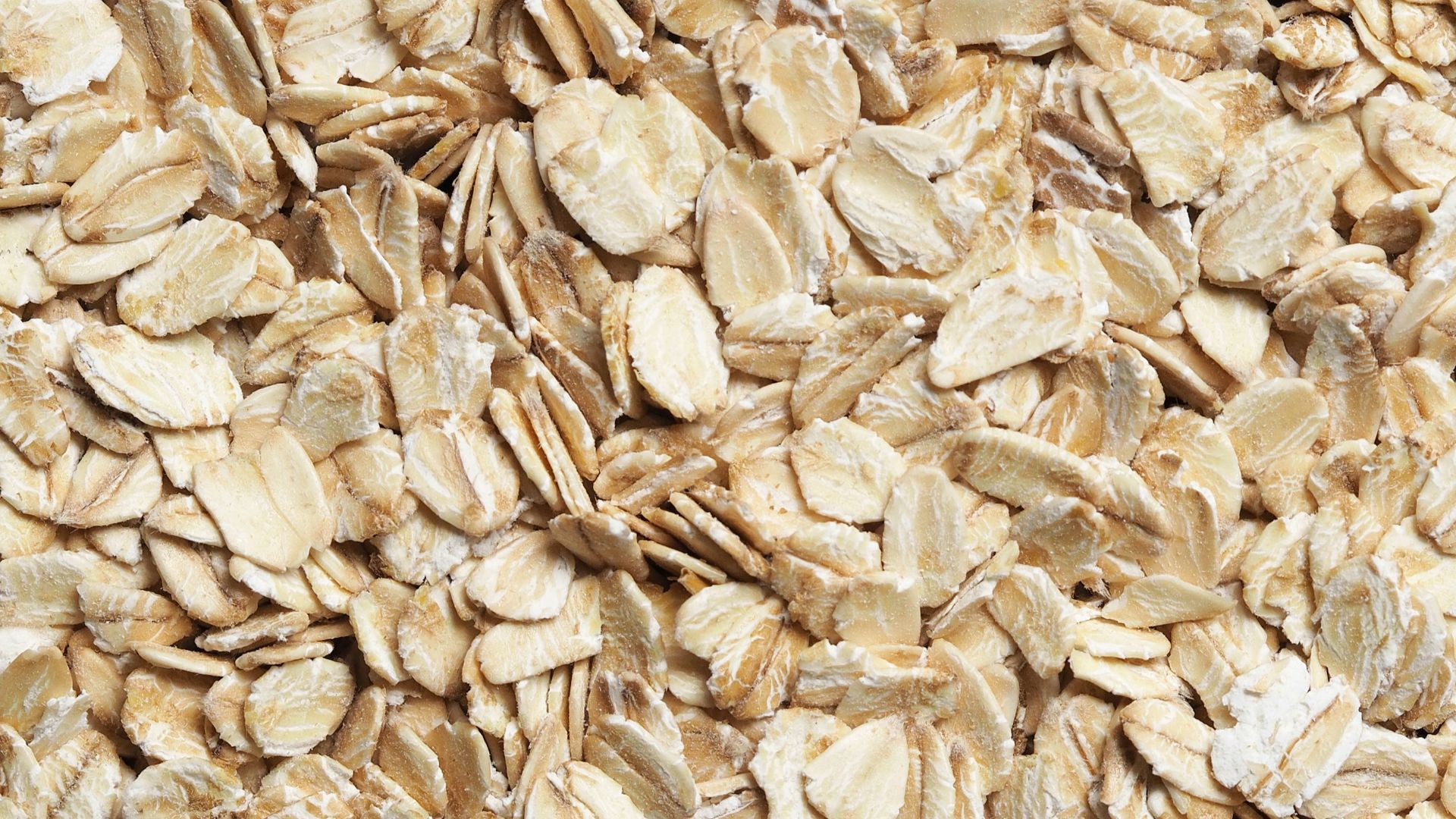
13. Oats
Oats may not immediately come to mind when you hear the phrase "ancient grain," but they've been cultivated and eaten for a very long time. Whole oats provide manganese, phosphorus, magnesium, copper, iron, zinc, and several B vitamins, along with a distinctive type of soluble fiber called beta-glucan. Rolled or steel-cut oats can make an easy breakfast, while oat groats offer a less processed option.
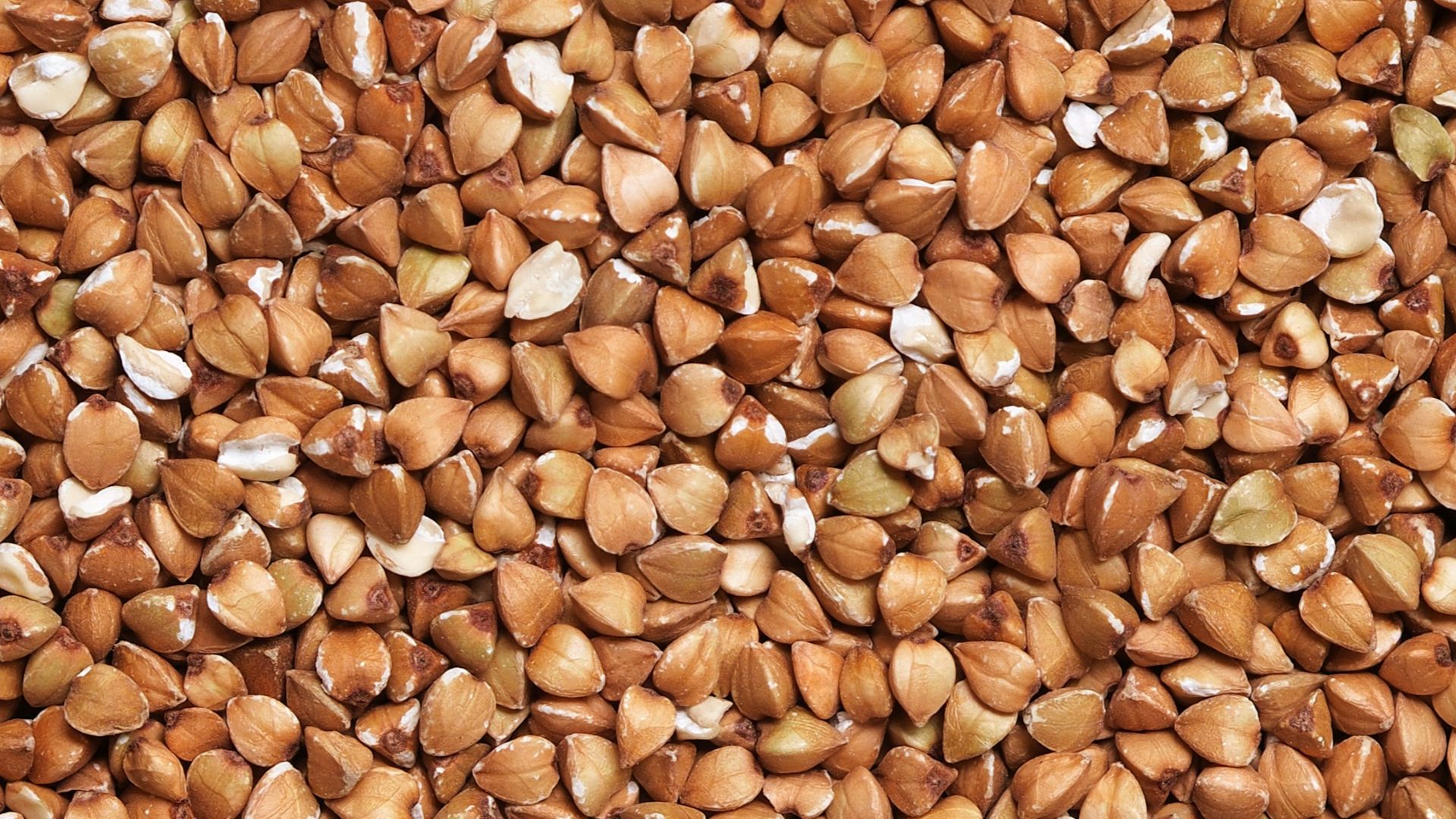
14. Buckwheat
Technically not related to wheat at all, buckwheat is a great gluten-free ancient grain. It has magnesium, manganese, copper, phosphorus, and multiple B vitamins. Buckwheat is also rich in plant compounds like rutin.
15. Wild Rice
Not actually a “rice” in the botanical sense, wild rice is an aquatic grass that has traditionally been used by Native Americans. Wild rice offers manganese, phosphorus, magnesium, zinc, and B vitamins. Additionally, it has more protein and fiber than white rice.
16. Spelt
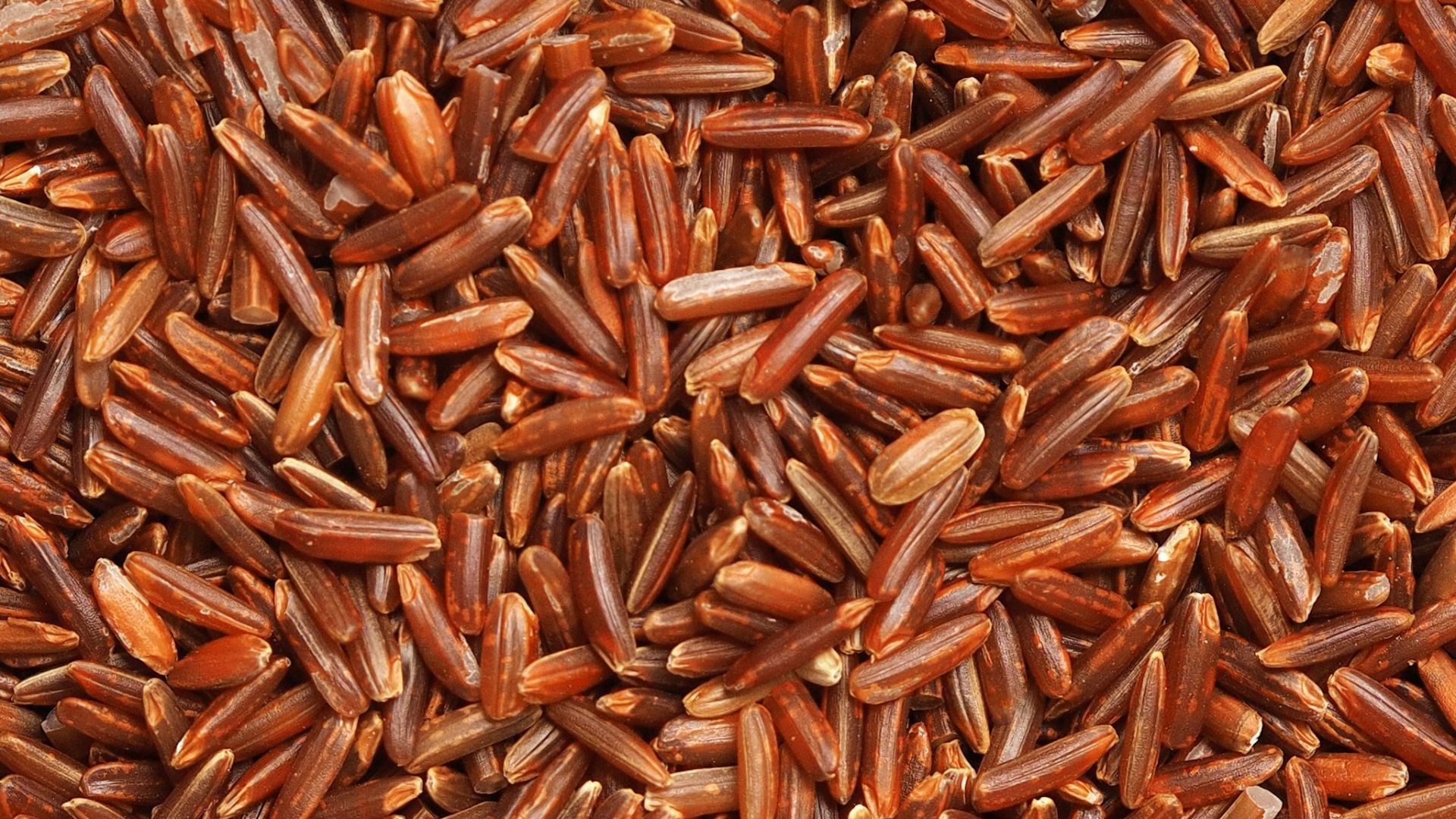
Spelt is an ancient grain that’s related to modern wheat. It can be ground into flour like typical wheat, but whole spelt grains provide manganese, phosphorus, magnesium, iron, zinc, and B vitamins. Similar to whole-wheat grains, whole spelt has more fiber than refined grains like white rice.
17. Khorasan Wheat
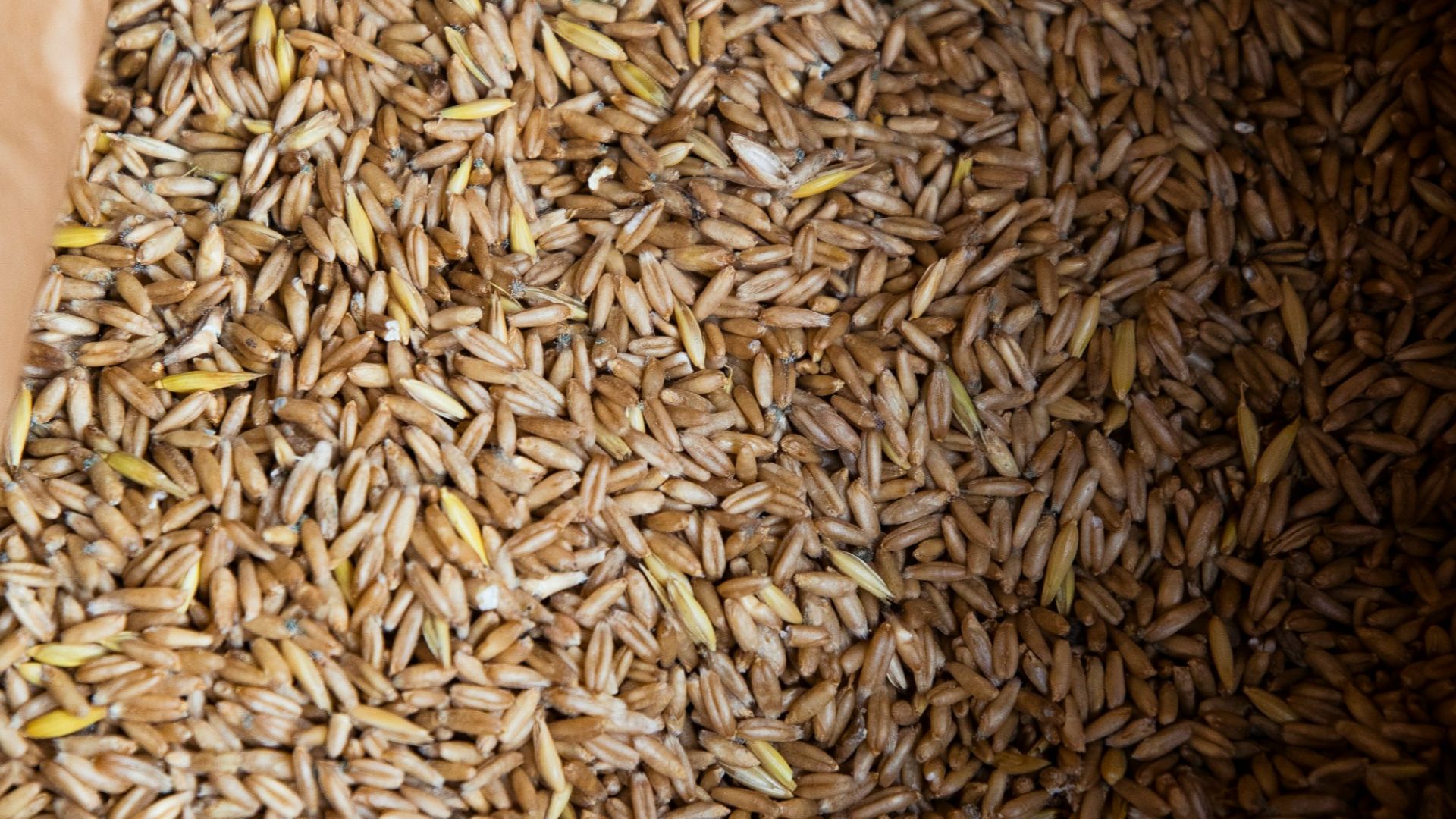
Khorasan wheat is an ancient wheat grain with big, golden-colored kernels. It’s often sold under the brand name Kamut®. Look for whole-grain Khorasan wheat if possible, as it gives you more nutrition, including magnesium, phosphorus, zinc, manganese, iron, and B vitamins.
18. Sorghum-Millet Blends
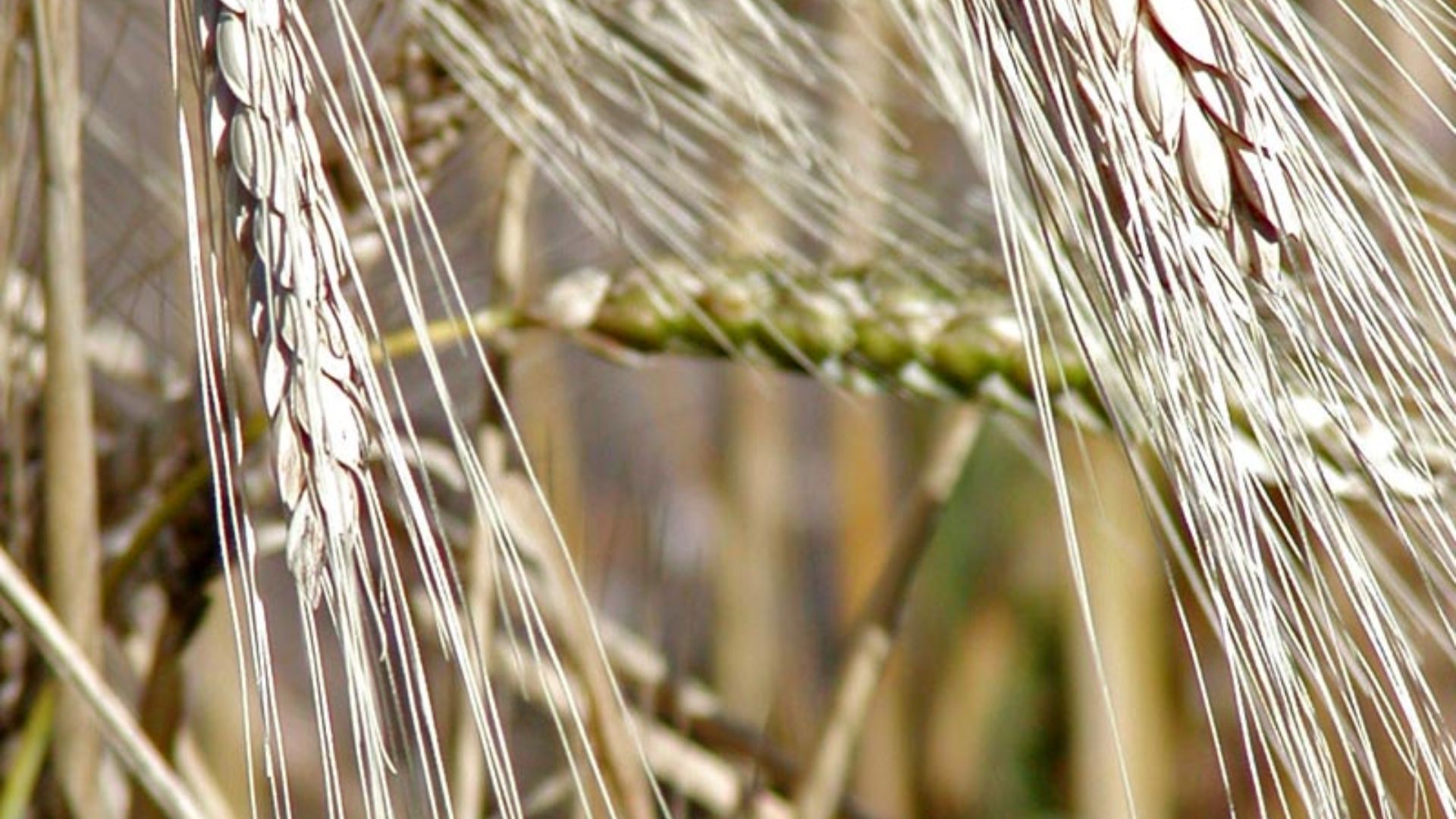
Ancient grain blends are a great way to mix up the nutrients and textures you get from eating just one grain. A sorghum-millet blend provides magnesium, phosphorus, manganese, copper, and iron. Blends also allow you to experience a wider variety of flavors and textures than a single grain offers.
19. Fonio
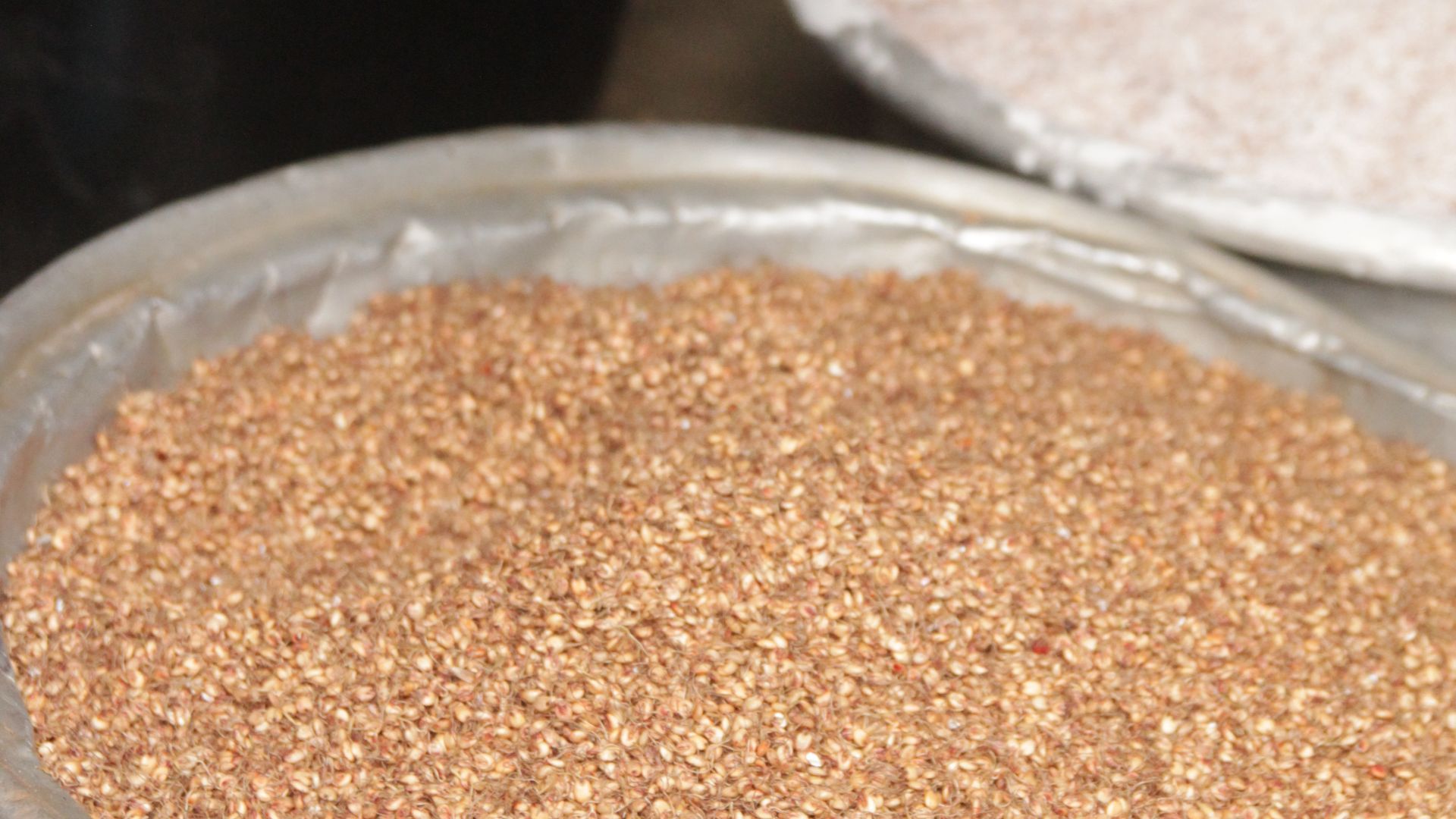
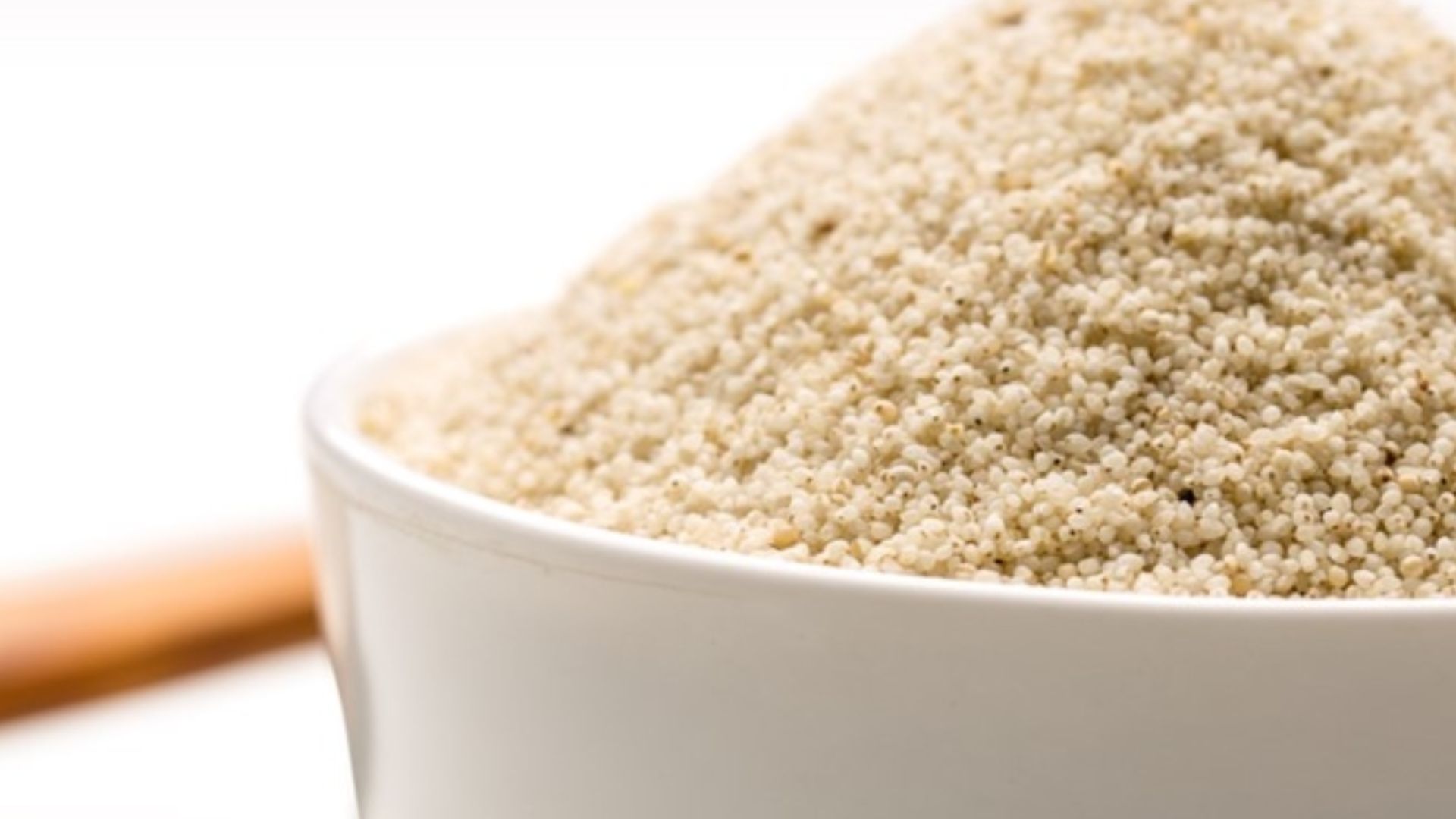
If you’ve never heard of fonio, you’re not alone. It’s an ancient grain from West Africa that hasn’t really made a name for itself outside of the Sahel region. Fonio offers iron, zinc, magnesium, manganese, and B vitamins, along with some protein.
20. Job's Tears
Job's tears, also known as coix or Chinese barley, is an ancient cereal that has been cultivated in parts of Asia for centuries. It provides minerals such as phosphorus, magnesium, manganese, and iron, along with B vitamins and fiber when consumed in less processed forms. The grain remains relatively unfamiliar in American kitchens, but that makes it an interesting option.
KEEP ON READING