

Who Deserves a Place?
The movies always make a will seem like the easiest thing in the world to draft—but it’s actually one of the biggest decisions you’ll make! Not only are you deciding where your heirlooms and hard-earned money will go, but you’ll also need to choose who actually makes the cut, and why. You don't have to divide your belongings equally, and you certainly shouldn't base your decisions entirely on who expects an inheritance, but even with those roadblocks out of the way, it’s not always as cut-and-dry as you’d think. With that, here are 20 considerations that can help you decide who deserves a spot on the roster.

1. Consider Who Depends on You Financially
First, consider anyone who relies on your income to maintain their quality of life. A spouse who doesn't work, a child attending college, or an adult relative with ongoing care expenses may need support after you're gone. They should probably be at the top of your list; these responsibilities can help you prioritize beneficiaries.

2. Think About Who Has Been There For You
Isn’t it funny how some people only show up when they expect something? Well, you don’t need to worry about them. Instead, focus on those who provided years of consistent support. It doesn’t need to be just family, either—a close friend who regularly drove you to medical appointments deserves just as much credit.
 Land O'Lakes, Inc. on Unsplash
3. Evaluate Your Relationship With Your Children
Having children doesn't automatically mean every relationship looks the same. You might have one child who visits regularly and another who moved halfway across the country and only calls you when they need rent money. That’s worth considering. These differences may influence your decisions, but inheritance doesn’t have to serve as a judgment about anyone's character.

4. Look at Everyone's Financial Situation
An inheritance can be make-or-break for some people. $20,000 might help a struggling niece purchase her first home, while a financially secure son could comfortably manage without that money. It’s up to you to think about individual circumstances.

5. Remember Those Who Helped Raise You
Just because you’re in your golden years doesn’t mean your elders disappeared! Don’t forget that leaving some money to an aging parent might help cover household expenses or assistance with daily activities. If your mother or father is still living independently on a limited retirement income, their future security is worth looking into as well.

6. Consider Your Grandchildren's Futures
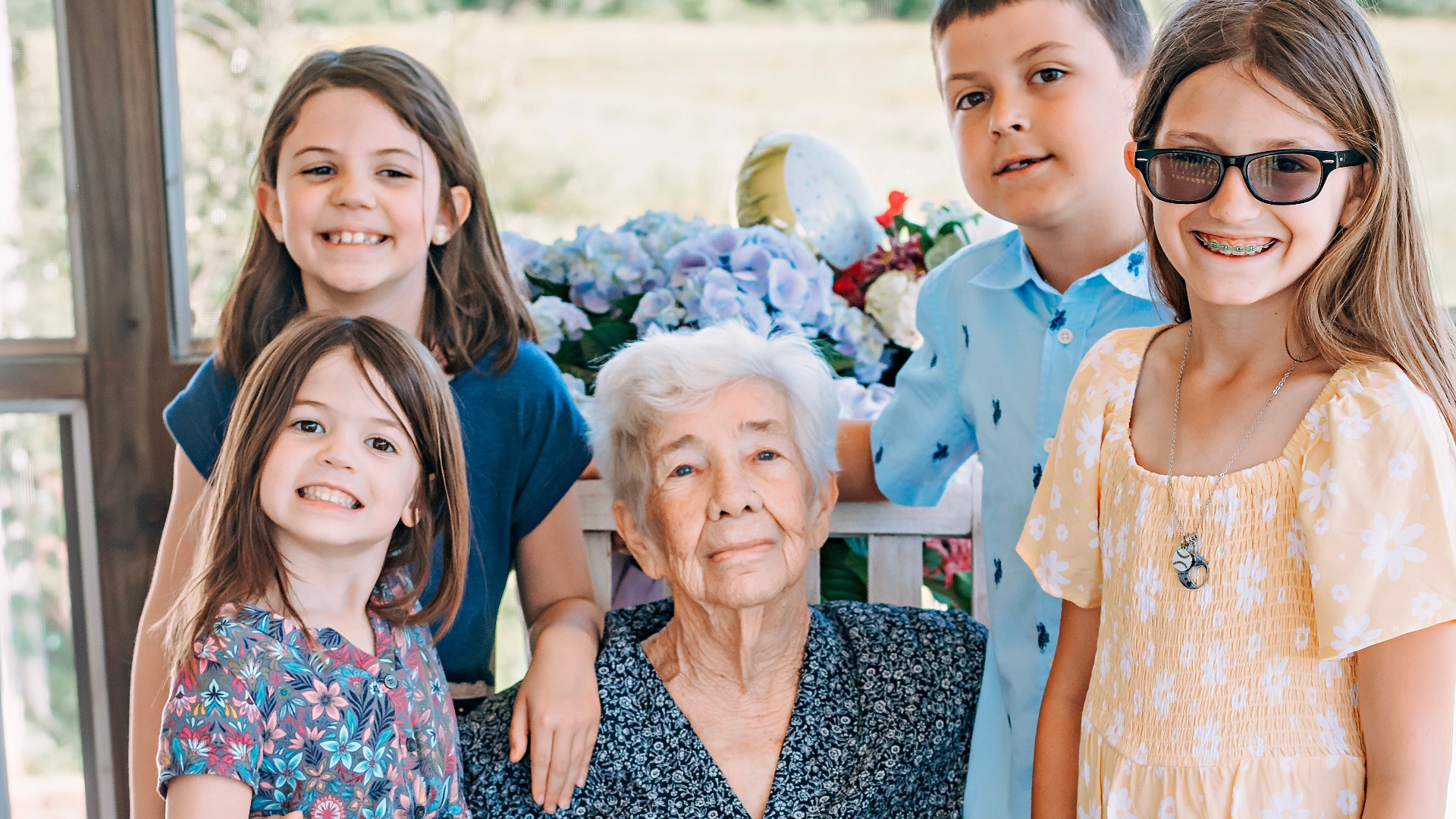
Leaving something to your grandchildren can be exactly the boost they need to get ahead in life. No one said you have to leave everything to them; a modest inheritance could contribute toward college tuition or the down payment on a first home. Just remember that not every youngin will be responsible with a chunk of change like that, so you might want to discuss appropriate trust arrangements first.
7. Don't Automatically Exclude Unmarried Partners
Long-term relationships don't always involve marriage, but that doesn't make the commitment any less significant. Someone who has shared your home for 15 years may deserve consideration even if you've never swapped vows. Because unmarried partners don't always receive the same inheritance protections as spouses, explicitly addressing their needs can be especially important.

8. Think About Who Would Appreciate Your Heirlooms
Not everything you leave behind has to carry a hefty price tag. Your grandmother's wedding ring might mean more to the granddaughter who loves family history than to a relative who’d just pawn it for the cash. Look into what you own, who would actually appreciate it, and go from there!

9. Consider Family Members With Disabilities
Some relatives may need specialized planning because of ongoing support needs. Though it sounds crazy, leaving a large inheritance to someone getting means-tested government assistance could actually affect their eligibility for certain benefits. If you’re confused, it’s worth chatting with an attorney about how to proceed.

10. Think About Your Closest Friends
Family connections aren't the only relationships worth recognizing! A lifelong friend can just as easily hold an important place in your life. Including them in your will can acknowledge a friendship that has remained meaningful for decades.

11. Consider Who Shares Your Charitable Interests
Your estate can also benefit organizations that support causes you've always dedicated your life to. If you've spent years volunteering at an animal shelter or donating to cancer research, there’s no shame in leaving a nest egg behind for them, too.

12. Evaluate Whether Someone Can Manage an Inheritance
Falling into a substantial amount can change people—even if you assumed they’d be responsible. If a relative has repeatedly struggled with uncontrolled spending, it makes sense to hesitate before leaving them unrestricted access to a large sum. However, instead of excluding them, consider whether a properly structured trust could be the best of both worlds.

13. Remember Stepchildren
Blended families often develop relationships that are every bit as meaningful as traditional connections. You may have raised your stepson since kindergarten. You may have supported a stepdaughter through adulthood despite never formally adopting her. In any case, naming stepchildren can help ensure your estate plan reflects the family you've built.

14. Consider Who Has Made Personal Sacrifices
Providing care for an aging relative can require a lot of time, effort, and money. Don’t forget the sacrifices an adult child makes taking care of you; reduced working hours or even a chance at a promotion might have been put off to take care of you. You can always recognize those contributions through an inheritance.

15. Think About Who Would Care For Your Pets
Your pets will still need food, veterinary attention, and a comfortable home after you're gone. A trusted neighbor who already looks after your dog during vacations might be willing to assume responsibility permanently. Discussing the arrangement beforehand and exploring a legally appropriate pet trust can help ensure money is available to benefit everyone.

16. Consider the Future of Your Family Business
If you have a business under your wing, that can sometimes bring on more complications—an inheritance may involve responsibilities beyond receiving money. If your daughter has spent 15 years helping operate the family restaurant, leaving her your ownership interest might make more sense than dividing it among relatives who have never worked there. Just bear in mind that existing agreements should be reviewed before making that decision.
 Land O'Lakes, Inc. on Unsplash
17. Think About Who Would Value Your Home
Your house might represent a big part of your estate, and that’s exactly why you shouldn’t forget its value. Perhaps one of your children has expressed interest in living there, while the others would prefer to sell it. Discussing these preferences could help you decide whether to leave the property to one beneficiary or arrange for its eventual sale.

18. Review Any Promises You've Made
Over the years, you may have told certain people that specific belongings would eventually become theirs. Sure, it’s easy to assume that wasn’t set in stone, but at some point, younger relatives might hold you to that! Revisiting those conversations can help you figure out whether those promises still reflect your wishes.
 micheile henderson on Unsplash
19. Decide Who Should Inherit If Your First Choice Can't
Even carefully considered plans can become outdated. Life loves to throw curveballs, so if you intend to leave money to your brother, for example, you should also decide whether his children would get that share if he passes first. Naming alternate beneficiaries can also ensure your wishes remain clear when things change.

20. Choose People Based on Your Values
Your will should reflect your priorities—not expectations. If you prefer to leave a portion of your savings to a devoted caregiver or an organization that's made a difference in your community, that’s your business! As long as you've accounted for applicable legal obligations, your choices should represent what matters to you.

KEEP ON READING



20 Natural Ways You Can Boost Your Immune System

20 Ways To De-stress & Relax After Work

The 10 Most Common Diseases & The 10 Most Rare