Your Body Never Takes a Break
A single minute might not seem particularly important, especially when you're sitting around doing absolutely nothing. However, your body is constantly performing thousands of biological processes to keep you alive, healthy, and functioning properly, even when you're completely unaware of them. From circulating blood and producing new cells to processing information and defending against potential threats, an incredible amount of activity takes place in just 60 seconds.

1. Your Heart Will Beat Around 60 to 100 Times
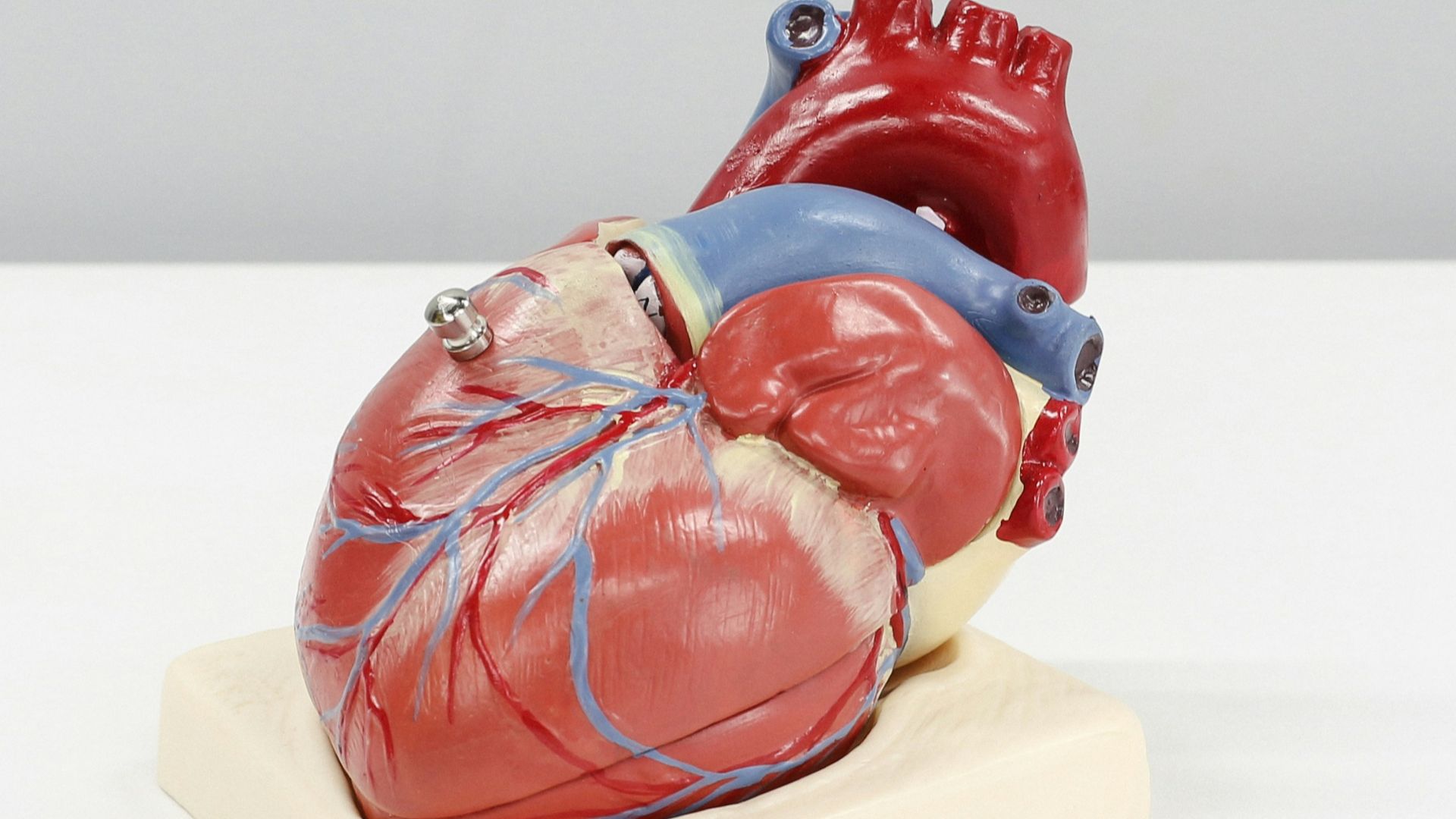
Of course, your heart will keep beating, circulating blood around the whole body. For most adults at rest, it will beat somewhere between 60 and 100 times per minute. Athletes can, of course, have considerably lower resting heart rates.
2. You'll Take Approximately 12 to 20 Breaths
Between 12 and 20 is the usual number of times per minute most adults will breathe at rest, depending on how active they have been. As you inhale, you take in oxygen, and when breathing out, you expel carbon dioxide. Clearly, as most people can concentrate on other tasks, it's convenient that your brain takes care of ensuring you continue to breathe!
 Angelina Sarycheva on Unsplash
3. Your Body Will Produce Millions of Red Blood Cells
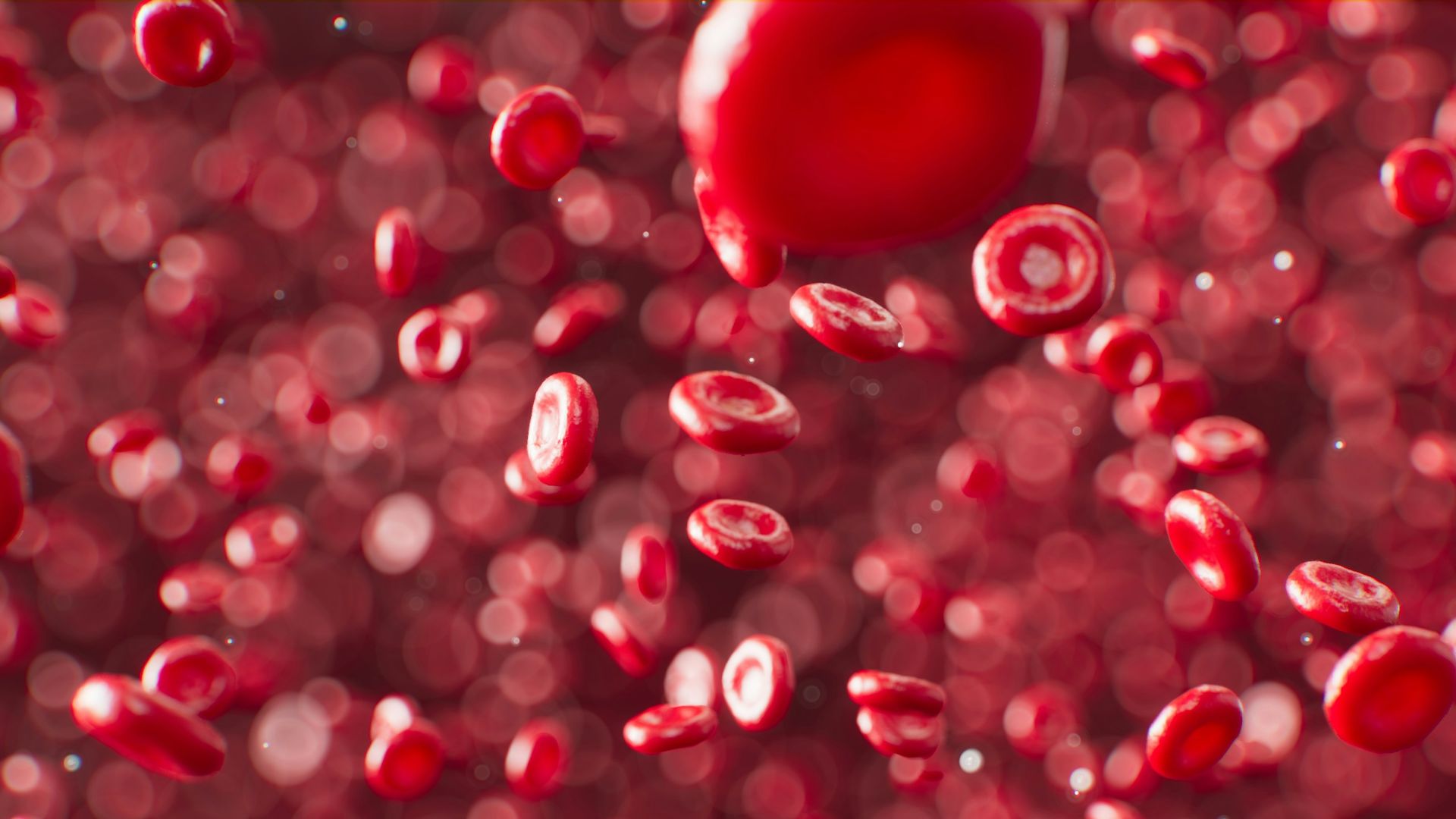
Old red blood cells die after a certain period of time, and more are therefore continually being produced in the bone marrow. About 2 million new cells are produced per second, or about 120 million per minute. All of these carry oxygen around to various parts of the body.
4. Your Brain Will Consume a Significant Amount of Energy
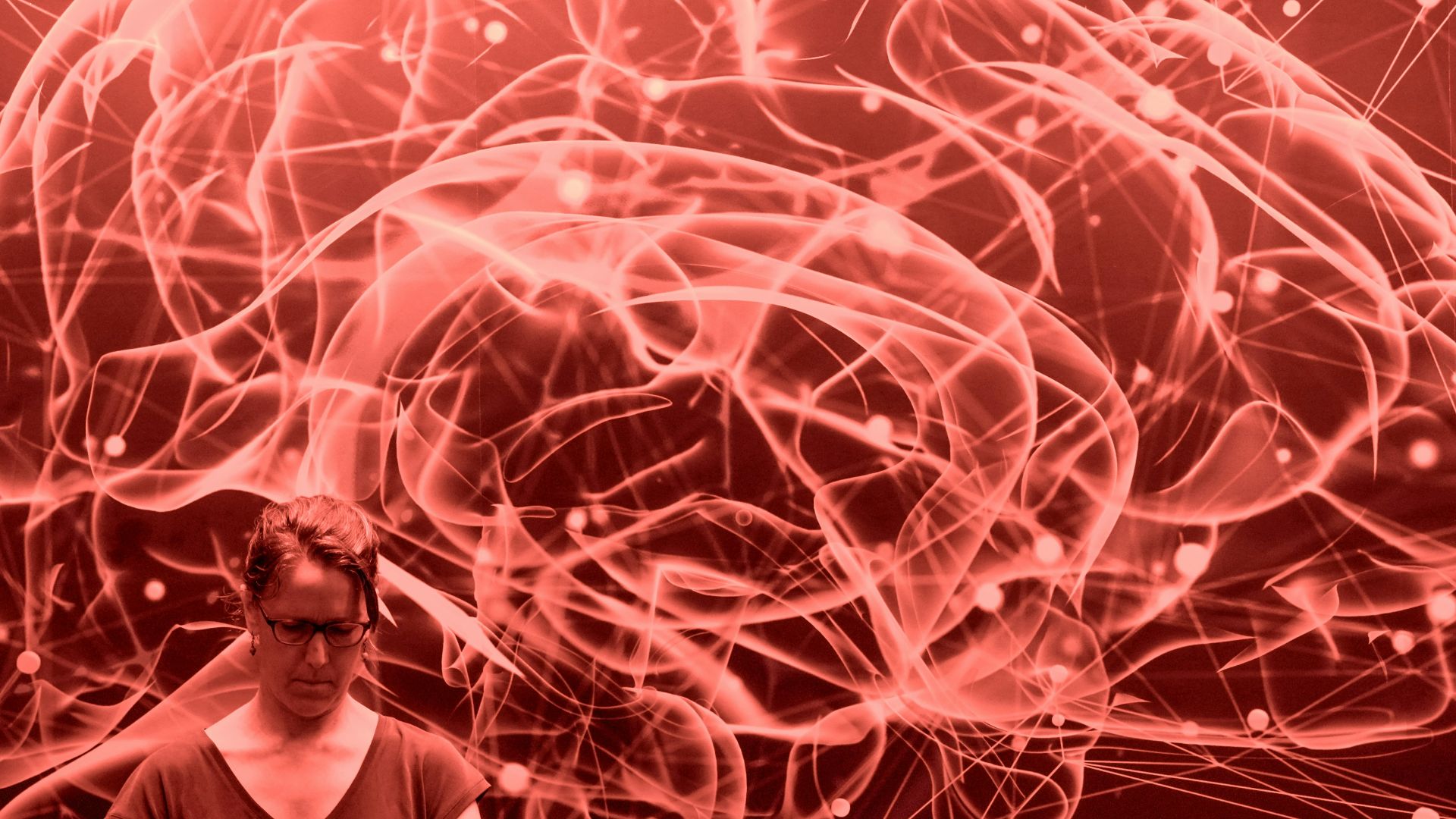
The brain only weighs about 2% of total body weight, yet takes up about 20% of the body's energy requirements at rest. A huge number of nerve cells will fire in the minute ahead, performing all sorts of tasks and allowing various other automatic body processes to go ahead. So even if you're sitting doing nothing other than thinking about various matters, there is plenty going on in your brain.
5. Your Kidneys Will Filter Several Liters of Blood Plasma
As mentioned above, large quantities of blood pass through the kidneys, and plasma is filtered from the blood. About 90–120 mL of fluid per minute will be filtered in an average healthy adult, most of which will be reabsorbed. Clearly, you don't want to be running to the toilet every few minutes!

6. You'll Blink Several Times
You will, of course, close your eyes if you fall asleep, but otherwise will no doubt open and shut them a few times. People usually manage 15–20 blinks a minute. This can fall dramatically if, for example, you're reading.

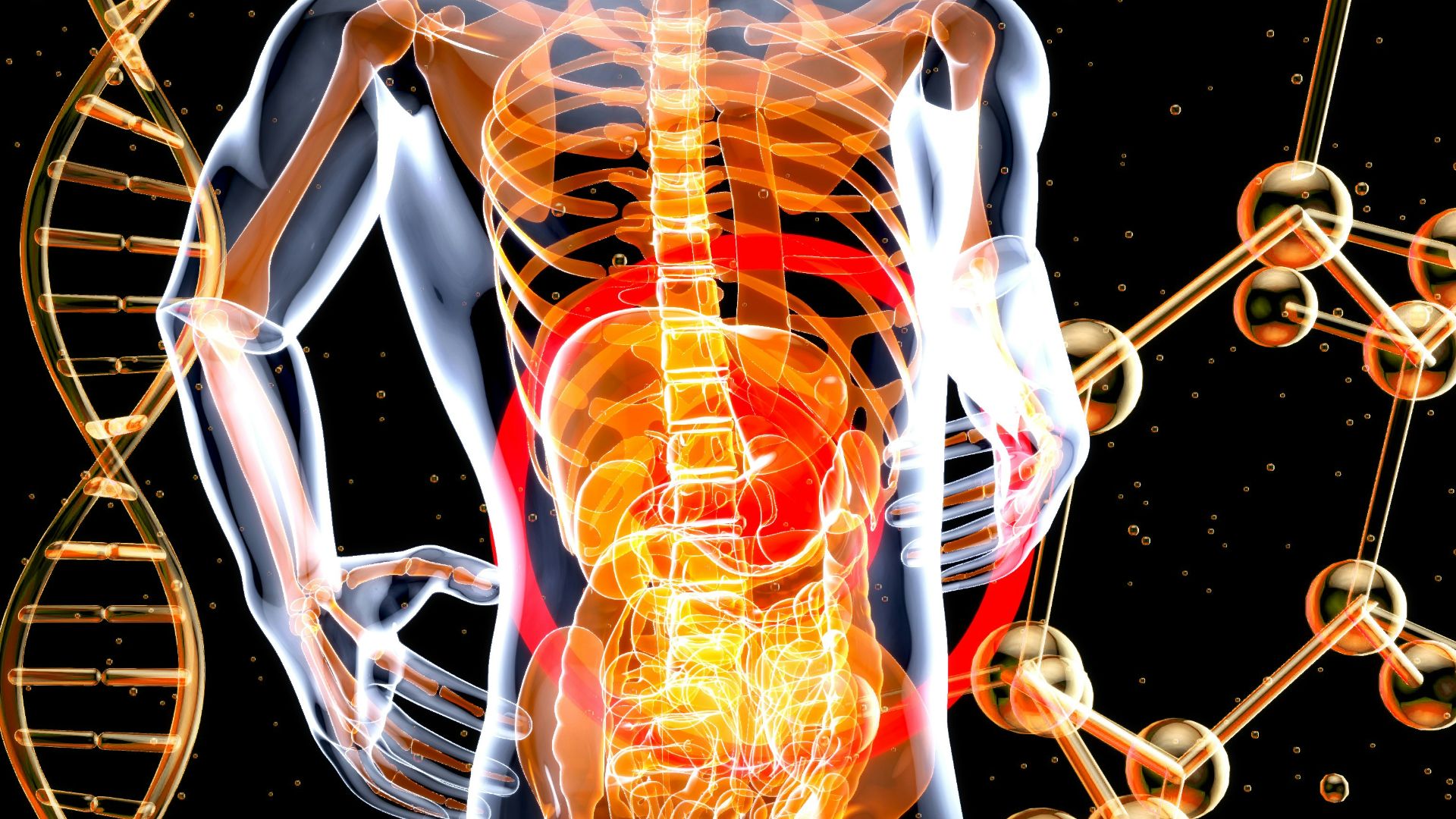
7. Your Stomach Will Continue Producing Digestive Juices
Various acids and other secretions are produced to aid the digestion of food, particularly protein, whenever the stomach contains food. Obviously, the amount secreted will change depending on whether you're hungry or have recently eaten. The amount produced varies depending on factors such as hunger, recent meals, and signals from your nervous system.
8. Millions of Skin Cells Will Be Shed
As new cells are produced to form part of the outer layer of skin, old ones are shed. It's estimated that we lose several hundred million cells each day, so several hundred thousand per minute on average. You're unlikely to realize it's happening, but obviously, this is one source of dust around your house!
 MUTHIA ASHIFA SALSABELLA on Unsplash
9. Your Liver Will Perform Numerous Chemical Reactions
There are several hundred processes that take place within the liver, such as the synthesis of various proteins, breakdown of drugs, and metabolism of various nutrients. Clearly, all sorts of reactions will take place during this short space of time, many relating to general metabolism. Because these processes happen continuously, your liver remains active even when you haven't eaten for several hours.
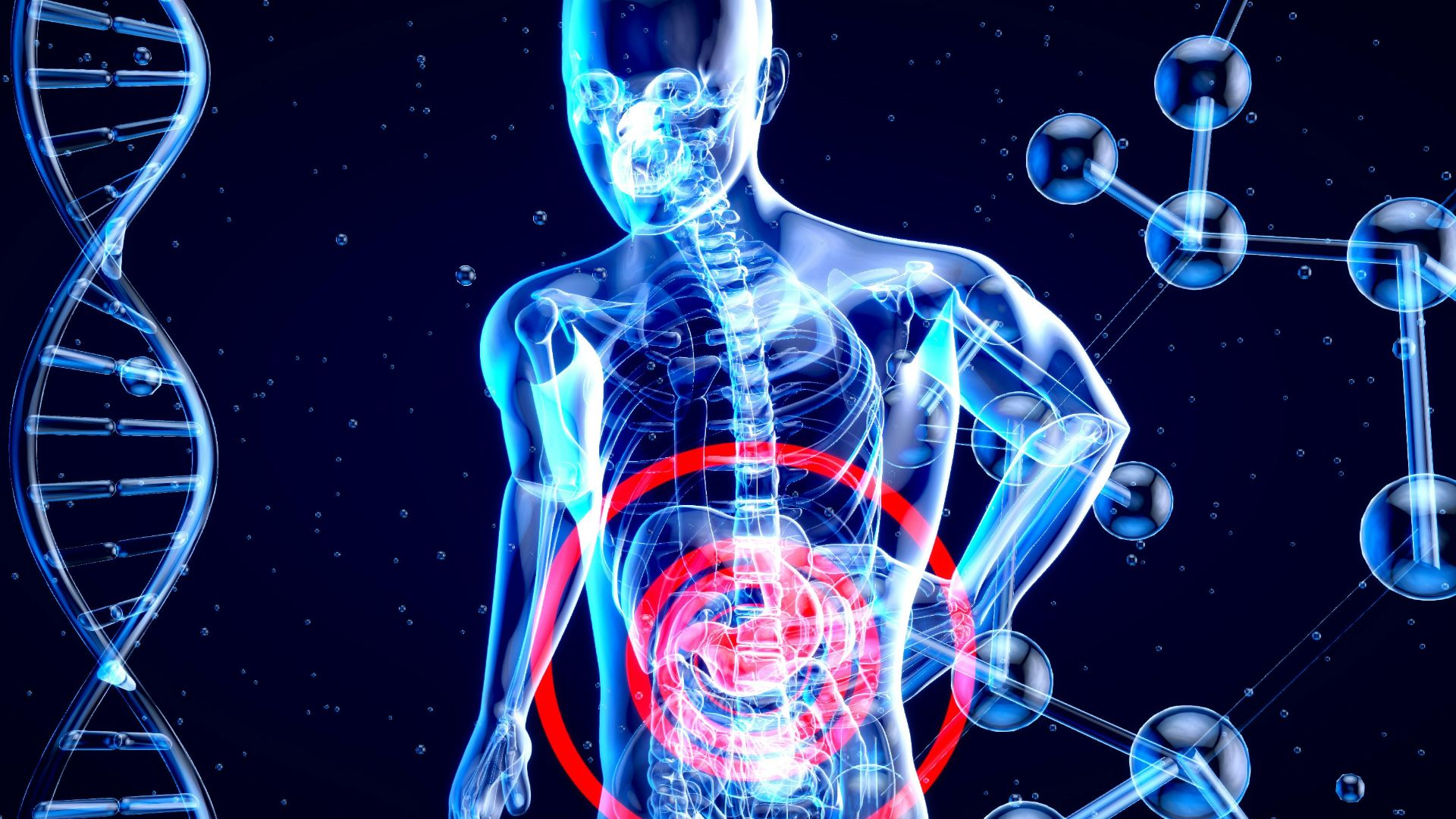
10. Your Blood Will Travel Throughout Your Body
The average adult at rest will pump around 5 liters of blood per minute, depending on their size. Obviously, this will carry oxygen, hormones, and other substances around, as well as remove waste from various organs and tissues. Different amounts will flow to different organs as required to meet their needs.
 Kira auf der Heide on Unsplash
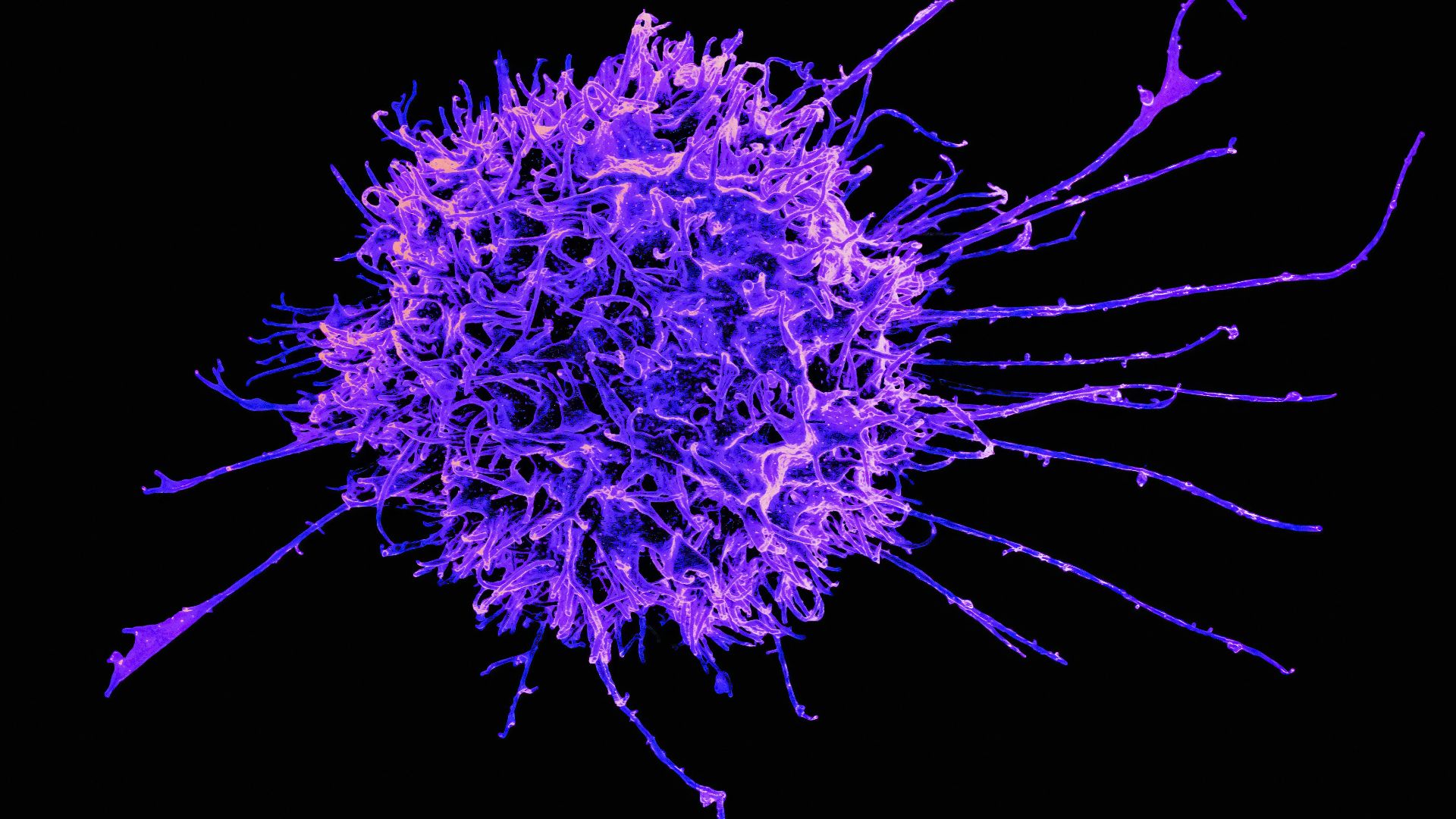
11. Your Immune System Will Monitor Potential Threats
Various types of cells will travel around the bloodstream and be stationed in particular areas of the body, detecting and reacting to invading organisms or damaged or abnormal cells. They can send out various substances to alert and attract other cells. You probably won't notice any of this activity unless your immune system encounters something that triggers a more obvious reaction.
 National Institute of Allergy and Infectious Diseases on Unsplash
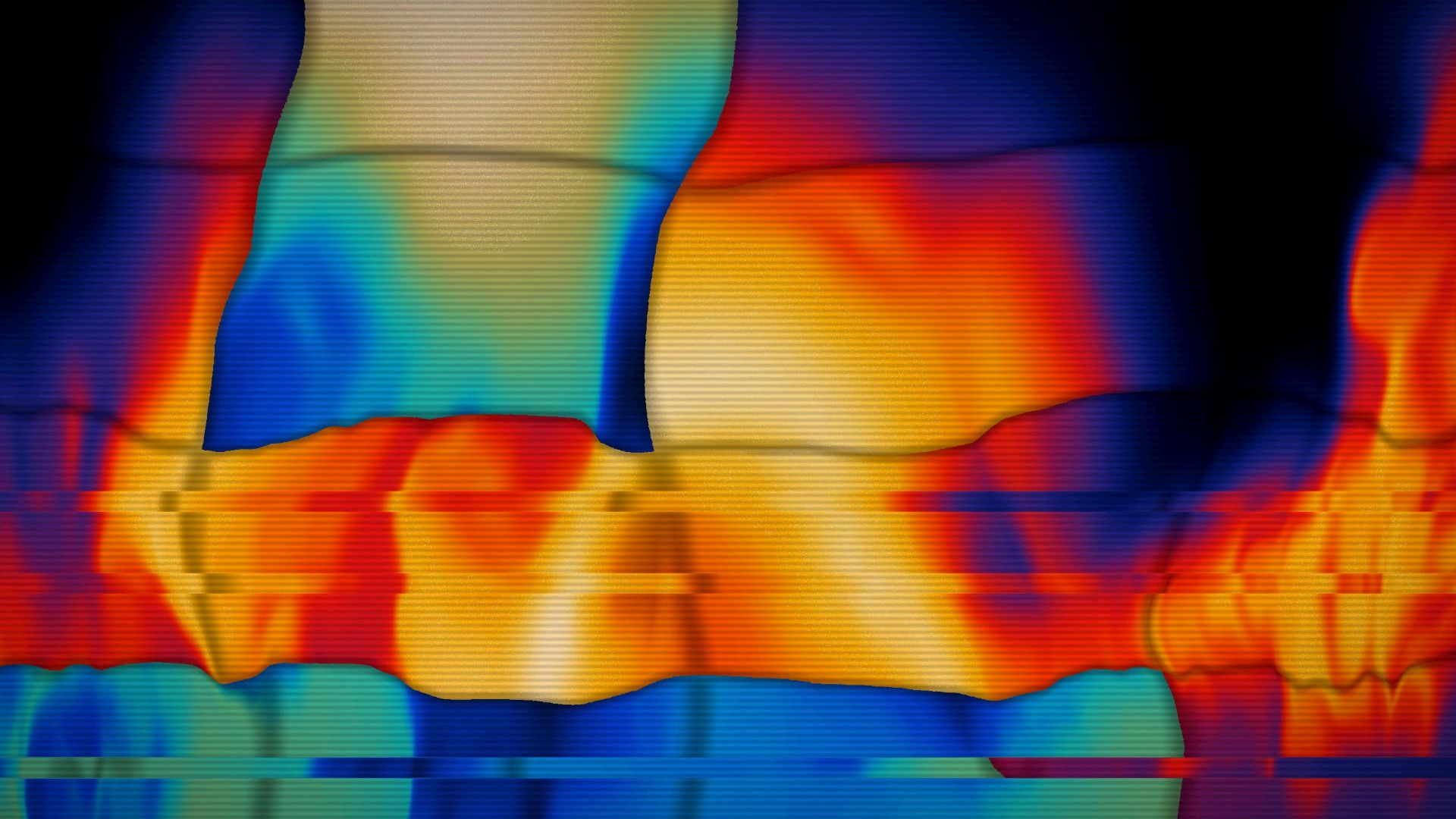
12. Your Body Will Generate Heat
All of the various reactions within your cells produce varying amounts of heat. Overall, if sitting quietly, most people produce about as much heat as a fairly small light bulb. Your body regulates this heat through changes in blood flow, sweating, and other mechanisms that help maintain a stable internal temperature.
13. Your Salivary Glands Will Produce More Saliva
A range of glands secrete saliva when at rest to coat and moisten the mouth. It has a number of useful properties, such as helping to prevent tooth decay and allowing food to be swallowed more easily. Saliva also plays a role in digestion.

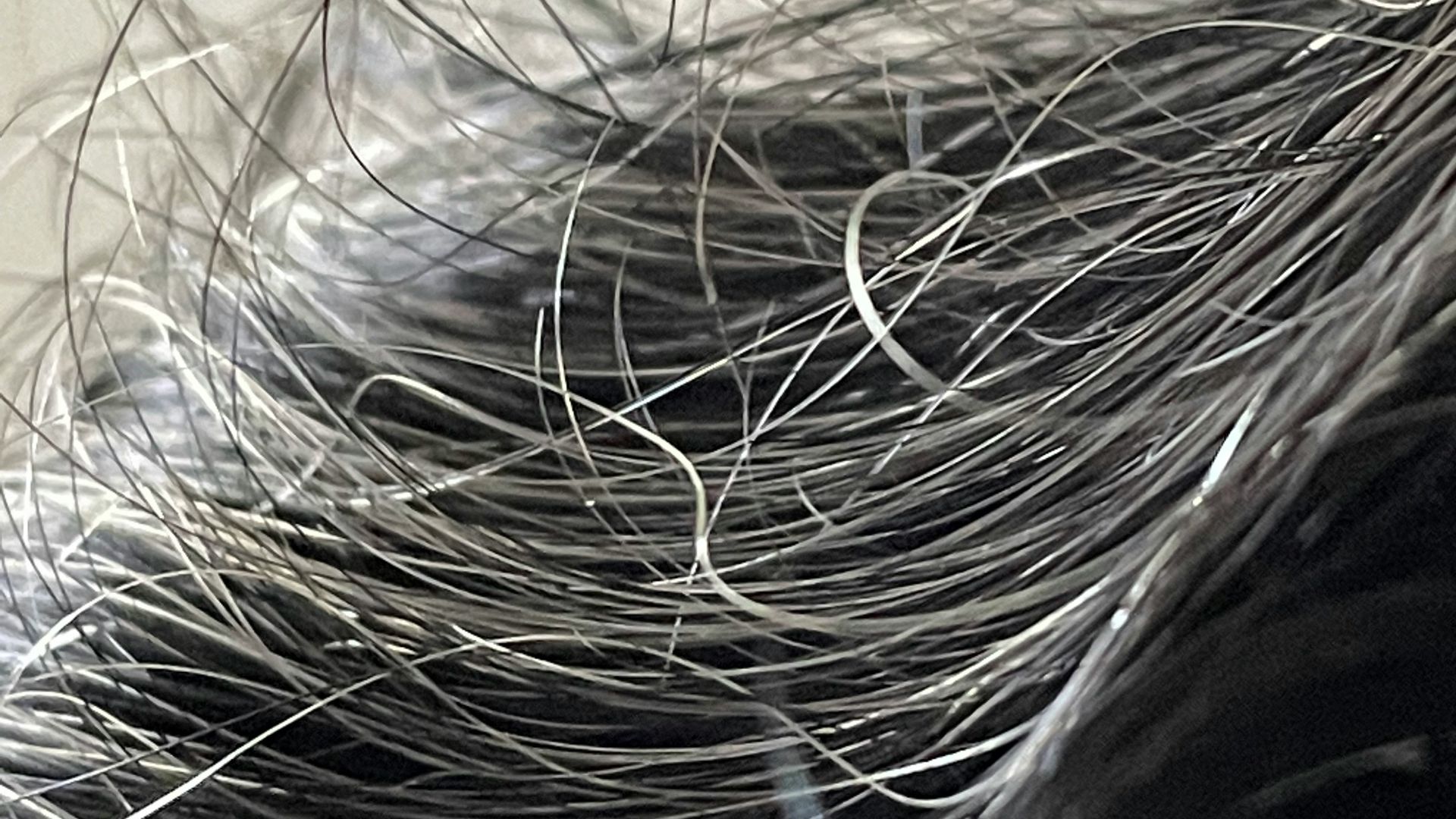
14. Your Hair Follicles Will Continue Their Growth Cycles
At any one time, various hairs will be at different stages of their growth cycle. On average, the rate of growth on the head would be on the order of 1 cm per month, so an imperceptible distance in one minute. Nevertheless, follicles that are currently in their growth phase will continue producing the cells that eventually form visible hair strands.
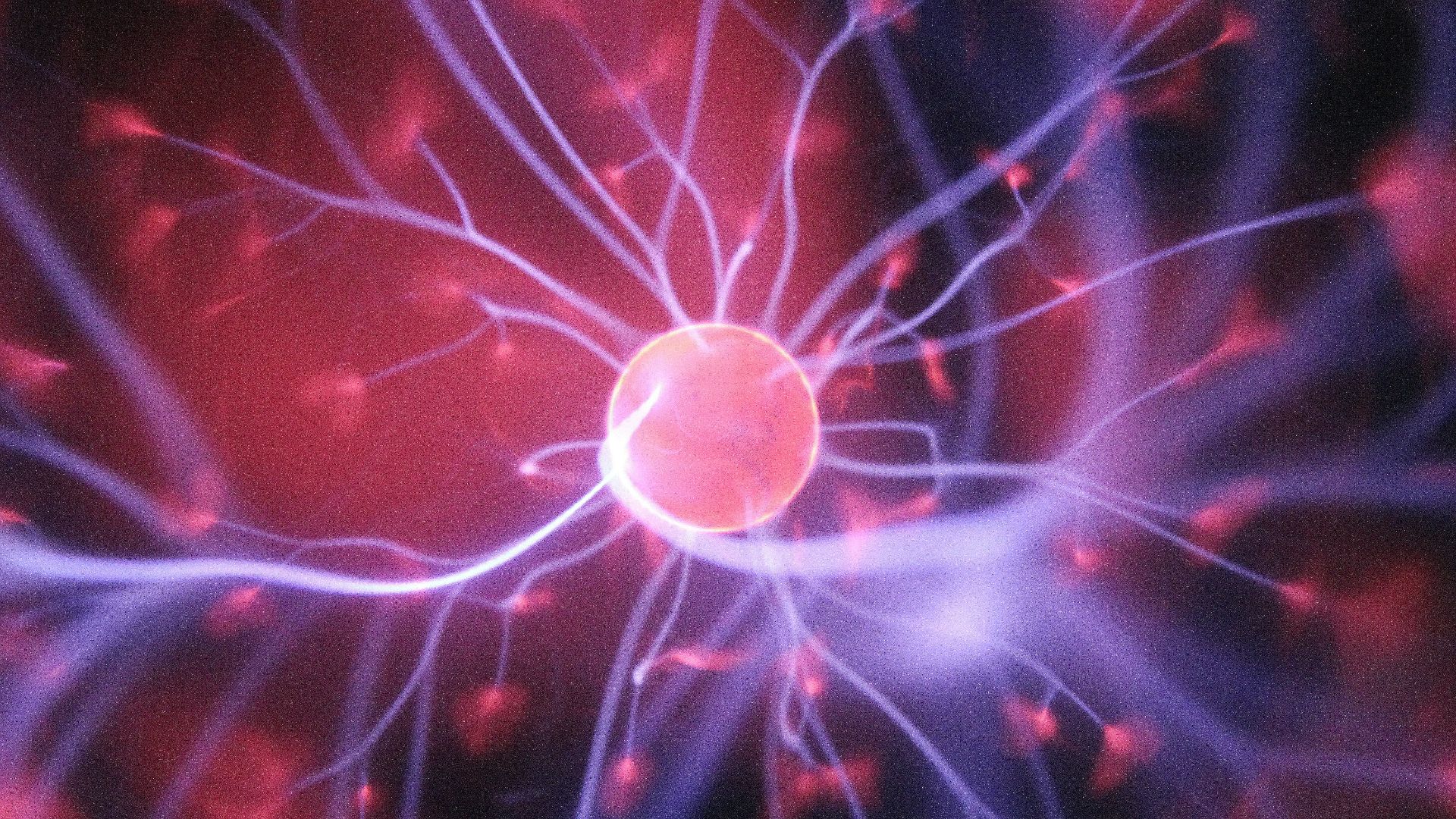
15. Your Nervous System Will Send Countless Electrical Signals
Your nervous system constantly transmits electrical impulses that allow your brain, spinal cord, and peripheral nerves to communicate. These signals help control muscle movement, interpret sensory information, and regulate automatic functions such as digestion and heart rate. Even when you're sitting perfectly still, nerve cells remain busy coordinating activities throughout your body.
16. Your Intestines Will Keep Moving Their Contents
Periodic waves of contraction occur along the gastrointestinal tract to stir its contents and propel them forward. These occur to some degree even when nothing has recently been ingested, but change their nature to some extent after eating. This activity helps support digestion, nutrient absorption, and the eventual elimination of waste.
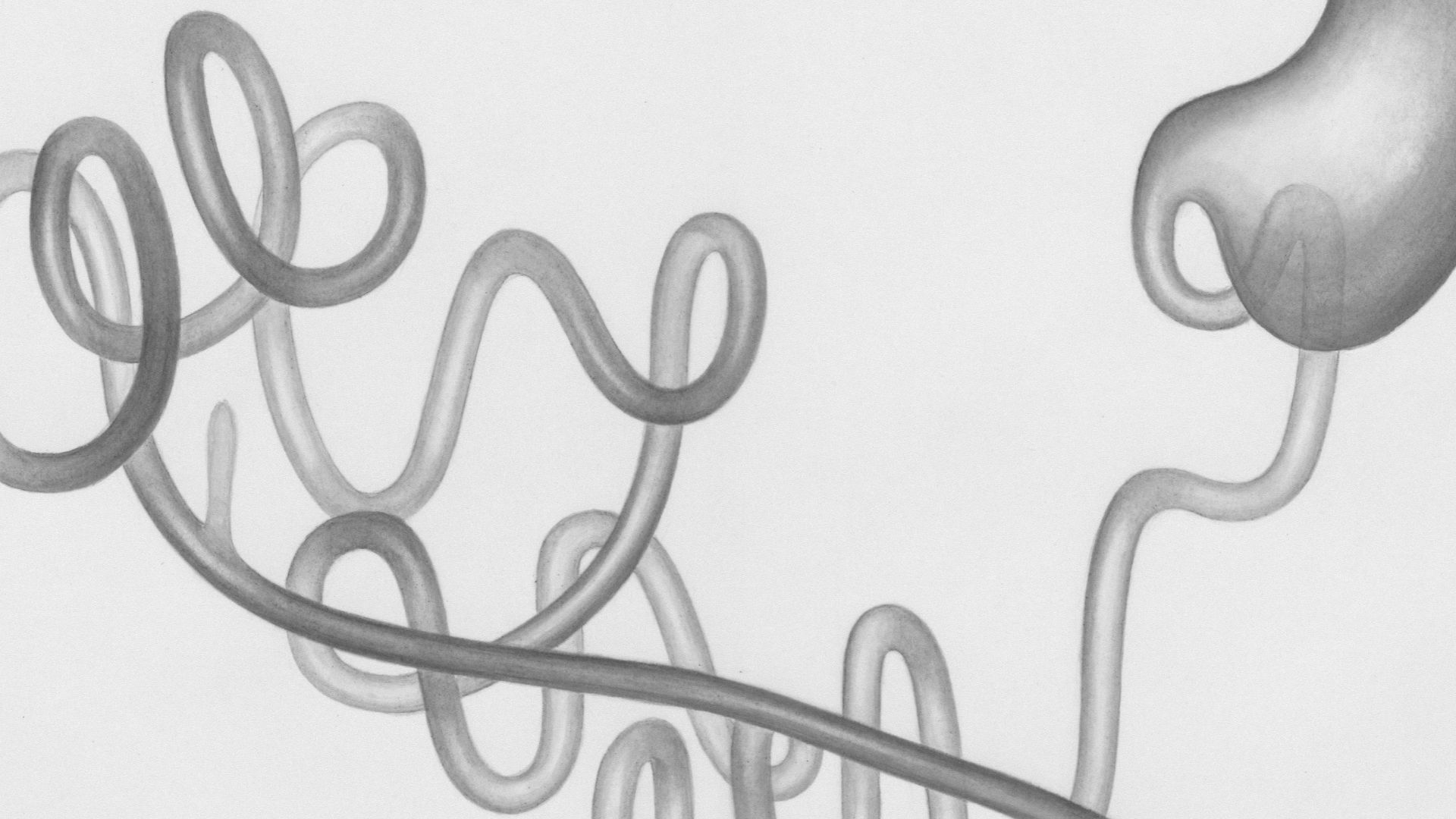
17. Your Body Will Repair Cellular Damage
Various metabolic reactions will inevitably cause a degree of damage to molecules within cells. There are many mechanisms in place to recognize different types of damage and attempt to repair the affected molecules. These processes operate continuously, helping preserve cellular health throughout your lifetime.
 National Cancer Institute on Unsplash
18. Your Bones Will Continue Remodeling Themselves
Although bones appear solid and unchanging, they're living tissues that undergo constant maintenance and renewal. Specialized cells called osteoclasts break down older bone material, while osteoblasts help build new bone in a carefully regulated process. Individual remodeling cycles take months, but countless microscopic areas of your skeleton may be undergoing different stages of this activity right now.
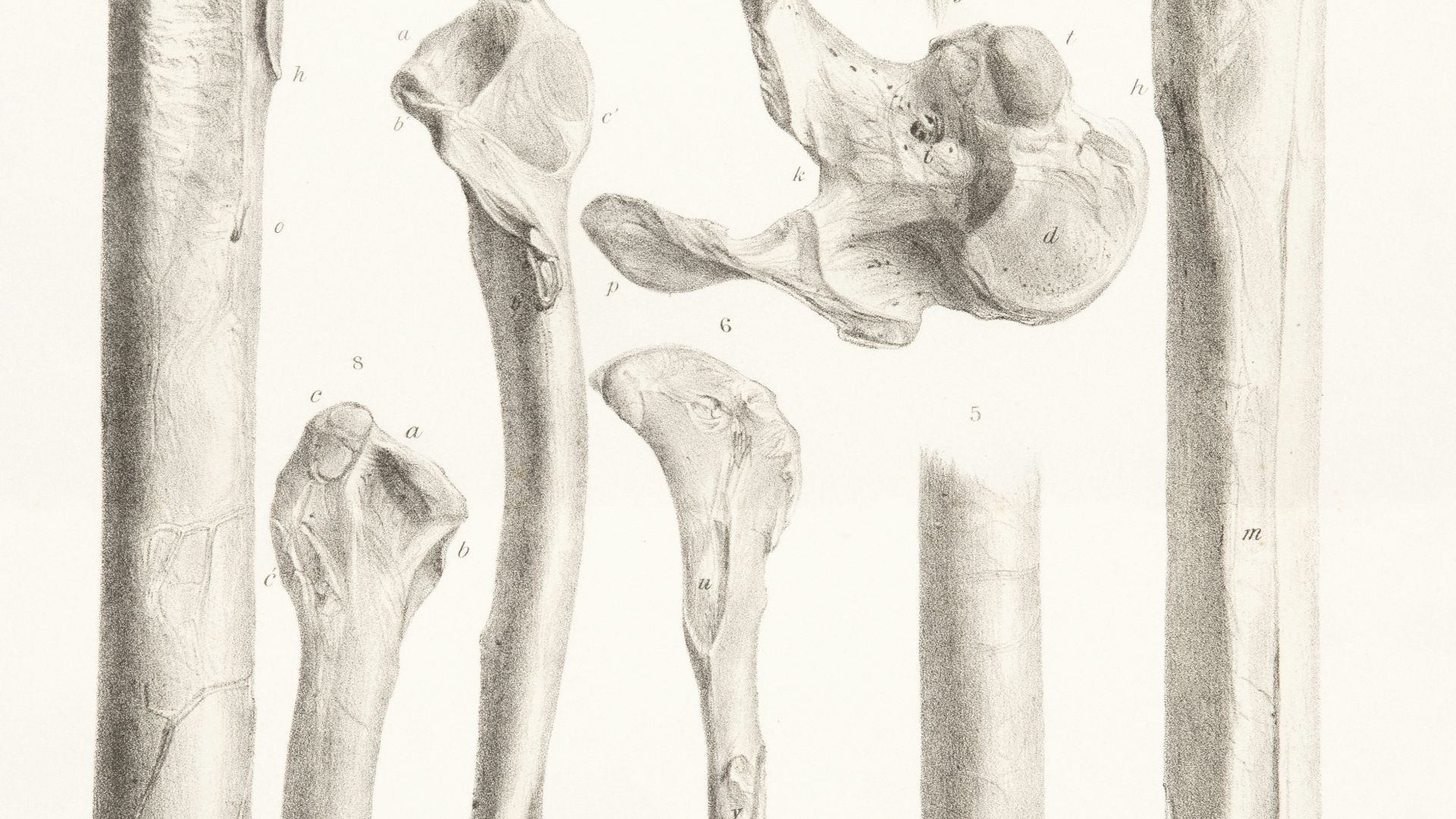 BHLNZ - Biodiversity Heritage Library NZ on Unsplash
19. Your Hormone Levels Will Continue Changing
Many hormones are produced to regulate an enormous variety of processes, such as growth and metabolism, responses to stress, hunger, and many others. Varying amounts will be secreted at any one time, depending on input from the brain and elsewhere. Some hormones fluctuate rapidly, while others follow slower daily rhythms that help regulate your body's internal schedule.

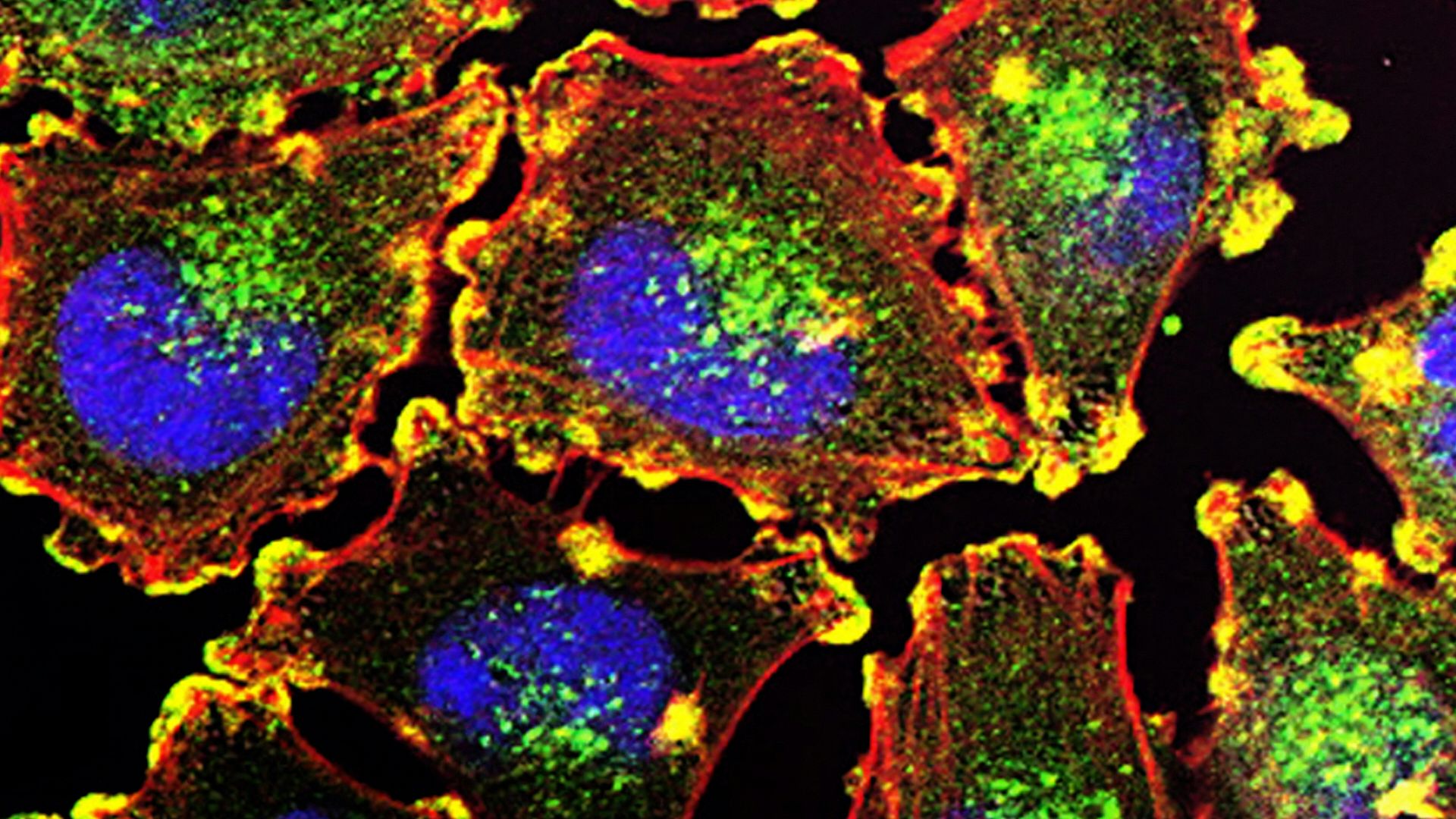
20. Thousands of Your Cells Will Reach the End of Their Lifespan
Your body continually removes aging, damaged, or unnecessary cells through carefully controlled biological processes, including programmed cell death. Estimates suggest that tens of billions of cells die and are replaced or cleared each day, although turnover rates vary significantly between different tissues. This constant renewal is an essential part of maintaining healthy organs and keeping your body functioning properly as you age.
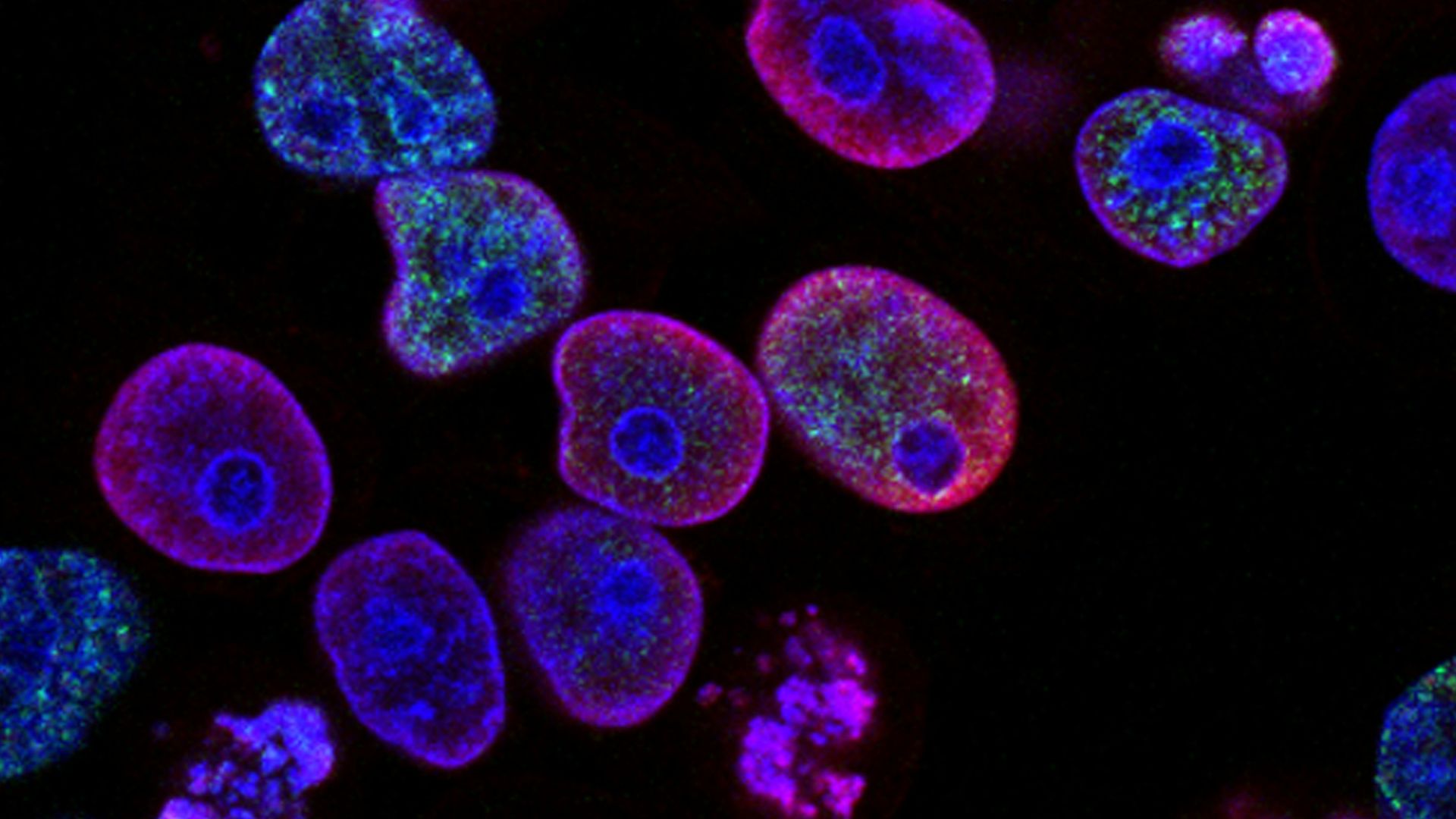 National Cancer Institute on Unsplash
KEEP ON READING


20 Things That Will Happen In The Next 60 Seconds