
Some Habits Are Hard to Break
Retirement is supposed to be the perfect chance to simplify your life, but getting rid of certain things isn't always as easy as it sounds. Don’t beat yourself up, though. After decades of building routines, some habits will inevitably be difficult to abandon. From sentimental belongings to everyday luxuries, these are 20 things that most people need to pry away from retirees before they ever willingly let them go!

1. The Family Home
Selling the house where you raised your children might make sense for your wallet, especially when half the space is going to waste, or you can’t maintain the property anymore. However, it's difficult to leave behind the kitchen where you celebrated birthdays or the backyard you spent decades improving. Of all the places that hold the most memories, how could you part with that old chestnut?

2. Having Two Cars
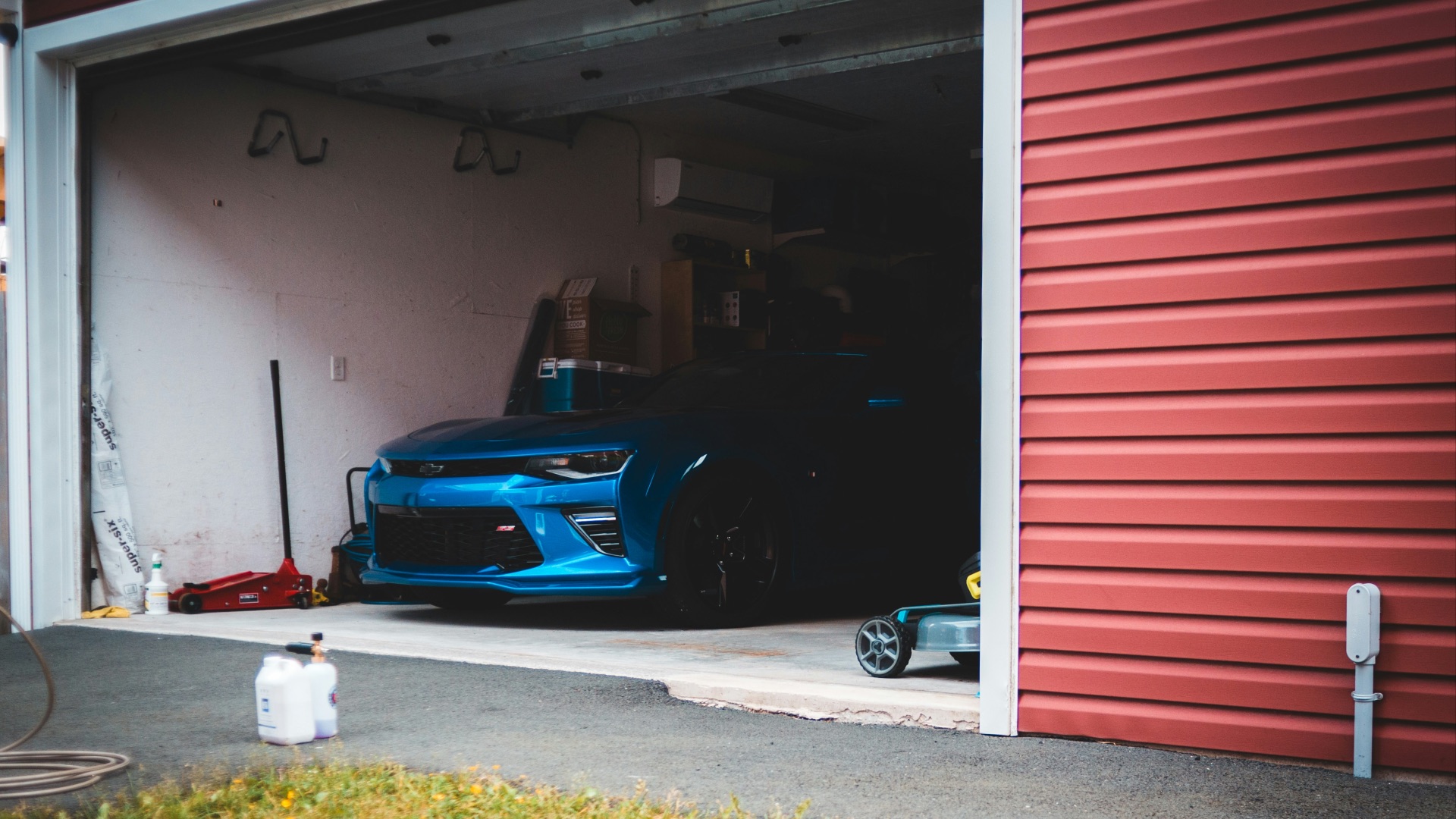
Couples who once needed separate cars for commuting may find that sharing one is the smartest move in retirement. Unfortunately, much like a family home, an old car has been through thick and thin with you, and it’s not always easy to turn you back on that old set of wheels.
3. Buying Gifts For Everyone
Christmas presents for the grandchildren. Birthday surprises for nieces. Anniversary gifts for close friends. It seems nice in theory, but that generosity is expensive on a fixed income. Nevertheless, retirees who spent decades being generous often struggle with the idea of spending less on people they love.

4. Keeping an Entire Guest Bedroom
How could you move into a place without a separate room? What if relatives visit? What if…well, any number of things! Many retirees insist on keeping a double bed, extra dresser, and freshly washed linens ready for visitors who rarely stay overnight. Odds are, you don’t need the space.

5. Paying For Professional Hair Appointments
Regular salon visits aren't always an expense people want to surrender when retirement calls for a tighter budget. Someone who's enjoyed having their hair colored and styled every six weeks for decades may find the adjustment especially frustrating. But when you’re working with a fixed income, it’s probably more fiscally responsible to learn to live with your greys!

6. Hosting Elaborate Holiday Dinners
Though preparing Christmas dinner was once fun, it’s a lot more exhausting when you're older. But try as you may, many retirees find it tough to pass the torch. Handing over responsibility for the turkey, decorations, and seating arrangements might take more persuasion than anyone expected.

7. Holding Onto Old Furniture
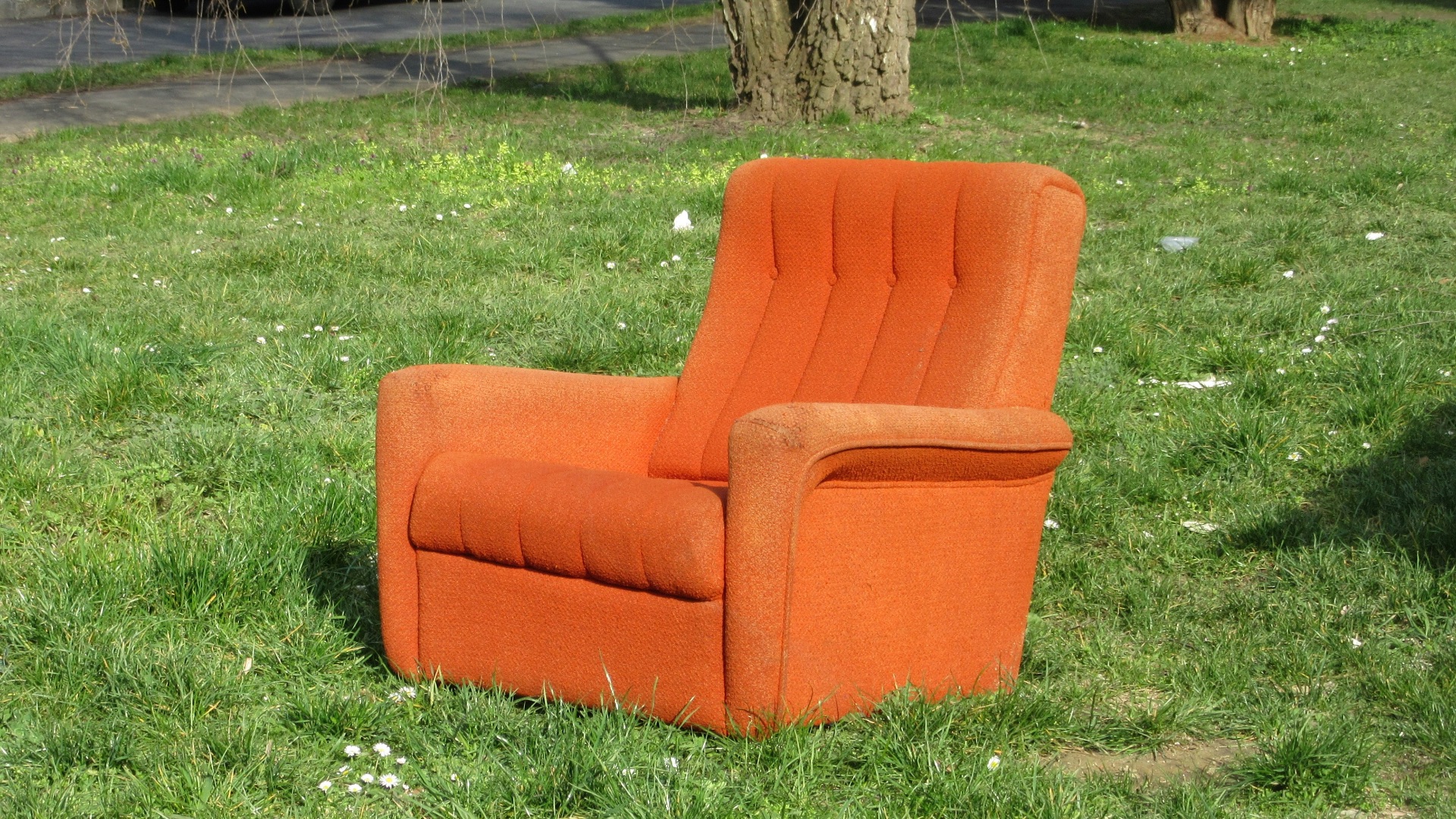
A heavy oak dining table might be completely impractical in a smaller retirement home. Those vintage hutches may have nowhere to go in a condo. Unfortunately, knowing that your parents bought it in 1978 makes selling it considerably harder.
8. Taking Expensive Vacations
Retirement finally provides the freedom to travel without burning through PTO, but maintaining your old budget isn't always realistic. If you've grown accustomed to beachfront hotels and comfortable flights, switching to cheaper accommodations can feel like a slap in the face. Some retirees would rather take one trip every few years than abandon their preferred habits.

9. Doing Every Home Repair Yourself
Years of fixing leaky faucets, painting bedrooms, and replacing broken fixtures can make hiring a professional feel unnecessary. But you need to be honest with yourself. Has climbing ladders become more uncomfortable? Do you struggle to grip tools? It’s okay to ask for help!

10. Keeping a Fully Stocked Pantry
People who spent years feeding a busy household sometimes continue shopping as though everybody still lives at home. But you’re free from that burden now, so your cupboards don’t need to be packed with canned soup, pasta, baking supplies, and enough breakfast cereal for several hungry teenagers.

11. Wearing Expensive Jewelry
When you retire, a lot of people usually recommend selling off jewelry to make ends meet or just part with unnecessary trinkets. However, someone who's worn the same gold bracelet or diamond earrings for 30 years probably doesn't consider them junk. Those pieces usually hold personal memories that make their monetary value irrelevant.

12. Treating the Grandchildren
Buying ice cream after school or paying for movie tickets can become cherished grandparent traditions—when it was affordable. Although retirement sometimes requires reducing these extras, many grandparents dislike disappointing children who've grown accustomed to their open hand. Even a modest allowance can be difficult to stop when the grandchildren’s faces light up seeing it.
 LOGAN WEAVER | @LGNWVR on Unsplash
13. Keeping an Immaculate House
Some retirees find that having more time at home makes them even more particular about cleanliness. A person who previously spent Saturday mornings vacuuming might continue polishing furniture, washing windows, and organizing closets on a demanding schedule. There’s nothing wrong with keeping a neat house, but it doesn’t need to become your only hobby.
14. Collecting Things
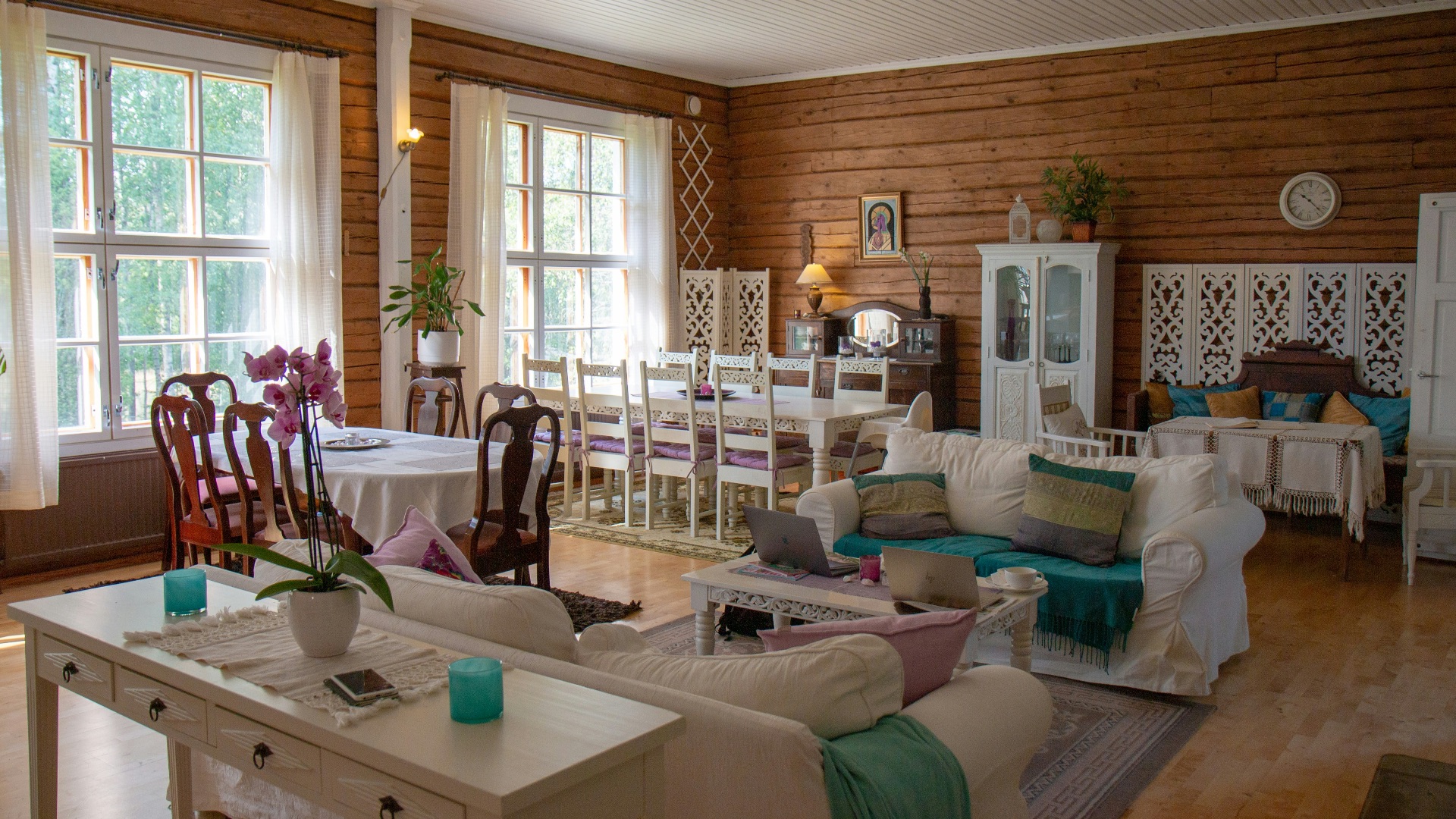
Whether it's antique coins, decorative plates, or vintage baseball cards, collecting can remain an enjoyable hobby long after retirement. The hard part is storage—space shrinks, and the cost of adding new pieces becomes harder to justify.

15. Buying the Same Familiar Brands
Switching from name-brand laundry detergent to a cheaper alternative sounds like an easy way to reduce expenses. However, people who've purchased Tide, Heinz ketchup, or Folgers coffee for decades don’t let go of those name brands willingly. Even when the savings add up, there's something reassuring about buying products you've trusted for years.

16. Maintaining a Large Garden
Growing your own garden, no matter what’s in the soil, is especially rewarding for anyone who’s spent decades on a project. Unfortunately, maintaining several flower beds and a substantial vegetable patch requires regular bending, digging, and watering. When the garden gets a little too demanding, it might be time to downsize.

17. Keeping Old Clothes That Still Fit
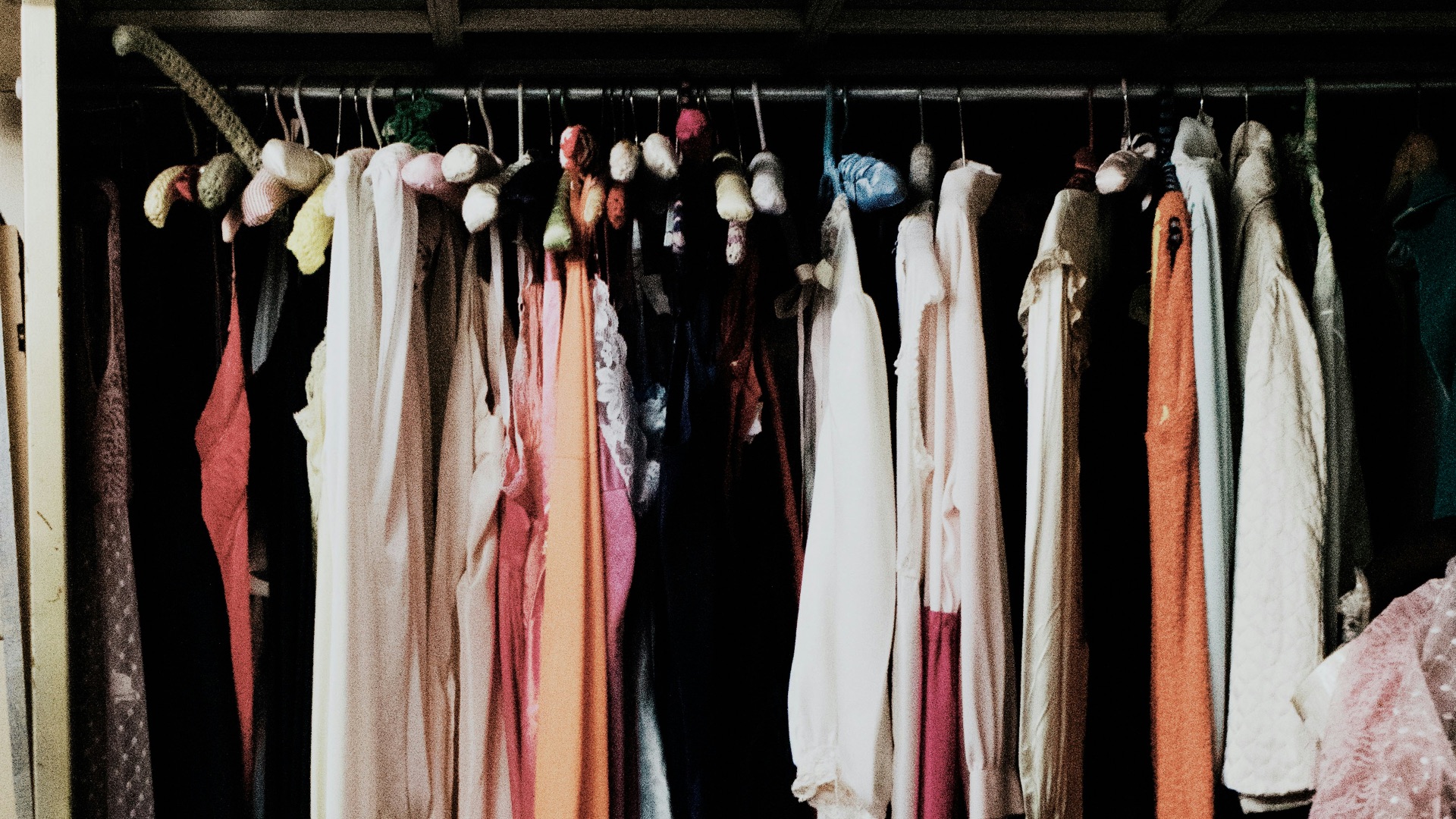
Retirement wardrobes don't always need the same collection of dresses and tailored pants. Nevertheless, perfectly good clothing can be difficult to donate, particularly when certain outfits were expensive or worn during memorable occasions. That beautiful jacket you wore to a wedding in 1996 might still be hanging there because you insist you'll wear it again.
18. Spending Money Without Checking the Price
Years of earning a comfortable salary can create habits that are difficult to adjust when income changes. It happens to almost every retiree! Someone who never hesitated to order a $35 entrée might hum and haw over today’s fast food. Budgeting only gets more frustrating when the changes affect small pleasures you've enjoyed without much thought.

19. Driving Everywhere
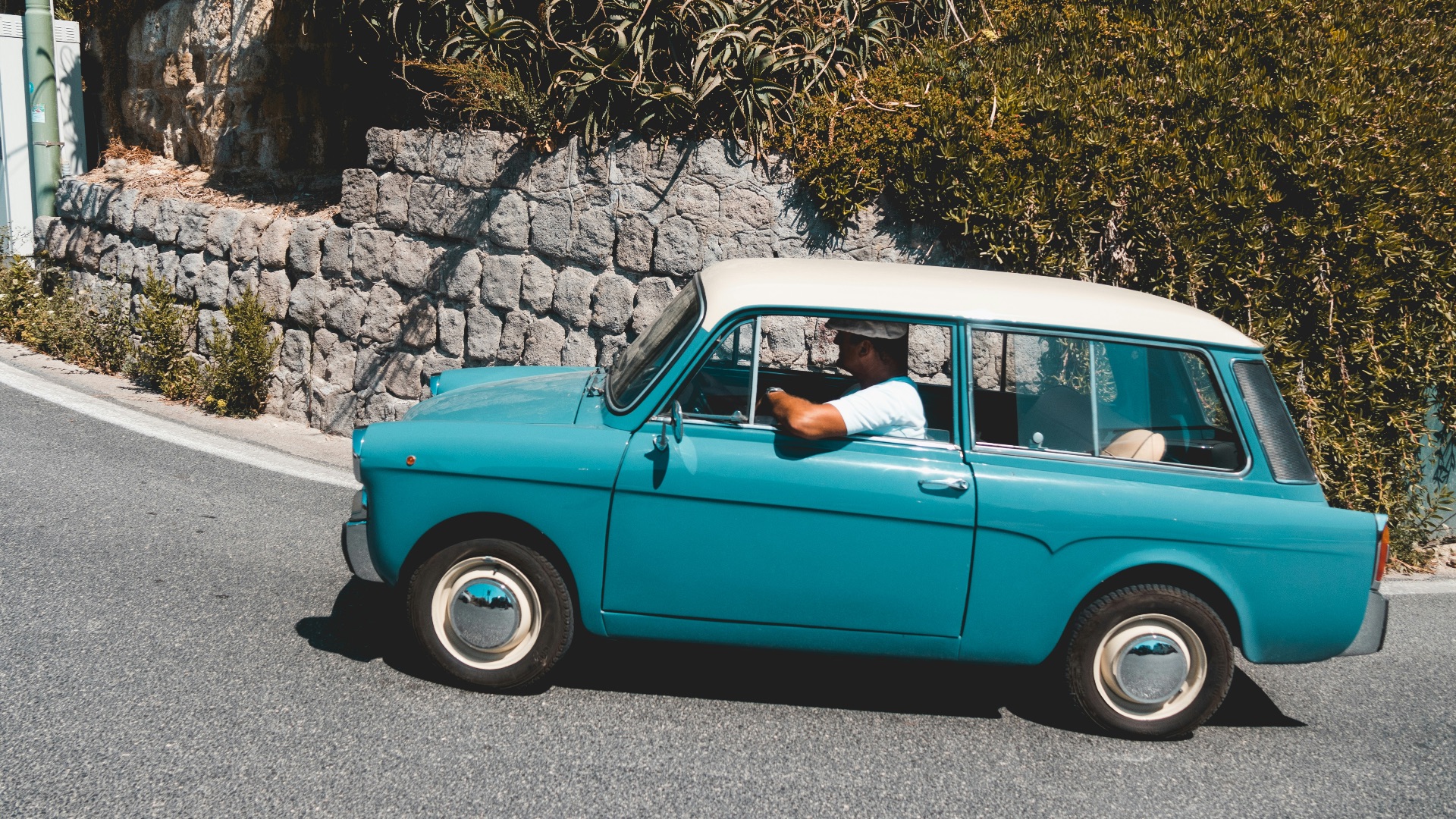
Like it or not, retirees need to hang up the keys at some point—but good luck telling them that. Even when public transportation, delivery services, or rides from relatives are convenient alternatives, surrendering driving can feel like losing a limb. But here’s the rub: if health or safety concerns make driving unsuitable, the emotional adjustment may be just as significant as the practical one.
20. Saying Yes to Every Request
Retired relatives frequently become the first people called when someone needs a babysitter, an airport ride, or help organizing a family dinner. The thing is, years of being dependable can make declining these requests feel uncomfortable, even when your heart’s not in it. Retirement is supposed to provide more freedom, but learning to protect your personal time sometimes proves harder than expected.

KEEP ON READING


20 Things Your Body Is Secretly Doing Right Now