It’s Easier to Fall Behind Than You Think
Dehydration develops when your body loses more fluid than you replace, and it doesn’t always require a punishing workout or a day in extreme heat. Everyday routines such as forgetting to drink during work, having several alcoholic drinks, or ignoring increased fluid needs while you’re sick can gradually leave you running low. Thirst, dark urine, tiredness, dizziness, and a dry mouth are common clues, although older adults may not feel thirsty as quickly. Here are 20 everyday habits that may be making you more dehydrated than you realize.
1. Waiting Until You Feel Very Thirsty
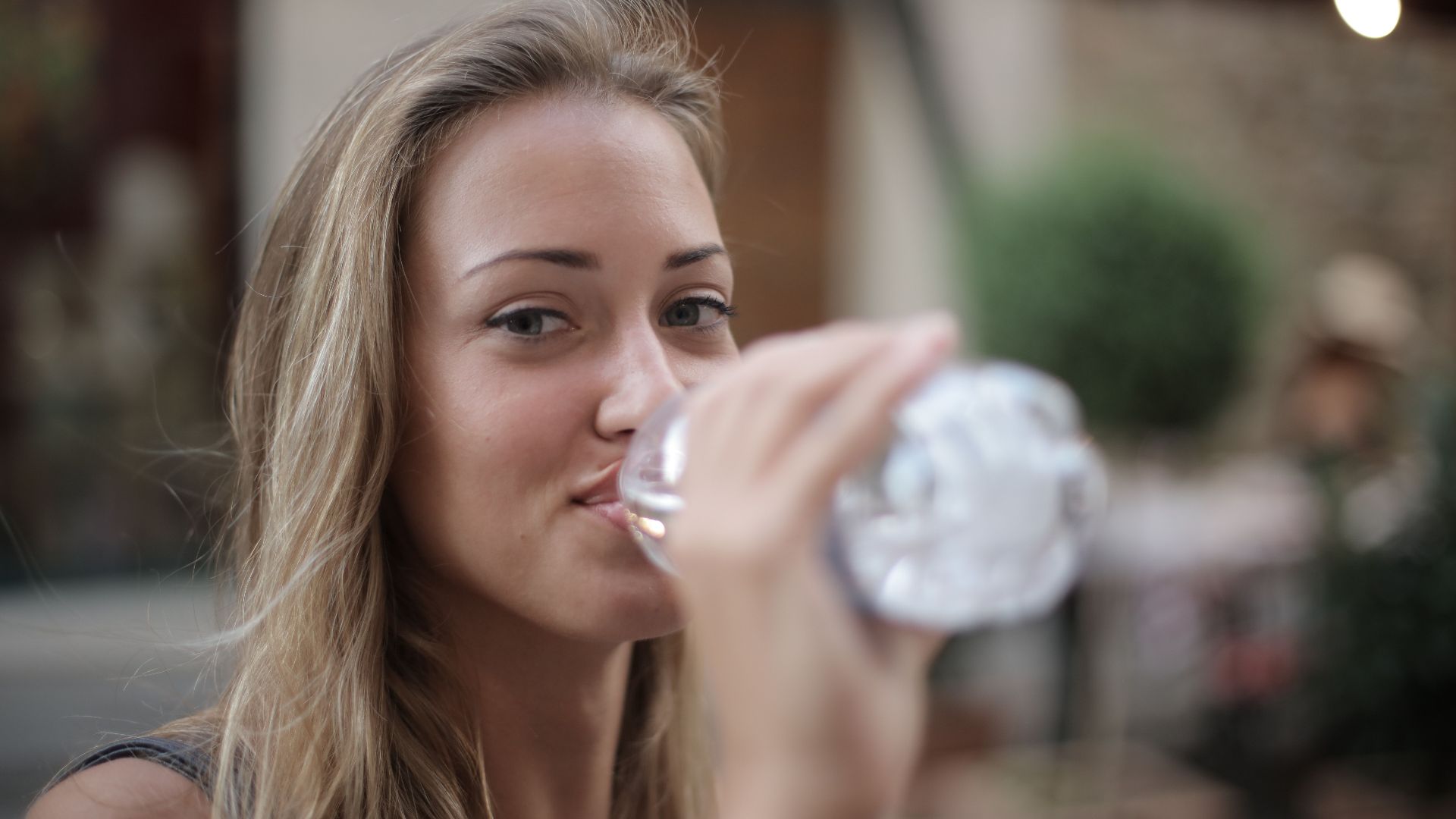
Thirst is useful, but it isn’t always the earliest sign that your body needs more fluid. You may already have a dry mouth, darker urine, or a mild headache by the time you finally reach for a glass. Drinking regularly throughout the day is generally more reliable than waiting until you feel desperate.
2. Starting the Day Without Drinking Water
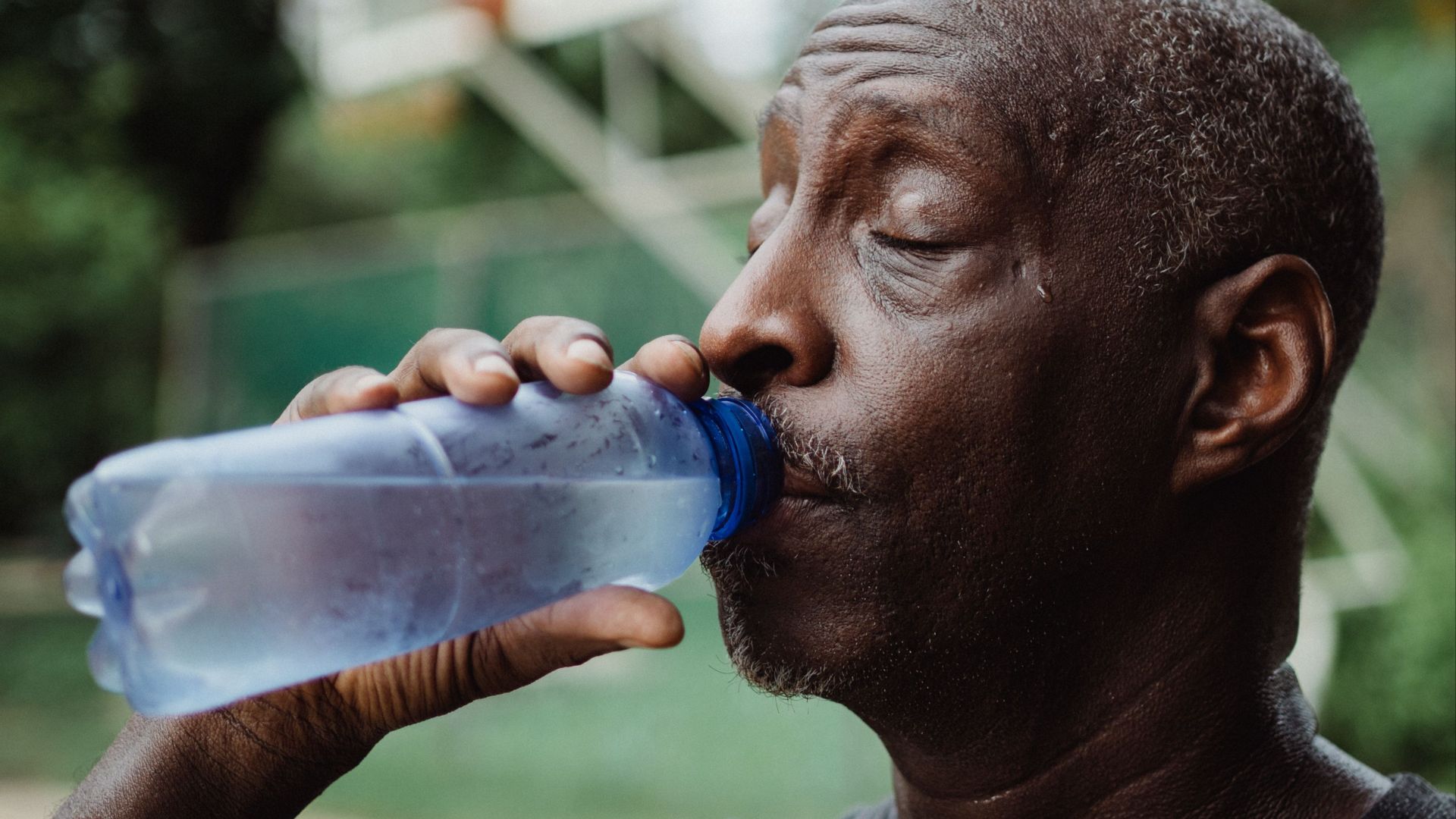
Several hours can pass between your last evening drink and the moment you wake up. Skipping fluids at breakfast may extend that gap well into the morning, especially when you immediately rush to work or begin running errands. Having water, milk, tea, or another suitable drink with breakfast gives you an easier starting point.
3. Keeping Water Out of Reach
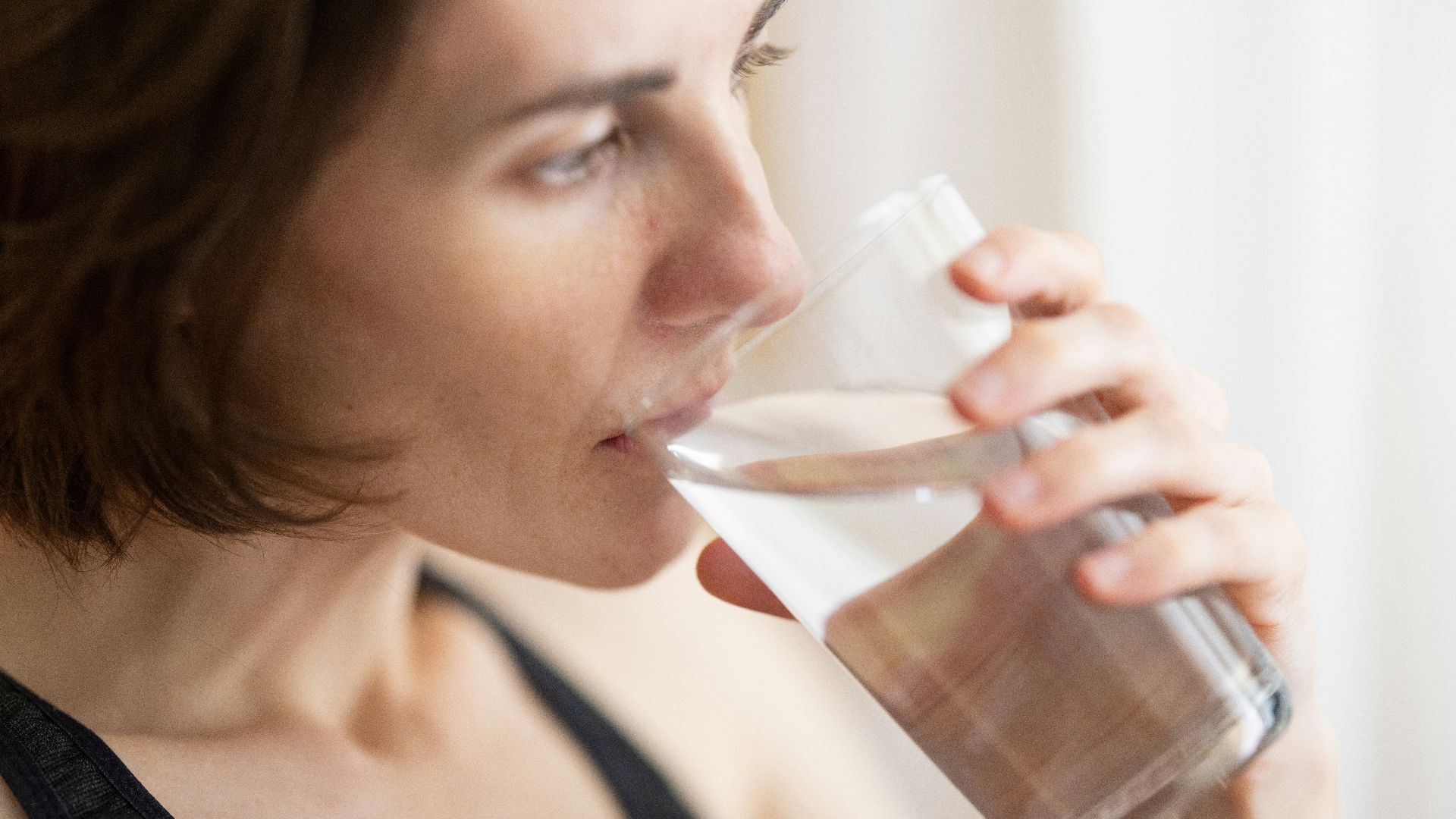
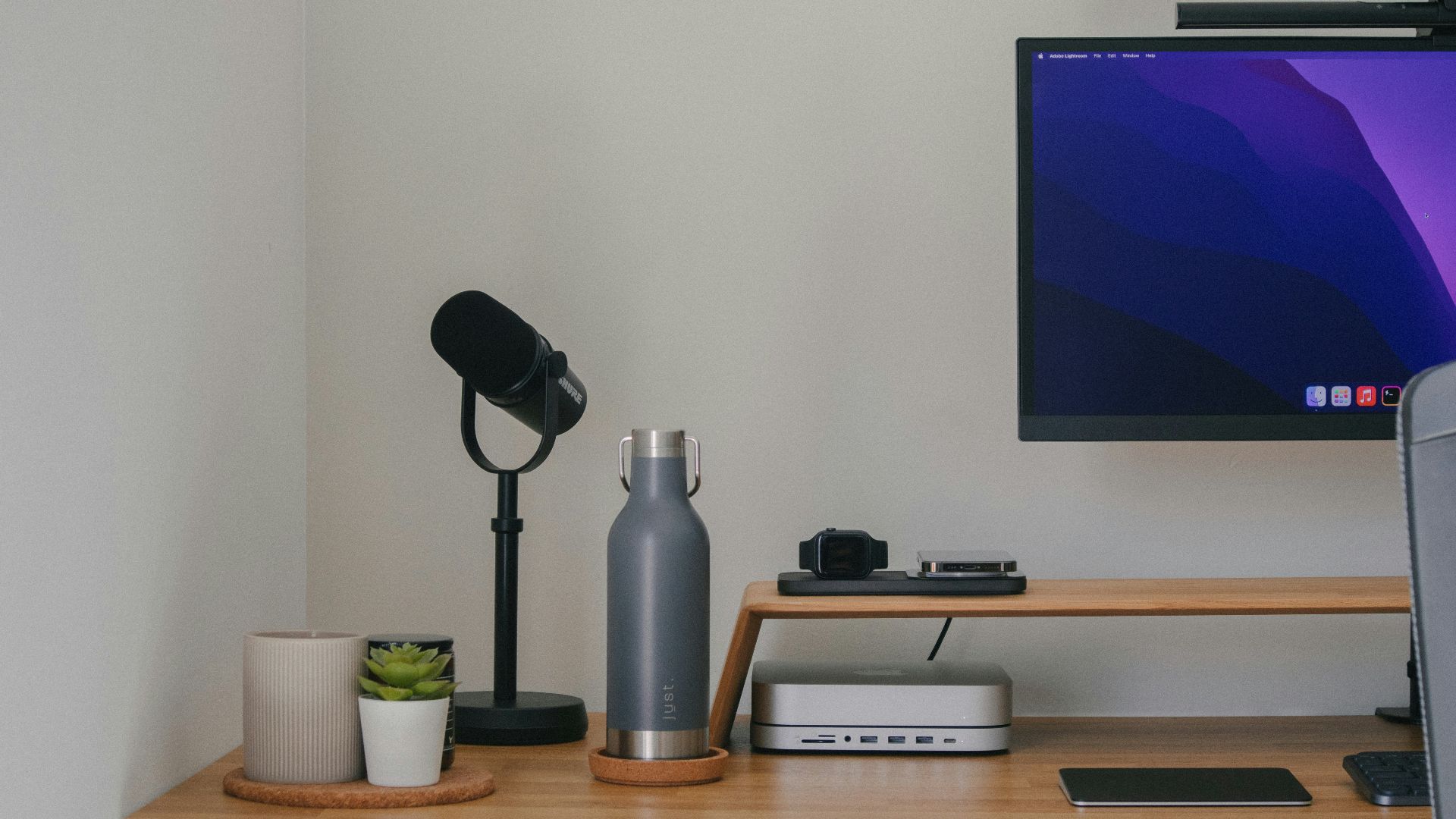
It’s surprisingly easy to forget about drinking when your glass is in another room or your bottle is buried inside a bag. People often take more frequent sips when a drink is visible and convenient. Keeping one nearby won’t guarantee perfect hydration, but it removes the excuse of not wanting to get up.
 Nubelson Fernandes on Unsplash
4. Losing Track of Time at Work
Back-to-back meetings, deadlines, and long periods of concentration can make an entire afternoon disappear without water. By the time you finish, you may realize that your water bottle is still full. Building brief drink breaks into your routine helps prevent work from quietly replacing your basic needs.

5. Restricting Drinks to Avoid Bathroom Breaks
Some people deliberately drink less before a long drive, during work, or when public restrooms are inconvenient. Others cut back in the evening because they don’t want to wake during the night. Repeatedly limiting fluids for convenience can increase your chances of becoming dehydrated, particularly if you’re older or already losing fluid through heat or illness.
6. Drinking Alcohol Without Adding Water
Alcohol can increase urine production, and an evening of drinking may also make you less likely to notice or respond to thirst. The risk rises when alcohol is combined with dancing, hot weather, or a late night spent sweating in a crowded room. Alternating alcoholic beverages with water can help you replace some of the fluid you’re losing.

7. Drinking Coffee Instead of Water
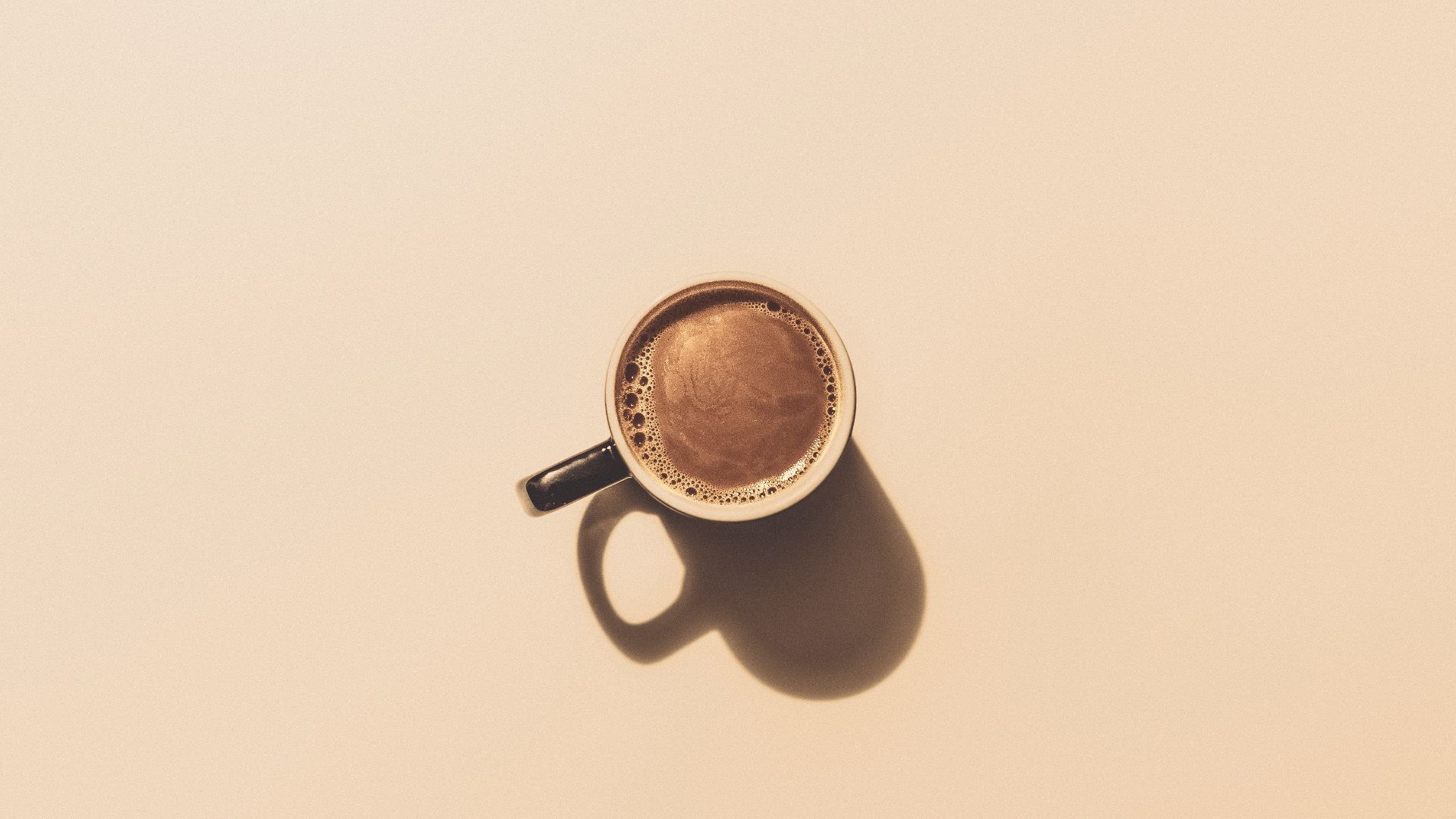
Coffee and tea contribute to daily fluid intake, so a normal cup doesn’t automatically dehydrate you. Trouble may arise when highly caffeinated drinks replace nearly everything else or when large amounts worsen diarrhea, jitters, or frequent urination. Enjoy your coffee, but don’t expect an endless series of extra-large cups to cover every hydration need.
8. Relying Heavily on Energy Drinks
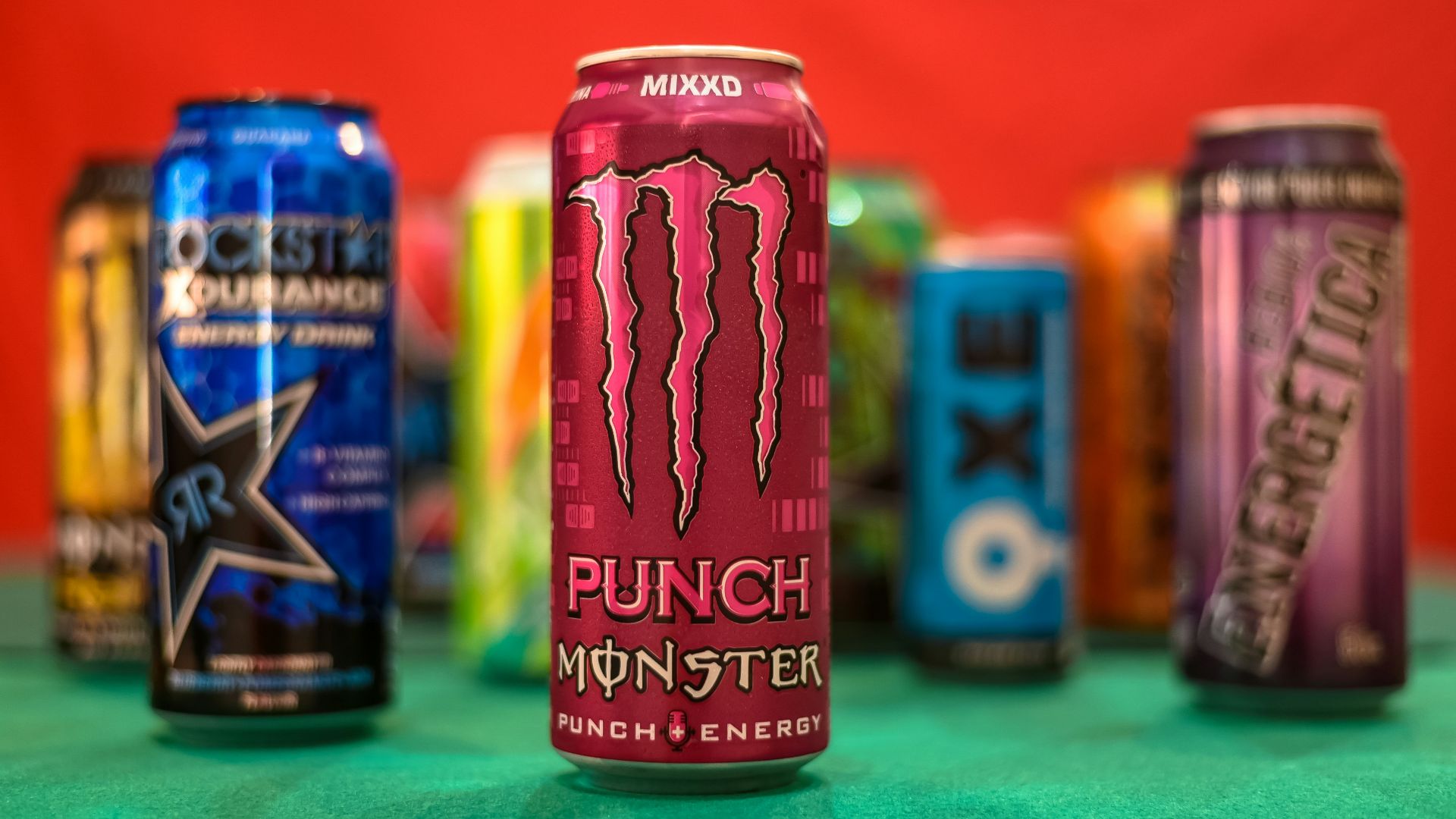
Energy drinks contain fluid, but some also deliver substantial amounts of caffeine and sugar. Drinking several may leave you overstimulated and can be particularly unhelpful when you’re exercising or working in the heat. Water is usually the simpler choice for routine hydration, with electrolyte-containing drinks reserved for situations involving prolonged heavy sweating.
9. Exercising Without Adjusting Your Fluids
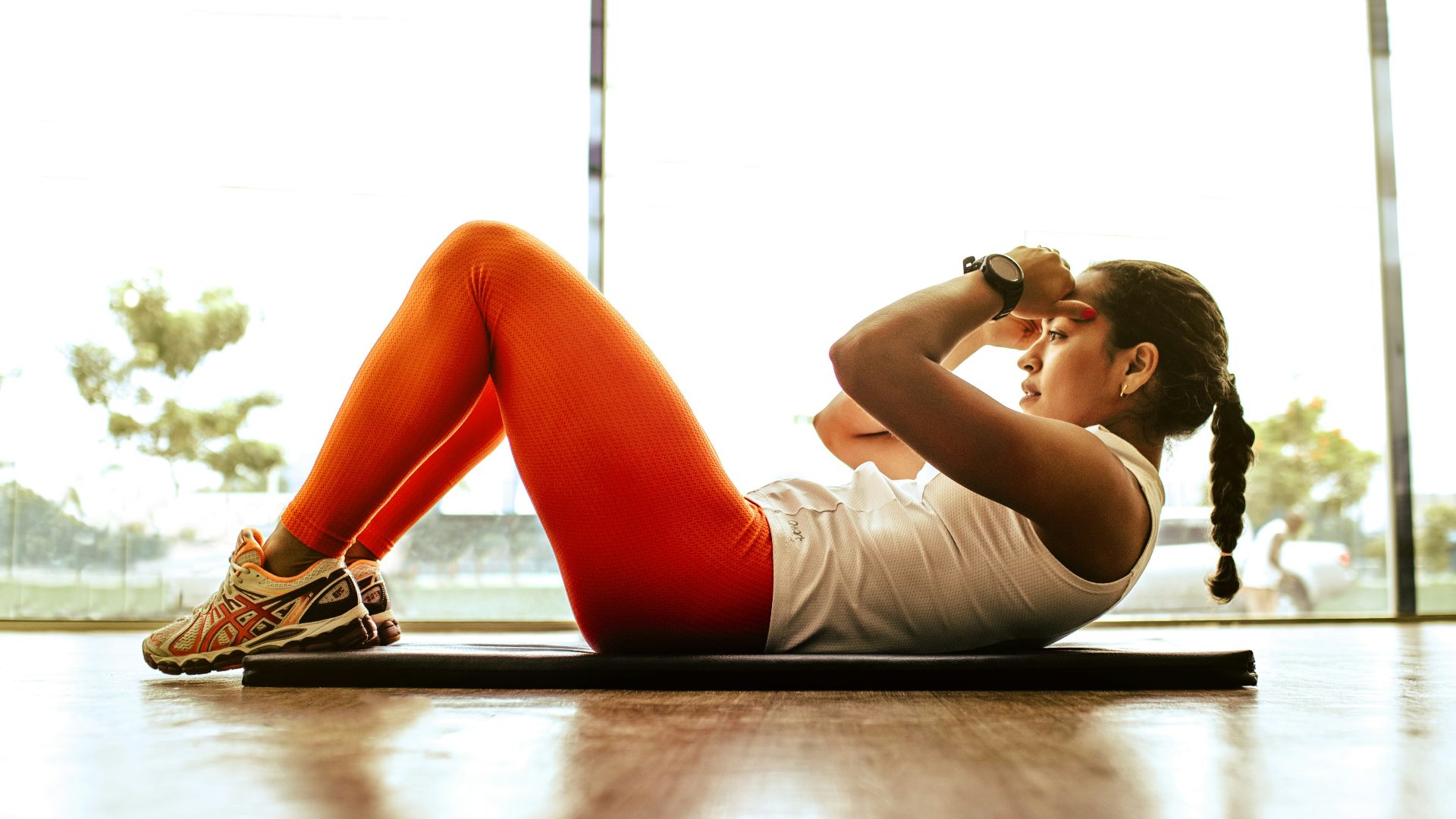
A short, easy workout may not require much preparation, but longer or more intense sessions increase fluid loss through sweat. Beginning already thirsty and then leaving your bottle at home makes it difficult to catch up. Drink according to the conditions and your activity rather than assuming every workout affects you in the same way.
10. Working Out in Hot Weather
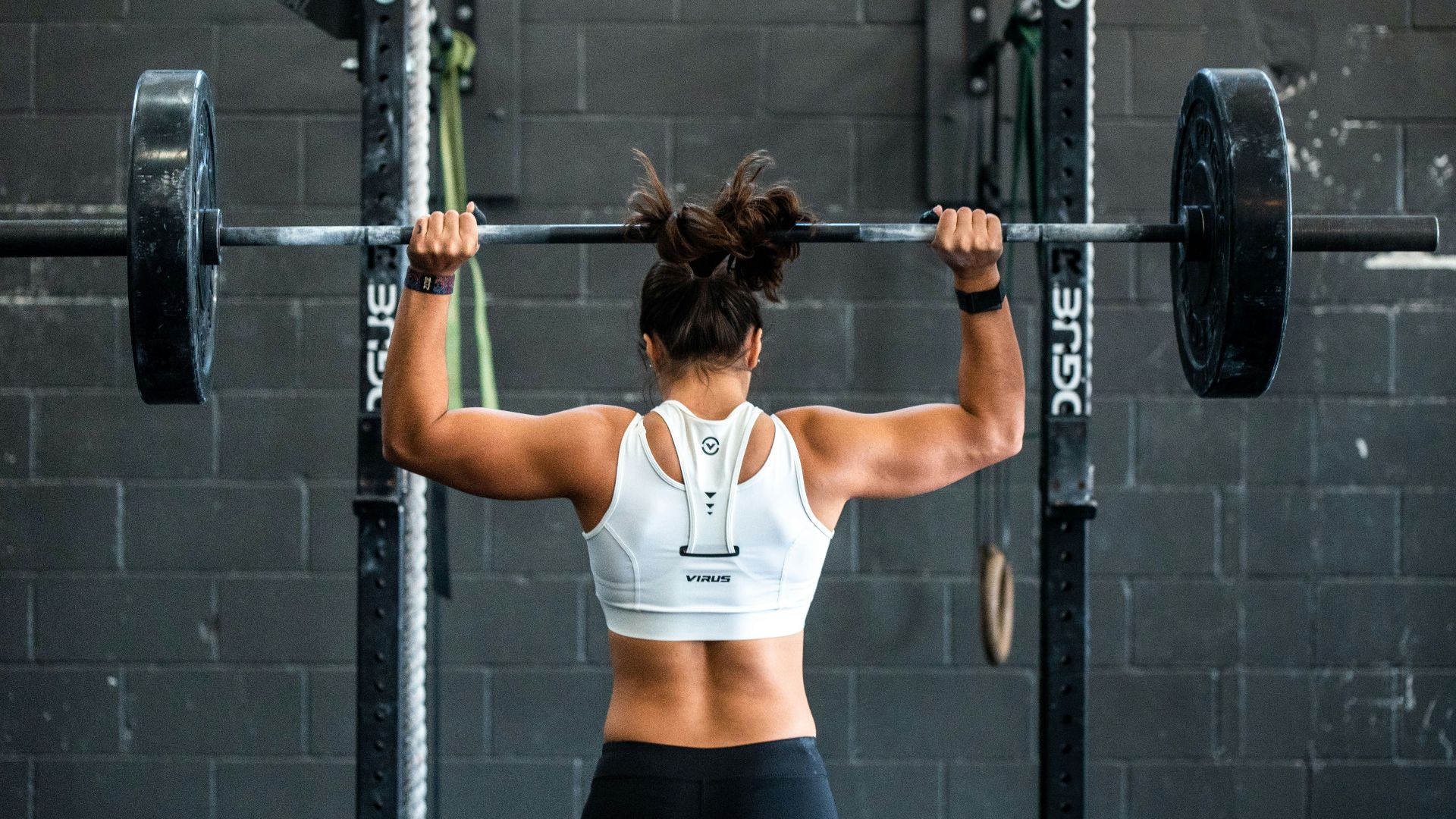
Exercise raises body temperature, while hot conditions force you to sweat even more to cool down. That combination can cause fluid losses to build quickly, particularly during running, cycling, or outdoor sports. Weakness or faintness is a reason to stop, move somewhere cool, and take the possibility of heat illness seriously.

11. Wearing Too Many Layers While Exercising
Bundling up in an attempt to “sweat more” mostly increases fluid loss, not meaningful fat loss. Heavy clothing can interfere with cooling and make an ordinary workout feel much hotter than it is. Dress appropriately for the temperature and activity instead.
12. Spending Long Periods in Saunas or Steam Rooms
Saunas and steam rooms encourage sweating, which means your body is losing fluid even though you aren’t moving much. Staying longer doesn’t automatically provide additional benefits, especially when you entered after exercising or drinking alcohol. Replace fluids afterward and leave promptly if you become dizzy, weak, or nauseated.
 CRYSTALWEED cannabis on Unsplash
13. Making Hot Yoga Even Hotter
A heated class combines physical exertion with an environment designed to produce heavy sweating. Arriving without drinking enough beforehand can leave you struggling before the session is over. Pay attention to your own limits rather than trying to match someone who handles heat differently.

14. Forgetting to Drink in Air-Conditioned Rooms
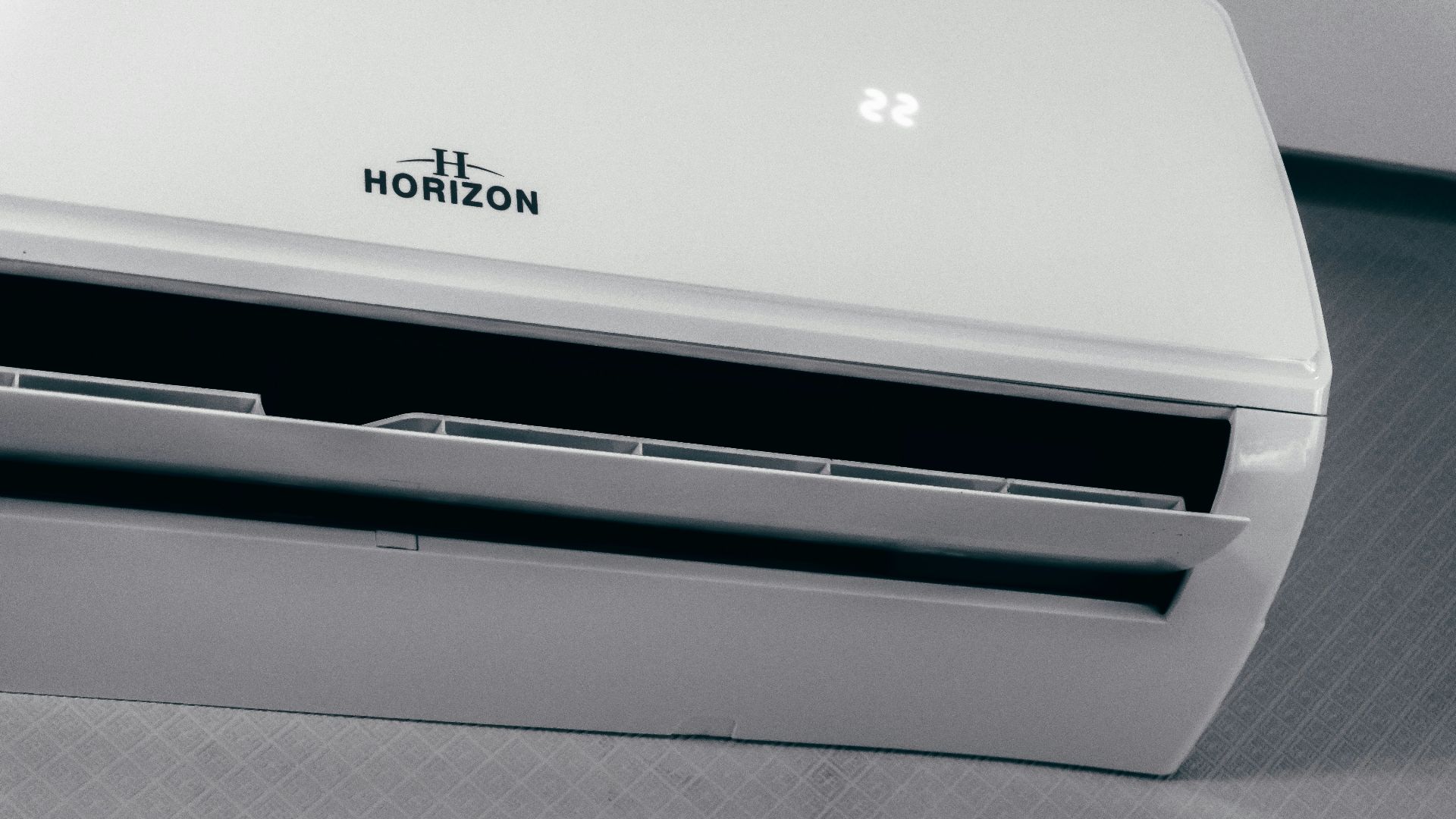
A cool office can hide fluid loss because you don’t feel hot or visibly sweaty. Air conditioning may also leave your mouth and throat feeling dry, yet you can become so focused on work that you ignore the sensation. Temperature comfort doesn’t mean your body has stopped needing regular fluids.
15. Skipping Meals Regularly
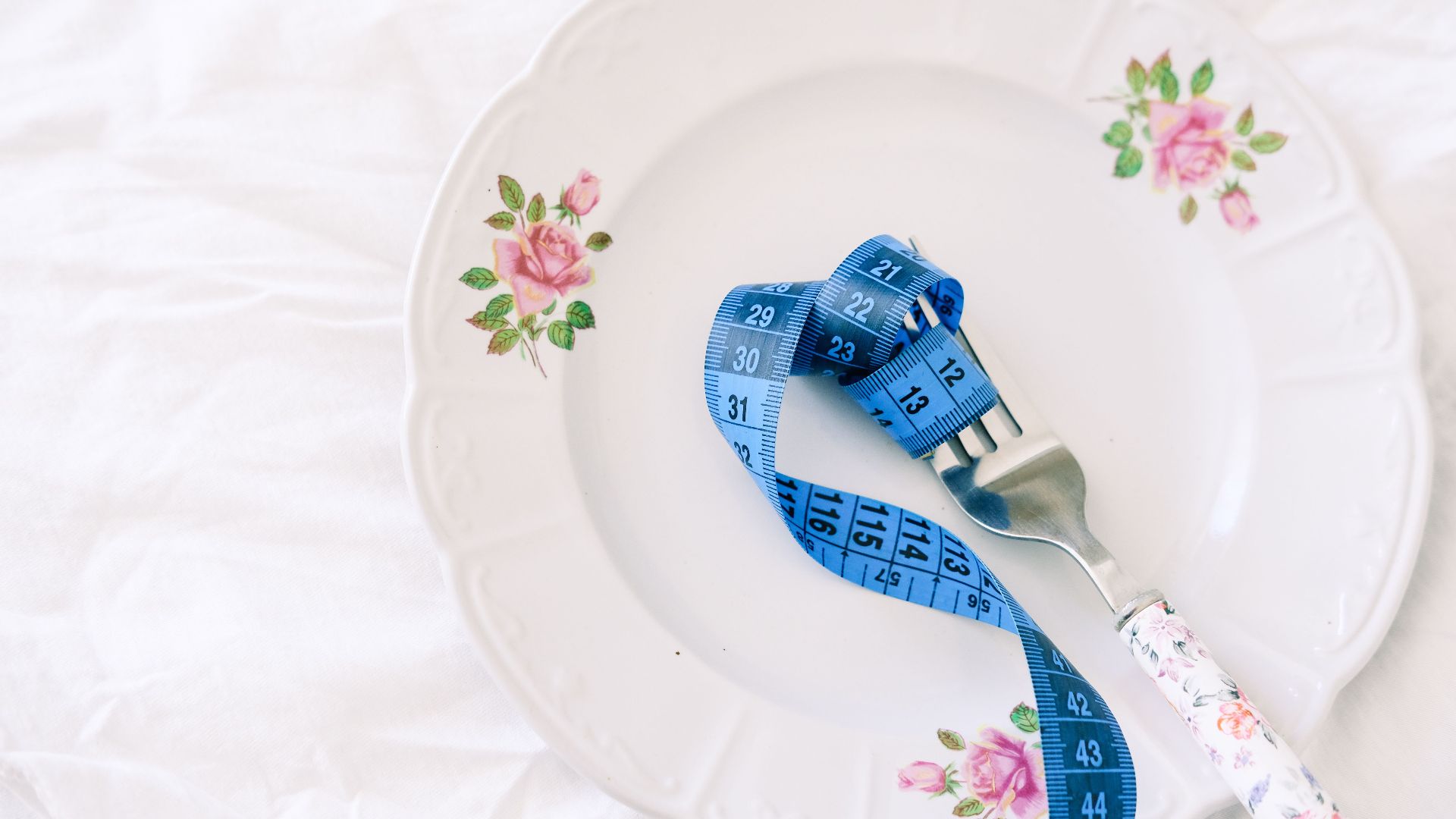
Food contributes part of your daily fluid intake, particularly when meals include fruit, vegetables, soups, yogurt, or sauces. Skipping breakfast or lunch removes both the food itself and the drink you might normally have alongside it. When meals disappear, you need to be more deliberate about replacing that lost fluid elsewhere.
16. Eating Very Few Water-Rich Foods
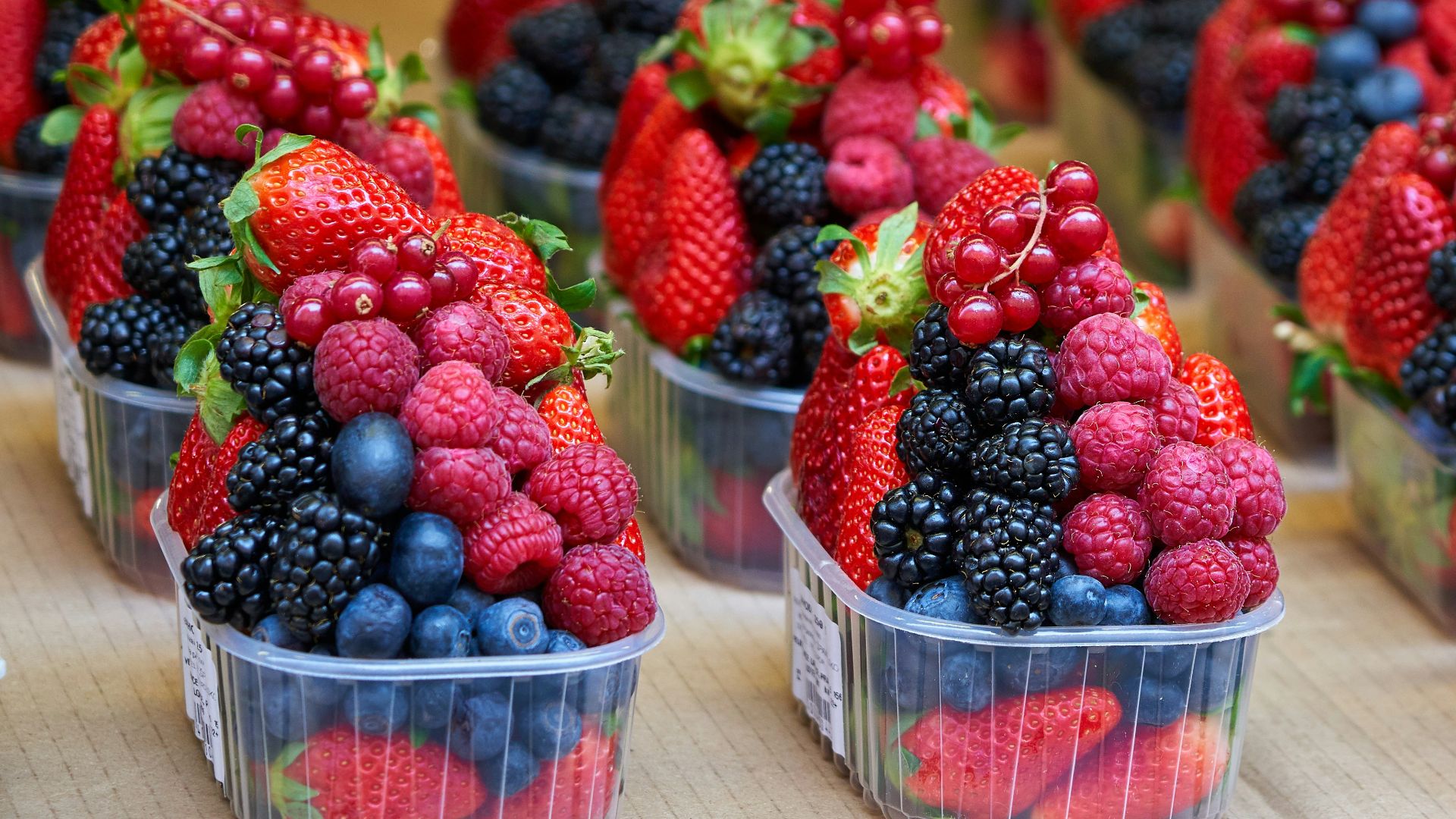
A diet built mostly around dry snacks, crackers, bars, and heavily processed foods provides less water than one containing plenty of produce and other moist foods. You can still stay hydrated by drinking enough, but the job becomes less automatic. Adding oranges, berries, cucumbers, tomatoes, soups, or yogurt gives your fluid intake some help.
17. Eating Salty Food Without Drinking More
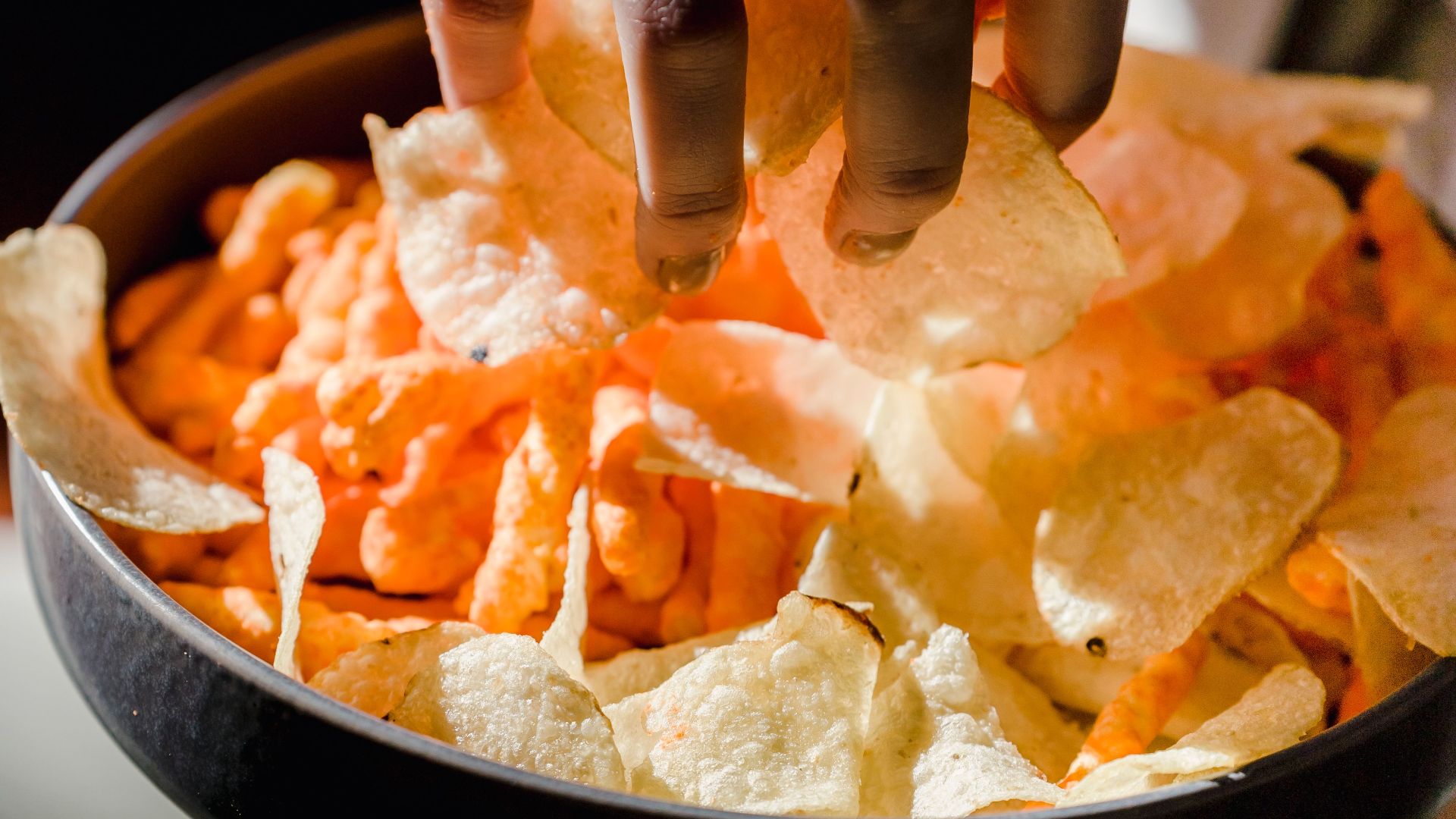
A salty takeout meal, packaged snack, or restaurant dinner can leave you noticeably thirstier. Your body needs water to maintain the proper balance of sodium and fluid, so ignoring that thirst isn’t especially comfortable or useful. There’s no need to panic over one bag of chips, but a very salty diet paired with minimal drinking can leave you feeling parched.
18. Ignoring Fluid Loss When You’re Sick
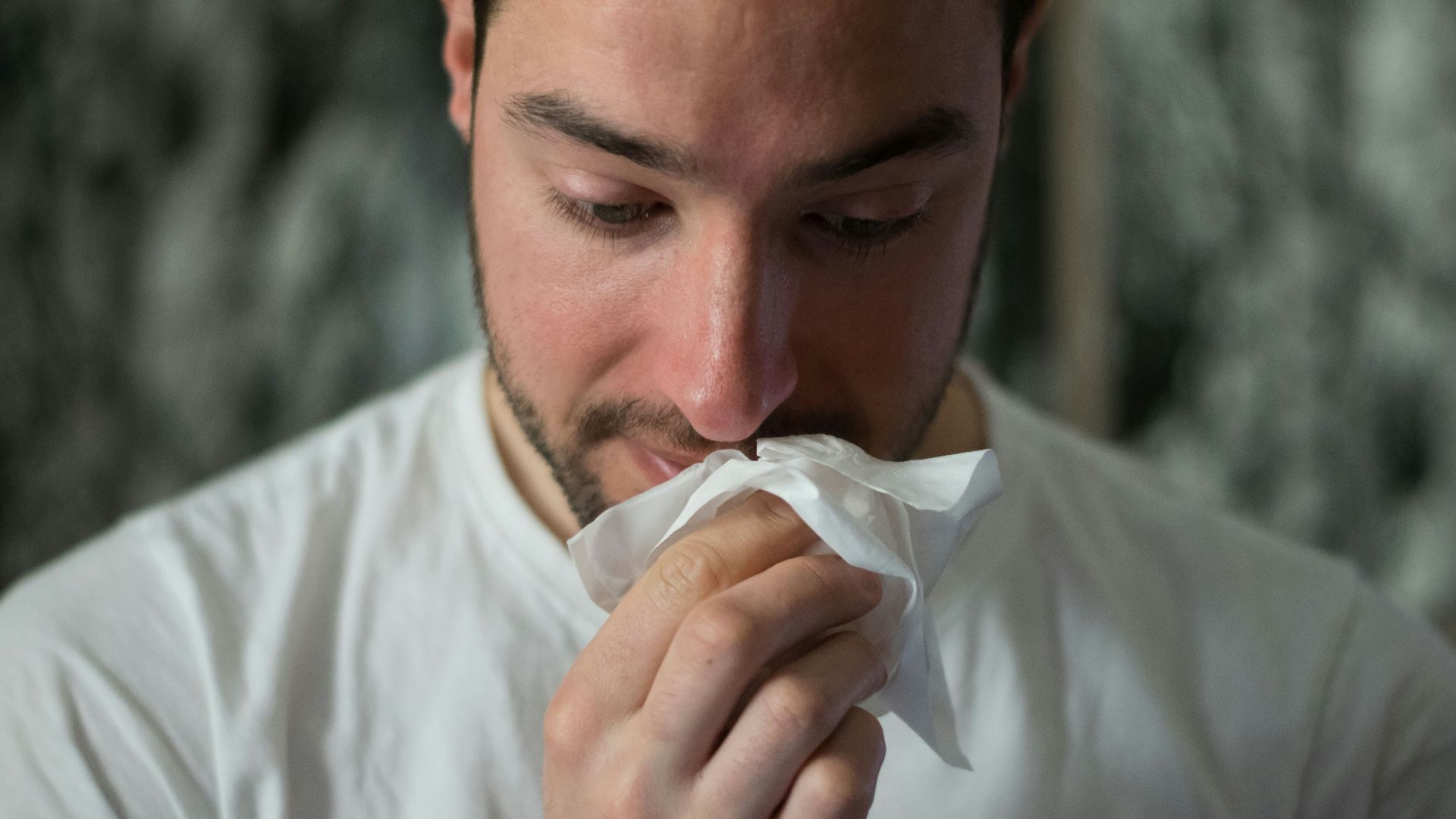
Vomiting, diarrhea, and fever can remove substantial amounts of water and electrolytes from the body. People also tend to drink less when they feel nauseated, have a sore throat, or spend most of the day sleeping. Small, frequent sips or an appropriate oral rehydration solution may be easier to tolerate than trying to swallow a large glass at once.
19. Using Laxatives or Diuretics Unnecessarily
Laxative misuse can cause diarrhea, while diuretics increase the amount of water and salt removed through urine. Using either product for rapid weight changes or to “cleanse” the body can lead to dehydration and electrolyte problems. Prescribed diuretics shouldn’t be stopped, but they should be taken exactly as directed.
20. Never Adjusting Your Routine
A drinking pattern that works during a quiet winter day may be inadequate during a heat wave, a long hike, or a stomach illness. Fluid needs rise when you sweat more or lose water through fever, vomiting, and diarrhea. Paying attention to changing conditions, urine color, thirst, and other symptoms is more useful than following one rigid number every day.
KEEP ON READING
20 Everyday Habits That Make You More Dehydrated
20 Foods That May Help You Stay Fuller Longer
20 Reasons To Stop Adding Things To Your Water