Recovery Is Part of the Workout
Most people focus on what happens during a workout, but what you do afterward matters just as much. Your muscles need time, nutrients, and the right conditions to repair themselves so they can get stronger. Certain everyday habits can quietly interfere with that process, leaving you feeling sore for longer or limiting your progress. Here are 20 habits that could be slowing down your muscle recovery without you even realizing it.

1. Not Getting Enough Sleep
Sleep is when much of your body's muscle repair takes place. Cutting your nights short means your muscles have less time to recover from the stress of exercise. You may also notice lower energy and weaker performance during your next workout.

2. Skipping Protein After Workouts
Exercise creates tiny tears in your muscle fibers that need protein to rebuild. Waiting too long to eat enough protein may slow that repair process. You don't need an elaborate shake if that's not your thing, but including a quality protein source after training can help.

3. Not Drinking Enough Water
Even mild dehydration can make recovery more difficult. Water helps transport nutrients throughout your body and supports many of the processes involved in muscle repair. If you're losing a lot of fluid through sweat, replacing it becomes even more important.

4. Training the Same Muscle Groups Every Day
Your muscles grow while they're recovering, not while you're lifting weights. Working the same body parts day after day doesn't give them enough time to repair themselves. Over time, this can increase soreness and reduce performance. Alternating muscle groups or scheduling rest days helps your body keep up.
5. Eating Too Few Calories
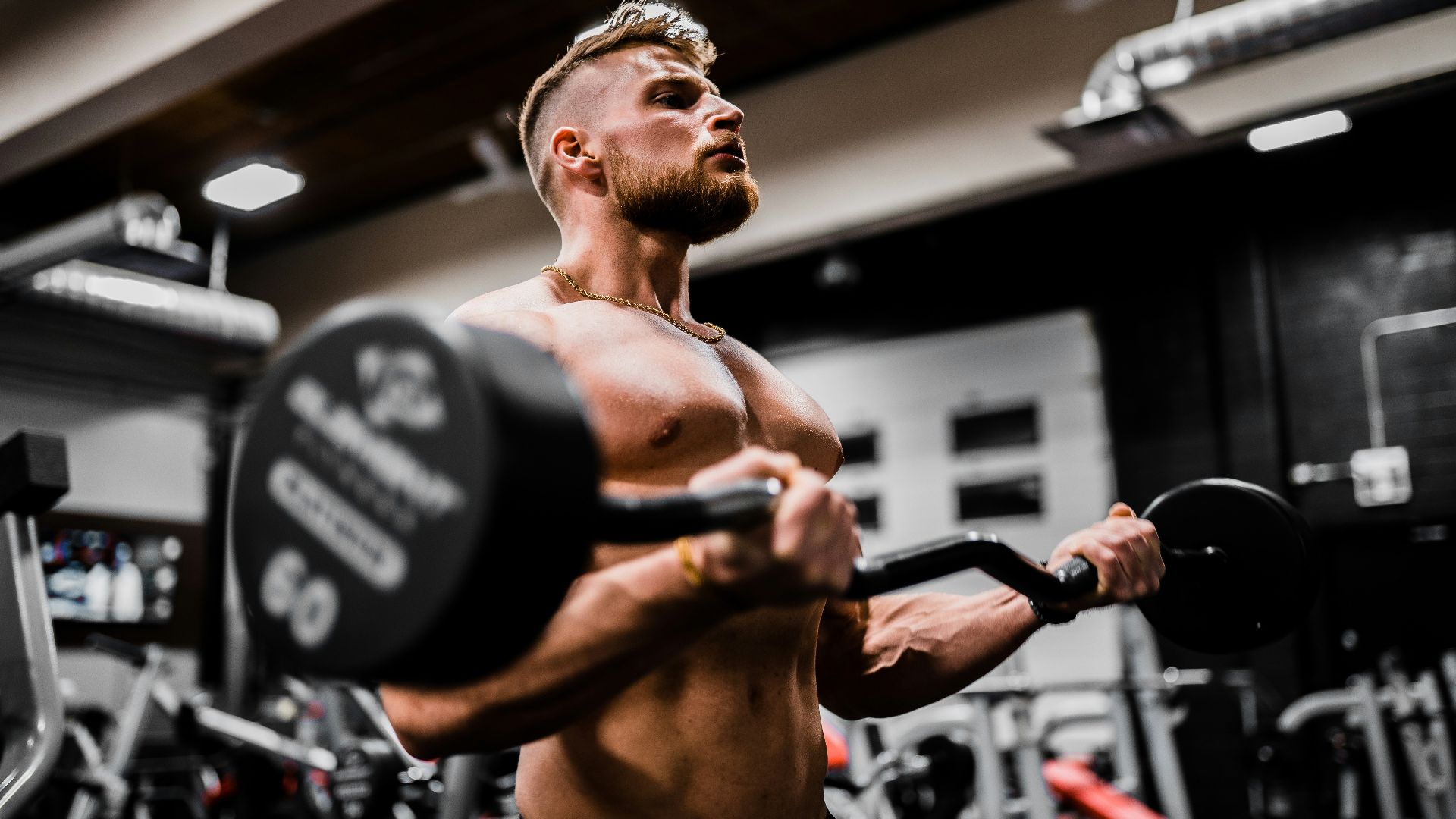
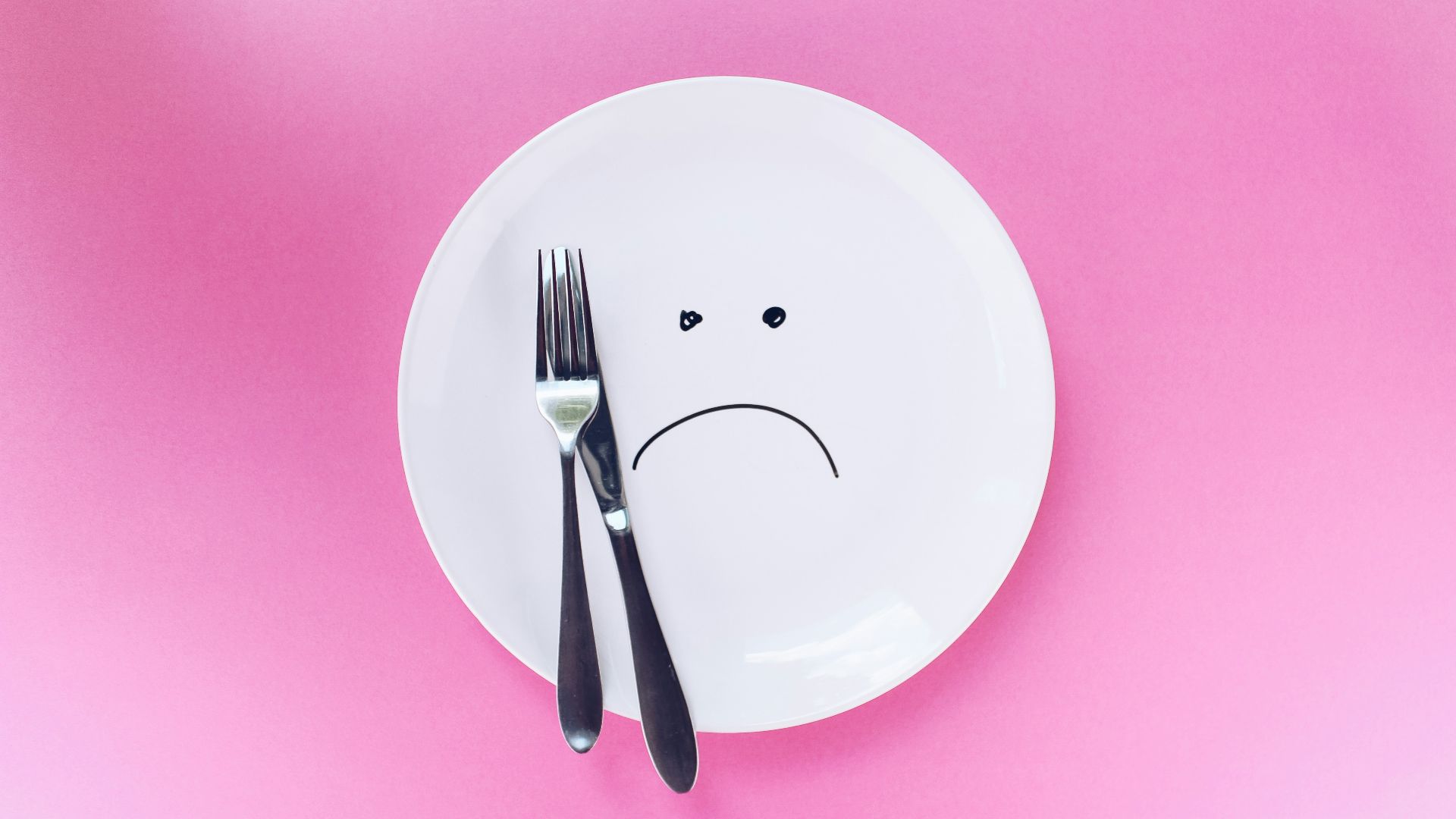
If you're consistently eating less than your body needs, recovery can suffer. Your muscles require energy to repair damaged tissue after exercise. Extreme calorie restriction may leave you feeling fatigued and slow your progress in the gym.
6. Drinking Too Much Alcohol
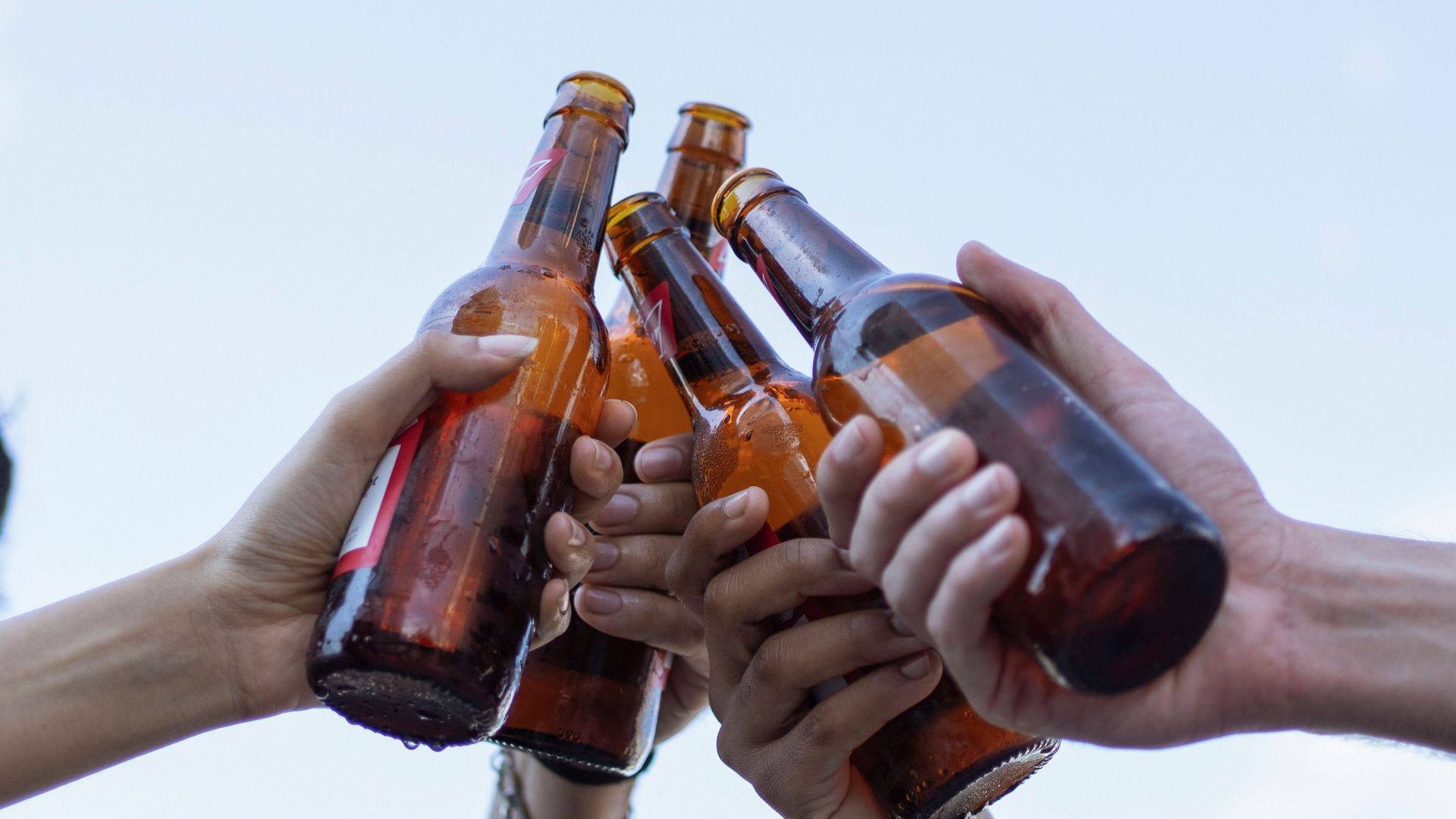
An occasional drink probably won't derail your fitness goals, but heavy alcohol intake can interfere with muscle recovery. It may disrupt sleep, contribute to dehydration, and affect the body's ability to repair tissue efficiently.
7. Ignoring Rest Days
Some people feel guilty taking a day off, but recovery is part of a balanced training plan. Rest days allow your muscles to rebuild and adapt to the work you've been doing. Without them, fatigue can gradually pile up.

8. Sitting All Day After Exercise
While recovery is important, staying completely inactive afterward isn't always ideal. Light movement, such as walking or gentle stretching, can help reduce stiffness and improve circulation. Spending the rest of the day glued to a chair may leave your muscles feeling tighter.

9. Not Eating Enough Carbohydrates
Carbohydrates help replenish the glycogen your muscles use during exercise. If those energy stores stay depleted, you may feel slower and more fatigued during future workouts. Pairing carbs with protein after intense training supports recovery for many people.
10. Constantly Feeling Stressed
High stress doesn't just affect your mood. It can also interfere with sleep, appetite, and other factors that support muscle repair. Chronic stress may leave you feeling more drained after workouts than usual.

11. Skipping Your Cool-Down
Finishing your workout and heading straight for the door isn't always the best approach. A short cool-down with easy movement can help your heart rate gradually return to normal while reducing feelings of stiffness. It doesn't have to take long to be worthwhile.

12. Pushing Through Every Ache
There's a difference between normal muscle soreness and pain that signals something more serious. Ignoring persistent discomfort can turn a minor issue into a longer recovery. Paying attention to your body's warning signs may help prevent setbacks.

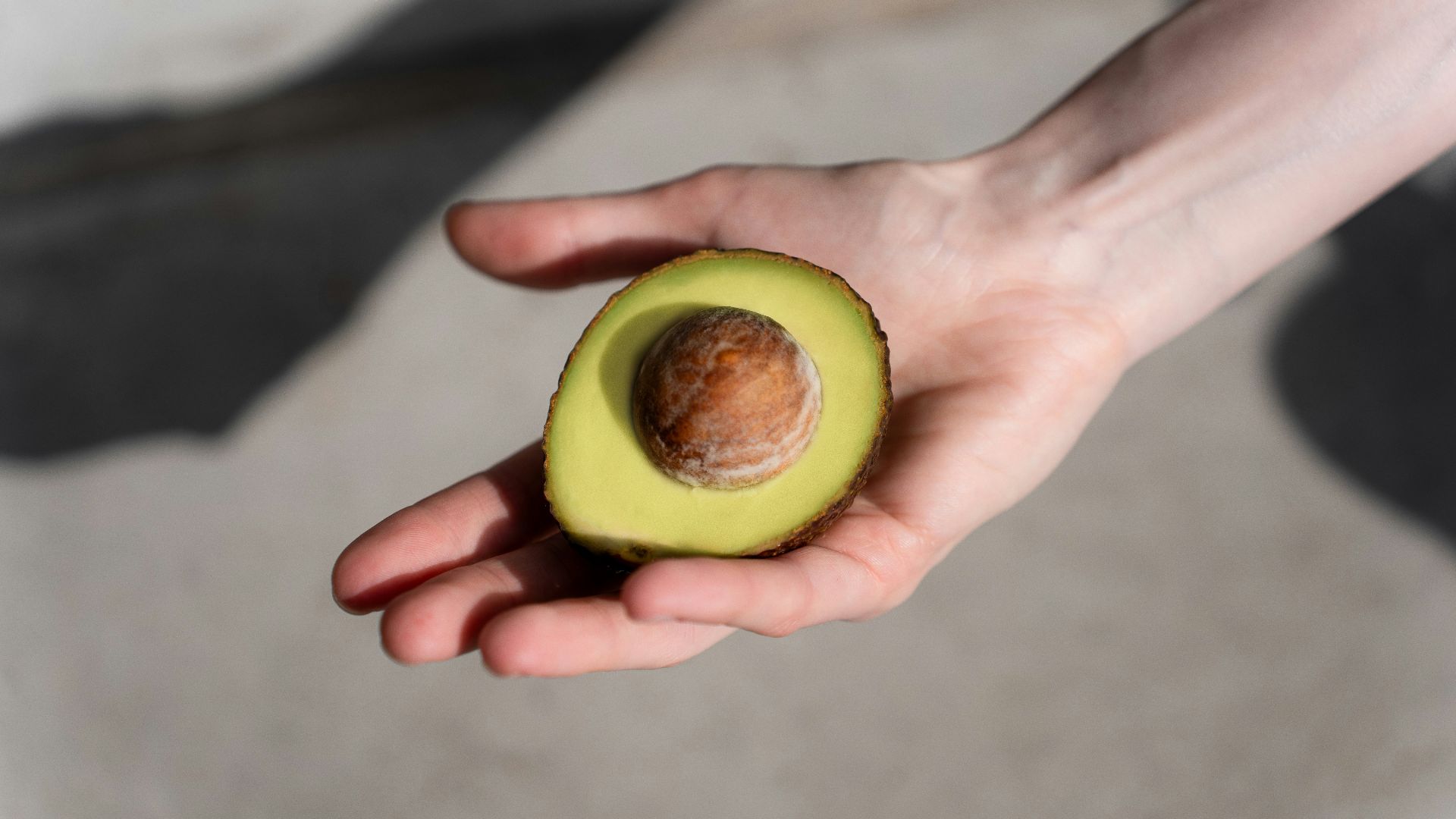
13. Not Eating Enough Healthy Fats
Healthy fats support hormone production, including hormones involved in muscle repair and recovery. If your diet is extremely low in fats, your body may not function as efficiently as it could. Foods like salmon, nuts, seeds, and olive oil can all contribute to a balanced recovery-focused diet.
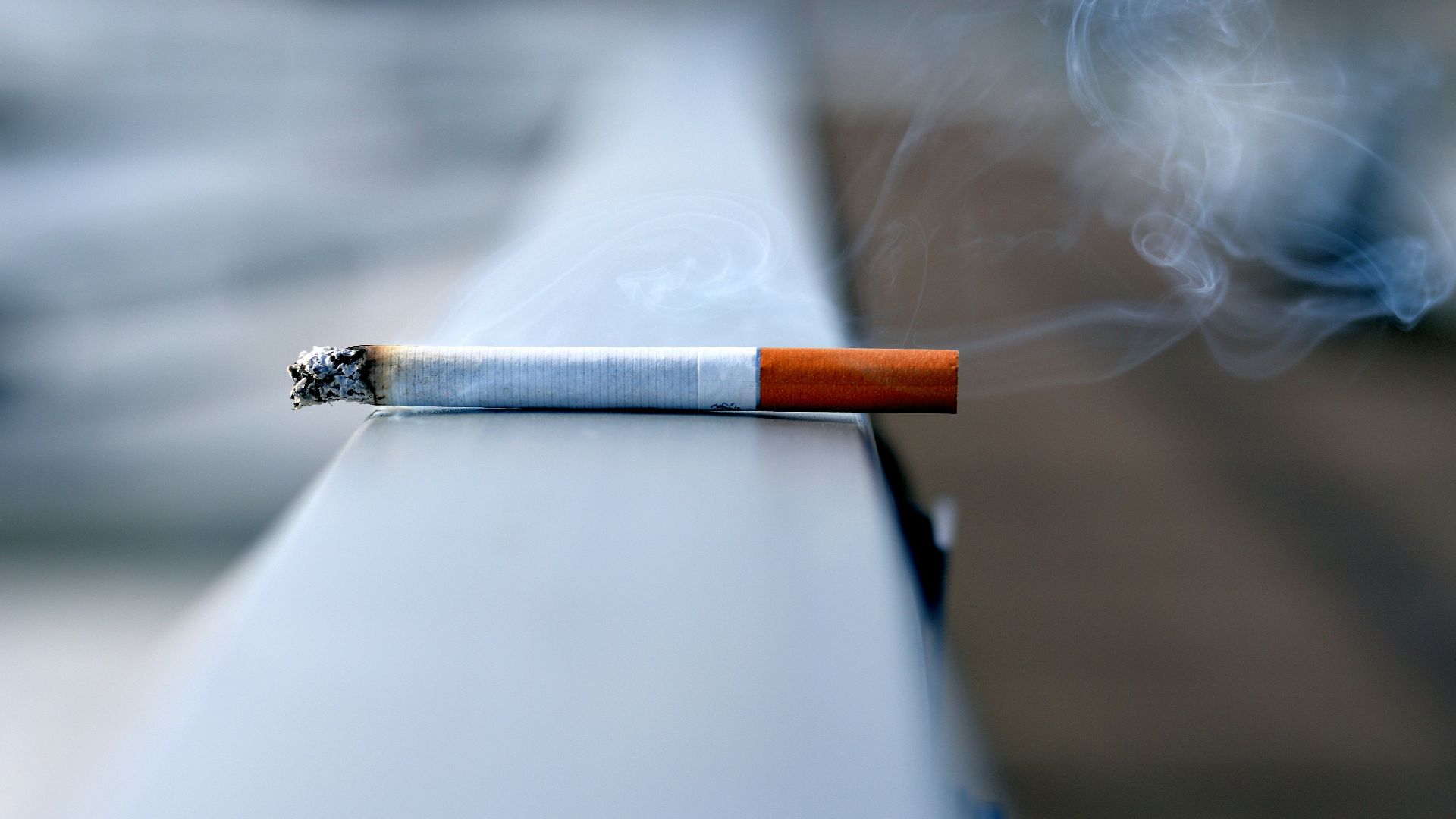
14. Smoking
Smoking affects circulation, which plays an important role in delivering oxygen and nutrients to recovering muscles. It may also slow healing throughout the body. These effects can make bouncing back from hard workouts more difficult.
15. Exercising When You're Sick
Trying to push through an illness isn't always the badge of honor people think it is. Your immune system is already working hard, and adding intense exercise can place additional demands on your body. Giving yourself time to recover from an illness often helps you return to training sooner.

16. Relying Too Heavily on Processed Foods
Highly processed foods can fit into an overall healthy diet, but relying on them for most of your meals may leave you short on important nutrients. Vitamins, minerals, healthy fats, and quality protein all contribute to recovery. Eating a wider variety of whole foods helps provide what your body needs.

17. Forgetting to Stretch Tight Areas
Stretching won't magically eliminate soreness, but improving flexibility in tight muscles can help you move more comfortably. Gentle stretching after exercise or later in the day may reduce feelings of stiffness for some people. The key is keeping it comfortable and consistent rather than forcing painful positions.

18. Doing Too Much High-Intensity Cardio
Cardio has plenty of health benefits, but doing intense sessions every day alongside heavy strength training can make recovery more challenging. Your body has to recover from both forms of exercise. Finding the right balance depends on your fitness level and goals. Mixing easier sessions into your week can help.

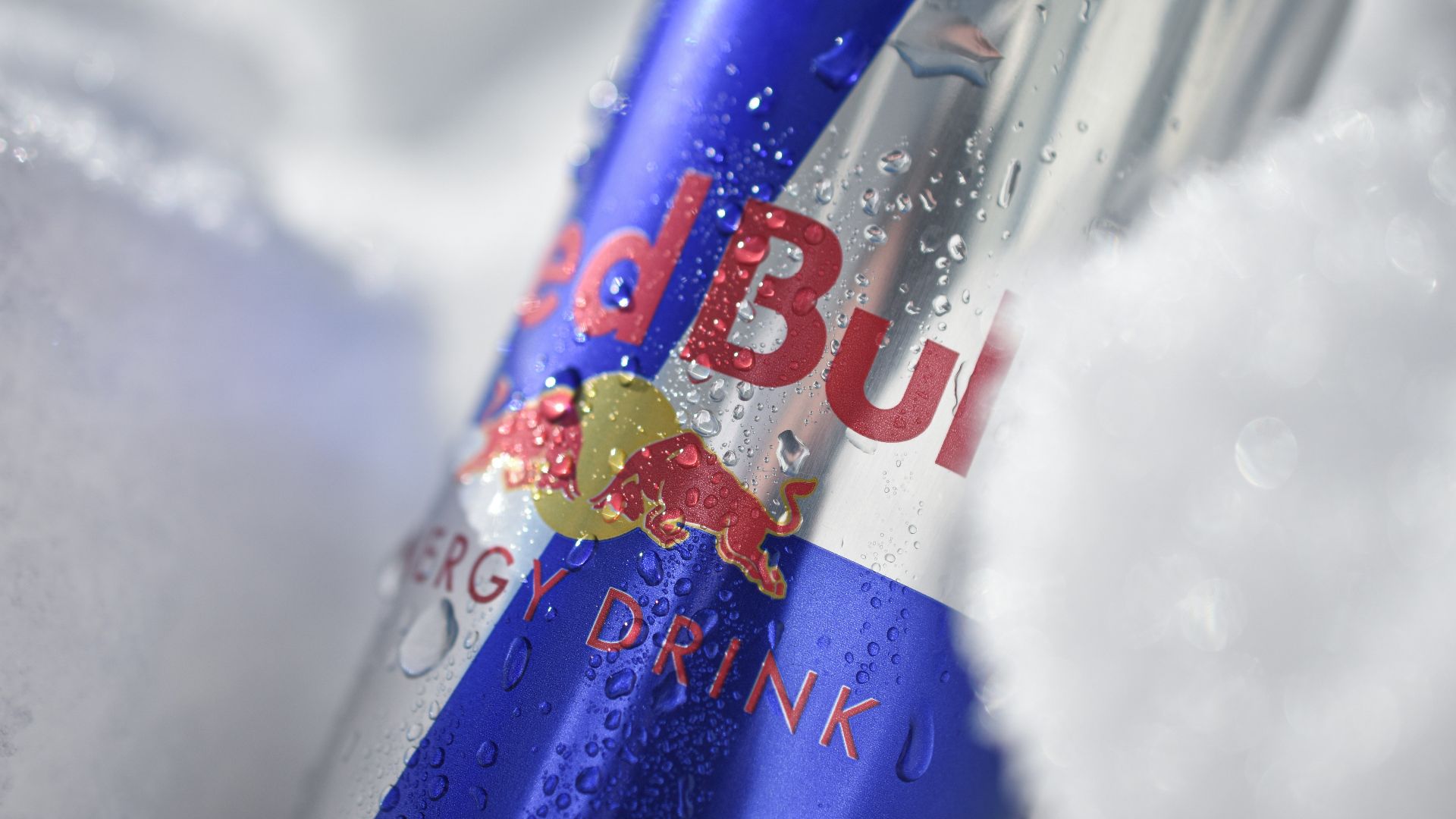
19. Depending on Energy Drinks Instead of Recovery
Energy drinks may help you feel more awake, but they don't actually repair tired muscles. Relying on caffeine instead of sleep, nutrition, and hydration can mask fatigue without addressing the underlying problem. Recovery still requires giving your body what it needs.
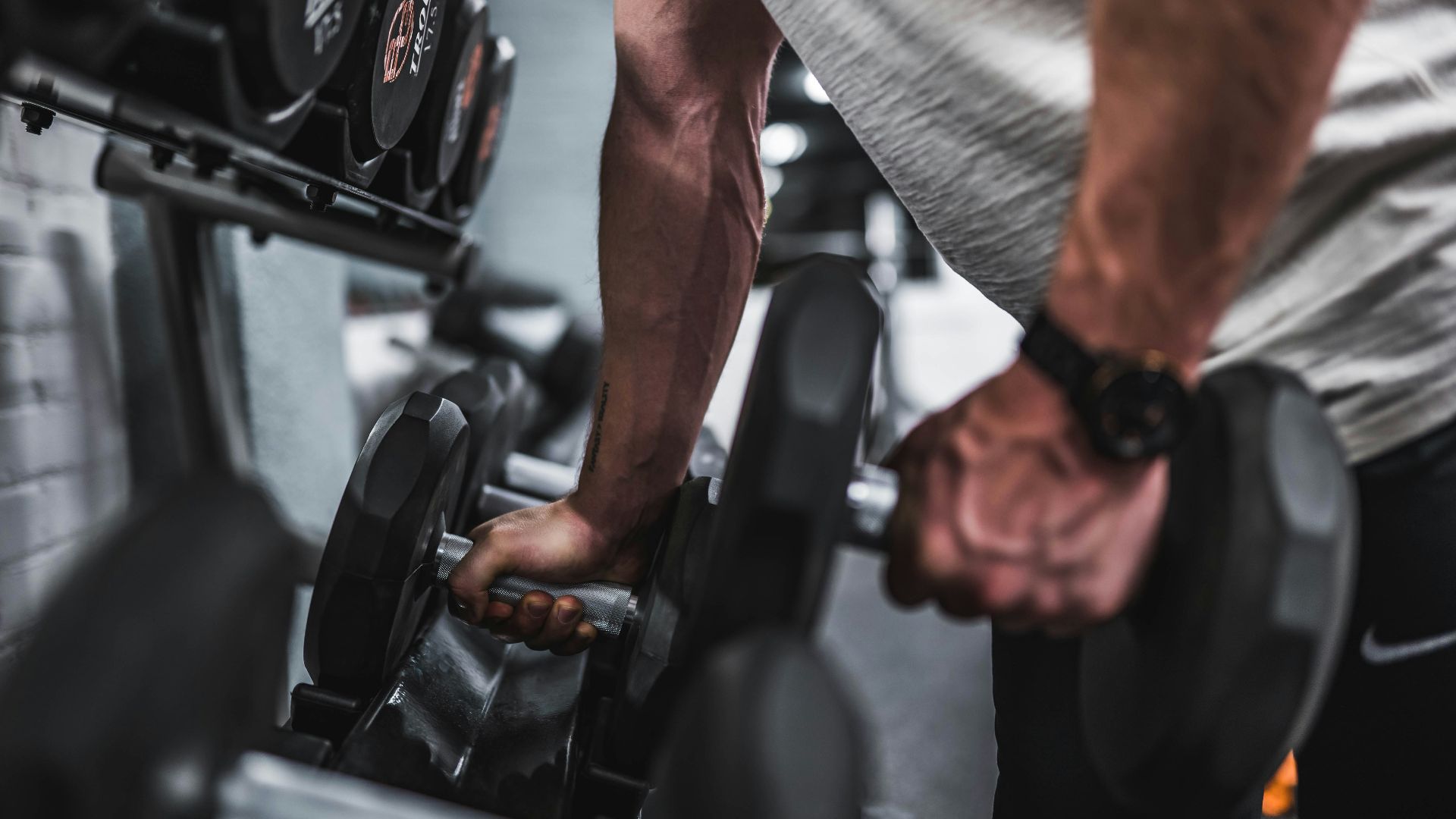
20. Increasing Your Workouts Too Quickly
It's exciting to lift heavier weights or add extra training sessions, but doing too much too soon can overwhelm your muscles. Gradually increasing intensity gives your body time to adapt and recover. Rushing the process often leads to lingering soreness and stalled progress. Slow, steady improvements usually produce better long-term results.
KEEP ON READING


20 Habits That Can Slow Down Muscle Recovery