
The Hidden Cost Of Bad Form
Ever push through a workout feeling strong, only to wake up sore in all the wrong places? Often, progress stalls due to how the body moves under load. Small breakdowns in posture can steal results and invite injury long before pain appears. Knowing how to spot those warning signals changes everything. Keep reading to uncover the signs your body gives if you are working out wrong, followed by simple ways to fix your exercise form.
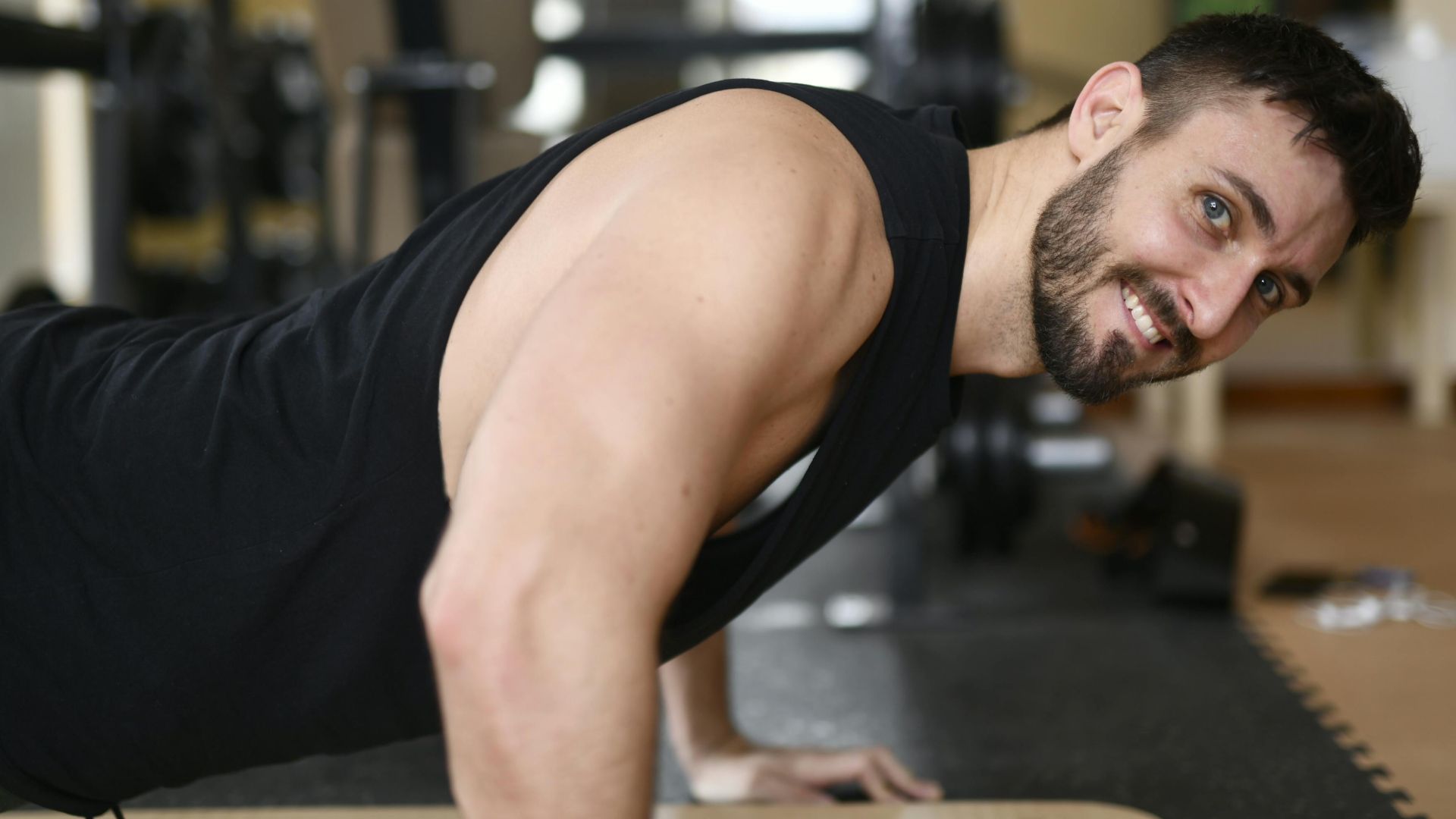
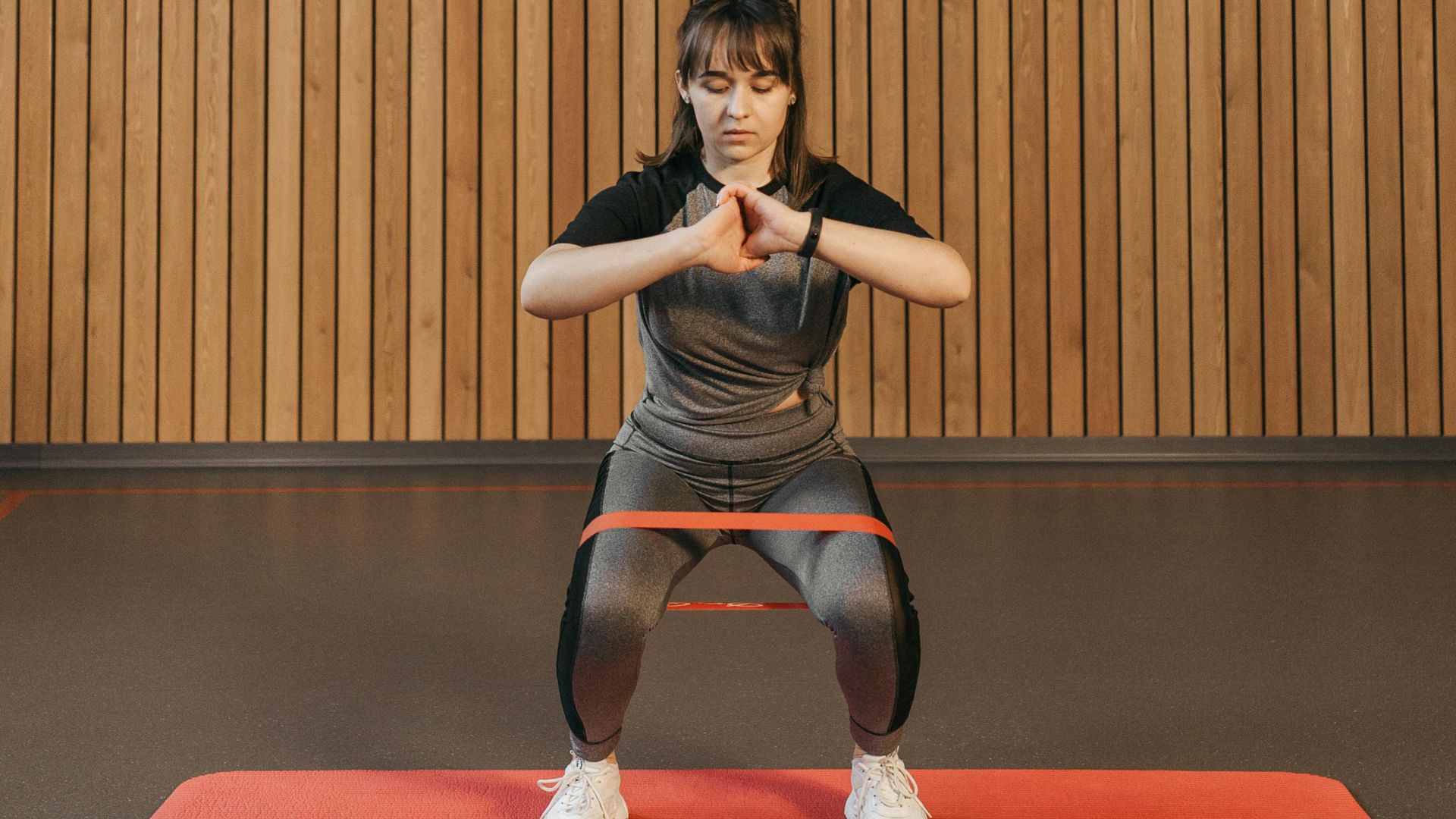
1. Knees Collapsing Inward During Squats
When your knees drift toward each other at the bottom of a squat, you're putting uneven stress on the knee joint along with ligaments. This misalignment is a common culprit behind injuries to the Anterior Cruciate Ligament, a key stabilizer located in the center of the knee.
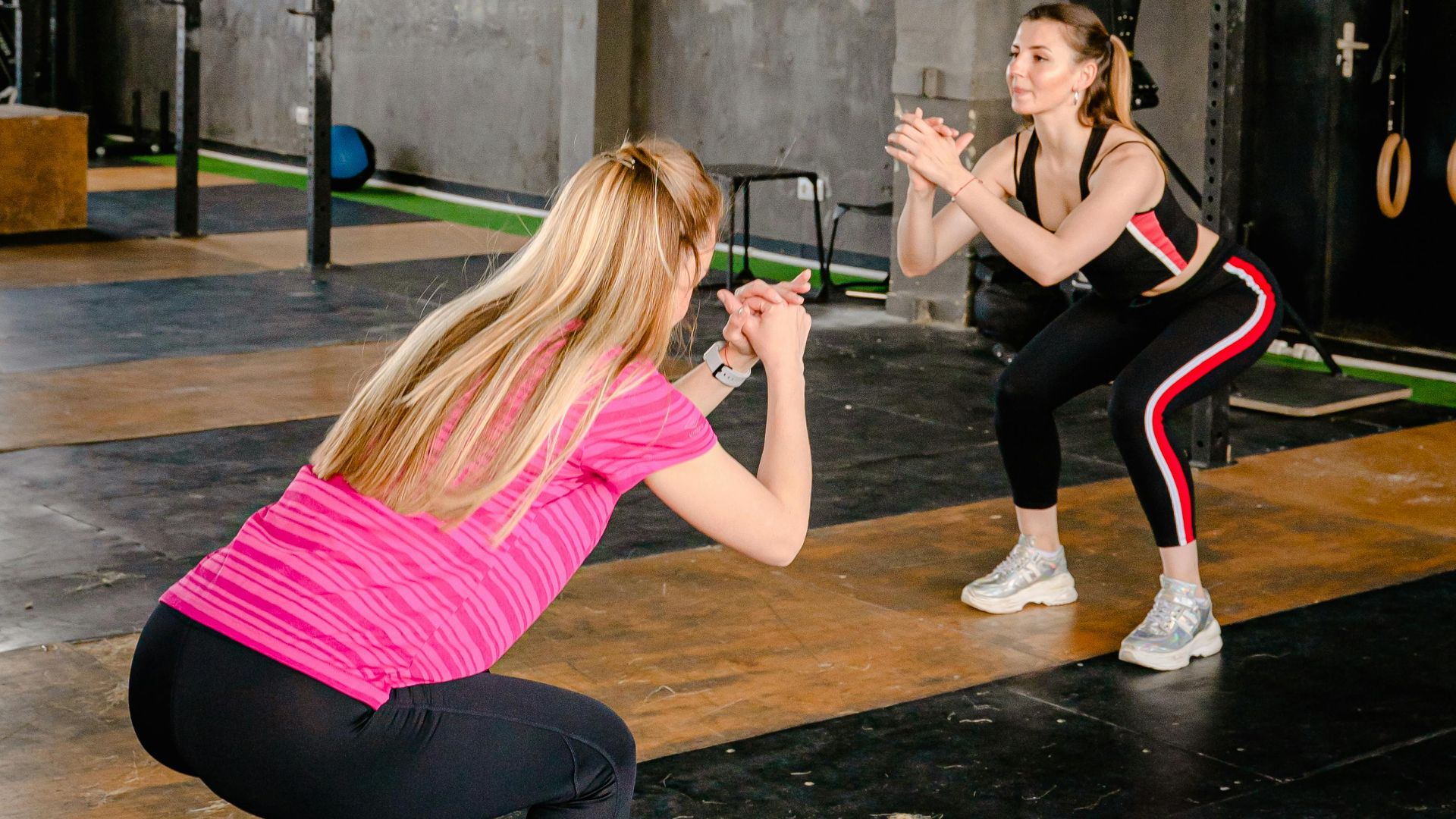 Antoni Shkraba Studio on Pexels
2. Rounded Lower Back In Deadlifts
Under load, a curved lower spine forces stress into the spinal discs rather than spreading it through the hips and legs. Such a pattern ranks among the most serious warning signs for lower-back strain leading to disc-related injuries.

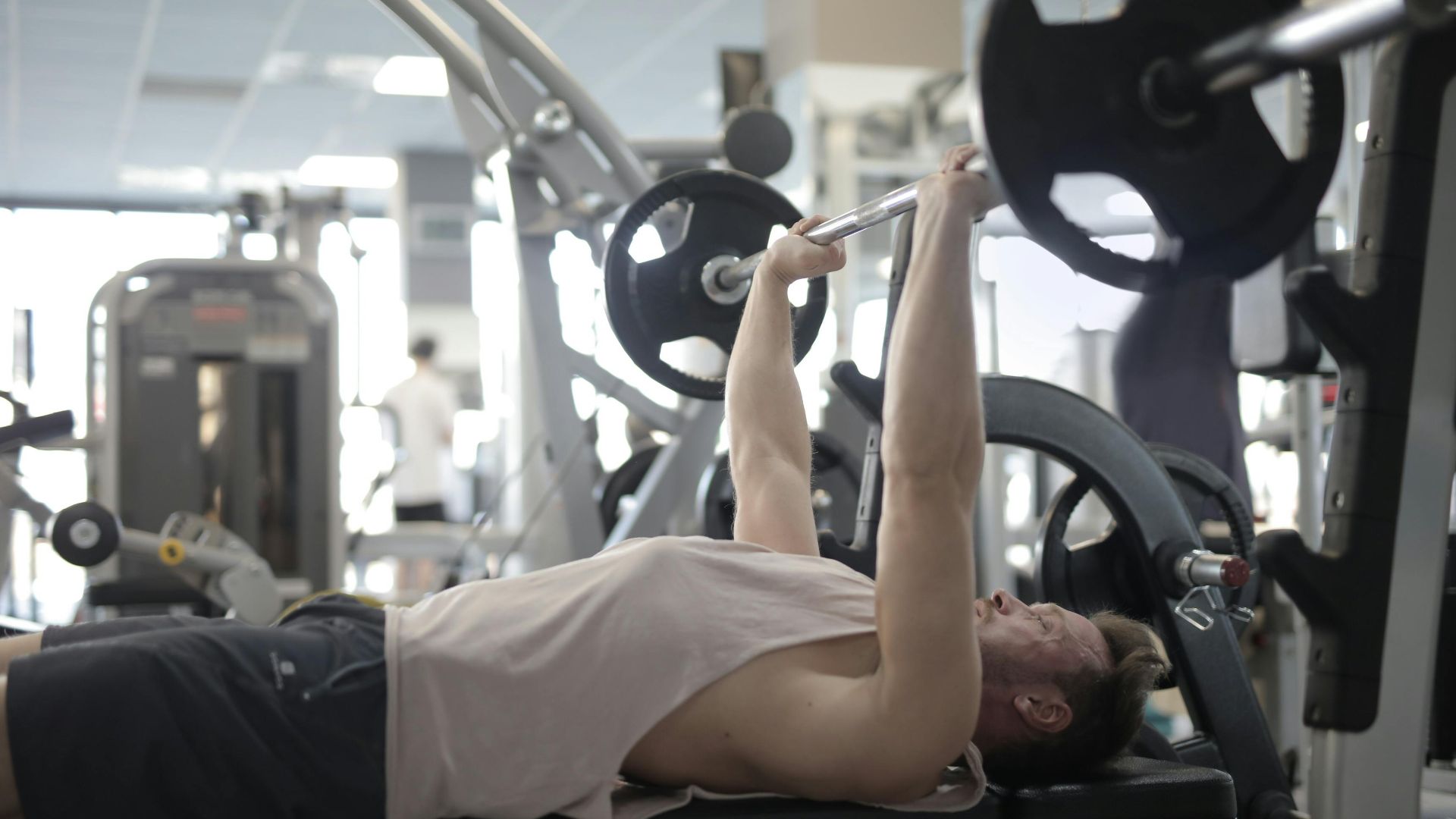
3. Elbows Flaring Wide In Bench Press
If your elbows are shooting out to the sides while you bench press, you’re operating from a weak position. Chest involvement drops as stress shifts directly onto the shoulder joints to create unnecessary wear and tear that accumulates with time.
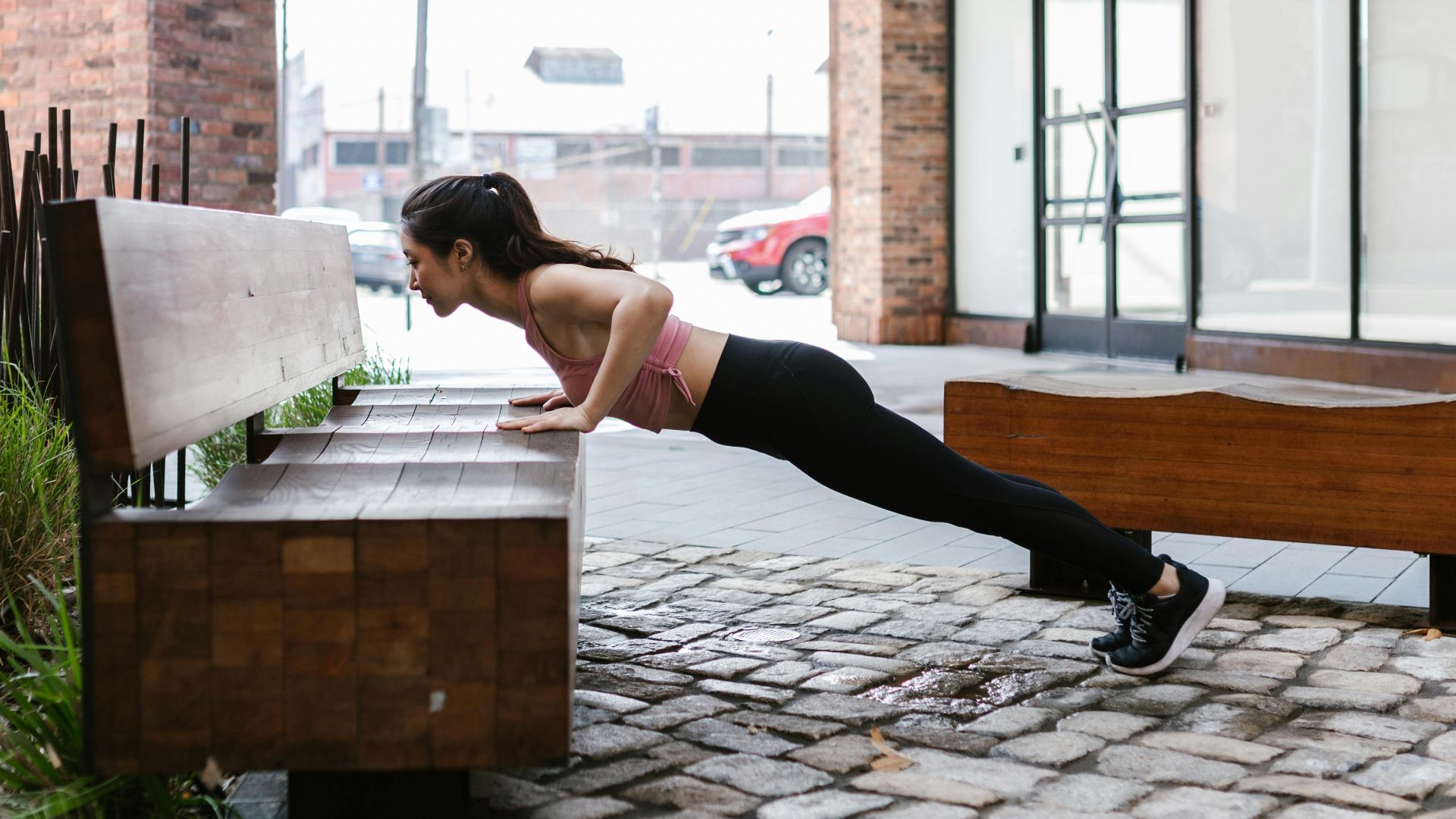
4. Shoulders Rising Toward The Ears In Push-Ups
Poor stability between the shoulder blades and rib cage causes push-ups to shift load into the neck and upper traps. Over time, this pattern increases the risk of chronic shoulder irritation while limiting meaningful strength gains from the exercise.
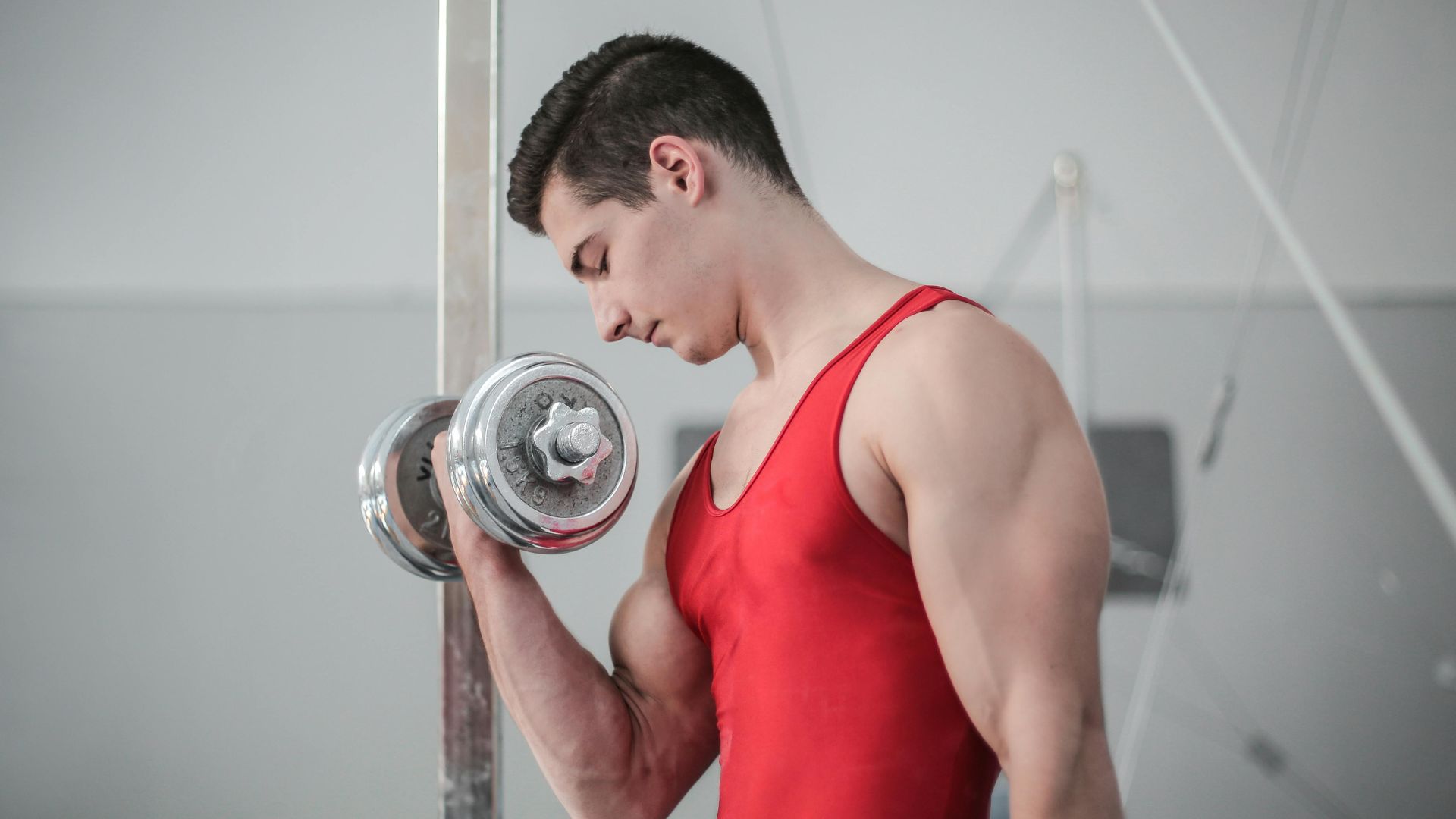
5. Swinging Weights Instead Of Controlled Curls
Using your back to swing weights up? You're cheating your biceps out of real work by letting momentum do the lifting. Reduce the pressure and slow your tempo, as it will bring the focus back where it belongs.
6. Arching Spine Excessively In Overhead Press
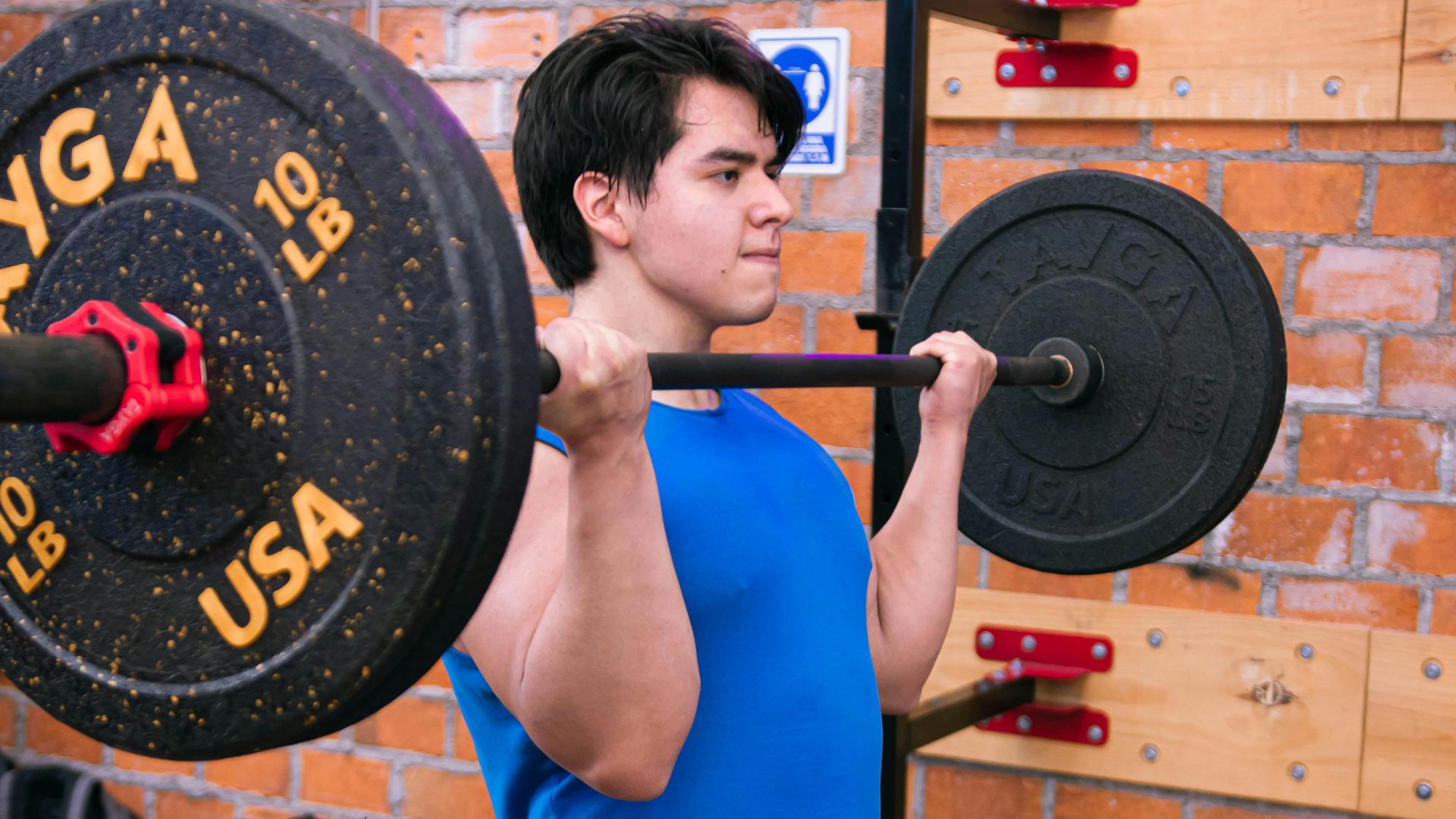
Each repetition adds dangerous strain if your lower back curves too dramatically during overhead movements. An exaggerated lumbar arch shifts the load away from stacked alignment and directly onto vulnerable spinal discs. Strongman athletes wear belts specifically to guard against this risky hyperextension pattern.
7. Feet Lifting Off The Ground In Lat Pulldowns
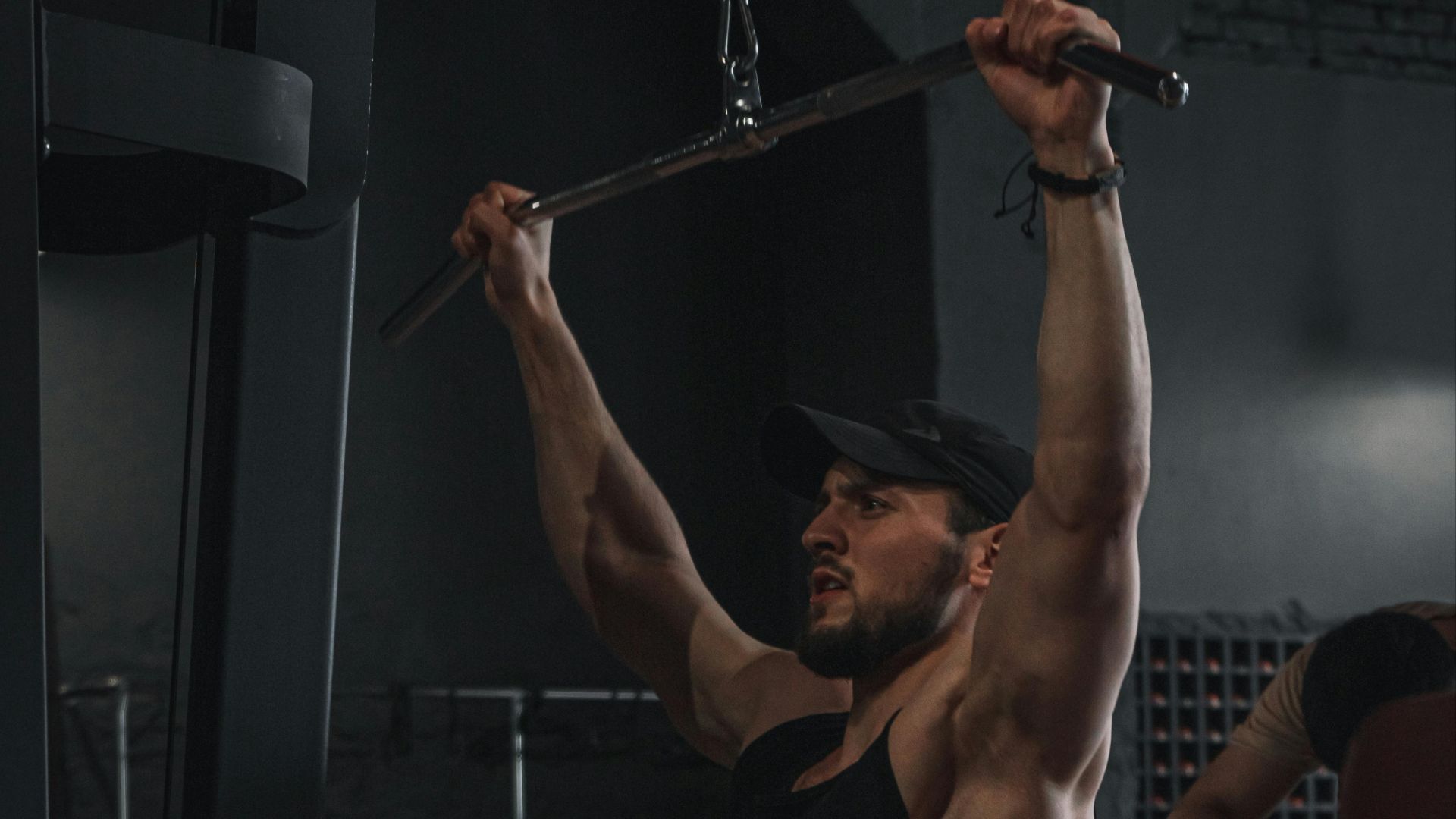
Loss of contact with the floor during lat pulldowns indicates a breakdown in posture under load. Bodyweight begins to assist the movement, reducing true muscle engagement and increasing reliance on momentum instead of controlled muscular effort.
8. Neck Straining During Ab Crunches
If your neck starts to fatigue before the abs during crunches, the movement has already gone off track. Stress transfers to the cervical spine. It also raises injury risk—a flaw the 1990s fitness DVD boom unintentionally normalized through exaggerated neck pulling.

9. Uneven Stride Or Foot Strike While Running
Irregular foot contact or visible asymmetry while running reflects postural imbalance. Over time, this uneven loading pattern increases repetitive stress on joints and connective tissue, making injuries more likely even at moderate training volumes.

10. Holding Breath Instead of Controlled Breathing
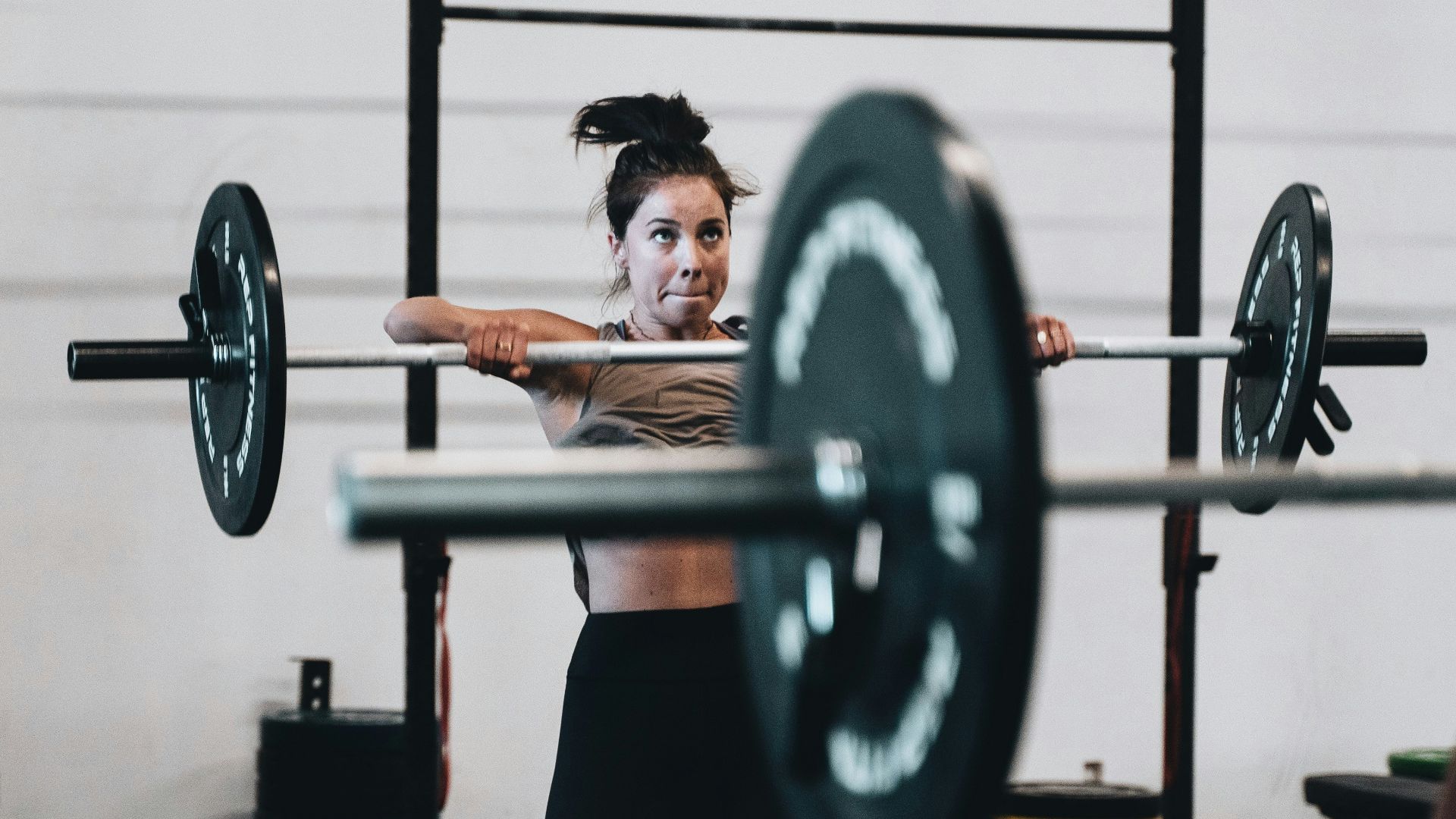
If you notice yourself holding your breath mid-lift, you've lost stability. In such cases, oxygen intake plummets and internal pressure shoots up to stress your system unnecessarily. It tends to tire your body out more than usual.
 LOGAN WEAVER | @LGNWVR on Unsplash
1. Engage Your Core Before Every Lift
Ever notice Olympic lifters grunting or shouting before a heavy lift? That sound isn’t random. Core bracing stabilizes the spine, limits lower-back breakdown, and helps force travel smoothly from the lower body to the upper body under load.

2. Use Mirrors For Real-Time Feedback
Visual feedback during a lift can immediately expose alignment errors that aren’t felt internally. Mirrors help spot posture breakdown mid-rep to limit repeated mistakes and reduce dependence on constant coaching. Bodybuilding gyms in the 1970s famously popularized wall-to-wall mirrors for this reason.
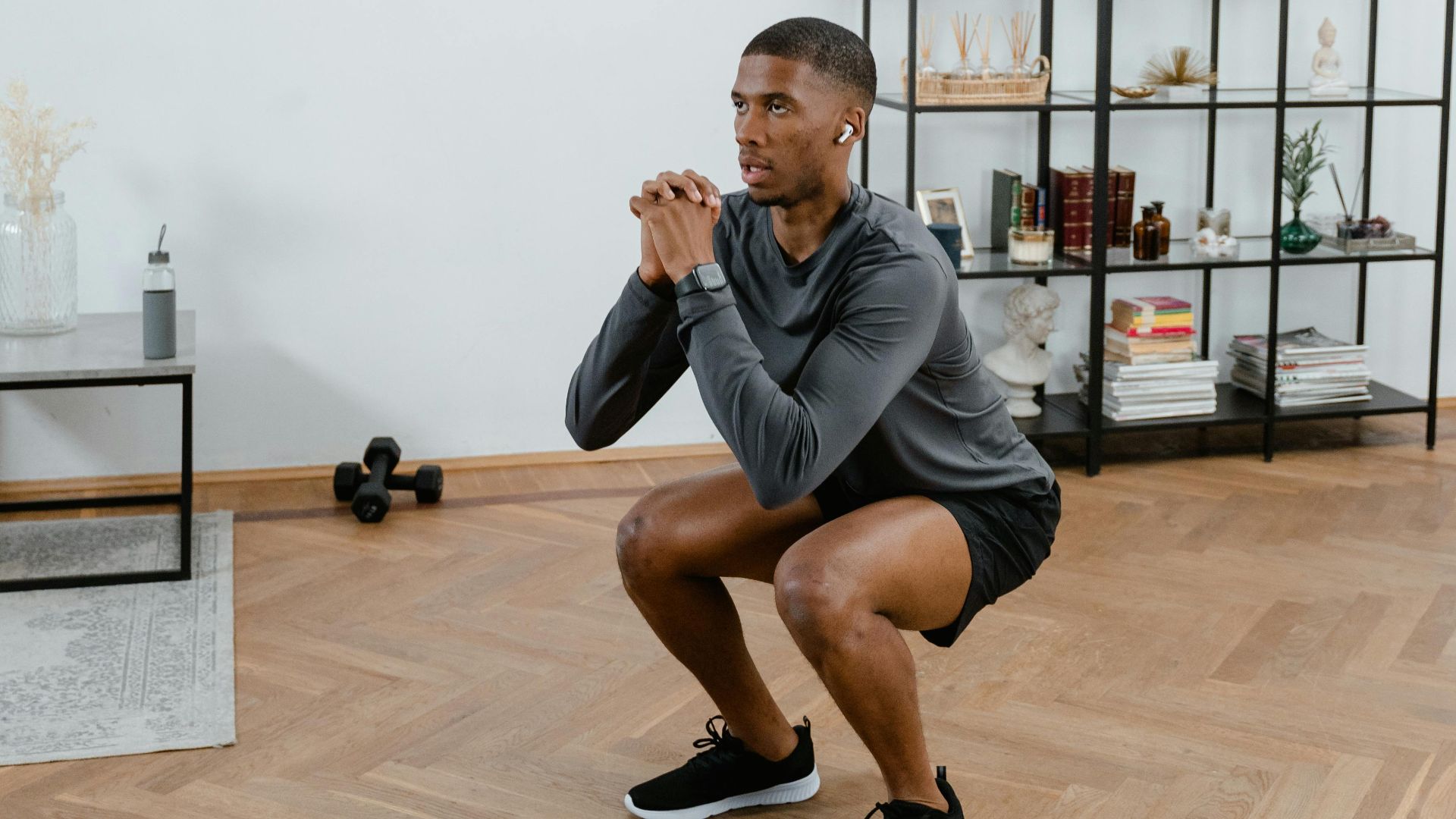
3. Lower The Weight Until Technique Improves
Arnold Schwarzenegger famously believed perfect reps mattered more than heavy ones. Excessive load magnifies flaws in movement mechanics. This forces compensations and poor alignment. Training lighter allows cleaner execution and reduces the injury risk.
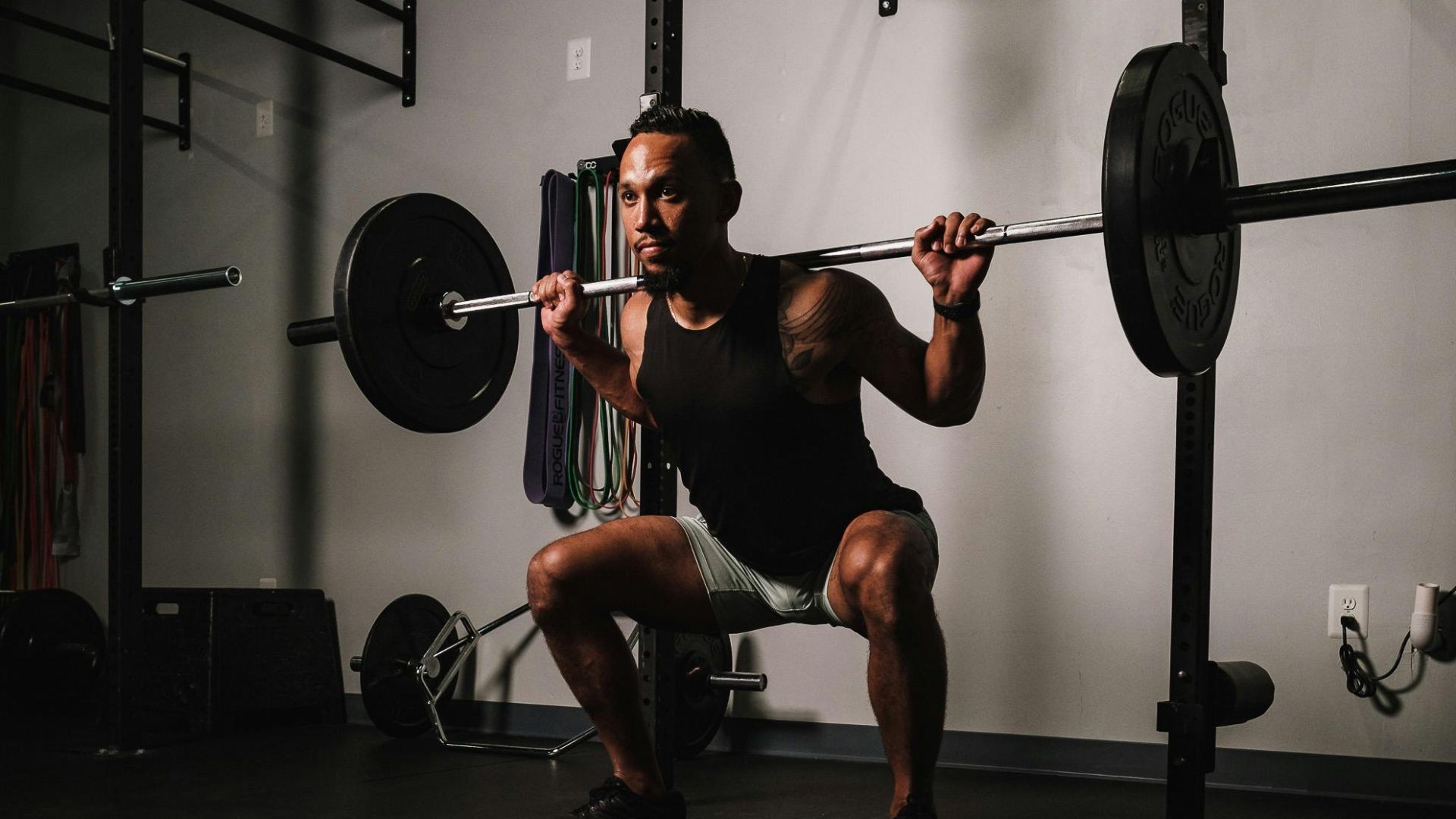
4. Warm Up With Mobility Drills
Yoga-inspired warm-ups are now common in strength training. Prepare the body before lifting, as it improves joint range of motion and primes muscles for proper activation. Muscles and joints that move freely are less likely to lose alignment under load.

5. Record Your Workouts For Self-Review
Seeing your lifts on video often reveals posture flaws that go unnoticed mid-workout. Foot placement and uneven movement patterns become easier to spot over time, which allows athletes to track progress and make adjustments independently.

6. Practice Slow, Controlled Repetitions
Controlled tempo removes momentum and forces muscles to carry the workload through every phase of a rep. Slower movement exposes postural weak points and sharpens muscle awareness, an idea popularized in the 1990s bodybuilding as “time under tension.”
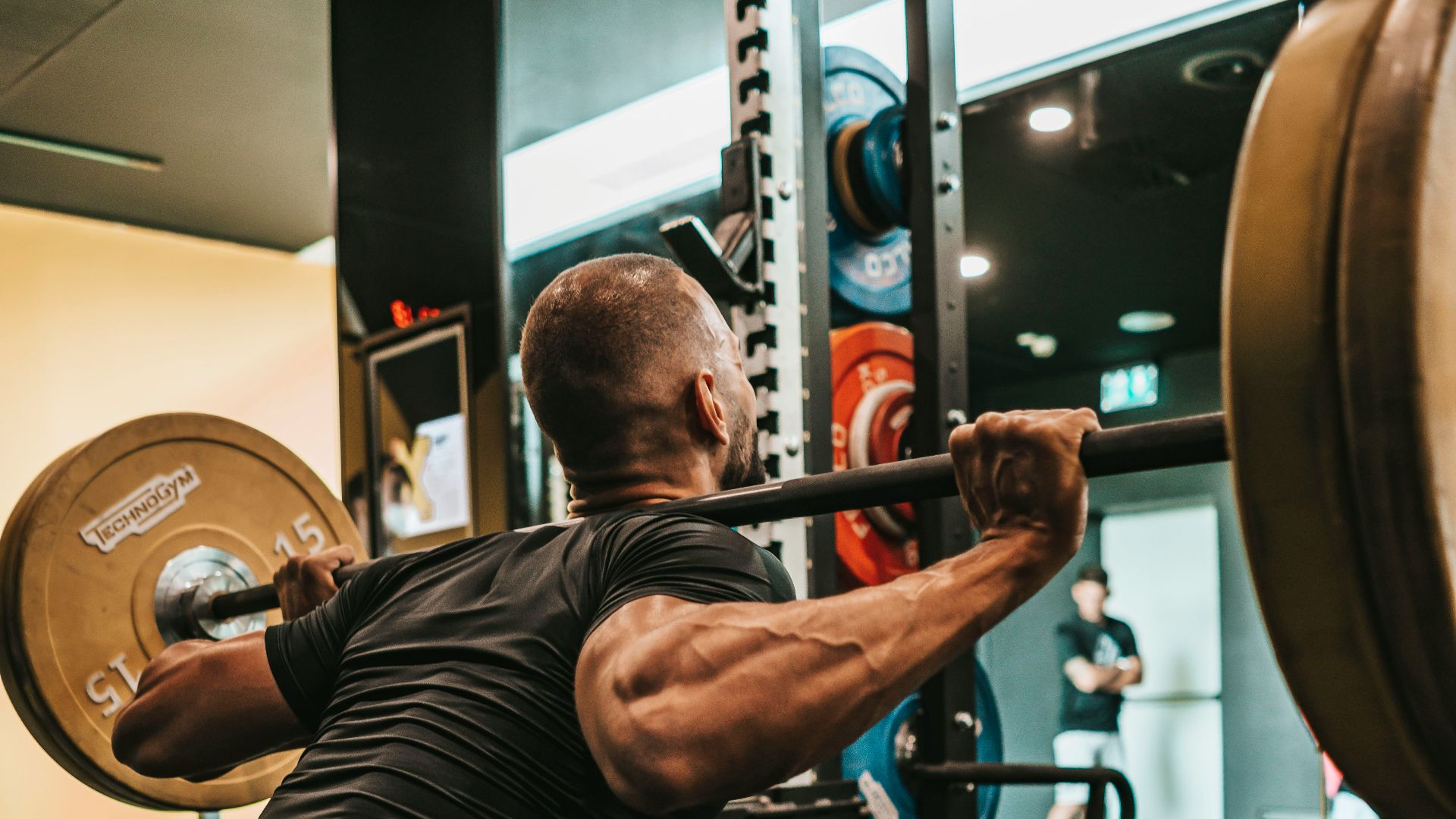
7. Ask A Trainer For Form Checks
A trained eye can spot subtle posture flaws most lifters miss on their own. Professional feedback helps catch biomechanical issues early. It stops bad habits from becoming automatic. Some gyms even offer free weekly form clinics for this purpose.
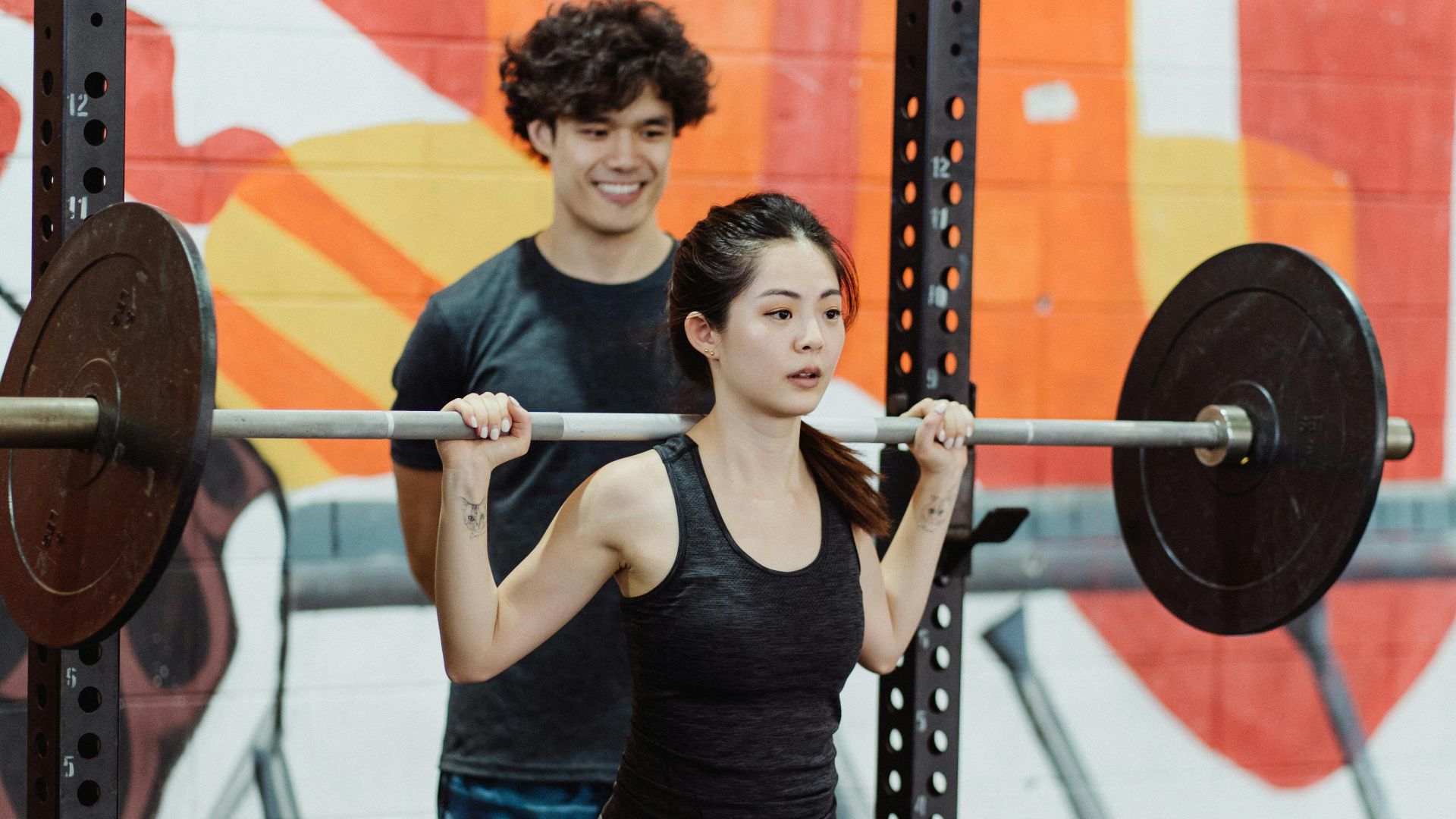
8. Strengthen Stabilizer Muscles With Accessory Work
Accessory exercises directly target smaller stabilizing muscles that compound lifts depend on for balance and alignment. Strengthening these muscles improves control under load and reduces compensatory movement patterns during complex lifts for you.

9. Align Joints Properly
Joint alignment determines how safely force moves through the body. If the wrists, knees, or shoulders fall out of the stack, stress concentrates in vulnerable areas instead of distributing evenly across the entire body.

10. Use Resistance Bands For Guided Movement
Resistance bands were first widely used in rehabilitation before entering mainstream fitness. Now, external resistance from bands creates immediate tactile feedback during lifts, which makes deviations in movement easier to notice. This guided tension supports safer progression while reinforcing proper patterns.
KEEP ON READING


20 Things Your Body Is Secretly Doing Right Now