20 Reasons You Should Never Eat Ultra-Processed Foods
The Package Is Usually Doing Too Much Talking
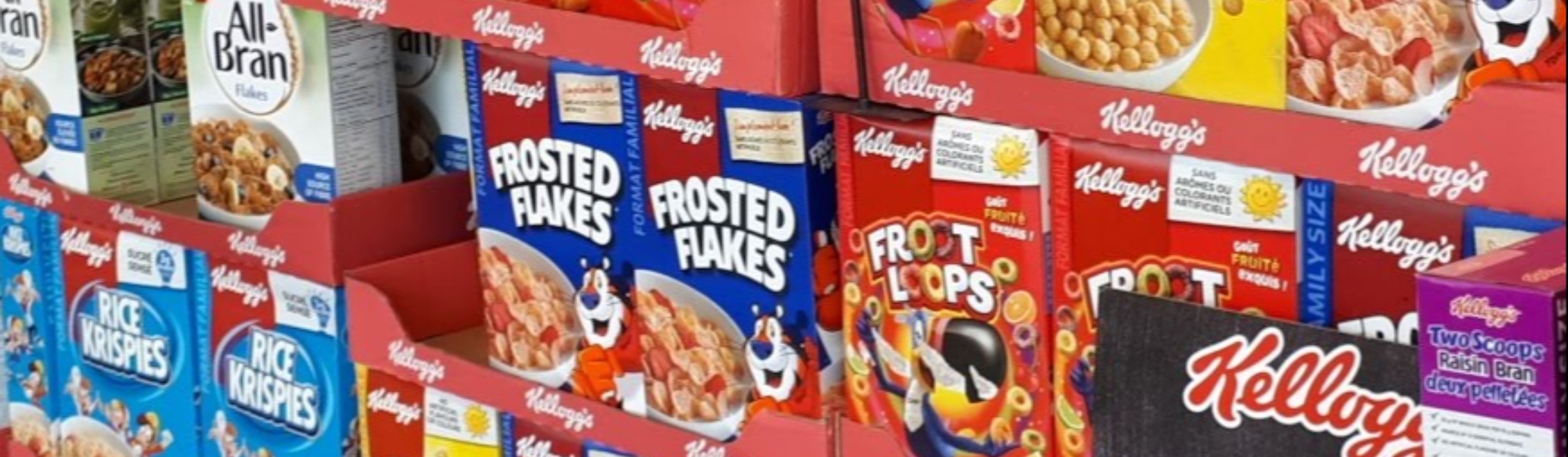
Ultra-processed foods can be convenient, cheap, and tasty, but the problem is that many of them are engineered to be easy to overeat, while also being high in added sugar, sodium, refined starches, unhealthy fats, and additives you wouldn’t normally use in your kitchen. A recent study even found that higher ultra-processed food exposure was associated with higher risks of several adverse health outcomes, including an increased risk of premature death. That doesn't mean your next frozen pizza is going to kill you; it just means that there are some incredibly strong reasons to cut down your consumption. Here are 20 of them.
1. They Make It Easier to Overeat
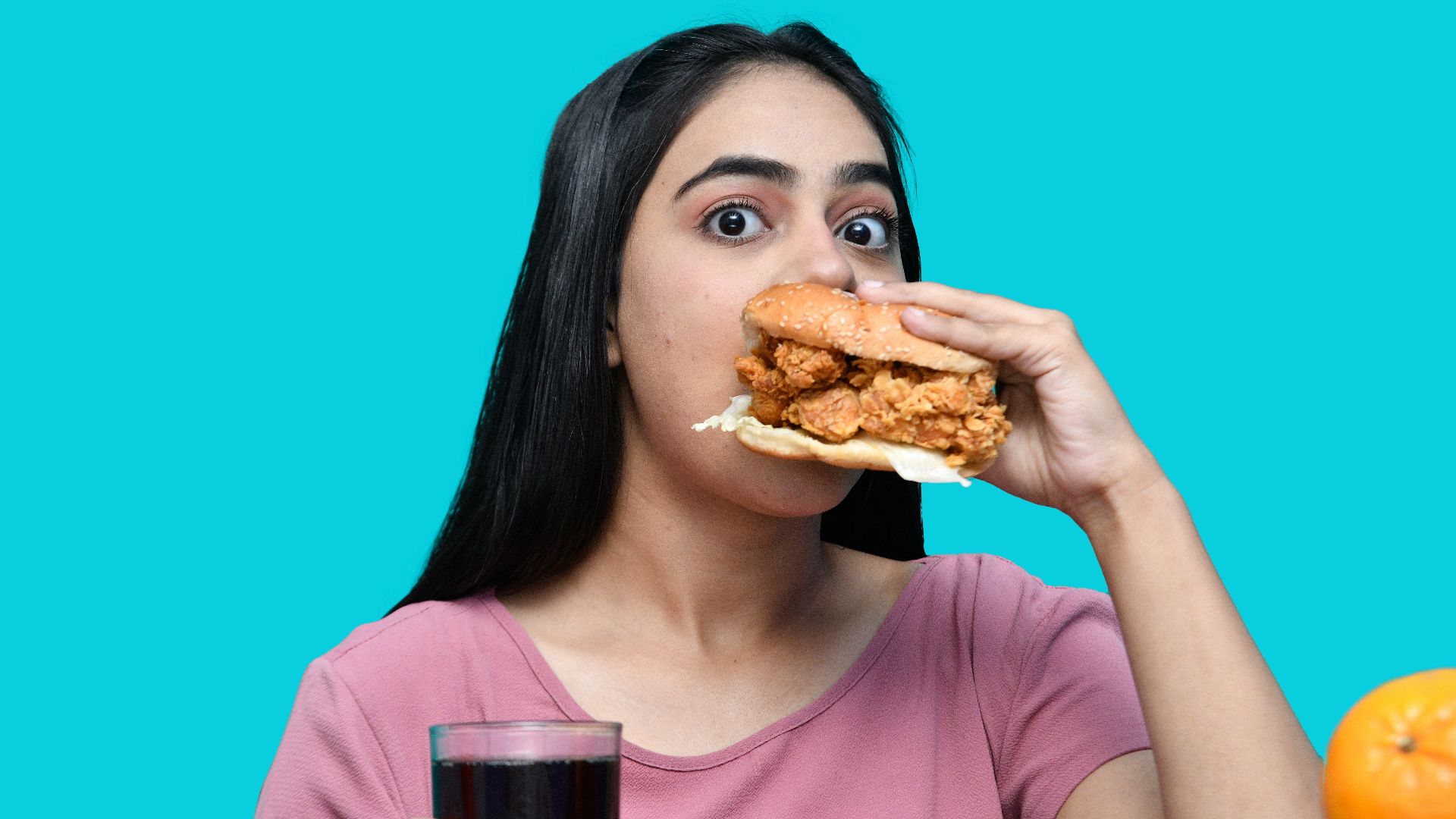
Ultra-processed foods are often designed to go down quickly and keep you reaching for more. In a controlled NIH study, people ate about 500 more calories per day on an ultra-processed diet than on an unprocessed diet, even though the meals were matched for calories, sugar, fat, fiber, and macronutrients when presented. That suggests the processing itself can influence how much people eat.
2. They Can Lead to Weight Gain
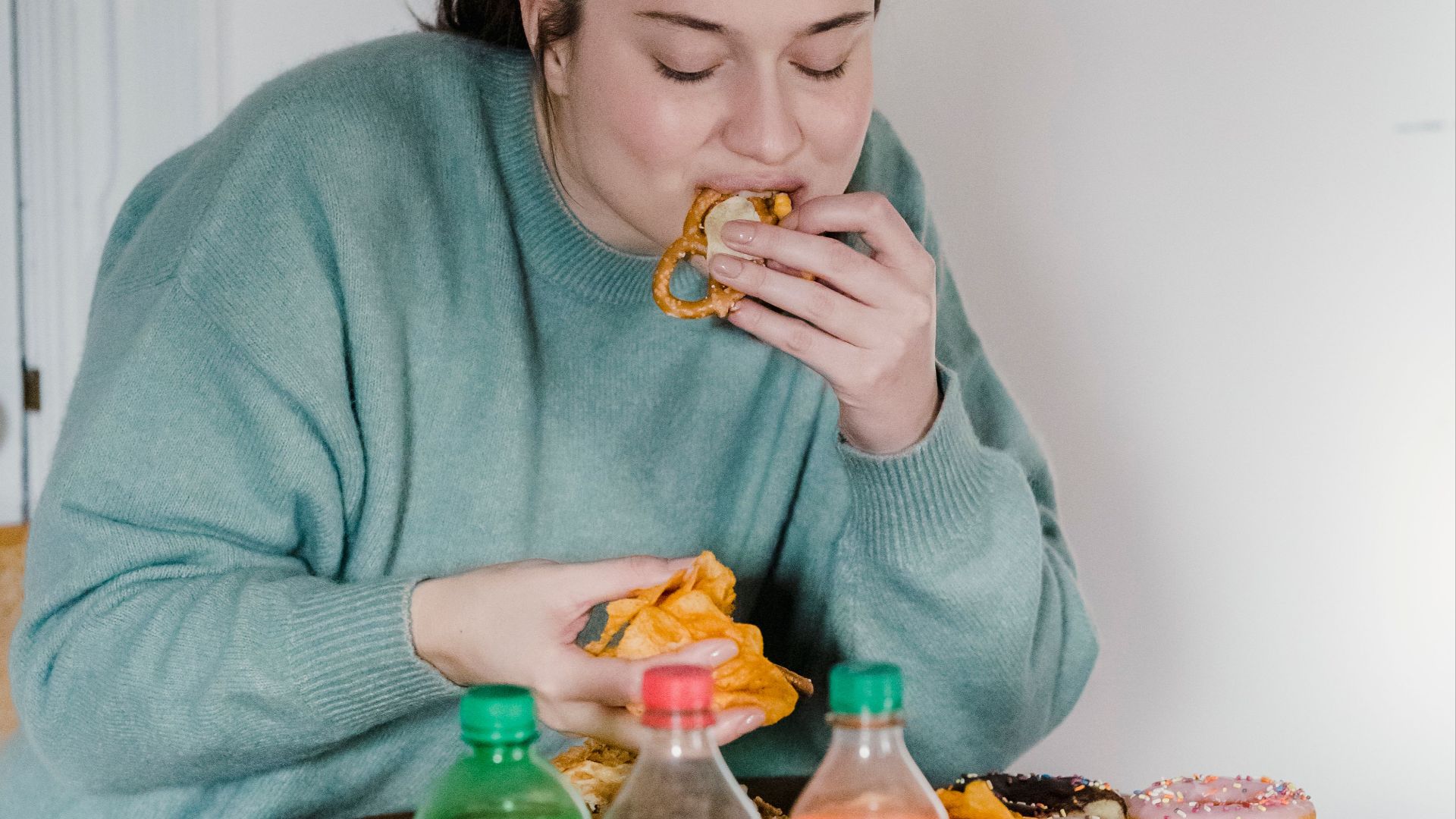
The same NIH study found that participants gained weight during the ultra-processed diet phase and lost weight during the unprocessed diet phase. This is likely because ultra-processed foods tend to be calorie dense without being filling.
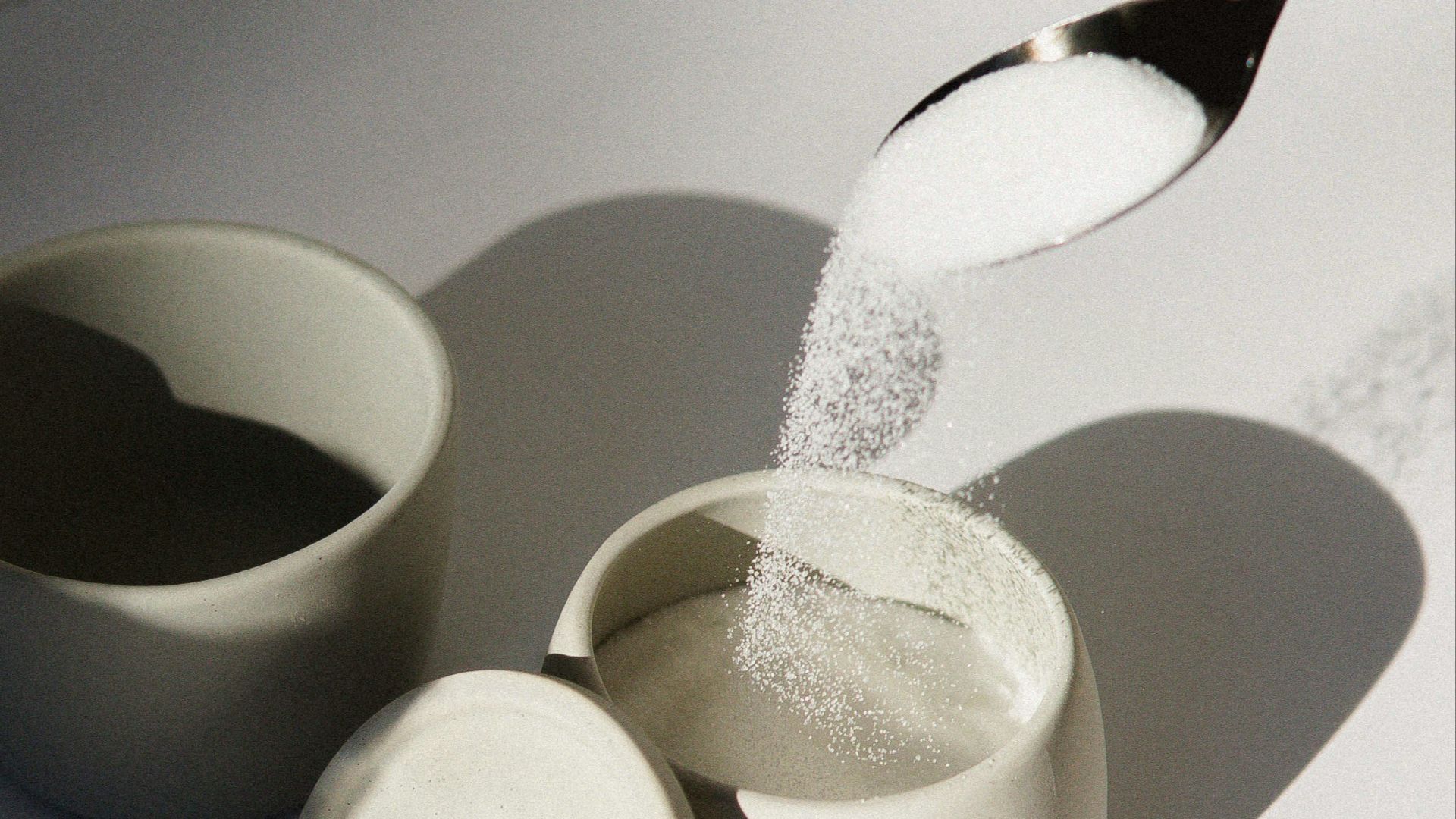
3. They’re Often Packed With Added Sugar
A lot of ultra-processed foods contain added sugars, even when they don’t taste like dessert. Breakfast cereals, flavored yogurts, granola bars, sauces, drinks, and “healthy” snacks can all hide a surprising amount. Too much added sugar is linked with higher risks of weight gain, type 2 diabetes, and heart disease.
4. They Can Be Very High in Sodium
Many packaged meals, deli items, instant noodles, frozen dinners, and snack foods rely heavily on sodium for flavor and preservation. Too much sodium can contribute to high blood pressure, which is a major risk factor for heart disease and stroke. The tricky part is that salty foods often don’t taste wildly salty when your palate is used to them.
5. They Crowd Out Better Foods
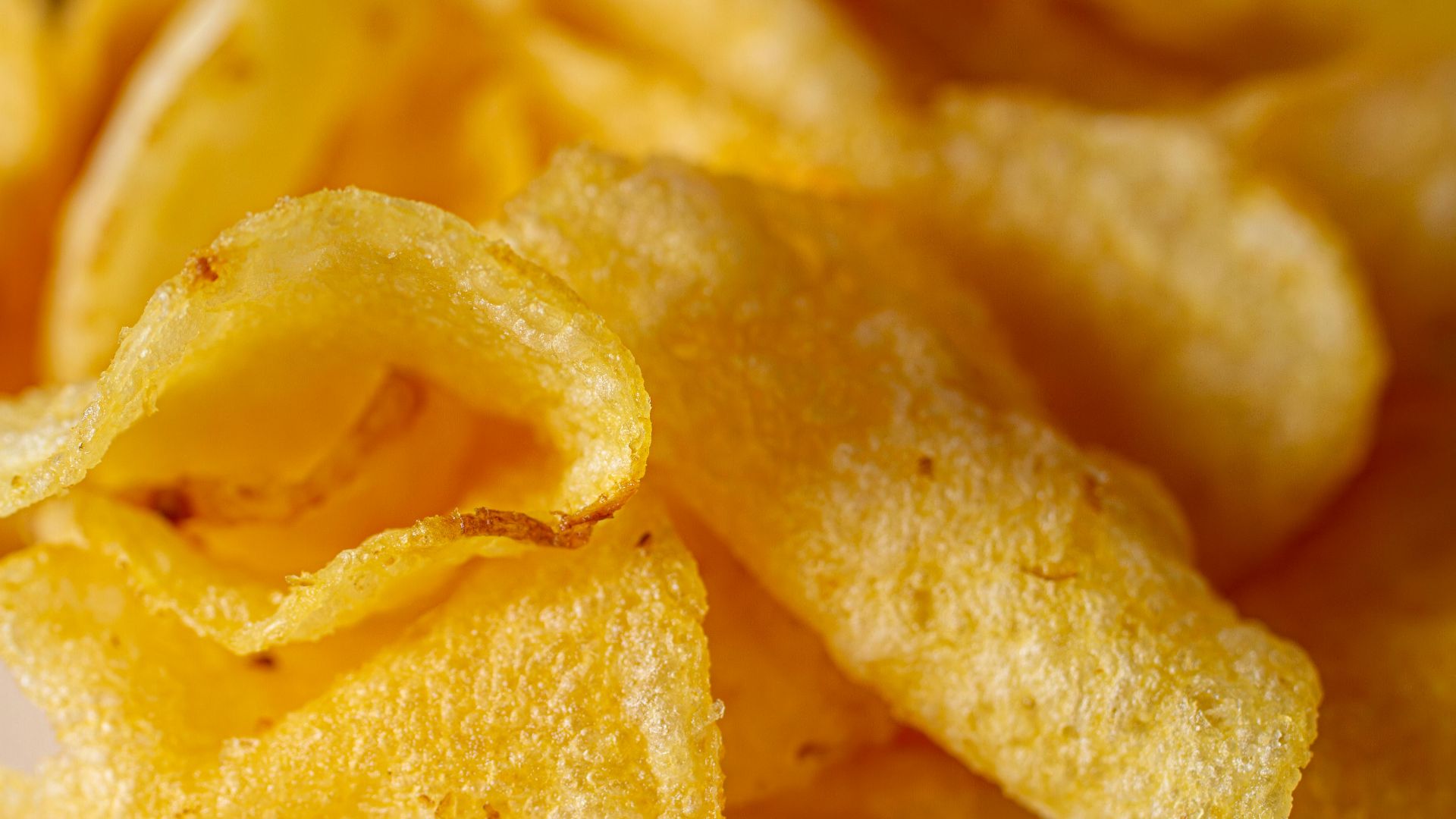
Ultra-processed foods don’t just add less helpful ingredients; they often replace foods your body actually needs. If chips, soda, pastries, frozen meals, and packaged snacks fill most of your day, there’s less room for vegetables, fruit, beans, fish, nuts, whole grains, and lean protein.
6. They’re Often Low in Fiber
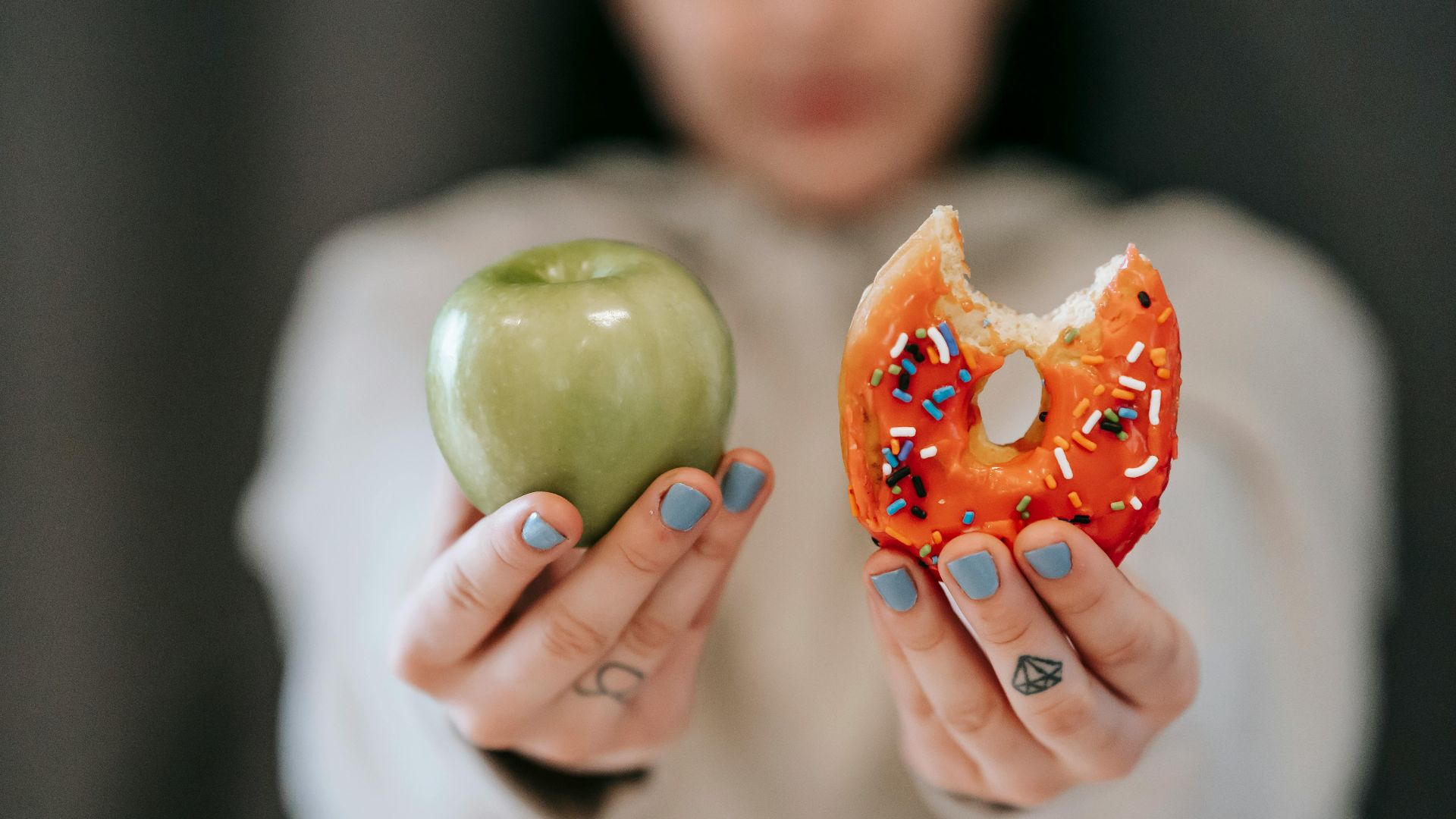
Fiber helps with digestion, fullness, cholesterol, and steadier blood sugar. Many ultra-processed foods are made from refined grains and starches, which removes much of the fiber found in whole foods. Even when fiber is added back in, it may not behave the same way as fiber from beans, vegetables, fruits, and whole grains.
7. They Can Spike Blood Sugar
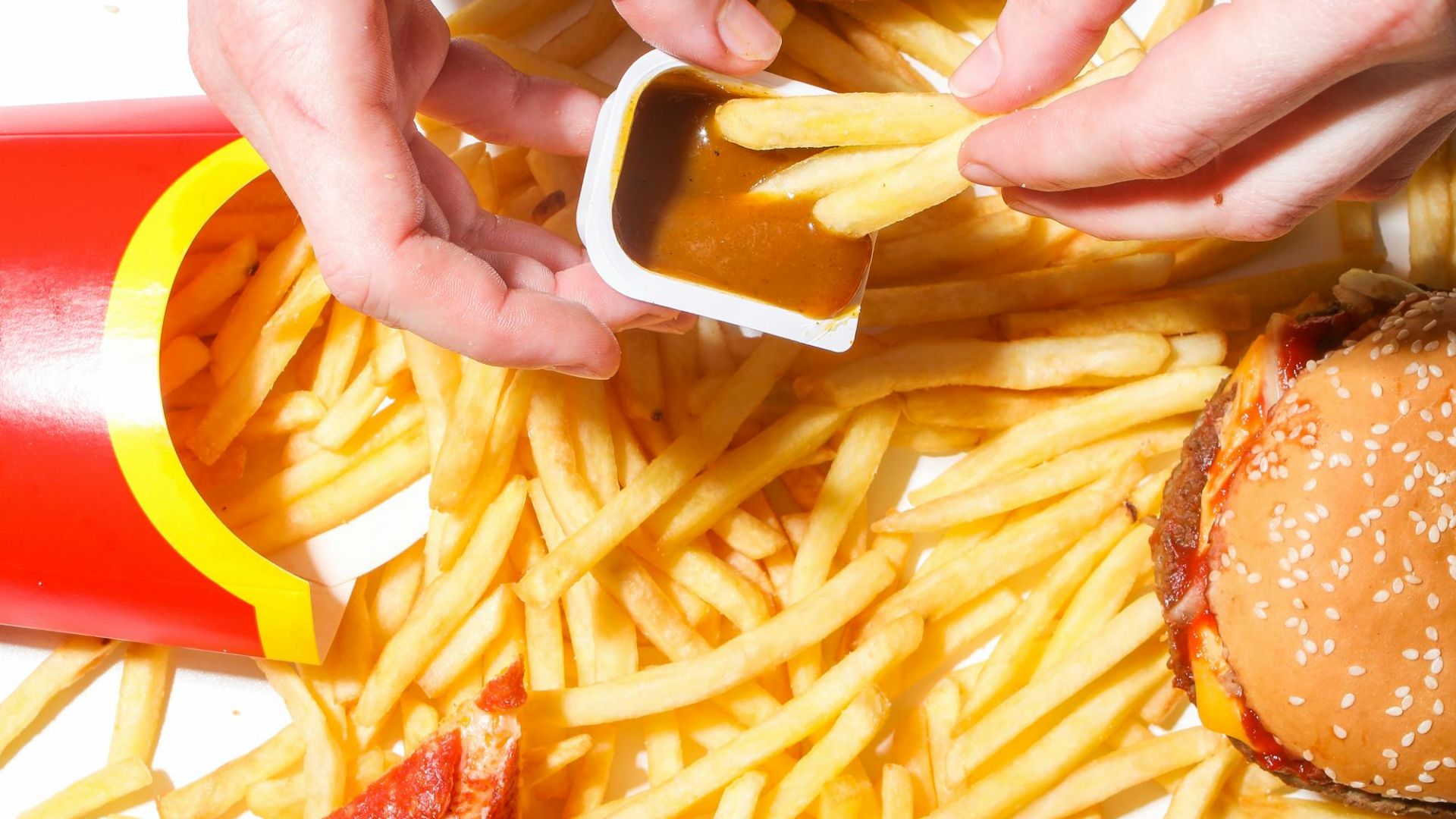
Refined carbohydrates and added sugars can raise blood sugar quickly, especially when a food lacks protein, fat, or fiber to slow digestion. Repeated spikes and crashes can leave you feeling hungry, tired, or snacky again sooner than expected. Over time, high intake of these foods may contribute to metabolic problems.
8. They May Raise Type 2 Diabetes Risk
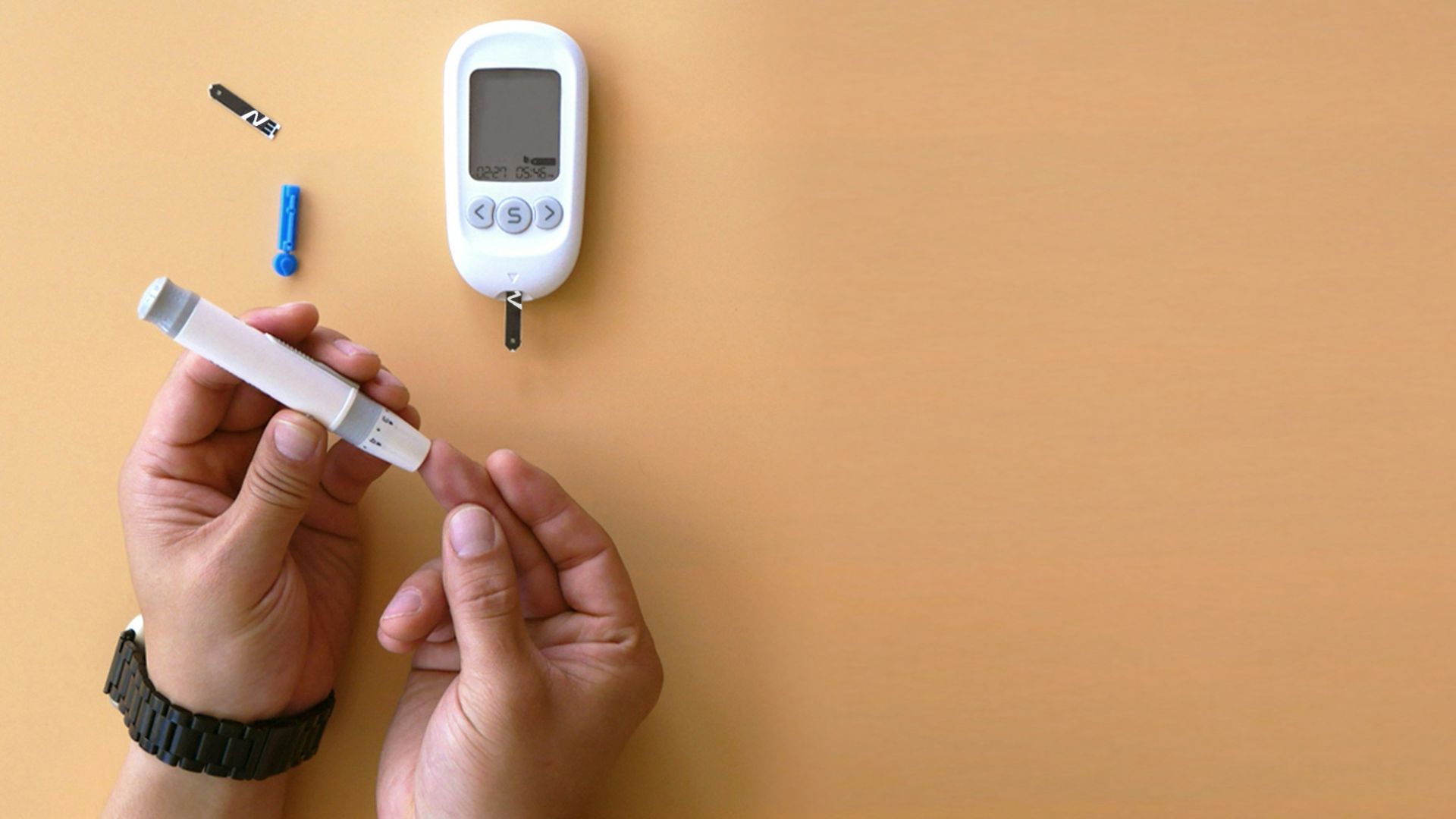
Large reviews have linked higher ultra-processed food intake with increased risk of type 2 diabetes. Studies have found found evidence connecting greater ultra-processed food exposure with higher risk of diabetes and other cardiometabolic problems. This likely reflects a mix of factors, including excess calories, low fiber, added sugars, refined starches, and overall diet quality.
9. They’re Linked With Heart Problems
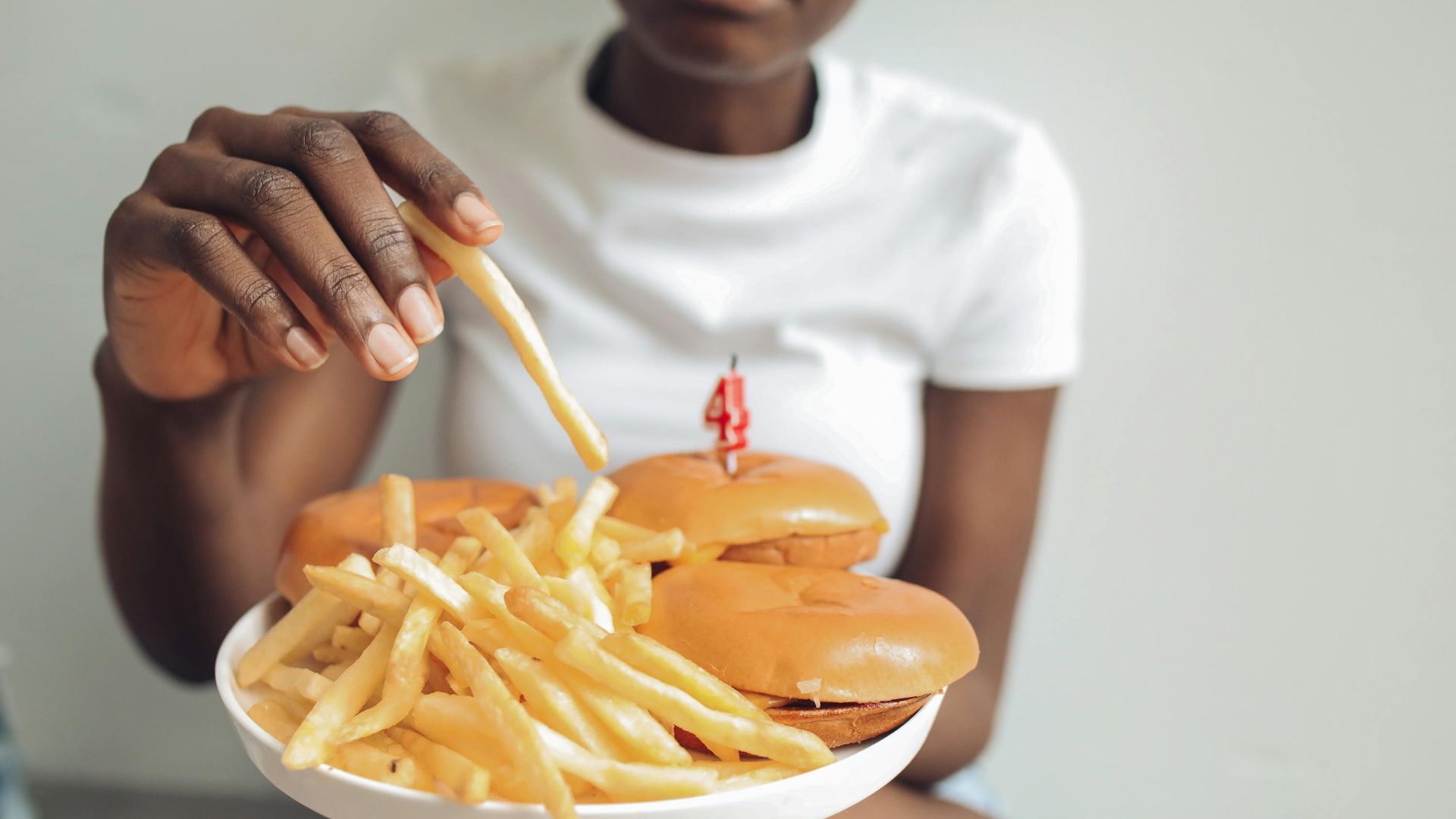
Many ultra-processed foods are high in sodium, added sugar, and saturated fat, which can be rough on heart health when eaten often. The American Heart Association recommends minimizing ultra-processed foods as part of a heart-healthy eating pattern, especially those high in saturated fat, added sugars, and sodium. Packaged convenience can be nice, but your heart prefers meals that don’t arrive with a long ingredient list and a tiny nutrition panel confession.

10. They Can Make Cravings Stronger
Ultra-processed foods are often built to hit salt, sugar, fat, crunch, and flavor intensity all at once. That can make simpler foods taste less exciting for a while, even when those simpler foods are better for you. The more often you eat highly flavored packaged foods, the more normal that intensity can start to feel to the point where regular cooked vegetables taste extremely bland.
11. They’re Often Too Easy to Eat Quickly
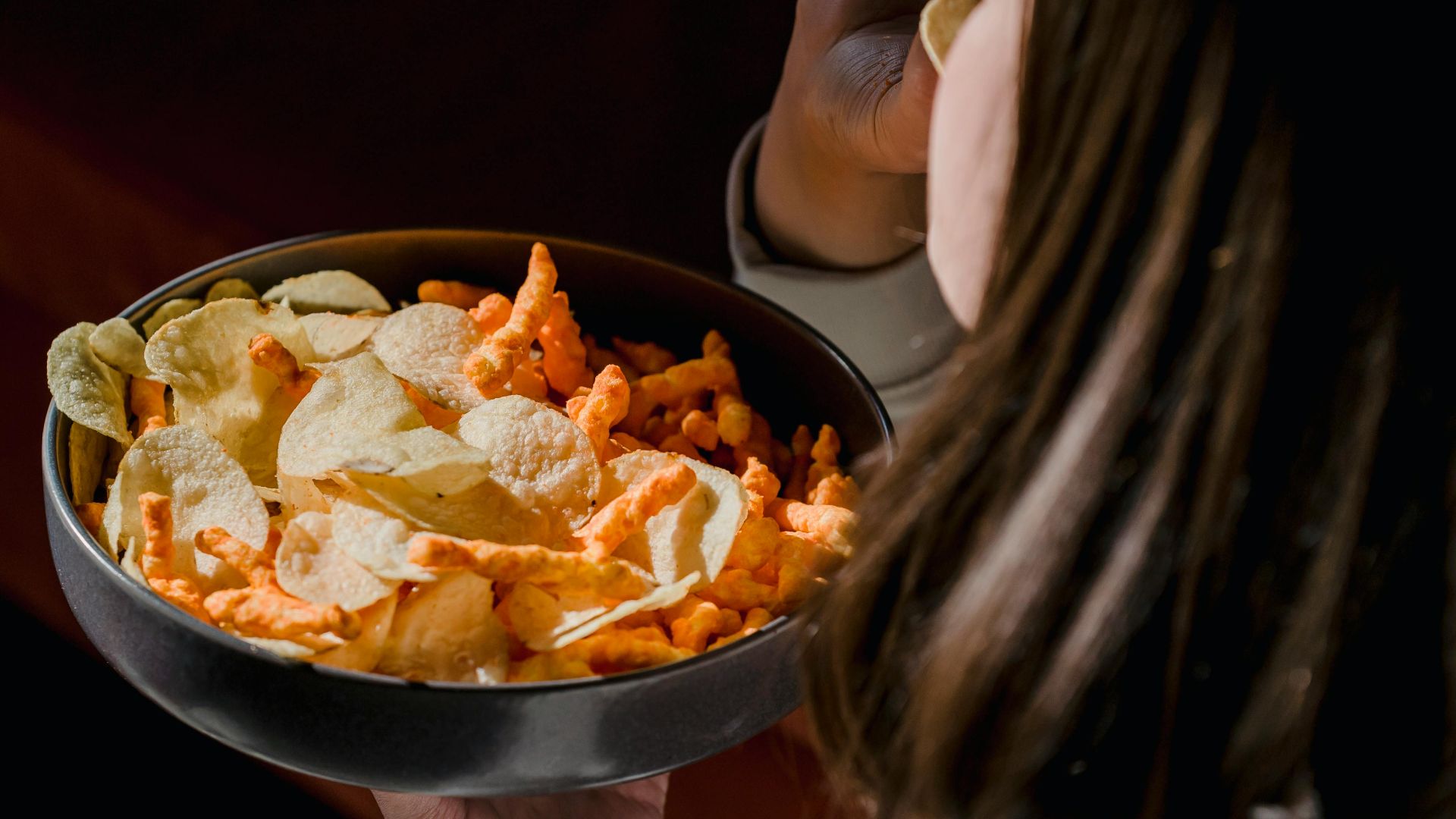
Texture matters more than people realize. Soft breads, chips, nuggets, bars, sweet drinks, and packaged desserts can be eaten quickly, which gives your body less time to register fullness. Faster eating can make overeating more likely before your hunger cues catch up.
12. They Can Be Hard on Gut Health
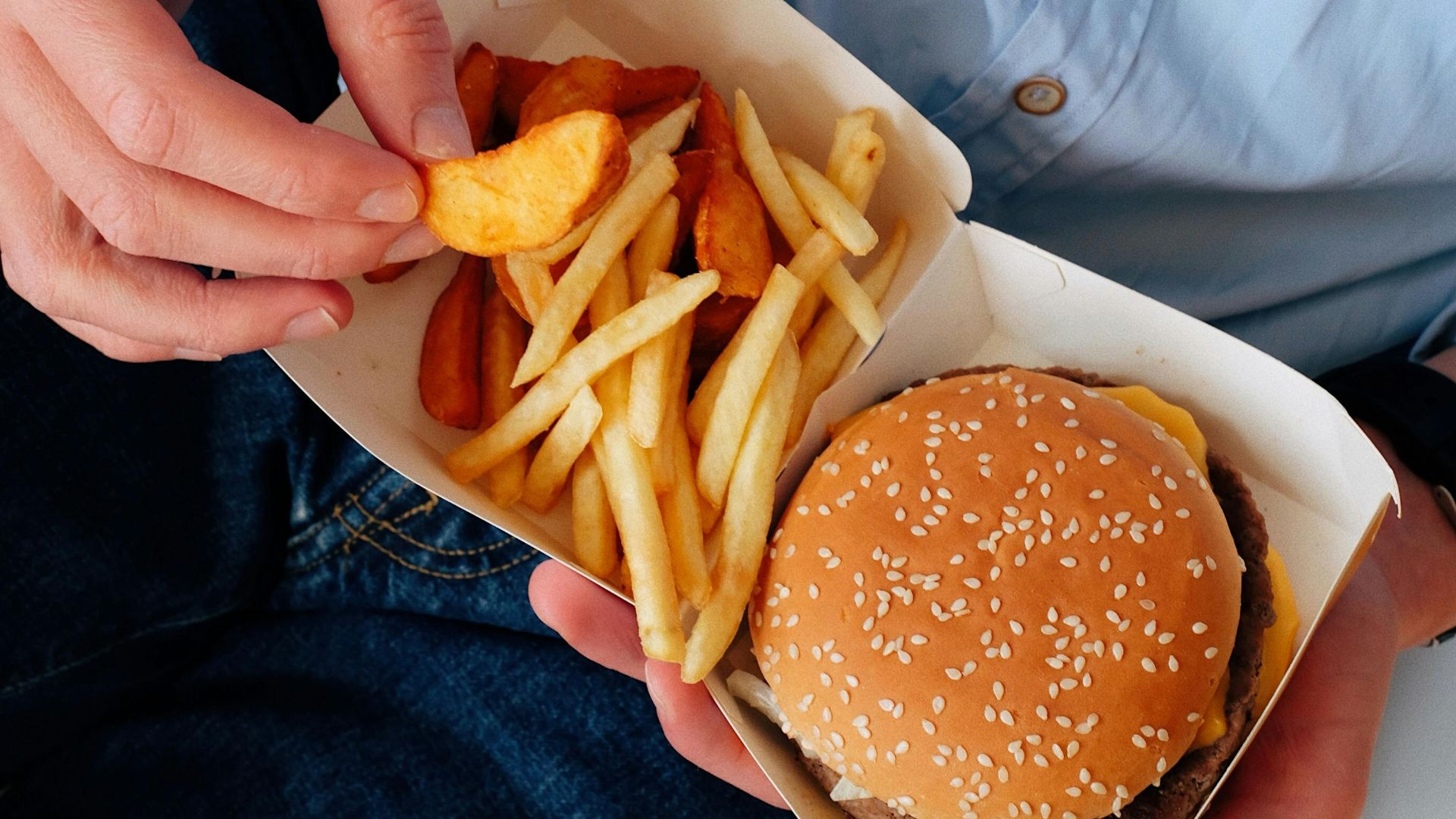
Your gut tends to appreciate fiber-rich, varied foods like vegetables, fruits, legumes, whole grains, nuts, and seeds. Diets heavy in ultra-processed foods often provide less of that variety and more additives, refined starches, and emulsifiers. This disrupts your gut microbiome by reducing beneficial bacteria and increasing pro-inflammatory microbes.

13. They May Increase Inflammation
Some ultra-processed foods fit into eating patterns associated with chronic low-grade inflammation, especially when they’re high in refined carbs, added sugar, and unhealthy fats. Inflammation isn't always bad, but chronic inflammation is linked with many long-term health problems. Whole and minimally processed foods tend to bring more fiber, antioxidants, and healthy fats that support a better balance.

14. They Can Leave You Feeling Foggy & Irritable
Ultra-processed foods may not be can affect how you feel day to day because many are high in added sugar and refined carbohydrates but low in protein, fiber, and steady energy. That combination can lead to quick blood sugar rises and crashes, which may leave you tired, foggy, cranky, or hungry again soon after eating.
 Aleksandra Sapozhnikova on Unsplash
15. They Can Train You Away From Real Fullness
A meal built from whole foods usually takes more chewing, more time, and more digestion. Ultra-processed foods can be easier to consume in large amounts without feeling equally satisfied. That can make it harder to recognize normal fullness signals, especially if you’re distracted while eating.
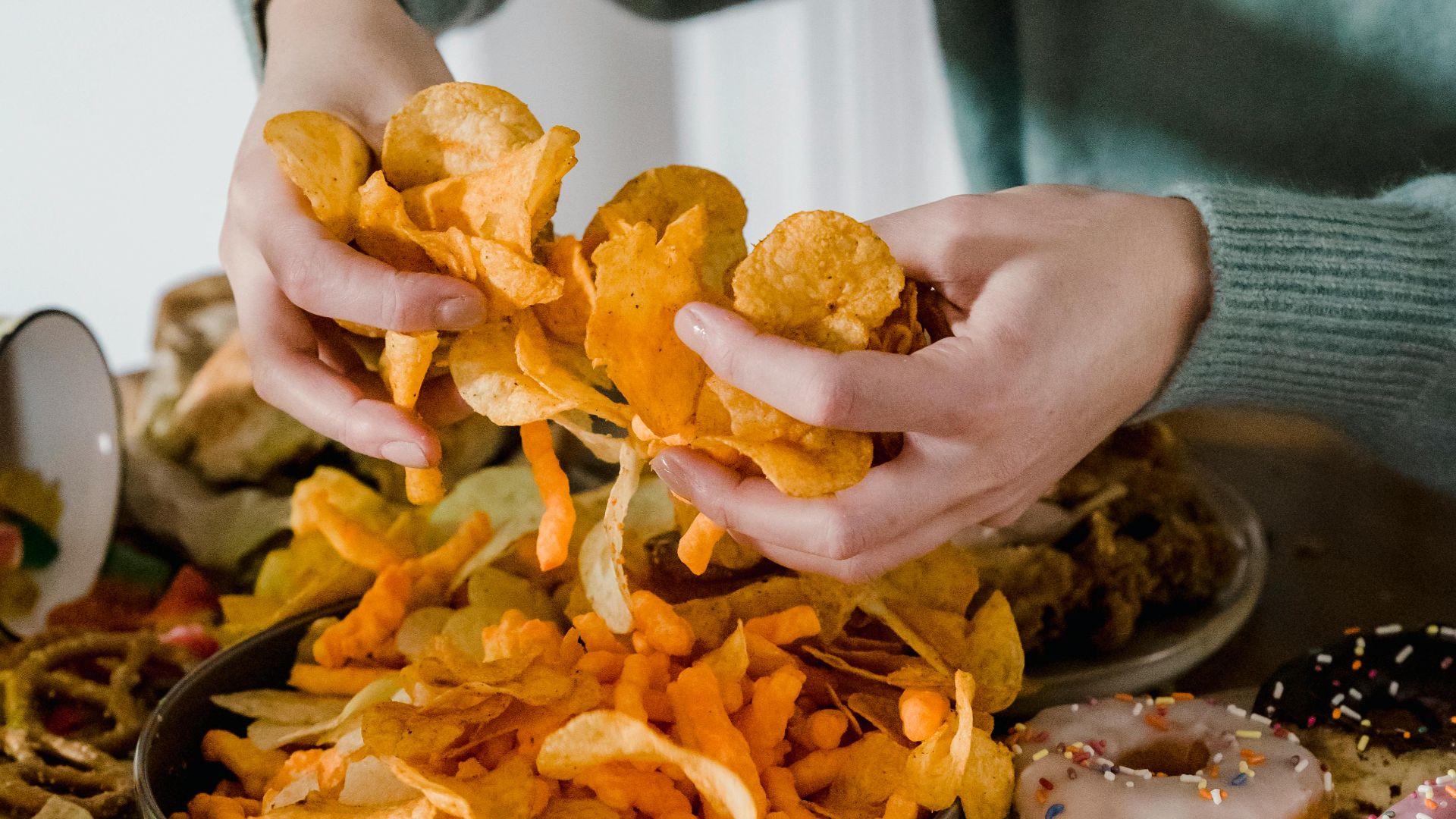
16. They Often Come With Additives You Don’t Need
Not every additive is dangerous, and plenty are regulated for safety. The issue is that ultra-processed foods often rely on additives, colors, flavors, emulsifiers, sweeteners, and texture enhancers to create a product that doesn’t resemble ordinary home cooking. Some additives are still being studied for long-term effects, especially when consumed frequently in combinations.
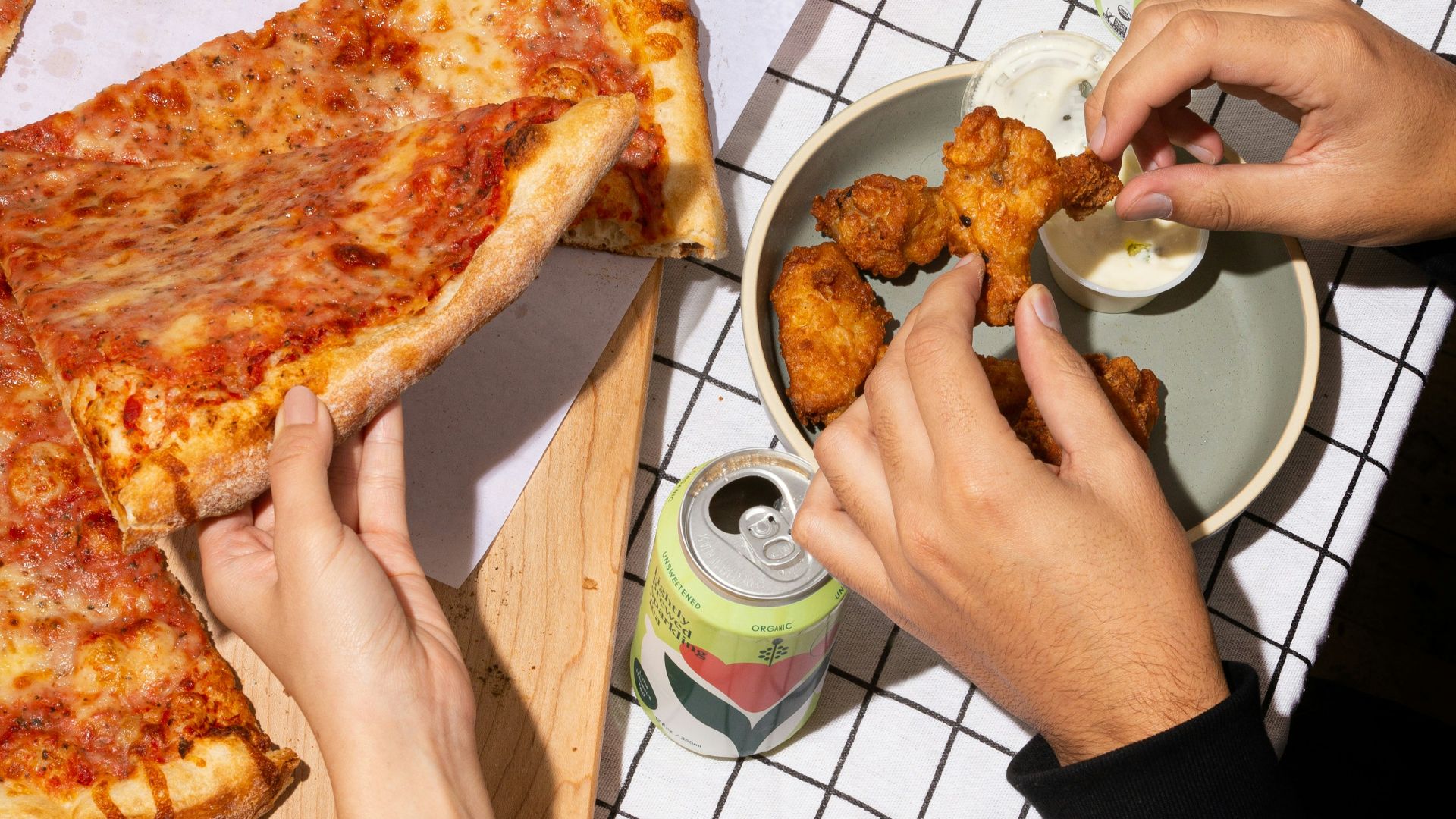
17. They Make “Healthy” Labels Misleading
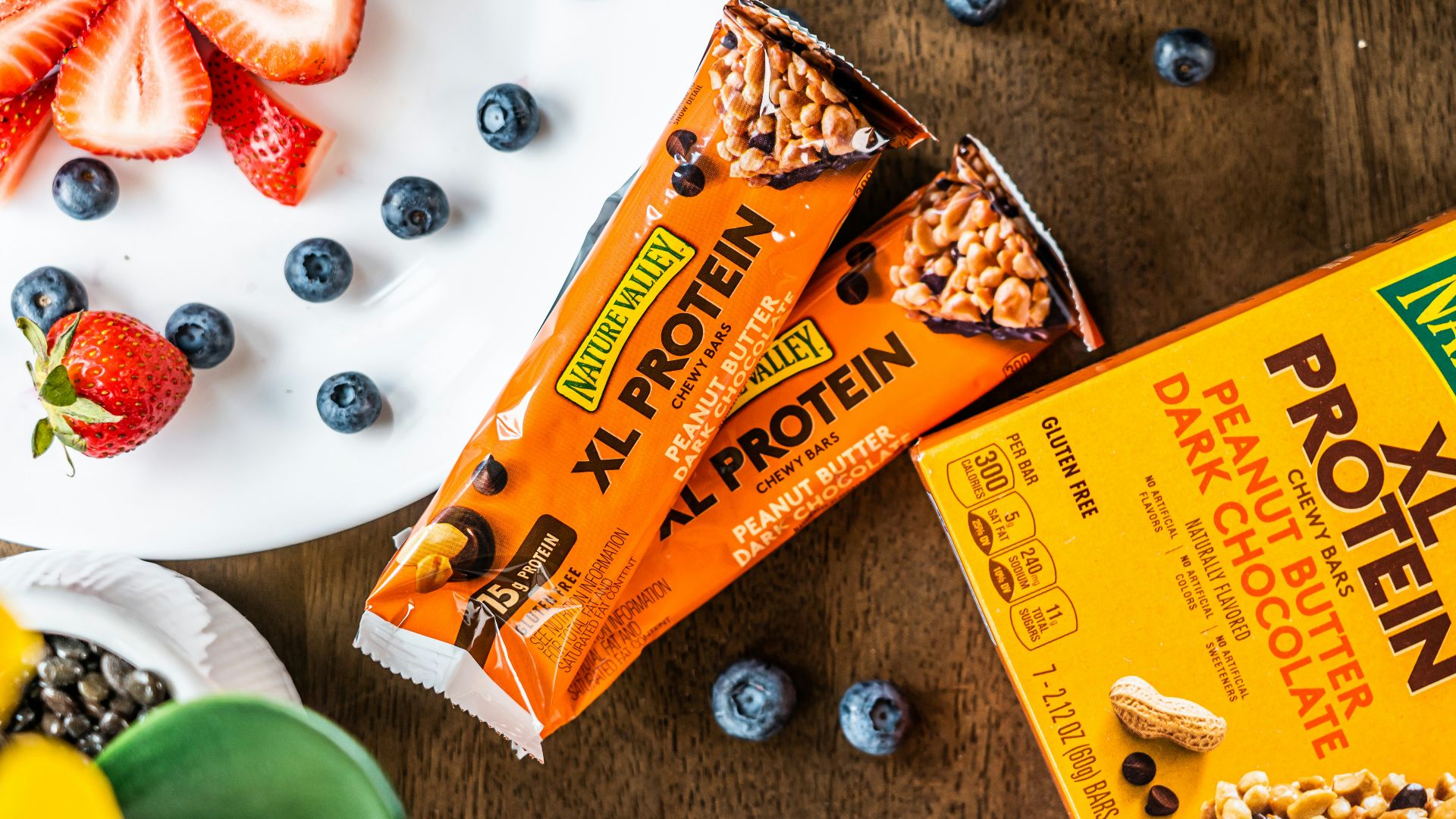
Ultra-processed foods can wear very convincing health language. Labels like “high protein,” “low fat,” “plant-based,” “gluten-free,” “keto,” or “made with whole grains” can make a product sound better than it really is. This can dupe you into eating more of something that isn't actually good for you.
 Hybrid Storytellers on Unsplash
18. They Can Be Bad for Dental Health
Sugary drinks, candies, sweetened cereals, sticky bars, and refined snack foods can create a rough environment for teeth. Frequent snacking on these foods gives oral bacteria more chances to produce acids that contribute to cavities. Even “fruit-flavored” snacks can be more candy than fruit in practical terms.

19. They Can Make Home Cooking Feel Harder
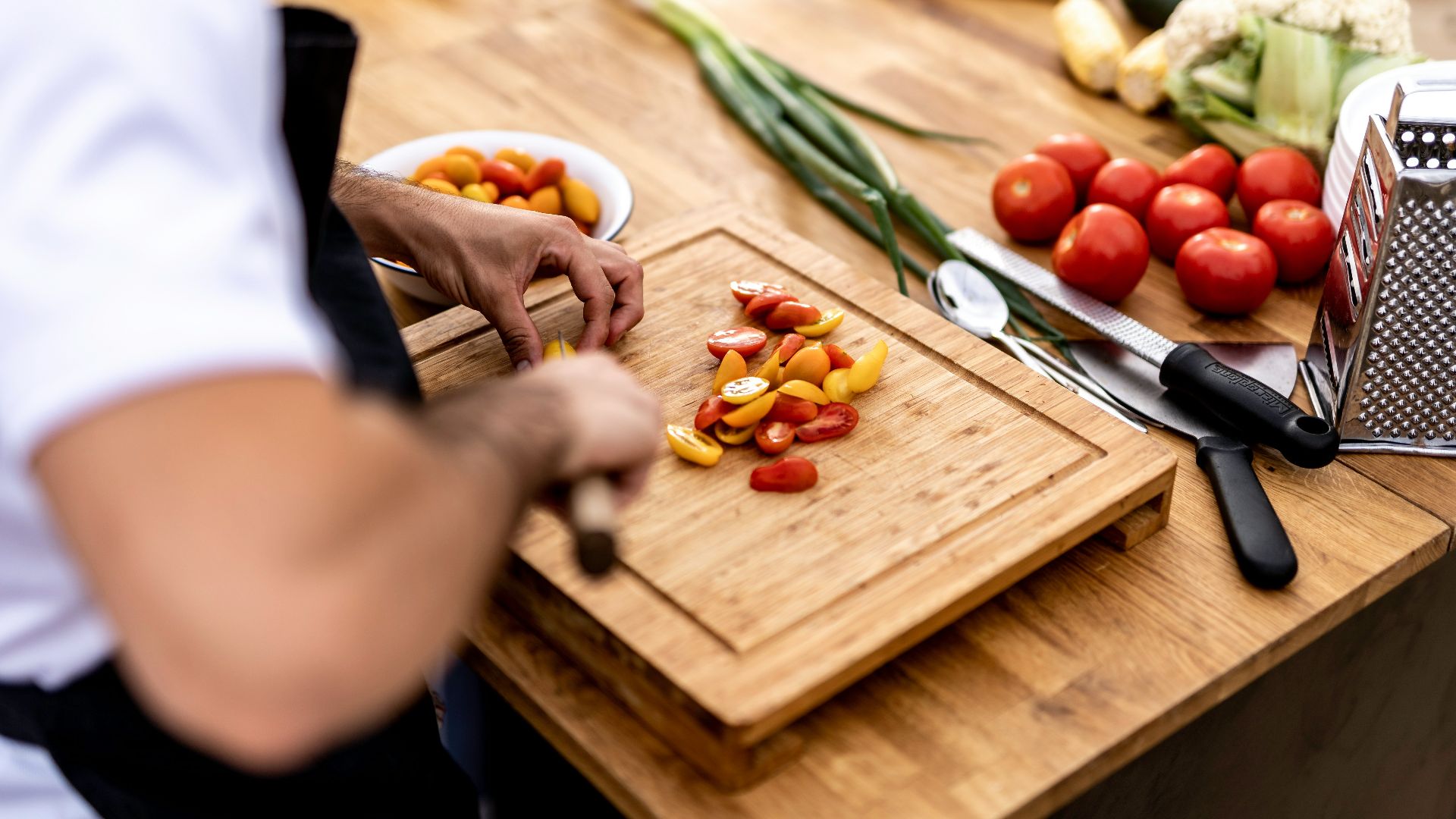
The more often you rely on ultra-processed meals, the more cooking from basic ingredients can feel slow, bland, or inconvenient. That’s understandable, because packaged food is designed to remove effort and maximize reward. But over time, getting comfortable with simple meals gives you more control over salt, sugar, fat, portions, and ingredients.
20. They Keep You Dependent on Food Companies
Ultra-processed foods are built for shelf life, convenience, brand loyalty, and repeat purchases. When they become the center of your diet, food companies get more control over your cravings, habits, and grocery budget. Choosing more whole and minimally processed foods puts some of that control back in your hands. It’s not about being perfect; it’s about not letting a snack corporation plan your dinner every night.
KEEP ON READING