

Why You Keep Putting It Off
Everyone procrastinates sometimes, whether it's answering an email, starting a project, cleaning the house, or finally dealing with that thing you've been avoiding for three weeks. While procrastination can look like laziness from the outside, psychological research suggests it's often connected to emotions, self-regulation, motivation, impulsivity, and the way we perceive a task. In many cases, you're not simply refusing to work; you're choosing something that feels better right now because the task in front of you creates discomfort, boredom, uncertainty, or stress.

1. The Task Feels Unpleasant
Probably the most basic reason to procrastinate. You simply don't enjoy how the task makes you feel. If the task at hand is difficult, boring, or unpleasant in any way, you will feel those negative emotions by postponing the task and by not dealing with them.
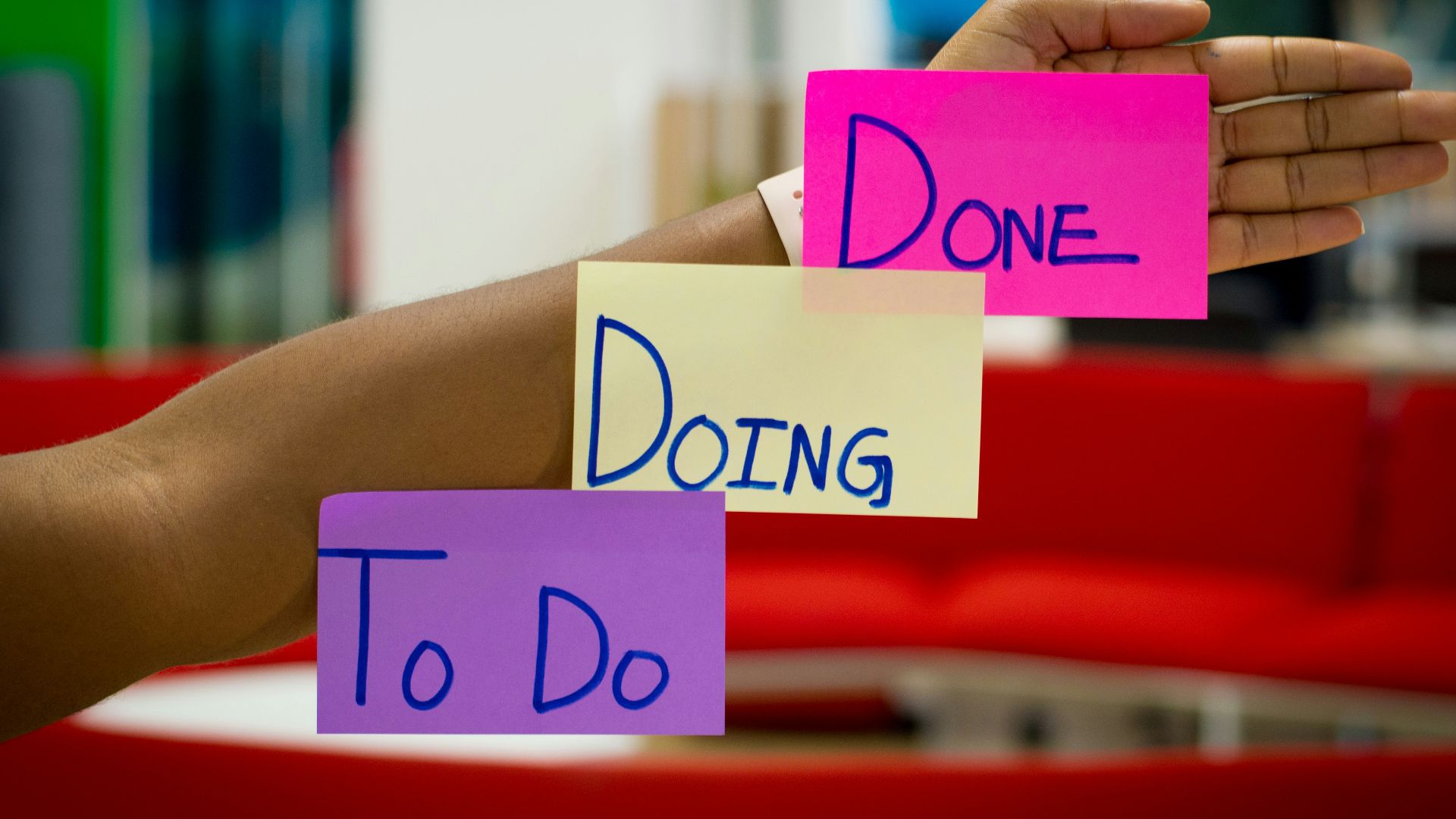
2. You're Waiting to Feel Motivated
We can all tell ourselves that we will do a task when we feel like doing it. But sometimes you will never feel motivated to complete that task. If the reward is far away, you will not want to do the task as much as you would a more enjoyable task that has an instant reward.

3. You're Afraid of Failing
If you know that you will feel disappointed about how you did on a task, you probably will not want to start that task. By procrastinating, you avoid that disappointment by not doing the task in the first place.

4. Perfectionism Gets in the Way
As humans, we all like things we create to be as good as possible. When you feel like a task needs to be done flawlessly, you will want to procrastinate on that task. Because there is no way that what you produce the first time will meet your standards.

5. You Don't Know Where to Start
"Work on my project" can seem very generic to your brain. If you don't know what the first step of the project is, you will most likely think about the task and not start it. Breaking an unclear goal into smaller actions can reduce some of that initial friction, which is one reason planning strategies are commonly studied in procrastination research.
6. The Reward Is Too Far Away
Our brains do not appreciate rewards that they receive in the near future as much as they do today. Procrastination research has repeatedly examined the role of delayed incentives, with motivation generally becoming stronger as a deadline or reward gets closer. That's why something that feels completely unimportant on Monday can suddenly become extremely urgent on Friday afternoon.
 Kingsley Mkpandiok on Unsplash
7. You're Easily Distracted
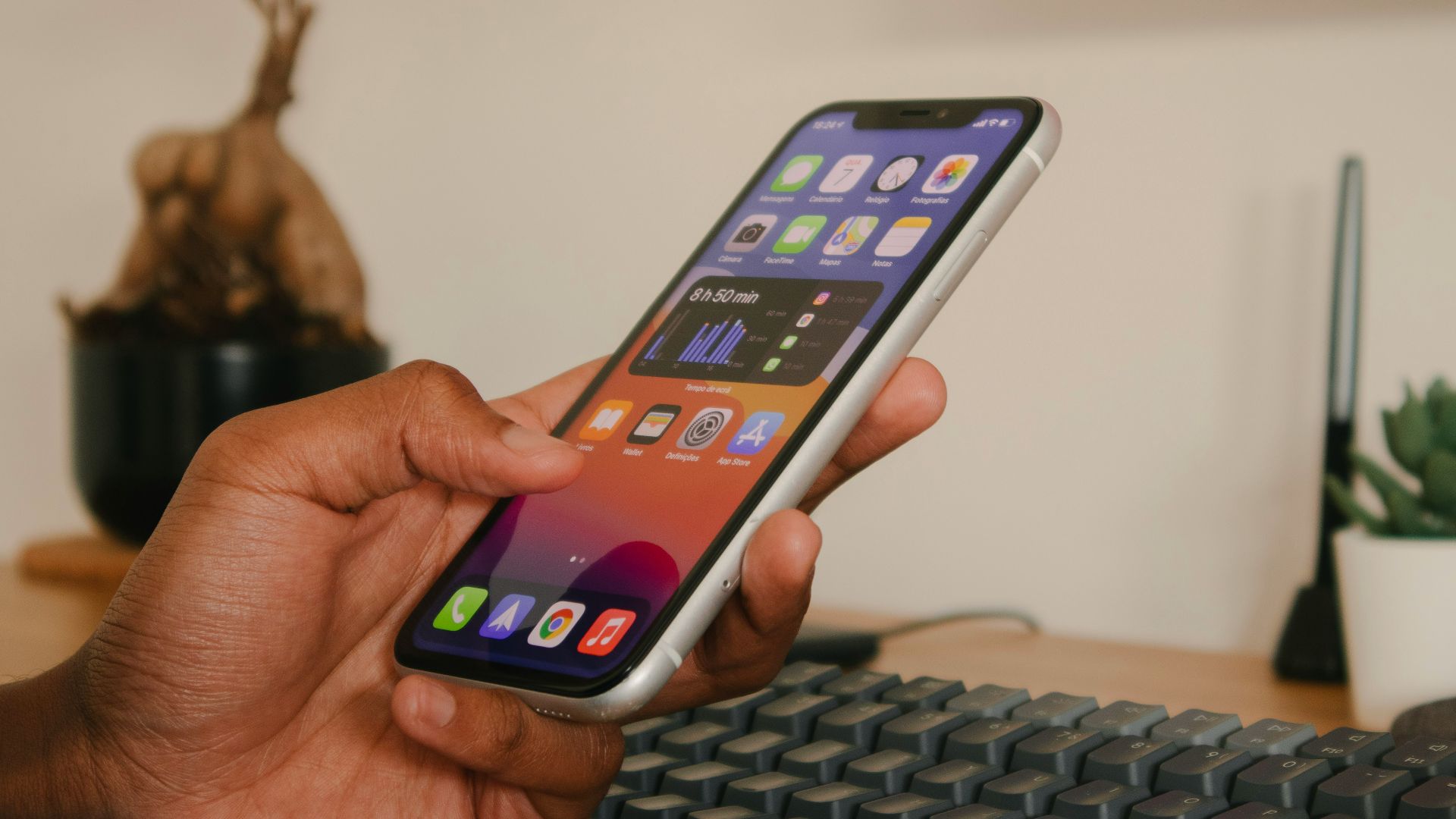
If you need to concentrate on a task, you are likely to find more rewards to complete. Maybe you check your phone or watch a YouTube video. Impulsivity and attentional control have both been identified as relevant factors in procrastination.
 Nubelson Fernandes on Unsplash
8. You're Already Tired
That task that didn't seem so bad yesterday seems impossible to do right now. There has been research linking procrastination to being tired. When you are tired, you are less likely to complete hard tasks because they don't feel as rewarding. Sometimes your "I'll do it later" isn't a grand psychological mystery; you're simply running on fumes.

9. You're Stressed About Everything Else
If you already have stress in your life, you may not want to add one more task to your plate. Stress can reduce the resources available for coping with difficult emotions, making avoidance more attractive in the moment. This can create a frustrating cycle in which stress encourages procrastination and the unfinished task creates even more stress later.

10. The Task Makes You Anxious
There are certain tasks we know will make us nervous. Writing an email we don't want to write. Calling someone about something important or applying for a job. These are all examples of things we may not want to start because they will make us feel uncomfortable.
 Solving Healthcare on Unsplash
11. You're Bored
It's not your brain's fault if something you need to do isn't fun. We all know that there are certain things in life we need to do, and we will not enjoy every minute of them. Boredom is also linked to procrastination.

12. You Have Too Many Choices
When you have too many choices, it can become overwhelming. Maybe you have different ideas for your project. And you want to decide which idea you will use. So you don't start any of your ideas, and you continue to procrastinate.
 Javier Allegue Barros on Unsplash
13. You Doubt Your Ability
If you don't believe that you can do something to your satisfaction, you may procrastinate on it. Studies have linked procrastination to one's confidence in themselves. You may know exactly what needs to be done while still wondering whether you're actually capable of doing it well.
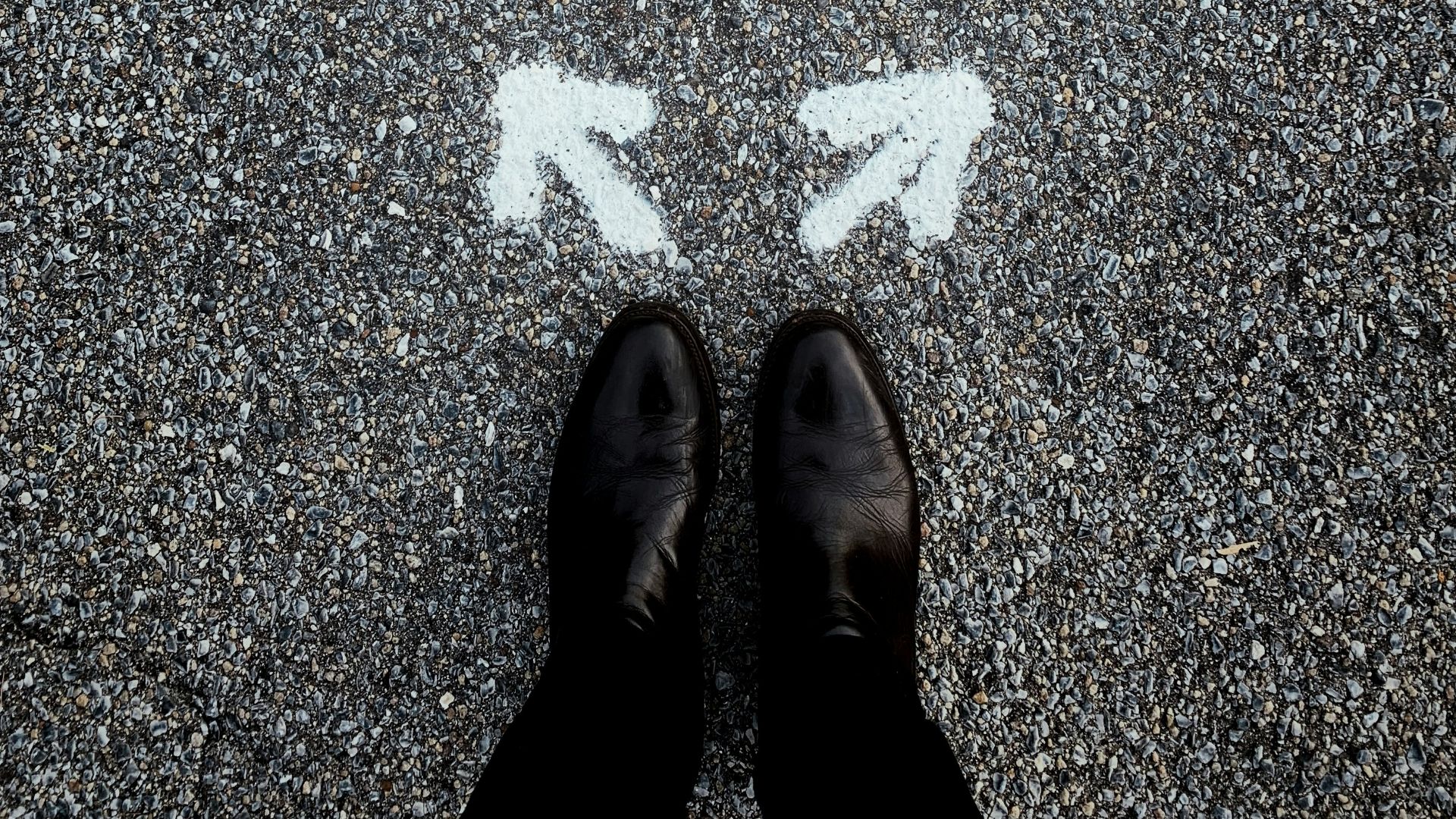
14. You're Trying to Protect Your Mood
Procrastinating on tasks can help improve your mood instantly. If you have a task that you don't want to do, you can avoid that negative feeling for the time being and feel better by not working. In other words, your brain can prioritize feeling better right now over achieving the larger goal you've already decided matters.
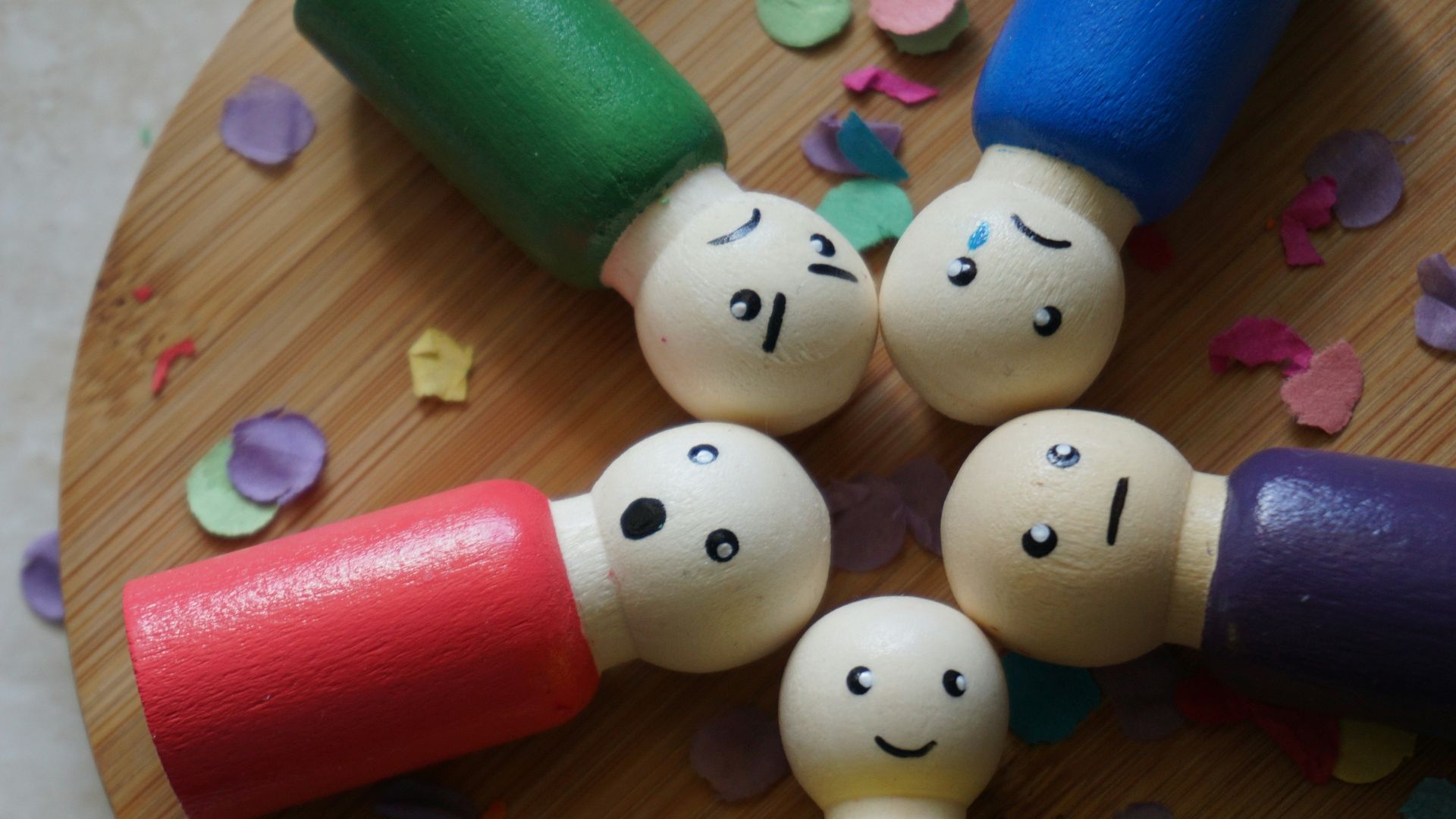
15. You Keep Thinking About the Consequences
Once you think too deeply about how something may turn out, you will want to avoid it. Whether it's your last attempt at something or you know something you created wasn't your best work. That mental effort can leave you feeling as though you've already been working, even though the actual task remains untouched.

16. You're Waiting for the Perfect Time
Maybe you don't think it will be fun to do something today. And you wait for the right time to do that task. You will probably never find the perfect time to complete that task. The longer you wait, the easier it becomes to convince yourself that tomorrow will somehow be better.
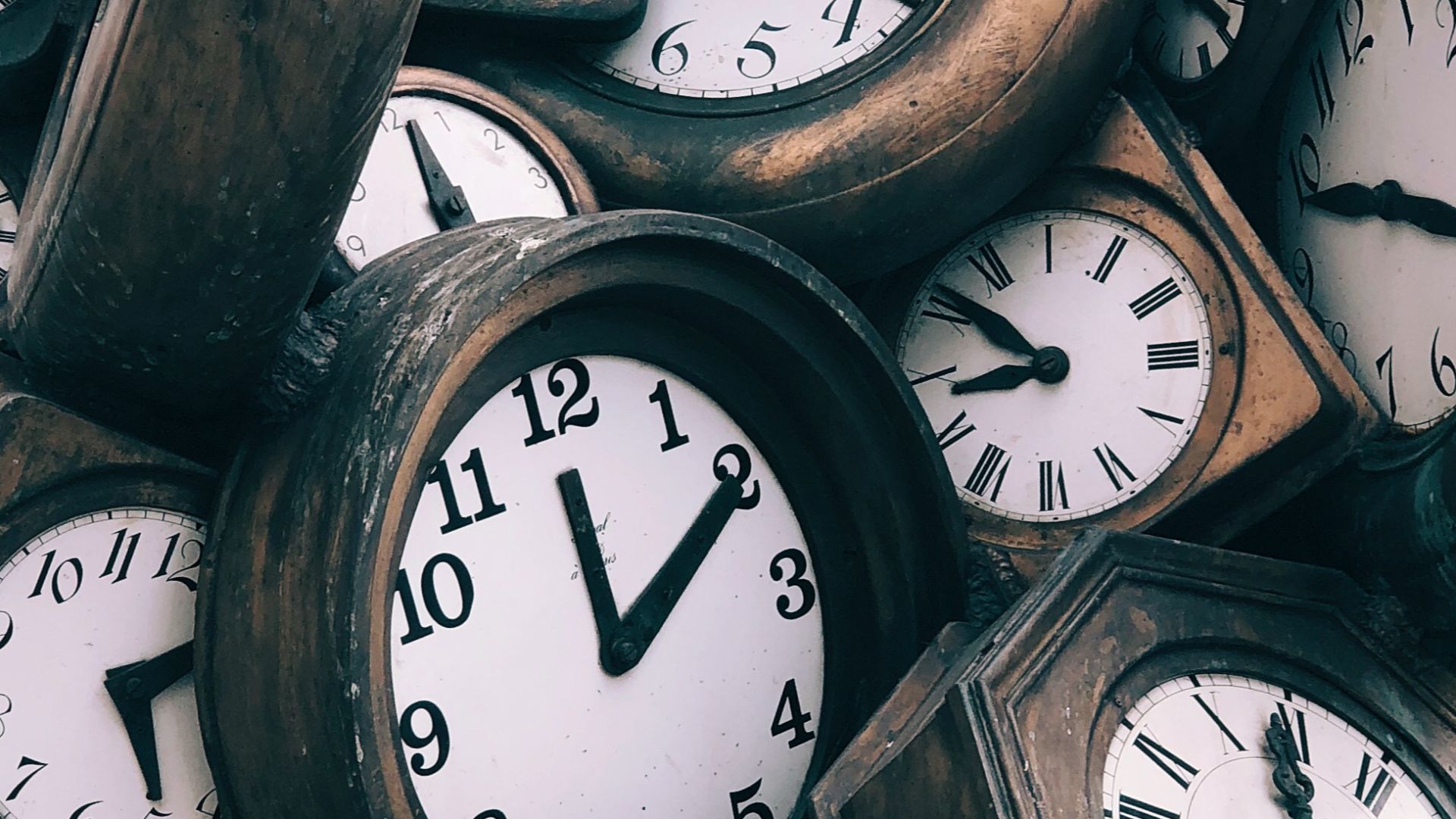
17. You Feel Overwhelmed by the Size of It
Sometimes we get overwhelmed with our list of tasks to complete. Having a huge list of what you need to finish can make your task less enjoyable. Procrastination research has repeatedly considered task difficulty and aversiveness as important contributors to delay.
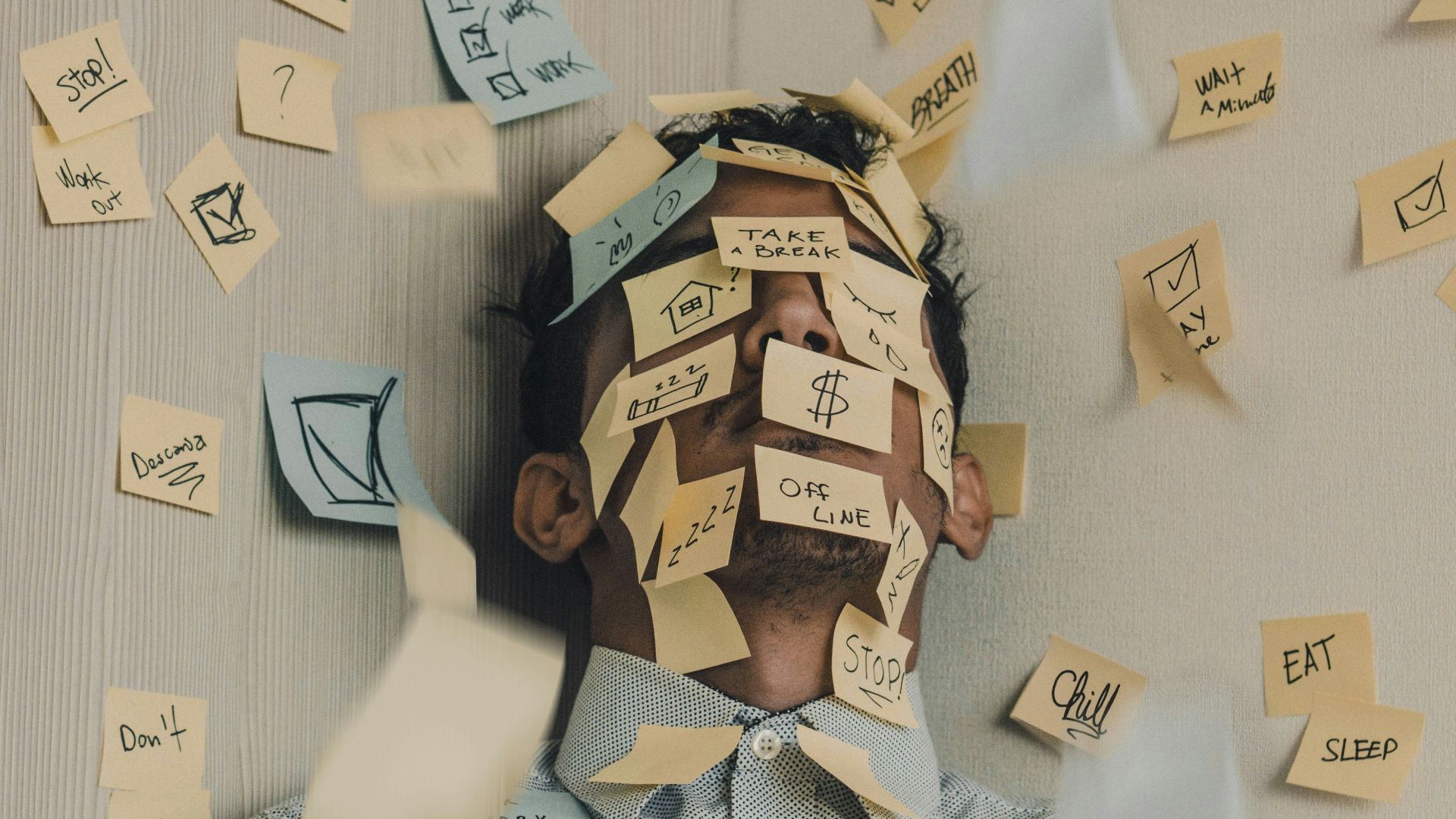
18. You're Focused on the Present You
Procrastination research suggests that we want to feel better now rather than feel better in the future. Current us wants to relax and know that we are not doing that task we need to get to. You aren't necessarily unaware that tomorrow-you will be annoyed; tomorrow-you just doesn't get a vote until later.
19. You've Made Procrastination a Habit
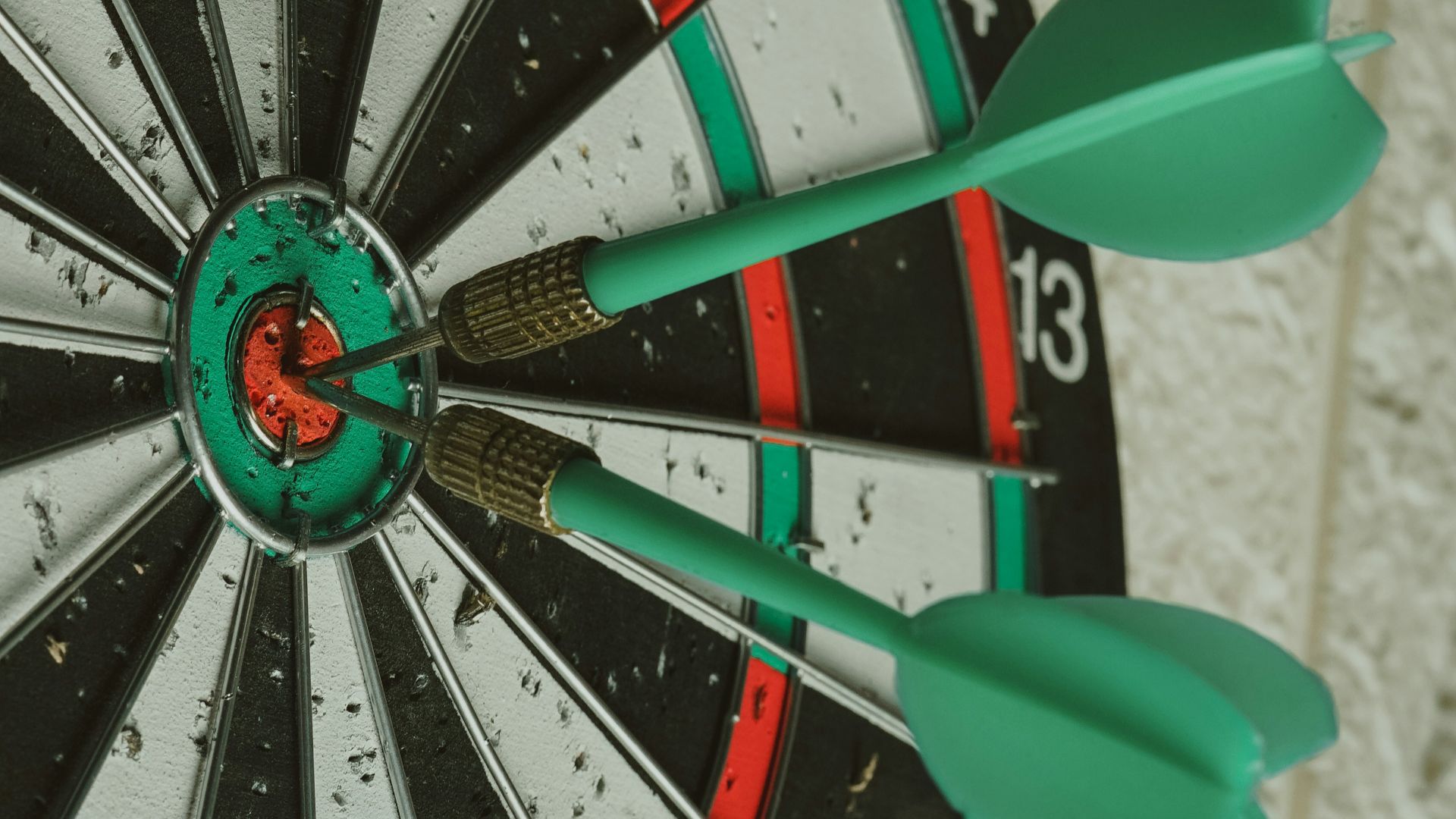
If you have avoided a task in the past, your brain may want to repeat that because it gave you pleasure in the moment. If you procrastinated on something you hated doing, you probably felt happier. Eventually, procrastination can become an automatic pattern that appears before you've consciously decided what you want to do.

20. You're Human, Not a Productivity Machine
Perhaps the biggest thing to remember is that procrastination doesn't automatically mean you're lazy or incapable. Psychological research treats it as a complicated behavior influenced by emotion regulation, motivation, self-control, task characteristics, stress, and individual differences. Understanding why you delay can give you a much more useful starting point than simply getting angry at yourself for doing it.
 Nubelson Fernandes on Unsplash
KEEP ON READING


20 Natural Ways You Can Boost Your Immune System

20 Ways To De-stress & Relax After Work
The 10 Most Common Diseases & The 10 Most Rare