

Why Rejection Affects Us More Than We Realize
Nobody likes being rejected, whether it's getting turned down for a date, missing out on a promotion, or discovering you weren't invited somewhere. However, what's particularly interesting about rejection is how your brain reacts to it, often in ways you'd never expect. Scientists have discovered that social rejection can affect everything from your ability to concentrate to how you experience physical discomfort. Some of these reactions happen automatically, meaning you might not even realize what's going on. Here are 20 surprising ways your brain can respond when someone rejects you.

1. Your Brain Treats Rejection Like Physical Pain
Rejection can genuinely hurt, and there's a neurological reason for that feeling. Brain imaging studies show that intense social rejection can activate regions involved in processing physical pain, including the anterior insula and anterior cingulate cortex. While emotional and physical pain aren't exactly the same, they share some of the same neural processes, which is why being excluded can feel so painful, even when nobody has physically hurt you.
 Road Trip with Raj on Unsplash
2. Your Brain Becomes More Alert to Social Threats
After experiencing rejection, you might suddenly become more sensitive to how other people act around you. Researchers have found that social exclusion can increase attention toward potentially threatening social information, especially among those who are already sensitive to rejection. Something as ordinary as a delayed text message might suddenly seem suspicious, even when there's a perfectly reasonable explanation. Essentially, your brain is trying to figure out whether another unpleasant experience might be coming.

3. Your Working Memory Can Temporarily Suffer
Ever found it difficult to focus after an embarrassing rejection? Some experiments suggest that social exclusion can interfere with working memory, which helps you temporarily store and work with information. This might explain why finishing a relatively simple assignment suddenly feels much harder after an upsetting interaction. Thankfully, these cognitive disruptions aren't necessarily permanent, and their severity can vary from person to person.

4. Your Brain Might Start Searching for Social Approval
Interestingly, being rejected doesn't always make people want to isolate themselves from everyone else. Research suggests that social exclusion can sometimes increase someone's desire to reconnect with others, especially when opportunities for acceptance are available. You might notice yourself acting friendlier, looking for reassurance, or becoming more interested in making new friends. This reaction shows just how much our brains value having meaningful social connections.

5. Your Reward System Can Remain Attached to Someone Who Rejected You
One of the strangest things about romantic rejection is that losing someone's affection doesn't necessarily make your attraction disappear. A brain imaging study involving recently rejected individuals found activity in reward-related regions when participants looked at photographs of their former partners. These areas are associated with motivation and reward processing, which could explain why romantic rejection sometimes makes feelings of longing even stronger.

6. Your Brain Can Become More Sensitive to Negative Facial Expressions
After being rejected, even a relatively harmless facial expression might seem less friendly than it normally would. People with heightened rejection sensitivity are more likely to interpret unclear social cues as signs of disapproval or hostility. For example, someone who looks distracted during a conversation might suddenly seem annoyed with you, even if they're just tired. Unfortunately, this habit can lead to misunderstandings that make future social interactions more uncomfortable.

7. Your Stress Response Can Become Activated
Rejection isn't just an emotional experience, as it can also trigger physical stress responses. Some studies have found that socially threatening situations, particularly those involving negative evaluation, can increase cortisol levels by activating the body's stress-regulation system. However, these responses differ considerably depending on the individual and the circumstances. A particularly humiliating rejection might therefore leave you feeling tense or unsettled long after the interaction is over.
8. Your Brain Might Make You More Aggressive
While rejection sometimes encourages people to seek connection, it can occasionally have the opposite effect. Experimental research has linked social exclusion with increased aggression, particularly when someone feels provoked or believes they've been treated unfairly. Of course, this doesn't mean everyone becomes hostile after being rejected, but frustration can make it harder to control emotional reactions. Even someone who's normally patient might catch themselves responding more sharply than they usually would.

9. Your Sense of Time Can Change
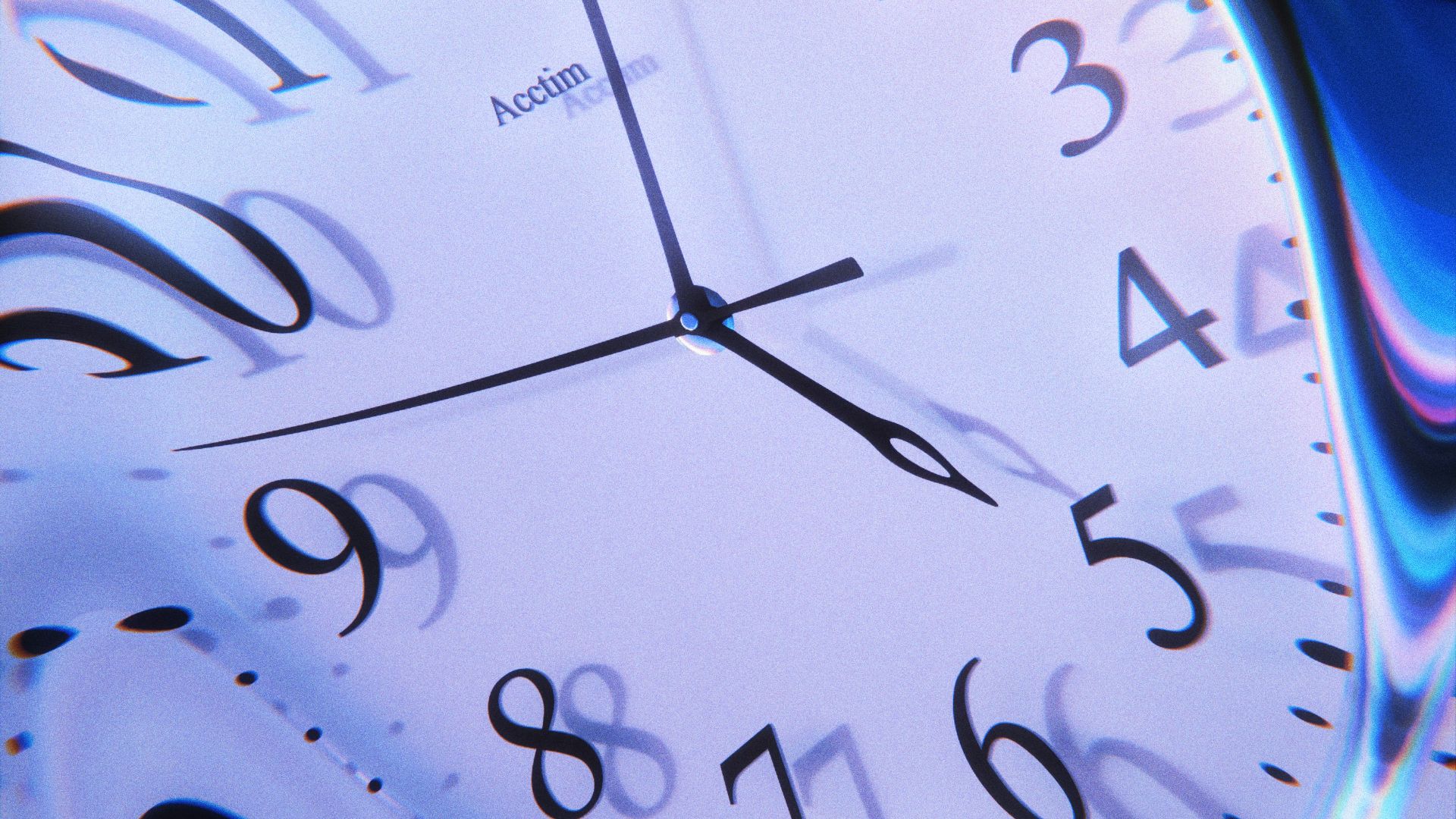
Believe it or not, social rejection may even affect how you experience the passage of time. In some experiments, excluded participants reported changes in their perception of time, including the sensation that it was moving more slowly. Researchers have suggested that these differences could be related to shifts in attention and emotional processing following exclusion. Although this doesn't happen to everyone, it might explain why an uncomfortable social encounter can feel considerably longer than it actually is.
10. Your Brain Can Become Less Responsive to Emotional Information
Surprisingly, rejection doesn't always lead to an immediate flood of emotions. Certain experiments have found that excluded people sometimes experience emotional numbness or show reduced emotional responsiveness shortly afterward. Researchers believe this temporary reaction could help protect people when social experiences become particularly distressing. Instead of feeling devastated right away, you might initially find yourself feeling strangely disconnected from the entire situation.

11. Your Brain Might Replay the Rejection Repeatedly
An uncomfortable interaction can be surprisingly difficult to forget, especially when you're left with unanswered questions. Rejection can trigger rumination, which involves repeatedly thinking about upsetting experiences without necessarily reaching a solution. You might replay entire conversations, overanalyze someone's choice of words, or imagine what you could've done differently. Unfortunately, going over the situation again and again can sometimes make those negative feelings last even longer.
12. Your Self-Esteem Can Take an Immediate Hit
Psychologists have suggested that self-esteem partly acts as an internal indicator of how accepted and valued we feel by other people. According to sociometer theory, experiences that suggest social exclusion can temporarily damage someone's sense of self-worth. Even people who are usually quite confident might start questioning themselves after unexpected criticism or rejection. Still, one unpleasant interaction doesn't determine your actual value or how everyone else sees you.
13. You Become More Attentive to Signs of Acceptance
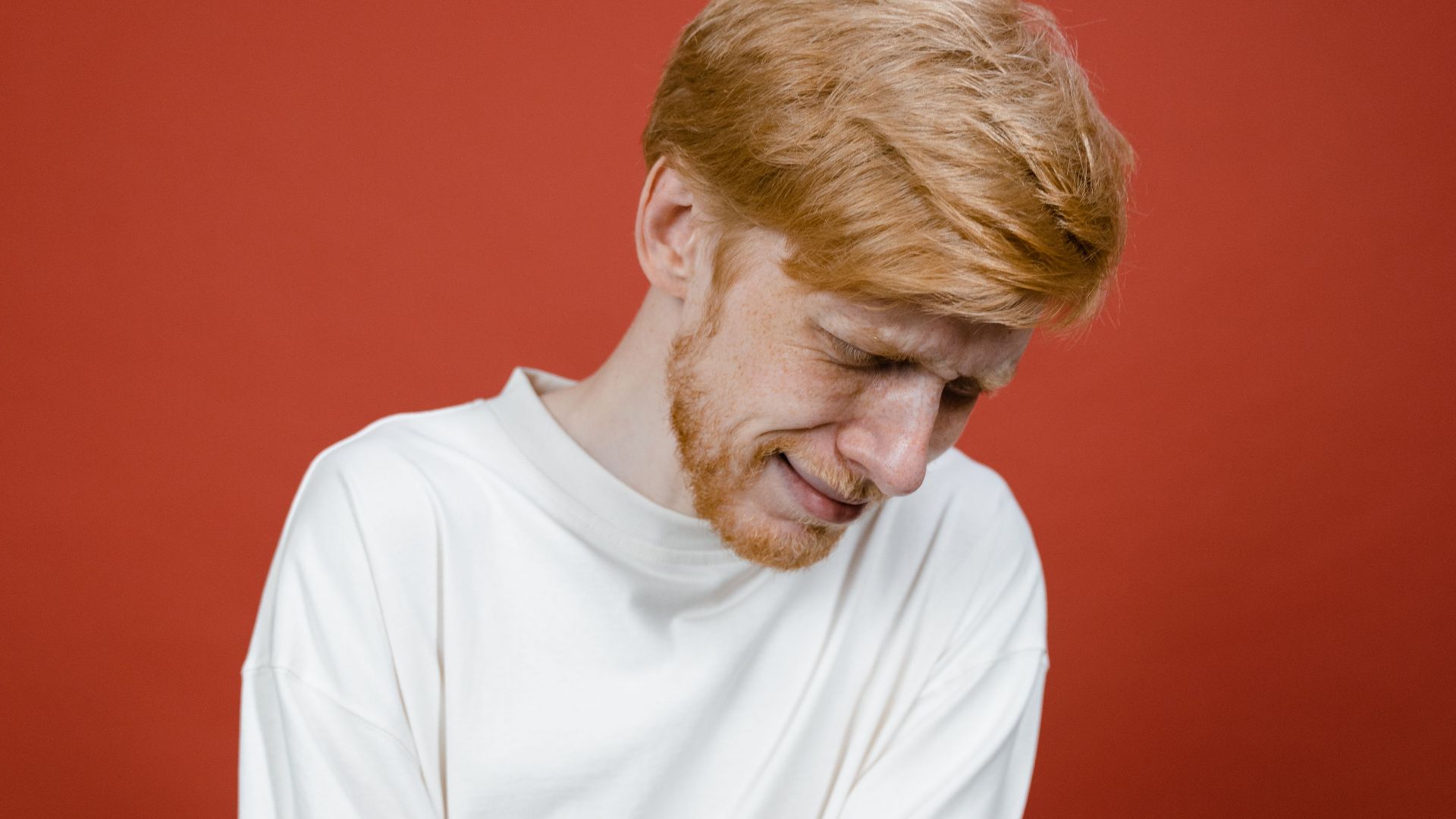
Being rejected doesn't necessarily mean you'll start viewing every social interaction negatively. Some experiments suggest that excluded individuals become particularly attentive to friendly faces and other signals that suggest opportunities to reconnect. This heightened awareness may help people recognize potential sources of belonging after a difficult social experience.
14. Your Ability to Regulate Impulses Might Temporarily Decline
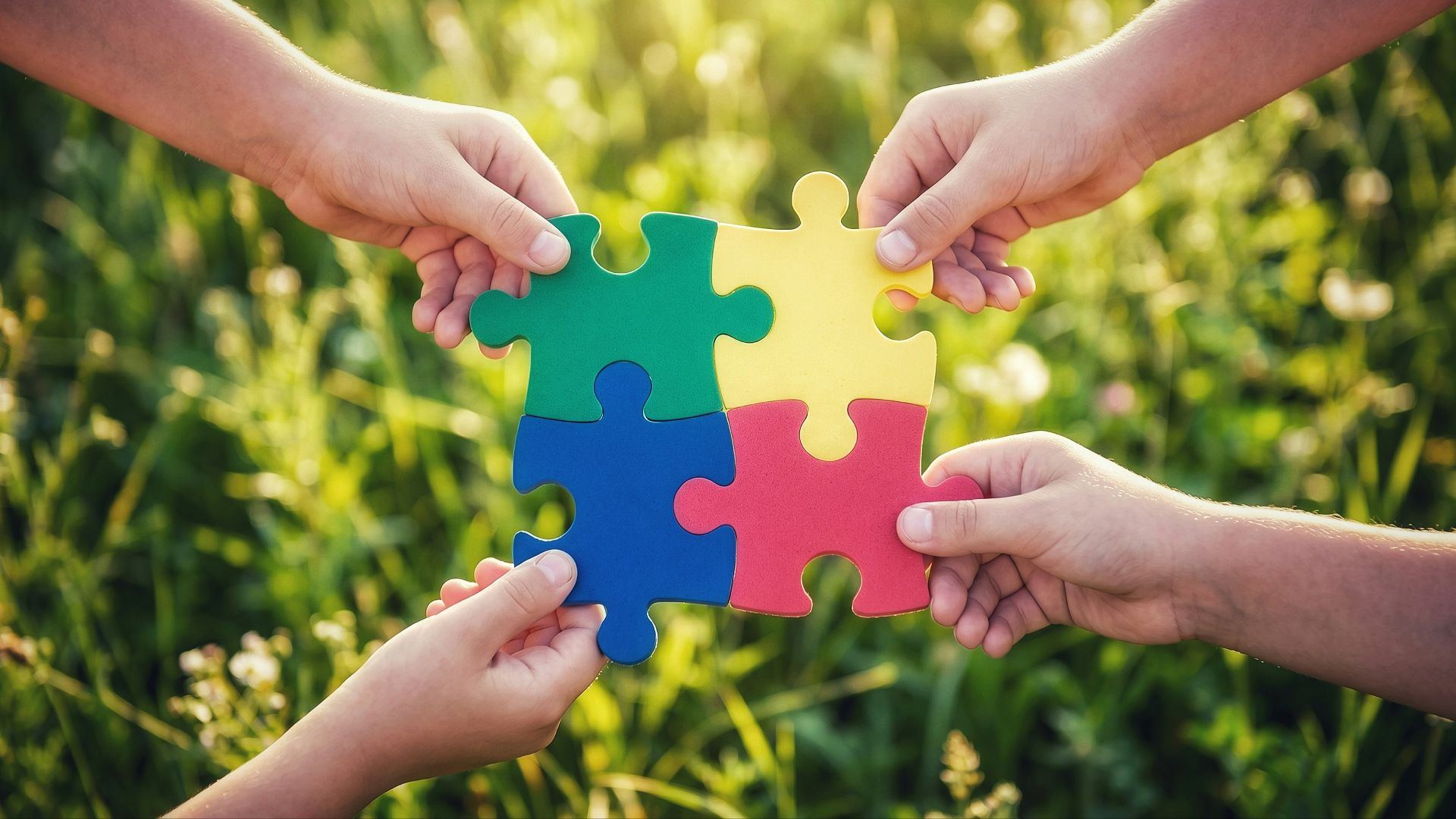
Social exclusion has been associated with reduced self-control in certain experimental situations. Researchers have observed that excluded participants sometimes have more difficulty with tasks requiring behavioral regulation, although results differ across studies. This could help explain why people occasionally make impulsive decisions after rejection, such as sending a message they later regret or reacting before thinking things through. When you're distracted by upsetting emotions, making thoughtful decisions can become a little more challenging.
15. You May Start Expecting Rejection Before It Happens
Experiencing rejection repeatedly can change how someone approaches future relationships and social situations. People with high rejection sensitivity often expect disapproval, sometimes viewing completely neutral interactions as evidence that they're about to be excluded. These expectations can affect their behavior, potentially causing them to become defensive or withdraw before anything negative has even happened. Eventually, this pattern can make building new relationships more difficult than it needs to be.
16. Your Social Memories Can Become More Vivid
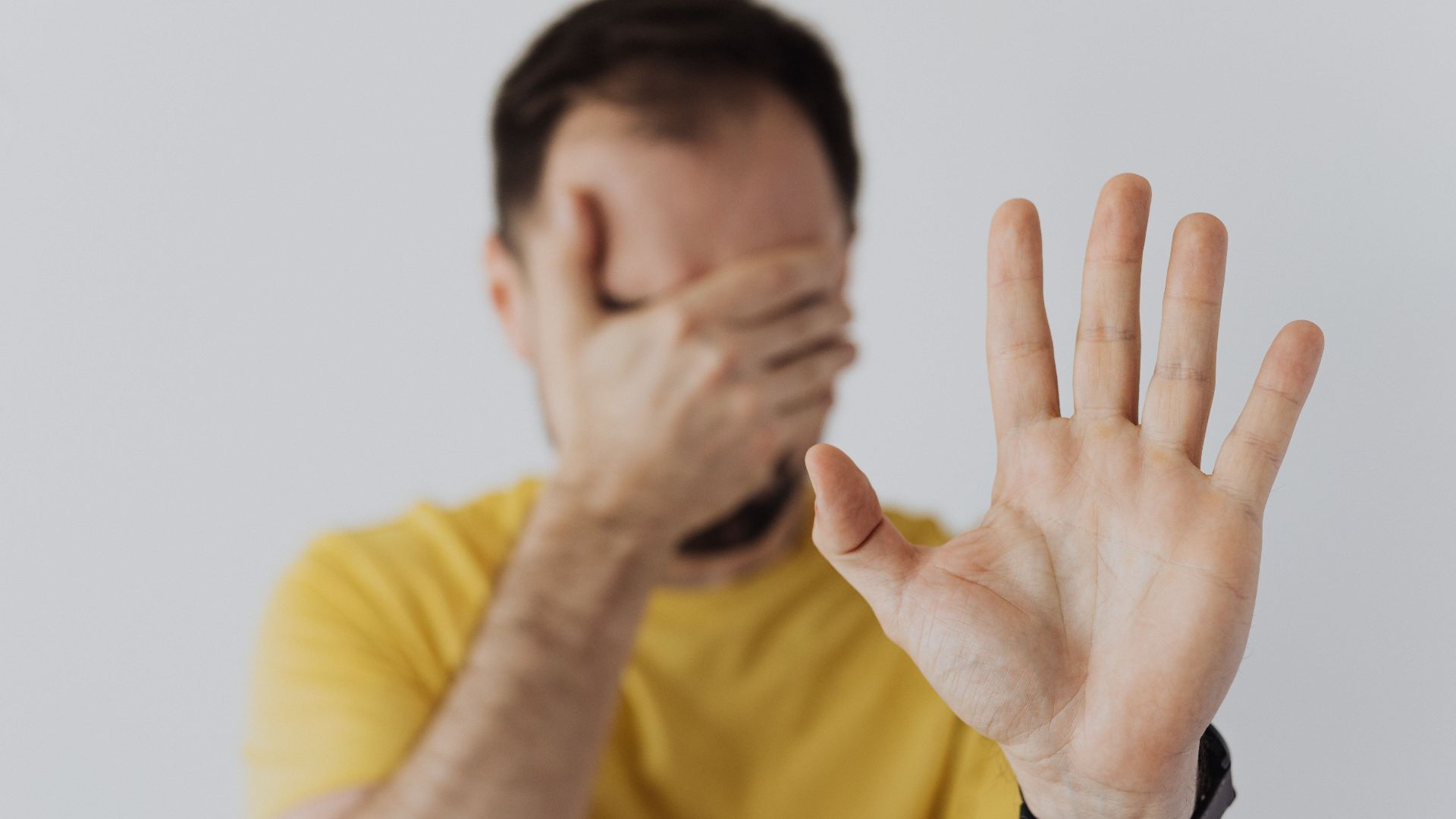
Emotionally significant experiences tend to receive special attention during memory formation, and rejection certainly qualifies. You might remember exactly where you were when someone turned you down, including little details you wouldn't normally think twice about. Emotional arousal can strengthen memories of certain aspects of an experience, although that doesn't mean every detail will be accurate. Interestingly, a rejection from years ago might remain remarkably clear while countless pleasant everyday interactions have become difficult to remember.
17. Your Brain Might Encourage You to Conform
Feeling left out can sometimes make people more willing to change their behavior to fit in with a group. Research has shown that social exclusion can increase conformity in certain circumstances, particularly when someone believes it'll improve their chances of being accepted. You might catch yourself agreeing with opinions you don't actually share or adopting behaviors that seem popular with everyone else. Although this reaction isn't guaranteed, it highlights how much the desire to belong can influence our decisions.
18. Your Sleep Can Become More Disrupted
An upsetting rejection can stay on your mind well into the night, particularly when you're still trying to make sense of what happened. Research has linked interpersonal stress and feelings of social disconnection with poorer sleep quality, although the relationship can go both ways. Increased stress and repetitive negative thoughts may make it harder to fall asleep or stay asleep throughout the night. To make matters worse, a poor night's sleep can also make managing your emotions more difficult the following day.

19. You Can Become More Sensitive to Social Rewards
Experiencing rejection can sometimes make positive social interactions feel more valuable. Studies suggest that exclusion can increase someone's motivation to regain acceptance, potentially making opportunities for connection feel especially rewarding. Something as simple as a friendly invitation or unexpected compliment might therefore seem much more meaningful when you've recently felt left out. However, researchers have also observed reduced responsiveness to rewards in some situations, so this reaction largely depends on the person and circumstances.
20. You May Learn to Handle Rejection Differently
Perhaps the most encouraging discovery is that the way our brains respond to rejection isn't necessarily set in stone. Cognitive reappraisal, which involves changing how you interpret an upsetting experience, can help reduce emotional distress while engaging brain systems responsible for emotion regulation. Supportive relationships and repeated positive social experiences can also shape how people handle future setbacks. Rejection might never become something you particularly enjoy, but your brain can gradually develop healthier ways to deal with it.

KEEP ON READING

20 Things Your Body Is Secretly Doing Right Now