
How Well Do You Handle Pressure?
Admit it: you've probably put "works well under pressure" on your resume even if it isn't quite true. While some people certainly seem to perform their best when they're stretched thin, most people tend to crumble when expectations are high. Which camp do you fall into? Here's how to tell if you constantly struggle under pressure—and what to do about it.

1. You Freeze When Faced with Too Many Tasks
What do you do when you have too much on your plate? Freeze up? Unable to decide where to begin? Instead of immediately tackling something, you might spend way too much time overthinking everything, which only leaves you feeling more overwhelmed when deadlines creep up.

2. You Make More Careless Mistakes
Nobody's perfect, but when you're under pressure, you might be more likely to make mistakes. Heck, you even make errors you wouldn't usually make! Even tasks you've done countless times before can suddenly seem infinitely more challenging when you're stressed.

3. You Become Easily Irritated
When you're in a good mood, you might be the sweetest person in the office. When you're mentally strained? You're the complete opposite—you've even snapped at coworkers or family members just for talking. It's a pretty telltale sign you don't deal well with pressure if minor inconveniences suddenly make you a whole different person.

4. You Constantly Second-Guess Yourself
You think this way is the best way to do it. Oh, wait, no. This way is the best way. Or maybe not? When your plate is already full, making decisions is exhausting. You might repeatedly review your work or pester others for reassurance, constantly worried that you've overlooked something. All of this only leaves you less confident in your abilities.

5. You Procrastinate Even More
What do you do when a deadline looms close? You probably only procrastinate more, right? After all, because you're so overwhelmed, you seek escape by focusing on less important responsibilities because they offer temporary relief. But then you have even less time to complete the work.

6. You Struggle to Remember Important Information
Does your mind occasionally go blank when you're under pressure? Sure, you can chalk it up to nerves, but stress is known to interfere with working memory, meaning it's more difficult to retain and use information when you need it most.

7. You Rush Through Everything
When you're overwhelmed, you may also resort to speed. You don't want to think about the task anymore, so the faster you get it done, the better. Yet, while rushing through things can create the impression that you're being productive, it often results in major, major mistakes.

8. You Take Criticism Personally
Ever received honest feedback and felt the words weigh on you more when you're already worried about meeting expectations? As constructive as the criticism can be, any suggestions that lean slightly negative may only make you more convinced that you're doing a terrible job, even when those corrections aren't evidence of failure.

9. You Have Trouble Switching Between Tasks
You could be dealing with an easy and a hard task, but constant stress can stunt your progress on both. Case in point: after being interrupted, you might struggle to remember what you were doing. Constantly switching between responsibilities is not only mentally exhausting, but you may also not accomplish as much as you'd hoped.

10. You Can't Relax Even After Finishing
For some, the effects of a stressful assignment don't disappear once the work is done. In fact, you might continue thinking about possible mistakes or dread the next responsibility that comes your way. If you're rarely able to enjoy your downtime, it could mean that you have difficulty bouncing back from high-pressure situations.
So, do these signs paint a familiar picture? If they sound exactly like you, not all hope is lost. Here's how to adjust your habits so you can stay focused and productive:

1. Break Large Tasks Into Smaller Steps
Any task or project will only feel more unmanageable when you think about everything at once. So, instead of focusing on the whole, try dividing the assignment into smaller steps—that way, you can tackle the easy parts first. Finishing one portion at a time helps guarantee consistent progress without making you overwhelmed.

2. Prioritize Based on Urgency and Importance
Got multiple responsibilities at once? Well, not all of them deserve the same amount of attention! Before immediately tackling them, sort your assignments by those with the closest deadlines or highest importance. Once you've prioritized your tasks, you'll have an easier time deciding where to direct your energy.
 Startup Stock Photos on Pexels
3. Give Yourself More Time
You've probably underestimated how long something will take you, and because of that, it only created more stress when you had to beat the clock. Don't make the same mistake. Next time a particularly demanding task comes up, try building additional time into your schedule so you have more flexibility if things don't go as planned.

4. Learn to Say No
It's time to stop being a people pleaser! Look, agreeing to everything might make you seem helpful, but it'll only affect the quality of your work. If you're already juggling existing commitments, be realistic with yourself: if you can't do it, you can't do it.

5. Take Short, Intentional Breaks
Working continuously for hours sounds productive, but it's not really going to do you any favors. Whenever you notice your concentration dwindling, don't force yourself to continue. Go take a brief break! Walk around or stretch. You'll find that you'll have a little more mental energy once you get back to your desk afterward.
6. Practice Handling Pressure Before It Happens
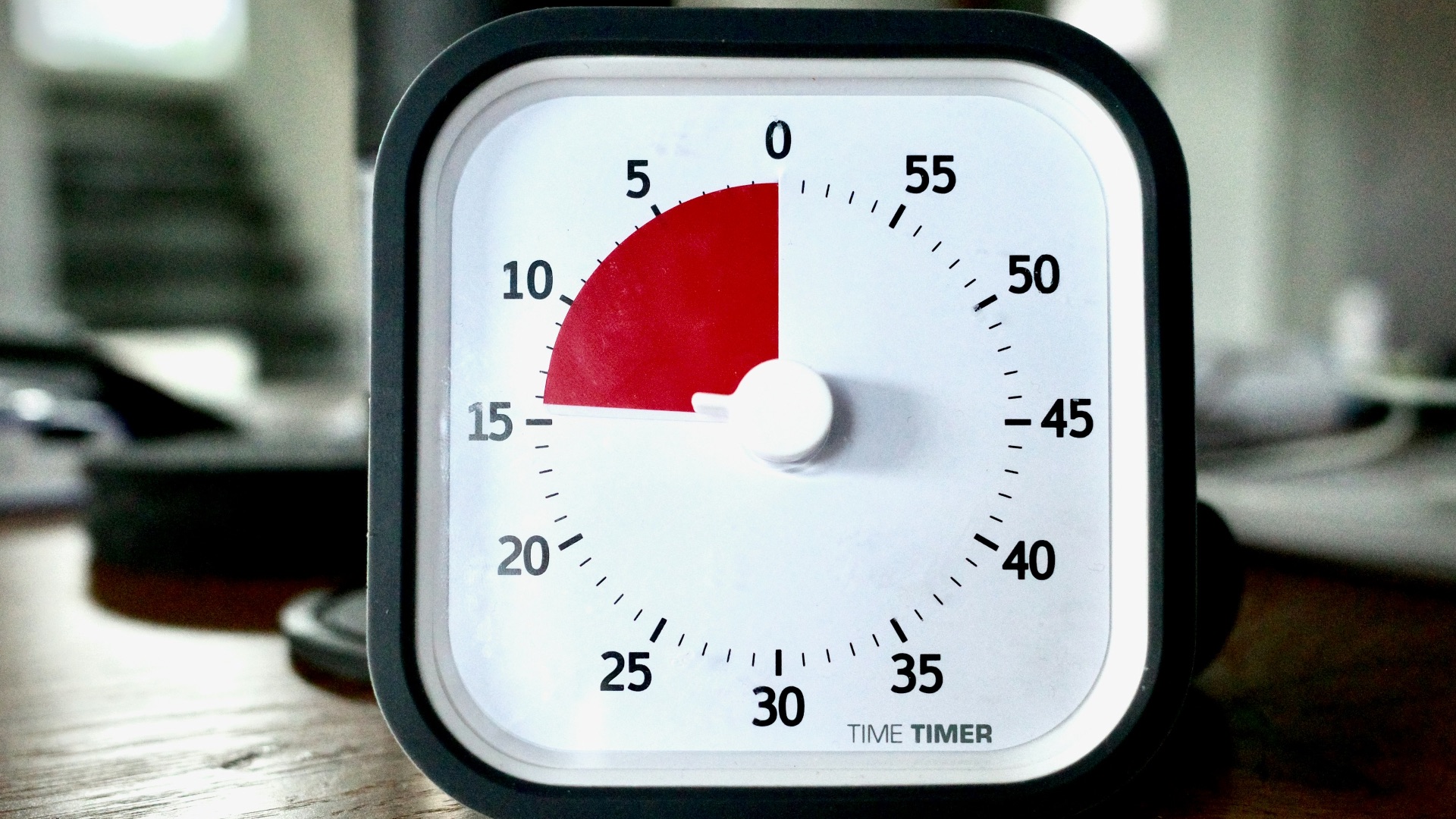
If you don't deal well with pressure, sometimes it's because you've never been put in a similar situation. But practice makes perfect: the more you prep, the less intimidating demanding situations will feel. For example, if you struggle with presentations, try multiple rehearsals while following a realistic time limit. You'll gradually build confidence.

7. Focus on What You Can Control
Stressful situations can make you spiral. We get it: you want to get things right. Yet, if you spend excessive time worrying about all the things that could go wrong, they'll probably go wrong. Make better use of your mental energy by concentrating on the immediate parts you can control, not the things you can't.

8. Communicate Before Problems Escalate
When you're struggling with a demanding assignment, don't keep concerns to yourself. Let your manager or someone else know! That way, if you think you need more time or further clarification, you'll have an opportunity to adjust expectations or find solutions before the problem snowballs.

9. Use Calming Techniques When Stress Builds
Sometimes, all you need is some time to cool off. When stress and anxiety build, don't concentrate on the bad—try slowing your breathing or briefly stepping away from the situation to stop the negative loop. These techniques might not make you finish your work any faster, but they may help you approach your work more clear-headed.

10. Reflect on What Worked Afterward
Once you've completed a stressful assignment, don't just move on to the next thing. Spend a few minutes reviewing how you handled the experience! What helped? What didn't? Over time, identifying these patterns will allow you to build a more effective approach to managing pressure the next time you receive a demanding task.

KEEP ON READING


20 Things Your Body Is Secretly Doing Right Now