

Morning Headaches? This Could Be Why
Waking up with a headache can be frustrating, especially when you've barely started your day and already feel uncomfortable. Sometimes, the cause is something relatively simple, such as not drinking enough water, getting poor sleep, or having a little too much caffeine the day before. In other cases, morning headaches can be linked to sleep disorders, medication use, or an underlying health condition that deserves attention.
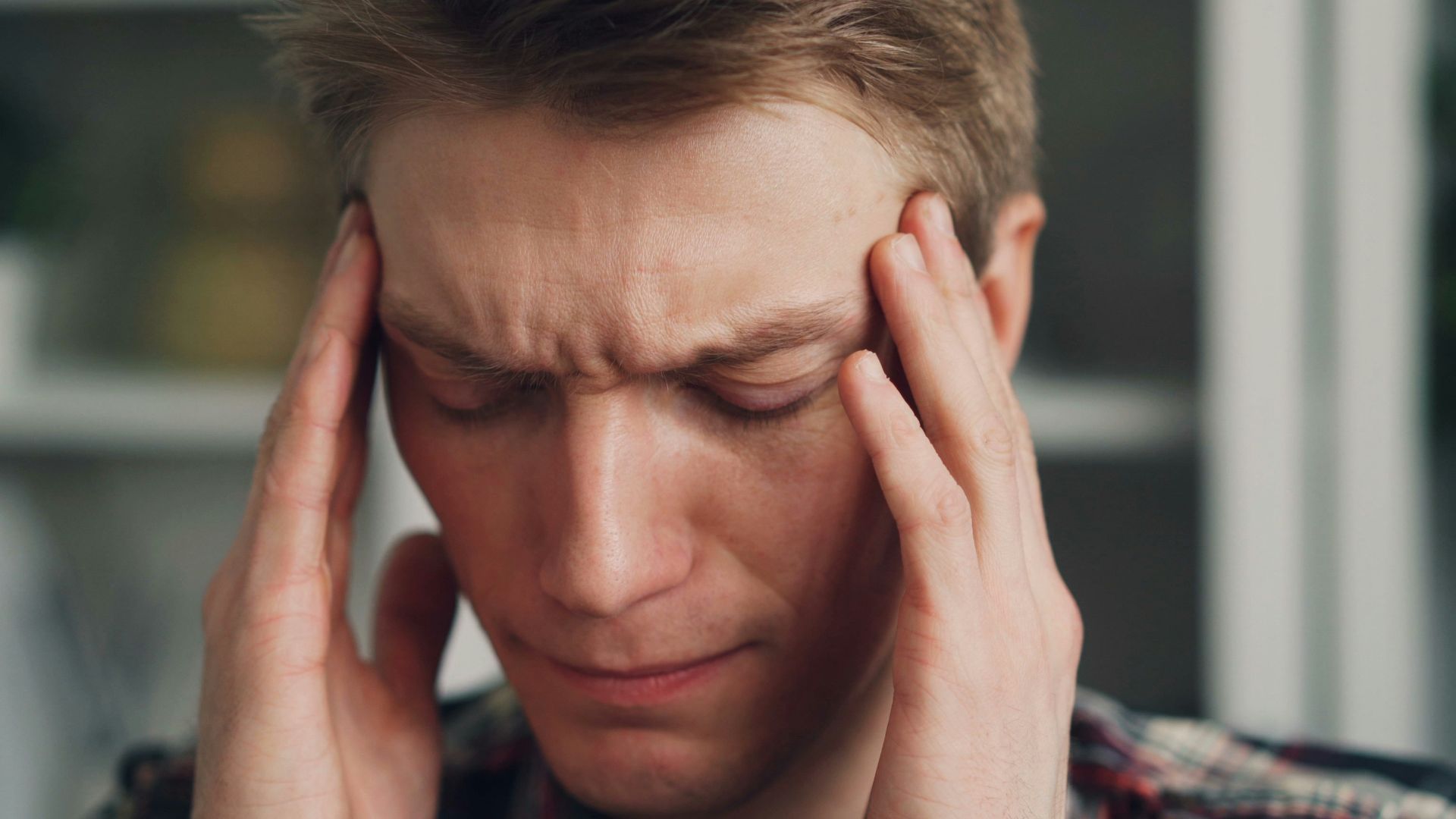
1. Dehydration
Going to bed without drinking enough fluids can leave you mildly dehydrated by the time you wake up, particularly if you've been sweating or drinking dehydrating beverages. Dehydration may cause a headache alongside symptoms such as thirst, dry mouth, dark urine, or dizziness. Drinking water regularly throughout the day can help, although you don't need to force yourself to drink excessive amounts before bedtime.

2. Poor Sleep Quality
You may have slept a good number of hours but didn't actually fall asleep for most of that time. Maybe you were waking up all night. If you're not getting good-quality sleep, you can develop headaches and may feel grumpy or exhausted in the morning. Establishing a regular sleep schedule and making your bedroom comfortable may help improve both your sleep and your mornings.

3. Sleep Apnea
If you stop and start breathing while you're sleeping, you could have sleep apnea. It can prevent your body from getting quality sleep or enough oxygen. Symptoms of sleep apnea include headaches in the morning. If you regularly wake up with headaches and suspect you have sleep apnea, speak with a healthcare professional about whether a sleep evaluation is appropriate.

4. Teeth Grinding During Sleep
Bruxism is when you clench or grind your teeth while you're asleep. This can strain the muscles in your jaw and give you a headache when you wake up. You may feel sore around your temples, or your teeth may hurt or ache when biting down.
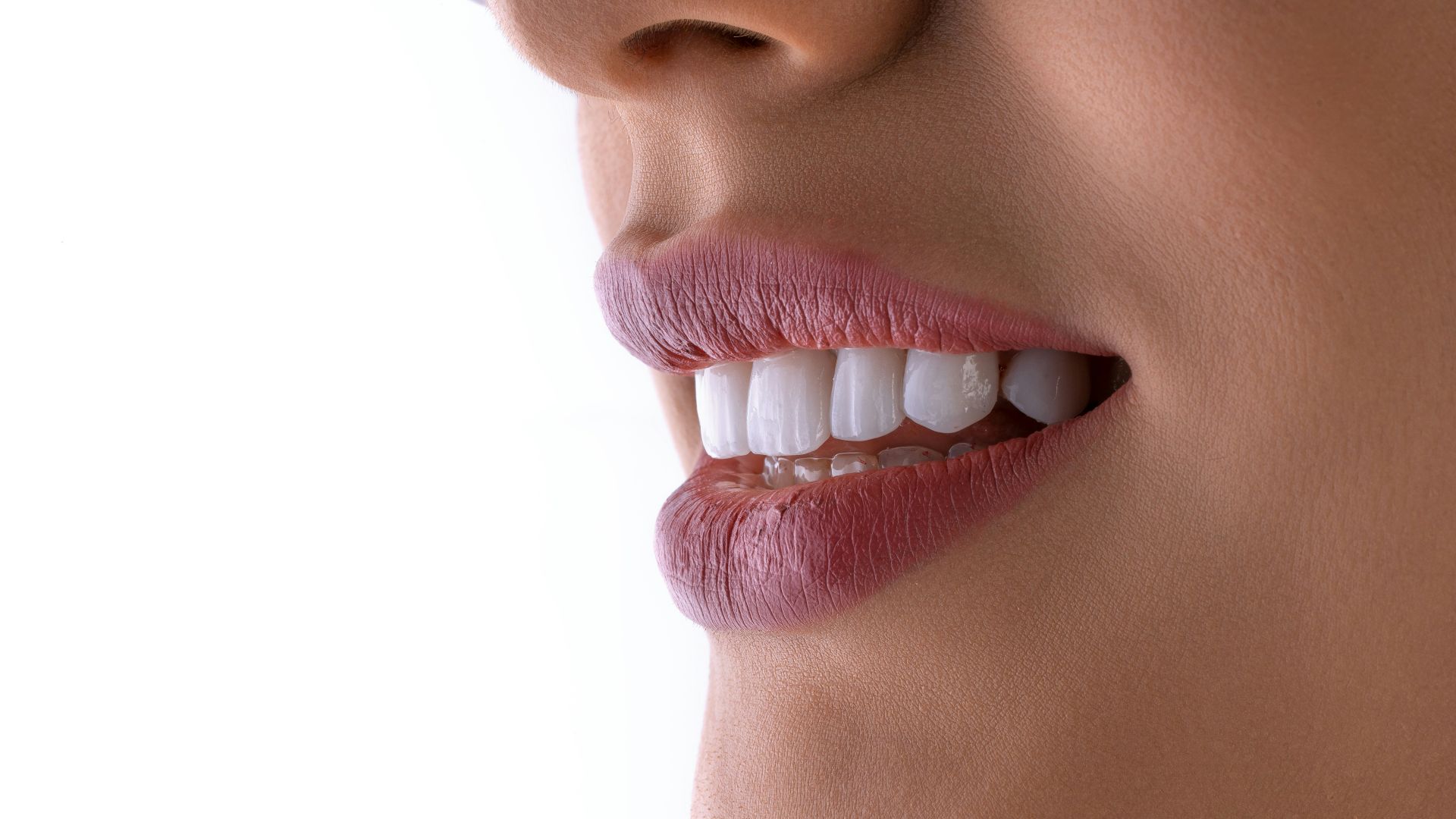 Kamal Hoseinianzade on Unsplash
5. Sleeping in an Awkward Position
The way you sleep can affect the muscles in your neck and shoulders, especially if your pillow doesn't provide adequate support. You may not have the right type of pillow for your body. You can develop headaches from tense neck muscles, with the pain spreading to your head. Maybe you woke up with a headache and couldn't turn your neck very well.

6. Caffeine Withdrawal
If you're used to drinking coffee or tea every morning, skipping your usual caffeine intake can trigger a headache. Not having your normal dose of caffeine can give you a headache, along with other symptoms like exhaustion and difficulty concentrating. If you suspect caffeine withdrawal is causing your morning headaches, keeping your caffeine intake consistent may help.

7. Drinking Dehydrating Beverages
A night out or a couple of drinks with dinner might leave you dealing with a headache the following morning. Alcohol can contribute to dehydration, disrupt sleep, and trigger headaches through several other mechanisms, making it a common factor in hangovers. You might also experience nausea, thirst, fatigue, or sensitivity to light and sound.

8. Migraine
Migraines can give you a bad headache, and you may start feeling one during the night or wake up with one. Migraine pain can feel like a pounding sensation and usually affects one side of your head. Some people experience migraines in different areas of their heads.

9. Tension Headaches
Tension headaches can give you a dull ache, or you may feel pressure around your forehead. They can be caused by many things, such as stress or tight muscles. Relaxation techniques, regular movement, and addressing sources of muscle tension may help reduce their frequency.

10. Taking Too Much Pain Medication
If you take too much headache medicine, you can actually develop more headaches. This is known as a medication-overuse headache. Many people take medicine for their headaches but never address the problem that's causing them. If you frequently need headache medication, speak with a healthcare professional about your symptoms and treatment options.
 Road Trip with Raj on Unsplash
11. Allergies and Nasal Congestion
Allergies can give you a stuffy nose and a headache in the morning. If you have springtime allergies, your sinuses could be affected while you sleep. If congestion and headaches persist together, a healthcare professional can help identify the underlying cause.

12. High Blood Pressure
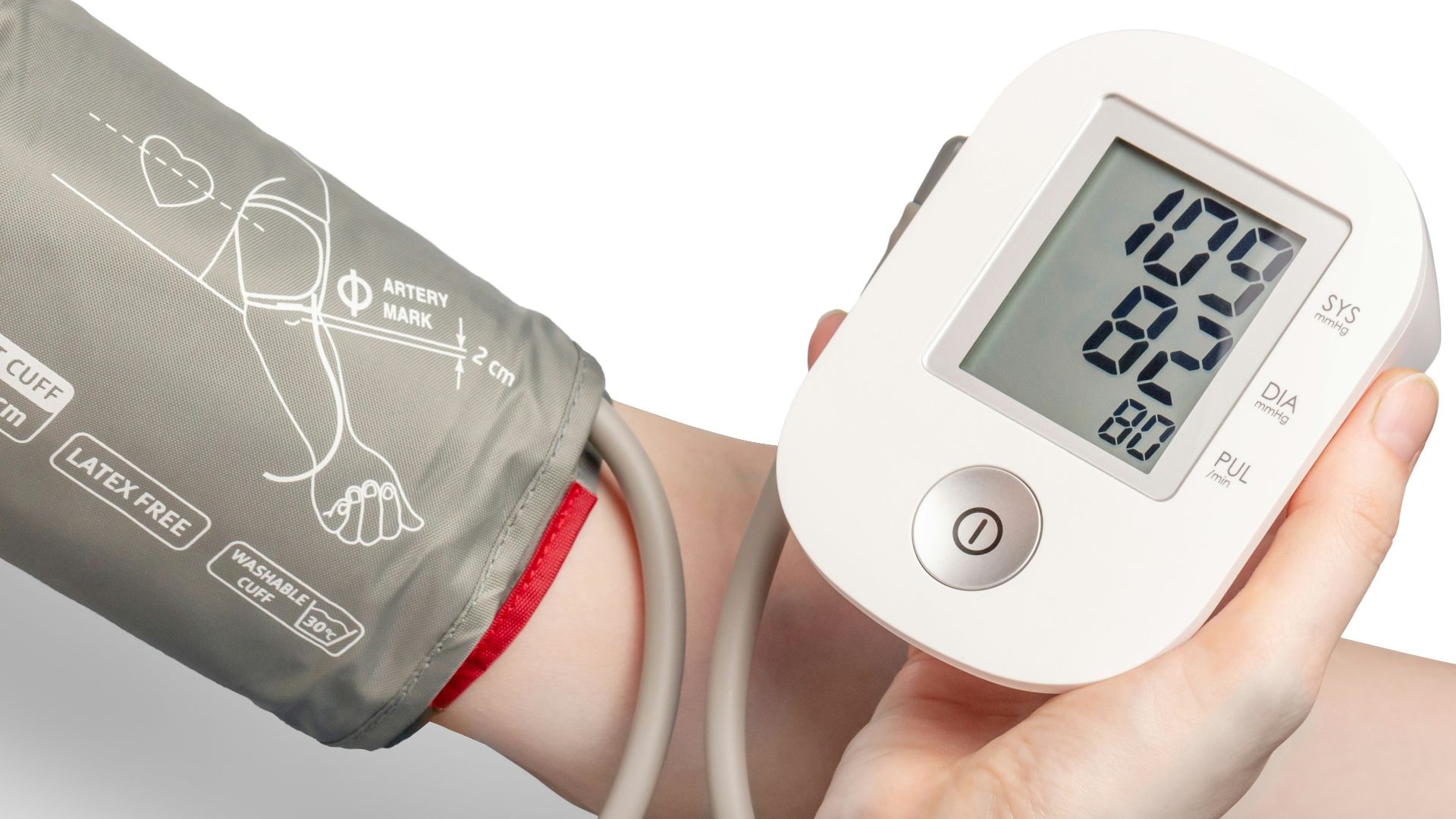
If you have high blood pressure, you may not experience any symptoms. Some people experience headaches when their blood pressure is extremely high. A reading above 180/120 mm Hg accompanied by symptoms such as chest pain, shortness of breath, weakness, vision changes, or difficulty speaking requires emergency medical attention.
13. Low Blood Sugar
Symptoms of low blood sugar can include headaches, shakiness, and dizziness. If you have diabetes and take insulin, you can develop low blood sugar. Sometimes, when your blood sugar drops too low, you can get headaches.

14. Hormonal Changes
If you're a woman, you know how hormones can affect your body. You may experience headaches during your period or when you're pregnant. Tracking when your headaches occur alongside your menstrual cycle or other hormonal changes may help you and your healthcare professional identify a pattern.

15. Too Much or Too Little Sleep
Your body generally benefits from a consistent sleep schedule, and significant changes to your usual routine can sometimes trigger headaches. If you stay up too late or sleep too much, you can get headaches. Maybe you sleep in on the weekends, and it throws off your body's routine.

16. Neck and Shoulder Muscle Tension
Muscles in your neck and shoulders can become tense after long periods of sitting, looking down at a screen, or maintaining an uncomfortable position. If you have tight shoulders and a stiff neck from working at a desk all day, you may develop headaches. You may notice the pain when you look down or move your head.

17. A Bedroom That's Too Hot or Poorly Ventilated
An uncomfortable sleeping environment can interfere with restful sleep and may contribute to morning headaches in some people. Excessive heat can increase sweating and fluid loss, while a room that's too warm or stuffy may cause you to wake repeatedly throughout the night. You might also notice that you feel unusually thirsty, overheated, or tired when you get up.

18. Carbon Monoxide Exposure
Carbon monoxide can seep into your house and give you a headache. If you or others in your house are experiencing symptoms of carbon monoxide poisoning, get outside immediately. Call emergency services from outside, and don't reenter the house until authorities say it's safe.

19. An Underlying Medical Condition
Headaches can be caused by many different illnesses. Speak to your doctor if you continue to get headaches that are getting worse. Keeping a headache diary can help you describe what you've been experiencing and identify changes that might otherwise be easy to overlook.
 National Cancer Institute on Unsplash
20. A Headache That Needs Immediate Medical Attention
If you have the worst headache of your life, seek emergency medical attention, especially if the pain starts suddenly and is severe. Other warning signs include a headache that reaches peak intensity within seconds to a minute, confusion, fainting, speech difficulties or slurred speech, weakness, numbness, vision loss, fever with a stiff neck, or head trauma. These symptoms can indicate a serious medical emergency, so don't delay seeking care.

KEEP ON READING



20 Natural Ways You Can Boost Your Immune System

20 Ways To De-stress & Relax After Work

The 10 Most Common Diseases & The 10 Most Rare