
It’s Obvious, If They Know Where to Look
You might think you're a convincing liar, but your body doesn't always cooperate with your plans. From changes in your voice to nervous movements you barely notice, certain behaviors can become more noticeable when you're trying to hide something. Of course, none of these signs proves that someone is lying, since stress, shyness, and ordinary discomfort can produce similar reactions.
 Sebastian Herrmann on Unsplash
1. You Start Fidgeting More Than Usual
There are certain movements that you tend to make when you're telling someone something that you want them to believe. These include playing with your hands or even moving your legs. People may do this when they know they're getting caught in a lie. If your normally relaxed friend suddenly can't keep their hands still when you ask where they went last night, you might have a reason to pay closer attention.

2. Your Voice Suddenly Changes
Everyone knows that you can sound nervous when you speak. You may think you're sounding cool and calm when you're talking, but you could be giving away that you're nervous. Your voice could go up or even become lower when you're nervous. Because your body reacts to certain emotions, you may start to talk faster.

3. You Take Longer to Answer Simple Questions
A straightforward question usually doesn't require much thought, especially when it concerns something you've recently done. If you suddenly need several seconds to answer where you were or who you were with, you might be working out what to say rather than recalling what happened. That said, people can pause because they're distracted, confused, or trying to remember an ordinary detail.

4. You Touch Your Face More Often
Touching your nose, rubbing your cheek, or covering your mouth can become more frequent when you're feeling self-conscious. These gestures are sometimes associated with deception, but research doesn't support the idea that any particular face-touching movement reliably exposes a liar. People touch their faces for countless reasons, including allergies, dry skin, and simple habit.

5. You Avoid Eye Contact
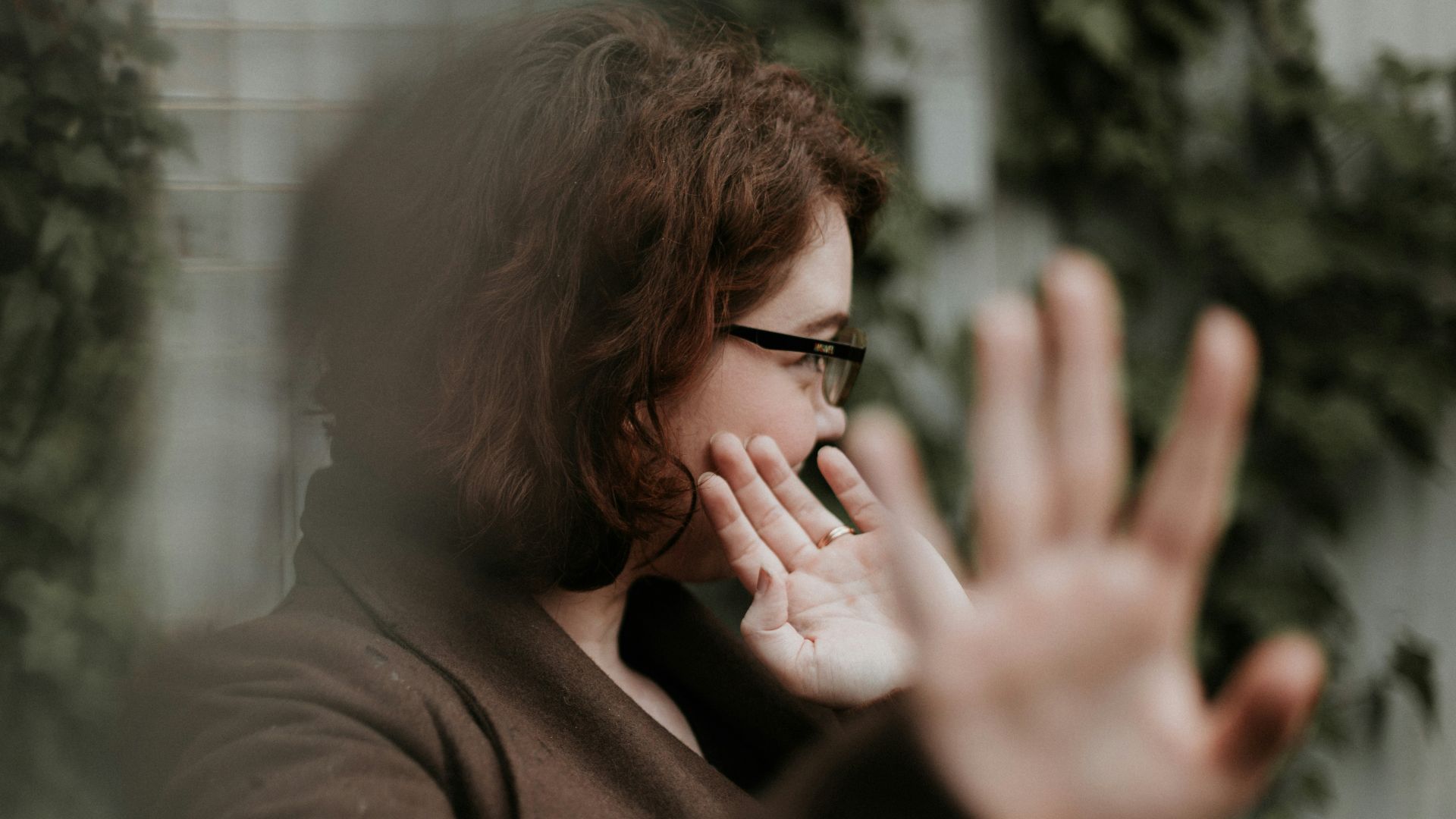
As mentioned before, many people avoid eye contact when they're being dishonest. If you believe that you're being caught, you may avoid someone's eyes. In movies, when someone is caught, they won't look you in the eyes. People may try to avoid eye contact when lying.
 Priscilla Du Preez 🇨🇦 on Unsplash
6. You Stare a Little Too Intently
Not every person who lies avoids eye contact; some people do the opposite because they believe looking away will make them seem suspicious. They may hold your gaze for longer than feels natural, watching for signs that you've accepted their explanation. This can come across as unusually intense, particularly if they don't normally maintain eye contact for that long.

7. You Swallow More Frequently
When you're nervous, you'll probably get a dry mouth. Your body may start making you swallow more than you realize. This could make your mouth feel dry, as though you're dehydrated. You may continue to swallow to make the feeling go away. Some people may also start drinking water more often than they usually would.

8. You Sweat More Than Usual
Sweaty palms, damp foreheads, and unexpected perspiration can appear when you're anxious about being questioned. Your sympathetic nervous system helps prepare your body to respond to perceived threats, and sweating is one part of that response. If someone starts sweating heavily while discussing a seemingly ordinary event, you might wonder whether the topic makes them uncomfortable.

9. Your Breathing Becomes Faster or Shallower
Trying to manage a stressful conversation can affect your breathing without you consciously realizing it. You might start taking quicker breaths, pausing awkwardly between sentences, or letting out an unusually long exhale after answering a difficult question. These changes can accompany anxiety because your body is responding to a situation it perceives as threatening.

10. You Keep Adjusting Your Clothes
Straightening your sleeves, tugging at your collar, or repeatedly adjusting your shirt can become a way to manage discomfort during a tense exchange. Some people engage in these small movements when they feel restless and need something to do with their hands. If the behavior begins as soon as a sensitive subject comes up, it may indicate that the conversation has made them uneasy.

11. You Shift Your Weight Repeatedly
You'll notice that when someone is uncomfortable, they start to shift their weight. They may sit down differently or shift from foot to foot. When they know they're doing something wrong, they may want to get out of that situation. They may start moving around when you ask them about something they may have taken.

12. Your Smile Doesn't Match the Rest of Your Face
You may start smiling when someone is asking you a question. You're smiling to show that you're chill and comfortable. When someone notices that you're doing this, they may think that you're being untruthful. You could be smiling, but there may be something else showing on your face.

13. You Press Your Lips Together
When someone knows that they're doing something wrong, they may press their lips together to appear as though they're being truthful. They may also press their lips together when they're thinking hard about a question. If you catch yourself doing this, you may be thinking about your next words.

14. You Make More Hand Gestures Than Usual
Some people become unusually animated when they want to make their explanation sound convincing. They might gesture emphatically, spread their hands to appear open, or repeatedly point to details they want you to believe. Others become noticeably still because they're concentrating on keeping their movements under control.

15. You Repeat Yourself Without Being Asked
When you're worried that your explanation hasn't convinced someone, you might repeat the same detail several times to reinforce your point. A person could insist that they were home all evening, for example, even after the question has moved on to something else. Repetition may reflect an attempt to persuade, but it can also happen when someone is frustrated, misunderstood, or simply eager to make themselves clear.

16. You Clear Your Throat More Often
When you know that you're caught, you may start to clear your throat. You may swallow or even drink some water. If you catch someone doing this, they may be hiding something from you. It's one of those things that people may do when they feel guilty.

17. Your Face Flushes Unexpectedly
Some people start to get red in the face when they're caught doing something. It's almost as if they're trying to prove that they're being honest. You may notice this if someone turns red after you ask them a question.

18. You Give an Unusually Detailed Explanation
A person who's worried about being believed may offer far more information than the question requires. Instead of simply explaining where they went, they might describe the route, the weather, the exact time they arrived, and several unrelated events that supposedly happened along the way. This can reflect an attempt to make a story sound credible, although some people naturally give detailed answers or enjoy explaining themselves.

19. You Become Defensive Very Quickly
When someone feels that their honesty is being challenged, they may tense up, raise their voice, cross their arms, or respond with irritation. A person who's hiding something might react defensively because they want the questioning to stop, but an innocent person may also become upset when they feel mistrusted. The timing and intensity of the reaction can tell you that the conversation has become emotionally charged.

20. Your Behavior Changes When You Think You're Being Watched
Look for body language that your person may not normally display. Some people will act very differently when you're talking to them. If someone knows they're getting caught, they may not seem as friendly. You can look for changes in body language, but remember that these signs alone can't tell you whether someone is being truthful.
KEEP ON READING