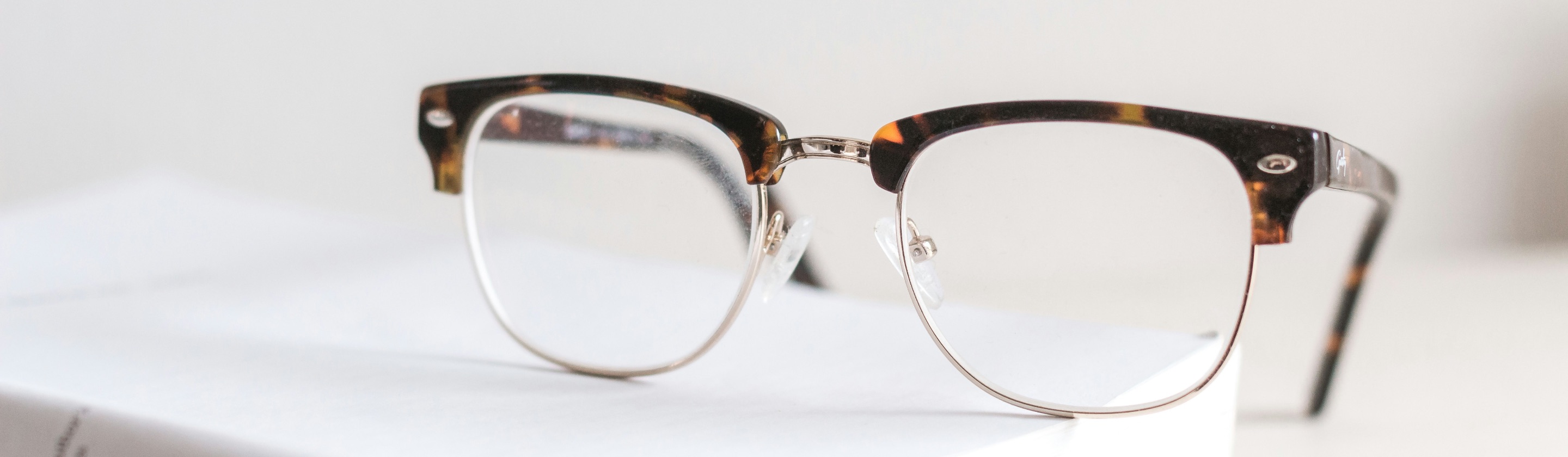
Proper Glasses Care 101
Here's a question for all glasses wearers: how often do you clean your frames? When you do, are you using your shirt to wipe off smudges, or are you using a microfiber cloth? How often do you wash your glasses? How often do you take them off with one hand? Yup, despite what you might think, you're probably not taking as good care of your frames as you think. After all, glasses are one of those everyday items that tend to get taken for granted, especially when you've worn them for years. Whether you're someone who's noticing more scratches than usual or just curious about how to up your glasses-caring game, here's a look at what you're probably doing wrong—and what to do instead.

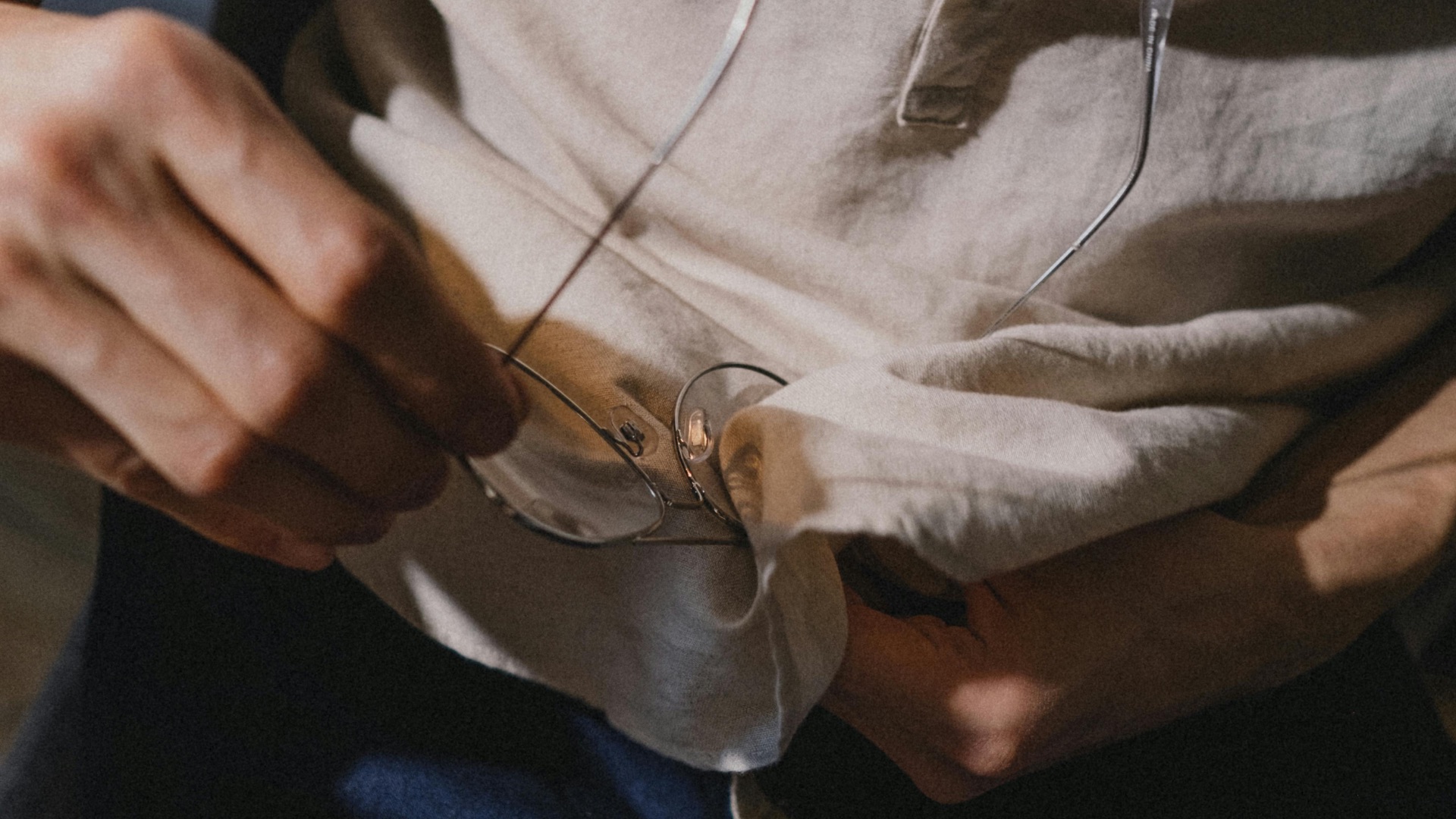
1. Cleaning Your Lenses with Your Shirt
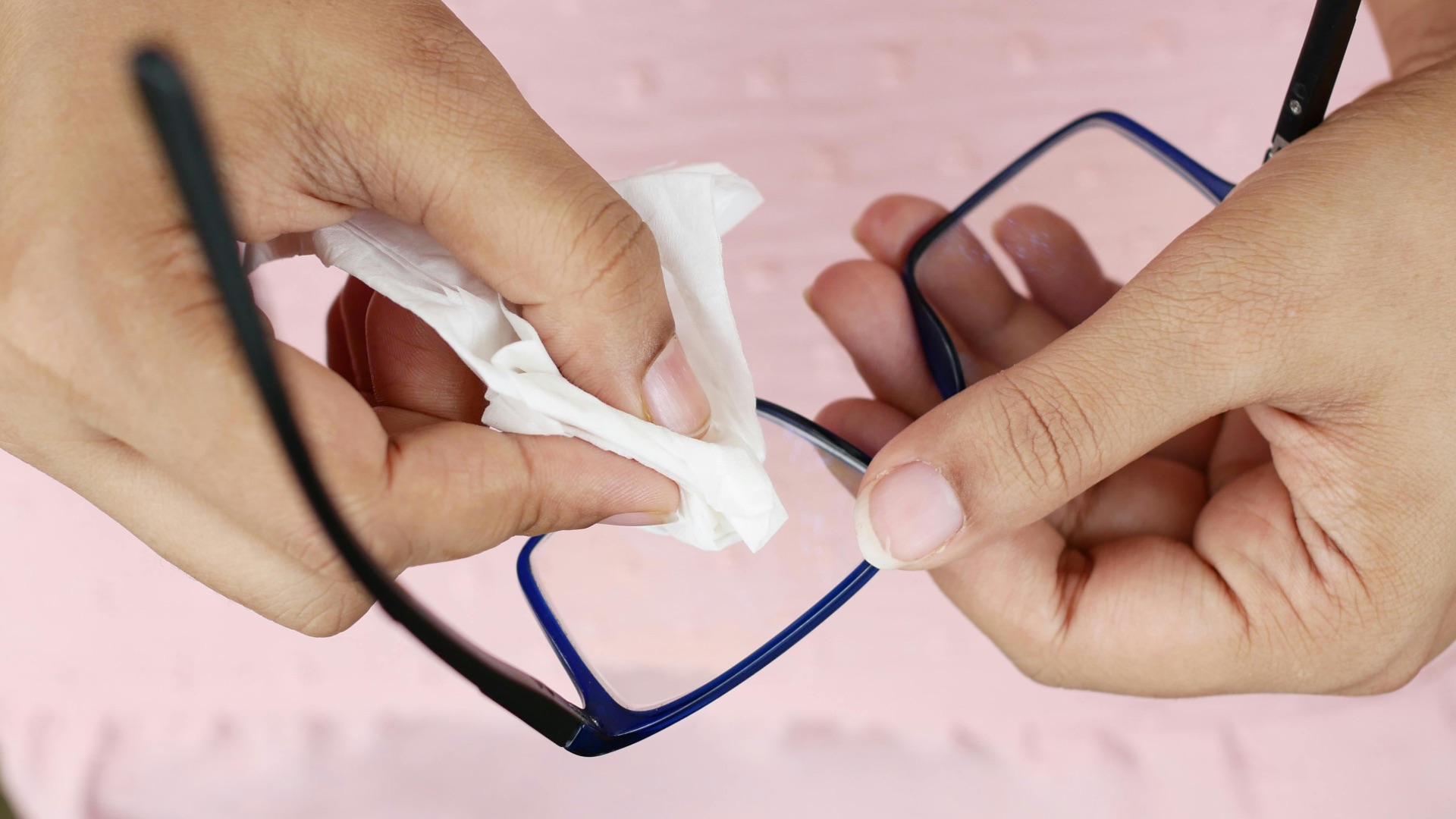
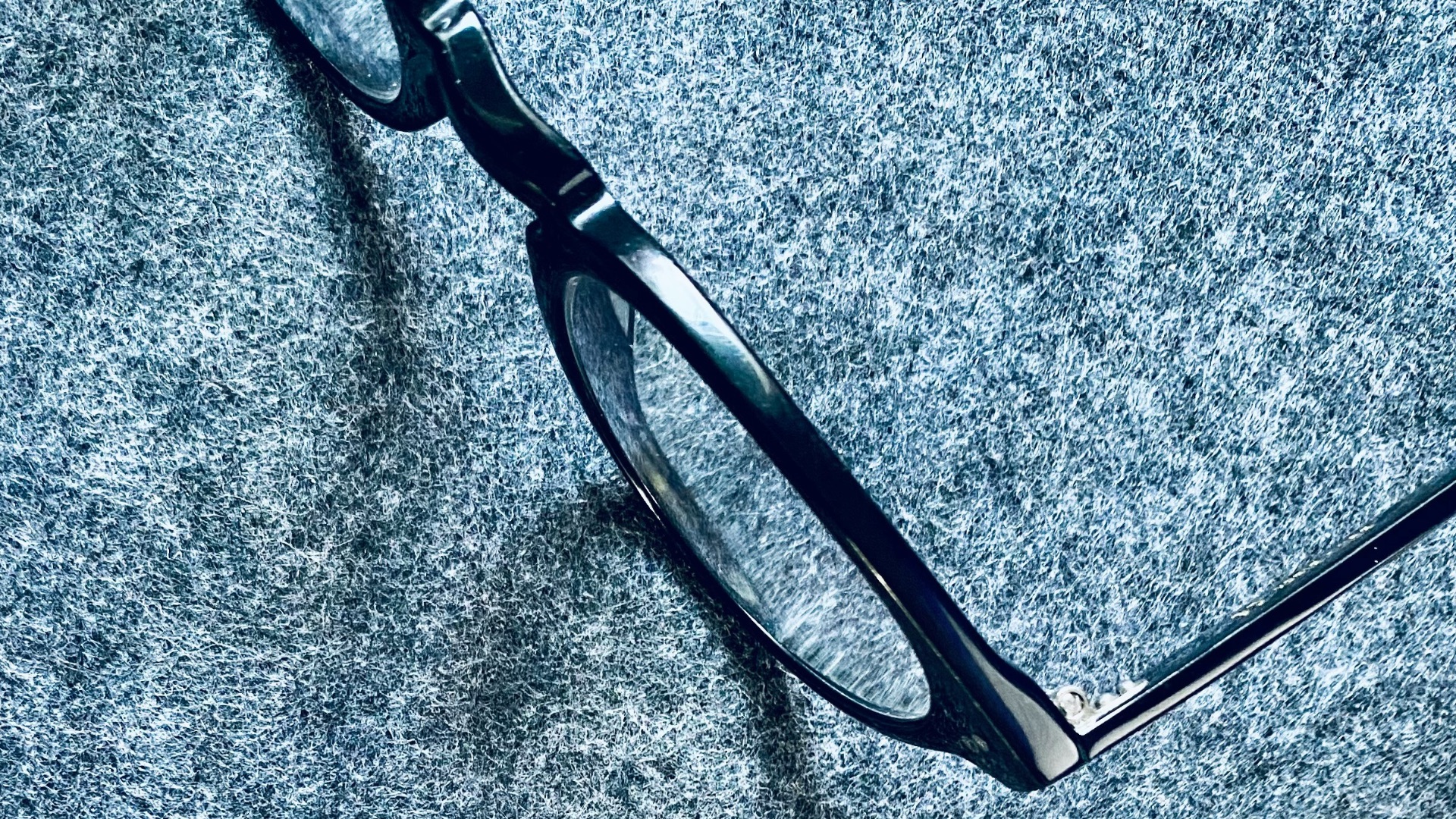
It's tempting to grab the nearest piece of fabric when your lenses get smudged, but your shirt is one of the worst things you can use on them. Most clothing fabrics are abrasive at a microscopic level, meaning they leave tiny scratches across your lenses every time you wipe. Over time, those scratches accumulate and affect both the clarity of your vision and the integrity of any coatings on your lenses.
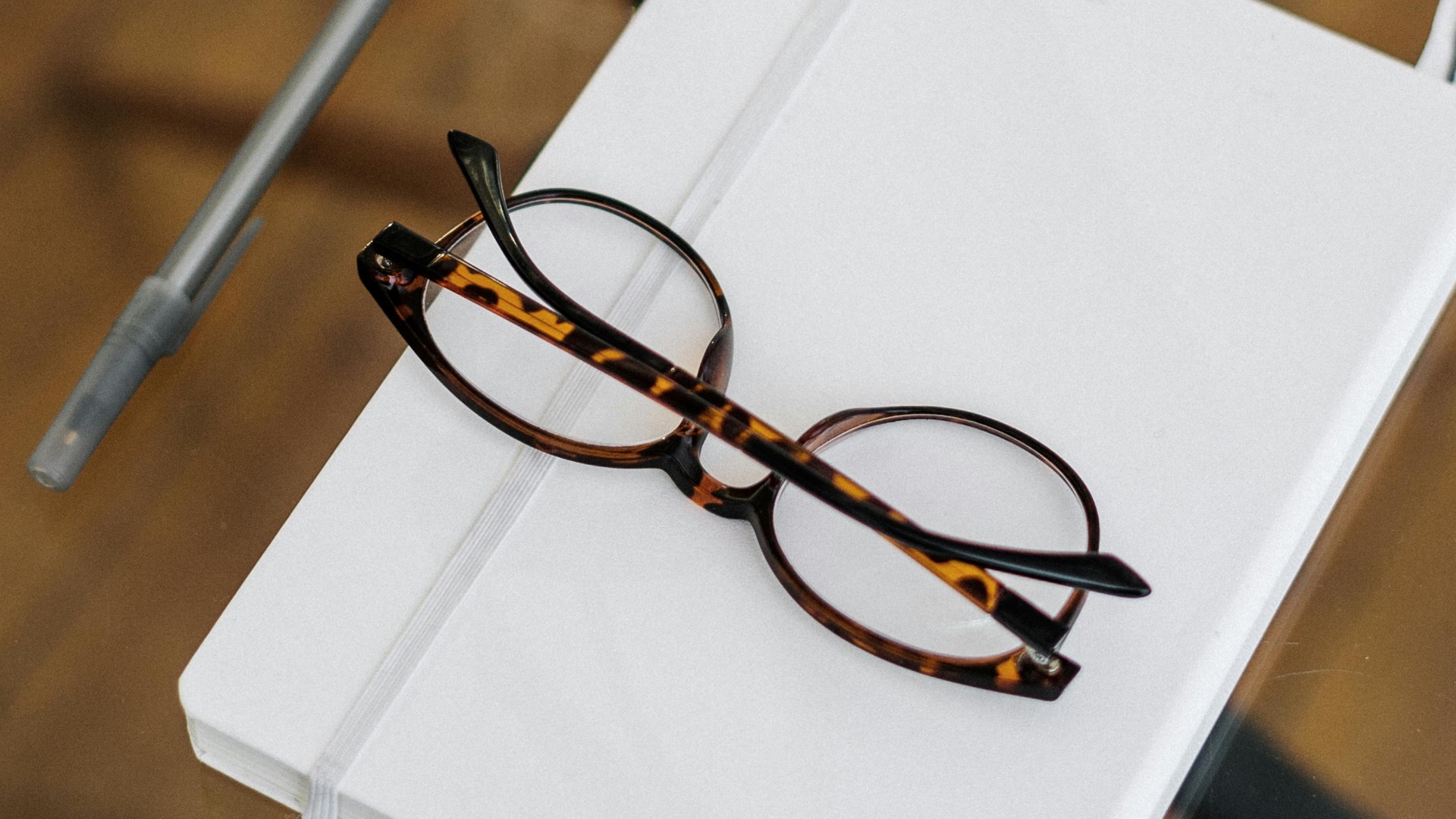
2. Placing Your Glasses Face-Down
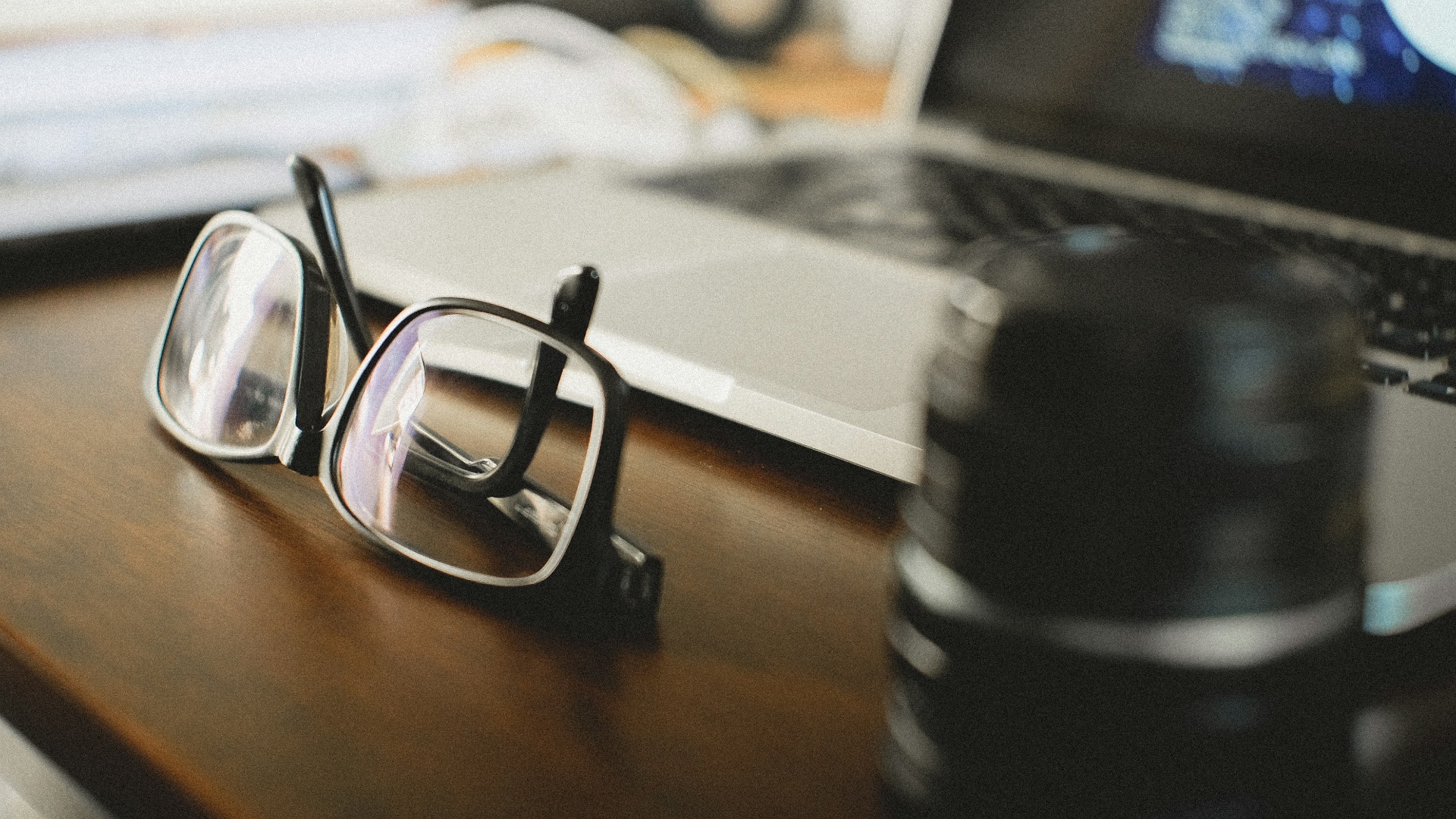
Setting your frames lens-side down is a habit that seems minor until you notice the damage it's caused. Any surface, even one that looks clean and smooth, can scratch uncoated or lightly coated lenses. The temples are there for a reason, so rest your glasses on those instead, or better yet, put them in a case.
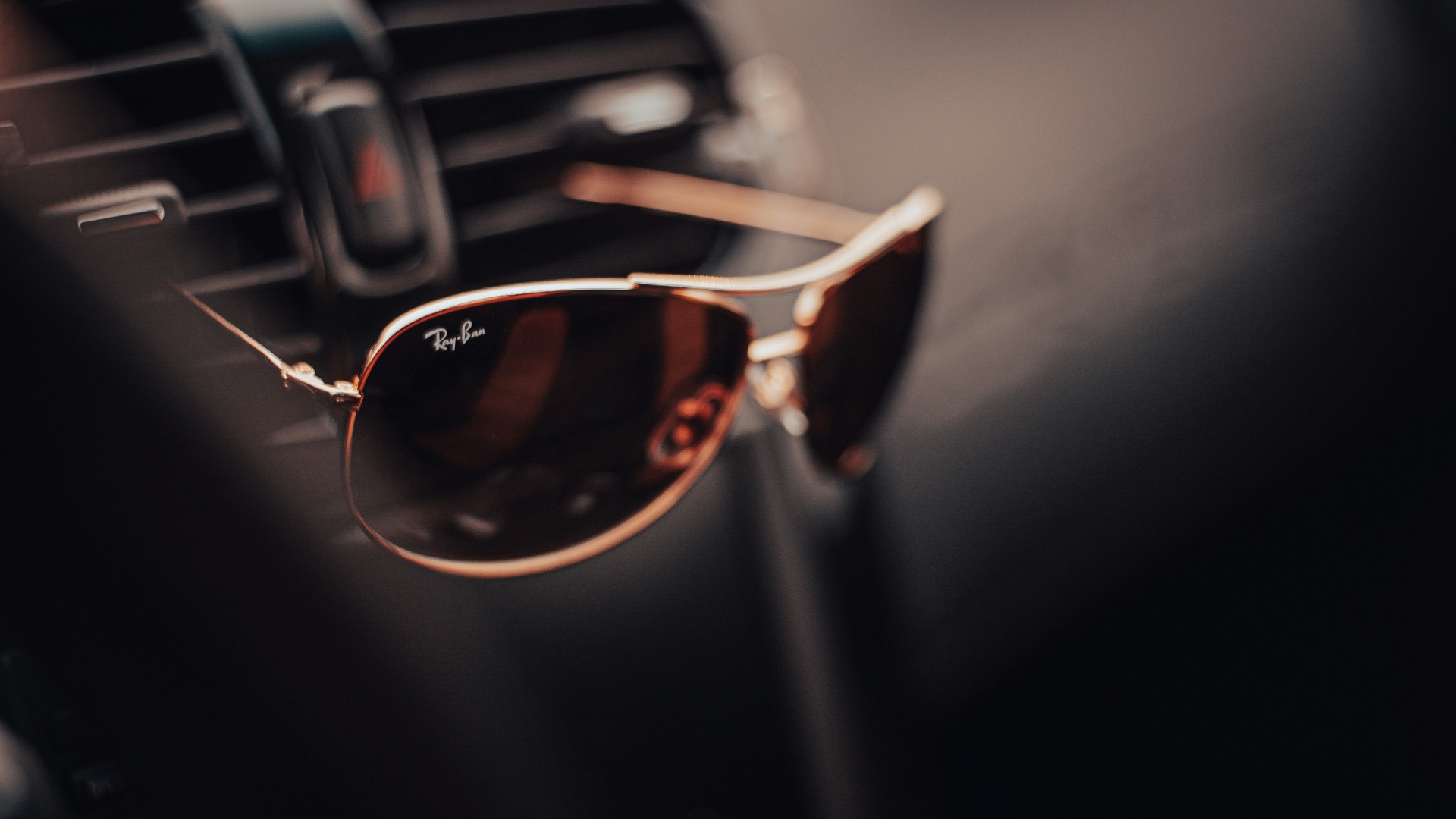
3. Leaving Them in a Hot Car
A parked car in warm weather can reach temperatures that do unrepairable damage to your frames and lenses. Prolonged heat exposure can warp plastic frames, loosen screws, and degrade lens coatings like anti-reflective or UV treatments. If you're stepping out somewhere, take your glasses with you or keep them in an insulated case.
4. Using Household Cleaners on Your Lenses
Spraying window cleaner or rubbing alcohol onto your lenses might seem like a thorough approach, but most household cleaning products contain chemicals that strip protective coatings right off. This is especially damaging if your lenses have an anti-reflective, hydrophobic, or blue-light filtering coat. Stick to cleaners that are specifically formulated for eyewear, because the wrong solution can do permanent damage in a single use.
5. Wearing Them on Top of Your Head
Pushing your glasses up onto your head is convenient, but it's one of the fastest ways to stretch out the frames. The temples are designed to fit snugly around your ears, not to be spread wider by the circumference of your skull. Repeated stretching causes them to sit crookedly on your face, which throws off your optical alignment and often requires a trip to the optician to fix.

6. Only Using One Hand to Remove Them
Pulling your glasses off with one hand puts uneven stress on the frame, particularly at the nose bridge and the hinge on the opposite side. It might feel like a small thing, but consistently doing it loosens the frame over time and can eventually cause the hinge to fail entirely. Using both hands to remove your glasses takes an extra second, but keeps the frame properly aligned for much longer.

7. Skipping the Case When You're Not Wearing Them
A lot of people set their glasses down on the nearest table or nightstand when they don't need them, which is a reliable way to end up sitting or stepping on them. Without a case, your glasses are vulnerable to being knocked off surfaces, buried under other items, or exposed to dust and debris. Keeping a hard-shell case nearby makes it much easier to build the habit of storing them properly.
8. Ignoring Loose Screws
The tiny screws at the hinges of your frames work themselves loose with regular use, and most people don't notice until a temple is hanging by a thread. A loose screw throws off the balance of your glasses and puts extra stress on the surrounding frame material. Most opticians will tighten them for free, and it only takes a minute, so there's no reason to put it off.
9. Rinsing Them with Hot Water
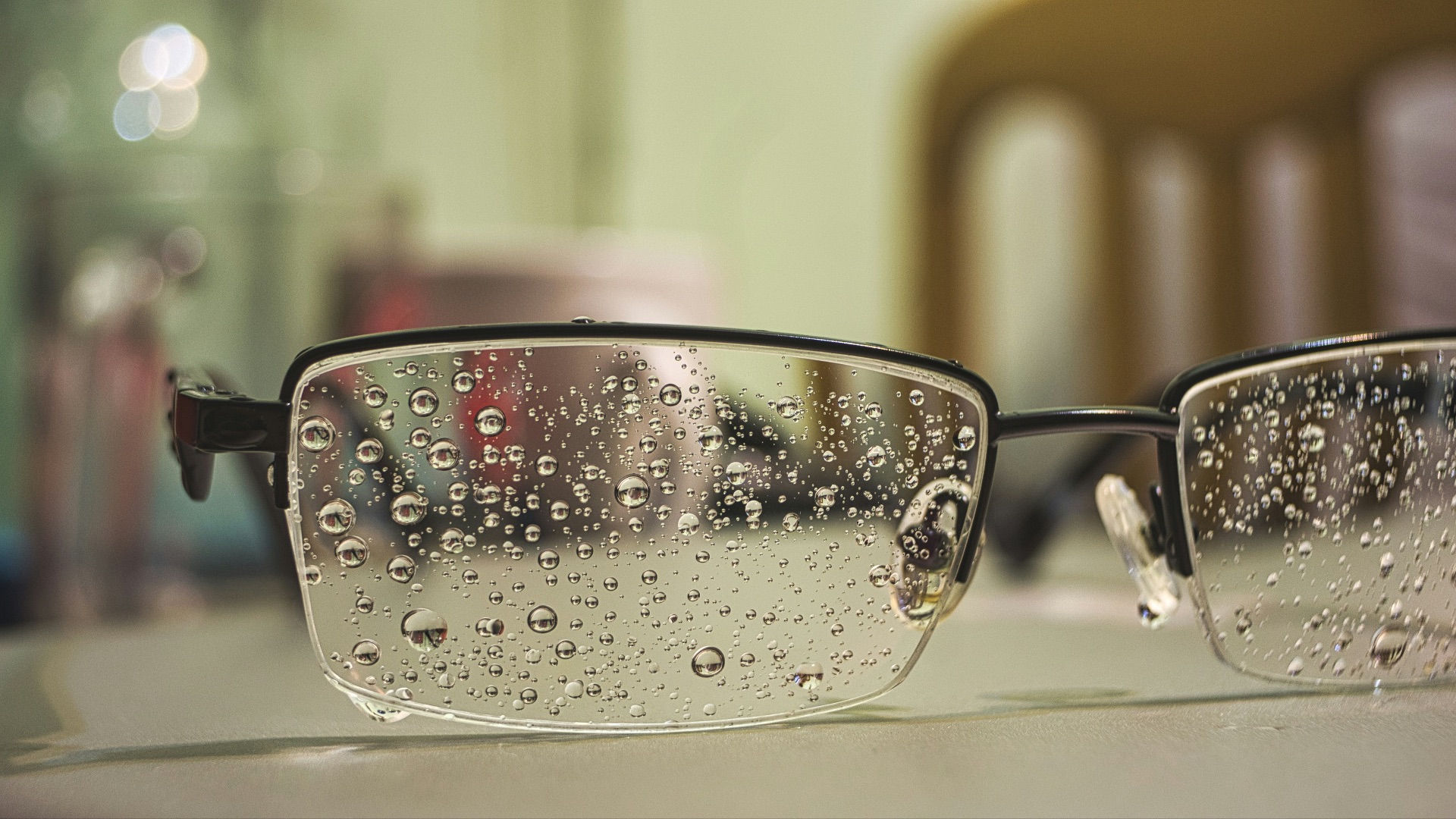
When lenses get grimy, it's natural to want to rinse them under hot tap water before wiping them down, but the heat can damage lens coatings over time just as surely as a hot car can. Lukewarm or cool water is much safer and still effective at loosening oils and debris before you clean. The temperature of the water matters more than most people realize, especially for lenses with specialized coatings.
10. Forgetting to Get Them Adjusted Regularly
Even if nothing feels dramatically off, frames shift gradually through daily use and don't always stay in the position your optician set them in. Glasses that sit slightly crooked or too low on your nose affect how your vision is corrected, since you're no longer looking through the optical center of the lens. A quick adjustment every few months keeps everything where it should be without costing you anything extra.
Most of these mistakes are easy to make because they feel so inconsequential in the moment. The good news is that fixing them is just as easy once you know what to look for. Here are ten habits worth building if you want your glasses to stay in good shape for the long haul.

1. Use a Microfiber Cloth for Every Clean
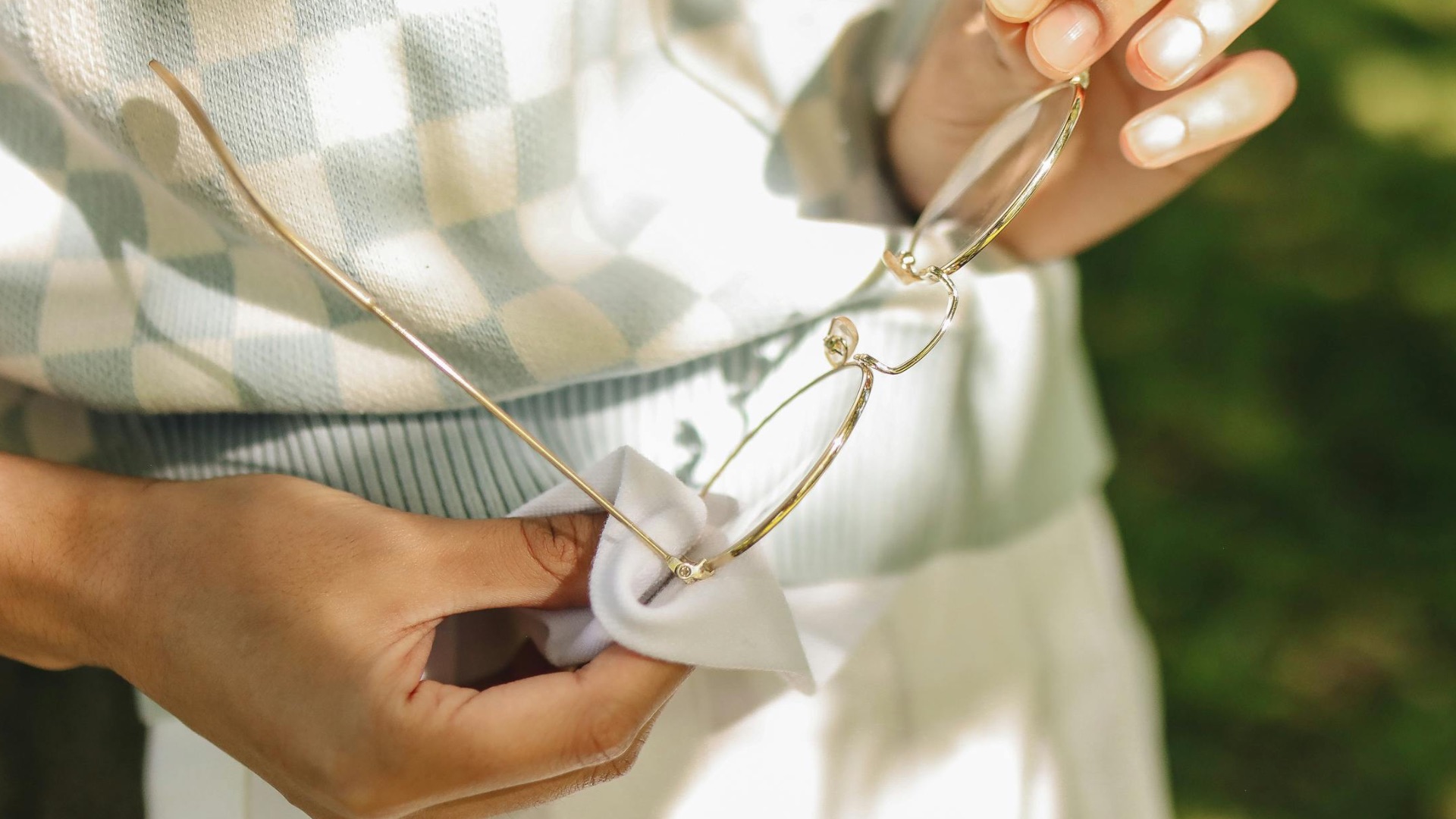
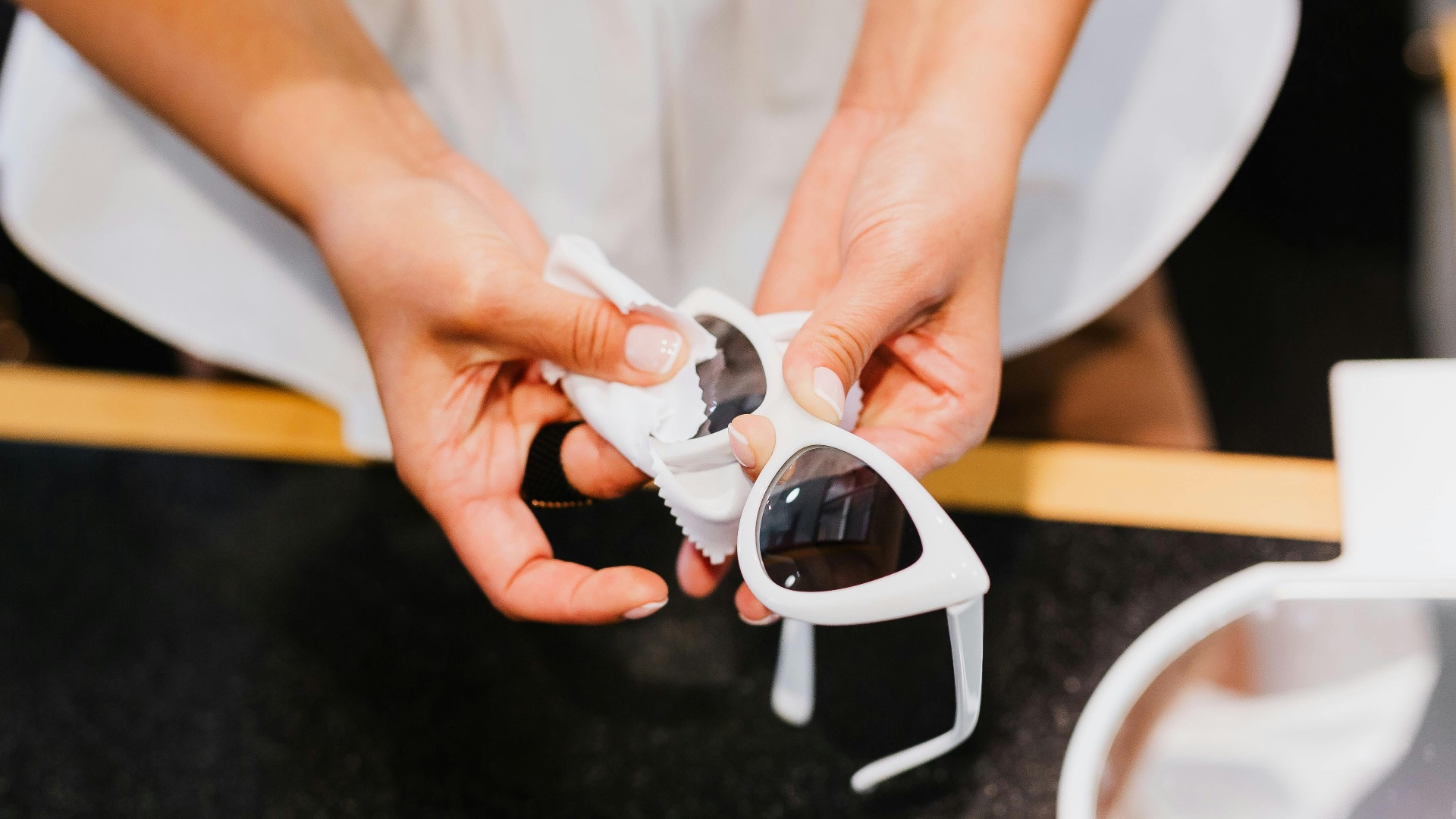
A proper microfiber cloth is the only fabric you should be using to wipe your lenses, and it's worth keeping one within reach at all times. The material is designed to lift oils and dust without scratching, which is what makes it so much safer than anything else you might grab in a pinch. Most glasses come with one when you buy them, and replacements are inexpensive enough that there's no excuse not to have a few on hand.
2. Rinse Before You Wipe
Before you ever touch your lenses with a cloth, rinse them under lukewarm water to remove any grit or particles sitting on the surface. Wiping a dry, dusty lens without rinsing first drags those particles across the surface and causes scratches that could have been easily avoided. This one extra step takes seconds and makes a real difference in how long your lenses stay clear.
3. Invest in a Hard-Shell Case
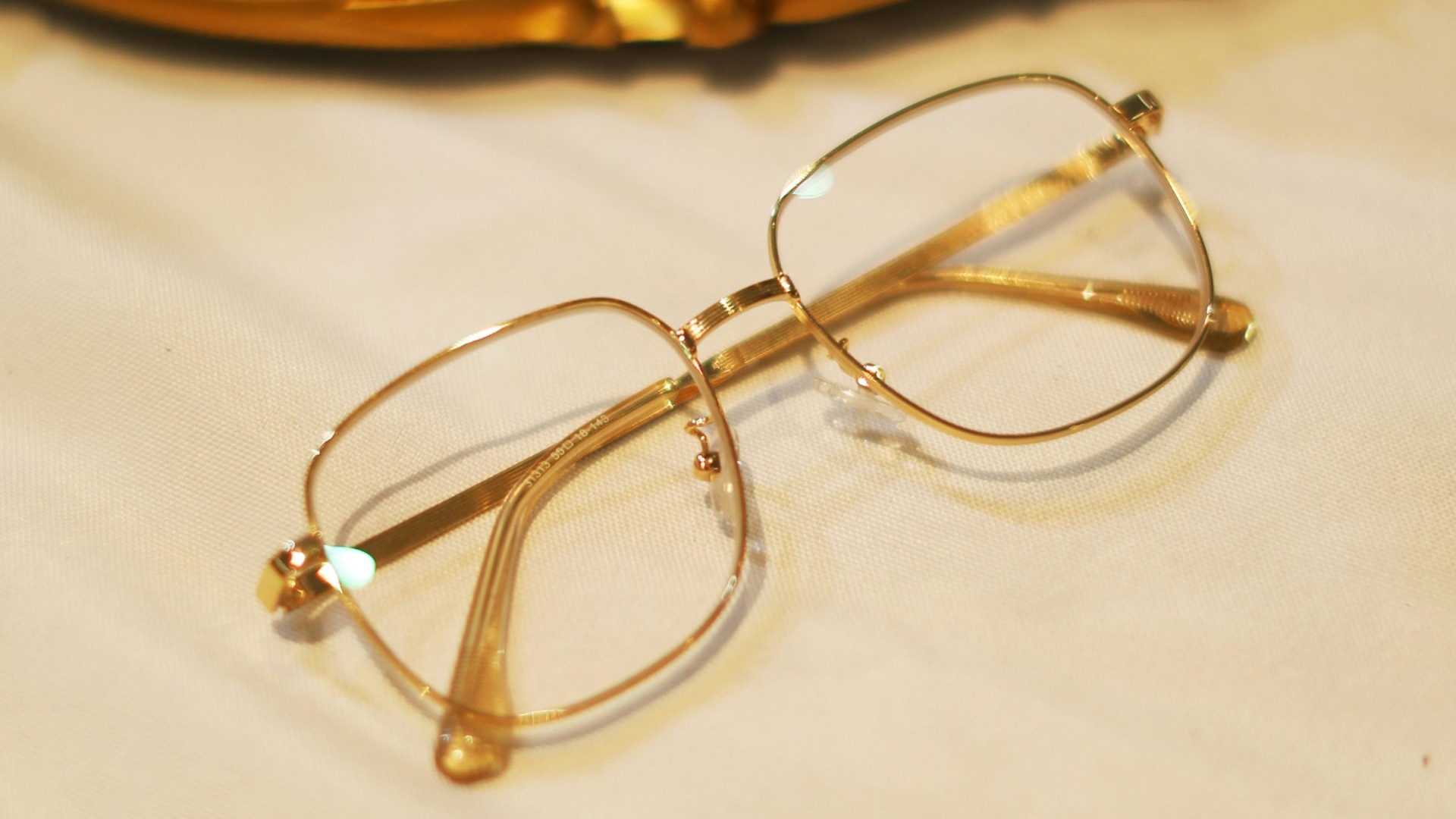
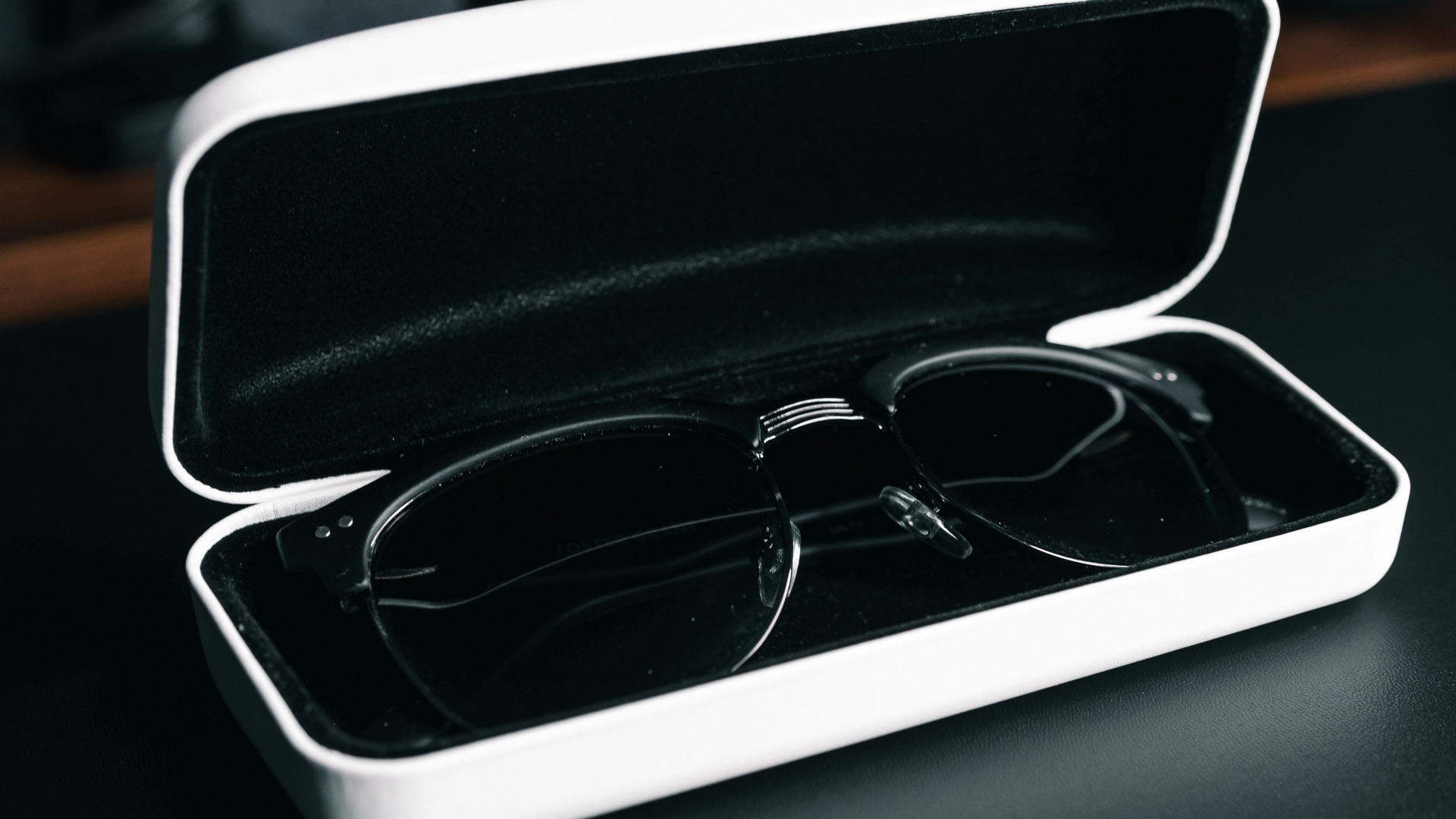
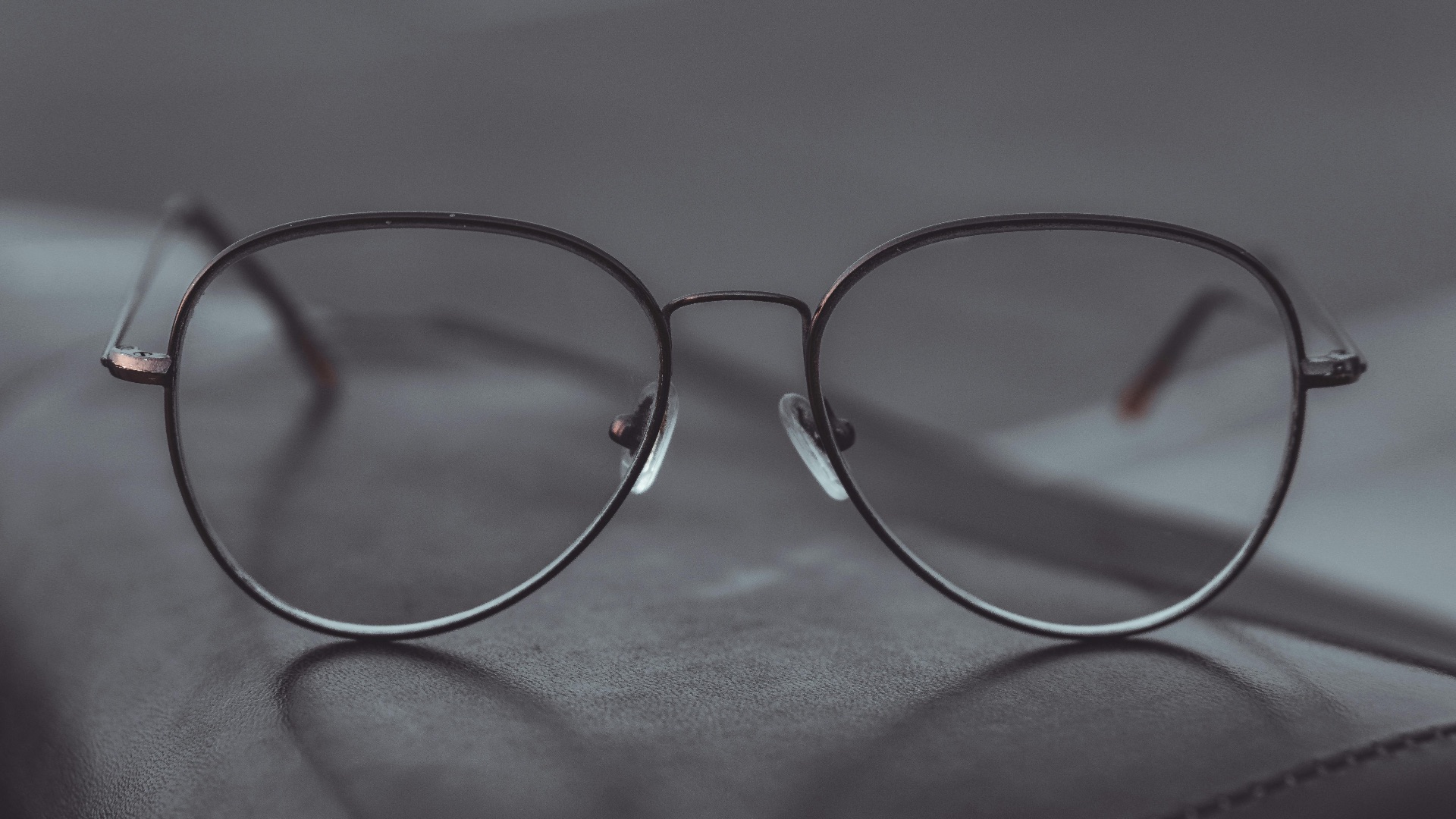
A good hard-shell case is one of the most practical investments you can make for the longevity of your glasses. Soft pouches offer minimal protection against anything more than light dust, while a hard case keeps your frames safe from being crushed, bent, or scratched when they're in a bag. It's worth having more than one so you're never without a safe place to put them down.
4. Store Them Away from Heat Sources
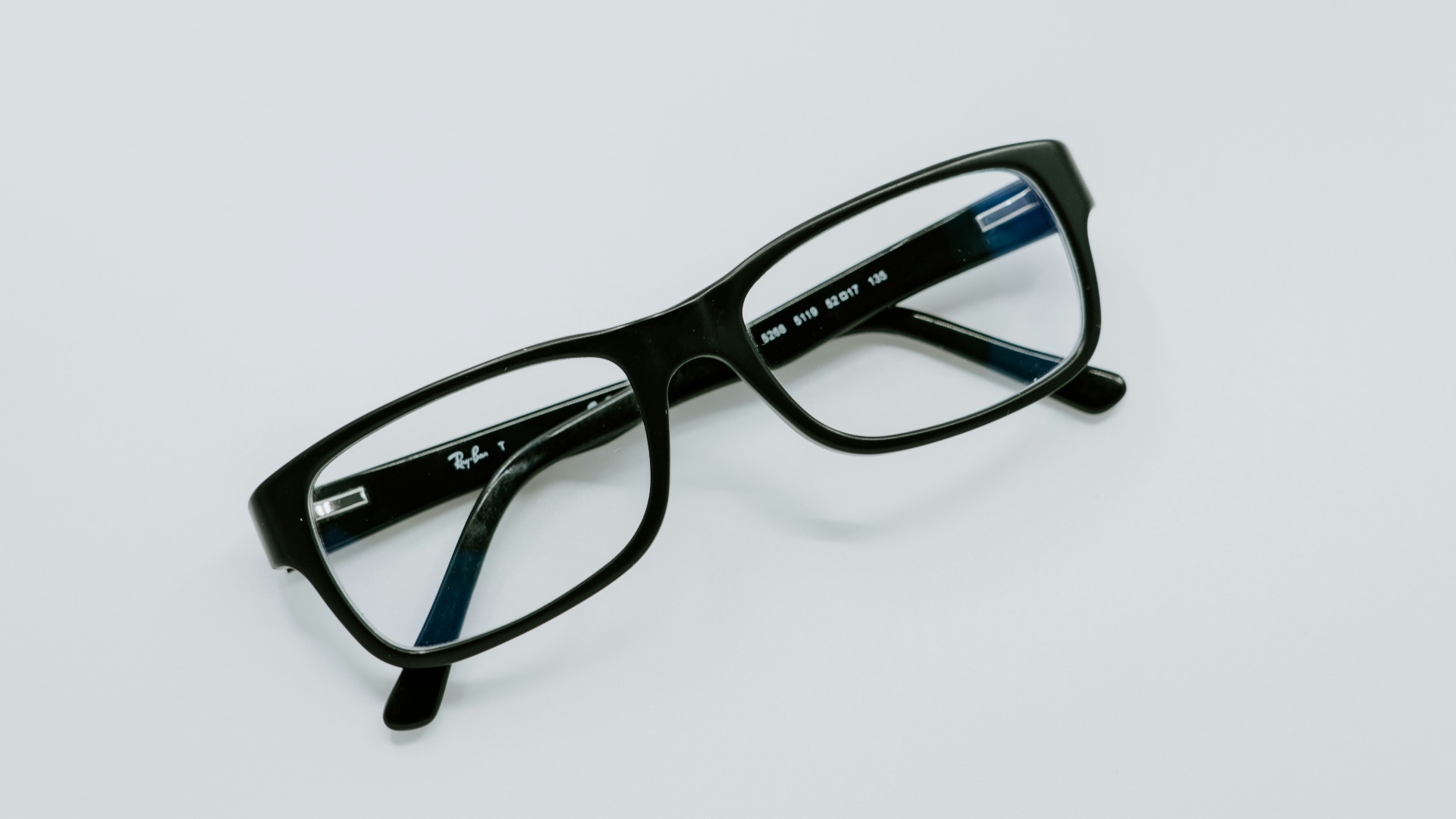
Choosing where you leave your glasses when you're not wearing them is worth thinking about more carefully than most people do. Avoid leaving them near windows that get direct afternoon sun, on radiators, or anywhere close to heat-generating appliances. Consistent exposure to warmth, even below what you'd consider hot, degrades lens coatings and can slowly warp the frame over time.
5. Clean Them Daily
Building a daily cleaning routine keeps smudges and oils from building up into stubborn residue that's harder to remove later. A quick rinse and a gentle wipe with your microfiber cloth each morning or evening takes under a minute and keeps your vision consistently clear. Lenses that are cleaned regularly also tend to last longer because you're not having to use more pressure to scrub away built-up grime.

6. Get Adjustments on a Regular Schedule
Rather than waiting until something feels obviously wrong, make a habit of stopping by your optician every few months for a quick check. Most optical shops will adjust your frames for free as a courtesy, and it keeps everything fitting exactly as it should. Consistent adjustments also reduce the kind of stress on the hinges and nose pads that leads to bigger problems down the line.
7. Handle Them with Both Hands
Making it second nature to always use both hands when you're putting on or taking off your glasses goes a long way toward keeping the frame symmetrical and the hinges intact. It's especially important to teach this habit early if you're getting glasses for the first time, since it's much easier to maintain than it is to break. Your optician will thank you for it when they see how well your frames have held up.

8. Use Lens-Safe Cleaning Spray
For days when a rinse and a microfiber cloth aren't cutting through the smudges, a lens-safe spray cleaner is the right tool for the job. These sprays are pH-balanced and formulated specifically to clean optical lenses without affecting any of the coatings on them. A small bottle is easy to carry in a bag or keep in a desk drawer, so you always have it available when you need a more thorough clean.
9. Replace Nose Pads When They Wear Out
Nose pads are a small component that most people completely overlook, but they play a significant role in how your glasses sit on your face and how comfortable they are to wear all day. Over time, they discolor, harden, or wear down unevenly, which affects the fit and can even irritate the skin on your nose bridge. An optician can replace them in just a few minutes, and the difference in comfort and fit is noticeable right away.

10. Schedule Regular Eye Exams
Keeping your prescription current is just as important to the performance of your glasses as how well you maintain the frames. Even if your vision feels the same as it did a year ago, subtle changes in your prescription can lead to eye strain and headaches that you might not immediately connect to your glasses. Most optometrists recommend an exam once a year, and staying on schedule ensures that what you're looking through is actually working for you.
KEEP ON READING

20 Anti-Inflammatory Snacks for Aching Joints