

20 Weird Things Your Body Does When You're Extremely Tired
Your Body Has Some Strange Ways of Telling You It Needs Rest
Everyone knows that being tired can leave you yawning, struggling to concentrate, and desperately wishing you could crawl back into bed. However, extreme exhaustion can also trigger some surprisingly strange physical reactions that you might not immediately associate with a lack of sleep. From involuntary muscle movements to unusual changes in your senses, your body responds in all kinds of ways when it hasn't had enough rest. Here are 20 weird things that can happen when you're seriously sleep-deprived, including a few that might explain some of your more questionable late-night behavior.
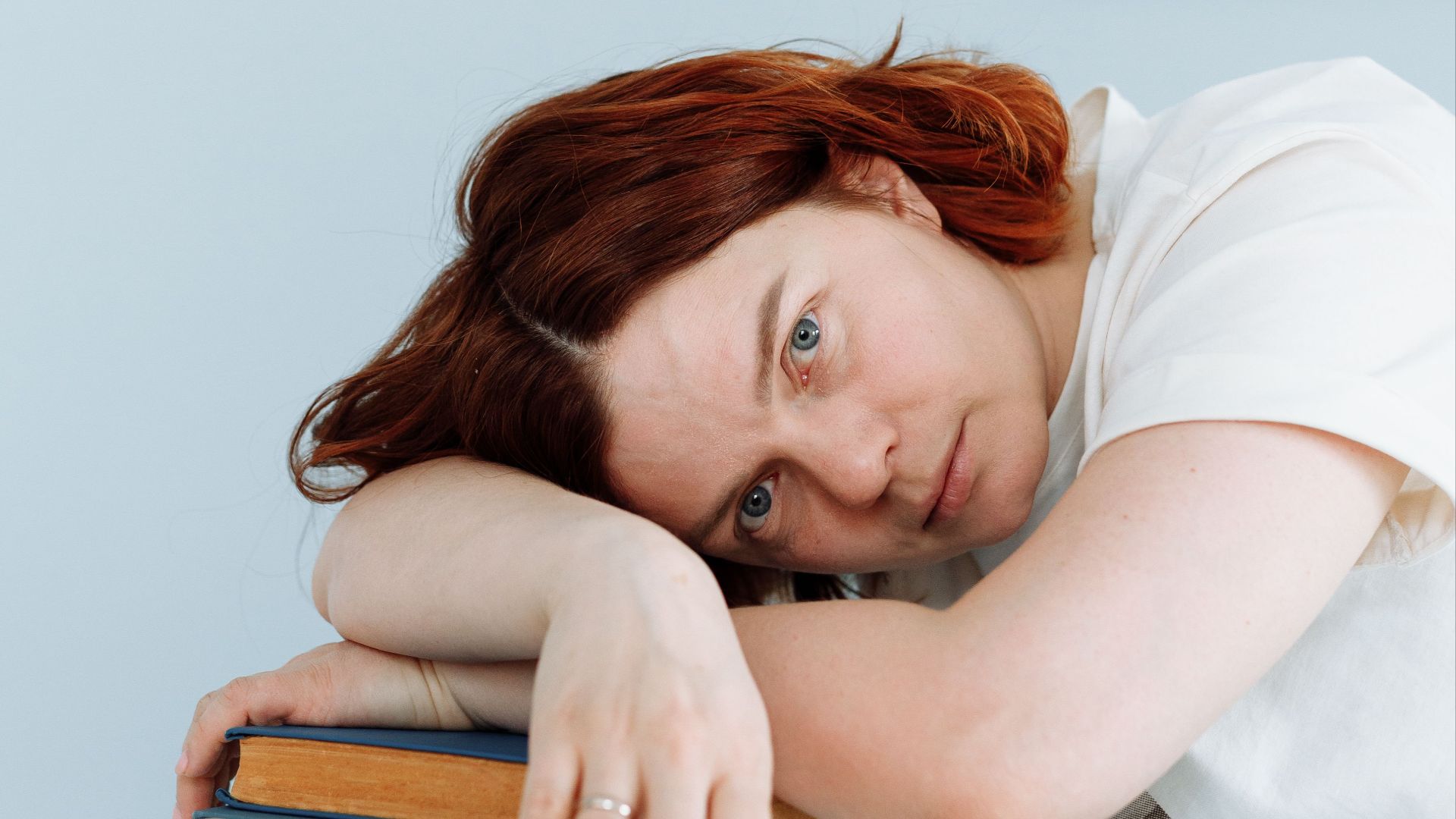
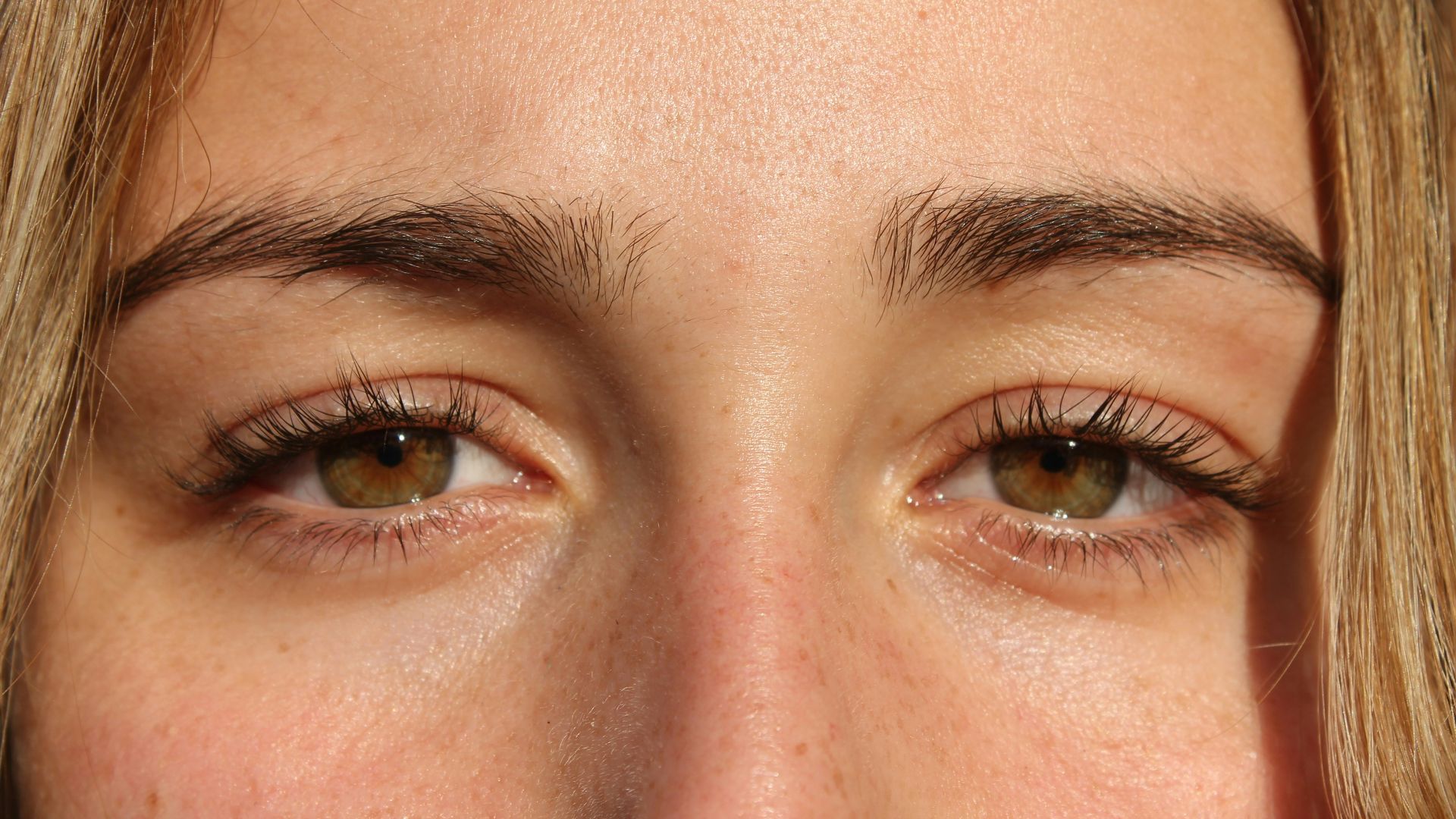
1. Your Eyes Start Twitching
Have you ever noticed your eyelid randomly fluttering after a particularly exhausting day? This annoying little movement, known as eyelid myokymia, can be triggered by fatigue, stress, and excessive caffeine consumption. Although it's usually harmless and disappears on its own, the twitching can continue intermittently for several days, especially if you're still not getting enough sleep.
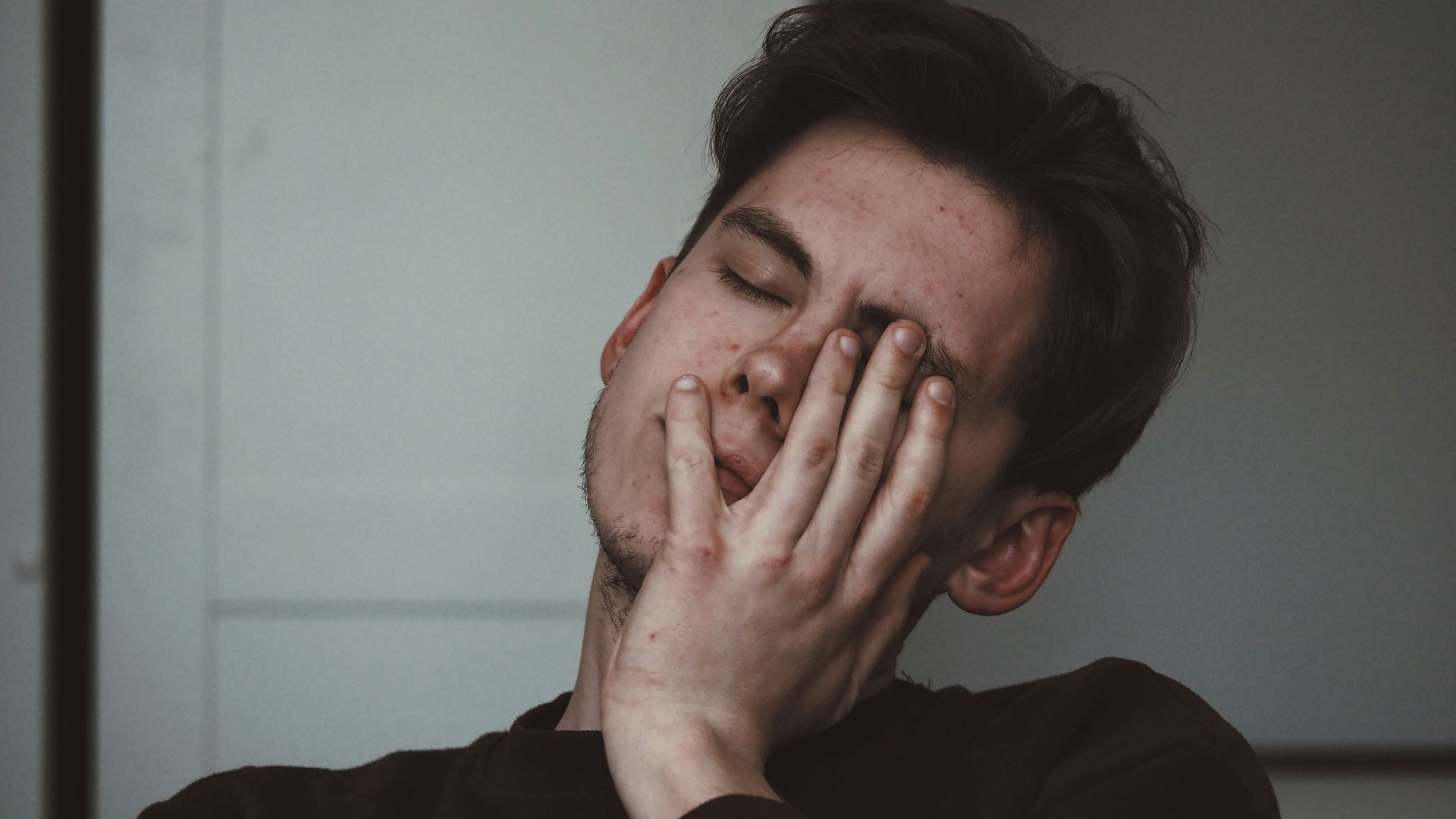
2. You Experience Microsleeps Without Realizing It
When you're severely sleep-deprived, your brain can briefly slip into sleep for a few seconds, even while you're technically trying to stay awake. These episodes, called microsleeps, can happen without you noticing, leaving you momentarily unaware of what's happening around you. They're particularly dangerous when driving or operating machinery because you can lose awareness without having enough warning to react.
3. You Suddenly Feel Much Hungrier
A terrible night's sleep can leave you constantly reaching for snacks, even when you've eaten plenty throughout the day. Sleep deprivation can affect hormones responsible for regulating appetite, including ghrelin and leptin, potentially making you feel much hungrier than normal. Your brain may also become more responsive to tempting, high-calorie foods, which helps explain why a bowl of vegetables rarely sounds appealing at midnight.

4. Your Body Temperature Regulation Gets Confused
Feeling unusually cold after staying awake all night isn't necessarily your imagination. A lack of sleep can interfere with your body's ability to regulate temperature, while your natural circadian rhythm also causes your core temperature to change throughout the day. Consequently, you might find yourself reaching for a sweater even though everyone else in the room seems perfectly comfortable.

5. Your Muscles Suddenly Jerk
Sometimes, just as you're about to fall asleep, your entire body suddenly jolts for no obvious reason. These movements, known as hypnic jerks, are involuntary muscle contractions that happen during the transition from wakefulness to sleep. While anyone can experience them, fatigue, stress, and caffeine may make them more frequent, occasionally startling you awake just when you were finally getting comfortable.

6. Your Pain Tolerance Drops
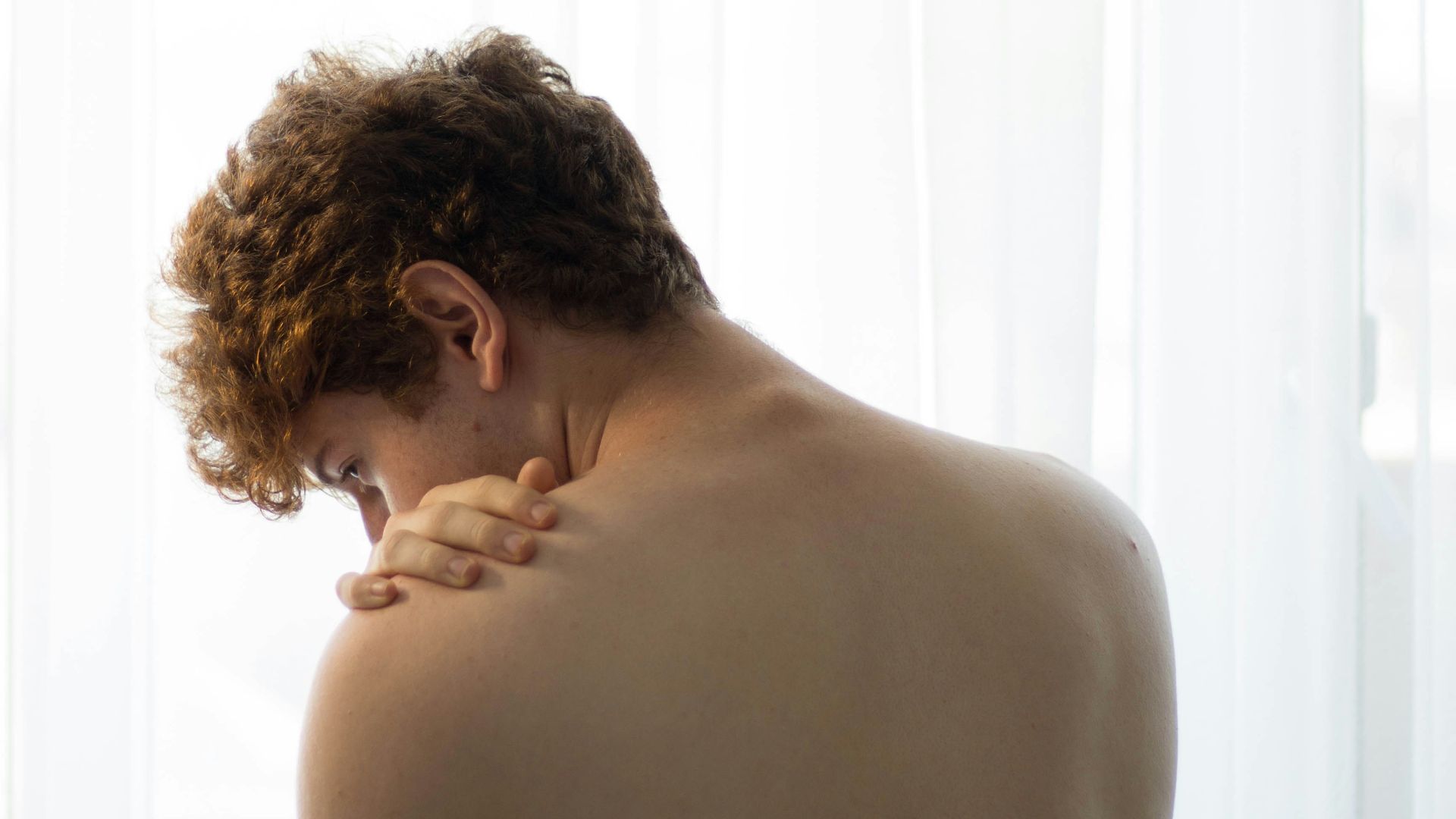
That minor headache or sore shoulder might suddenly feel much worse after a night of terrible sleep. Research suggests that insufficient rest can increase your sensitivity to pain and interfere with the body's natural pain-regulating processes. In other words, everyday aches and discomforts that you'd normally brush off can become considerably harder to ignore when you're exhausted.
7. Your Eyes Have Trouble Focusing
Reading the same sentence five times isn't always a concentration problem, especially when your eyesight starts getting involved. Extreme fatigue can make it difficult to maintain steady visual focus, and prolonged wakefulness may occasionally cause temporary double or blurred vision. Your eyes are also more likely to feel dry and irritated, particularly if you've spent hours staring at a screen without giving them a break.
8. Your Speech Starts Sounding Strange
After being awake for an unusually long time, you might catch yourself slurring words, stumbling over familiar phrases, or speaking more slowly than usual. Sleep deprivation can affect the coordination and mental processes needed for clear speech, making even ordinary conversations surprisingly difficult. Sometimes, your voice may also sound flatter or less expressive because exhaustion affects how you control your speech.

9. You Become Surprisingly Clumsy
Walking into furniture or dropping your phone for the third time might have something to do with how little you've been sleeping. Fatigue can interfere with reaction times, attention, and motor coordination, making it harder to move as accurately as you normally would. Even familiar activities, like reaching for a glass or making your way through a crowded room, can become more challenging when your brain hasn't had enough rest.

10. Your Heart Rate Becomes Less Predictable
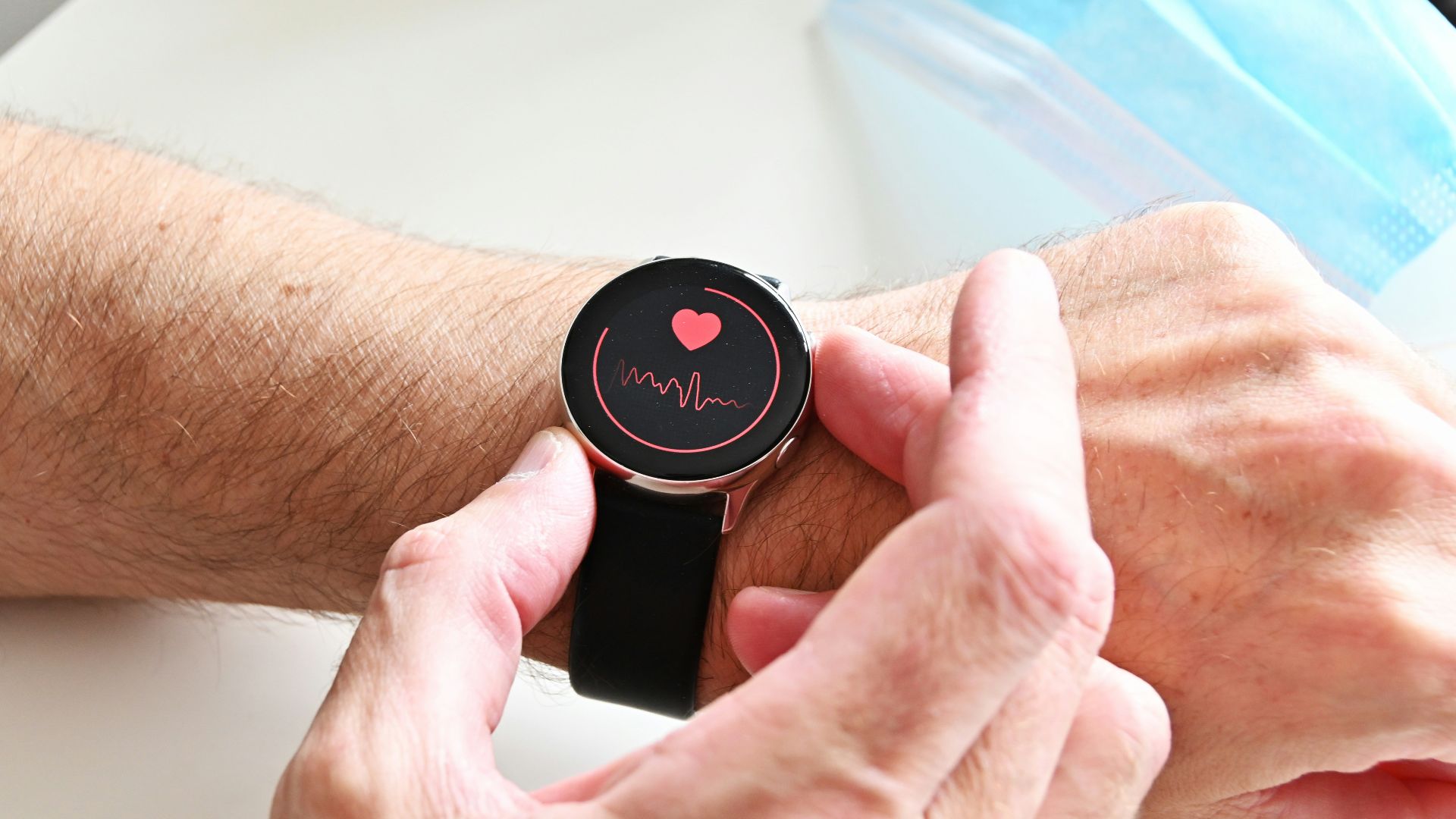
Poor sleep doesn't just affect how awake you feel; it can also influence your cardiovascular system. Sleep deprivation can change the activity of your autonomic nervous system, potentially raising your resting heart rate and affecting normal heart rate variability. You won't necessarily notice these changes, although some people become more aware of their heartbeat when they're exhausted, especially if they've been relying on extra caffeine.
11. You Start Seeing Things That Aren't There
Severe sleep deprivation can eventually cause some unsettling changes in perception, including shadows that appear to move or objects that seem to change shape. After going without sleep for an extended period, some people even experience genuine hallucinations, such as seeing or hearing things that aren't actually there. These symptoms generally occur with substantial sleep loss and shouldn't be brushed off as ordinary tiredness, particularly if they continue after you've rested.

12. Your Immune System Starts Behaving Differently
Skipping sleep can have consequences that go well beyond feeling miserable the following morning. While you're sleeping, your immune system carries out important regulatory processes, and insufficient rest can disrupt inflammatory responses and certain immune functions. Studies have also linked shorter sleep duration to a greater susceptibility to some infections, meaning regularly missing out on rest could leave you more likely to get sick.

13. Your Hands Start Shaking
If you've ever had trouble keeping your hands steady after an exhausting day, fatigue might be part of the problem. Sleep deprivation can make normal physiological tremors more noticeable, especially when combined with stress or too much caffeine. You may first notice the trembling while holding a cup of coffee, using your phone, or trying to complete another task that requires precise hand movements.

14. You Become More Sensitive to Noise
Ordinary background sounds can become incredibly irritating when you haven't been sleeping properly. Fatigue can reduce your ability to filter out unnecessary sensory information, making nearby conversations, traffic, and repetitive noises much harder to ignore. This doesn't necessarily mean your hearing has become more sensitive, but your exhausted brain may have trouble tuning out distractions that wouldn't normally bother you.

15. Your Face Looks Noticeably Different
There's a reason people sometimes notice how exhausted you look before you've even mentioned feeling tired. Research has found that sleep-deprived faces can have droopier eyelids, redder eyes, darker under-eye circles, and paler skin. Some studies have also observed more noticeable fine lines and slightly downward-facing mouth corners, which can make you look considerably less cheerful than you actually feel.
16. You Have Trouble Keeping Your Balance
Standing still might sound easy enough, but your body actually depends on several systems working together to keep you balanced. Sleep deprivation can affect postural control, potentially making you sway more while standing or feel less steady when moving around. You may notice these changes most when walking on uneven ground or doing something that requires particularly careful coordination.

17. Your Stomach Starts Acting Up
A sleepless night can sometimes leave you dealing with nausea, stomach discomfort, or a generally unsettled digestive system. Disrupted sleep can affect communication between your brain and digestive tract, while stress and irregular eating habits may make gastrointestinal symptoms worse. Anyone with an existing digestive condition might also find that their symptoms become more troublesome when they aren't getting consistent sleep.

18. You Start Laughing at Things That Aren't Funny
Something completely ordinary can suddenly seem hilarious when you've been awake for far too long. Sleep deprivation can interfere with emotional regulation and judgment, sometimes leading to exaggerated or inappropriate emotional reactions. Although irritability is one of the better-known consequences of exhaustion, some people experience unexpected giggling fits or become unusually amused by situations they'd normally take seriously.

19. Your Brain Briefly Forgets What You Were Doing
You might walk into another room and immediately forget why you're there, or completely lose track of a conversation halfway through speaking. Extreme fatigue interferes with working memory, which helps your brain temporarily store and use information needed for everyday activities. Even simple tasks can become frustrating when you keep losing your train of thought or forgetting instructions almost as soon as you hear them.
20. You Get a Sudden Burst of Energy
Strangely enough, being extremely tired doesn't necessarily mean you'll feel sleepy every single moment. Your circadian rhythm naturally includes periods of heightened alertness, including an evening wakefulness signal that can temporarily make you feel more energetic despite your growing need for sleep. This can leave you thinking you've somehow gotten past your exhaustion, even though your body still desperately needs the rest it's been missing.