Your DNA Has Been Keeping Secrets
Genetics has taught us that humans are far more complicated than anyone once imagined. Our DNA can reveal where our ancestors traveled, why some people taste food differently, and even how ancient encounters between different human species still affect us today. The more scientists study our genes, the more they discover that being human comes with a surprising amount of weird genetic baggage.
 Sangharsh Lohakare on Unsplash
1. Humans Carry DNA From Other Human Species
Neanderthal DNA is present in the vast majority of human populations. Additionally, some human populations also have genetic material from Denisovans. Humans didn’t drive these two human species extinct without leaving descendants because our ancestors mated with them before they went extinct.
2. We're More Genetically Similar Than We Look
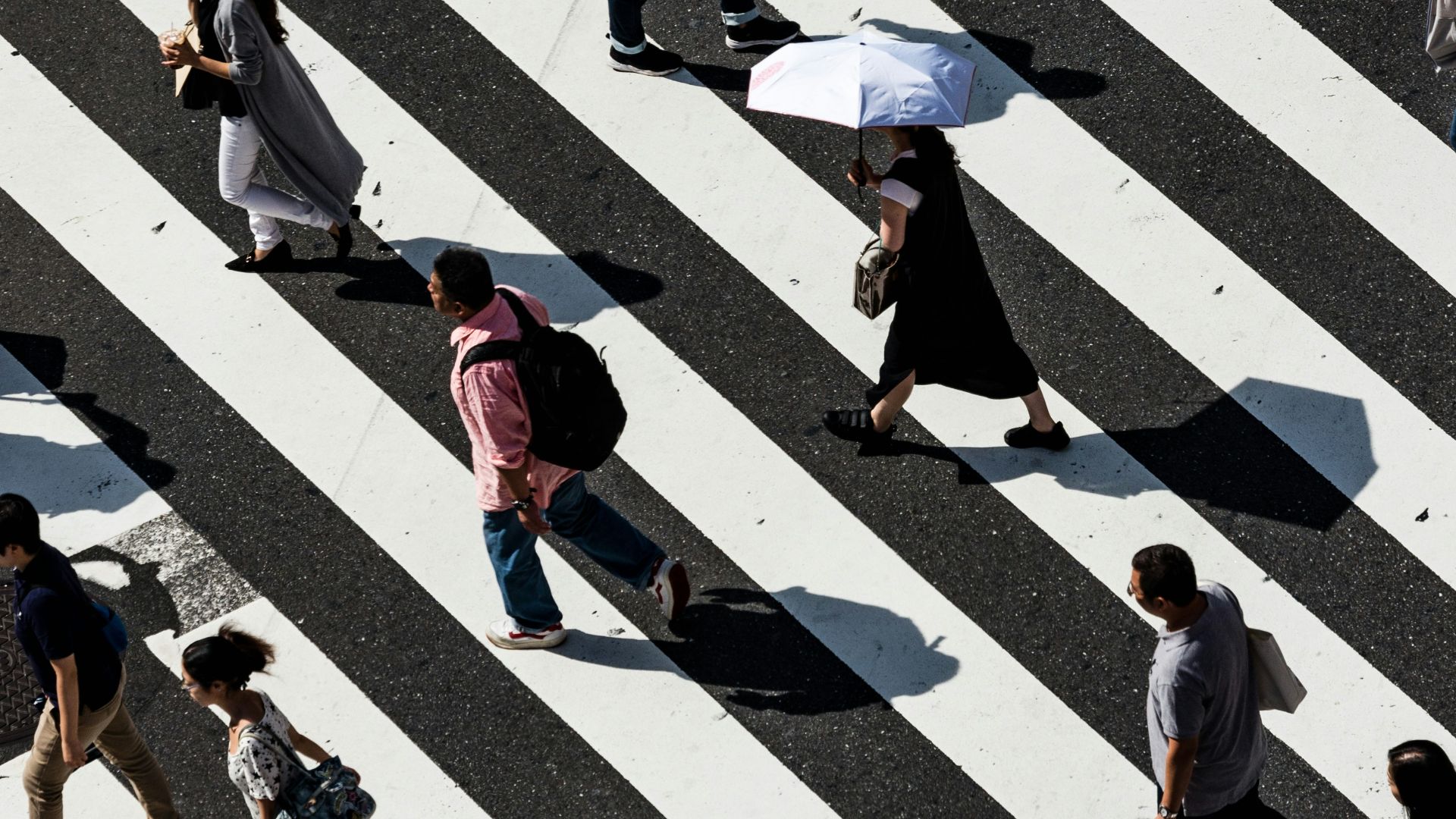
Humans come in many different shapes and features, but underneath the skin, all humans are overwhelmingly genetic matches. The small amount of DNA that causes many differentiating features is only a tiny fraction of our total DNA. Humans are vastly more genetically alike than they are different, despite the variables that exist on the surface.

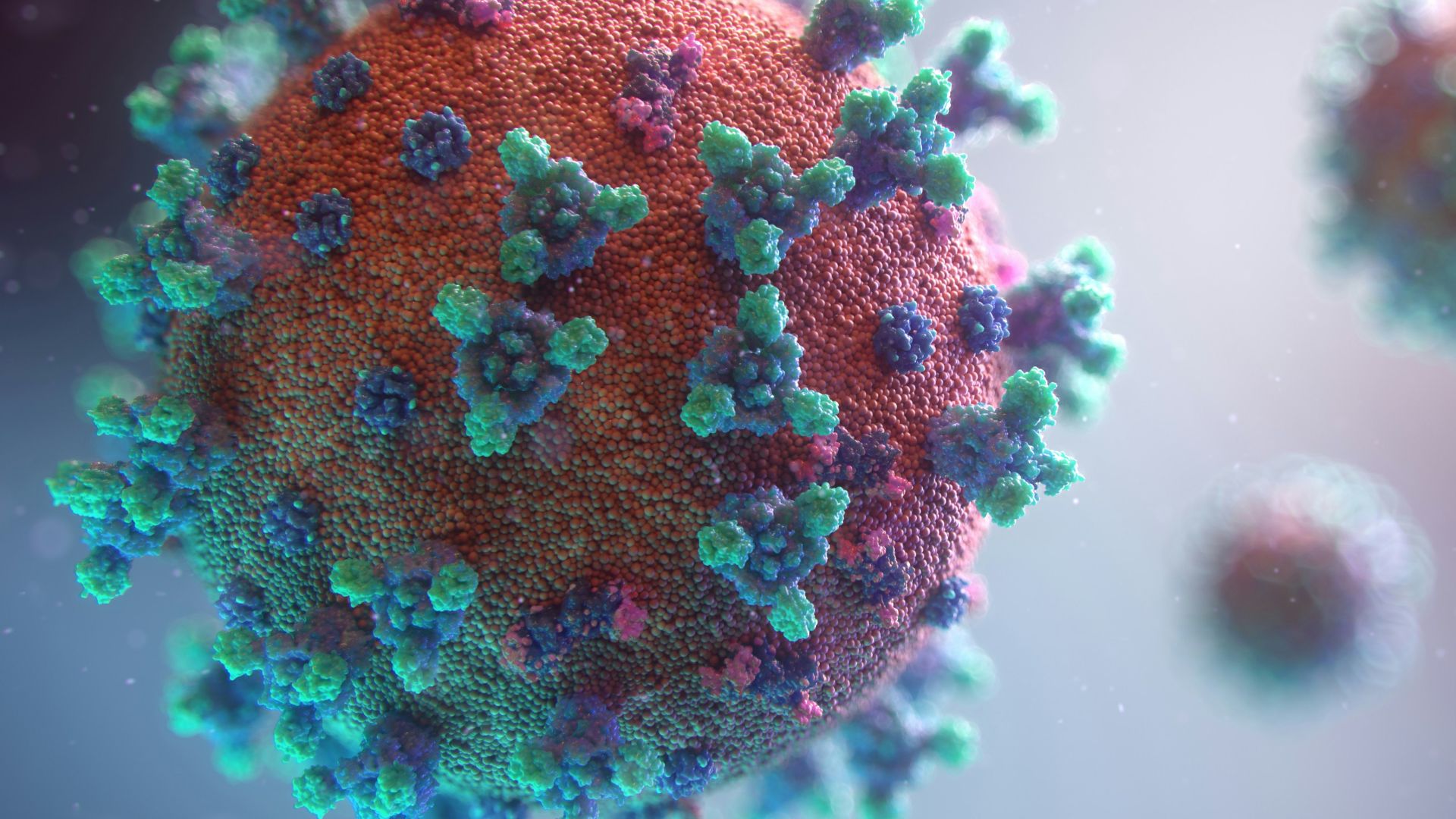
3. Your Ancestors May Have Shared Genes With Viruses
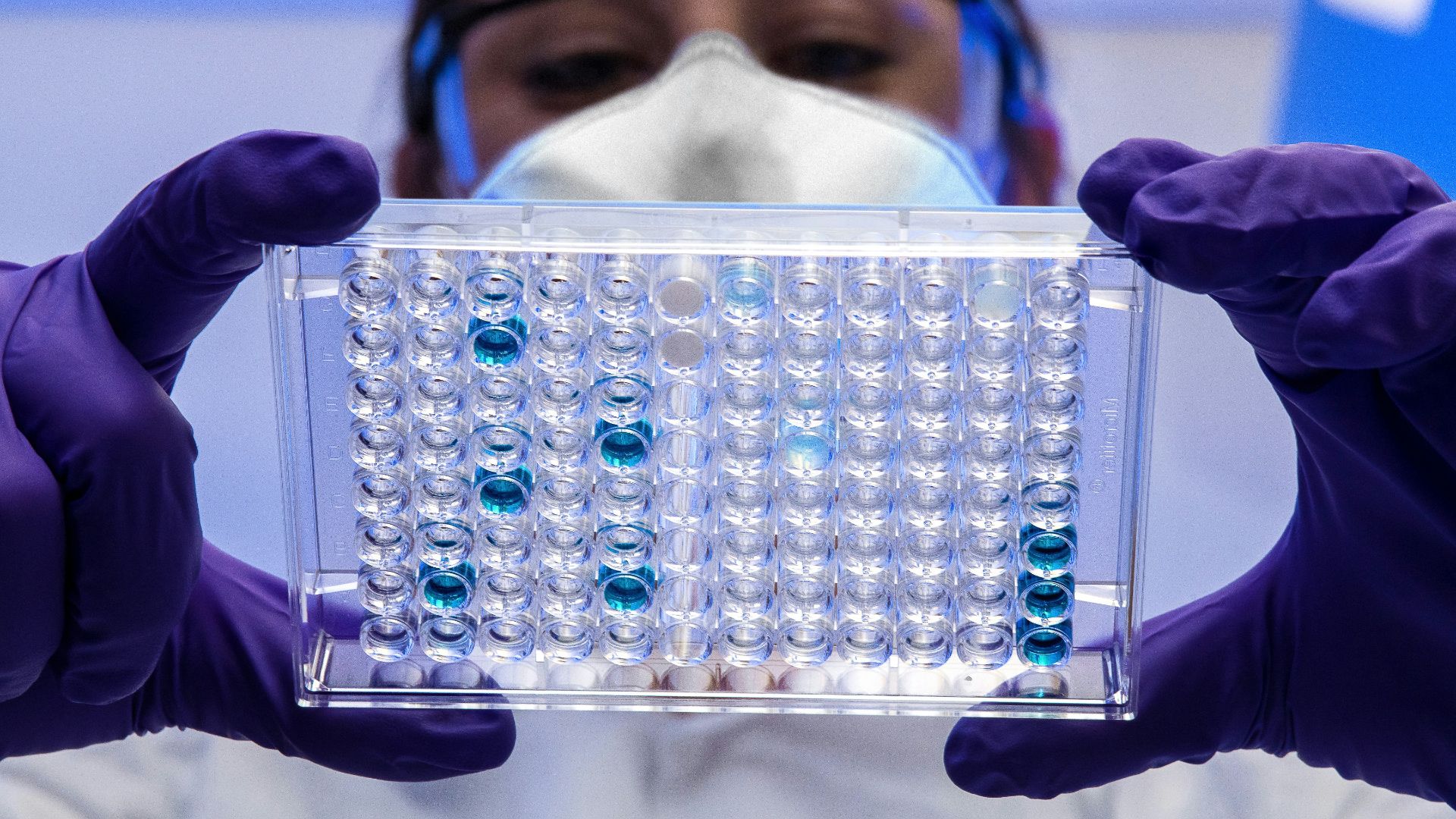
Some humans still have ancient viral DNA in their genomes. Our ancestors were infected by viruses millions of years ago and passed the viral genes on to their offspring. Eventually, those viral genes became a normal part of human DNA.
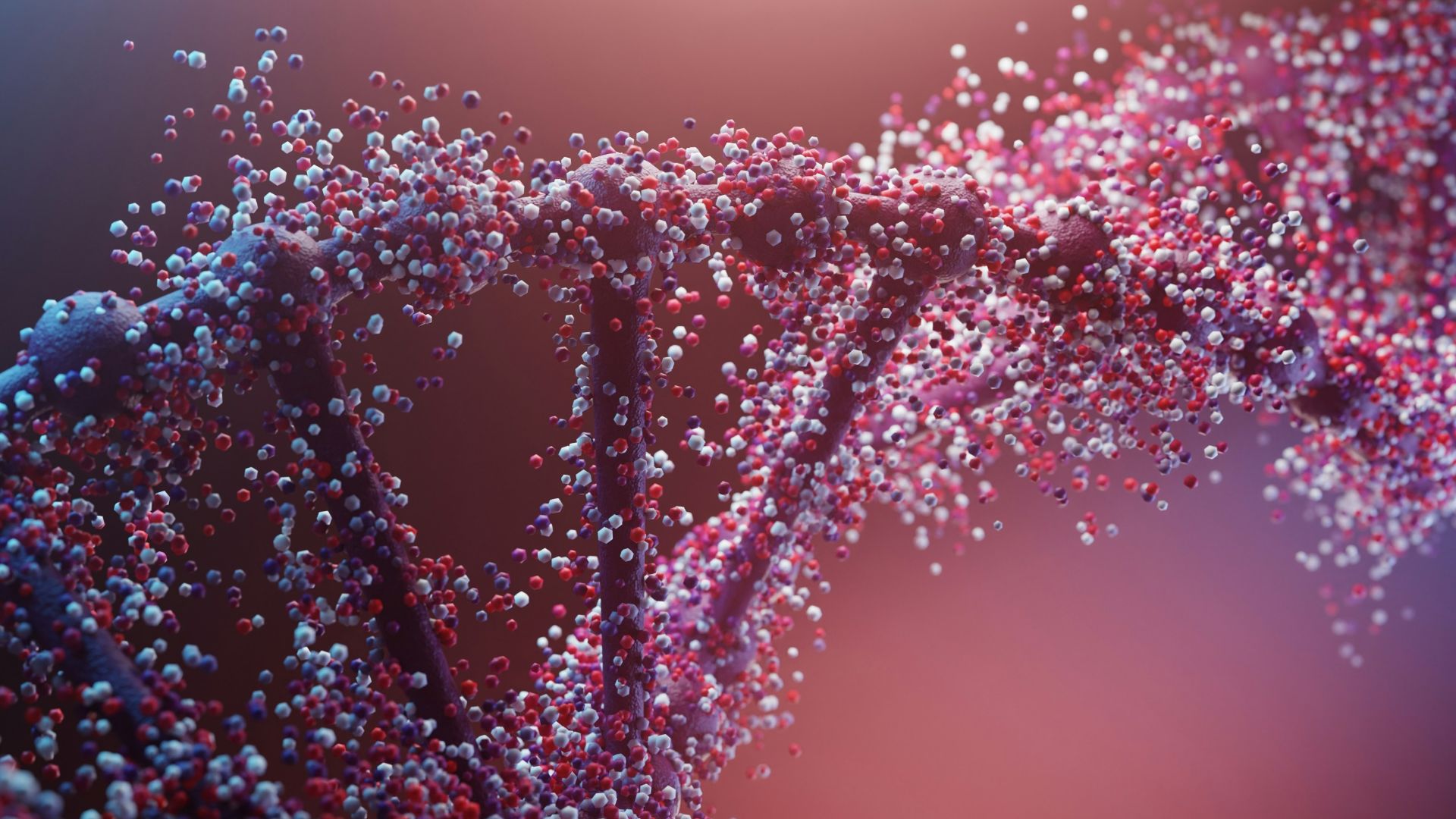
 Fusion Medical Animation on Unsplash
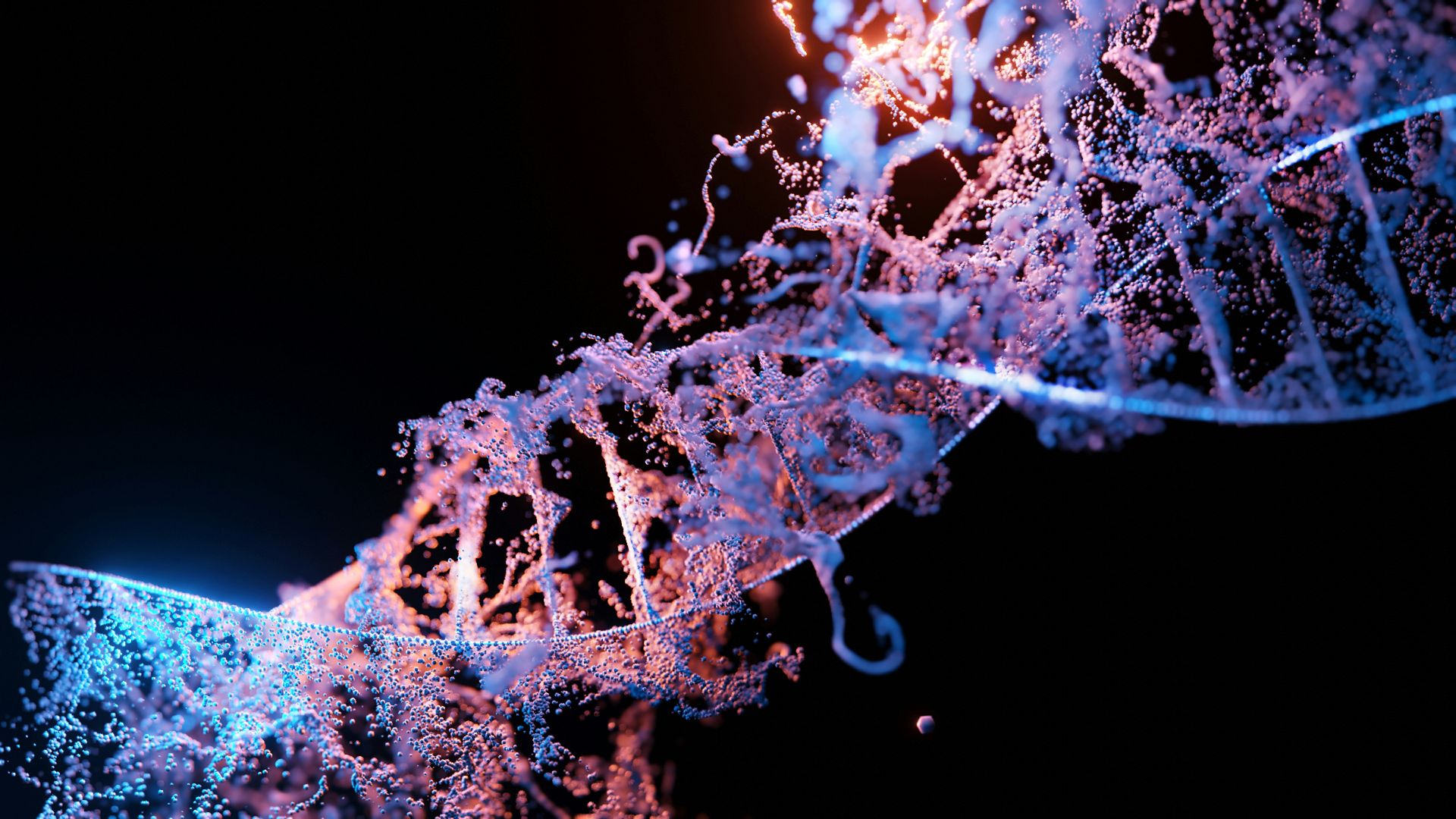
4. Most DNA Doesn't Directly Code for Proteins
For decades, scientists called non-protein-coding DNA “junk DNA.” Years later, they discovered that much of that junk actually helps regulate when genes are turned on and off. A huge portion of human DNA is not junk after all; it just was busy doing things we did not know about at the time.
 Sangharsh Lohakare on Unsplash
5. Humans Aren't the Same Genetically Throughout Their Bodies
A common misconception about human DNA is that we share the exact same DNA in every single cell. The DNA in your skin cells is not always identical to the DNA in your muscle cells. Since DNA can change as cells divide, humans develop genetic mutations as they grow.

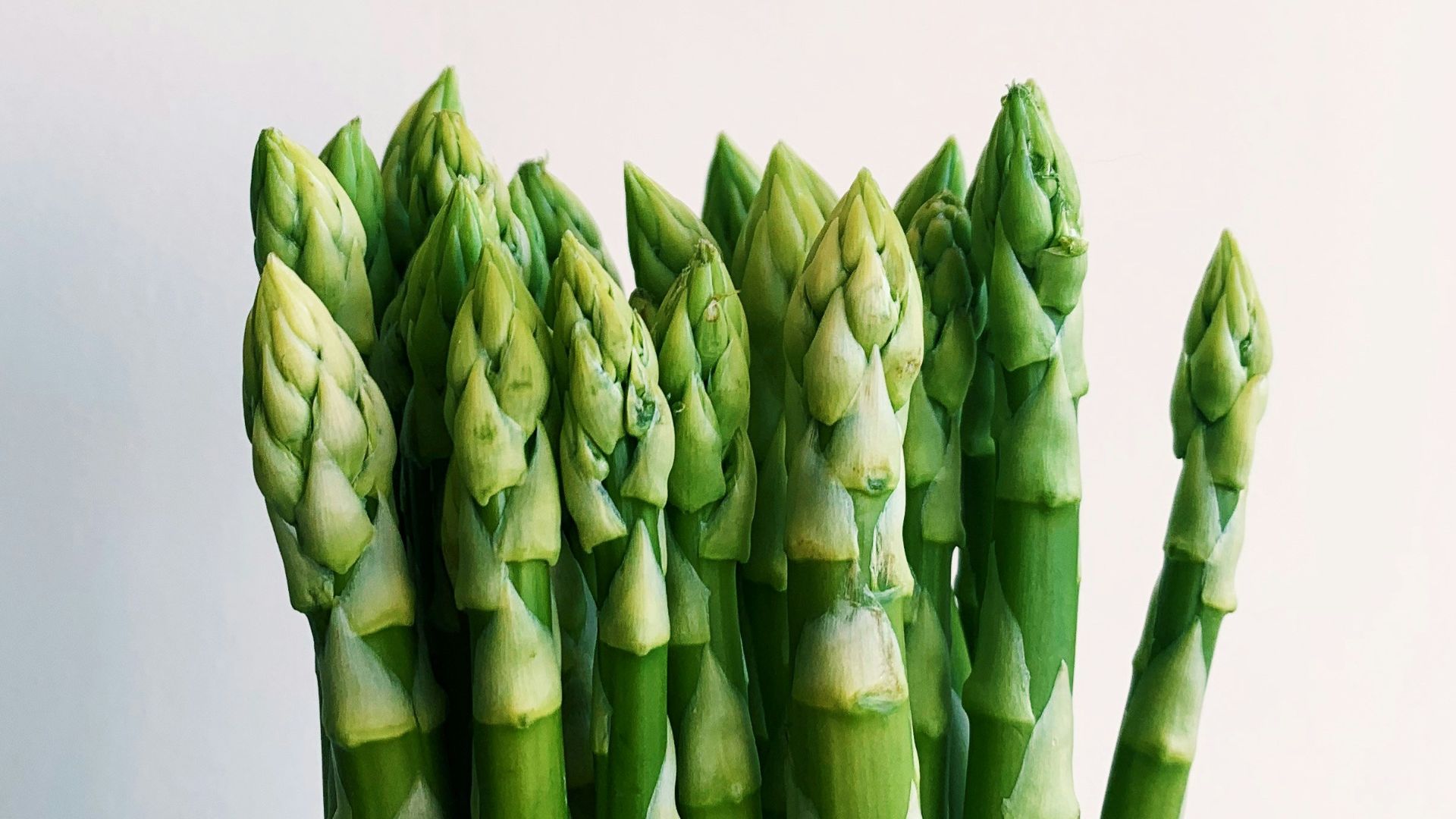
6. Some People Can't Smell Asparagus the Same Way
Genes affect how people perceive the distinctive odor produced after eating asparagus. Some people can easily detect it, while others barely notice it or can't smell it at all. If your friends think the bathroom smells strange afterward and you have no idea what they're talking about, genetics might be involved.
7. A Tiny Genetic Difference Can Change How Food Tastes
Specific genes influence how strongly we taste certain flavors, like bitterness. That is why some people think veggies like Brussels sprouts taste horrendous while others love them. Some people are not just picky about their food because of texture or personal preference; their taste buds might actually be telling them something different.

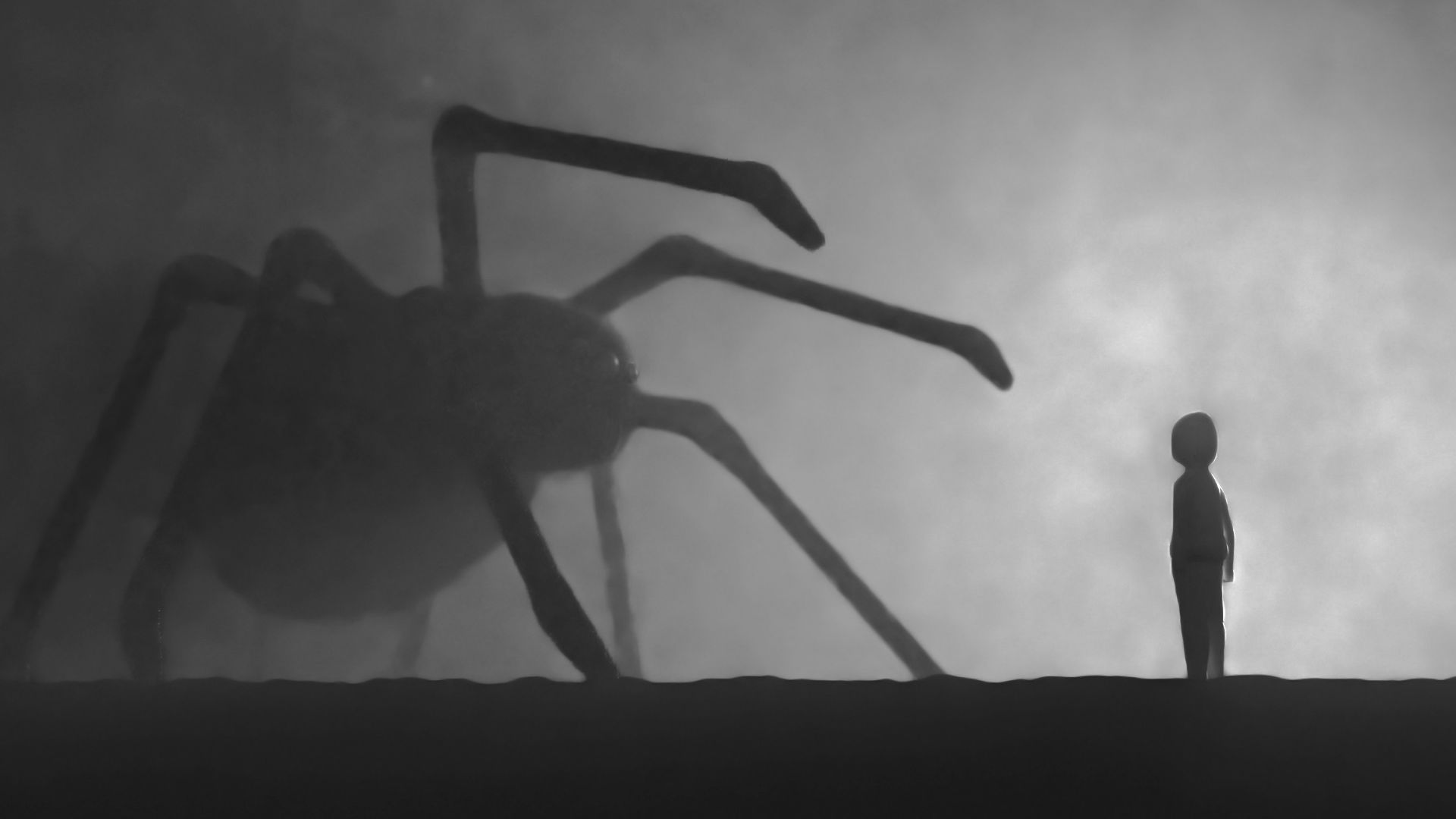
8. Many Humans Have an Inherited Fear of Nothing in Particular
Humans do not come pre-programmed with a fear of spiders or all spiders. However, through evolution and natural selection, humans are hard-wired to learn to be afraid of certain things. Genetics can play a part in a person’s anxiety levels and reactions to threats.
9. Your Height Isn't Controlled by One Gene
There is no specific tall gene or short gene. Height is affected by hundreds, if not thousands, of genetic variants. Environment also plays a huge factor in height.
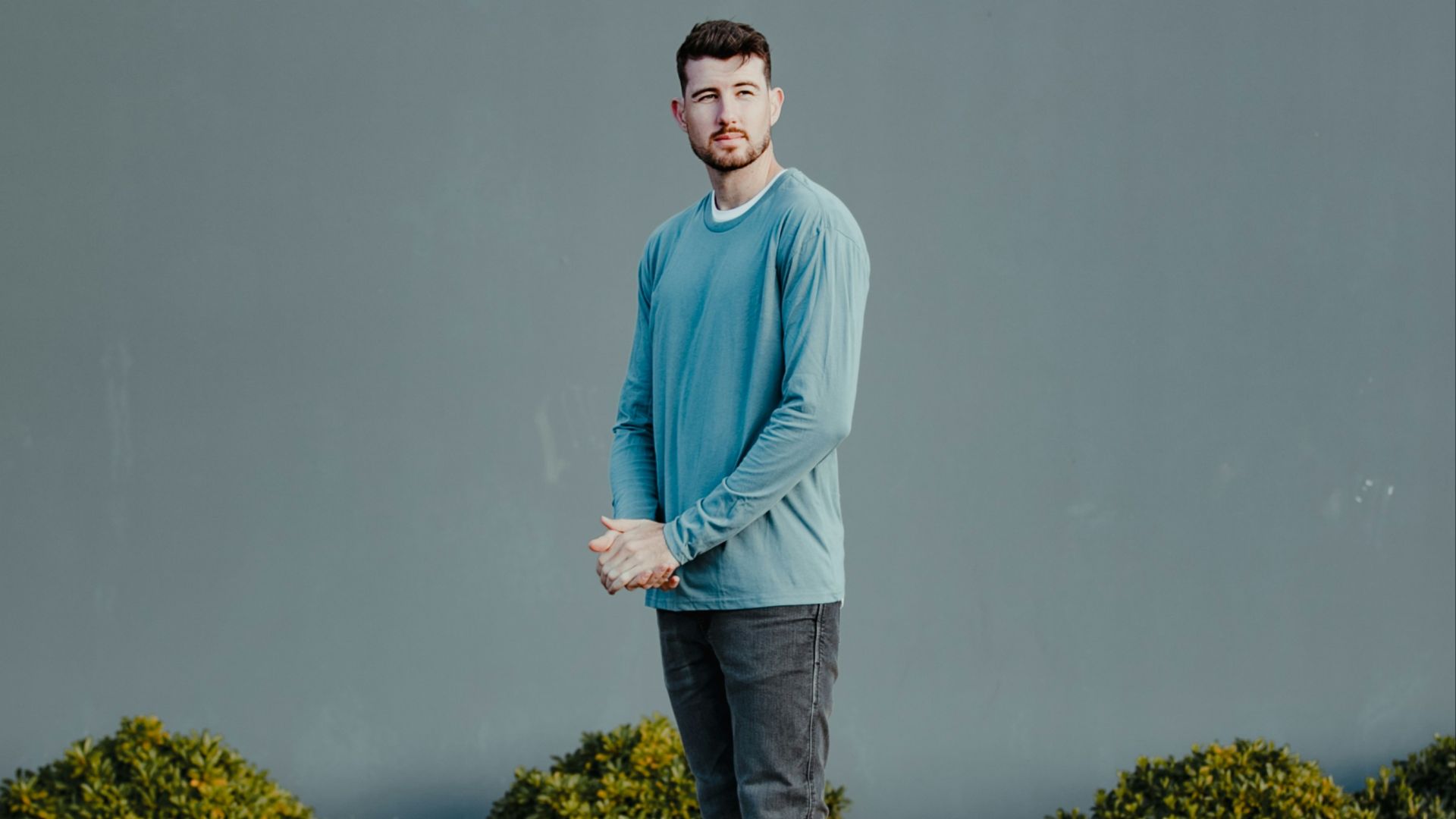
10. Humans May Have Once Had a Much Larger Population of Cousins
Genetics has shown us that at one point, there were multiple human species living on Earth at the same time. Neanderthals aren’t the only human species that you share a common ancestor with. Modern humans are the last living human species left on Earth.
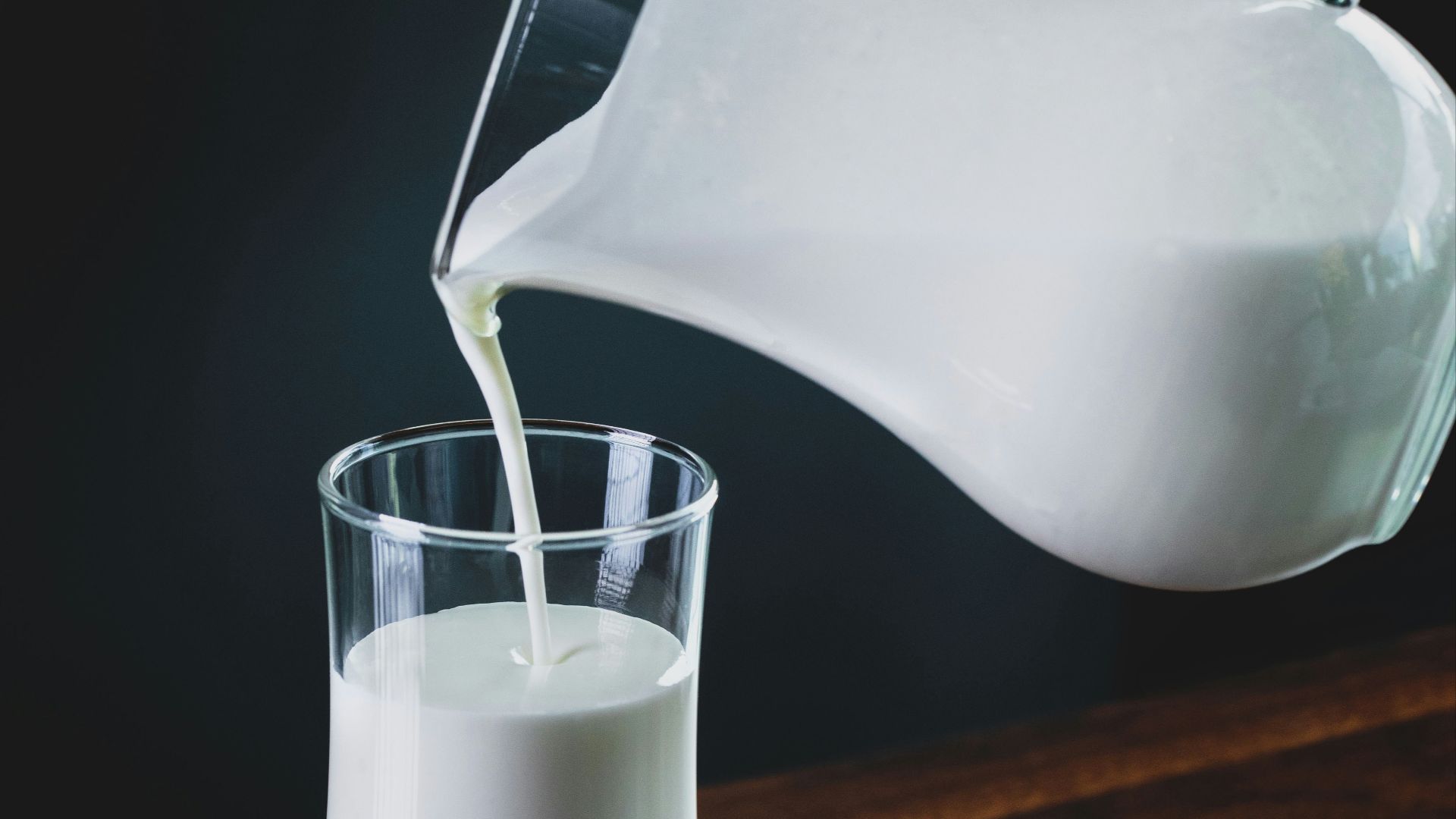
11. Some People Naturally Digest Milk as Adults
Most mammals lose the ability to digest lactose after infancy, but certain human populations evolved genetic changes that allow many adults to keep producing lactase. This trait became especially common in populations with a long history of raising dairy animals. In other words, being able to enjoy a large glass of milk as an adult is a relatively recent evolutionary trick.
12. Red Hair Has More Than One Genetic Story
MC1R gene variations are responsible for red hair, but don’t tell that to the people who have multiple variations working together to give them red hair. Red hair isn’t as simple as one gene flipping off, like many are taught in school. There are multiple variations of red hair all working together to give you that look.

13. Your Body Is a Record of Ancient Migrations
By studying DNA, scientists can learn how humans have migrated all around the world. Your DNA can link you to people you haven’t met and places your ancestors traveled to many generations ago. Your DNA can tell you where your ancestors have been long before your family history began.

14. Some People Are Naturally Less Sensitive to Pain
While pain is essential to protect us from repeated injury, certain genetic mutations can lessen the feeling of pain. Not everyone with these mutations are superhumans, just able to withstand more pain. Some people with extreme pain tolerance may actually feel less protective pain responses.
15. Your Genes Can Affect Your Sleep Schedule
The genes you inherited can determine if you’re more likely to be a morning person or a night owl. There are even mutations that let certain humans get by on very little sleep. Your genes don’t strictly control your sleep schedule, but they can influence if waking up early is difficult for you.
16. Humans Have Surprisingly Few Genes
When the Human Genome Project revealed we only had around 20,000 protein-coding genes, scientists didn’t know what to make of it. Less isn’t necessarily bad when it comes to the complexity of the human body. There are many different ways our genes are used to give us the complexity we have today.
17. Identical Twins Aren't Completely Identical
While identical twins start off with the same DNA, mutations can occur when their cells divide. Additionally, their bodies can develop differently due to more than just genes. Just because twins look identical doesn’t mean they are genetically or physically the same.
18. Some Genetic Traits Became Useful Only After Humans Changed Their Lifestyle
Advancements in technology did not stop humans from evolving. Many modern genetic traits, such as disease resistance and diet adaptations, have evolved due to recent human history. Things like cattle domestication and foreign land exploration have changed human genetics.

19. Your Immune System Carries a Very Old Genetic Library
The human immune system has a vast variety of genes due to humans constantly evolving better defenses. Some of these inherited genes are leftover from ancient human ancestors, while others are recent developments. Your body has an army of genetic weapons your ancestors have used to fight diseases throughout history.
20. DNA Still Doesn't Explain Everything About You
Genetics can reveal an astonishing amount, but genes aren't a complete instruction manual for a human being. Environment, experiences, development, and chance all interact with DNA to influence who someone becomes. Even after all we've learned about genetics, the weirdest discovery might be how much scientists still don't know.
KEEP ON READING


20 Ways To Get Your Vitamins And Minerals
20 Ways Doing Less Can Actually Improve Your Health