Your Body Has Plenty of Unexplained Habits
The human body is remarkably complex, but not everything it does has a clear-cut explanation. Scientists understand many biological processes, yet there are still plenty of everyday quirks that remain mysterious or only partially understood. From strange reflexes to unexpected sensations, your body sometimes behaves in ways that seem completely random. Here are 20 odd things the human body does that researchers still can't fully explain.

1. Sudden Hiccups
Hiccups can appear out of nowhere, even when you aren't eating or drinking. They happen because the diaphragm suddenly contracts, causing your vocal cords to snap shut. Scientists know how hiccups occur, but they still aren't entirely sure why humans are so prone to them.

2. Sneezing When You See Bright Light
Some people can't step into bright sunshine without immediately sneezing. Known as the photic sneeze reflex, this inherited trait affects an estimated 10 to 35 percent of people. Researchers believe crossed nerve signals may be responsible, but the exact cause remains uncertain.

3. Random Eyelid Twitching
An eyelid can begin fluttering for no obvious reason and continue for several minutes or even days. Fatigue, stress, and caffeine are often linked to the condition, but twitching sometimes happens without any clear trigger. Even doctors can't always explain why it starts when it does.
4. Getting Goosebumps
Goosebumps once helped our distant ancestors appear larger and trap more body heat. Today, they still show up when you're cold, frightened, or emotionally moved despite serving very little practical purpose. Listening to powerful music can even trigger them.

5. Foot Falling Asleep
Everyone has experienced the pins-and-needles feeling after sitting awkwardly. Pressure temporarily interrupts normal nerve signals and blood flow, creating the familiar tingling sensation. What remains less clear is why the returning sensation can sometimes feel surprisingly intense.

6. Yawning After Seeing Someone Else Yawn
Yawning spreads through groups almost like a contagious laugh. Scientists have proposed theories involving empathy, brain cooling, and social bonding, but none fully explain why it happens. Interestingly, not everyone catches contagious yawns equally often.

7. Twitching Before Falling Asleep
Many people experience a sudden body jerk just as they're drifting off to sleep. These "hypnic jerks" can feel like you're tripping or falling even though you're lying perfectly still. Researchers aren't entirely certain why the brain triggers them.
8. Suddenly Needing to Pee When You Get Home
Have you ever been perfectly fine during the drive home, only to feel an overwhelming urge to use the bathroom the moment you reach your front door? This surprisingly common experience is known as the "latchkey phenomenon" or "key-in-the-door syndrome." Researchers believe your brain may begin relaxing once it recognizes you're in a familiar, safe place, but no single explanation has been proven.

9. One Eye Suddenly Waters More Than the Other
Sometimes one eye starts tearing while the other remains perfectly normal. Wind, dryness, or a tiny bit of irritation may contribute, but often there's no obvious explanation. The tear ducts usually return to normal without any treatment.
10. Feeling Like You're Falling While Dreaming
That sudden sensation of dropping through the air has startled countless sleepers awake. Scientists aren't entirely sure why the brain creates this vivid experience. Some believe it's connected to hypnic jerks, while others think it's simply part of the transition into deeper sleep.
 Bruce Christianson on Unsplash
11. Crying When You're Overwhelmed
Humans are the only known animals that shed tears because of their emotions rather than just irritation or injury. Scientists understand how your tear glands produce emotional tears, but they're still debating why this unusual behavior evolved in the first place. Some researchers think crying strengthens social bonds, while others believe it helps communicate distress or even regulate stress hormones.

12. Wrinkling Skin in Water
Wrinkled fingertips used to be blamed entirely on water soaking into the skin. Researchers now know the nervous system actively causes blood vessels to constrict, producing the familiar wrinkles. Why? The leading theory is that it improves grip on wet objects, although scientists continue studying the exact evolutionary benefit.

13. Suddenly Remembering an Embarrassing Moment
Your brain has a frustrating habit of replaying awkward memories at the least convenient times. Researchers believe emotional events are stored more vividly than ordinary experiences, but why certain memories resurface without warning isn't fully understood.

14. Ear Randomly Ringing
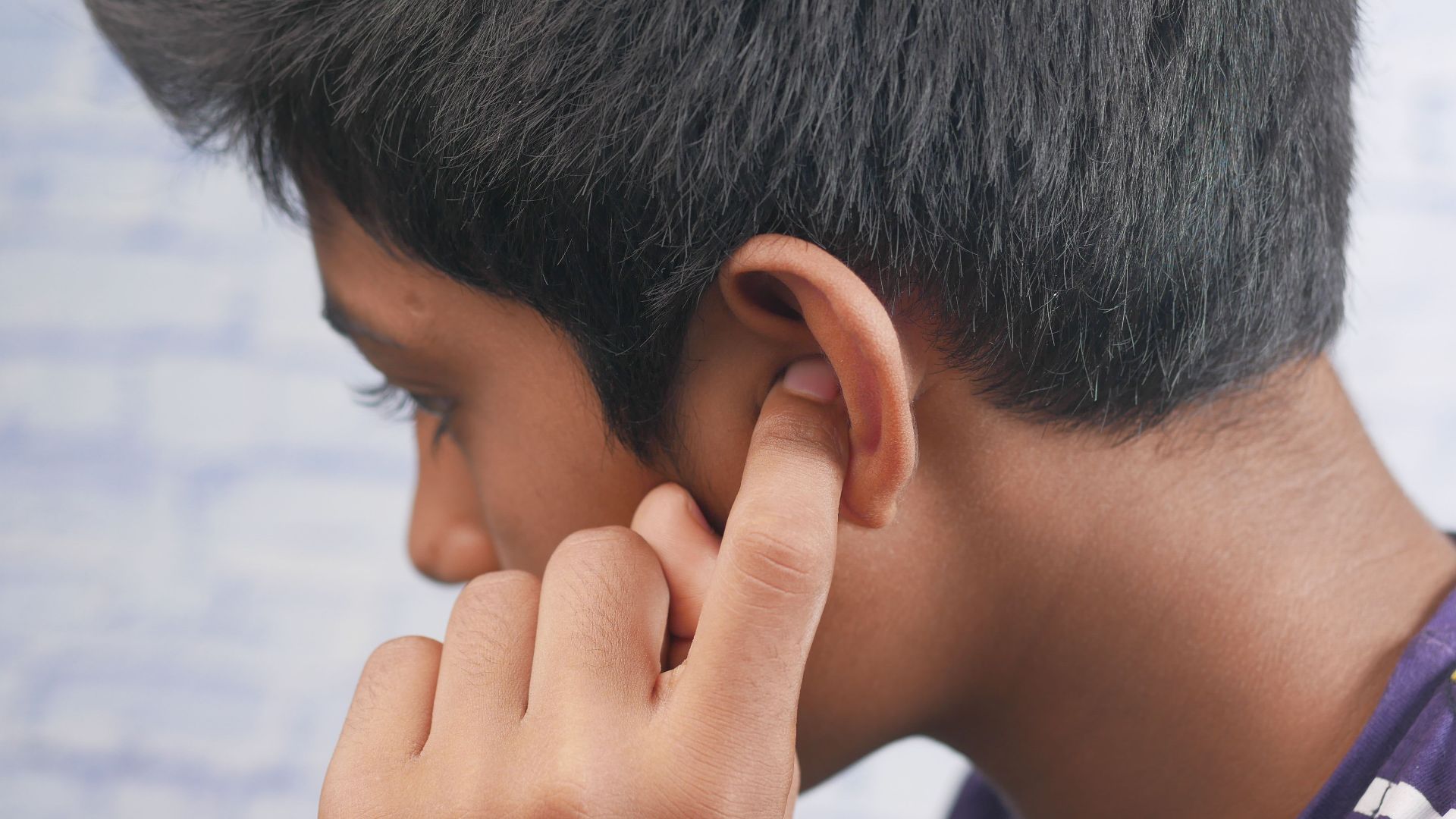
A brief ringing or buzzing in one ear often disappears just as quickly as it arrived. Short episodes are common and usually harmless. Scientists know that changes in nerve activity or the inner ear may play a role, but they can't always pinpoint the exact cause of these fleeting sounds.
15. Brain Freeze
Eating ice cream too quickly can trigger a sharp headache that vanishes almost as fast as it begins. Researchers believe rapid cooling affects blood vessels and nearby nerves in the roof of the mouth. While the general mechanism is understood, scientists still debate the exact sequence of events.

16. Feeling an Itch That Moves Around
Sometimes you scratch one spot only to discover the itch has somehow relocated. The nervous system can blur the exact source of itch signals, making them feel as though they're shifting. That creates the strange sensation of chasing an itch across your skin. It's surprisingly common and still not completely understood.

17. Blushing
Blushing is one of the few emotional reactions you can't easily control. Embarrassment, compliments, or unexpected attention can all trigger increased blood flow to the face. Scientists understand the physical process but still debate why humans evolved such an obvious emotional signal.

18. You Laugh When Someone Tickles You
Being tickled almost always triggers laughter, yet scientists still aren't sure why the body responds that way. Researchers have proposed that it may strengthen social bonds, teach defensive reflexes, or simply be an evolutionary leftover, but none of those ideas has been proven. It's also unclear why certain parts of your body are especially ticklish while others barely react at all.

19. Déjà Vu
Many people have had the strange feeling that they've lived through a moment before, even when they know it's happening for the first time. Scientists have linked déjà vu to memory processing in the brain, but they still don't fully understand what causes the sensation. Some researchers think it's the result of a brief mismatch in how the brain stores and retrieves information, while others believe several different mechanisms may be involved.

20. Ear Wiggling
A surprising number of people can wiggle their ears without touching them, while others can't do it no matter how hard they try. The tiny muscles responsible for ear movement are leftovers from ancestors who likely used them to better detect sounds, but scientists still aren't entirely sure why some people retain this ability, and others don't. Genetics, brain wiring, and practice may all play a role, though no single explanation has been confirmed.
KEEP ON READING