The Weird Transition Between Awake and Asleep
You're about to drift off when suddenly, you feel like you're falling from the sky. Your entire body jerks as a faraway bang sounds, then you swear someone murmurs in your ear before your eyes pop wide open. Oh, you're awake. But was that just a dream, even though you're pretty sure you hadn't completely fallen asleep yet? Strangely enough, our body and brain do some odd things right as we shut off for the night, and from hypnic jerks to hypnagogic hallucinations, some of them probably regularly freak you out. Don't worry, though; they're normal, as abnormal as they may feel in the moment. To get a better understanding of what happens in the transition between wakefulness and sleep, here are 20 bizarre things your body does as soon as you start nodding... off...
1. Your Muscles Twitch Without Warning
You've probably felt that sudden jolt right as you're drifting off, and it has an official name: a hypnic jerk. Scientists still debate exactly why it happens, though one theory suggests your brain misreads muscle relaxation as falling and sends a quick signal to catch yourself. It's completely normal and happens to most people at some point, even if it startles you every time.

2. Your Body Temperature Drops
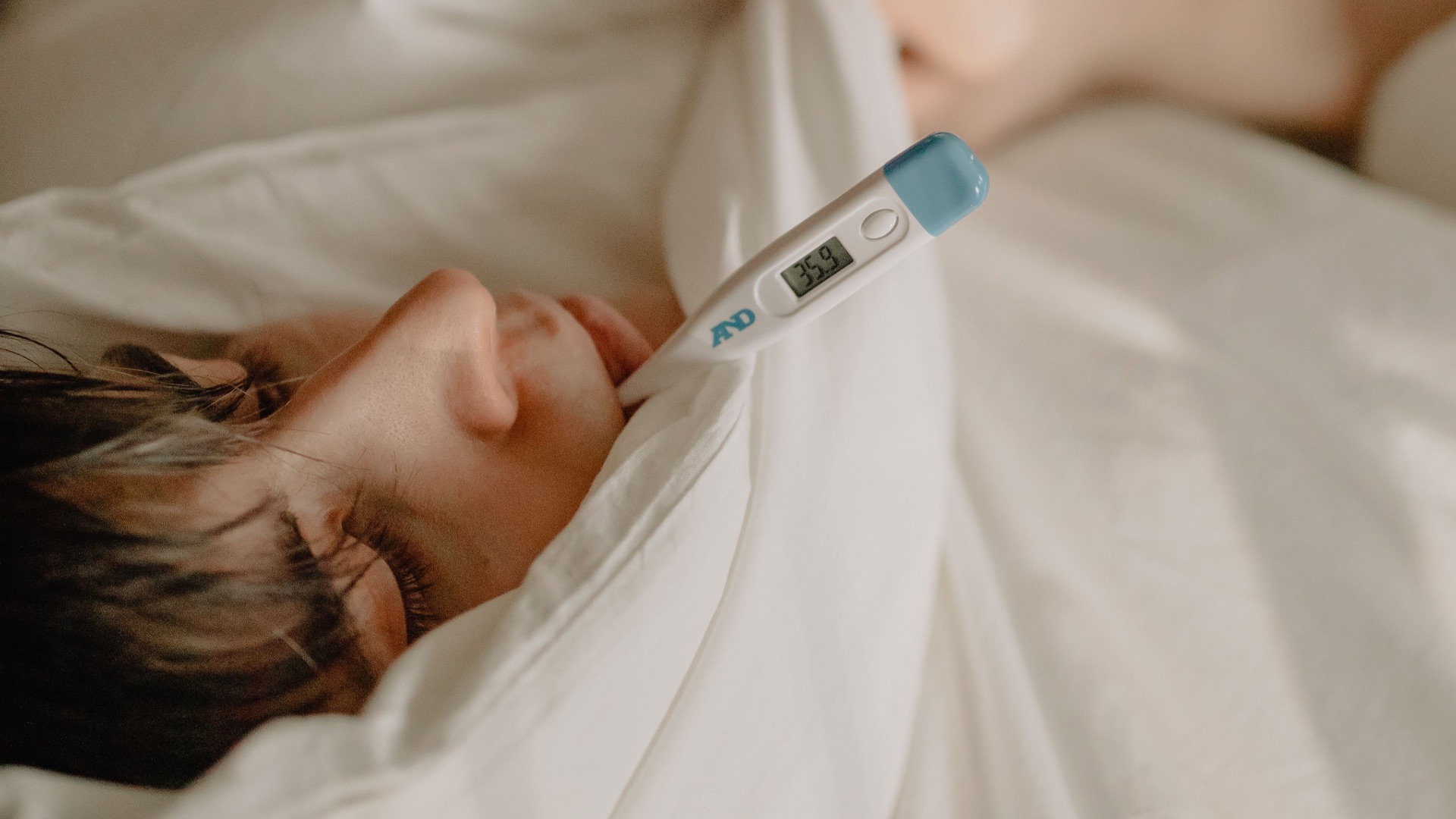
Right before sleep, your core temperature starts to dip as part of your natural circadian rhythm. This drop helps signal to your brain that it's time to wind down, which is part of why a cool bedroom tends to make falling asleep easier. Your hands and feet might even feel warmer during this process since blood vessels near your skin widen to release heat faster.

3. Your Breathing Slows and Evens Out
As you shift from wakefulness into sleep, your breathing rate naturally decreases and becomes more rhythmic. This happens because your nervous system shifts from an active state into a more restful one, easing the demand on your lungs and heart. You might not notice this happening in the moment, but a partner or roommate certainly might.
4. You May Experience Hypnagogic Hallucinations
Some people see flashes of color, shapes, or even brief images right as they're falling asleep, a phenomenon known as hypnagogic hallucination. These aren't dreams in the traditional sense, but rather brief sensory experiences that occur during the transition into sleep. They're generally harmless and tend to fade quickly once true sleep begins. Some may even hear sounds that aren't there, such as a sudden bang in the room or a whisper in their ear.

5. Your Eyes Might Roll Slowly
Right before you fully lose consciousness, your eyes often begin to roll slowly from side to side. This behavior, sometimes called slow eye movement, is different from the rapid eye movement associated with dreaming later in the sleep cycle. It's a visible sign that your body is transitioning out of wakefulness, even though you won't remember it happening.
6. Your Hearing Stays Active Longer Than Expected
Even as your other senses start to shut down, your hearing remains surprisingly alert during the early stages of sleep. This is likely an evolutionary holdover that helped early humans stay aware of potential danger while resting. It's also why a loud noise can pull you right back to full alertness moments after you thought you were out.
7. Your Blood Pressure Drops
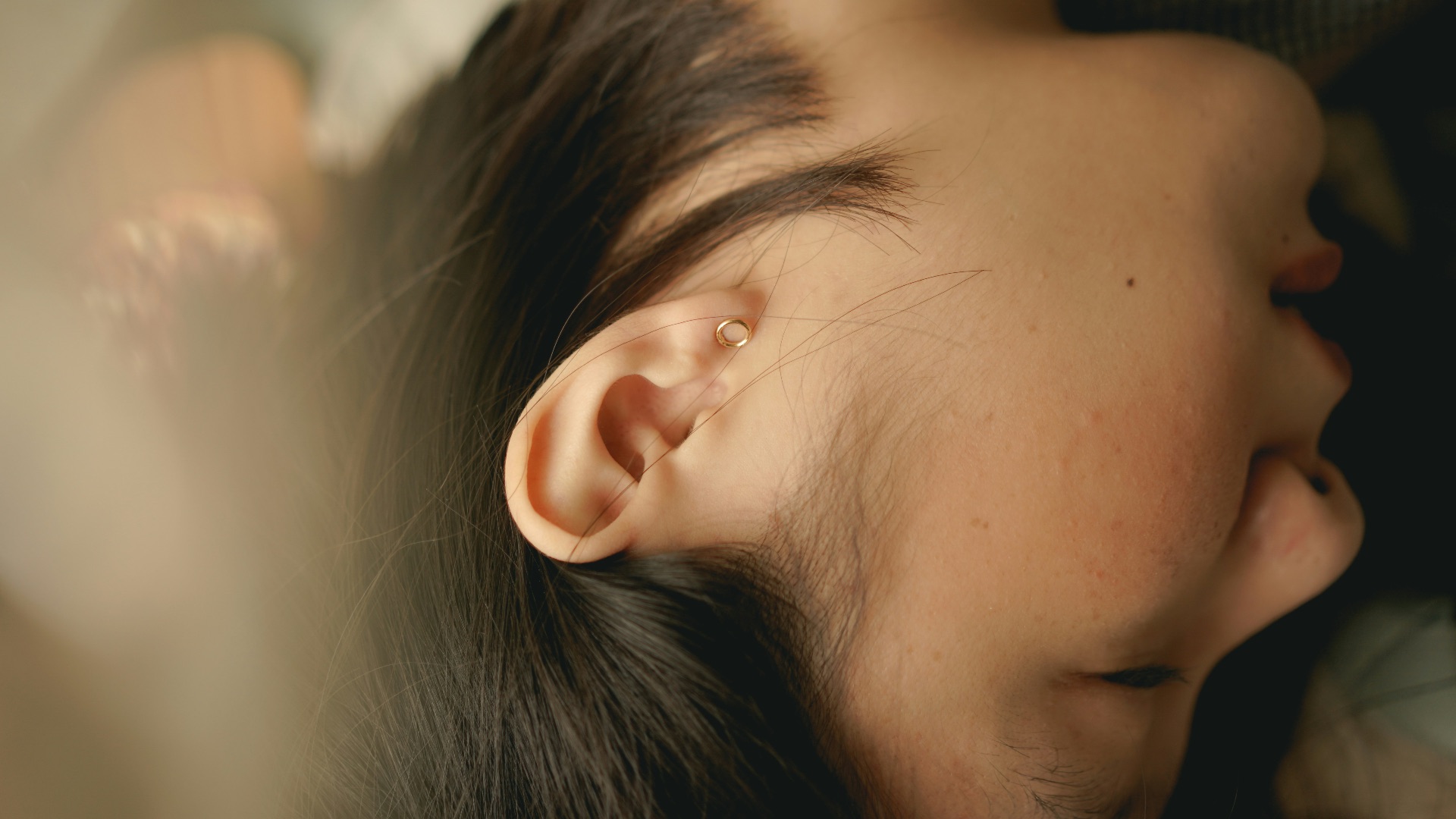
Along with your heart rate, your blood pressure naturally decreases as you settle into sleep. This dip gives your cardiovascular system a chance to rest after a full day of activity. Consistently poor sleep can interfere with this natural drop, which is part of why doctors link chronic sleep issues to long-term heart health concerns.
 Nubelson Fernandes on Unsplash
8. You May Feel Someone Touching You
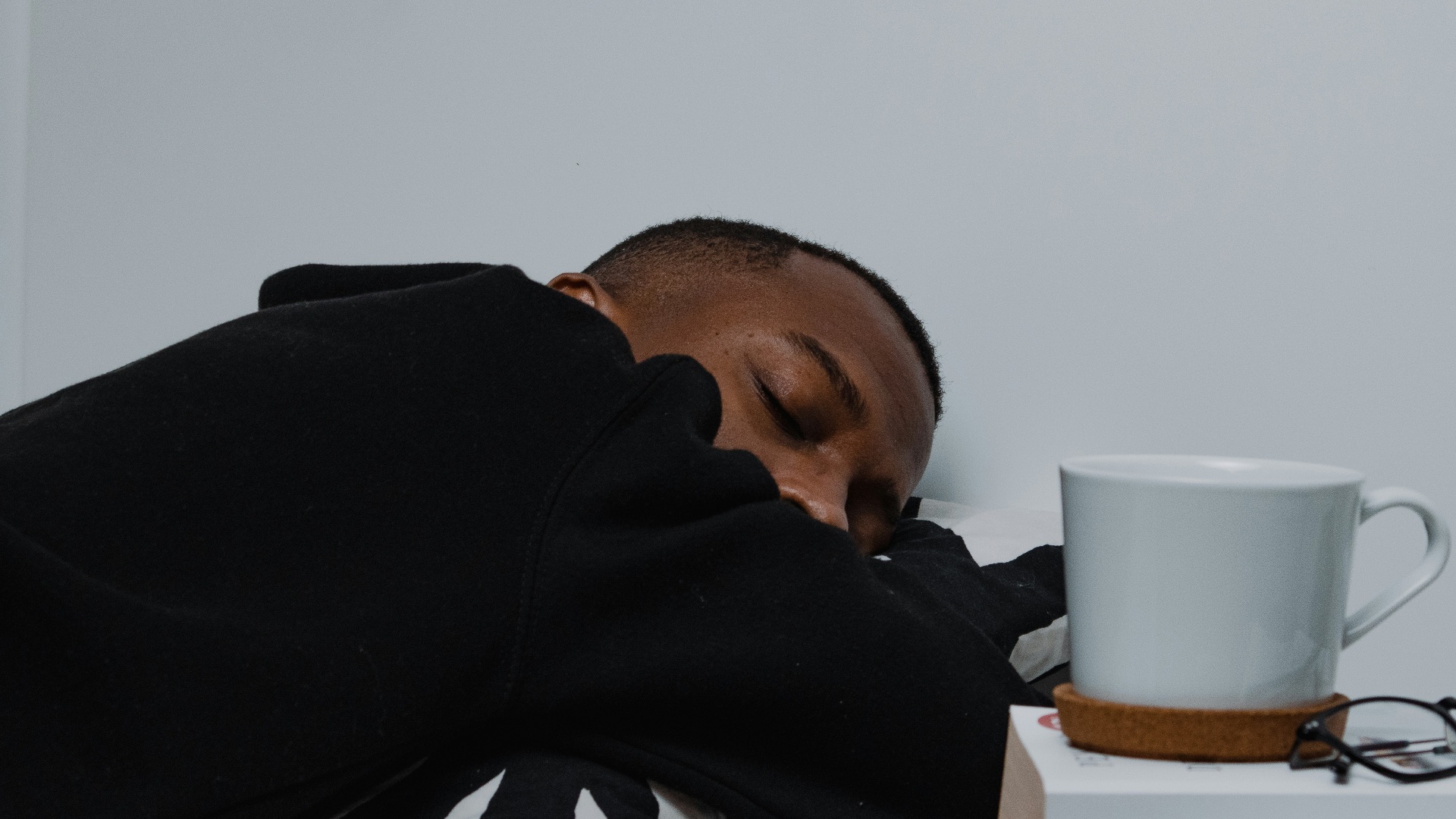
Hypnagogic hallucinations aren’t limited to sounds and images. Some people feel pressure on the bed, a tap on the shoulder, or the sensation of someone touching their skin when nobody is there. Since the brain is moving between conscious awareness and sleep, imagined physical sensations can briefly feel real.

9. Your Muscles Gradually Relax
Instead of going limp all at once, your muscles ease into relaxation in stages as your body settles down. This gradual process helps prepare you for deeper sleep stages later on, where your muscles will become almost completely immobile. It's part of why stretching or tensing up right before bed can sometimes make it harder to drift off smoothly.

10. Your Sense of Time Starts to Distort
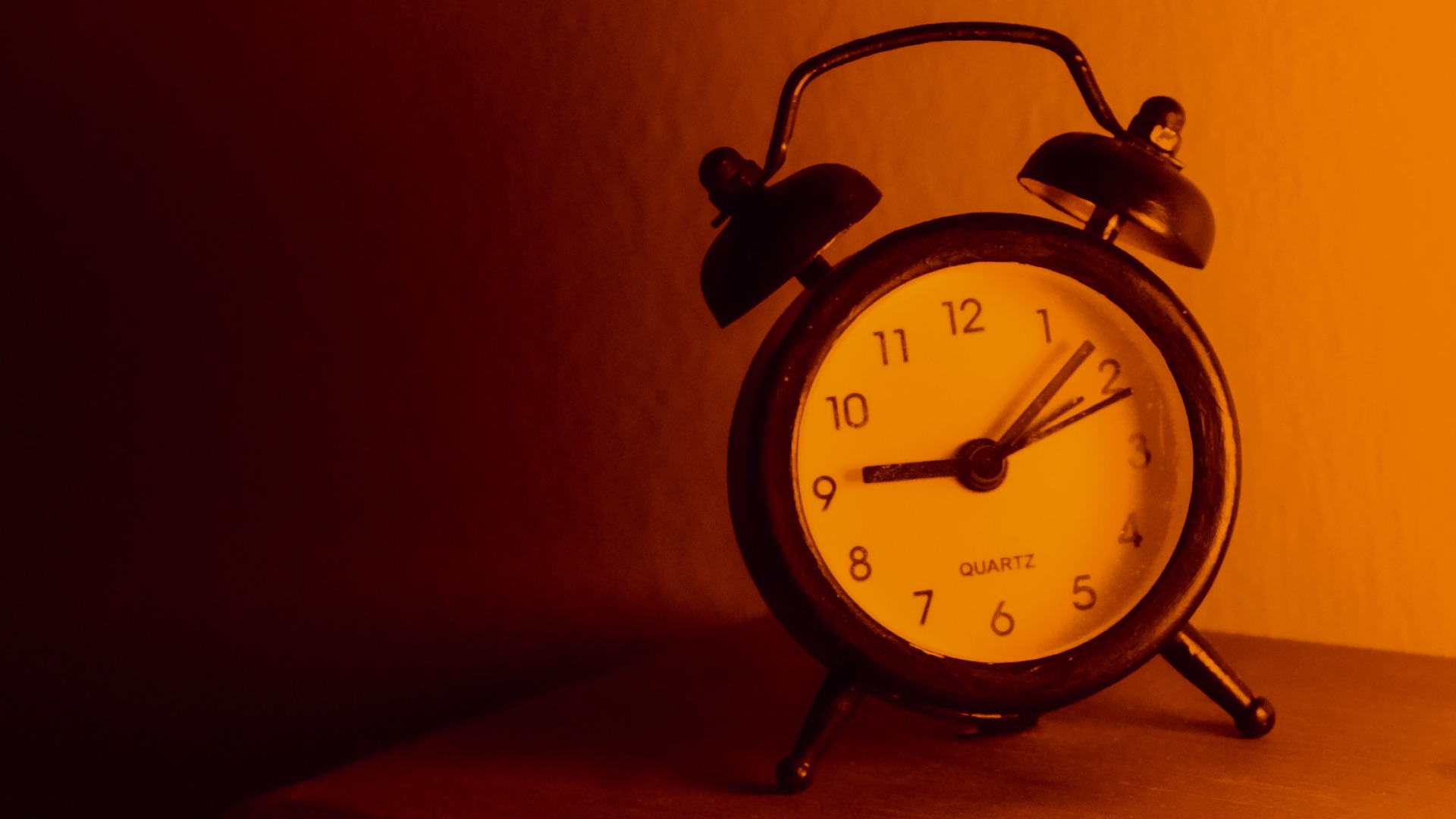
As you drift toward sleep, your perception of time becomes less reliable, which is why five minutes can feel like fifteen or vice versa. This happens because the brain regions responsible for tracking time become less active during the transition into sleep. It's a strange but harmless quirk that most people never even notice until they try to guess how long they've been lying there.
11. Your Digestive System Slows Down
As bedtime approaches, your digestive processes naturally slow to conserve energy for rest. This is one reason eating a heavy meal right before bed can leave you feeling uncomfortable or restless. Your body prioritizes recovery functions during sleep, so digestion takes a back seat once you're truly settled in.

12. Your Skin Temperature Rises Slightly
While your core temperature drops, the surface of your skin often warms up as blood flow redirects toward your extremities. This process helps your body release excess heat and supports the overall cooling needed for quality sleep. You might notice your feet feeling warm even in a chilly room for exactly this reason.

13. Your Pupils Constrict
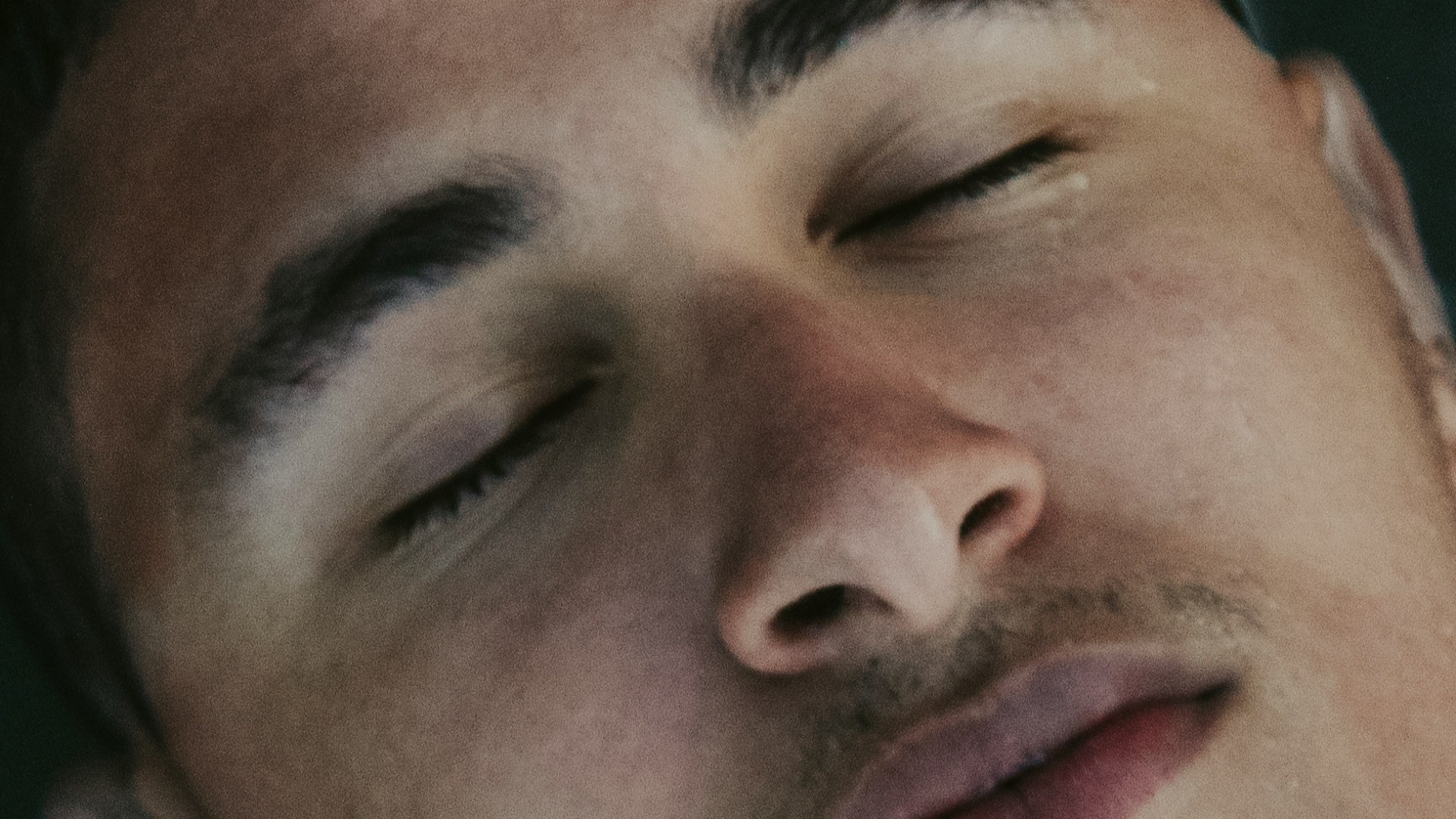
Right as you drift off, your pupils shrink significantly compared to their size during wakefulness. This constriction happens because the part of your nervous system responsible for rest and relaxation takes over from the one associated with alertness. It's a subtle change, but it plays a role in how your body signals the shift into sleep.
 mohammed idris djoudi on Unsplash
14. Your Immune System Ramps Up Activity
Sleep onset triggers a boost in certain immune functions, including the release of cytokines that help fight off infection and inflammation. This is part of why getting enough rest is so closely tied to how well your body handles illness. Skimping on sleep regularly can interfere with this process and leave you more vulnerable to getting sick.
15. Your Memory Consolidation Process Begins
As you fall asleep, your brain starts organizing and storing information from the day, a process known as memory consolidation. This is part of why a good night's sleep can improve recall and learning, especially after studying or practicing a new skill. The process continues through multiple sleep stages, but it actually starts right as you're drifting off.
16. Your Heart Rate Becomes More Variable
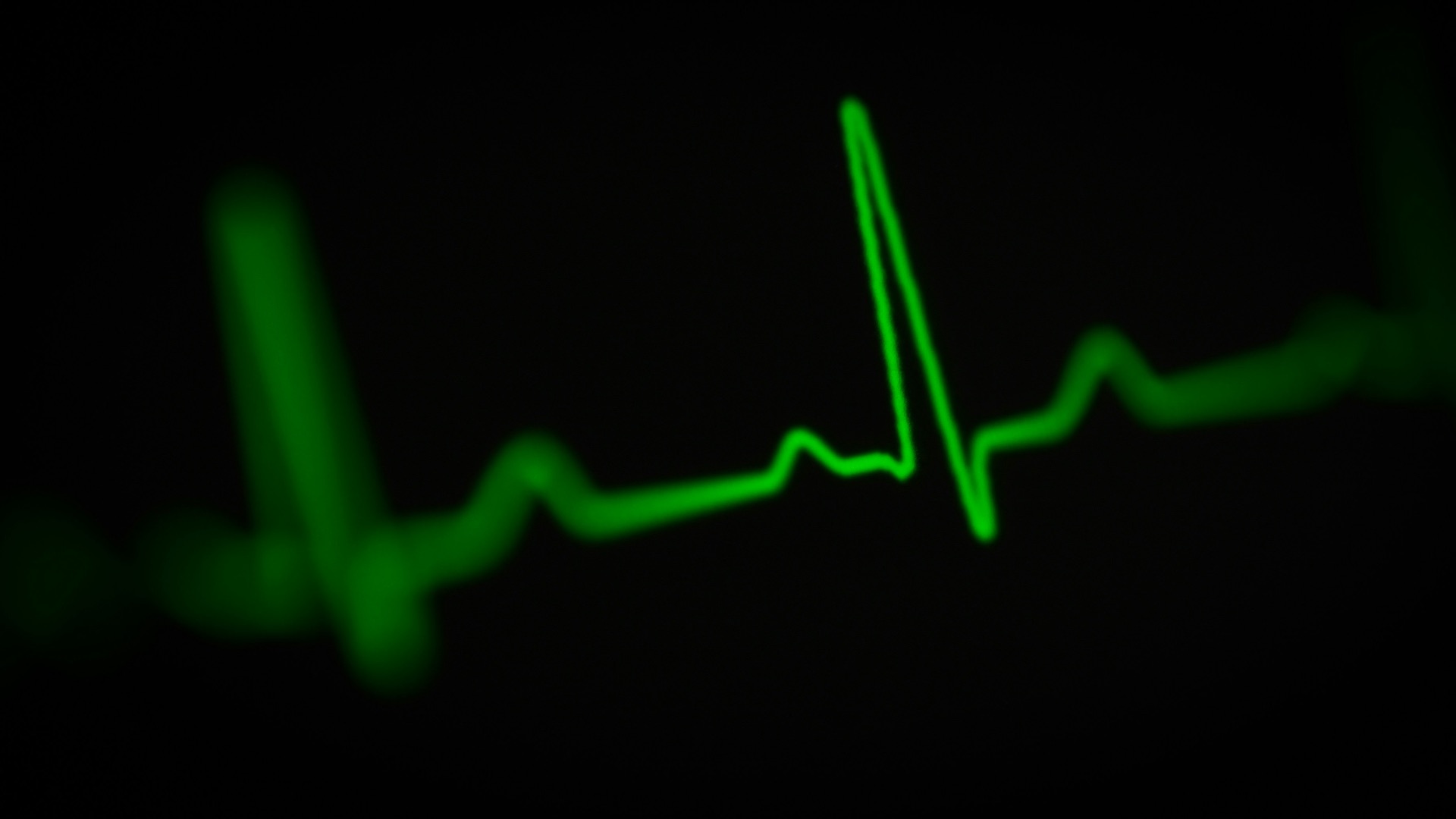
Right as you fall asleep, the variability between your heartbeats increases, which is actually considered a healthy sign. This variability reflects a well-functioning autonomic nervous system adjusting to the demands of rest. Athletes and researchers often track this metric because higher variability during sleep tends to correlate with better recovery.
17. Your Growth Hormone Levels Spike
Shortly after you fall asleep, your body releases a surge of growth hormone, which plays a key role in tissue repair and muscle recovery. This spike happens primarily during the deeper stages of sleep that follow shortly after you first drift off. It's one of the biological reasons athletes and anyone recovering from physical strain need consistent, quality sleep.

18. Your Brain Clears Out Waste Products
As you sleep, your brain activates a cleanup system that flushes out metabolic waste built up during waking hours. This process relies on cerebrospinal fluid moving through brain tissue more efficiently during sleep than during wakefulness. Researchers believe this waste clearance plays a meaningful role in long-term brain health and may even help protect against cognitive decline.

19. Your Sensitivity to Pain Decreases
As you drift into sleep, your perception of pain naturally starts to diminish, thanks to specific brain regions dialing down their sensitivity. This shift helps explain why minor aches that bothered you earlier in the day often fade into the background once you're settled in. It's a helpful adaptation that allows your body to rest without constant interruption from mild discomfort.

20. Your Brain Begins Sorting Emotional Experiences
Right as sleep sets in, your brain starts processing and filing away emotional experiences from the day. This is part of why a rough day can feel more manageable after a full night's rest, since your brain works through emotional content during sleep. Scientists believe this process supports emotional regulation and resilience over time, making sleep just as important for your mental state as it is for your physical health.

KEEP ON READING