
Your Body Starts Recovering Faster Than You Might Think
Quitting smoking can feel like a major lifestyle change, but your body gets to work surprisingly quickly once cigarettes are out of your daily routine. Some improvements happen within minutes, while others build gradually over months and years as your heart, lungs, blood vessels, and immune system recover from tobacco exposure. Not every change feels pleasant at first, especially during nicotine withdrawal, but many of the long-term effects are exactly the kind your body has been waiting for. Here are 20 things your body goes through when you quit smoking.
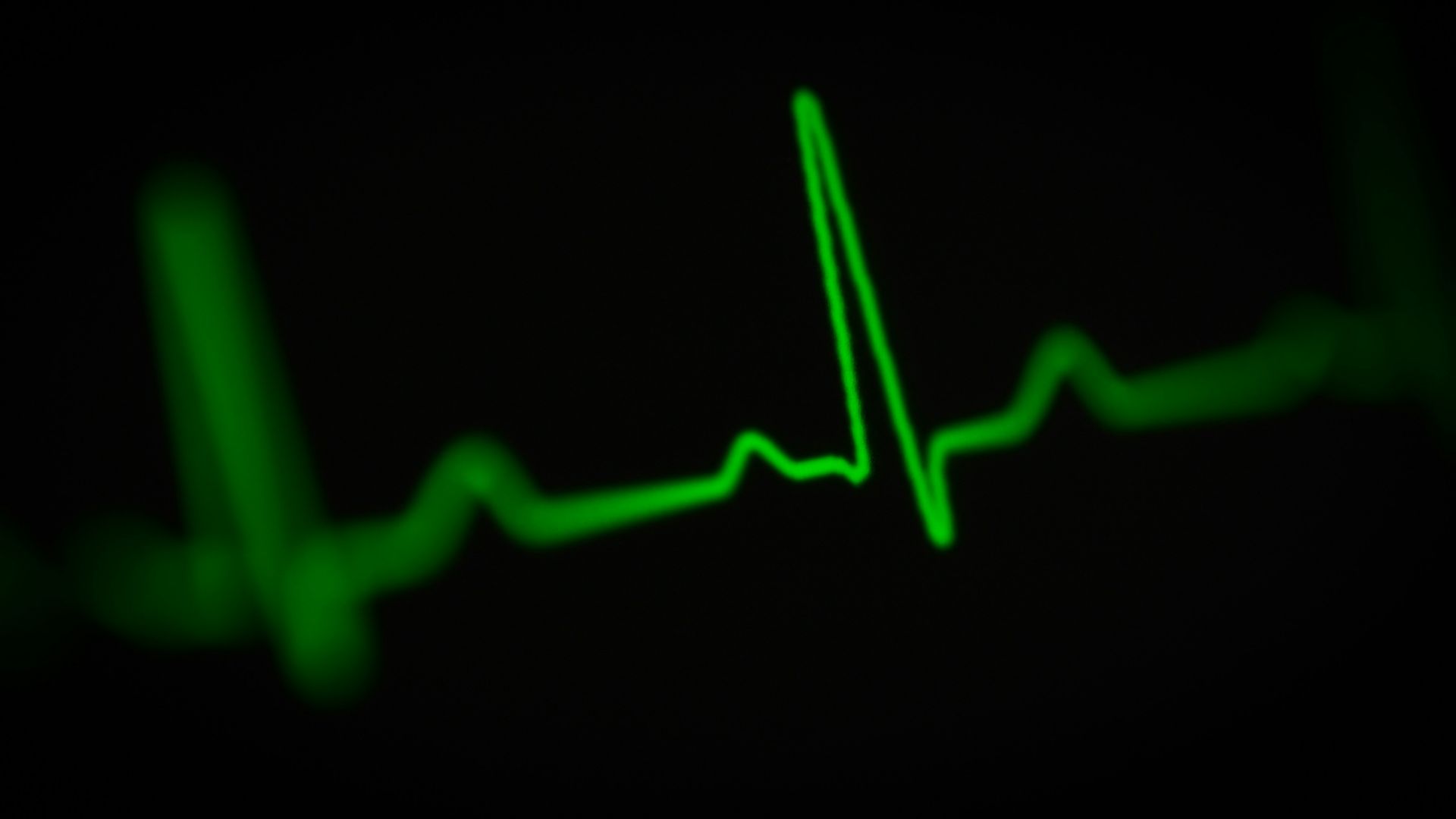
1. Your Heart Rate Starts to Drop
Within a short time after your last cigarette, your heart rate begins moving back toward a more normal level. Nicotine stimulates the nervous system and makes the heart work harder, so removing it takes some of that strain away. You may not feel the difference immediately, but your cardiovascular system is already thanking you.
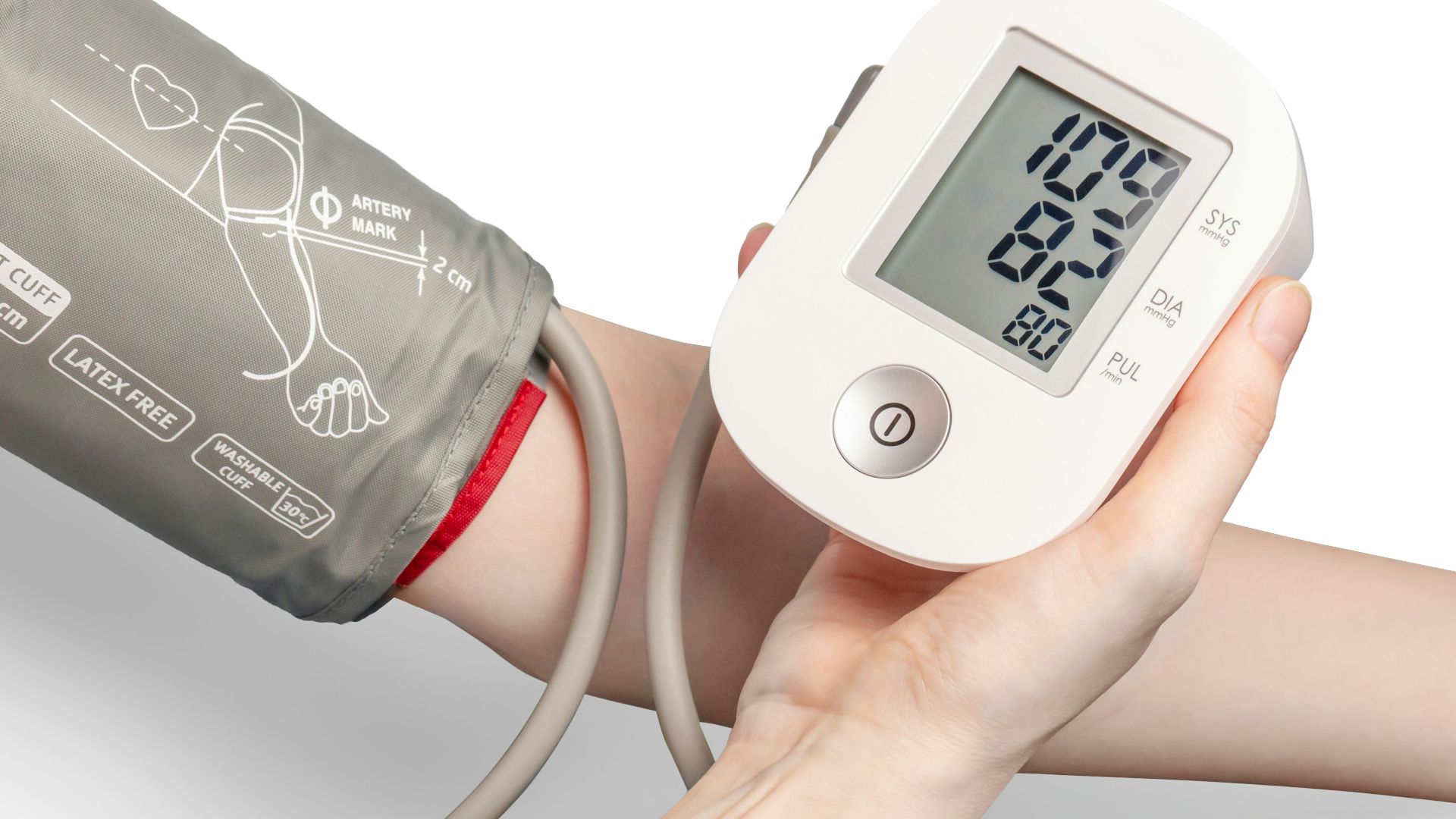
2. Your Blood Pressure Begins to Improve
Smoking temporarily raises blood pressure every time nicotine enters your system. Once you quit, those repeated spikes stop happening, which can help your blood vessels function more normally over time. The improvement isn't always dramatic from one day to the next, but it adds up.
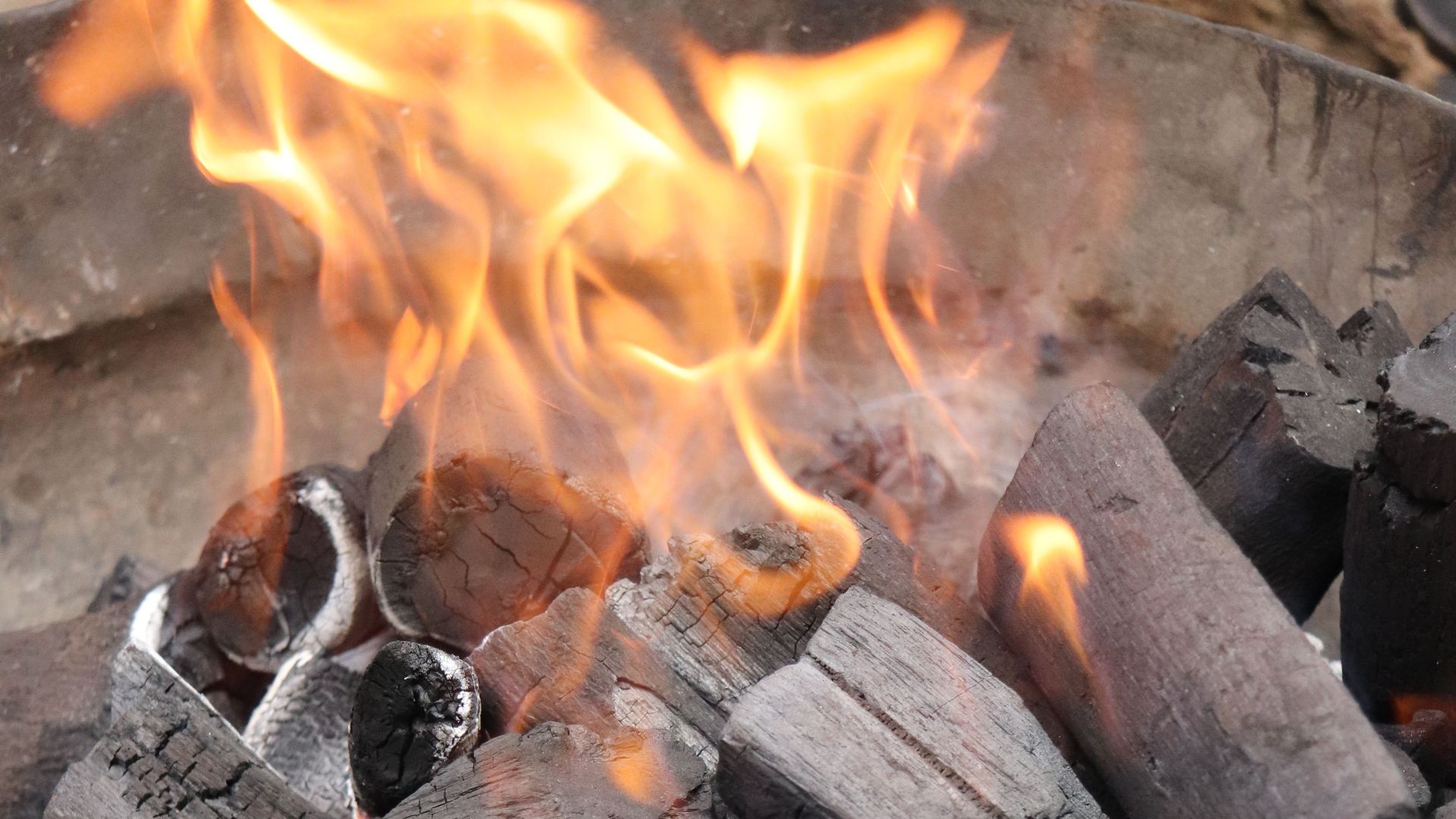
3. Carbon Monoxide Leaves Your Blood
Cigarette smoke contains carbon monoxide, a gas that binds to hemoglobin and reduces how much oxygen your blood can carry. After you stop smoking, carbon monoxide levels begin falling fairly quickly, allowing oxygen levels to recover. That means your organs and muscles can start getting more of the oxygen they're supposed to receive.
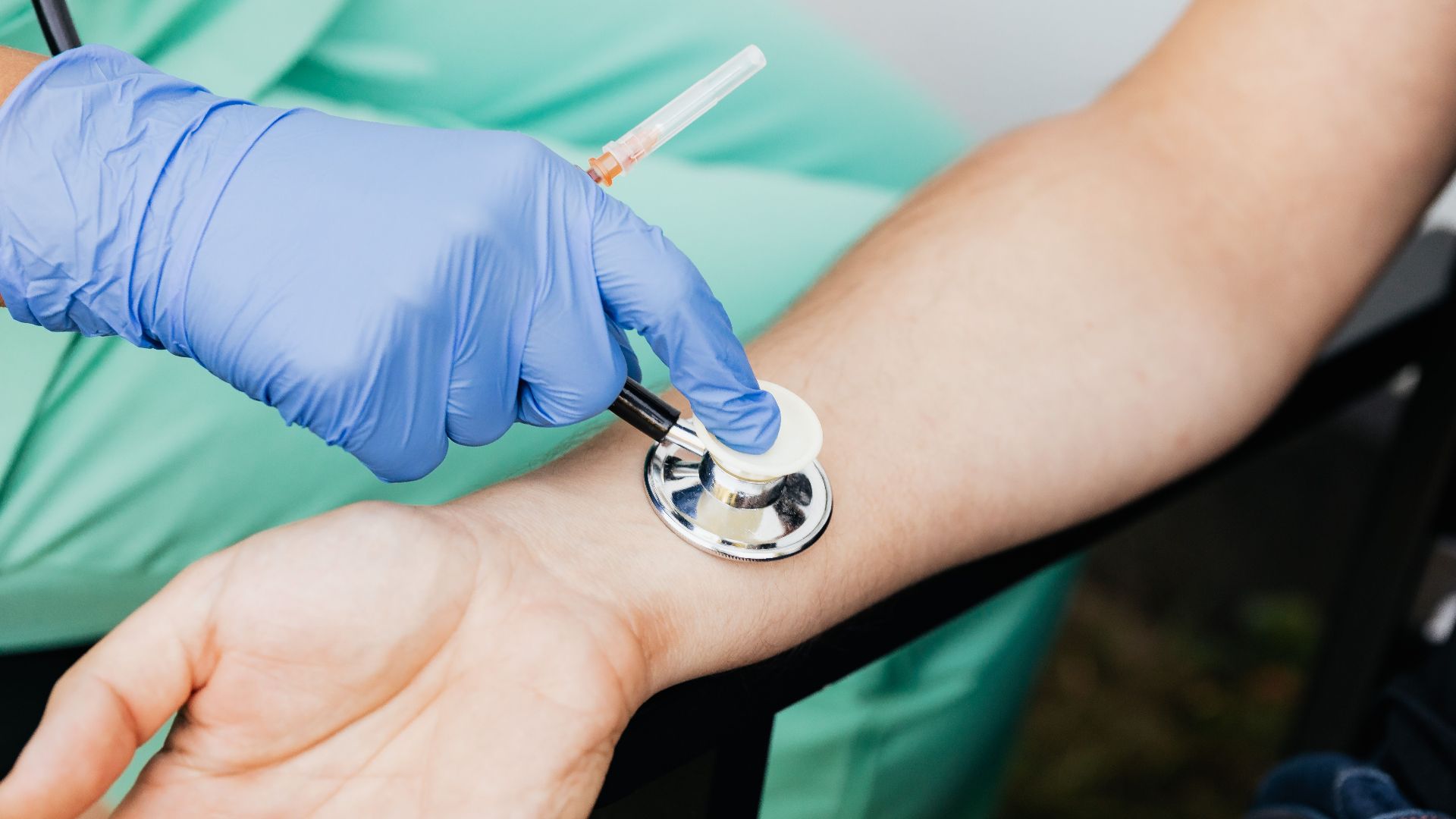
4. Your Circulation Improves
Smoking damages blood vessels and makes it harder for blood to move efficiently through the body. As you stay smoke-free, circulation can gradually improve, especially in your hands, feet, and muscles. Everyday activities may start feeling a little easier as your cardiovascular system becomes more efficient.
 https://kaboompics.com/ on Pexels
5. Food May Suddenly Taste Stronger
Smoking can dull your sense of taste, so quitting may make meals seem noticeably more flavorful. Taste buds begin recovering once they're no longer being repeatedly exposed to smoke and chemicals. Foods you barely noticed before may suddenly have much more going on.
 Pablo Merchán Montes on Unsplash
6. Your Sense of Smell Sharpens
Your nose can also become more sensitive after you quit. Smoking interferes with smell receptors and keeps the nasal passages exposed to irritating chemicals, so removing that constant exposure gives them a chance to recover. The downside is that you may also start noticing unpleasant smells you used to ignore easily.
 Motunrayo Babatunde on Unsplash
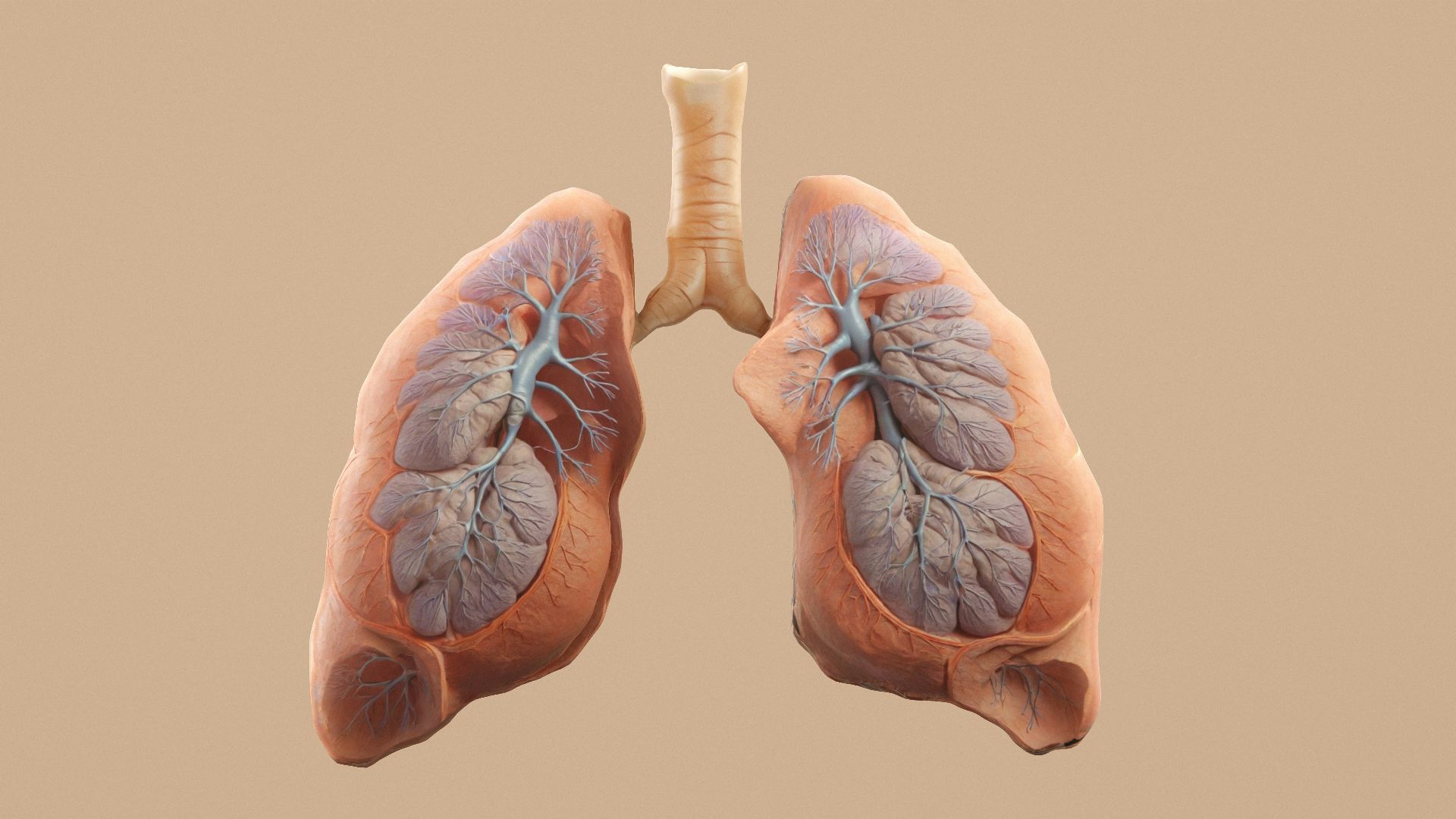
7. Your Lungs Start Clearing Out Mucus
The tiny hairlike structures in your airways, called cilia, are damaged by cigarette smoke. After quitting, they gradually begin working better and help move mucus and debris out of the lungs. You might actually cough more for a while, which can feel discouraging even though it's often part of the cleanup process.
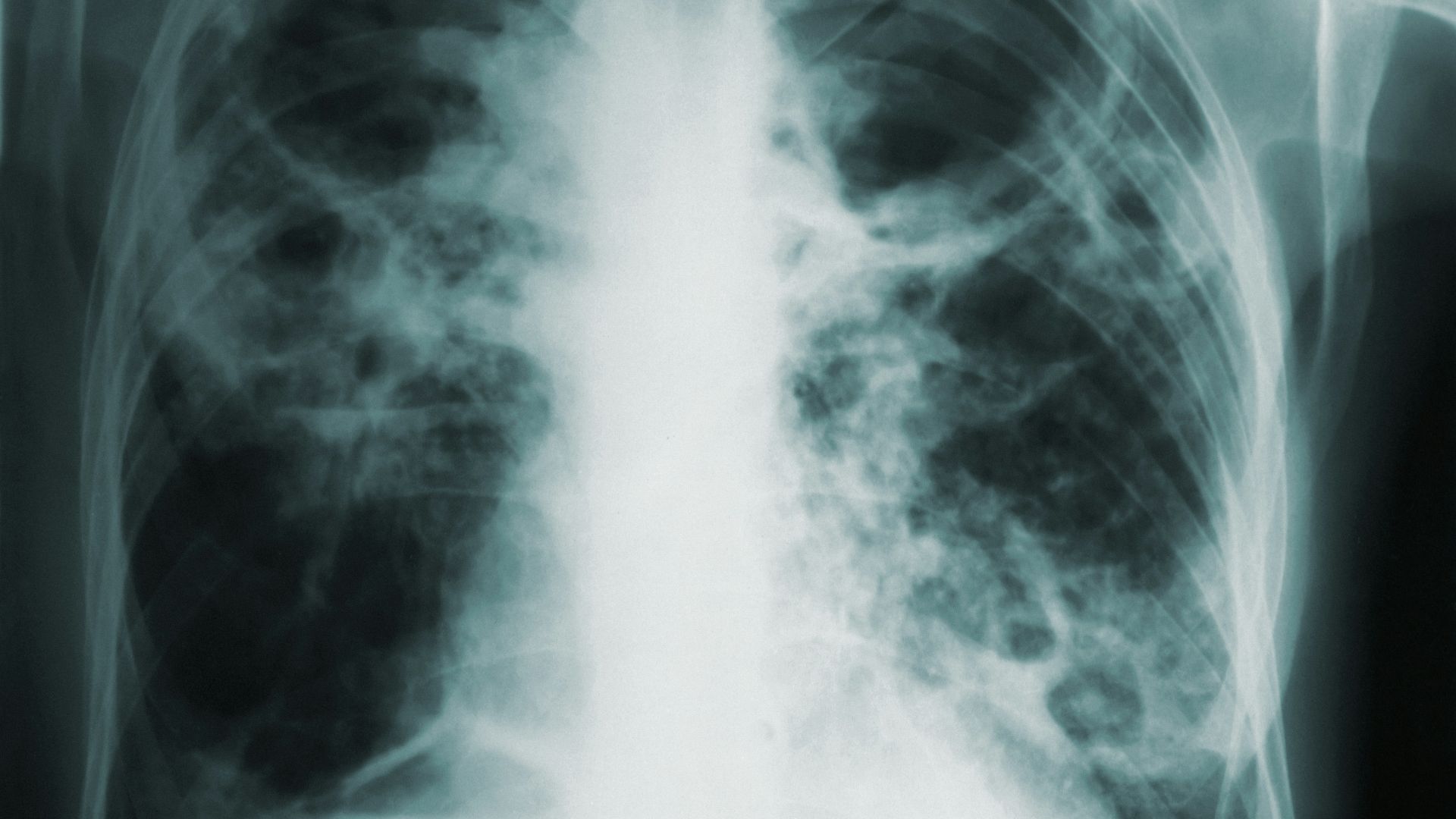
8. Breathing Can Become Easier
As inflammation in your airways decreases and lung function begins improving, breathing may feel less labored. Walking uphill, climbing stairs, or exercising can become more comfortable over time. The extent of recovery depends partly on how long and how heavily you smoked, but quitting still helps at any stage.

9. You May Cough More Before You Cough Less
A temporary increase in coughing isn't unusual after quitting. As your cilia recover, they're better able to push mucus and trapped material upward, which can trigger more coughing at first. Once your airways have had more time to recover, coughing and wheezing often become less frequent.
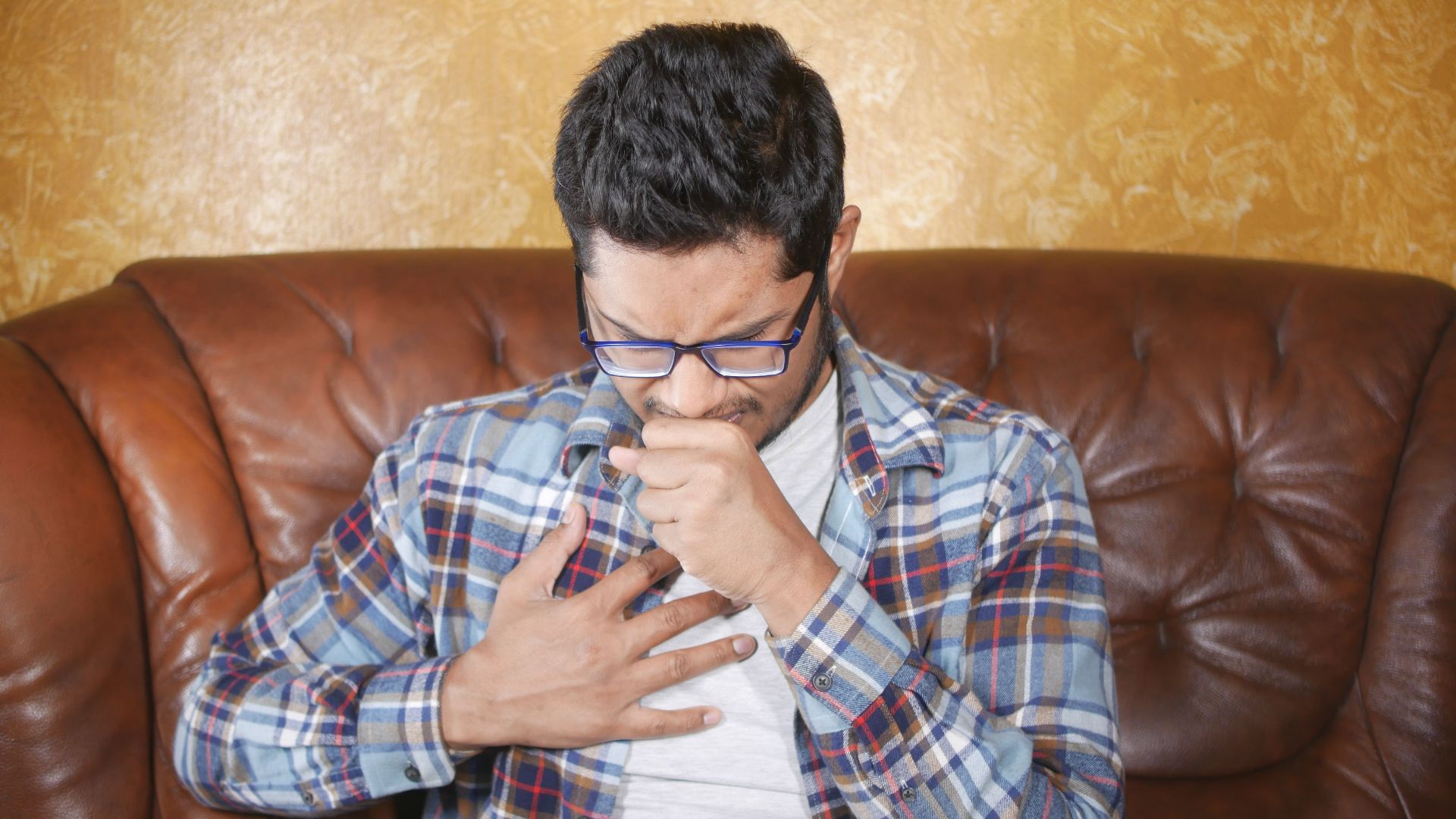
10. Your Energy Levels May Increase
Better oxygen delivery and improved circulation can leave you feeling more energetic once the early withdrawal period passes. Smoking forces the heart and lungs to work harder, so removing that burden can make physical tasks feel less draining. You may notice the change most during exercise or long days on your feet.

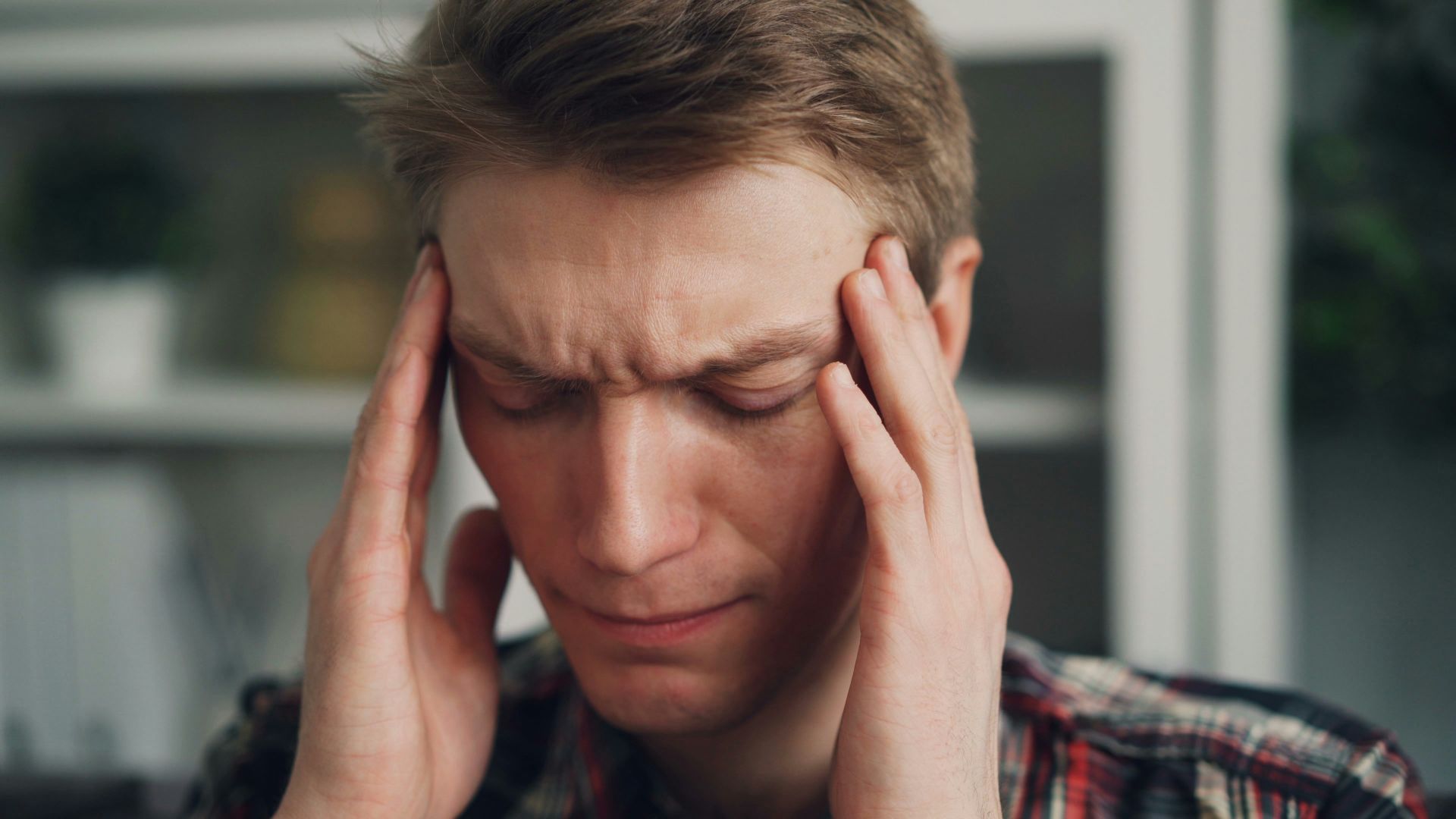
11. Your Withdrawal Symptoms Can Feel Rough at First
Your body has to adjust to functioning without nicotine, and that can cause irritability, restlessness, headaches, trouble concentrating, and strong cravings. These symptoms are usually most intense during the first several days and gradually ease with time. They're uncomfortable and challenging, but they're a sign that your nervous system is adapting to life without regular nicotine exposure.
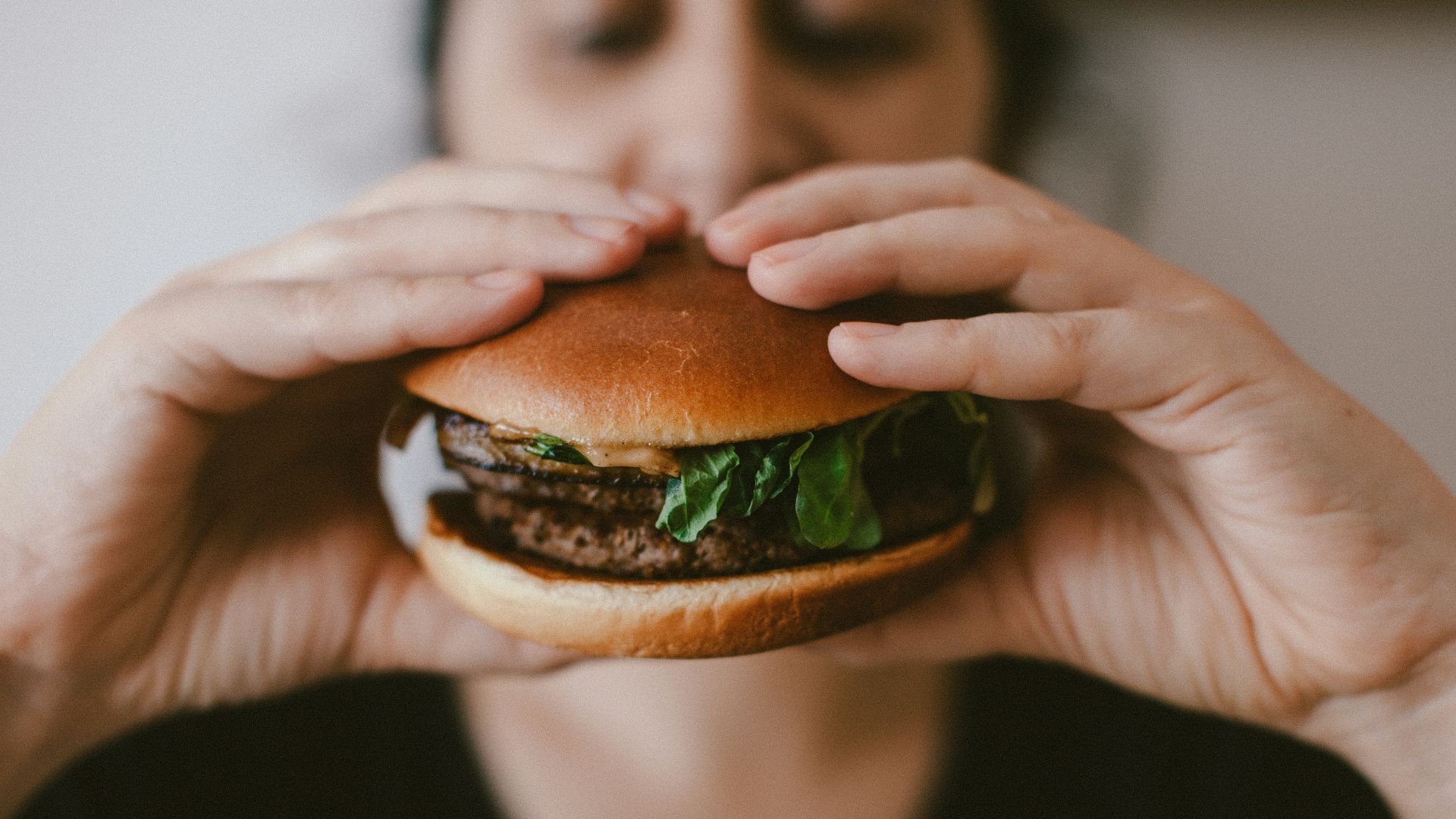
12. Your Appetite May Increase
Nicotine can suppress appetite and slightly increase metabolism, so quitting often makes people feel hungrier. Food may also become more appealing because taste and smell are improving at the same time. Some people gain weight after quitting, but that doesn't cancel out the much larger health benefits of stopping smoking.
13. Your Sleep Can Temporarily Change
Nicotine affects sleep, and quitting can temporarily disrupt your usual routine. Some people have trouble falling asleep, wake up more often, or experience unusually vivid dreams during withdrawal. These changes generally settle down as the brain adjusts to functioning without nicotine.

14. Your Skin Gets Better Blood Flow
Smoking narrows blood vessels and reduces the amount of oxygen and nutrients reaching the skin. After you quit, improved circulation can help restore healthier blood flow to the skin over time. It won't erase every wrinkle, but your complexion might start looking less dull or tired.

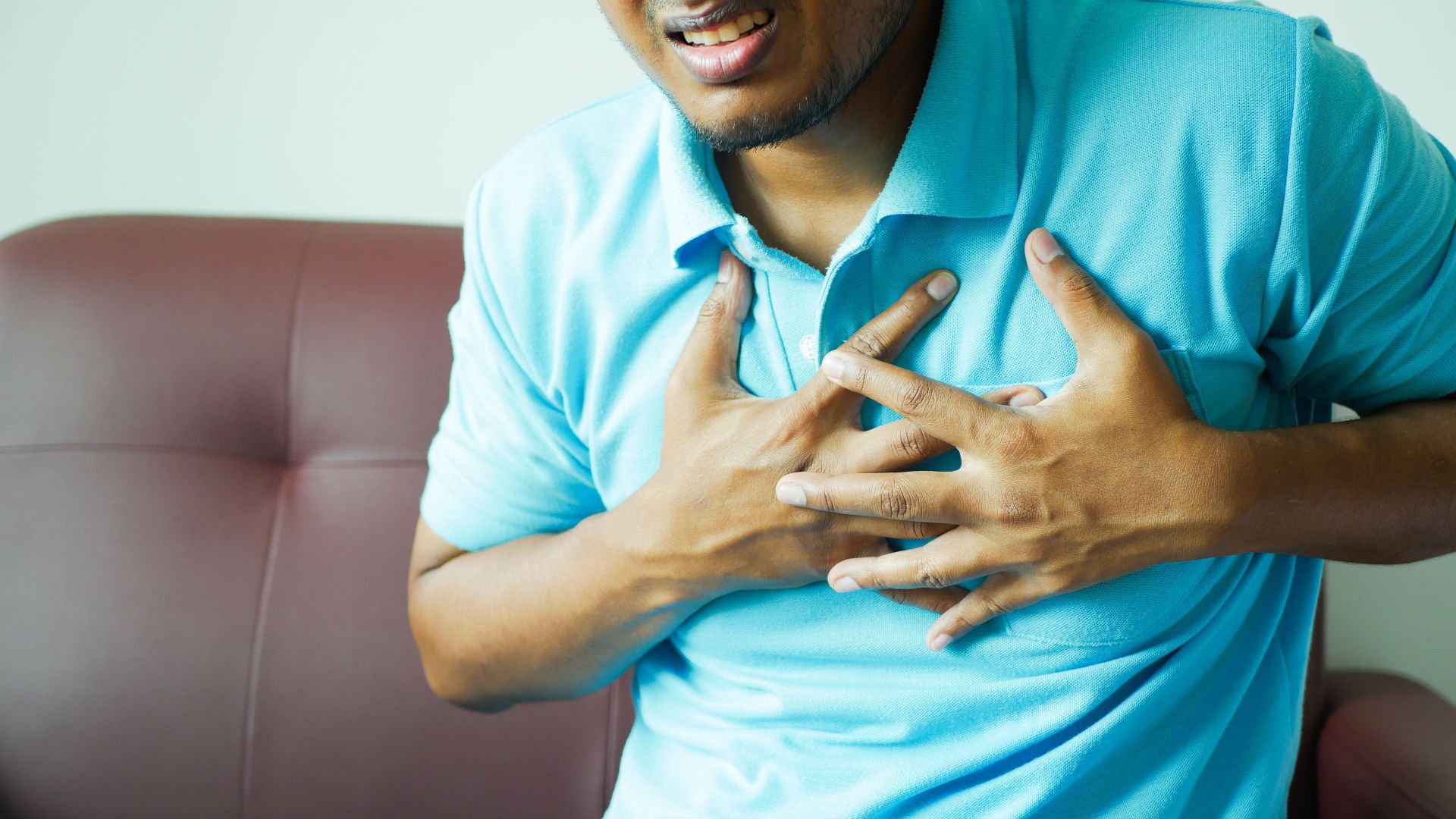
15. Your Risk of Heart Attack Starts Falling
Smoking is a major risk factor for heart disease because it damages blood vessels, promotes clotting, and places extra stress on the heart. Once you quit, that risk begins decreasing and continues to fall the longer you remain smoke-free. The cardiovascular benefits are one of the biggest reasons quitting matters.
16. Your Immune System Works More Effectively
Tobacco smoke interferes with immune function and keeps the body in a state of chronic irritation. Removing that exposure allows immune responses to work more normally and reduces ongoing inflammation. You may become less vulnerable to certain respiratory infections as your lungs recover.

17. Your Risk of Stroke Declines
Smoking damages arteries and increases the chances of blood clots, both of which raise stroke risk. Quitting allows that risk to gradually move downward over the years. Eventually, a former smoker's stroke risk can approach that of someone who never smoked, depending on individual health factors.

18. Your Lung Cancer Risk Begins to Fall
Quitting doesn't erase the effects of past smoking overnight, but it does reduce continued exposure to the cancer-causing chemicals in tobacco smoke. As the smoke-free years add up, your risk of developing lung cancer drops significantly compared with someone who keeps smoking. Risks for several other cancers, including those of the mouth, throat, bladder, and esophagus, also decline.
19. Your Heart Disease Risk Keeps Dropping for Years
The benefits to your heart don't stop after the first few weeks. Over several years without smoking, your risk of coronary heart disease can fall dramatically as blood vessels recover and clotting risk decreases. The longer you stay smoke-free, the more cardiovascular protection you gain.
20. Your Life Expectancy Can Improve
Quitting smoking is one of the most effective health changes a smoker can make, even if they've smoked for decades. People who quit reduce their risks of heart disease, cancer, lung disease, and premature death, and quitting earlier generally provides the greatest benefit. There's no age at which stopping becomes pointless because your body can begin benefiting from the change almost immediately.

KEEP ON READING


20 Natural Ways You Can Boost Your Immune System

20 Ways To De-stress & Relax After Work
The 10 Most Common Diseases & The 10 Most Rare