Your Brain's Aging Journey
Your mind ages differently from your body, and the changes happening beneath the surface often go unnoticed until they've already reshaped you emotionally. Aging brings wisdom and perspective, but it also introduces unexpected shifts in mental resilience that catch many by surprise. With this checklist, you can recognize what deserves attention and how to protect your psychological well-being through every stage of life.
1. Social Isolation Leading To Emotional Detachment
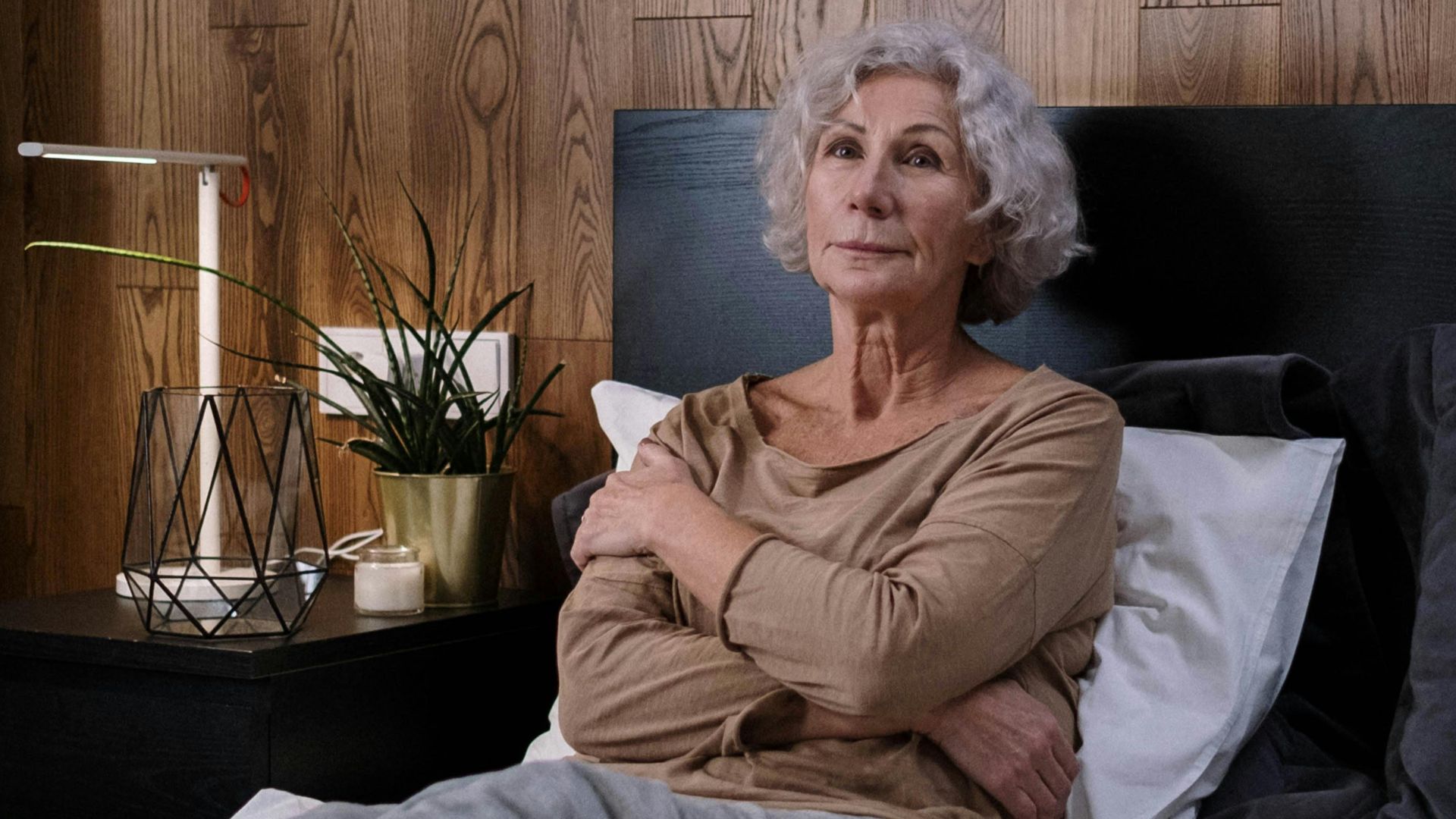
Reduced day-to-day interaction can slowly blunt emotional responsiveness. Without regular conversations or shared experiences, feelings may become muted, harder to access. Over time, emotional distance can feel like self-protection for people who did not intend for it to be that way.
2. Cumulative Adversity Amplifying Vulnerabilities
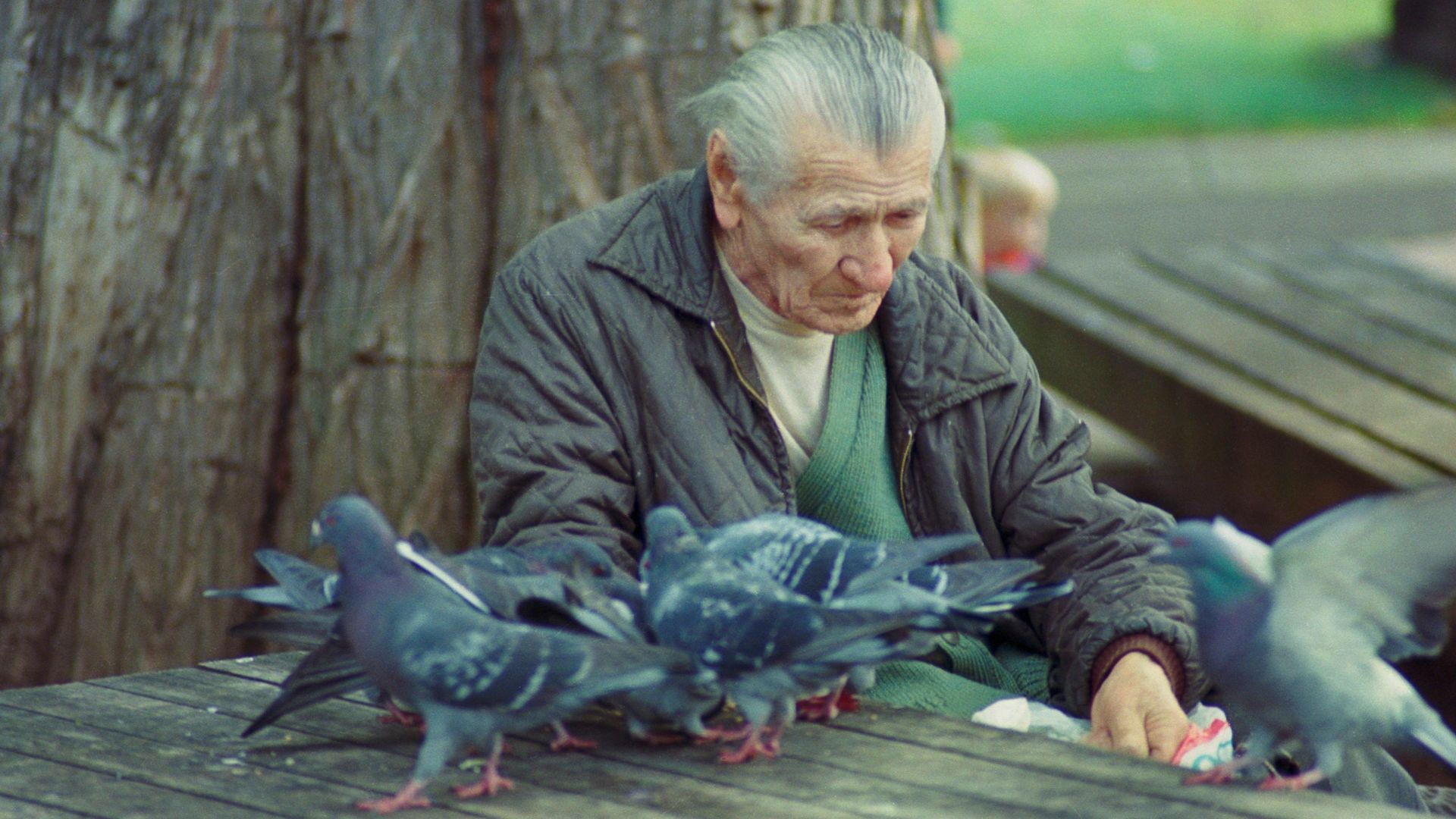
When challenges keep arriving without much relief, resilience gets thinner. Health problems and disappointments begin to stack, leaving less emotional capacity to handle new issues. Even minor stressors can feel heavier when past difficulties remain unresolved.

3. Grief Over Loss Of Loved Ones
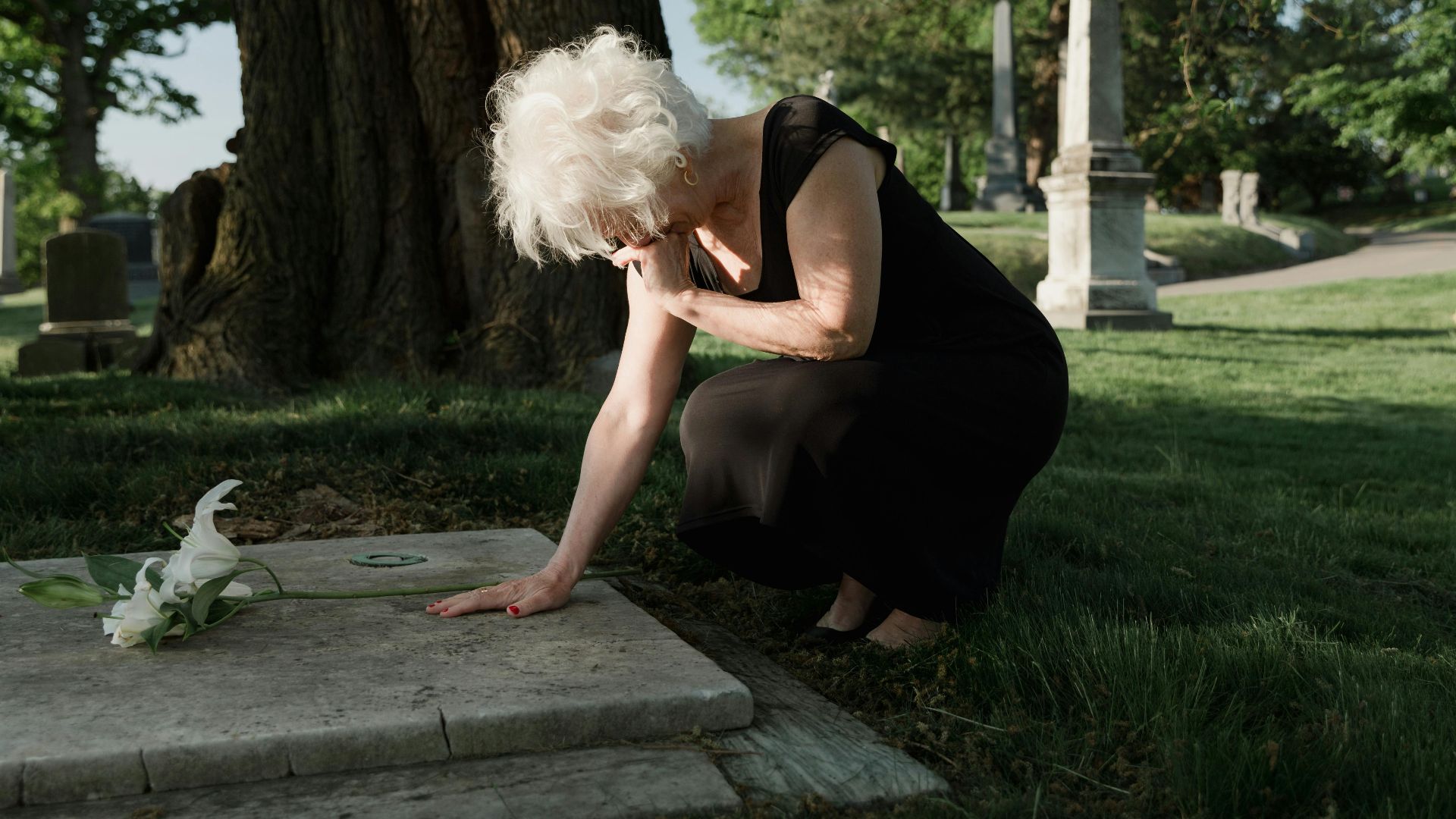
Losing loved ones can make depression more likely in older adults. Grief doesn’t always move forward neatly or in a linear pattern. You may witness memories resurfacing every now and then, which can alter the mood for most people.
4. Chronic Physical Pain Contributing To Mood Instability
By age 50, living with constant pain wears you down in quiet ways. It eats into patience while smaller frustrations feel bigger than they should. When people around you keep bringing it up, it is a silent reminder of the pain you are trying to forget.
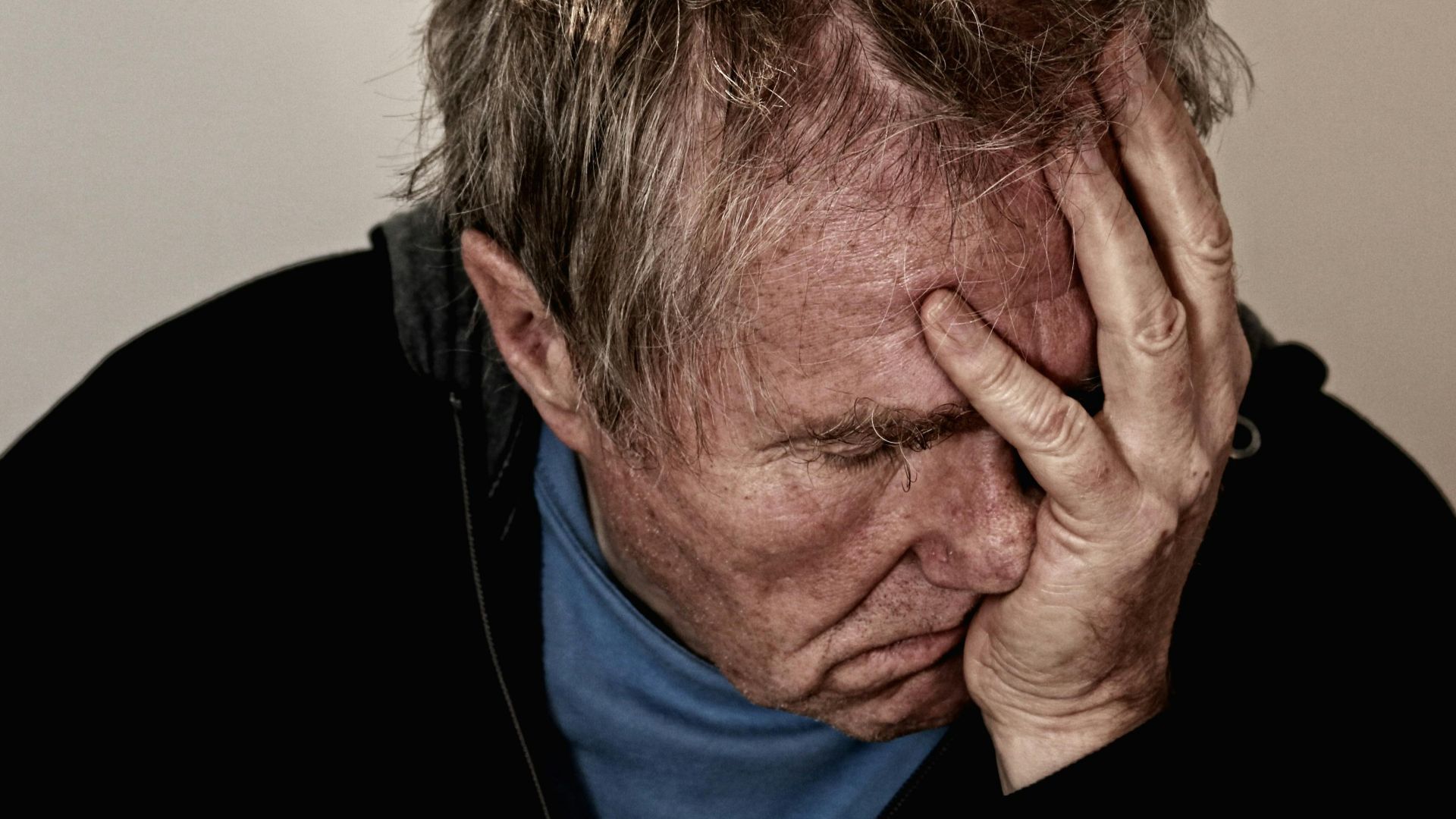
5. Anxiety From Fear Of Illness Or Death
Increased medical awareness can shift thinking toward worst-case outcomes. Normal physical changes may feel threatening and lead to heightened vigilance. This form of anxiety is rooted in uncertainty and a reduced sense of control over health.

6. Cognitive Decline Impairs Self-Efficacy
If memory slips or thinking slows, confidence often takes the first hit. Tasks that once felt automatic start requiring effort, which can make people second-guess themselves. That self-doubt can limit independence more than the decline itself.

7. Elder Abuse Triggering Trauma Responses
Mistreatment doesn’t just cause immediate harm—it reshapes how someone feels around others. Trust drops, and everyday interactions can feel unsafe. These reactions are trauma responses to having boundaries violated at an age when other things are already shaken.

8. Financial Stress From Income Reduction
A smaller, fixed income changes daily decision-making. Even routine expenses start requiring calculation, which creates ongoing mental pressure. The stress comes less from the crunch itself and more from the constant need to stay alert about money.

9. Loneliness From Diminished Social Roles
When work ends or family dynamics shift, daily responsibilities shrink. The impact comes from fewer expectations placed on the person. Without roles that require participation or decision-making, a quiet sense of emptiness can develop.

10. Decline In Functional Ability Causing Dependency Fears
Difficulty handling everyday tasks can quietly shake confidence. Needing help with things once done independently may trigger fear around loss of control. The concern often centers on dignity and autonomy rather than the help itself.

11. Caregiving Burdens Leading To Burnout
If you have to provide constant care for your spouse when you are struggling yourself, it demands emotional focus and patience. When support is limited, exhaustion builds. Burnout can surface as withdrawal, especially when personal needs are repeatedly placed aside.

12. Poor Living Conditions Fostering Hopelessness
Your home is supposed to feel like a sanctuary where you do not feel burdened. But with the rise in physical issues, even going around the house can be a challenge. The retirement income might not seem enough to install old-age fixtures around your own home.

13. Underdiagnosis Of Depression Mimicking Aging
Low energy, withdrawal, or sleep changes are frequently dismissed as normal aging. When depression goes unrecognized, people miss out on treatment. The result is unnecessary emotional suffering mistaken for an unavoidable part of getting older.

14. Technology Gaps Creating Mental Strain
Older adults often face difficulty adapting to rapidly changing digital tools. When banking, healthcare, or even social contact moves online, the learning curve can feel overwhelming. This gap may trigger frustration and lead to feelings of exclusion.

15. Substance Use Emerging As A Coping Mechanism
Alcohol or medication may begin to feel like an easy way to manage discomfort or emotional strain. What starts as relief can slowly interfere with judgment and sleep, which creates additional mental health challenges rather than easing them.

16. Reduced Mobility Limiting Engagement
Limited movement can shrink daily life. When getting out becomes difficult, social activities tend to fade. Since all the peers are of the same age, meeting people also becomes difficult. The mental impact often comes from fewer chances to feel stimulated.

17. Frailty Heightening Fall-Related Anxiety
Physical weakness can make everyday movement feel risky. Simple actions like standing or walking may trigger constant caution. This fear can dominate attention. The fear of such physical damage causes people in old age to avoid movement altogether.

18. Medication Side Effects That Alter Mood
Some prescriptions affect emotional balance without being obvious. Mental fog may appear after medication changes. These shifts are often misattributed to personality or aging rather than recognized as drug-related effects when the real issue is something else.

19. Climate And Environmental Stressors Affecting Mood
Extreme weather events or rising temperatures can weigh heavily on older populations. Limited mobility makes it harder to adapt to sudden changes, while concerns about safety or displacement add emotional pressure. The stress is compounded by reduced resilience to heat or cold, which can amplify anxiety.

20. Sleep Disturbances Undermining Emotional Balance
Poor sleep disrupts how emotions are processed. Without adequate rest, patience drops, and reactions feel sharper. The issue is the brain struggling to reset emotionally without consistent, restorative sleep. Some people need to resort to medication for proper sleeping as well.

KEEP ON READING