
The Miracle Mineral
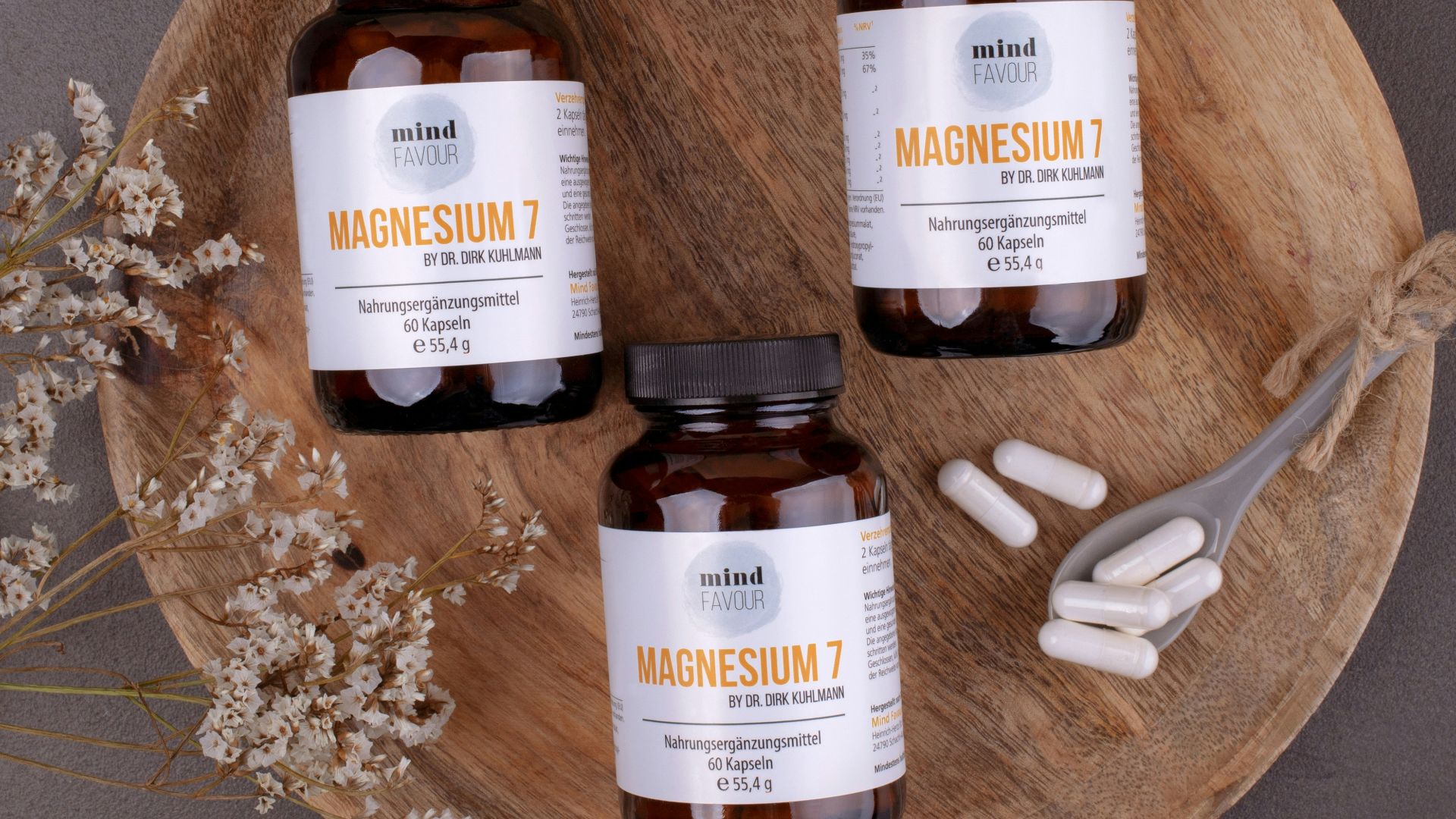
Magnesium is the most powerful nutrient you probably don't get enough of. Touted as a miracle mineral online, magnesium can help treat everything from headaches to heart arrhythmia. Let's dive into a few symptoms of low iron as well as a few tasty ways to get more of it.
1. Headaches
If you suffer from frequent headaches, it may be a sign that you have low magnesium. Magnesium helps regulate brain function. When there isn't enough magnesium, your brain lashes out, leading to headaches.

2. High Blood Pressure
There are two major ways magnesium affects blood pressure. Magnesium counteracts the effects of calcium by opening up your blood vessels, and also prevents injury to the walls of your blood vessels. Magnesium deficiency is just one of many factors which can lead to high blood pressure.

3. Fatigue
Magnesium is one of your body's major energy producers, so it makes sense that magnesium deficiency can lead to fatigue. However, you don't want to be taking too much magnesium either. The relaxing effects of magnesium can also lead to fatigue.

4. Heart Arrhythmia
Heart arrhythmia is the clinical term for an irregular heartbeat, be it too fast or too slow. To put it in the simplest of terms, magnesium controls the rate at which electricity travels through your heart. Magnesium manages how much electricity is allowed to entire and how frequently, helping you maintain a steady heartbeat.

5. Tremors
Tremors are another symptom of magnesium deficiency. A body lacking magnesium is a body that finds it difficult to regulate nerves, leading to tremors. Magnesium-induced tremors are most common in older adults and those experiencing chronic stress.

6. Muscle Cramps
Similarly to tremors, muscle cramps have been linked to magnesium deficiency. As we said above, magnesium helps to relax your blood vessels. When constricted, those blood vessels can lead to muscle cramps, particularly leg cramps throughout the night.

7. Loss Of Appetite
Along with nausea and weakness, a lack of appetite is one of the most common early symptoms of low magnesium. It takes a lot of energy for your digestive process to run as it should. When you don't have the energy to digest, you don't have the energy to eat either.

8. Numbness
Sometimes, magnesium deficiency can have you feeling numb. We're not talking about emotional numbness, but rather numbness in your hands and feet. Without magnesium regulating your nerve signals, your sodium and calcium channels go haywire. These channels start sending nerve signals all over your body.

9. Mood Changes
Your hands and feet may not be the only parts of your body feeling numb. Magnesium works hard to regulate your neurotransmitters. Without enough of it, you may find yourself with less serotonin and more cortisol.

10. Seizures
In severe cases, low magnesium can even lead to grand mal seizures. Even if you don't have epilepsy, magnesium deficiency can still trigger seizures, often compounded with other factors. If this happens, go to a hospital immediately.

Now that we've discussed some symptoms of magnesium deficiency, let's look at a few foods that are rich in it.
1. Yogurt
Remember how we said that magnesium counteracts some of the effects of calcium? Well yogurt is an easy and delicious way to get both minerals! One cup of plain, low-fat yogurt has 10% of your daily magnesium.
 micheile henderson on Unsplash
2. Spinach
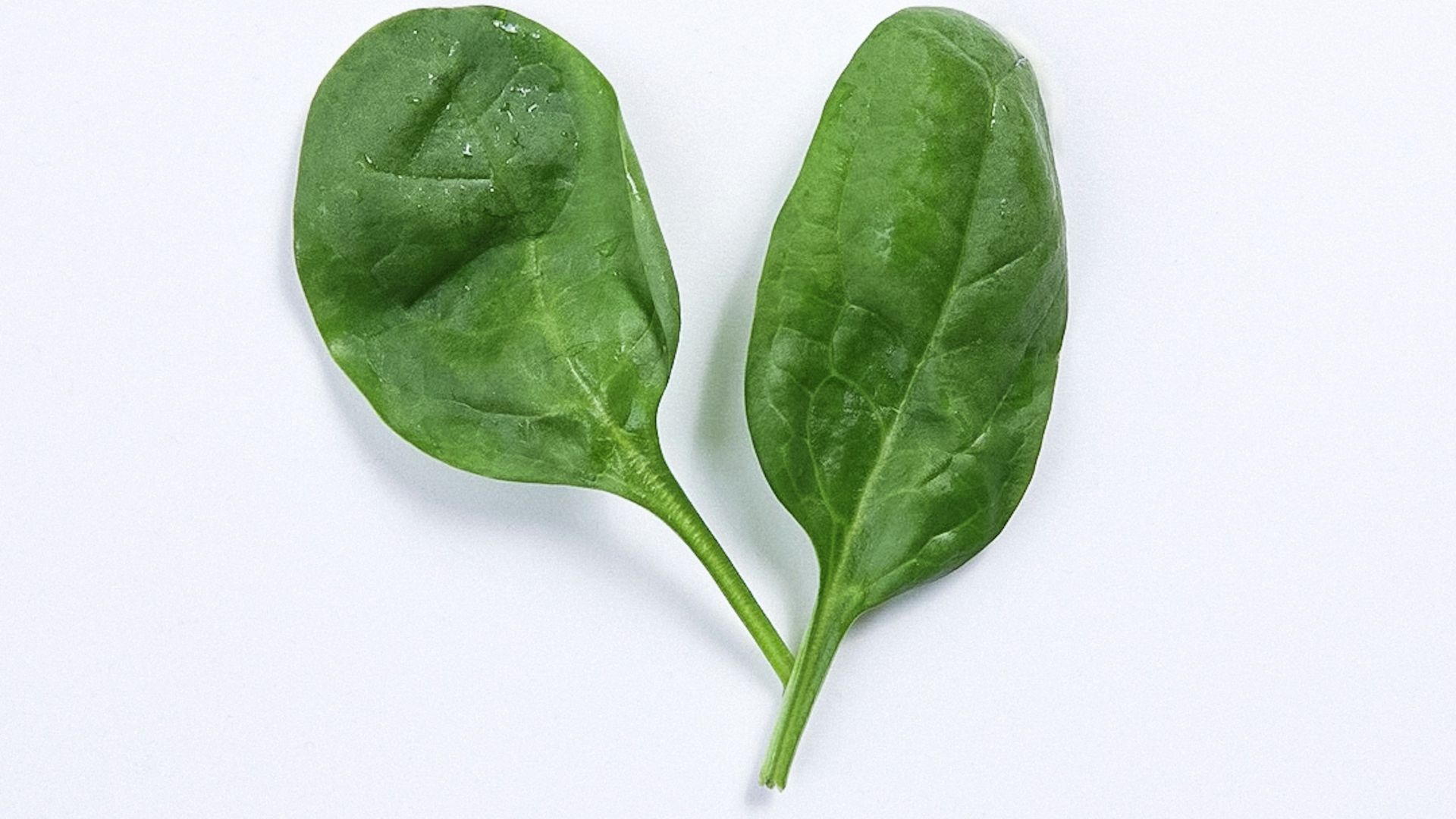
Getting enough magnesium in your diet is easy if you're a fan of leafy greens. One cup of cooked spinach has 37% of your recommended magnesium, along with a ton of other nutrients like iron and vitamin C. Kale and collard greens also have high levels of magnesium.
3. Avocado
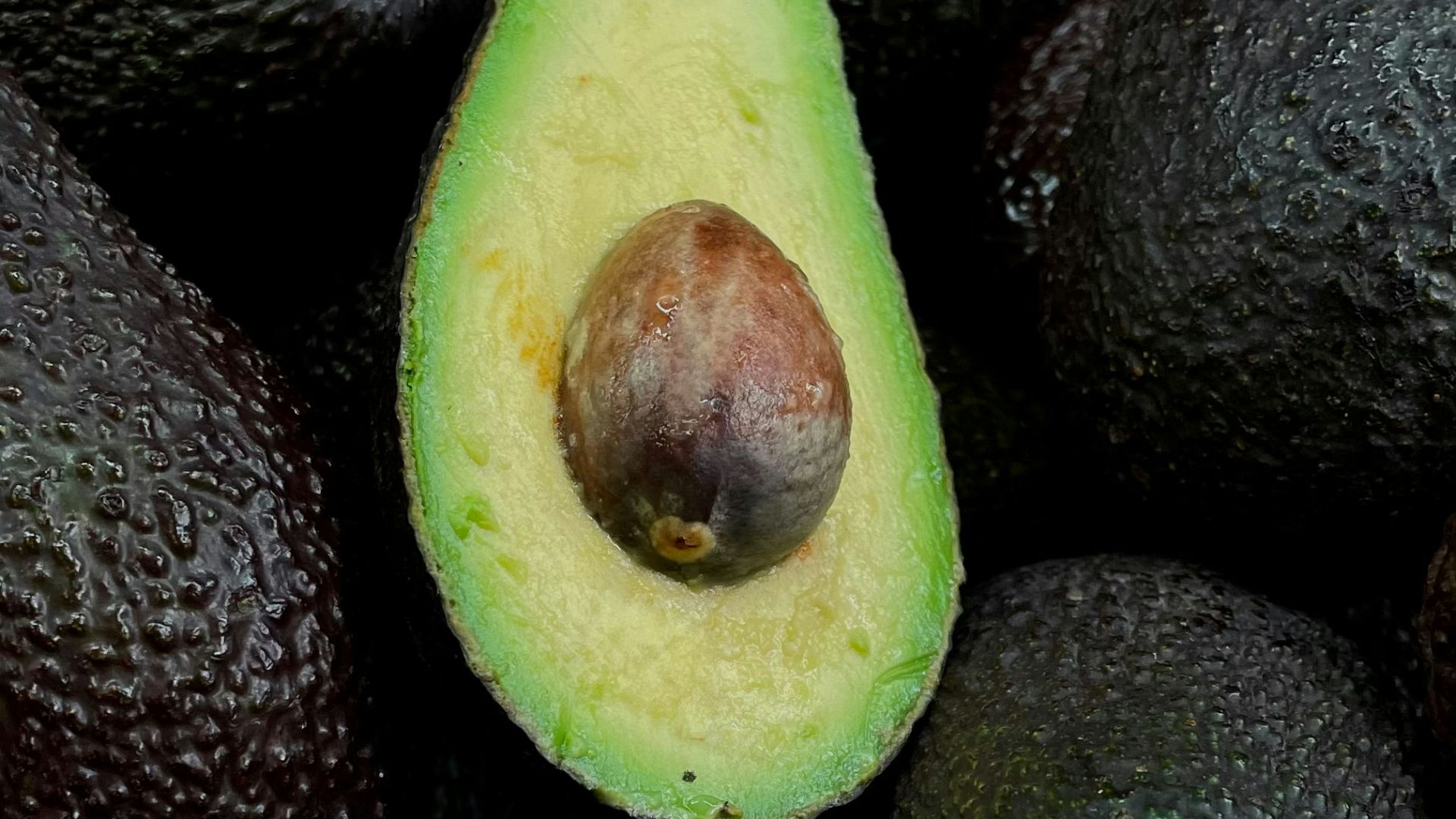
An excellent source of monounsaturated fat and protein, one avocado has about 14% of your magnesium daily value. Avocados are also good for your heart and appetite. Eating an avocado will help you feel full between meals.
4. Potatoes
Regardless of color or kind, the average potato has between 10-12% of your daily magnesium. Potatoes are an excellent way to get your fill of veggies and nutrients if you aren't a fan of leafy greens. Make sure you keep the skin on!

5. Edamame
Edamame are green soybeans often salted and served as a snack in East Asia. Half a cup of cooked edamame has 12% of your magnesium DV. Unlike potatoes, you do not want to eat the skin.

6. Brazil Nuts
While most nuts are generally high in magnesium, Brazil nuts take the proverbial cake. A single Brazil nut contains an astounding 175% of your recommended magnesium! Just remember what we said about overdoing it with your nutrients.

7. Tofu
As tofu comes from soybeans like edamame, it can be deduced that it is also a rich source of magnesium. Tofu has 8% of your magnesium DV. Tofu is remarkably versatile, ranging from extra-firm to silky.

8. Dark Chocolate
Magnesium isn't just good for your body, it tastes good too! Dark chocolate has 15% of your daily magnesium in just one ounce. If you're used to measuring chocolate in bars rather than ounces, one ounce is approximately one square.

9. Pumpkin Seeds
Like nuts, seeds of all varieties are generally seen as a good source of magnesium. Pumpkin seeds definitely lead the pack, with one ounce packing 40% of your magnesium DV. Pumpkin seeds are also wonderful sources of fiber and antioxidants.
10. Bananas
While bananas may be best-known as a key source of protein, they're no slouch in the magnesium department. One large banana has 9% of your magnesium DV. Bananas are also an excellent source of natural sugars.

KEEP ON READING



20 Natural Ways You Can Boost Your Immune System

20 Ways To De-stress & Relax After Work

The 10 Most Common Diseases & The 10 Most Rare