
Train Your Brain
Aging can be scary, especially when those "senior moments" of forgetfulness happen more frequently. While aging is often seen as the first step of cognitive decline, it doesn't have to be. Let's walk through a few ways you can keep your wits about you as you get older.
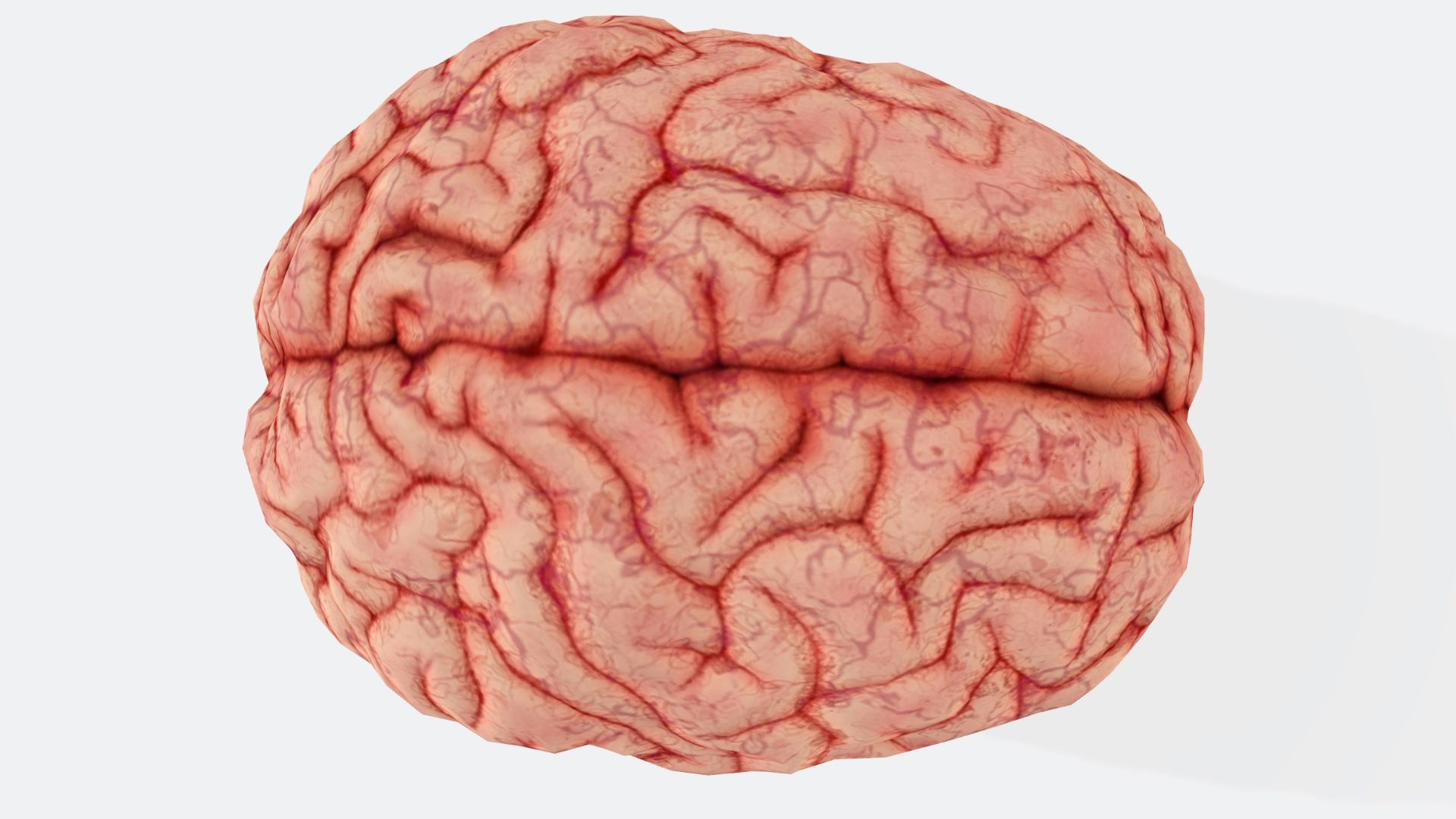 BUDDHI Kumar SHRESTHA on Unsplash
1. Get Moving
Your brain is a muscle just like any other and benefits from regular exercise. Exercise increases blood flow to your brain as well as increases connections between brain cells. As little as 30 minutes of walking a day can benefit your brain.

2. Sleep Well
One of the best things you can do for your brain is getting a good night's sleep. While you sleep, you brain recharges with some mental housekeeping, removing unwanted proteins from your gray matter. One of these proteins, amyloid, is common in those with Alzheimer's.

3. Follow A Mediterranean Diet
"Brain food" isn't just a phrase your mom used to get you to eat your veggies! A healthy diet supports brain function. Particularly, the Mediterranean Diet, which is filled with omega-3s and whole grains, is recommended for seniors.

4. Socialize
Aging can be isolating. One of the best ways you can take care of your brain and your emotional health is by keeping in touch with old friends as well as seeking out new ones. Loneliness has been linked to dulled cognitive skills.

5. Take Care Of Your Heart
Physical health and mental health work together to keep your brain limber. A healthy heart can better pump blood to your brain to keep those genius ideas flowing. Some studies have linked cardiovascular risk to worsening cognitive health, however, there is no one answer.

6. Manage Your Health
It isn't just your heart that works together to keep your brain working, it's your whole body! Health conditions such as diabetes and cholesterol can have negative impacts on brain function. Additionally, constant worrying about health concerns will only make you more worried.
 Hush Naidoo Jade Photography on Unsplash
7. Give Your Brain A Break
Just like your other muscles, your brain can't be "on" 24/7 unless you're looking for a major crash-out. Overloading your brain with information is one of the quickest ways to ensure that absolutely none of that info stays there for longer than a few hours. Take time to digest information and turn your brain off.
 Aleksandar Cvetanovic on Unsplash
8. Protect Your Head
The little bit of bone protecting your brain is just as organ as your brain itself. Doing what you can to prevent head injuries will keep your brain safe and secure. Always wear a helmet on a bike and a seatbelt in a car.

9. Use Your Senses
One way to ensure information sticks in your brain is to use as many senses as you can to process it. Smell, for example, can help form lasting associations. This can help you recall information at a later date.

10. Take Care Of Your Mental Health
Many people do not take mental health seriously to the detriment of themselves and their loved ones. Unfortunately, depression is a very real risk for seniors, especially those who are isolated. Depression can lead to bouts of brain fog, forgetfulness, and overall a decrease in brain activity.
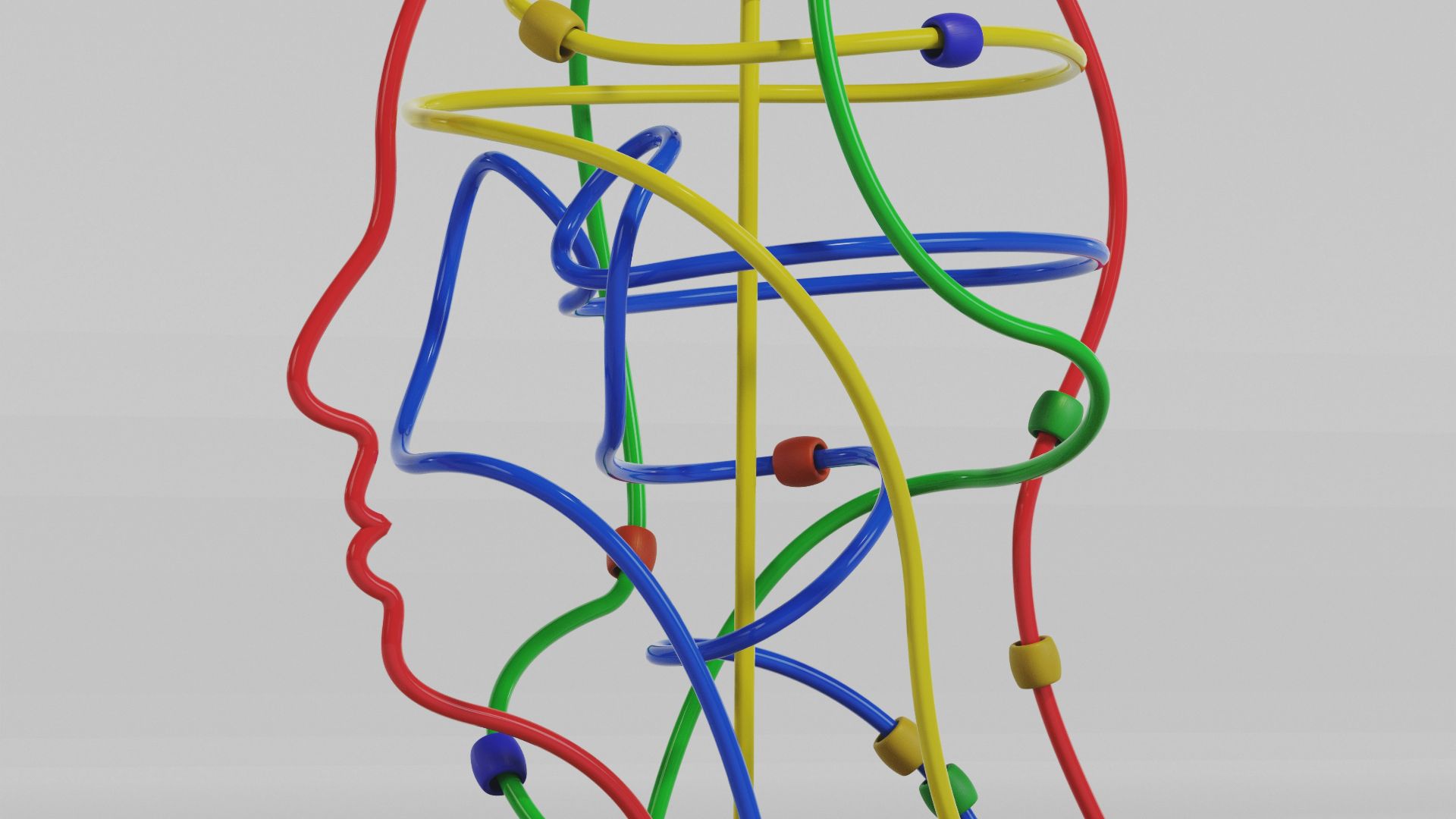
11. Believe In Yourself
This may be trite, but it's also true. You truly are only as old as you feel, and if you dispel negative stereotypes about aging, you'll feel younger than ever. Don't let your insecurities hold you back from living your best life.
 LOGAN WEAVER | @LGNWVR on Unsplash
12. Understand Medications
There's never any shame in taking medications whether they're for your brain or for your body. However, some medicines can have negative interactions with food or other substances, including confusion and memory loss. It's important to understand both the side effects and the desired effects of all medications you take.

13. Study
If you want to remember important information (like people's names and relationships), one of the best ways to do so is by studying. Going over information after learning it is an easy way to ensure that information sticks. Plus, you can reward yourself when all that studying pays off.

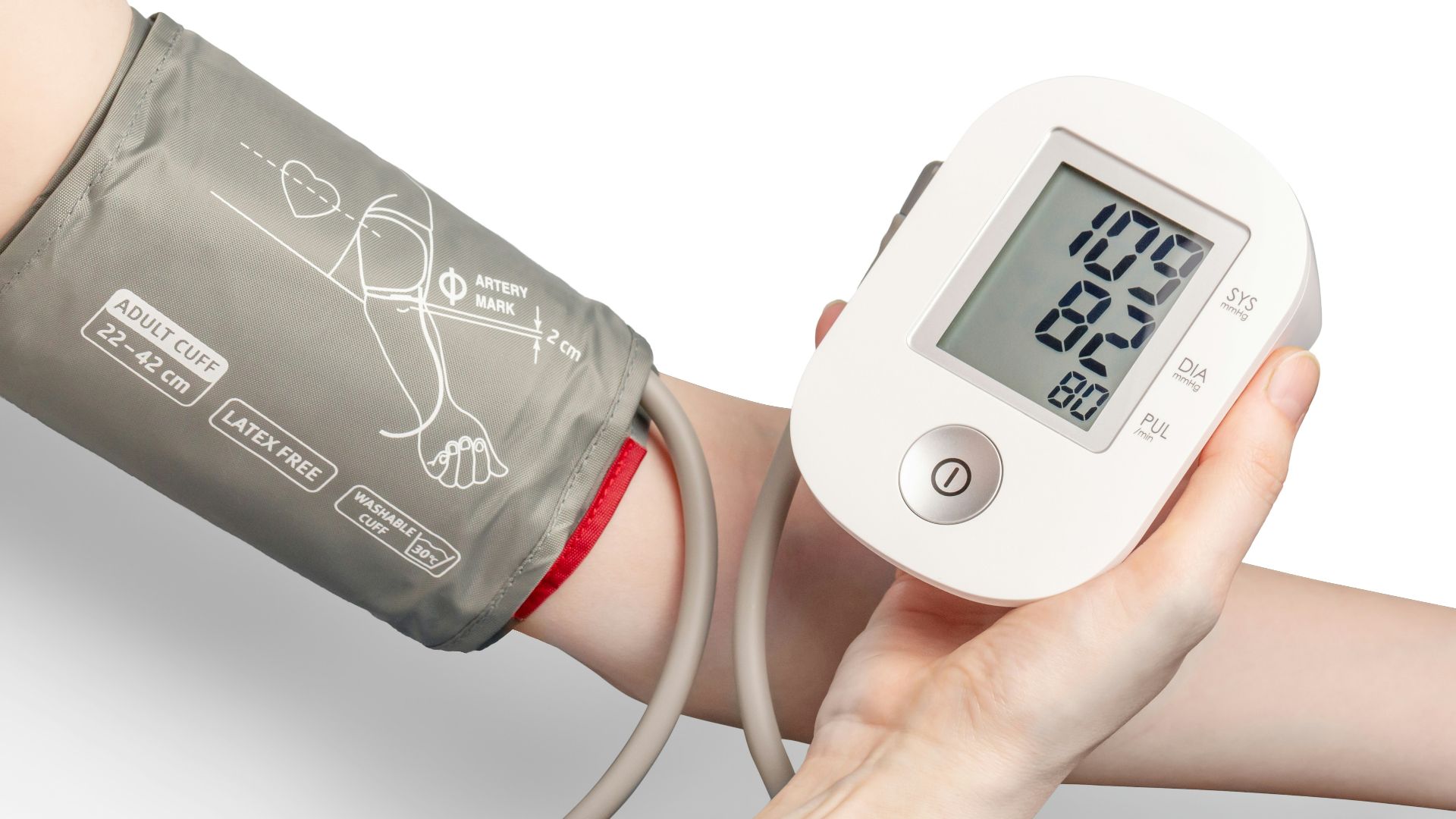
14. Control Blood Pressure
High blood pressure doesn't just affect your blood, it affects your brain too. Hypertension narrows blood vessels which restricts the amount of oxygen that can travel to your brain at any given time. It can also damage your brain's neural highways, so keeping an eye on those numbers is essential.
15. Learn New Skills
Don't think of aging and retirement as being stuck in the house all day, think of it as time filled with opportunity. If you don't have to worry about working 9-5 or raising kids, you have plenty of time to devote to skills you've always wanted to pick up but have never had the time. Why not learn to play an instrument?

16. Reduce Stress
Stress, whether it be chronic of acute, can do serious damage to your brain function. What people commonly refer to as "brain fog" is the result of cortisol build-up interfering with brain function. A few minutes of meditation or mindfulness a day can help reduce daily stress.

17. Kick Your Habits
If you're dependent on smoking or alcohol consumption, it isn't just your body that's at risk, but your brain. Addictive substances can affect your brain's communication patterns and hinder your ability to react and solve problems. The best time to quit is right now.

18. Read
You can never read too much. Reading has a ton of neurological benefits from teaching you new words and about different cultures, to keeping you occupied in hours you would otherwise spend endlessly scrolling. If you were a big reader as a child but fell out of the habit as an adult, now's a great time to start.

19. Do Puzzles
Simple puzzles like Sudoku or crosswords can teach you problem solving and quick thinking. Doing a puzzle each day can encourage healthy habit formation as well as the formation of new neural networks. There are a ton of different brain games out there, so find one you're interested in.
20. Stay Curious
Learning doesn't have to stop when you leave the classroom! So long as you exist in the world, there will be mysteries for you to unravel. Seeking out information and challenging yourself will help keep your brain in top form.

KEEP ON READING



20 Ways to Deal With Your Sweet Tooth

20 Low-Impact Exercise Ideas For People Over 50