
When Nausea Won’t Let Up
That constant wave of nausea can feel unsettling, distracting, and hard to explain when it keeps returning. Persistent queasiness often hints that something subtle in the body or daily routine is out of balance, even when nothing seems obviously wrong. This list explores why that feeling lingers and how understanding it can open the door to relief. Let’s begin with the reasons you feel nauseous all the time.

1. Chronic Gastroesophageal Reflux Disease (GERD)
That sour, unsettled feeling may start with acid moving where it does not belong. GERD pushes stomach acid back into the esophagus, which triggers nausea and heartburn. Regular exposure can damage tissue over time, and even everyday treats like coffee or chocolate may spark symptoms.

2. Gastroparesis (Delayed Stomach Emptying)
When digestion slows down too much, nausea usually follows. Gastroparesis limits how food leaves the stomach, often due to diabetes related nerve damage. People feel full quickly or vomit after meals. The name itself means stomach paralysis, which explains why digestion feels stuck.

3. Anxiety Disorders And Chronic Stress
Stress does more than affect mood. Anxiety releases hormones that interfere with digestion and gut movement, allowing nausea to linger for days. That familiar feeling of butterflies represents a mild version of the same response, driven by the body’s fight or flight system staying switched on.

4. Chronic Migraine Disorders
Nausea sometimes starts in the nervous system rather than the stomach, as migraines commonly trigger nausea at some point. Chronic migraines strike at least fifteen days each month, which wears the body down. Even figures like Thomas Jefferson reportedly battled migraines.

5. Peptic Ulcer Disease
Uneasiness tied to ulcers can trace back to bacteria or medication. H. pylori infections or repeated NSAID use eat away at the stomach lining, causing pain and queasiness. Scientists once doubted this link, yet the discovery proved so vital that it earned a Nobel Prize.

6. Gallbladder Disease (Gallstones)
Some gallstones stay silent until they block bile flow. As soon as that happens, nausea pairs with sharp pain under the right ribcage. Ongoing blockage leads to inflammation called cholecystitis, and the stone size can vary wildly, too, ranging from tiny grains to pieces as large as golf balls.

7. Hepatitis (Liver Inflammation)
Fatigue and nausea often appear early if the liver becomes inflamed. Hepatitis frequently comes from viral infections such as types A, B, or C. Yellowing skin may follow; however, the liver holds a rare advantage since it can regenerate itself after injury.

8. Inflammatory Bowel Disease (IBD)
Inflammation that never settles can upset the stomach fast. Inflammatory bowel disease includes Crohn’s disease and ulcerative colitis, both causing digestive tract inflammation. Crohn’s may strike anywhere along the digestive system, while ulcerative colitis stays confined to the colon.

9. Chronic Alcohol Use
Drinking does not just affect the liver. Frequent drinking irritates the stomach lining and commonly leads to gastritis, where nausea becomes frequent. Continued damage raises the risk of cirrhosis. Moreover, the liver can only process about one drink per hour.

10. Medication Side Effects
The medicine cabinet can quietly cause constant nausea. Many medications list nausea as a side effect, especially antibiotics or chemotherapy drugs. Long-term use raises the risk. Even supplements create trouble, since iron vitamins frequently upset the stomach lining.

Understanding where the nausea comes from is the first step, but relief often starts with knowing what small changes can actually help.
1. Eat bland, Easy-To-Digest Foods
When nausea sticks around, easing the stomach becomes the priority. Bland foods tend to calm irritation better than greasy or spicy meals, which slow digestion. That’s why doctors still suggest simple options like the BRAT diet, and why toast earned a long reputation as gentle fuel.

2. Sip Water Or Electrolyte Drinks
Nausea worsens once hydration drops, even slightly. Taking small, steady sips helps the stomach tolerate fluids while electrolyte drinks restore lost minerals. Large gulps rarely help. In many warm climates, people rely on coconut water for the same balancing effect.

3. Use Ginger
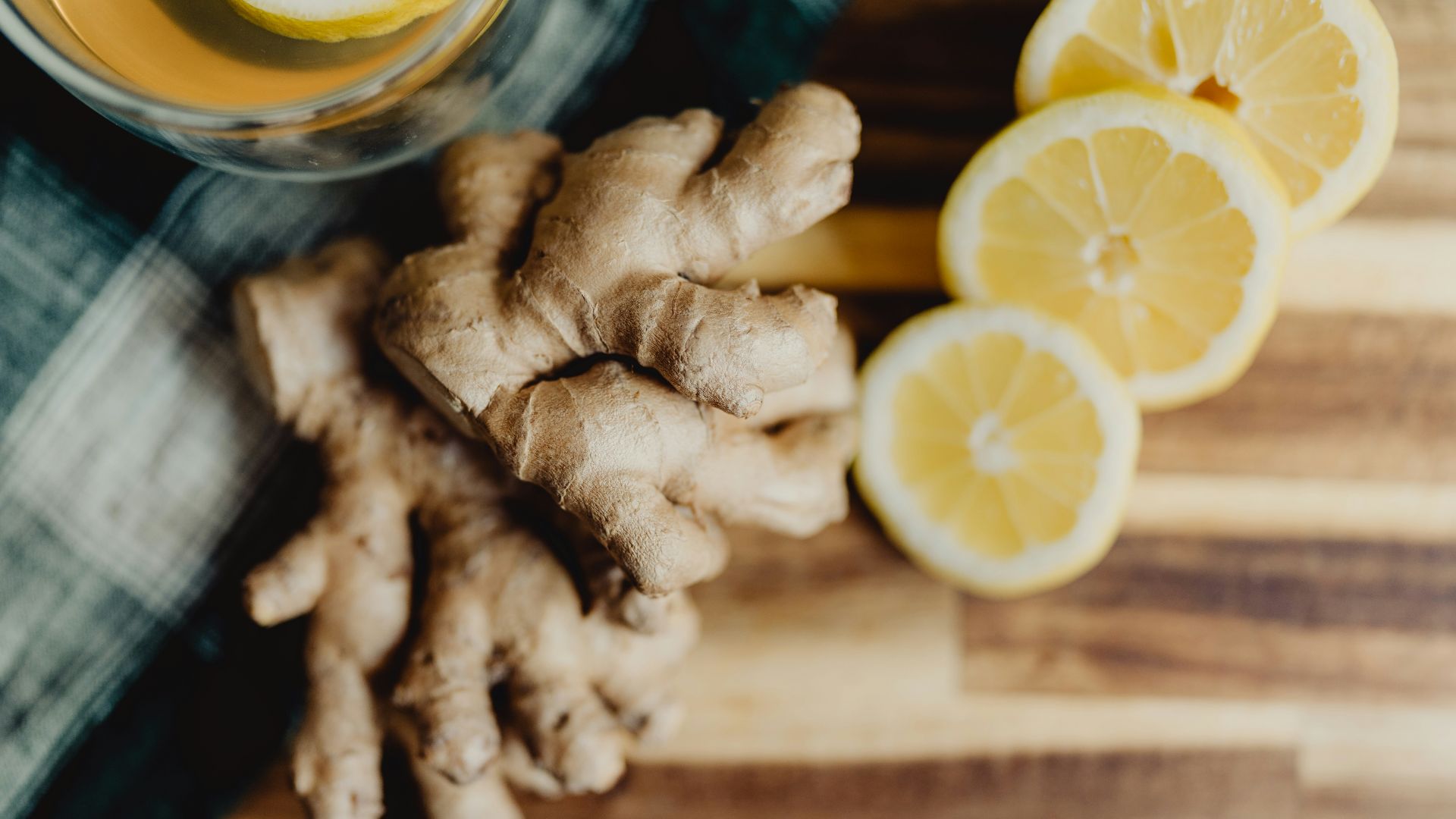
Ginger offers relief that goes beyond tradition. Compounds inside the root support the digestive tract and ease nausea, with benefits seen in pregnancy and cancer care. Long before research confirmed this, sailors carried ginger on voyages to settle rough stomachs.
4. Practice Deep Breathing Or Meditation
Stress-driven nausea responds best when the body slows down. Deep breathing shifts the nervous system into a calmer state and lowers hormones that disrupt digestion. Meditation reinforces that effect, and ancient breathing practices recognized this gut mind connection thousands of years ago.

5. Avoid Strong Odors And Trigger Environments
Smells reach the brain quickly and can trigger nausea without warning. Perfume, smoke, cooking fumes, and stale indoor air commonly cause problems. Fresh airflow often helps more than expected. Physicians began documenting odor-related nausea long before modern imaging existed.

6. Try Acupressure Wristbands
Some relief comes from pressure rather than pills. Acupressure wristbands target a nerve point linked to nausea and motion sickness. Many people tolerate them well and prefer the drug-free option. Their effectiveness even caught the attention of space medicine researchers.

7. Sit Upright After Meals
How the body sits affects how food moves. Remaining upright after eating helps digestion and reduces reflux-related nausea. Doctors suggest waiting several hours before lying down. Ancient cultures reclined during meals, yet modern research shows digestion works better upright.

8. Cut Back On Caffeine And Alcohol
Daily habits can quietly keep nausea alive. Caffeine increases stomach acid, while alcohol irritates the stomach lining and dries the body out. Reducing both eases symptoms. It’s ironic, considering coffee once carried a reputation as a helpful digestive aid.

9. Apply A Cool Neck Compress
When nausea hits suddenly, cooling the body can help calm it. A cool compress on the neck reduces nerve signals linked to queasiness and offers drug-free relief. Long before modern treatments, Greek healers used chilled cloths for what they called stomach storms.

10. Eat Smaller, Frequent Meals
Meal size influences how the stomach feels afterward. Smaller portions reduce strain, help stabilize blood sugar, and prevent empty stomach nausea. Eating more often supports steady digestion throughout the day. Even warriors once relied on modest meals to avoid stomach trouble.

KEEP ON READING



20 Natural Ways You Can Boost Your Immune System

20 Ways To De-stress & Relax After Work

The 10 Most Common Diseases & The 10 Most Rare