Habits That Matter Now
Getting older doesn’t mean health suddenly becomes complicated, but it does mean small choices start to matter more. Many habits that once felt harmless can quietly shape how life feels later on. Awareness is often the first step toward better decisions and long-term well-being. This list breaks down the most common mistakes people make after 50. Let’s start with the missteps men tend to make after the age of 50.
1. Skipping Routine Annual Physicals And Preventive Screenings
Many men over 50 skip annual check-ups and don’t realize what they’re missing. Avoiding regular screenings increases the risk of advanced cancers. Without routine exams, early signs of high blood pressure, cholesterol issues, or even osteoporosis can quietly progress into serious problems.

2. Neglecting Muscle Mass Loss By Avoiding Strength Training
Sarcopenia, the age-related loss of muscle, accelerates when strength training is avoided. Harvard Health explains that falling testosterone reduces muscle-building ability, and inactivity worsens the decline. Resistance exercise helps slow muscle loss and can even support memory by positively affecting the hippocampus.

3. Consuming Insufficient Protein In Daily Meals
Eating too little protein makes aging harder than it needs to be. Low intake is tied to weaker muscles, poorer physical performance, and higher disability risk. Inadequate protein can also affect growth factors linked to long-term health, especially in men under 65.

4. Continuing To Smoke Despite Known Risks
Smoking after 50 remains one of the most damaging habits to keep. According to data published on PubMed Central, continued smoking can shorten life by about 10 years. It also raises cancer and lung disease risks while contributing to hormonal imbalance and erectile dysfunction.

5. Overlooking Urinary Issues From Prostate Enlargement
Prostate enlargement tends to creep in quietly with age. The condition can bring troubling urinary issues and lower quality of life if ignored. Frequent nighttime urination also raises fall risk, but early attention can prevent serious complications.

6. Failing To Evaluate Unusual Skin Growths
By age 60, most adults develop some form of skin growth. Many are benign, but skipping evaluation increases melanoma risk with each additional mole. Advanced skin cancers are more dangerous in older men, making early checks especially important.

7. Delaying Hearing Tests Despite Noticeable Loss
Many men put off hearing tests even when loss is obvious. According to Johns Hopkins Medicine, untreated hearing loss increases isolation and doubles dementia risk. As hearing declines, cognitive strain rises and falls become more likely.

8. Maintaining Poor Sleep Habits
Sleep changes are common with age, but bad habits make things worse. Shorter nights and inconsistent routines are linked to multiple conditions and heavier medication use. Over time, poor sleep also worsens issues like urinary symptoms and sexual health in aging men.

9. Engaging In Excessive Alcohol Consumption
What once felt manageable can quietly become risky. Heavy alcohol use after 50 speeds cognitive decline and increases deaths tied to chronic conditions. Binge patterns strain the heart and blood vessels, while lower tolerance means even moderate amounts may affect balance and judgment more than expected.

10. Ignoring Symptoms Of Erectile Dysfunction
Erectile dysfunction after 50 is often brushed aside, but it can signal deeper issues. It’s closely linked to vascular conditions like diabetes and higher heart disease risk. Left unaddressed, ED can also affect mental health and overall quality of life.

Men and women age differently, and so do their blind spots. With the men’s list covered, it’s time to look at the health mistakes women over 50 commonly make.
1. Skipping Mammograms And Breast Screenings
Breast screenings tend to feel easy to postpone, yet that delay can matter. Regular mammograms after 50 help catch cancer earlier and lower mortality rates. Information from the National Cancer Institute shows that staying consistent with screening improves outcomes.

2. Ignoring Vaginal Dryness And Intimate Health Issues
Post-menopausal changes don’t stop at hot flashes. Vaginal dryness is common and can escalate into infections, painful intercourse, and urinary symptoms if overlooked. With estrogen levels dropping, early attention can prevent long-term discomfort.
3. Neglecting Bone Density Screenings And Calcium Intake
Skipping bone density scans and not getting enough calcium quietly increases fracture risk as estrogen declines after menopause. Women over 50 are recommended to aim for about 1,200 mg of calcium daily to support strong bones.

4. Accepting Menopause Symptoms Without Treatment
Letting menopausal symptoms slide without discussion or care can quietly take a toll. Persistent hot flashes, trouble sleeping, and other changes are associated with increased cardiovascular and brain health concerns. Addressing these symptoms earlier helps make midlife transitions easier and more manageable overall.

5. Reducing Balance And Core-Strengthening Exercises
Balance and core strength act like invisible support beams for the body. When these areas aren’t trained, stability drops and fall risk rises. Keeping up with varied exercises improves neuromuscular outcomes and keeps muscles active.

6. Consuming Excess Calories Without Nutrient Focus
After 50, metabolism naturally slows, and excess calories more easily lead to weight gain. With hormonal changes affecting how the body stores fat and uses energy, eating without a nutrient focus raises the risk of cardiovascular and metabolic issues.

7. Maintaining High-Sodium Diets
Salty eating habits often stick around longer than they should. In post-menopausal women, excess sodium raises hypertension and stroke risk while also contributing to bone loss. In contrast, lower salt intake supports longevity—and interestingly, low-salt diets are linked with sharper cognition too.

8. Overlooking Heart Disease As A Primary Threat
Because heart disease develops later in women, it’s often underestimated. After menopause, protective hormones decline, raising coronary risk. Diabetes further amplifies this danger, yet many women remain undertreated due to low awareness of how serious the threat really is.

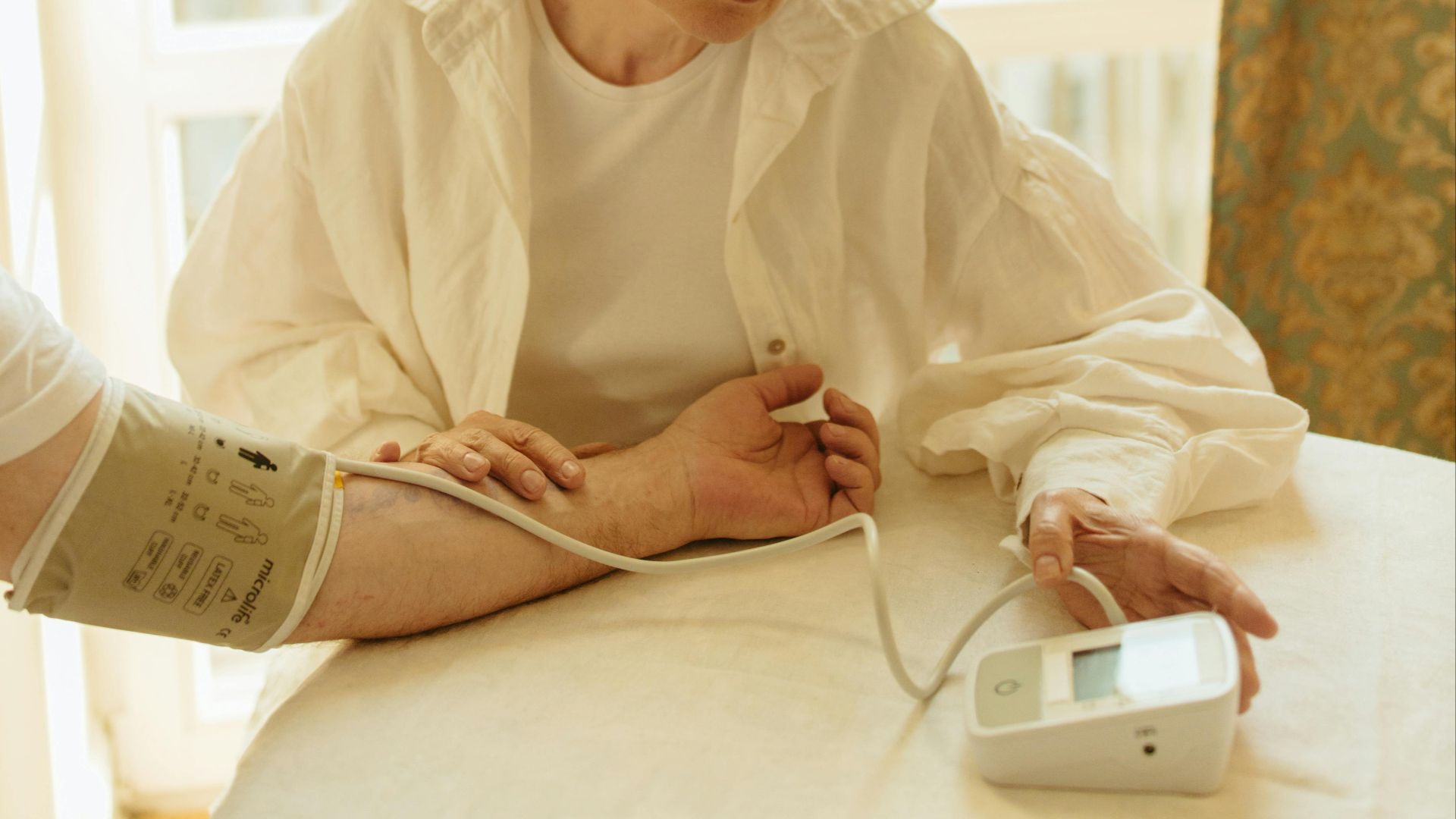
9. Not Monitoring Blood Pressure At Home
Blood pressure doesn’t always behave the same everywhere. Some women have normal readings at appointments but higher levels at home, which raises stroke risk. With menopause increasing hypertension, relying only on occasional checks can mean missing early warning signs.
10. Using Harsh Skin Care Routines Like Over-Exfoliation
More isn’t better when it comes to skin care later in life. Aggressive exfoliation removes protective oils, leaving skin dry, irritated, and prone to fine lines. Ongoing inflammation weakens the skin barrier and can amplify stress-linked skin problems.