Field Life Lessons
Your kid needs a team. Not just friends, but teammates who depend on them and push them to show up even when they'd rather stay home. Team sports create a space where cooperation isn't optional, and growth happens through sweat and shared effort. Here are twenty reasons why getting your kids into team sports might be the best decision you make for them.
1. Builds Cooperation Skills
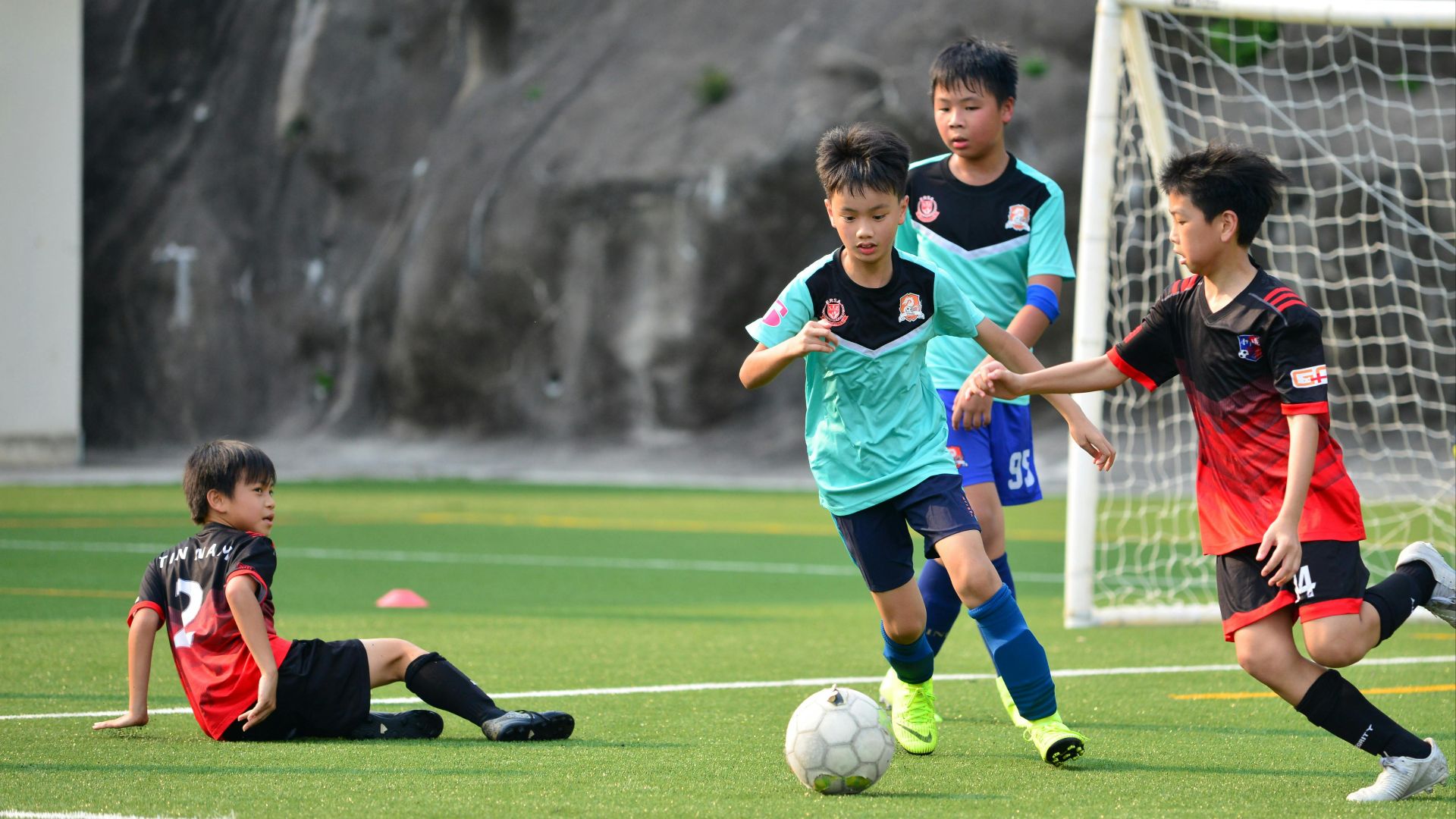
When your child steps onto that field or court, something magical happens—they suddenly realize they can't win alone. Team sports create natural situations where kids must share tasks with their teammates, and this isn't just about passing a ball.
2. Teaches Conflict Resolution
Let's be real. Disagreements arise during games, and that's actually a good thing. Your kids will face moments of tension, disputed calls, and clashing opinions about strategy, but here's where the real learning happens. Children learn to solve problems fairly through these very conflicts.
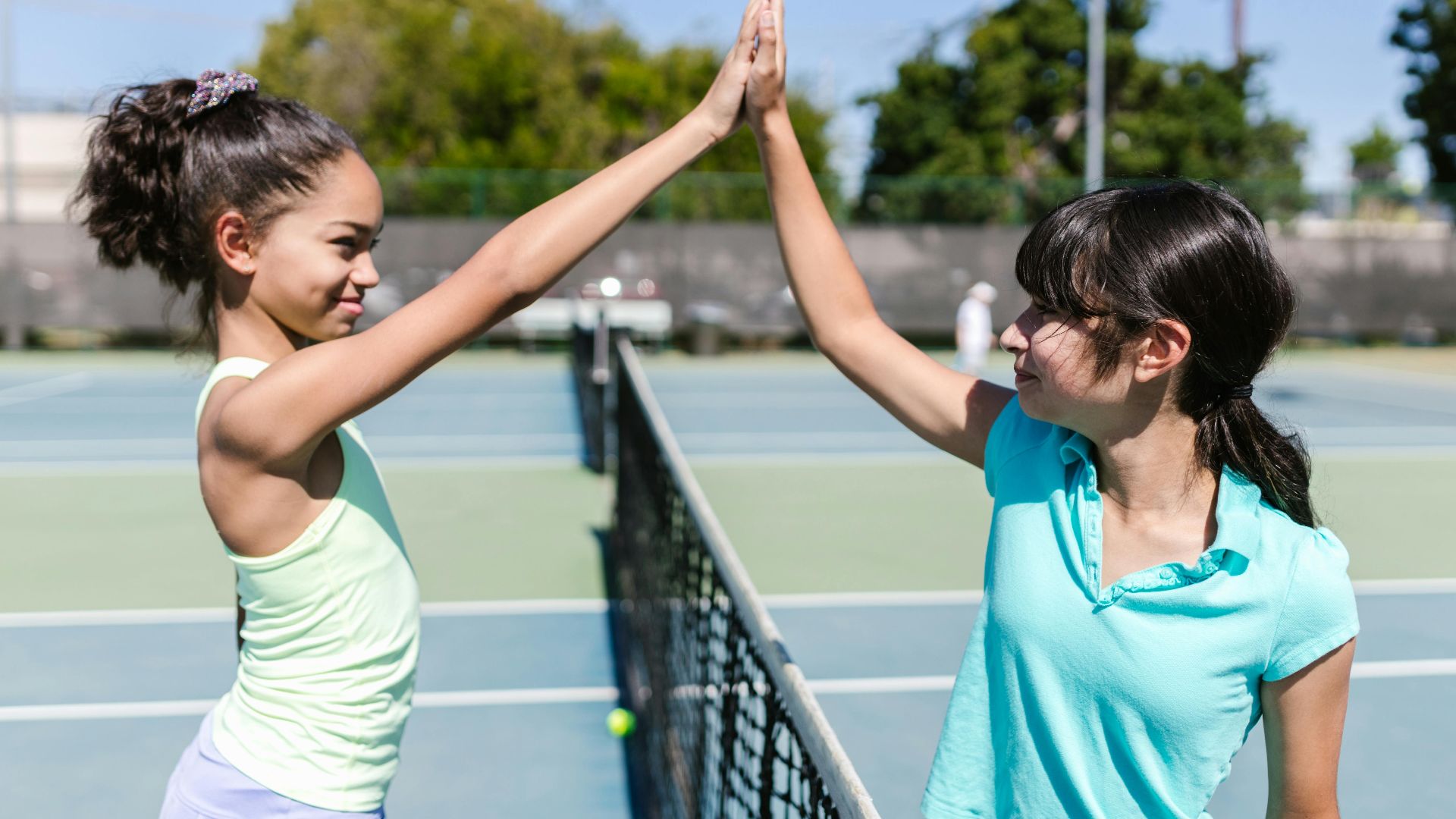
3. Strengthens Physical Fitness
Running builds stamina; it's that simple and that powerful. The physical demands of team sports ensure your kids are constantly moving, with drills improving strength through repetitive, purposeful movements. Regular practice keeps kids active in ways that feel fun rather than forced.
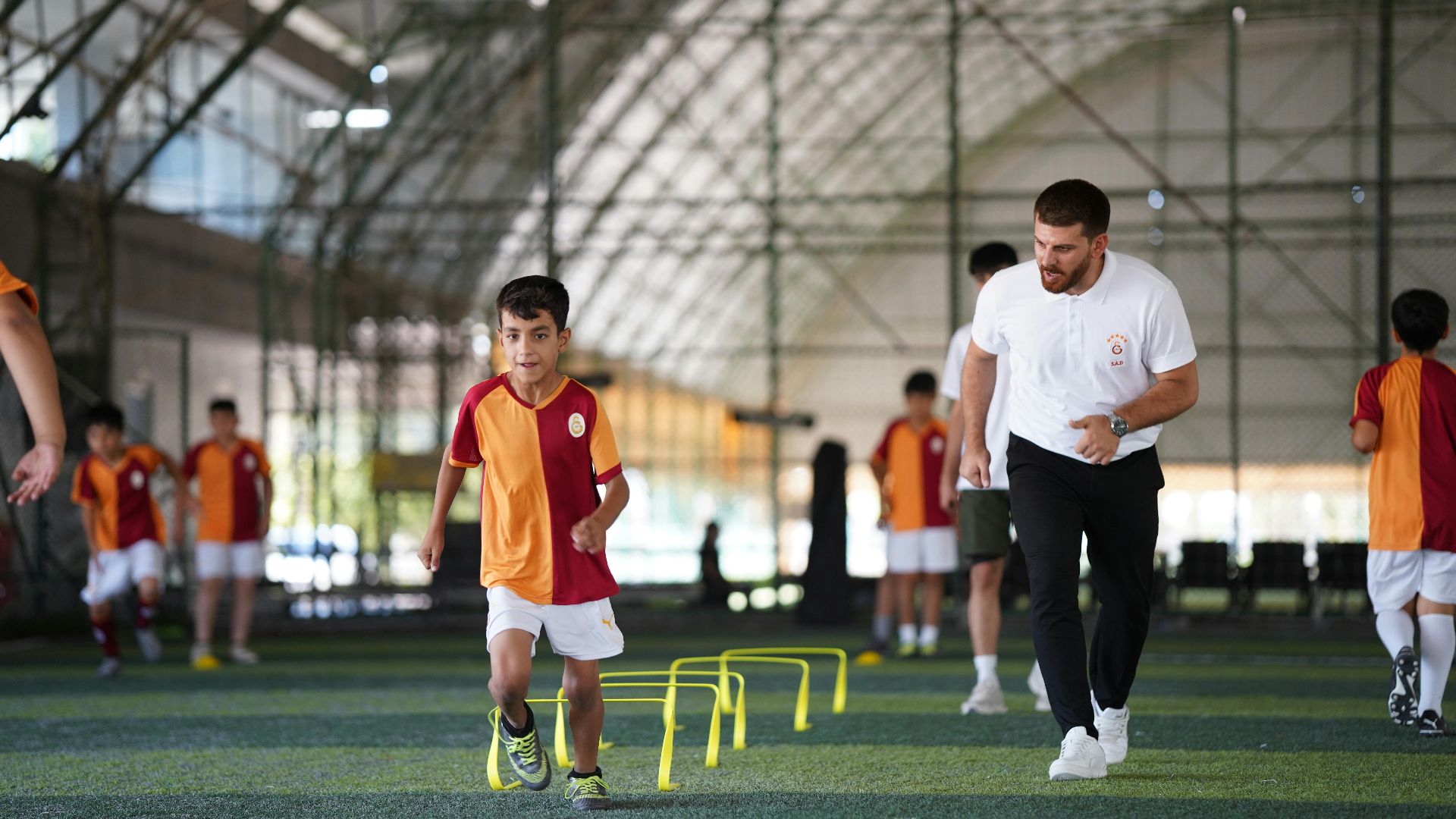
4. Enhances Communication Abilities
Picture this: your once-shy child suddenly calling out plays with confidence, their voice carrying across the field. Children must call out plays to succeed, learning that silence equals missed opportunities in team sports. Clear signals prevent mistakes that could cost the game.
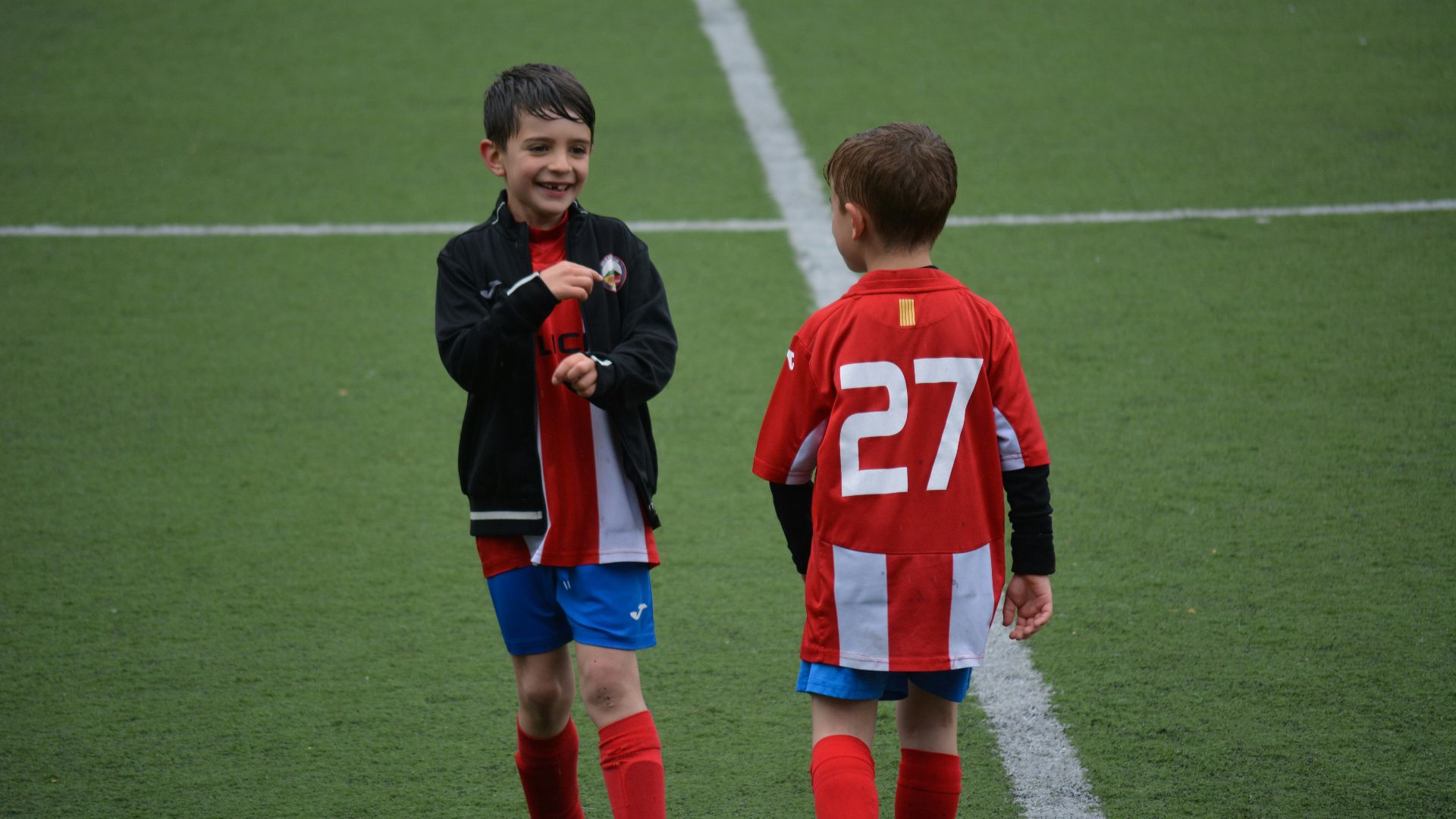 Adrià Crehuet Cano on Unsplash
5. Develops Leadership Qualities
Captains guide teammates through both victories and defeats, and that responsibility turns kids in remarkable ways. Even when they're not wearing the captain's armband, kids motivate others through encouragement and example, discovering their own capacity to inspire.
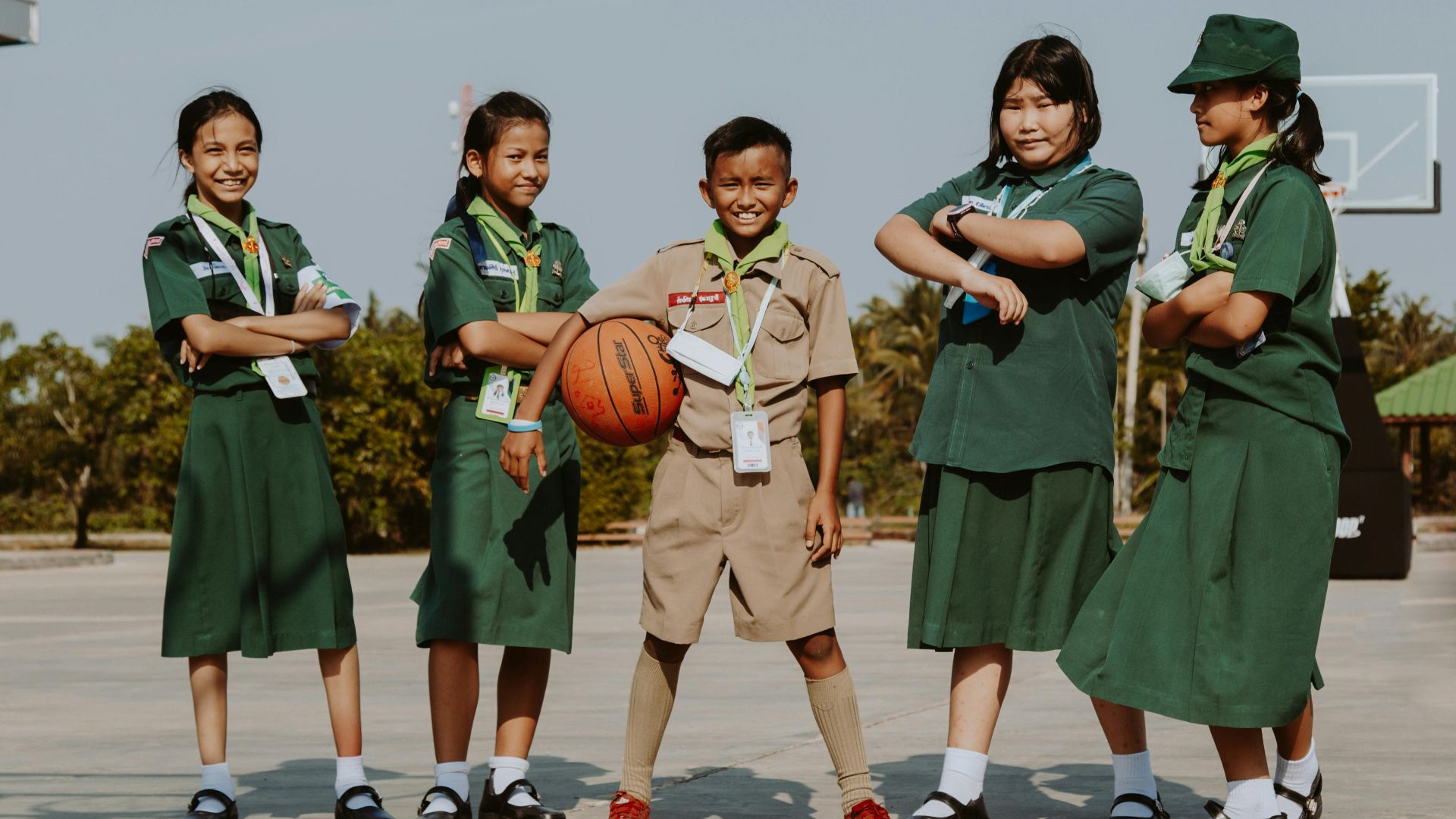
6. Instills Discipline
Practice schedules teach routine, and this structure becomes the backbone of your child's developing character. What starts as showing up on time and following a coach's instructions gradually becomes something deeper—discipline improves focus in ways that benefit homework sessions.
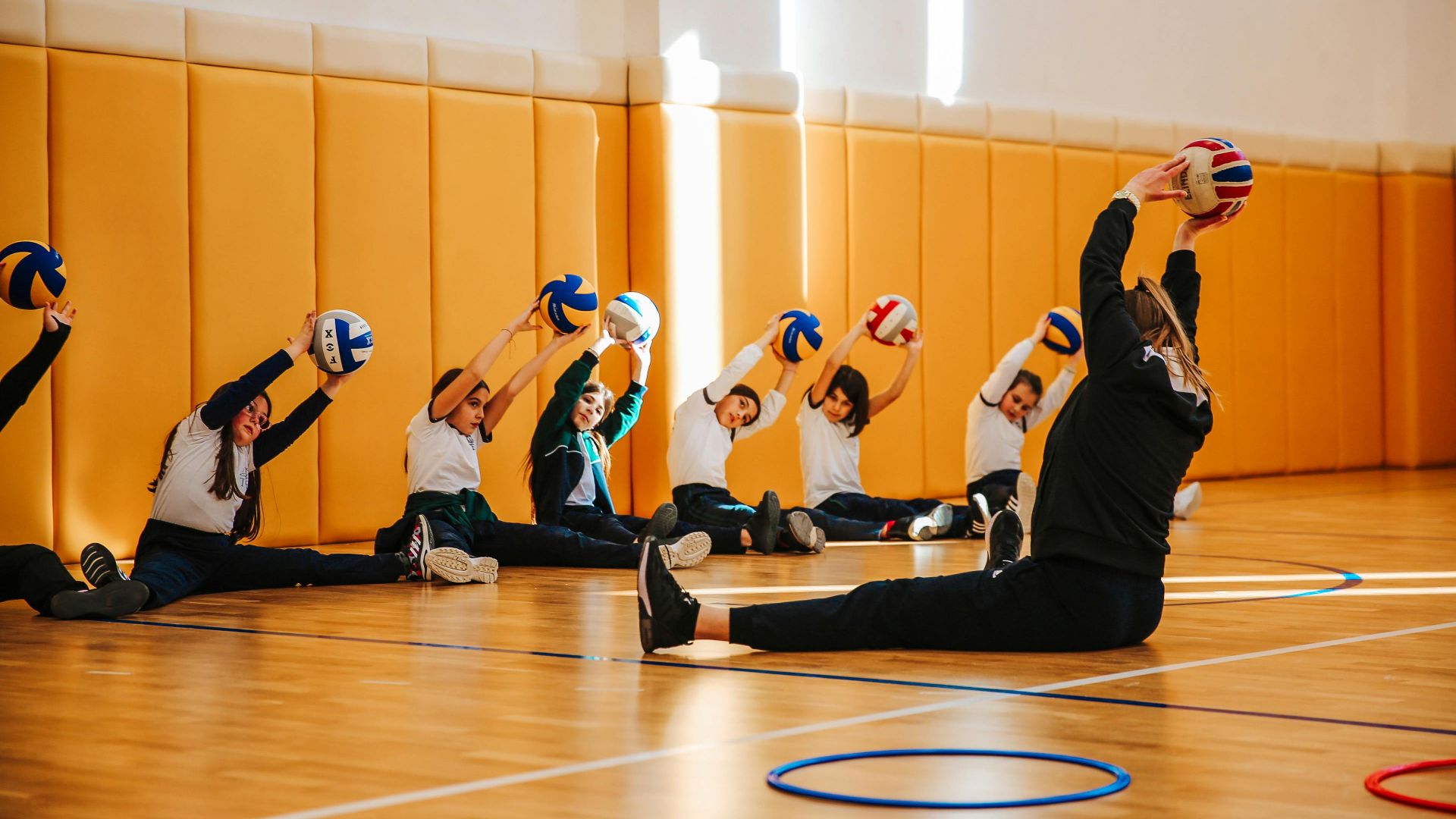
7. Encourages Resilience
The scoreboard doesn't lie, and neither does the sting of defeat. Kids bounce back after losses, and each recovery builds psychological muscle for life's inevitable setbacks. Resilience grows with challenges, every close game lost, every moment when quitting seems easier than continuing.
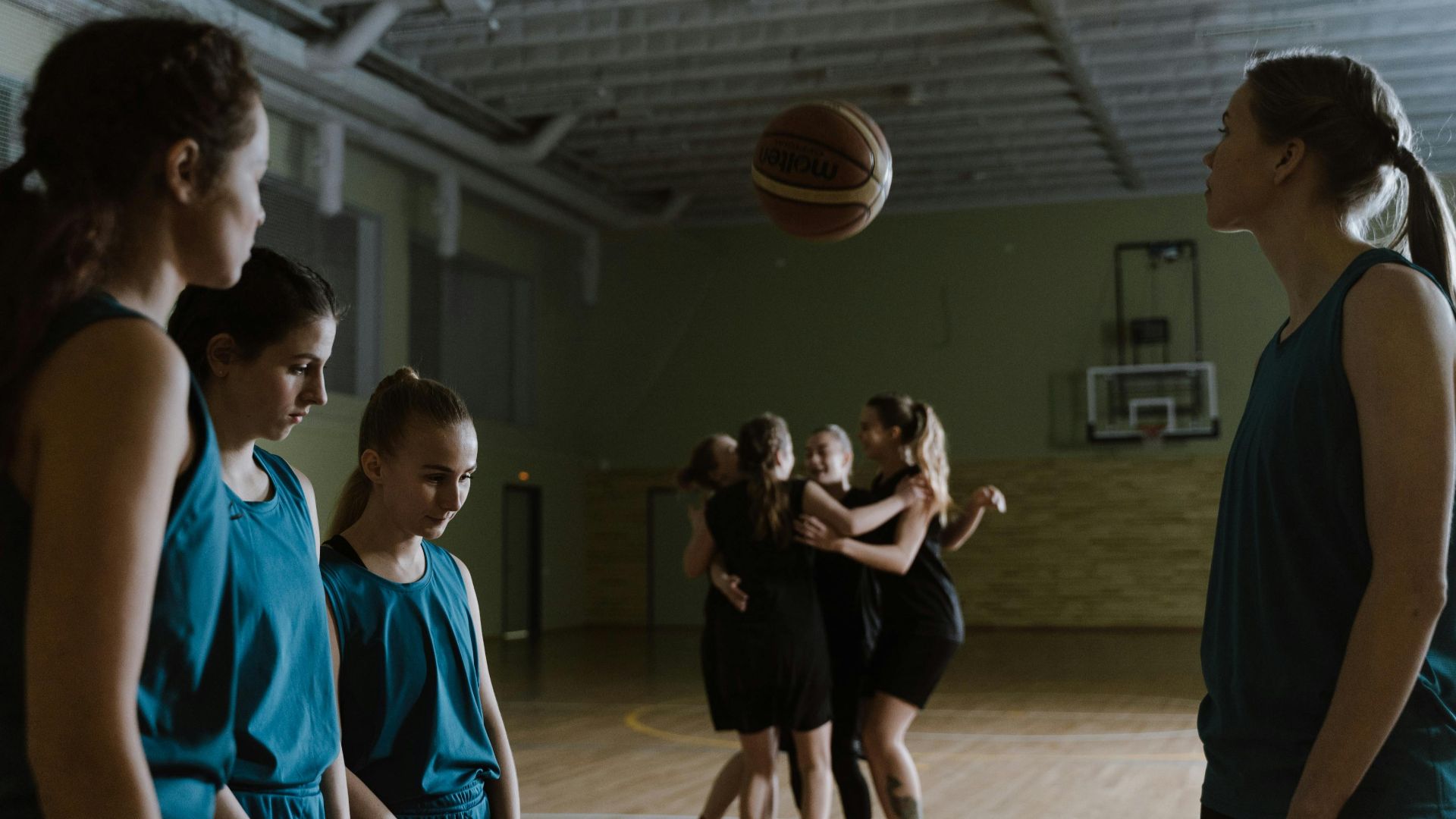
8. Promotes Time Management
Between homework, practice, games, family dinners, and friend time, something has to give, and team sports make organization non-negotiable. Practice times teach planning because missing practice means letting the team down, creating external accountability that motivates internal change.
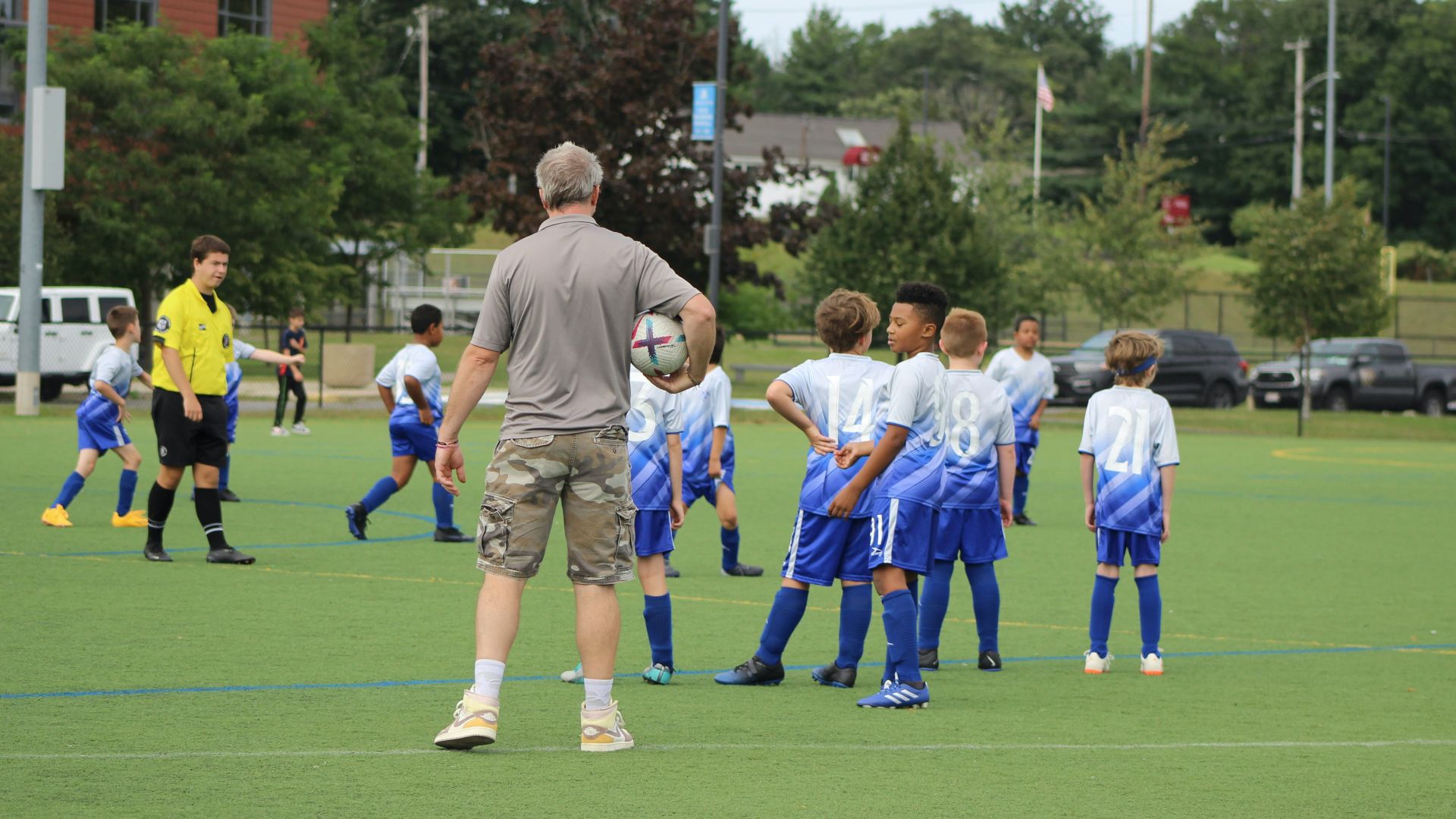
9. Fosters Empathy
Kids notice teammates' struggles during practice—the player who can't quite master a drill, the friend having a rough day, the new kid who feels left out. Empathy builds stronger bonds within the team, creating connections deeper than casual friendships.
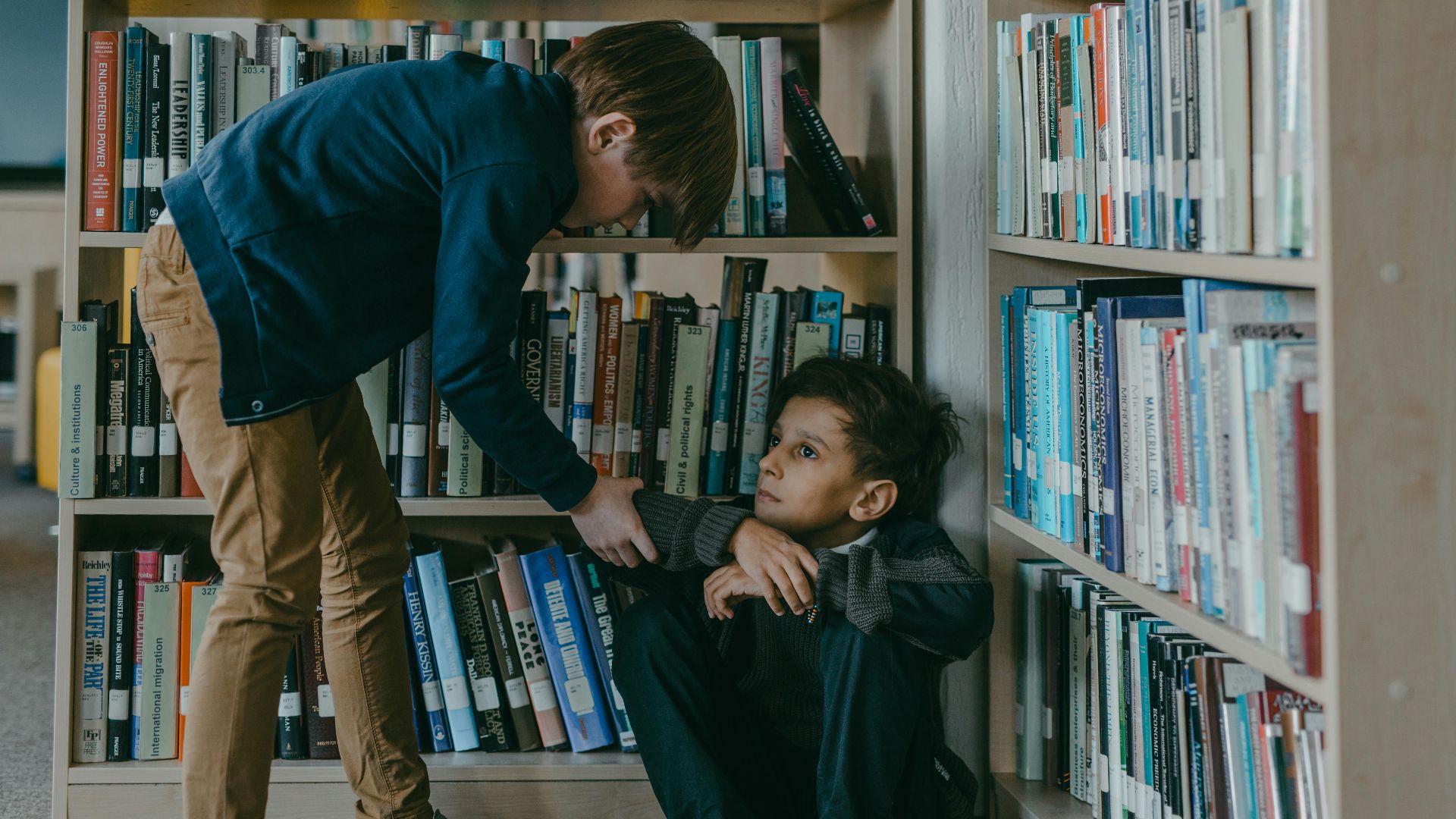
10. Helps Build Real Connections
There's something profound about wearing the same jersey as your friends, warming up together, sharing inside jokes only your team understands. Kids feel part of a group in ways that classroom assignments and neighborhood play can't quite replicate.

11. Improves Problem-Solving
The game doesn't pause for contemplation. Kids figure out strategies mid-game while opponents adjust and pressure mounts. Quick decisions are needed in split seconds, forcing young minds to evaluate options, predict outcomes, and act with incomplete information.
12. Builds Trust
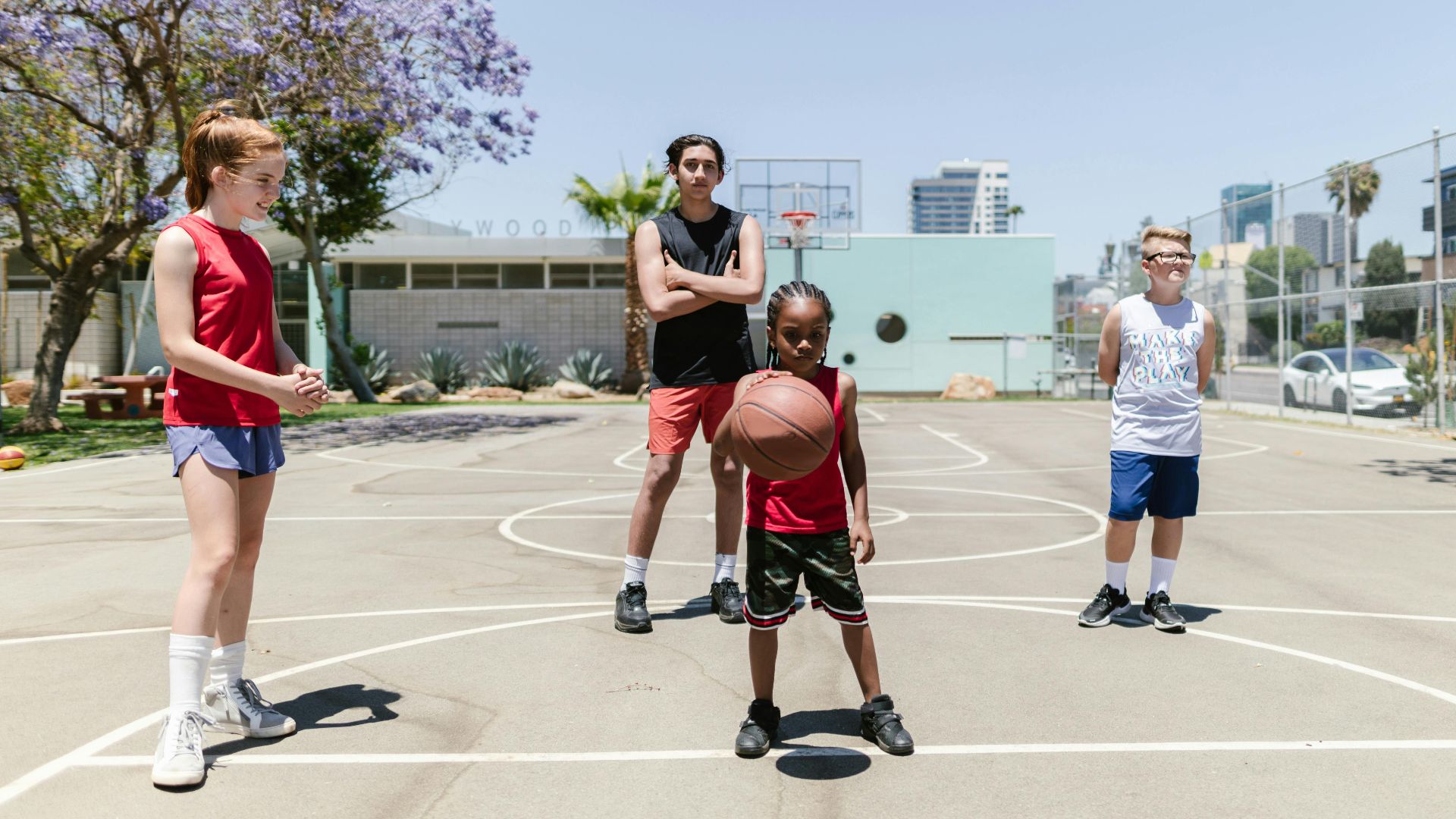
Trust grows through shared effort, strengthening each time a teammate comes through and occasionally deepening even when they don't, as kids learn that imperfection doesn't equal untrustworthiness. Dependability is reinforced through countless small moments, such as passing to the open player.
13. Strengthens Emotional Regulation
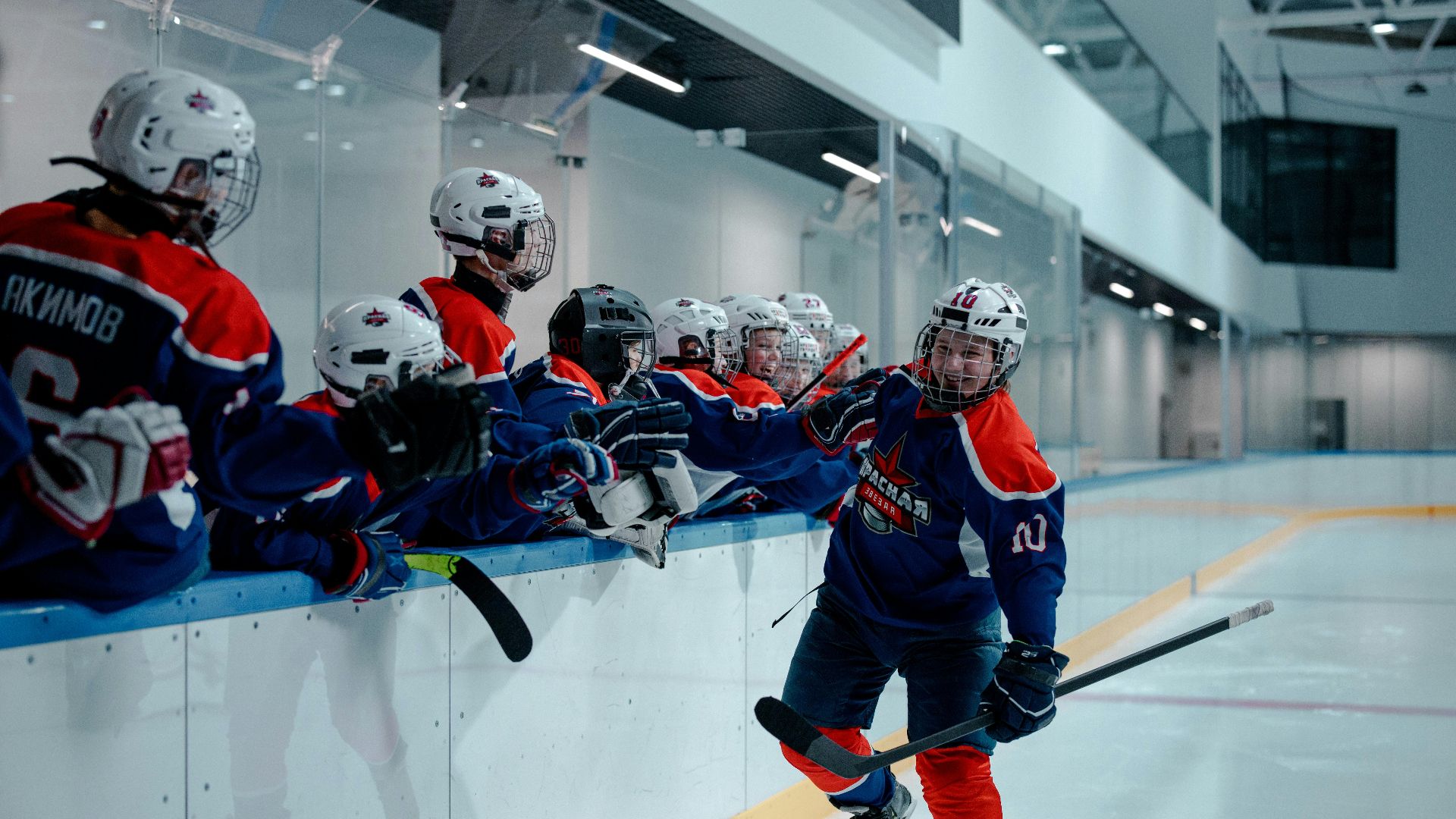
The referee makes a terrible call, and your child wants to explode, but they don't. Children tend to stay calm under stress because losing emotional control could hurt their team's chances, creating powerful motivation to manage their feelings effectively.
 Adrià Crehuet Cano on Unsplash
14. Offers Mentorship
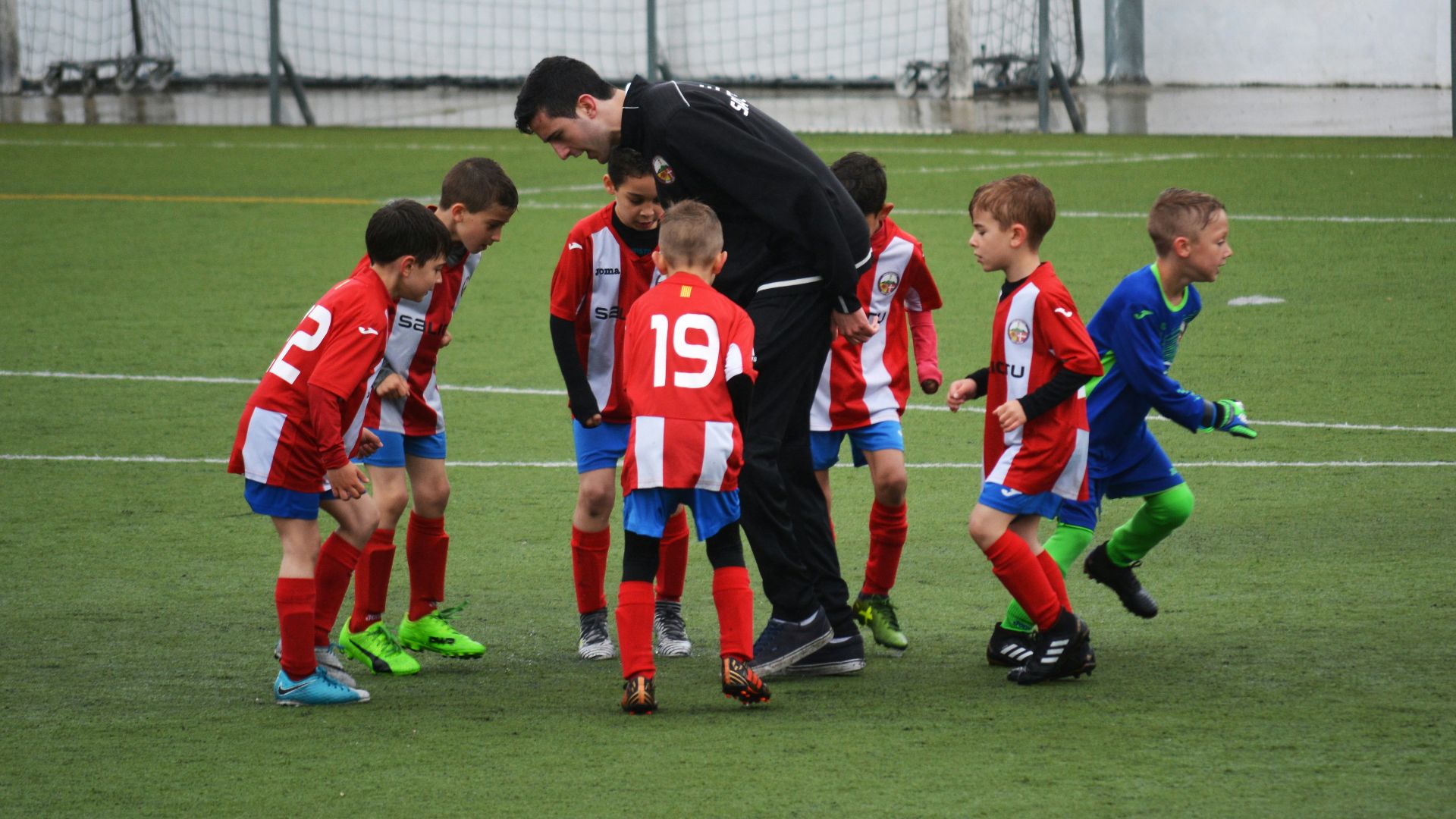
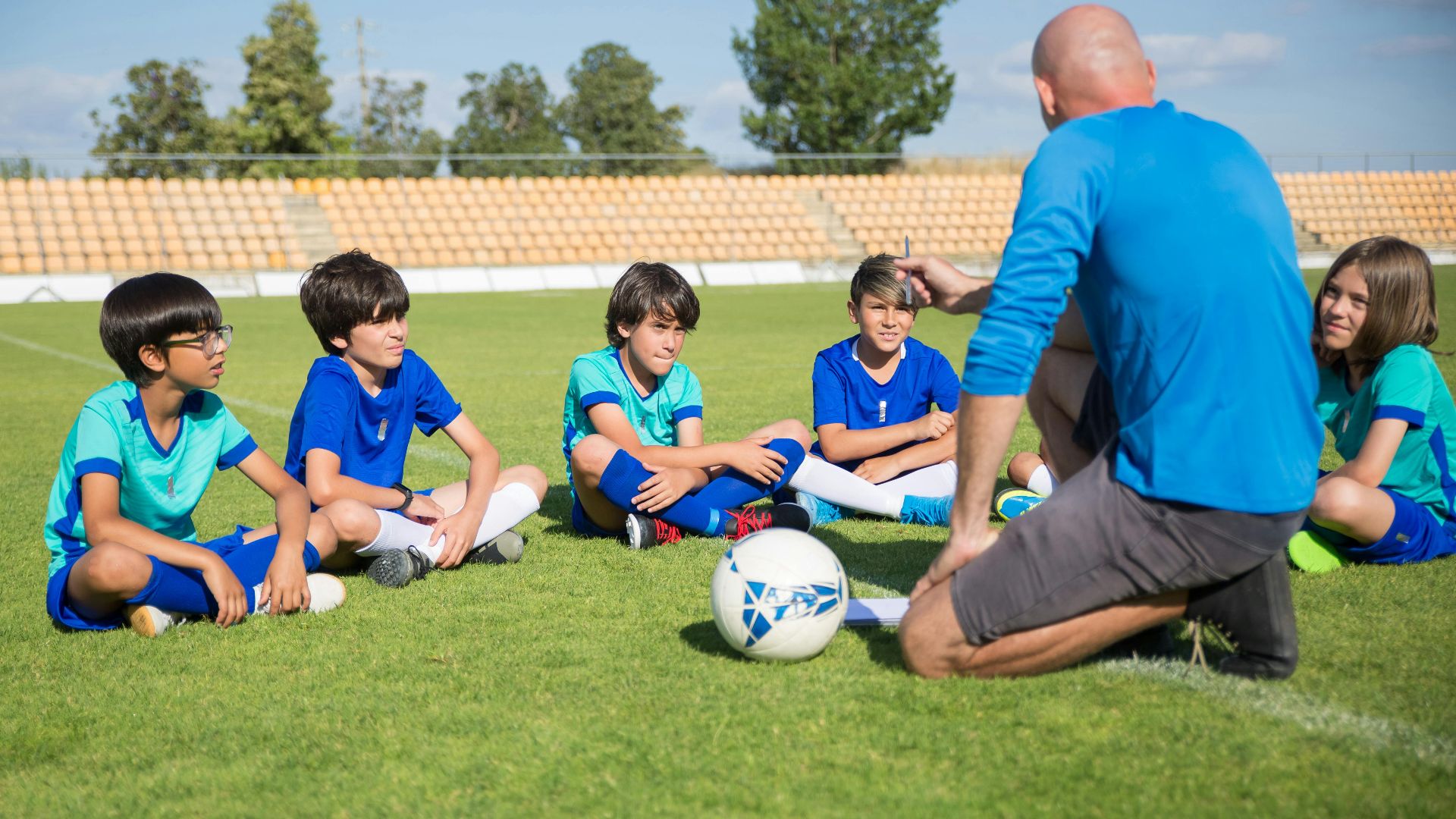
Beyond parents and teachers exists another important influence. Coaches guide youngsters with sport-specific wisdom and life lessons wrapped in athletic metaphors. These mentors often reach children in ways family members cannot, offering outside perspectives that land differently because they're earned through demonstrated expertise.
15. Expands Social Networks
School friendships can feel limiting, confined to whoever happens to share your classes or neighborhood, but teams connect families from different schools, areas, and backgrounds. Friendships grow through play in uniquely potent ways, bonded by shared challenges and victories.
16. Teaches Accountability
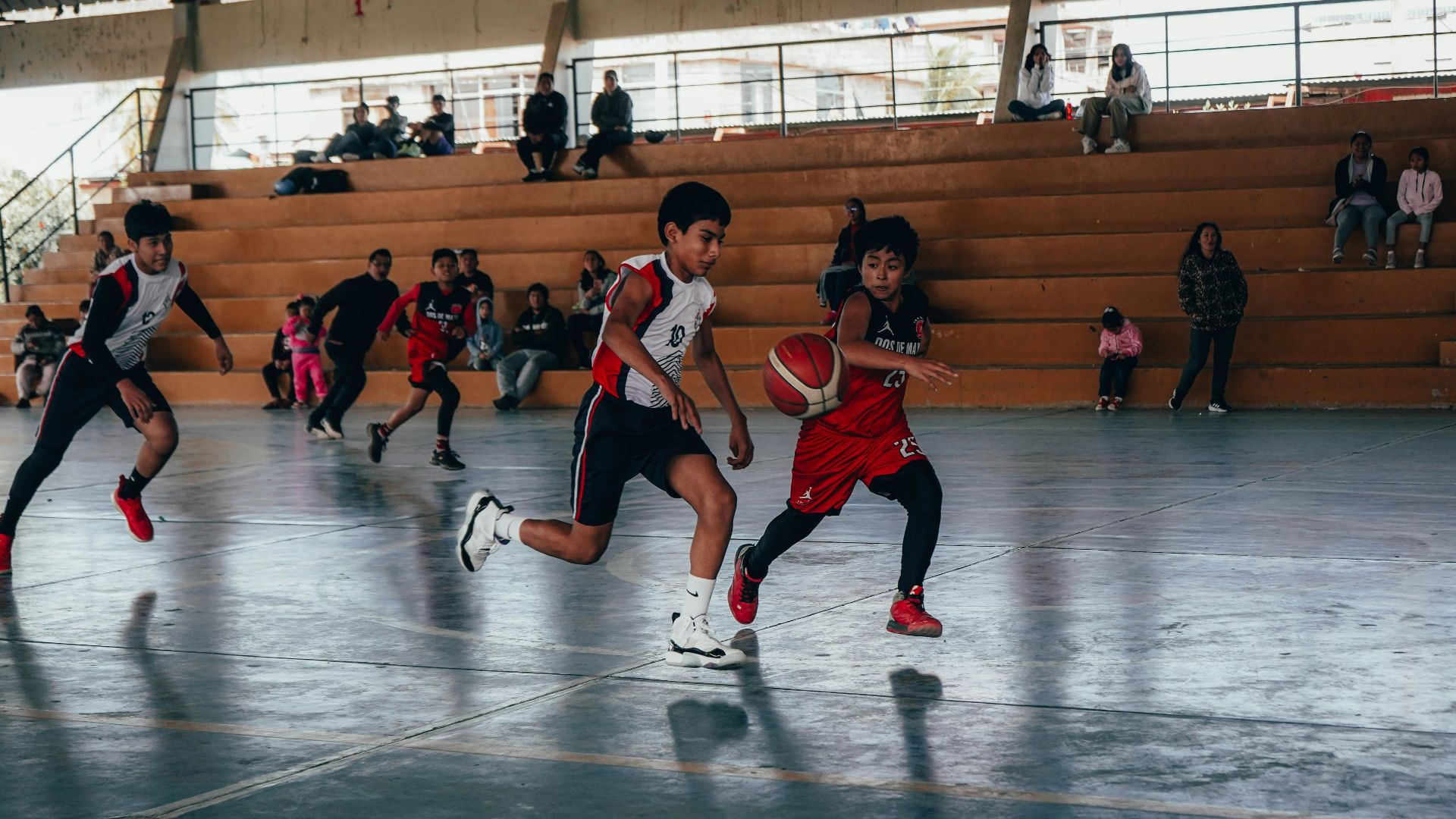
Missed assignments at school primarily hurt the individual student, but missing your defensive assignment costs your entire team. That difference changes everything. Kids own mistakes because teammates and coaches witness them, creating natural consequences that teach responsibility more effectively than any punishment.
17. Encourages Goal-Setting
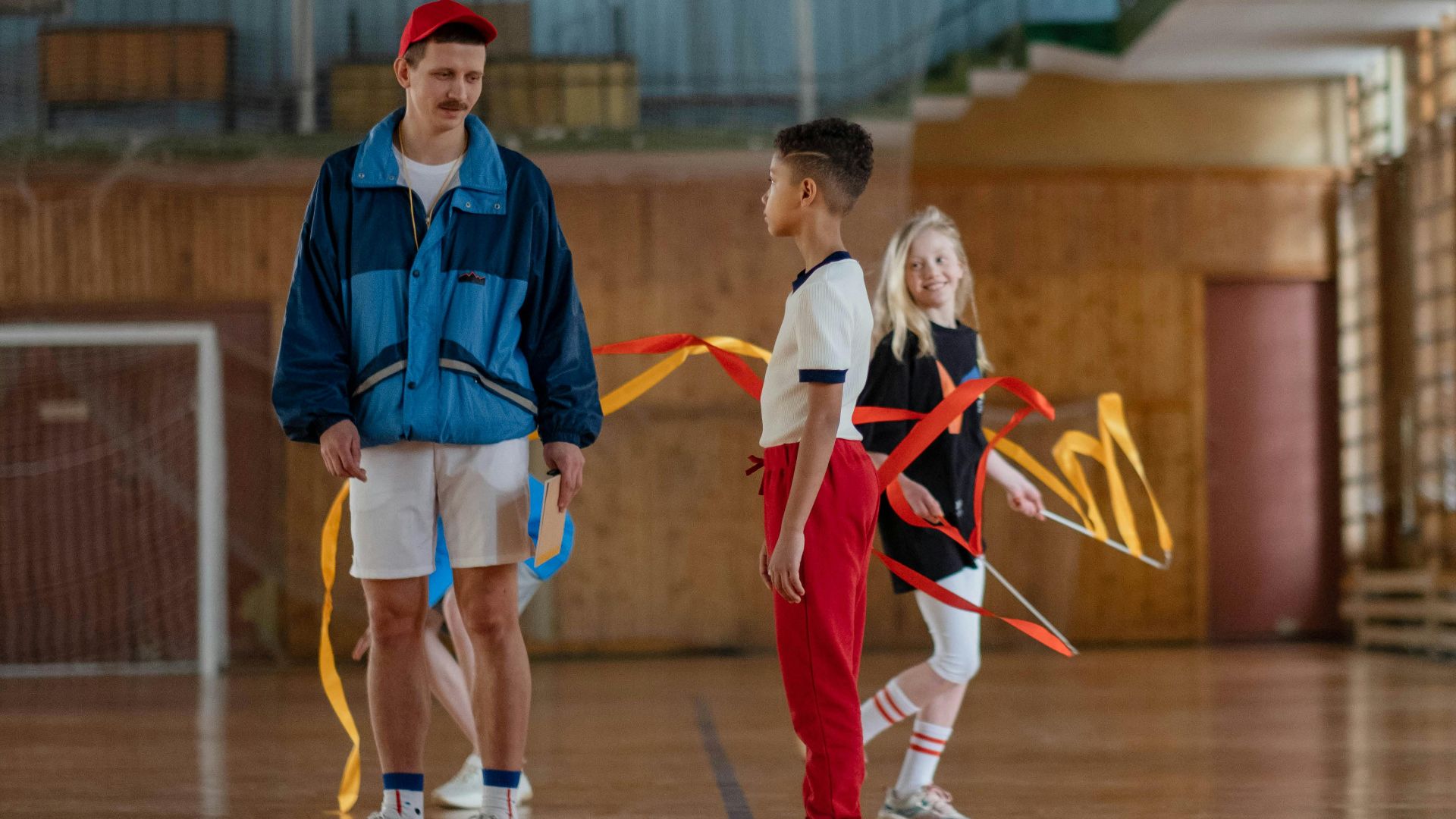
Victory tastes sweet, and that desire drives kids to aim for victories with increasing focus. The beauty of sports lies in measurable progress. Personal targets are set for improving speed, accuracy, endurance, or skill execution, creating concrete benchmarks that make growth visible.
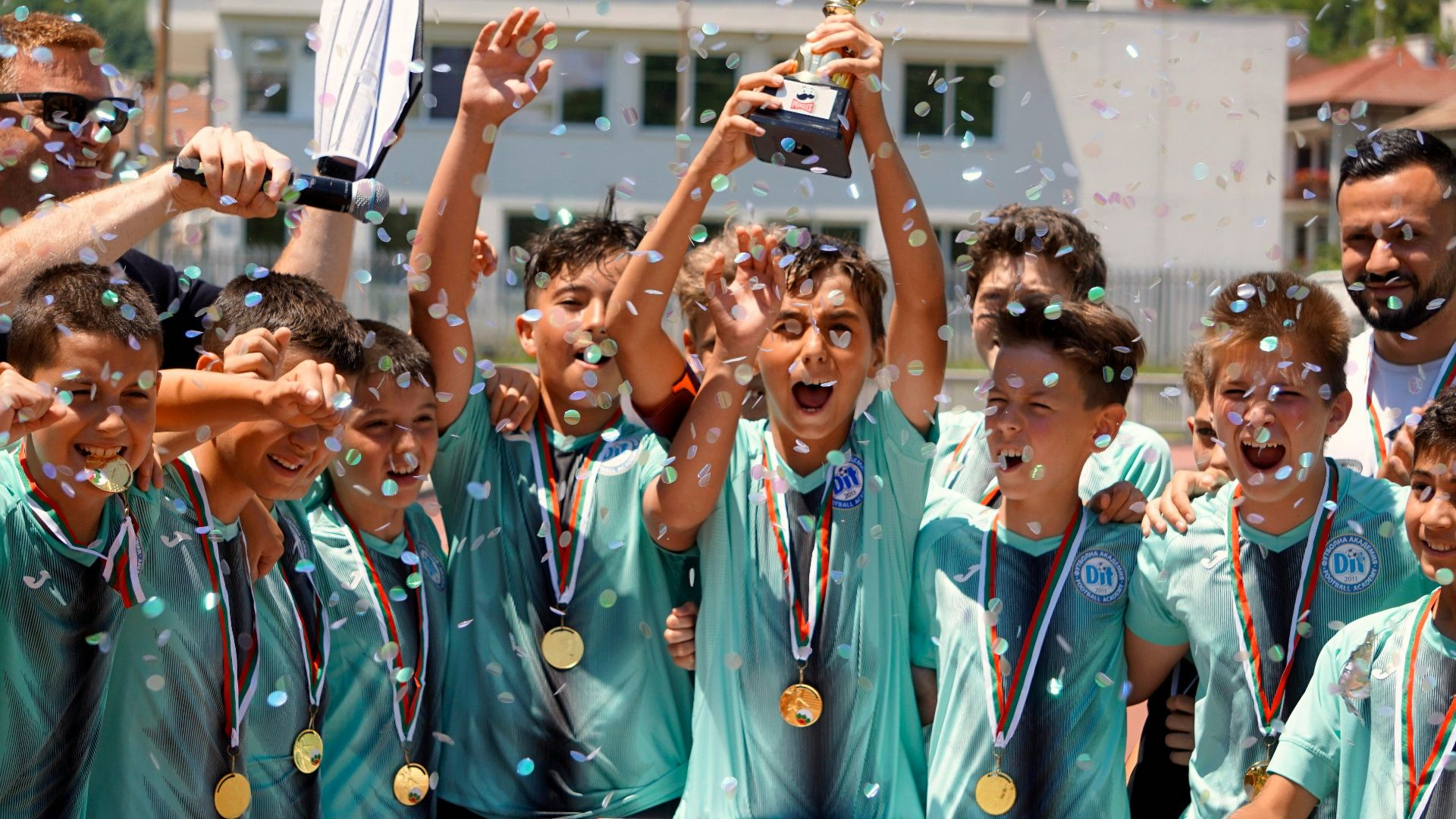 Champion of Champions on Pexels
18. Provides Safe Outlets
Every kid has energy that needs somewhere to go, and sports channel energy into structured, positive activity rather than leaving it to find destructive alternatives. Stress is released through physical exertion, giving children healthy coping mechanisms for anxiety, frustration, and overwhelming emotions.
19. Cultivates Sportsmanship
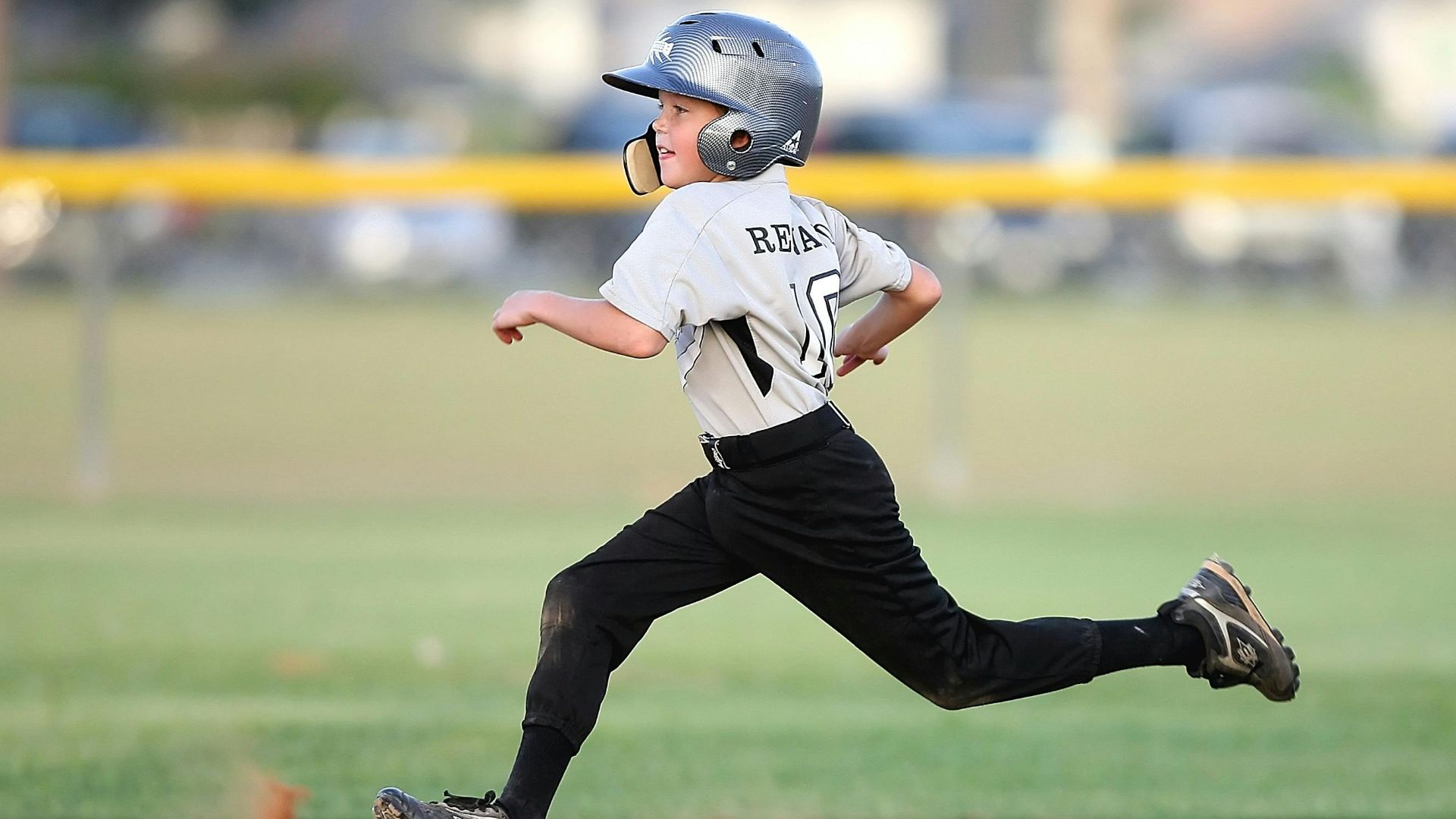
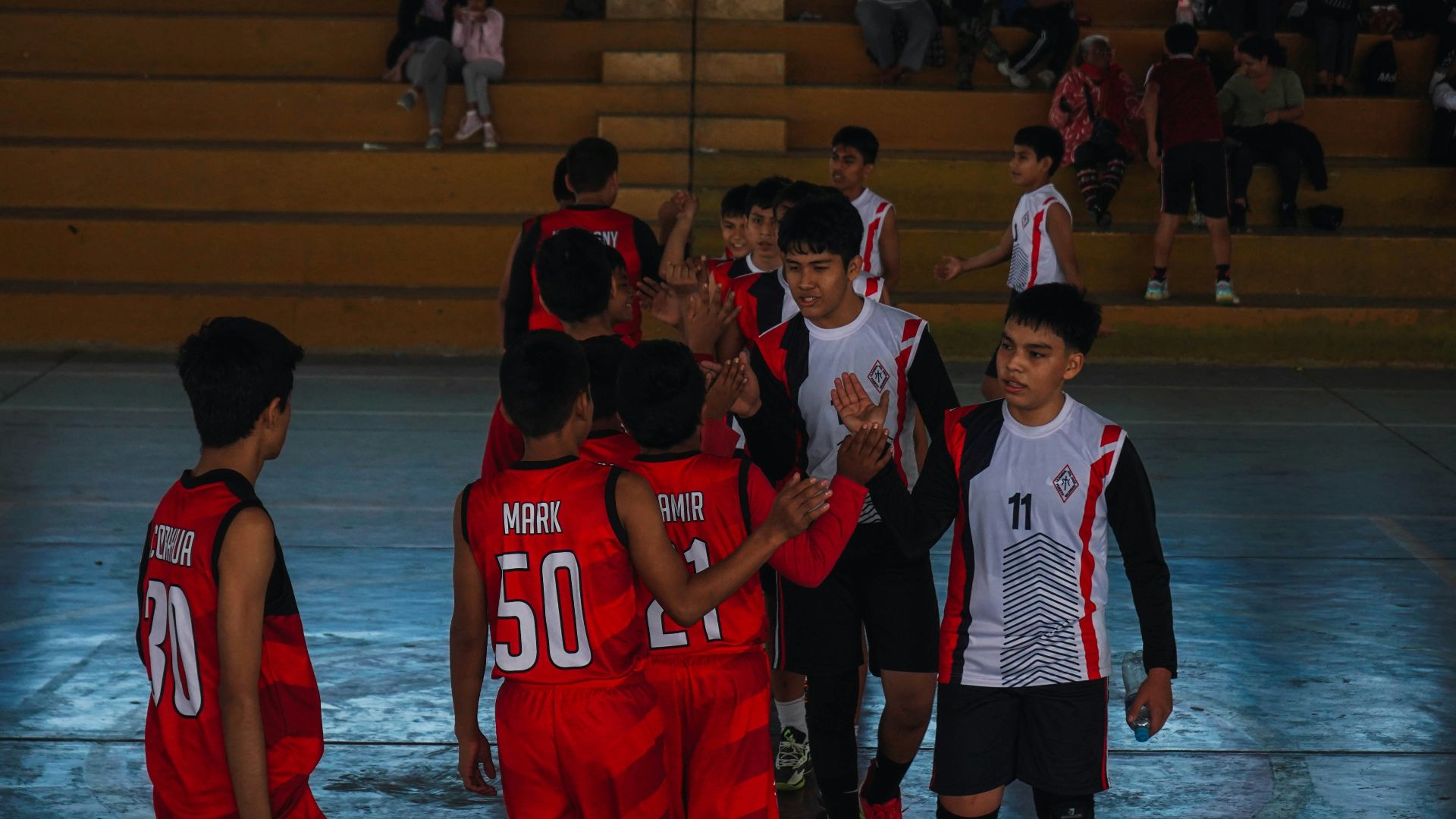
Shaking hands with opponents after they've beaten you tests character in ways few childhood experiences match. Kids respect opponents even in defeat, learning that competition doesn't require animosity. The lessons extend beyond winning and losing, as fair play is taught through the enforcement of rules.
20. Reinforces Perseverance
Long seasons teach endurance beyond physical stamina, building mental toughness through sheer duration and accumulated difficulty. Perseverance builds strength that comes only from sustained commitment, from seeing something through when initial enthusiasm fades, and only determination remains.