
10 American Health Trends That Confuse Other Countries & 10 Lessons To Learn From Abroad
10 American Health Trends That Confuse Other Countries & 10 Lessons To Learn From Abroad
American Trends
When it comes to health, it can be easy to fall into traps or just follow whatever’s trendy. But when it comes to figuring out what works, it’s important not to limit yourself to just one country’s habits. With that in mind, here are how American health trends face up against international ones.

1. Tanning Culture
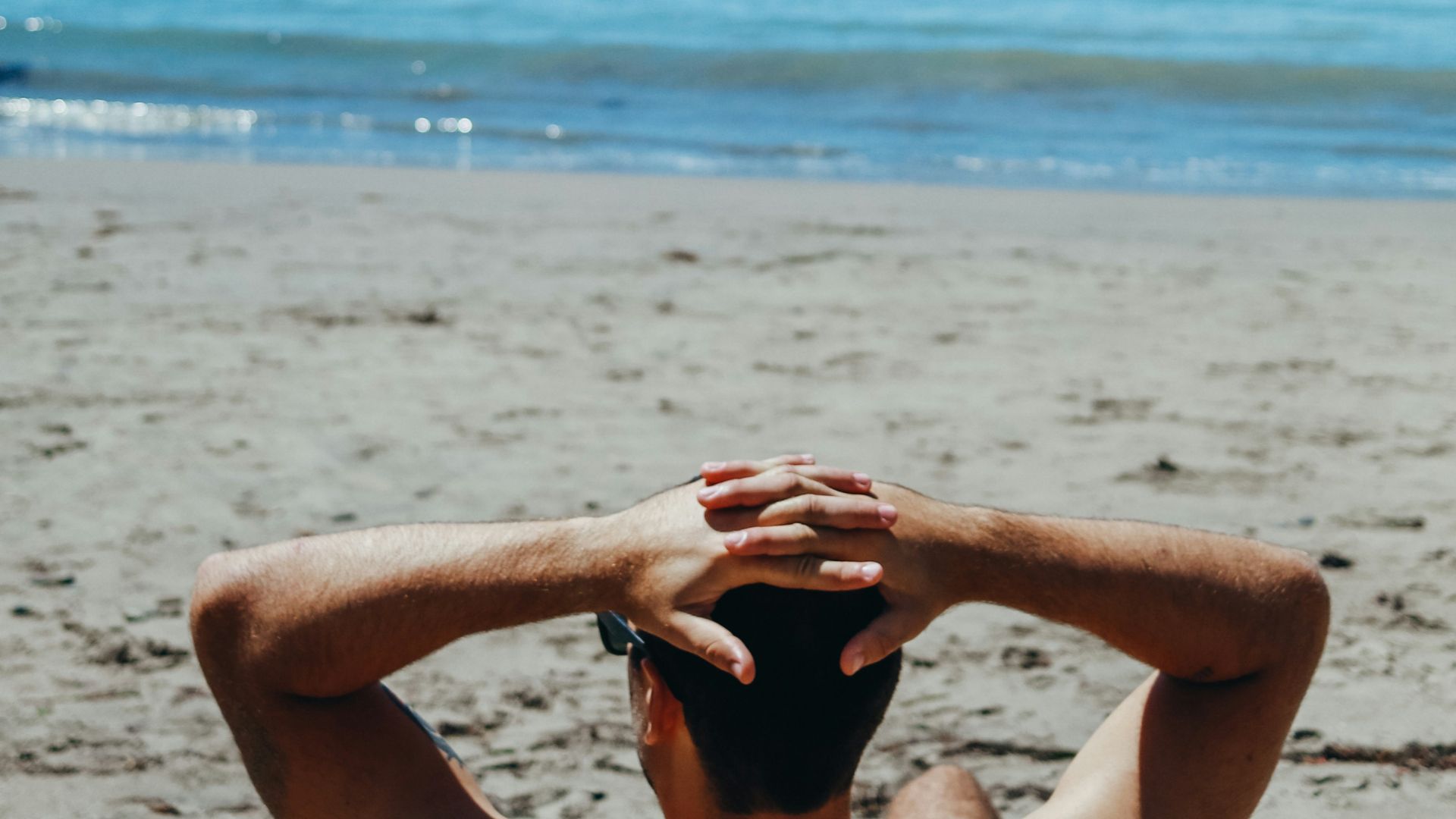
Visitors are often shocked that tanning on purpose is so popular in the United States. In many countries, avoiding the sun is linked to healthier skin, while the American quest for a golden hue can seem reckless to outsiders. They may wonder why sun protection is not prized more.
2. Huge Size Portions
Portion distortion can surprise travelers. In many countries, emphasis is placed on eating until content rather than satiated. The American value equation has contributed to gigantic plates, which, to some, seem excessive and unnecessary.
 Pirata Studio Film on Unsplash
3. Extreme Fitness Hacks
Fitness hacks and shortcuts catch many visitors or foreigners by surprise. Most other countries favor lifelong, slow, steady-state activity rather than cyclical extremes. Americans' seemingly never-ending quest for the latest new thing can feel tiring and a bit over the top.
4. Supplement Overload
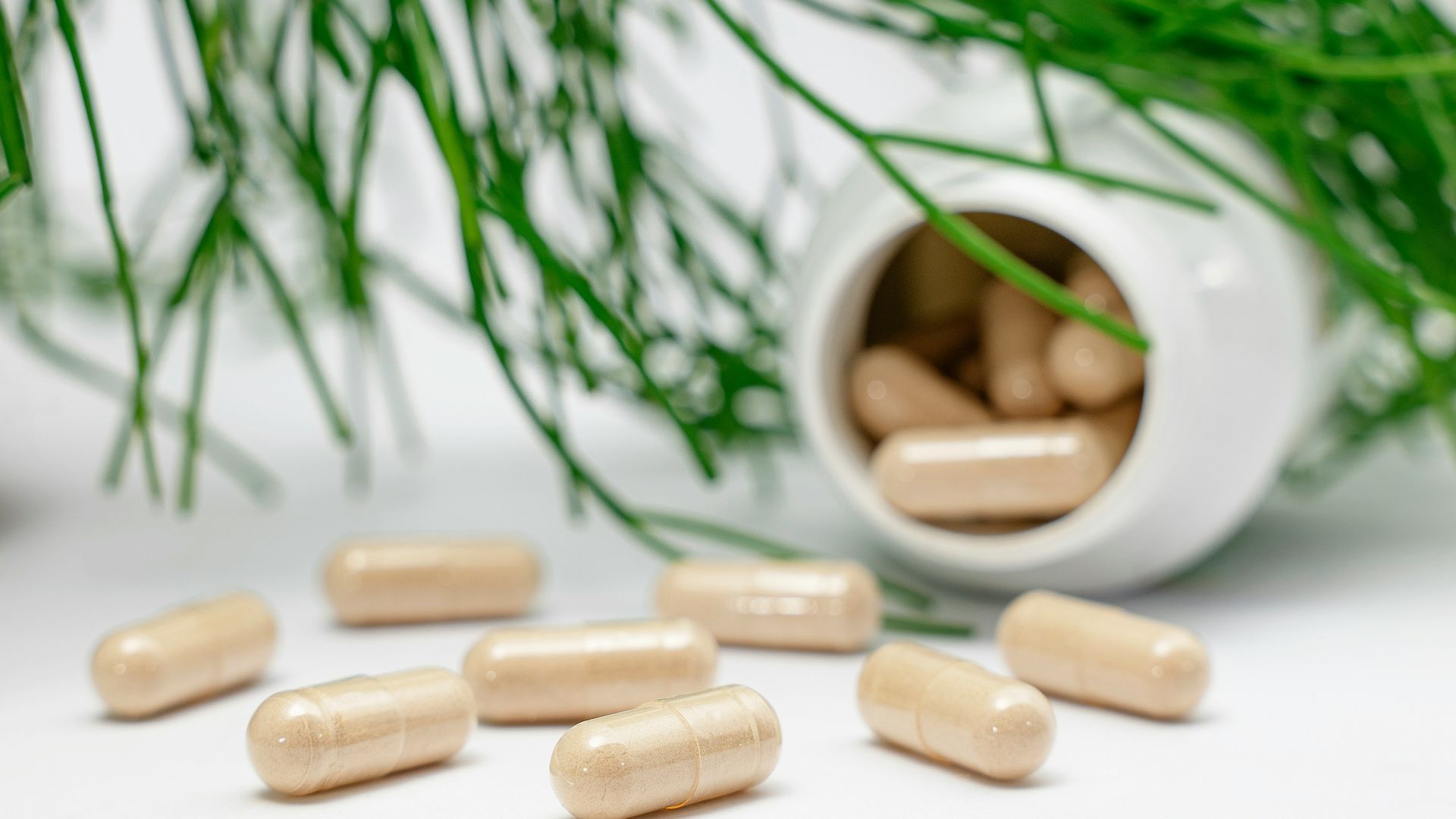
Drugstores in America have whole aisles devoted to supplements. Shoppers from other countries are left asking why a healthy diet isn’t sufficient. Some people are put off by the sheer volume of pills and powders, and they would rather get most of their nutrients from everyday foods.
 Supliful - Supplements On Demand on Unsplash
5. Miracle Weight Products
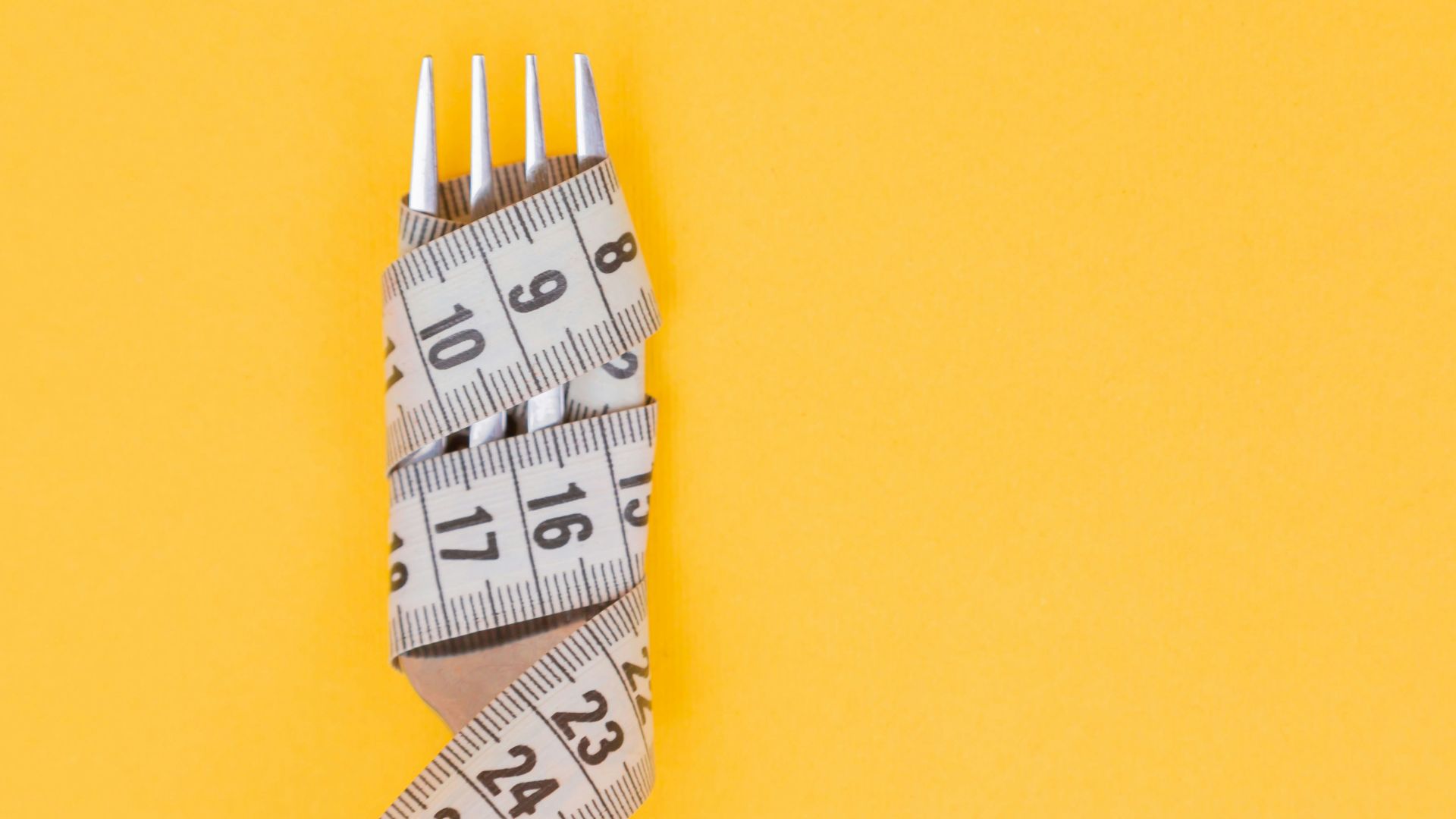
Fast weight-loss drinks and pills are heavily advertised in the United States. Claims about such products are more tightly controlled in many countries. Outsiders find the claims hard to believe, and they believe that long-term lifestyle habits are a more dependable guide.
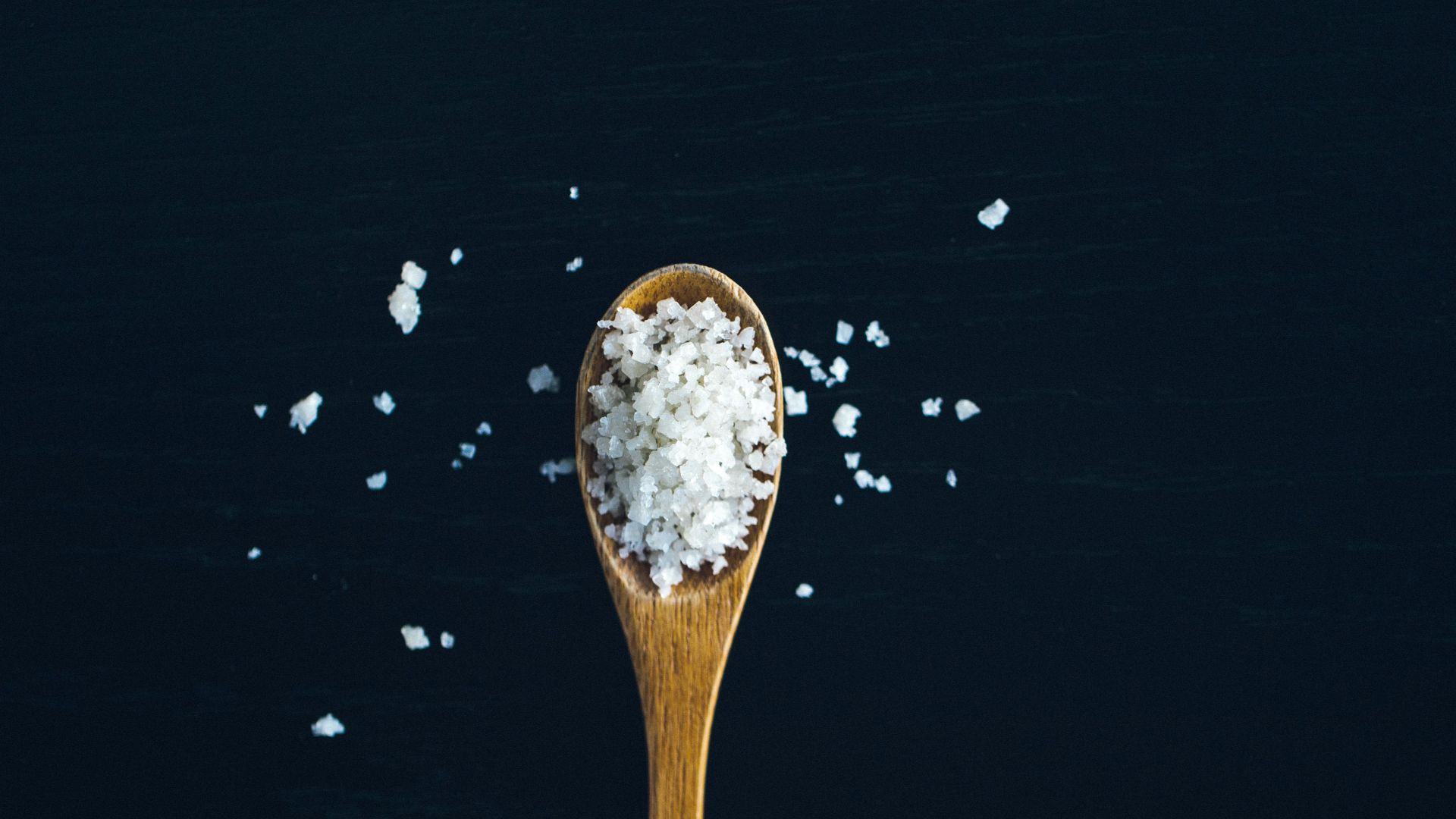
6. Salty Food Habit
Foods in America are notoriously high in sodium. Travelers often write about how salty even simple dishes can be. Food in other countries is more lightly seasoned, which is healthier for our bodies to digest.
7. Eating On-The-Go
It is normal to eat in your car, at your desk, or while running errands in the United States. In other cultures, eating is a daily ritual that is worthy of time. They find it stressful that Americans eat so quickly, while they believe meals are a time to unwind and connect.

8. Frequent Doctor Changes
The American health care system encourages a multi-specialist approach to problems that in other countries would be directed to a primary care physician. Outsiders to the system may find this fragmented and inefficient. In many systems, care is initiated by a general practitioner.

9. High Stress Life
Visitors find Americans' need to be constantly busy excessive. They also see that stress is considered normal. Many other cultures try to preserve downtime because they see it as a way of enhancing general health.

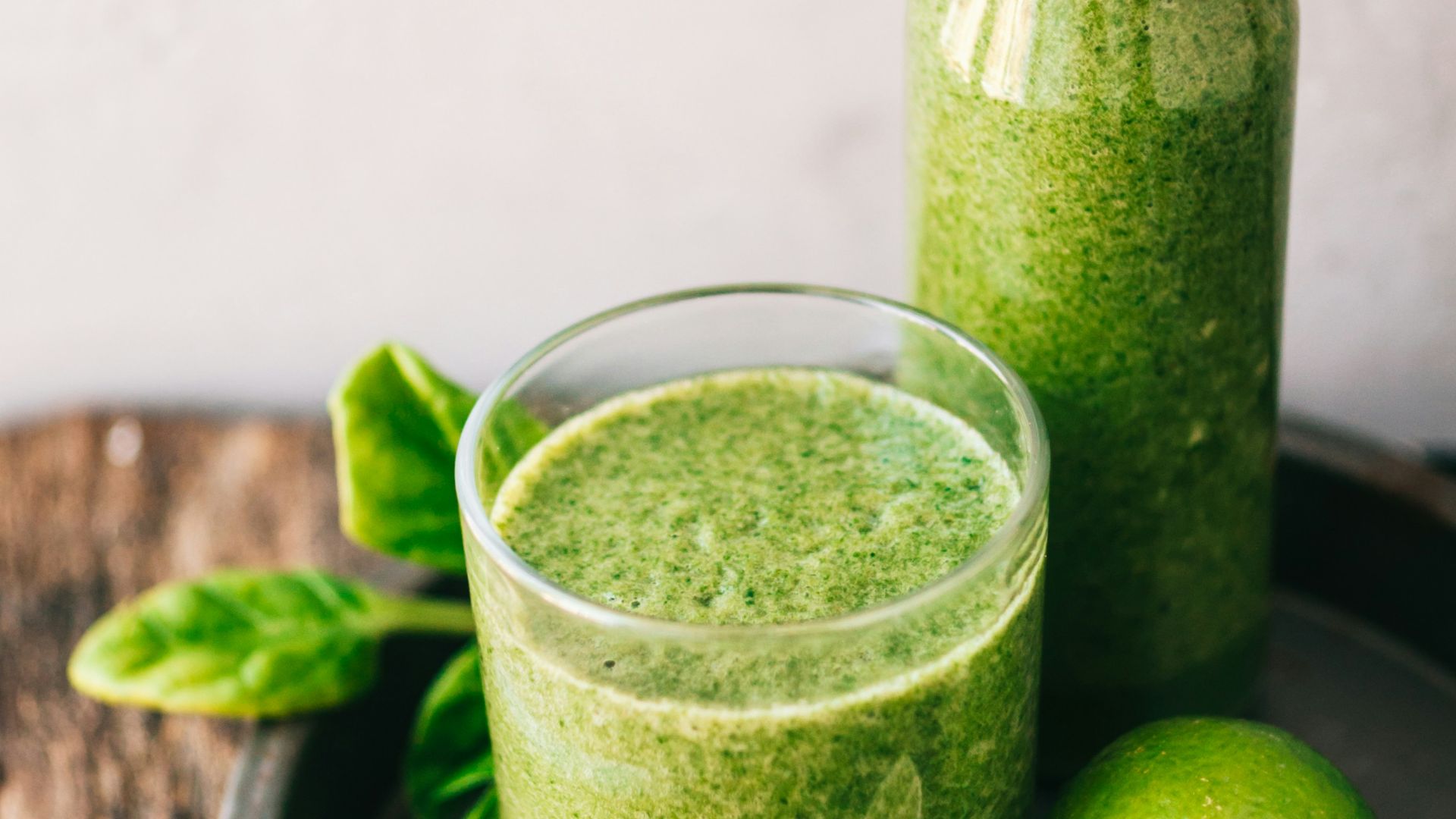
10. Detox Trends
Juice cleanses and detox diets are heavily marketed in the United States. Some visitors are perplexed, as many countries use traditional food patterns for natural detoxification. Extreme cleanses are seen as not needed at all, and balanced meals are thought of as a much safer route.
Now that we have talked about some American health trends, here are 10 lessons to take from abroad.
1. Slow Meals
Meals are seen as a social activity in many countries. Taking time to eat is better for digestion and stress levels. It's an easy way to gain control over healthy eating habits and live a much better quality of life when it comes to health.

2. Walking A Lot
Walking a lot is normal in many countries. Short distances are walked rather than driven, which seems to be the opposite in most parts of the US. Americans could be healthier with more plain motion.
3. Valued Time Off
Cultures that value rest more have higher rates of life satisfaction. Breaks during the day keep stress lower and help support long-term mental health. Americans may benefit from prioritizing more downtime as opposed to constantly thinking about work and worrying about what to do next.

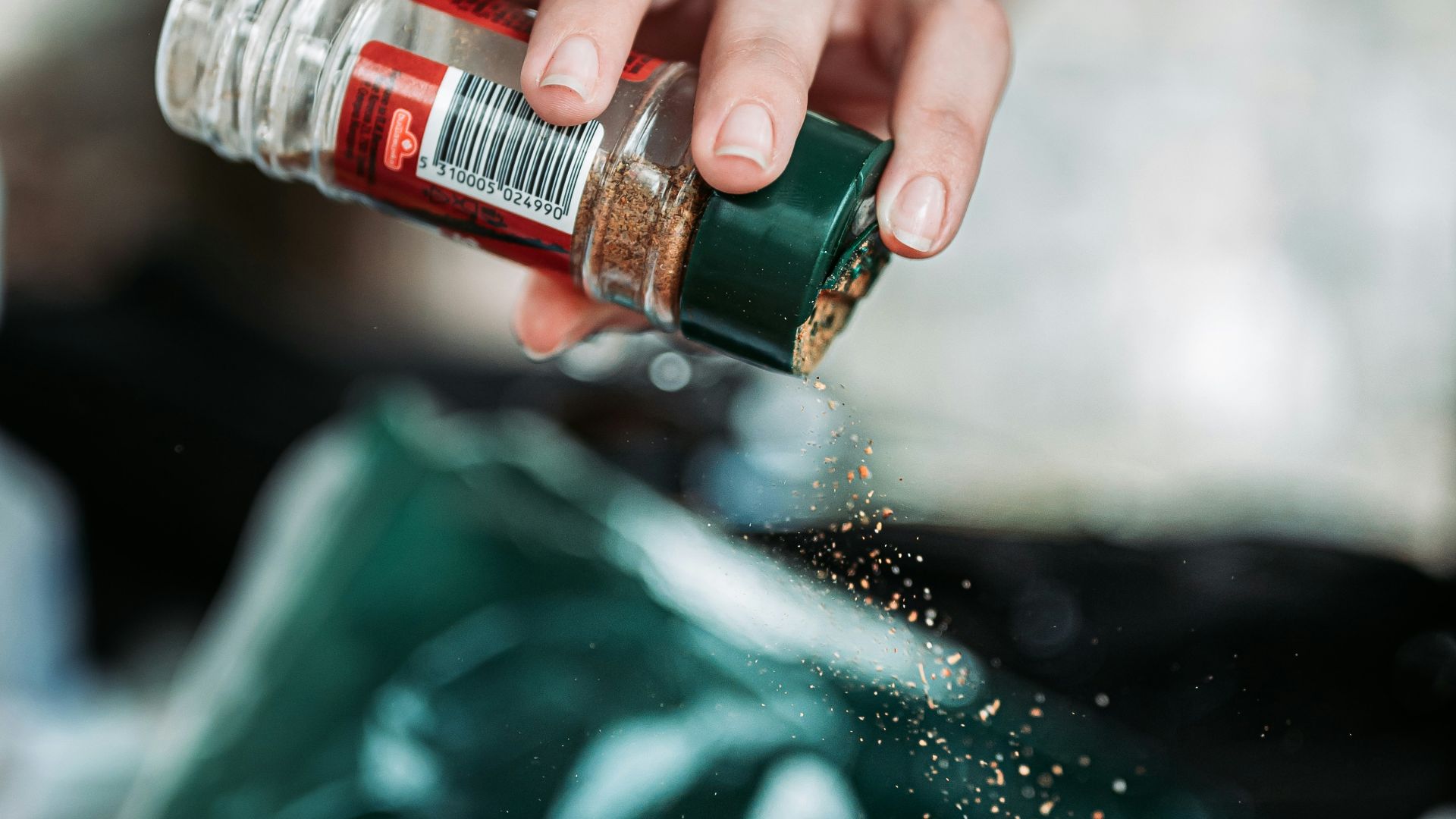
4. Light Food Seasoning
Herbs are used in place of salt in many countries. They create a more layered flavor without being overpowering. Americans can benefit from cutting down on sodium by adopting this habit.
5. Doctor Trust
Medical visits are easier in countries with robust primary care. One doctor follows your health history over the course of years. This eliminates much confusion and repeat testing, as well as unnecessary driving from one specialist to another and waiting in line. Americans would do well with more robust long-term doctor relationships.

6. Free Ambulance
In most other countries, calling an ambulance is free. Most Americans can’t grasp the concept of not having to pay hundreds, or in some cases even thousands of dollars just to get driven to the hospital. This can be a very dangerous practice, as the fear of losing lots of money can lead to serious medical emergencies not being addressed.
 Lalithmalhaar Gudi on Unsplash
7. Fresh Food Standards
In many cultures, people shop for fresh food daily. This pattern allows meals to be simple and more nutritious. These kinds of shopping patterns lead to less dependence on packaged snacks.

8. Moderate Indulgences
The ideal dessert does not have to be loaded with sugars. Most countries find a way to satisfy cravings without overindulging. Their desserts tend to be smaller, guilt-free portions, with the key thing being less added sugar and more naturally sweet ingredients.

9. Personal Space Respect
Personal space and emotional boundaries are highly regarded in some countries. This allows people to interact smoothly and lessens social stress. People are taught to speak directly, but softly, while really paying attention to strangers’ personal spaces in public.

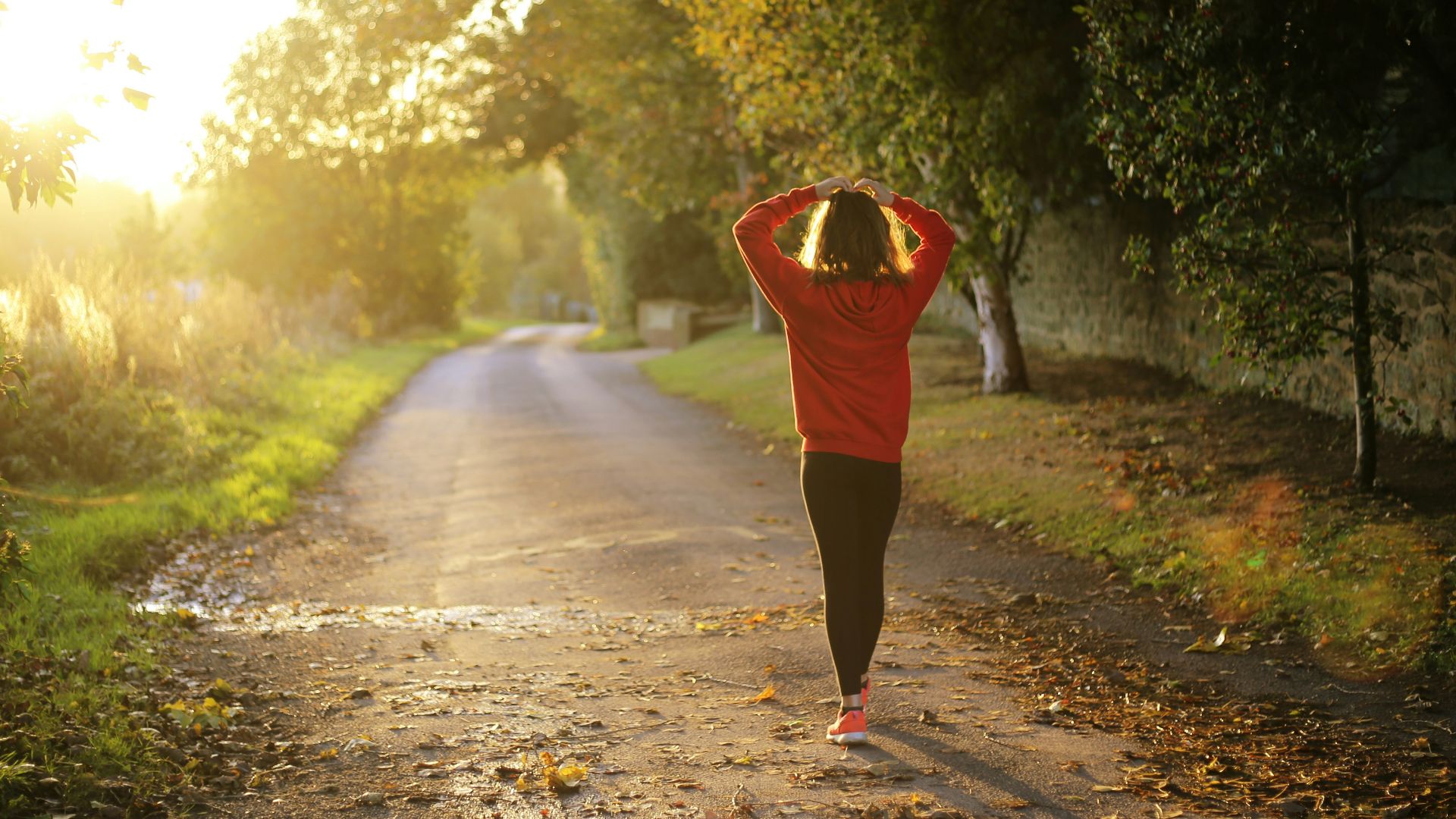
10. Nature Connection
A lot of societies stress the importance of getting some time outdoors each day. It's good for both mental focus and physical health. In fact, even a few minutes in nature can lift your mood, which most Americans working in offices or from home could definitely benefit from.
KEEP ON READING


20 Things Your Body Is Secretly Doing Right Now

20 Reasons You Might Wake Up With a Headache