
Simple Tricks, Mixed Evidence
The vagus nerve is a major nerve that helps regulate the parasympathetic nervous system, which supports calming functions like slowing heart rate and shifting the body toward rest-and-digest mode. That’s why it shows up in so many anxiety, sleep, and stress routines right now. The important thing to know is that many so-called vagus nerve hacks are really general nervous-system settling tools, and the evidence behind them ranges from solid to shaky depending on the method. Some are simple, low-risk practices that help a lot of people, especially breathing-based techniques, while others are medical approaches or heavily marketed gadgets that deserve more caution. Here are 20 vagus-nerve hacks everyone’s trying.

1. Belly Breathing
Slow diaphragmatic breathing is one of the most common suggestions because it reliably shifts the body toward a calmer state. Belly breathing is often described as supporting vagal activity and the relaxation response, including lowering heart rate and blood pressure.

2. Longer Exhales
A simple tweak is making the exhale longer than the inhale, because extended exhalation tends to pair with parasympathetic activity. Reviews of slow-paced breathing often discuss improvements in vagally mediated heart rate variability when breathing rate is reduced.

3. Slow-Paced Breathing Around Six Breaths Per Minute
This is the classic paced-breathing approach many apps use. Research on slow-paced breathing has linked it to increased cardiac vagal activity and changes in heart rate variability, depending on duration and protocol.
4. Cyclic Sighing
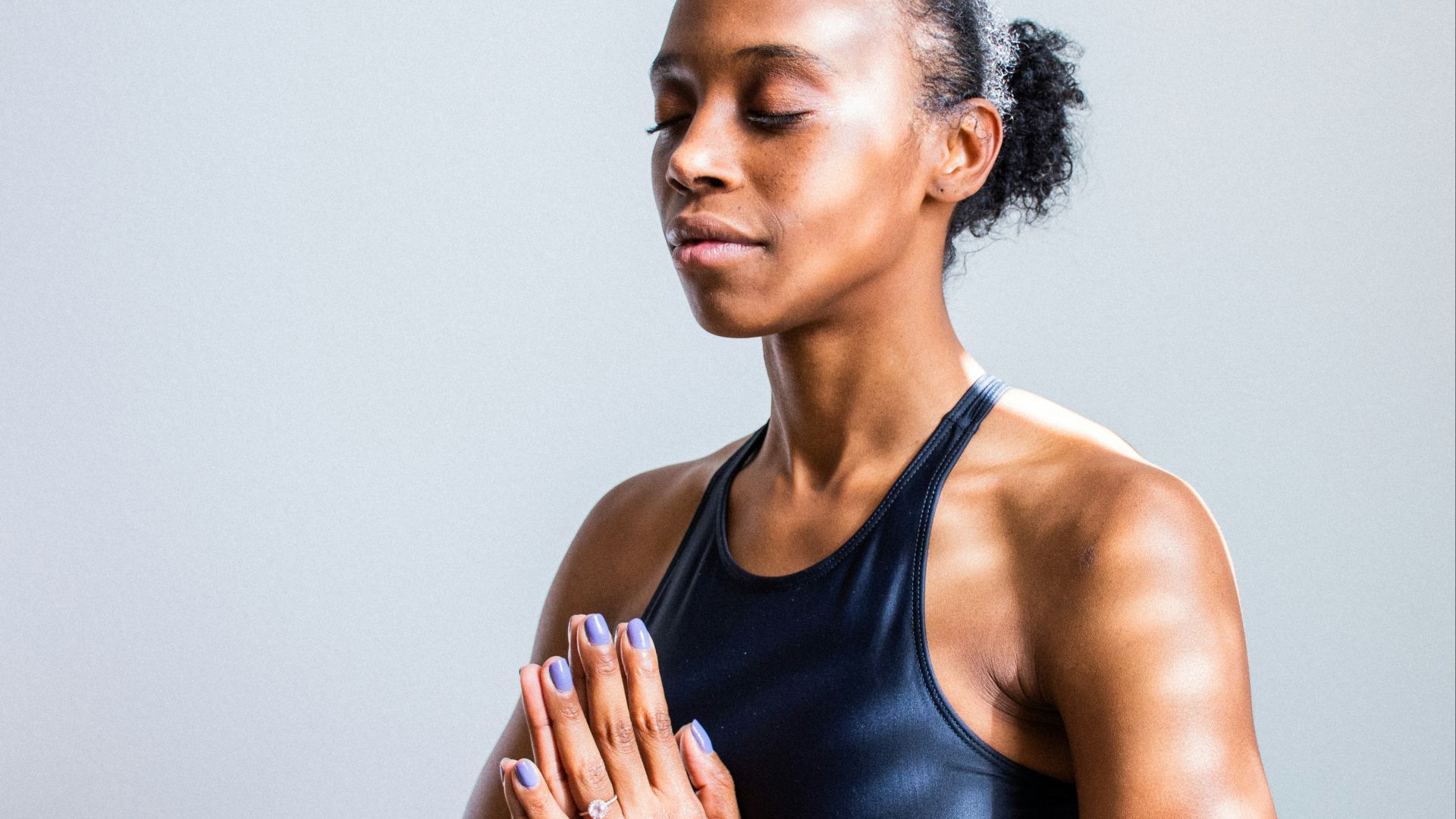
Cyclic sighing is basically inhale, top-off inhale, then a long, relaxed exhale, repeated. A controlled study found brief daily structured breathing, especially exhale-focused cyclic sighing, improved mood and reduced physiological arousal compared with mindfulness meditation in their setup.

5. Box Breathing
Box breathing uses equal counts for inhale, hold, exhale, hold, which people like because it’s tidy and easy to remember. It’s often used for downshifting stress through controlled respiration, even if the vagus nerve language gets fuzzier than the practice itself.
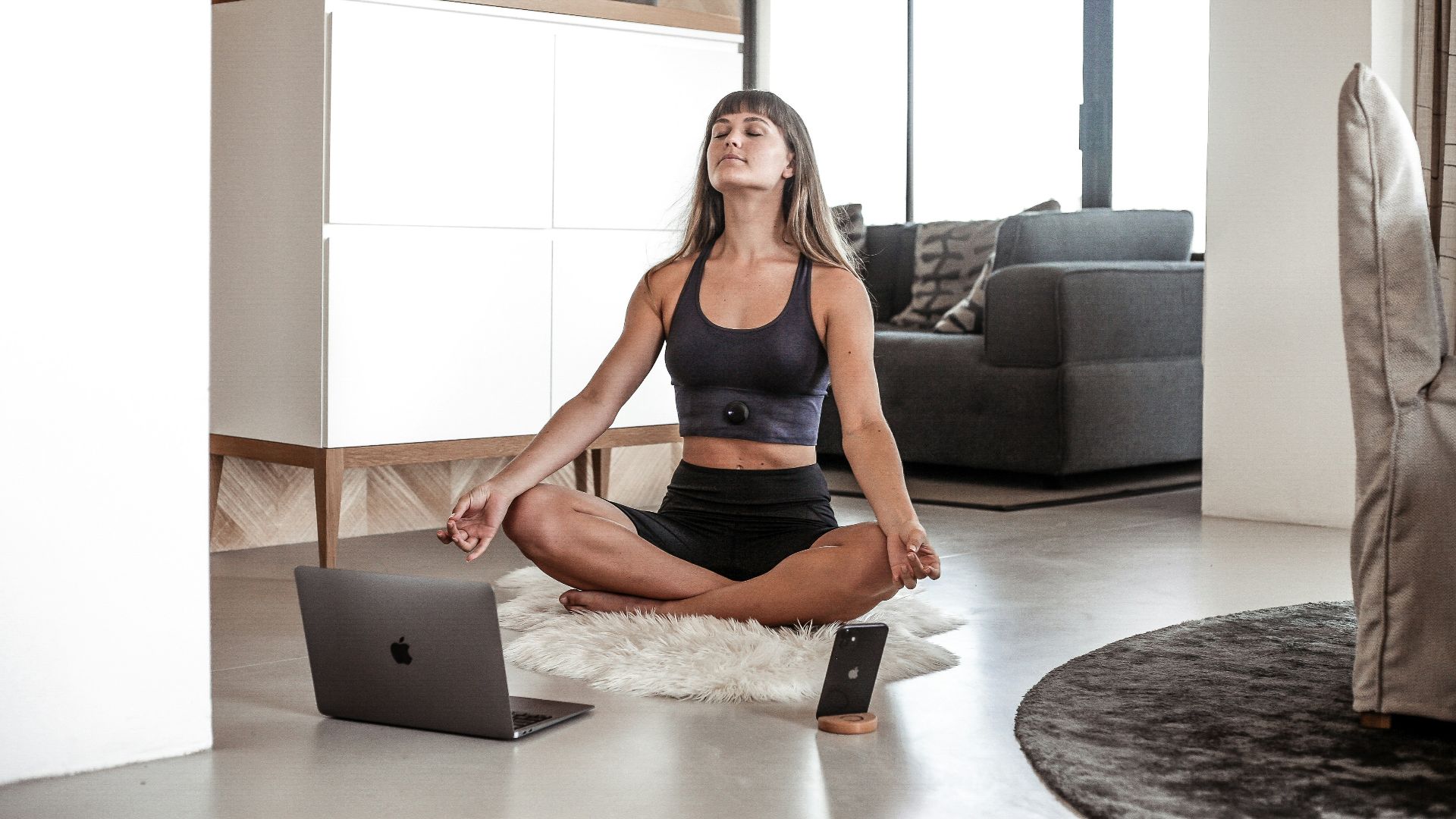 Angelina Sarycheva on Unsplash
6. 4-7-8 Breathing
This pattern slows breathing and emphasizes a long exhale, which is why it shows up everywhere from sleep tips to anxiety routines. The main value is that it forces a slower pace and changes carbon dioxide tolerance a bit, which many people feel quickly.

7. Alternate Nostril Breathing
This is a yoga-based technique that’s frequently described as balancing and settling. Studies have looked at how it influences heart rate variability and autonomic markers, with some suggesting shifts consistent with increased parasympathetic influence.
8. Humming
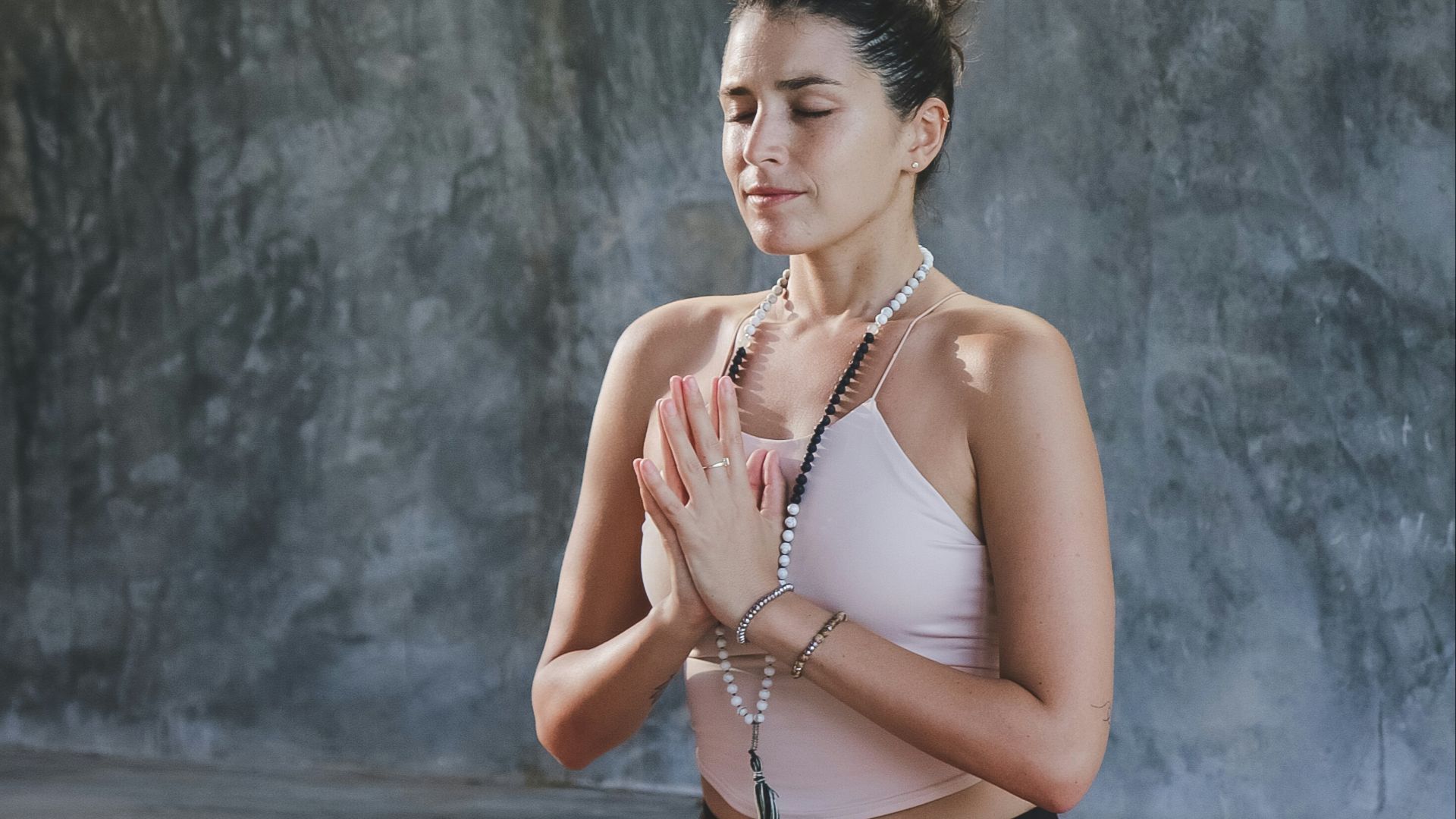
Humming is popular because it’s discreet and it changes breathing without feeling like breathwork. Writing on voice techniques often notes that humming and vocal vibration can stimulate pathways linked with vagal activity and support a calmer state.
9. Singing Or Chanting
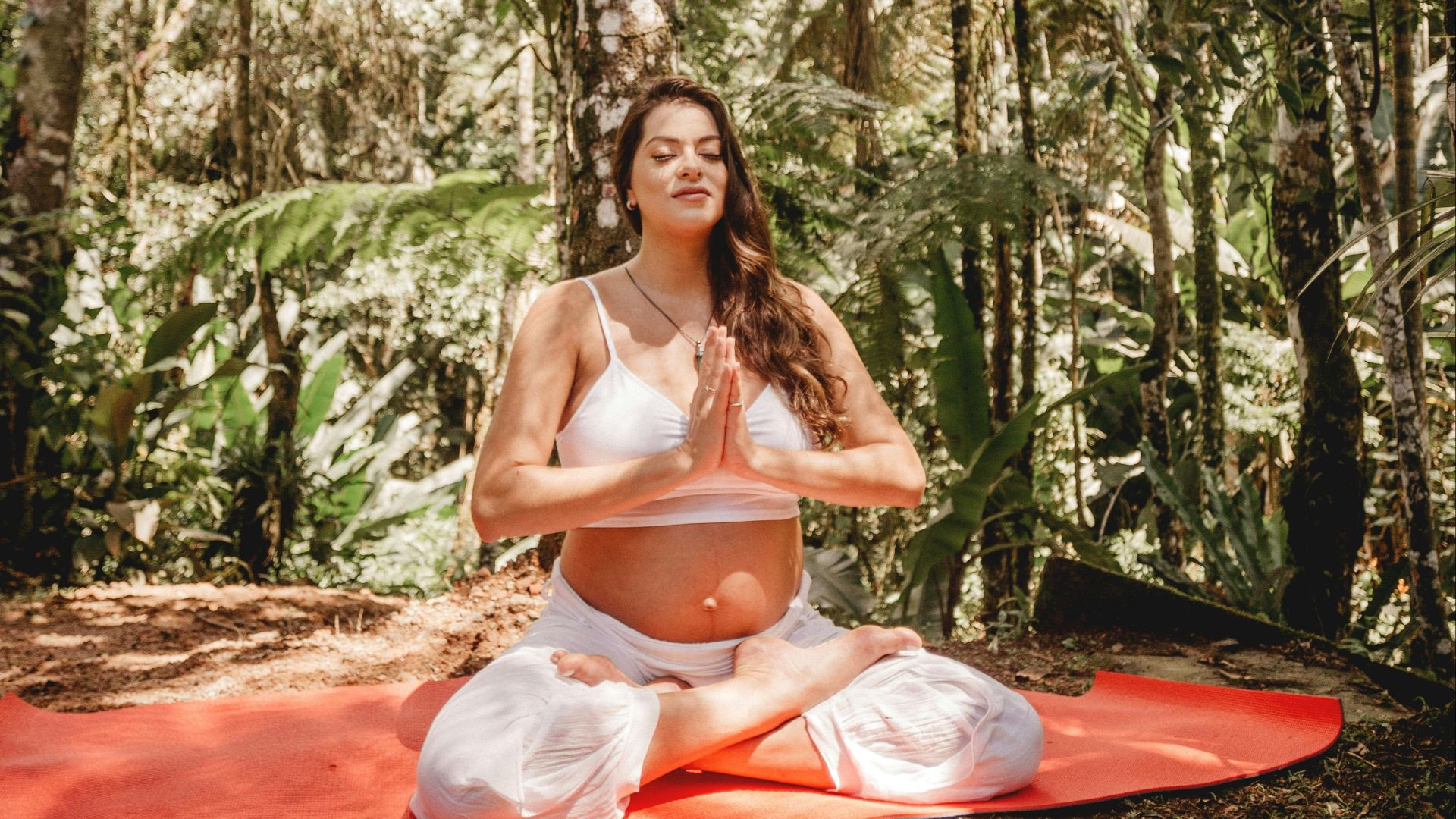
Singing stretches the exhale, adds vibration, and tends to shift attention away from spiraling thoughts. The voice and throat share pathways with vagal functions, which is part of why vocal practices show up in calming routines.

10. Gargling
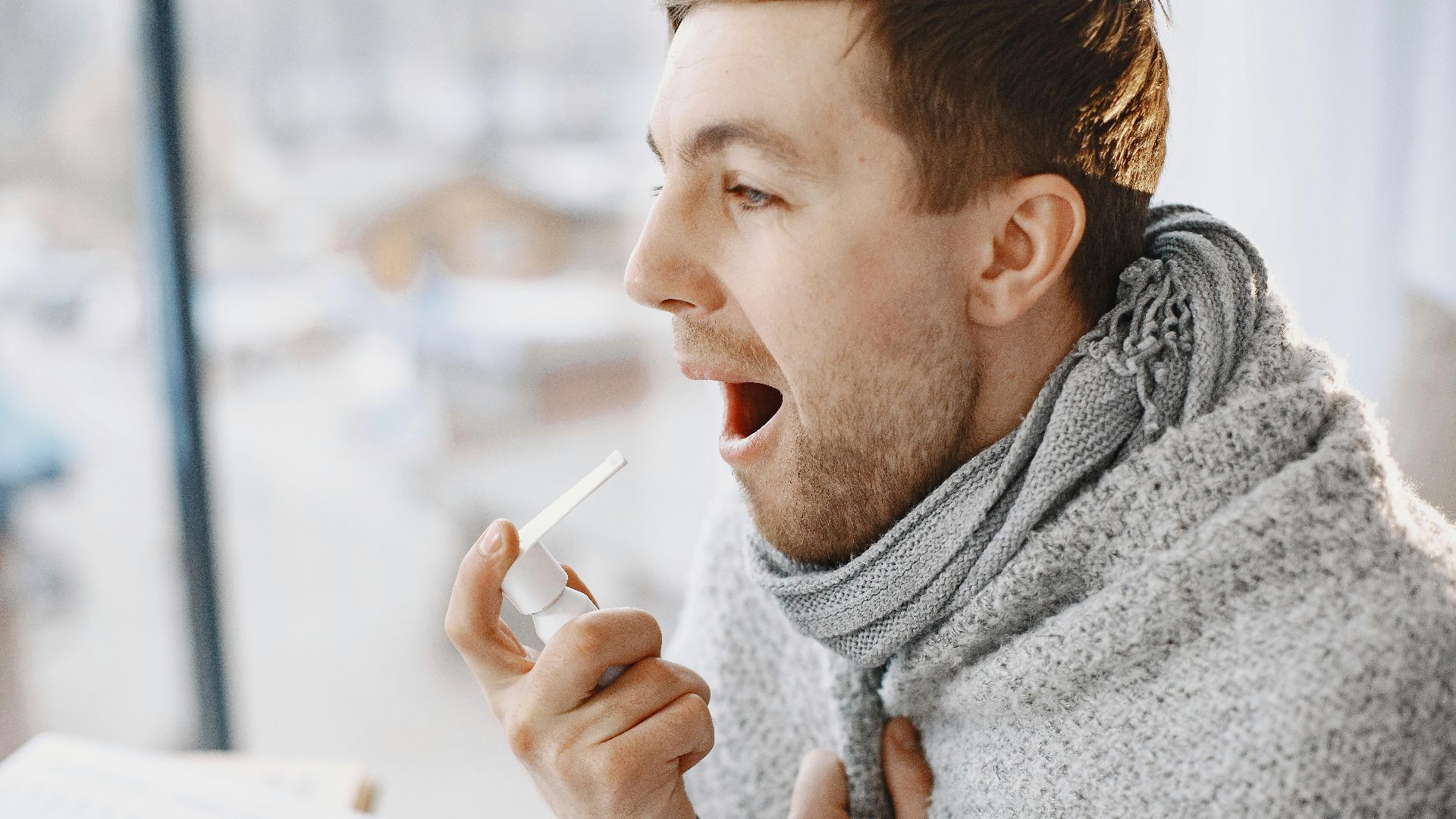
Gargling gets recommended because it activates the throat muscles, which are connected to nerves in the same neighborhood. People use it as a quick, practical add-on, even though strong direct evidence is limited.
11. Cold Face Splash
A splash of cold water on the face is a classic, because facial cold exposure can trigger the diving reflex, which slows heart rate. It’s often used as a fast reset when stress feels physical.

12. Cold Showers
Cold showers are a bigger version of the same idea, and people often use them for a jolt that turns into calm afterward. The vagus nerve is frequently mentioned in cold-exposure circles, though the experience varies a lot by person and intensity.

13. Face In A Bowl Of Cold Water
This one looks dramatic, but it’s a known technique used in some anxiety and distress-tolerance toolkits. The goal is tapping the diving response through cold facial immersion, which can lower heart rate quickly for some people.

14. Valsalva Maneuver
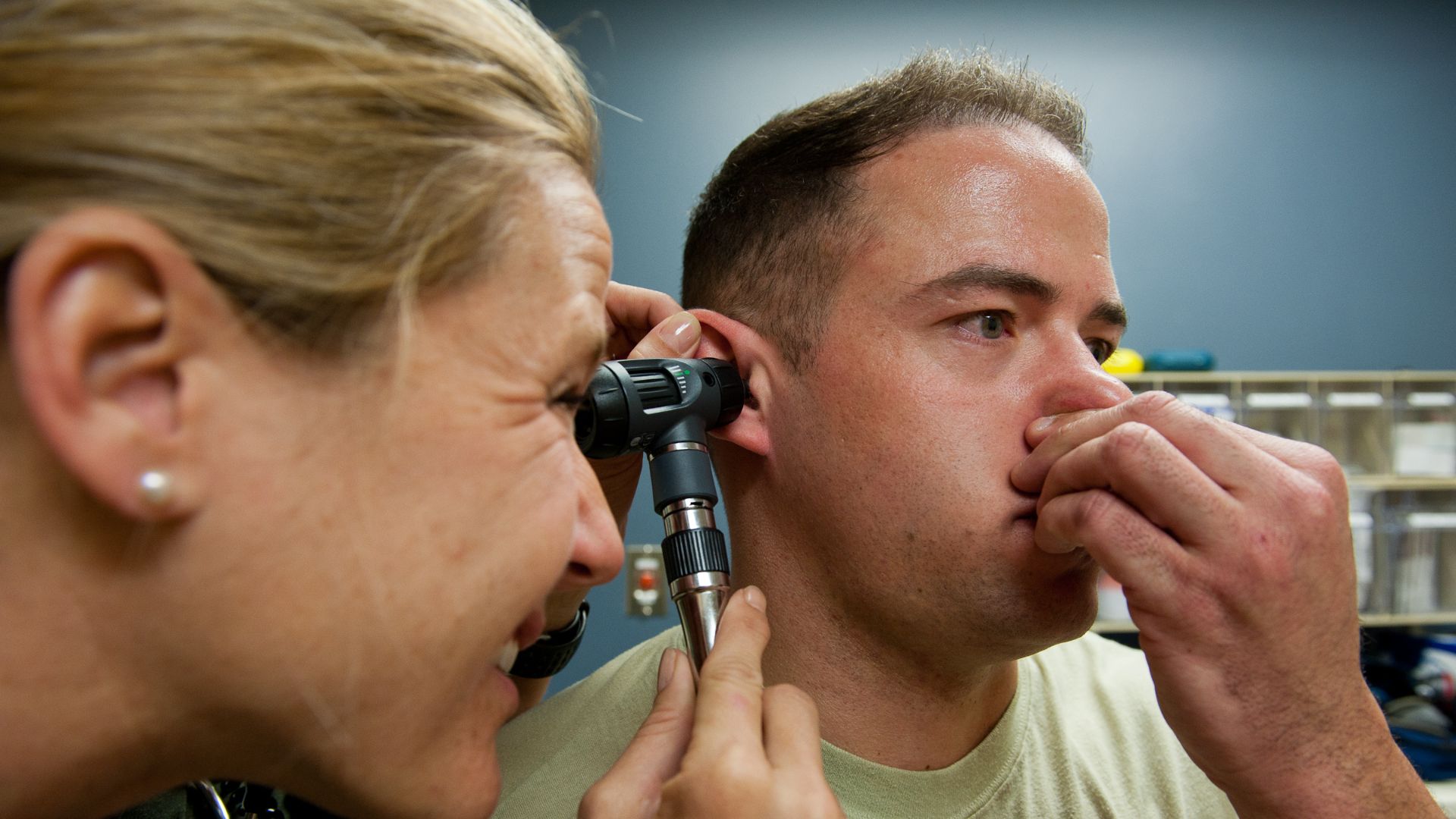
This involves bearing down as if exhaling against a closed airway, sometimes used to help certain rapid heart rhythms. It can influence vagal tone, but it’s not a casual wellness trick, and it’s best treated as a medical technique, not a trend.
 U.S. Air Force photo by Airman 1st Class Kate Thornton on Wikimedia
15. Gentle Neck And Jaw Relaxation
Tension in the jaw and neck is often part of a stress loop, so relaxing those areas can change how the whole body feels. People try massage, stretching, or simply unclenching to reduce that clenched, wired sensation.
16. Ear Massage
A lot of vagus-nerve talk centers on the ear because a branch of the vagus nerve supplies part of the outer ear. People massage the tragus or concha area gently, hoping for a calming effect, though results are inconsistent.

17. Acupressure Points For Calm
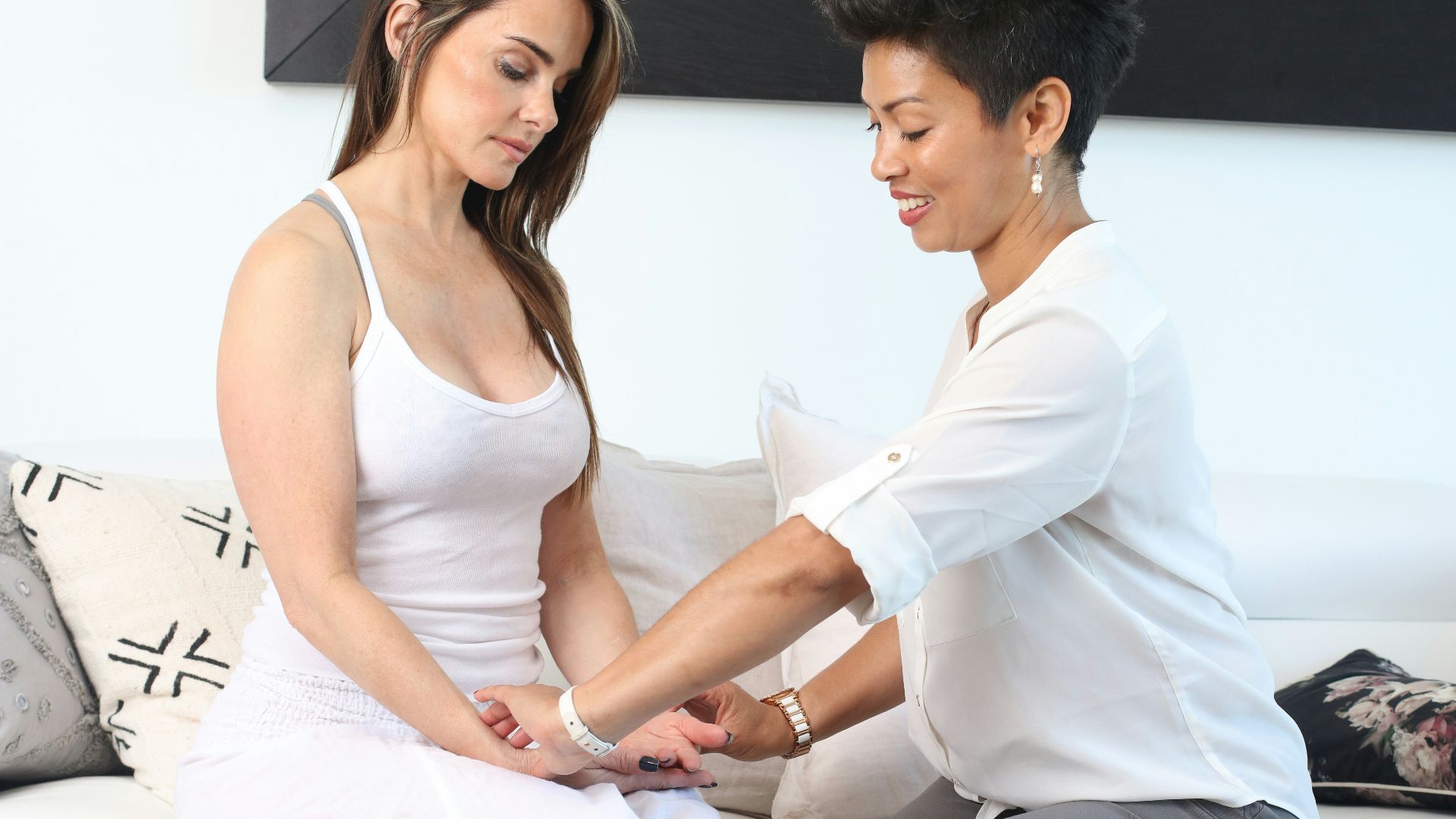
Some people use acupressure points associated with anxiety relief, like pressure on the wrist. The vagus nerve gets mentioned, but the more reliable benefit is often the combination of touch, attention shift, and slow breathing.
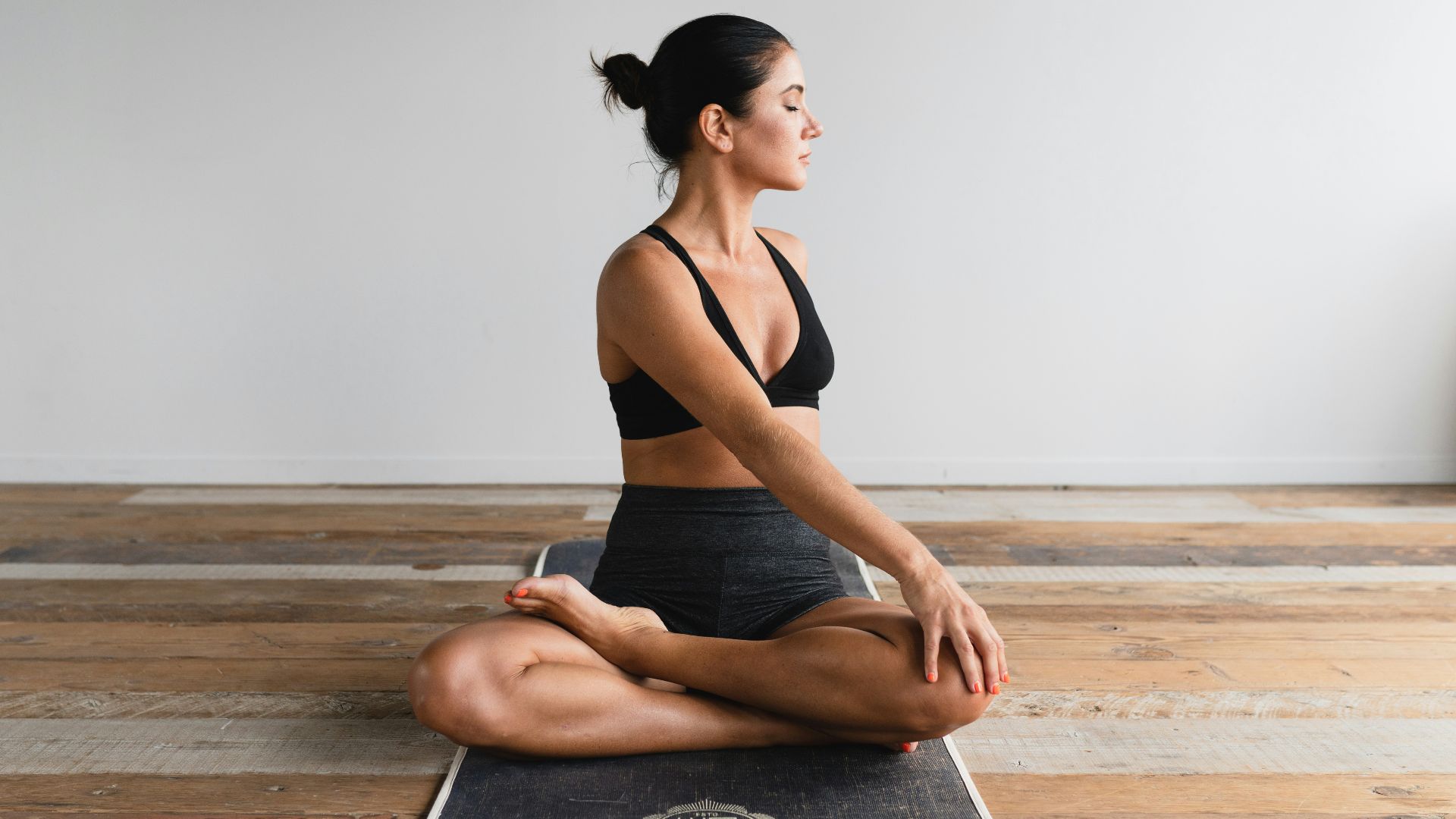
18. Yoga And Slow Stretching
Yoga gets labeled vagus-friendly because it blends movement with breath and downshifts the nervous system. The effect tends to come from the whole package, not one magic pose.
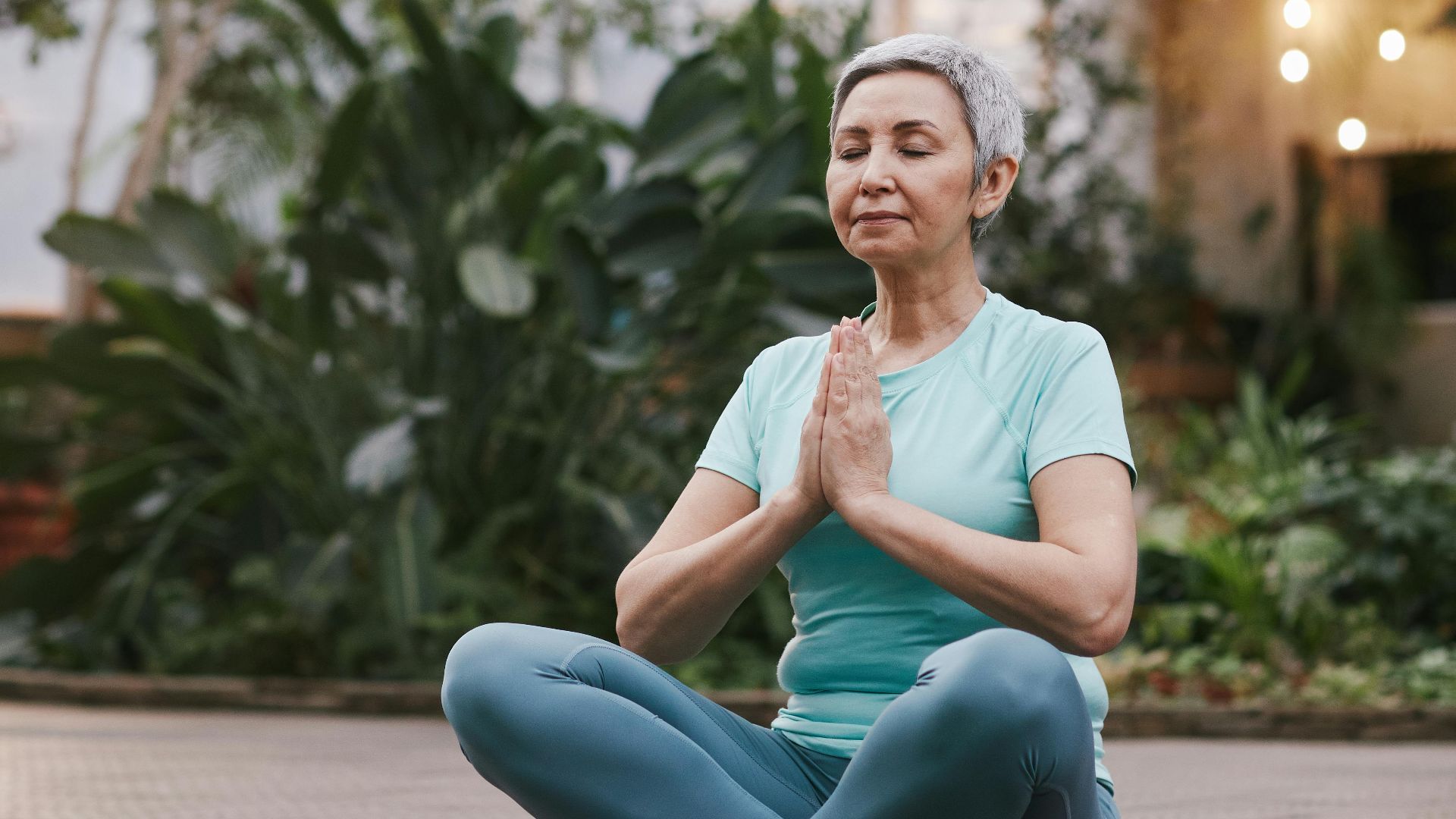
19. Meditation With A Body Focus
Body scans, grounding, and other somatic-style meditation practices are often framed as helping the vagus nerve. What they reliably do is teach the brain to notice sensations without panicking about them, which can reduce arousal over time.
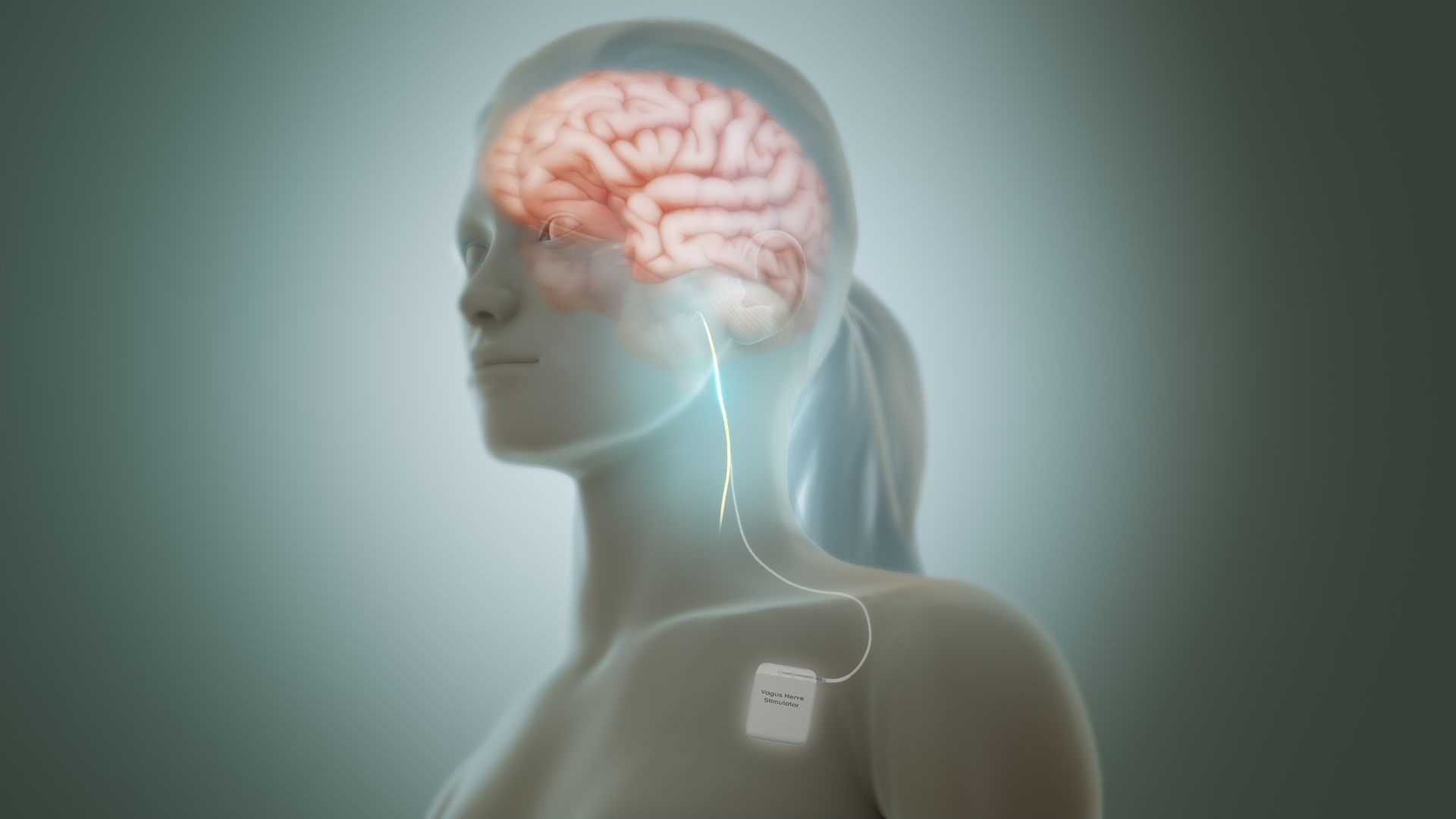
20. Vagus Nerve Stimulation Devices
There are medical and consumer devices marketed for vagus nerve stimulation, including noninvasive options that target areas like the ear or neck. Some are backed by more research than others, so it’s worth separating regulated medical use from general wellness marketing.
KEEP ON READING