
Carbs Aren't the Enemy
Carbohydrates have had a rough reputation over the past few decades, thanks in large part to the rise of low-carb diets and an avalanche of conflicting nutrition advice. The truth is that carbs are a naturally occurring macronutrient found in everything from fruits and vegetables to grains and legumes, and your body actually depends on them to function well. At the same time, reducing your carb intake does produce some notable changes in the body, and understanding those changes can help you make smarter, more informed decisions about your diet. Whether you're firmly pro-carb, considering cutting back, or simply trying to understand what's going on nutritionally, this article covers both sides of the conversation so you can approach your eating habits with confidence rather than confusion.

1. Carbs Are Your Brain's Preferred Fuel Source
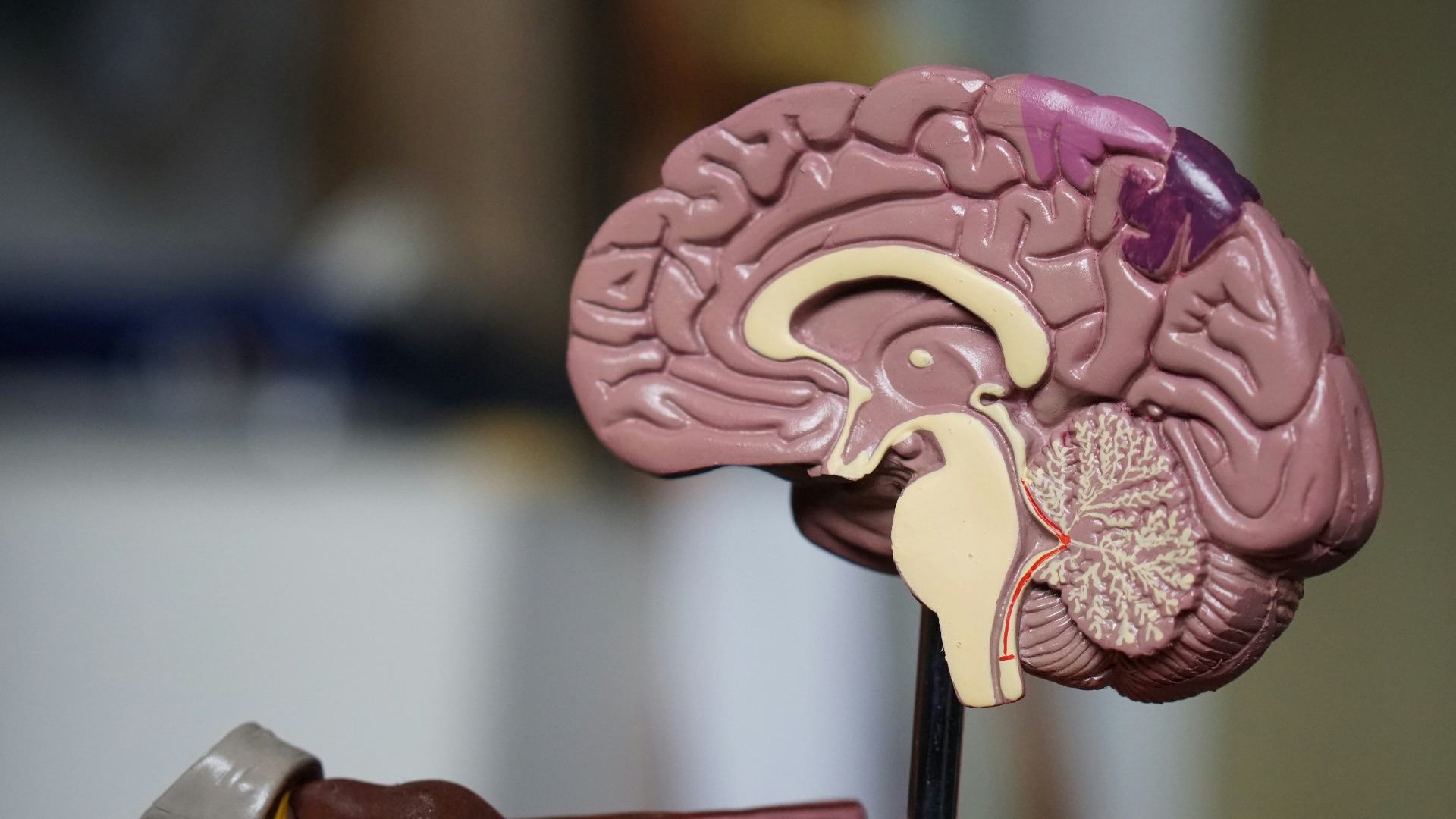
Your brain relies heavily on glucose, which comes directly from the carbohydrates you eat, to power its daily functions. Without an adequate supply, you might notice difficulty concentrating, mental fog, or mood dips that seem to come out of nowhere. Cutting carbs entirely can leave your brain running on fumes, so keeping them in your diet helps you stay sharp and mentally clear throughout the day.
2. Not All Carbs Are Created Equal
There's a significant difference between the carbohydrates found in whole grains, fruits, and vegetables and those found in heavily processed snack foods or sugary drinks. Lumping them all together under one umbrella does a real disservice to the nutrient-dense options that come packed with fiber, vitamins, and minerals. Once you understand that quality matters as much as quantity, carbs start to look a lot less threatening.

3. Fiber Comes Almost Entirely from Carbohydrate-Rich Foods
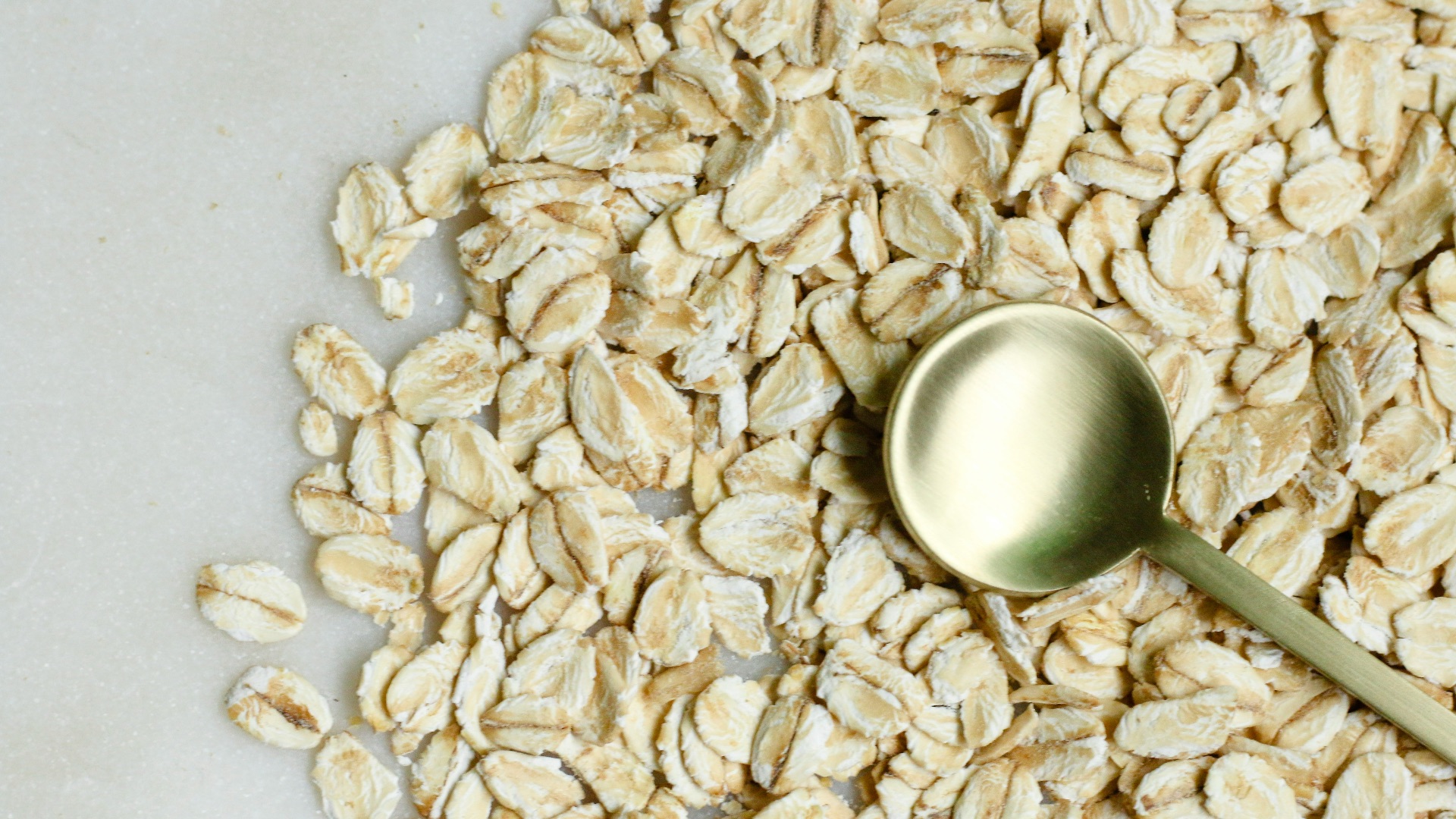
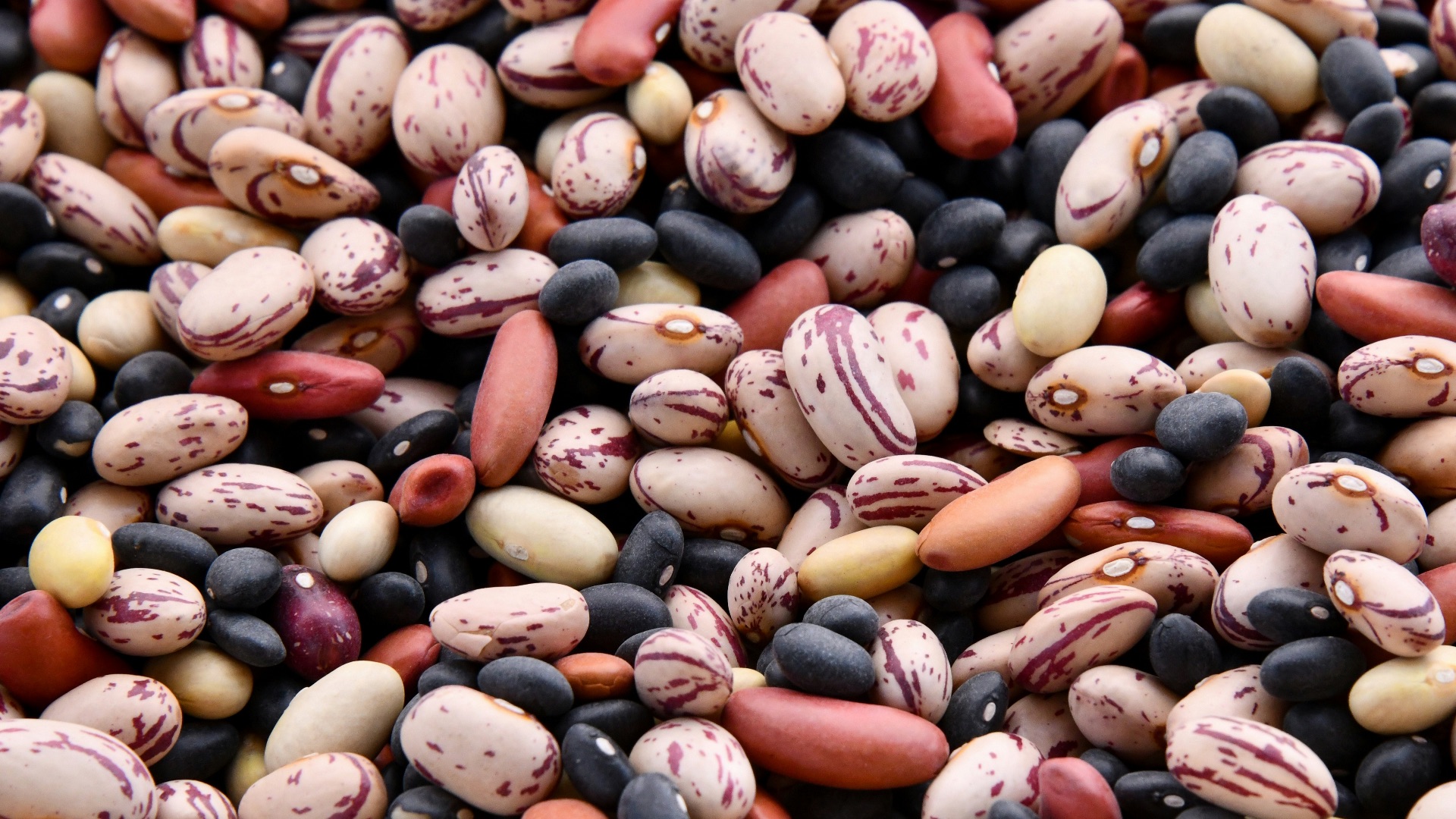
Many of the best sources of dietary fiber, including beans, lentils, oats, and most fruits and vegetables, are also high in carbohydrates. Fiber is essential for digestive health, maintaining healthy cholesterol levels, and keeping you feeling full between meals. Eliminating carbs from your diet means you'd also be cutting out one of the most important nutrients your gut depends on.
4. They Play a Key Role in Physical Performance
If you're someone who exercises regularly, carbohydrates are a critical part of your performance equation. Your muscles store carbohydrates as glycogen, which serves as the primary energy source during moderate to high-intensity workouts. Without enough of it, you're likely to tire out faster, recover more slowly, and get less out of the effort you're putting in.

5. Carbs Support a Healthy, Balanced Mood
Carbohydrate consumption is linked to the production of serotonin, a neurotransmitter that helps regulate mood, sleep, and overall emotional well-being. When you consistently under-eat carbs, some people find themselves feeling more irritable, anxious, or emotionally off-balance than usual. Including healthy carb sources in your meals is a simple way to help support your mental and emotional health alongside your physical health.
 Jacqueline Munguía on Unsplash
6. Whole-Food Carbs Are Loaded with Micronutrients
Fruits, vegetables, whole grains, and legumes bring far more to the table than just carbohydrates. They're rich in B vitamins, magnesium, potassium, antioxidants, and a wide range of other nutrients your body needs to function properly. Avoiding these foods out of carb-related fear means potentially missing out on a broad spectrum of nutritional benefits that aren't easily replaced.
7. They Help Regulate Blood Sugar When Chosen Wisely
It's a common misconception that carbs automatically spike blood sugar to dangerous levels, but complex carbohydrates with a low glycemic index actually digest slowly and promote a steadier glucose response. Foods like sweet potatoes, quinoa, and most whole fruits release energy gradually, which helps prevent the kind of sharp crashes that leave you craving more food an hour later. Choosing the right types of carbs can actually support blood sugar balance rather than undermine it.

8. Cutting Carbs Doesn't Automatically Mean Cutting Calories
Many people assume that going low-carb will naturally result in eating fewer calories overall, but that's not always how it plays out. High-fat and high-protein foods that often replace carbs can be just as calorie-dense, if not more so, depending on what you're eating. The relationship between carbs and weight is more nuanced than a simple cause-and-effect, and fearing carbs as inherently fattening oversimplifies how the body actually works.

9. Traditional Diets Around the World Are High in Carbs
Some of the healthiest and longest-living populations on earth eat diets that are predominantly carbohydrate-based, including communities in Japan, China, and India. Their dietary patterns, which feature foods like rice, beans, root vegetables, and whole grains, haven't stopped them from maintaining excellent health well into old age. This is a strong indicator that carbs themselves aren't the problem and that overall dietary patterns and lifestyle factors matter far more.
 minchephoto photography on Pexels
10. Fear of Carbs Can Lead to an Unhealthy Relationship with Food
Labeling an entire macronutrient as bad can set the stage for unnecessary food anxiety, guilt around eating, and a restrictive mindset that's hard to maintain long-term. Nutrition science consistently shows that sustainable, healthy eating is built on variety and balance rather than strict avoidance. Giving yourself permission to include carbs as part of a well-rounded diet is actually a healthier approach, both physically and psychologically, than treating them as something to fear.
As much as you shouldn't fear eating carbs, there are also plenty of changes you'll see on a low-carb diet. Let's jump into that next.
1. You'll Likely Lose Water Weight Fairly Quickly
One of the first and most noticeable changes when you reduce your carb intake is a fairly rapid drop on the scale, but most of it is water weight rather than fat. Carbohydrates cause your body to retain water because glycogen, the stored form of glucose, binds to water molecules in your muscles. When glycogen stores are depleted, that water is released, which is why the scale can move quickly in the early days of a low-carb diet.

2. Your Hunger Hormones May Shift Noticeably
Protein and fat, which tend to make up a larger portion of a low-carb diet, have a significant impact on hunger-regulating hormones like ghrelin and leptin. Many people report feeling fuller for longer periods of time once they've adjusted to eating fewer carbohydrates, which can make it easier to naturally reduce overall calorie intake. That said, individual responses vary, and not everyone experiences the same degree of appetite suppression.
 Jarritos Mexican Soda on Unsplash
3. You Might Go Through a Short Adjustment Period
In the first week or two of significantly reducing carbs, some people experience a cluster of symptoms that includes fatigue, headaches, irritability, and difficulty focusing. This period, which is sometimes referred to as a low-carb adaptation phase, occurs as your body shifts from using glucose as its primary fuel source to relying more on fat. The symptoms are temporary for most people and typically improve as the body adjusts to its new energy source.

4. Your Body Begins Producing Ketones
When carbohydrate intake drops low enough, the liver starts breaking down fatty acids and producing molecules called ketones, which the brain and body can use for energy in the absence of glucose. This metabolic state, known as ketosis, is the foundation of very low-carb and ketogenic diets. Some people find that they feel mentally sharp and energetically stable in ketosis, though it can take several weeks of consistent low-carb eating to fully adapt to it.

5. Blood Triglyceride Levels Often Decrease
Research consistently shows that reducing carbohydrate intake, particularly from refined sources and added sugars, tends to lower blood triglyceride levels fairly effectively. High triglycerides are associated with an increased risk of heart disease, so this is generally considered a positive cardiovascular outcome. The effect tends to be most pronounced in people who were eating a high-sugar or high-refined-carb diet before making the switch.
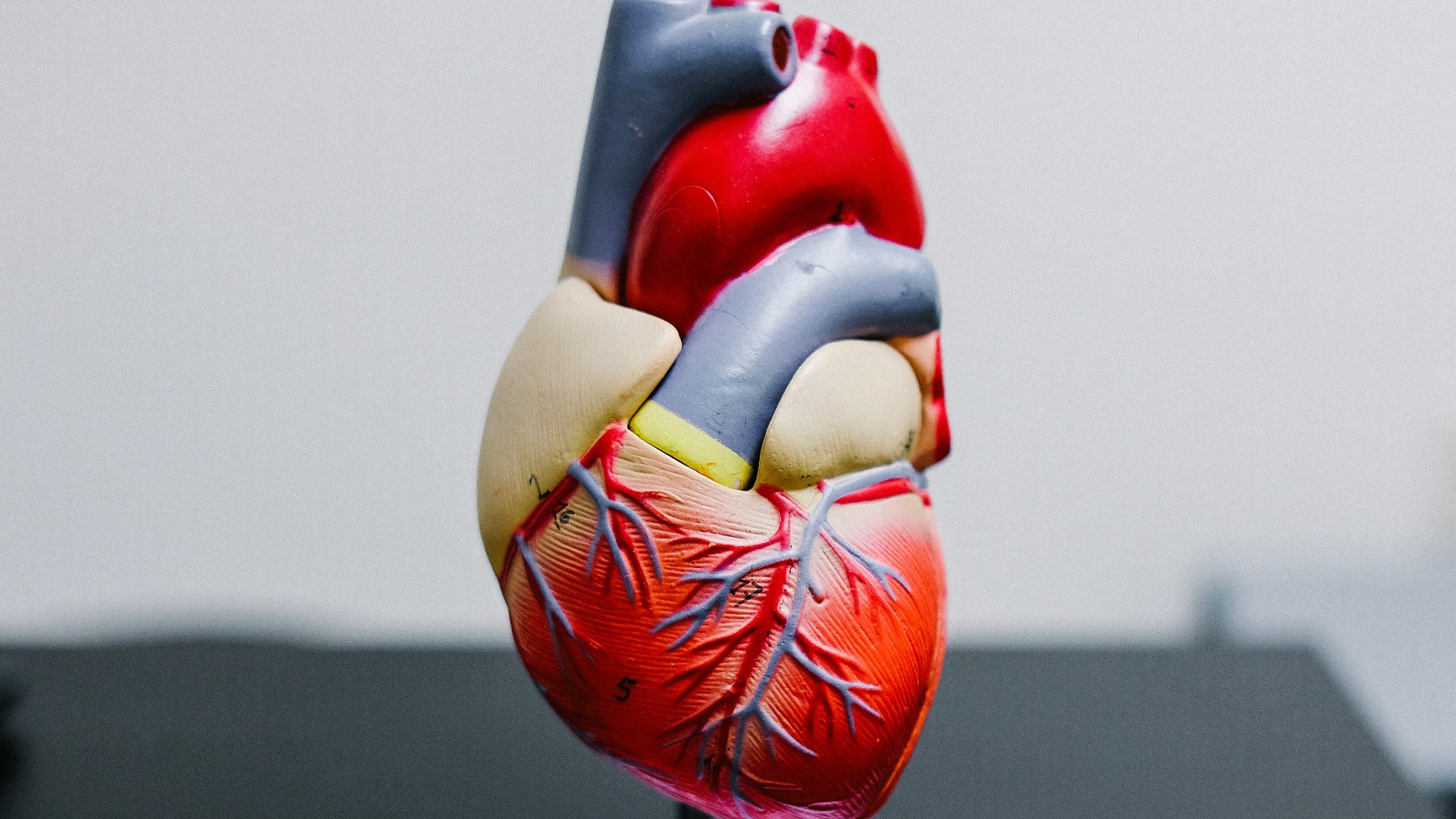
6. Your Digestion Might Change in Unexpected Ways
Since fiber comes predominantly from carbohydrate-rich foods, cutting carbs significantly can reduce your fiber intake and lead to changes in digestion, including constipation or altered bowel habits. It's important to be intentional about still getting fiber through low-carb-friendly vegetables like broccoli, leafy greens, and cauliflower if you decide to reduce your overall carb consumption. Staying well-hydrated also becomes especially important for supporting digestion on a lower-carb eating plan.

7. HDL Cholesterol Levels May Improve
A well-structured low-carb diet, especially one that includes healthy fats from sources like avocados, nuts, and olive oil, is often associated with an increase in HDL cholesterol, commonly referred to as the good kind. Higher HDL levels are generally linked to a lower risk of cardiovascular disease, making this one of the more encouraging potential changes that can accompany a reduced-carb approach. The overall quality of the fats you're eating, however, plays an important role in whether you see this benefit.

8. Your Energy Levels Will Probably Fluctuate Before They Stabilize
It's very common to feel more tired than usual during the initial phase of a low-carb diet, particularly if your body was previously accustomed to running on a steady supply of glucose. Once the adaptation phase passes and your body becomes more efficient at using fat for fuel, many people report that their energy levels even out and feel more consistent throughout the day without the highs and lows that can come from carb-heavy meals. Getting through that initial dip requires patience, but for many people the energy stability on the other side is worth it.

9. Insulin Sensitivity Can Improve Over Time
Reducing carbohydrate intake lowers the frequency and magnitude of insulin spikes that occur after meals, which over time can lead to improved insulin sensitivity. This is particularly relevant for people who are managing prediabetes or type 2 diabetes, as better insulin sensitivity means the body can use glucose more efficiently when it is consumed. It's always worth consulting a healthcare provider before making significant dietary changes, especially if you're managing a metabolic condition.

10. Your Relationship with Food May Need Some Recalibration
Shifting to a low-carb diet often means rethinking meals, social eating, and food habits that have been in place for years, which can be a bigger adjustment than most people anticipate. You might find yourself reading labels more carefully, preparing more food at home, or navigating situations where low-carb options aren't readily available. With the right planning and a flexible mindset, these adjustments are manageable, but it's worth going in with realistic expectations about the lifestyle changes involved.

KEEP ON READING