

Old Kitchens, New Respect
A lot of so-called grandma cures were never really about magic. They were about making do, noticing patterns, and keeping people comfortable when there was no urgent care down the street and no delivery app bringing electrolytes in twenty minutes. Some of these remedies got mocked once modern medicine arrived, then quietly returned when researchers started looking at low-risk, low-cost ways to soothe common problems, or when people realized the point was relief, not miracles. Plenty still get oversold online, and none of this replaces seeing a clinician when something is severe, persistent, or scary. Here are 20 grandma cures that drifted out of fashion and then found their way back into regular life.

1. Saltwater Gargle
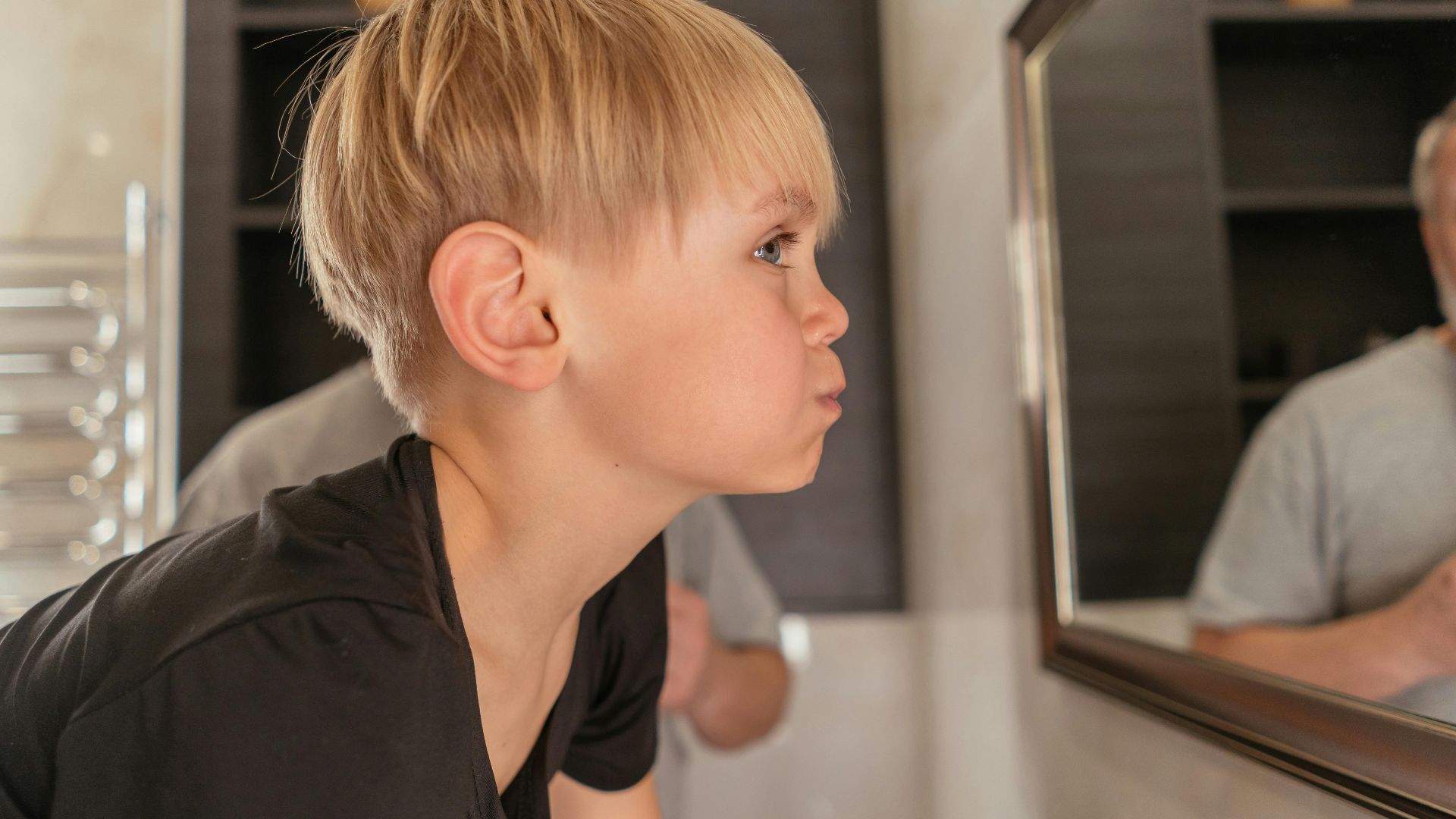
A warm saltwater gargle is still one of the simplest ways to ease a scratchy throat. It helps by drawing fluid out of swollen tissues and loosening mucus, which is why clinics and hospital advice pages keep recommending it for mild sore throats.
2. Honey For Cough
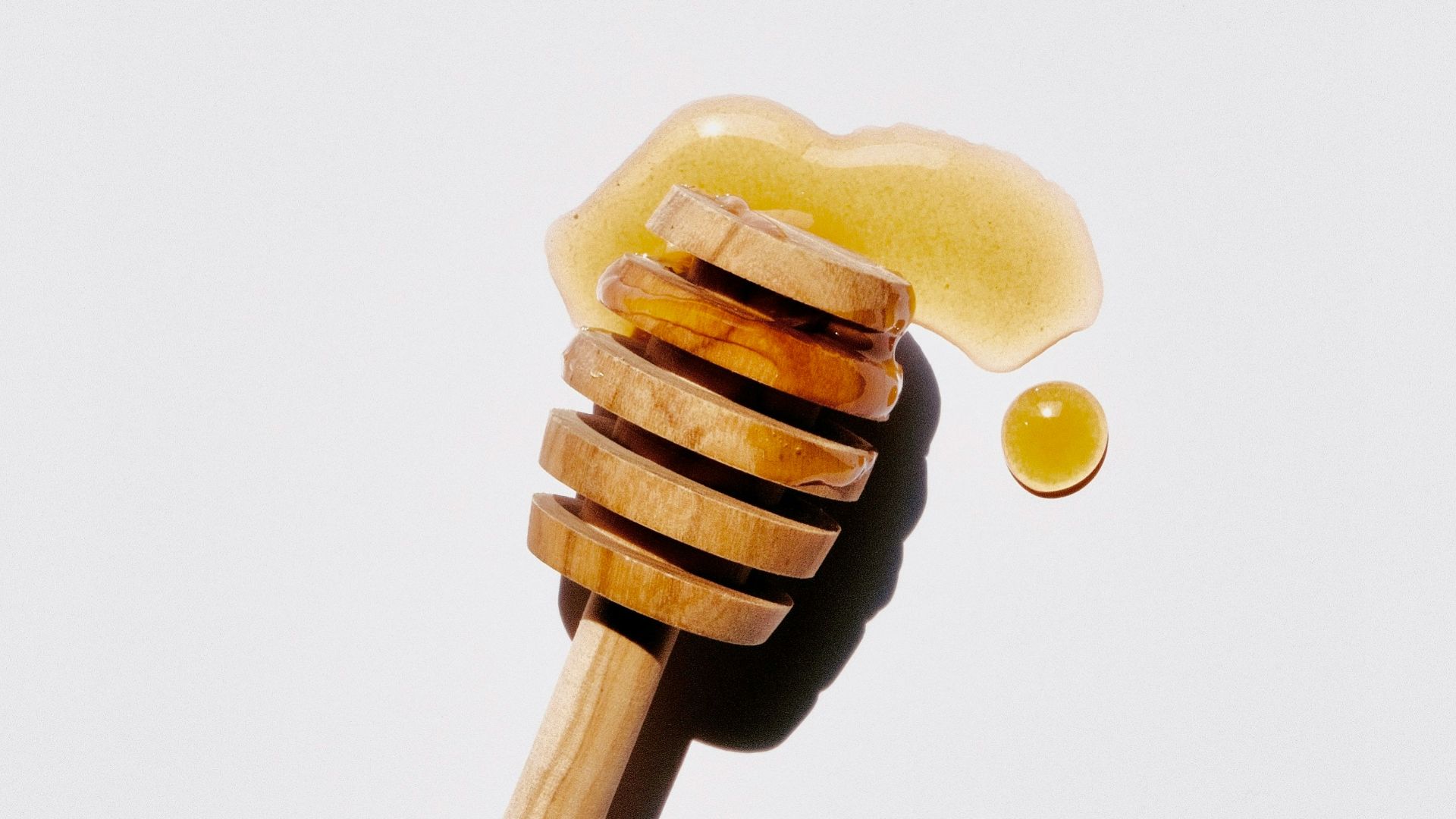
Honey has solid support for soothing cough in kids over age one and in adults, and it shows up in mainstream guidelines and patient handouts. It coats irritated tissue and can reduce cough frequency at night, which is why it keeps beating fancy syrups in everyday life.
3. Ginger For Nausea
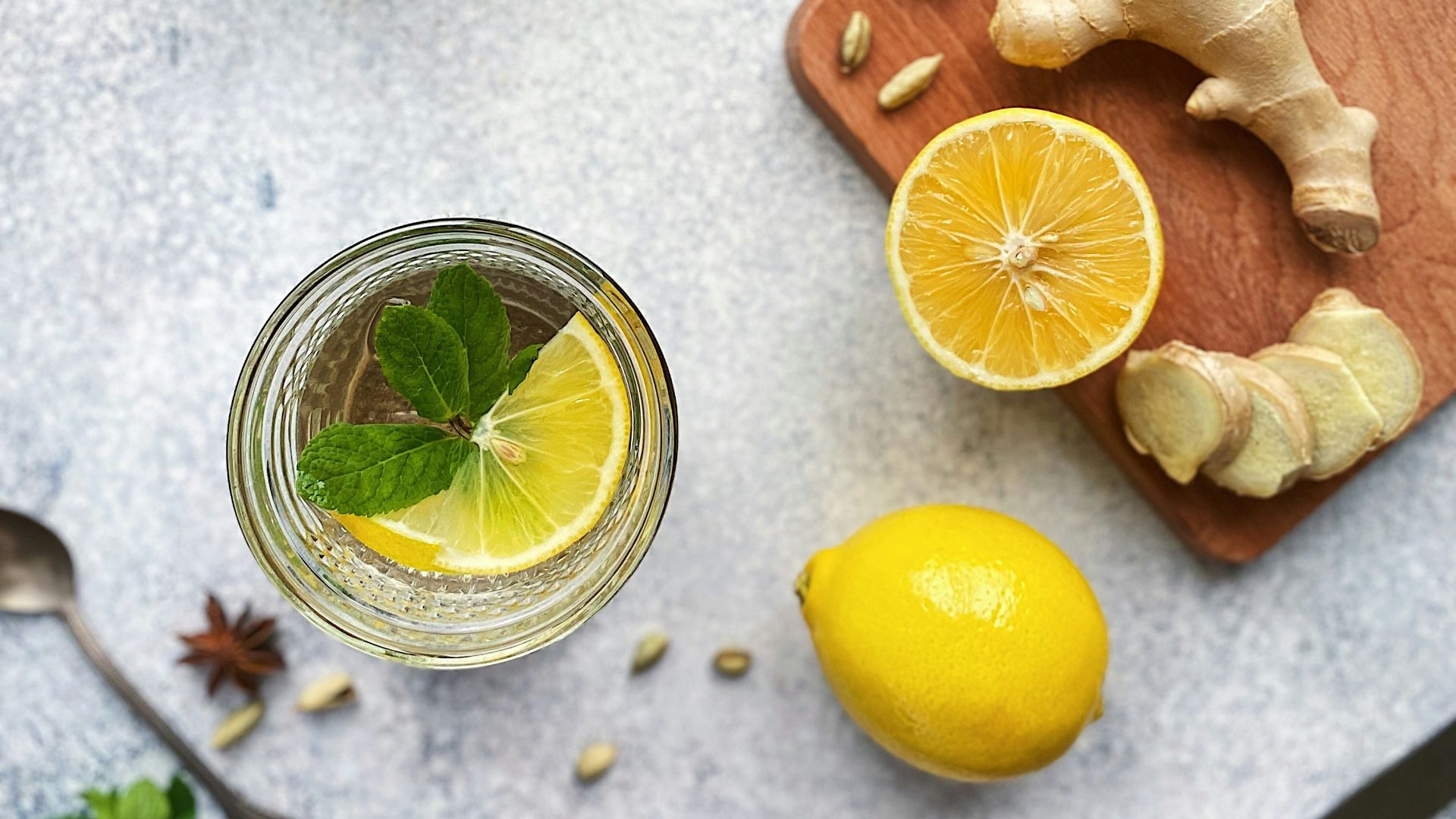
Ginger never really left, yet it has enjoyed a full comeback as evidence piled up for nausea, including pregnancy-related nausea and motion sickness. It acts on the gut in ways that reduce queasiness, and it is easy to take as tea, candy, or food.
4. Peppermint For Indigestion
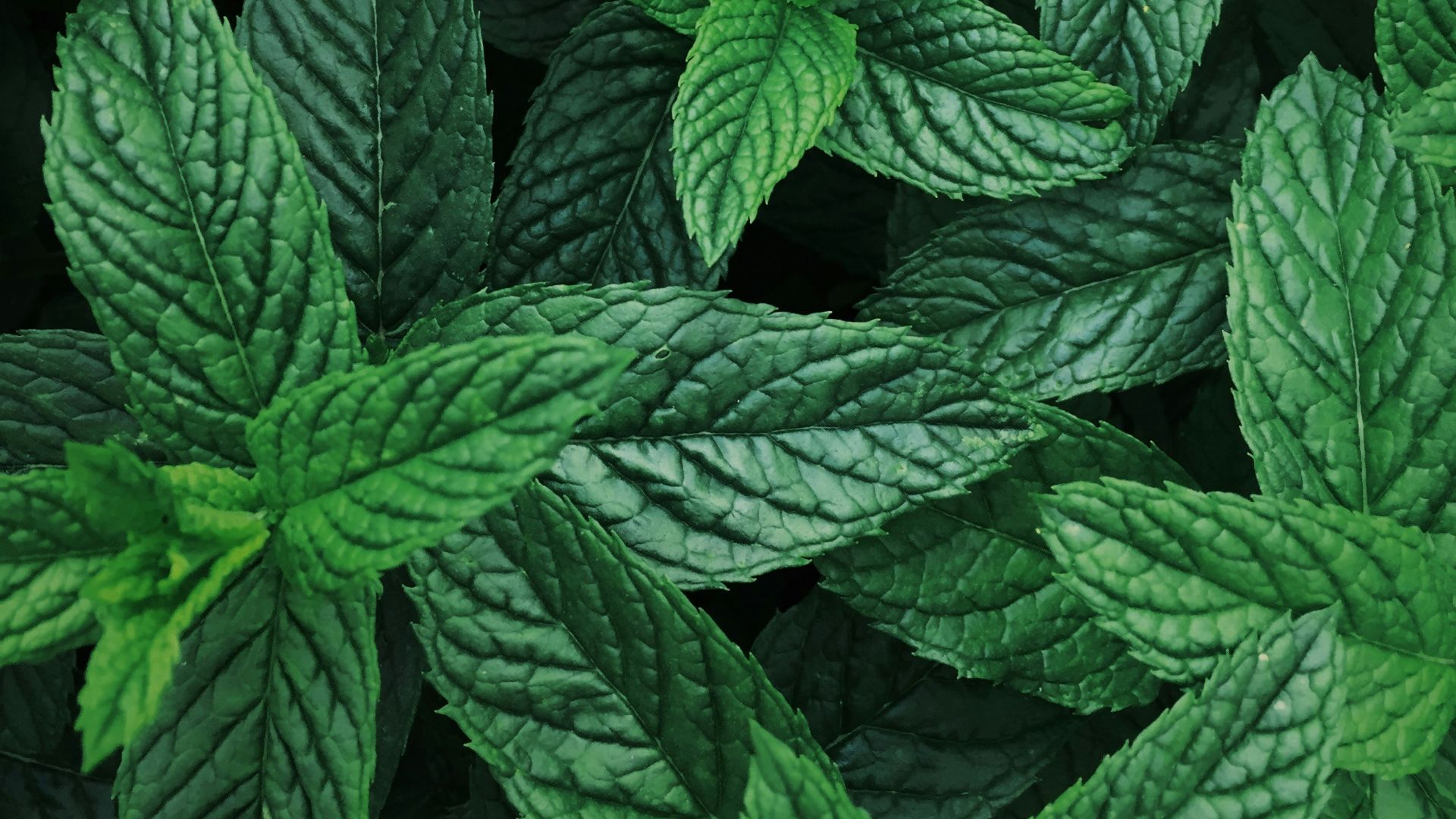
Peppermint, especially as enteric-coated oil capsules, has been studied for IBS symptoms and crampy digestion. The cooling sensation is not just a vibe, since peppermint can relax smooth muscle in the gut and reduce spasms.
 Anna Hliamshyna 💙💛 on Unsplash
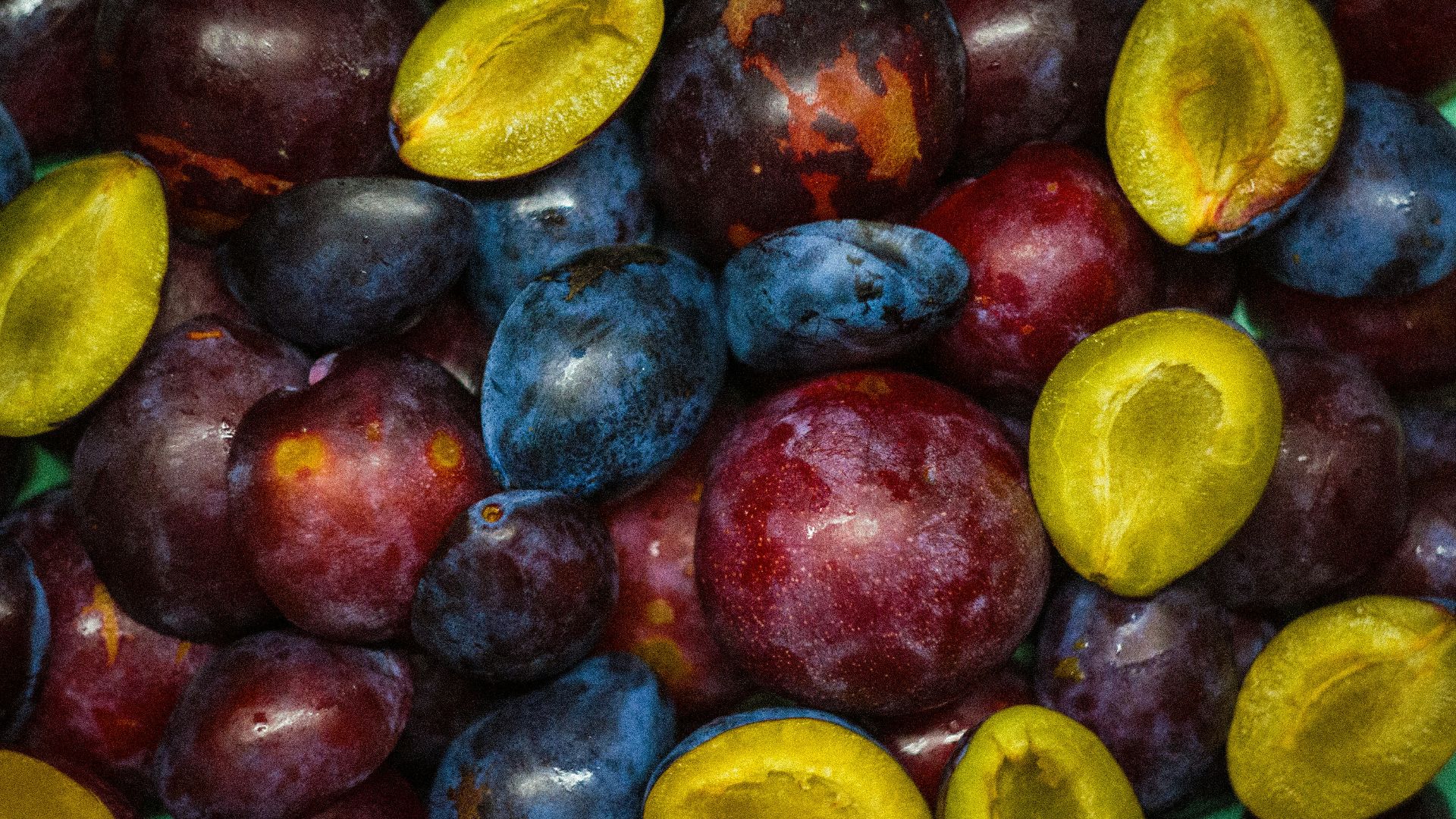
5. Prunes For Constipation
Prunes show up in modern dietitian advice because they work, and they work for boring reasons like fiber and sorbitol. They are gentler than many stimulant laxatives, and a small serving can be enough without turning the day into an emergency.
6. Oatmeal Baths For Itch
Colloidal oatmeal baths are an old trick that became a branded pharmacy product for eczema and itchy skin. Oat compounds soothe irritation and support the skin barrier, and that is why dermatology offices still suggest it for flare days.
 CRYSTALWEED cannabis on Unsplash
7. Cool Compress For Fever Comfort
Grandmas were often less focused on chasing the number on the thermometer and more focused on comfort. Cool compresses can help someone feel less miserable, especially when paired with hydration and rest, which remains good basic advice.

8. Warm Tea And Steam For Congestion
Steam and warm liquids do not cure a virus, yet they can make congestion and throat irritation less miserable. The relief is practical, since moisture loosens mucus and warm drinks encourage swallowing and hydration.

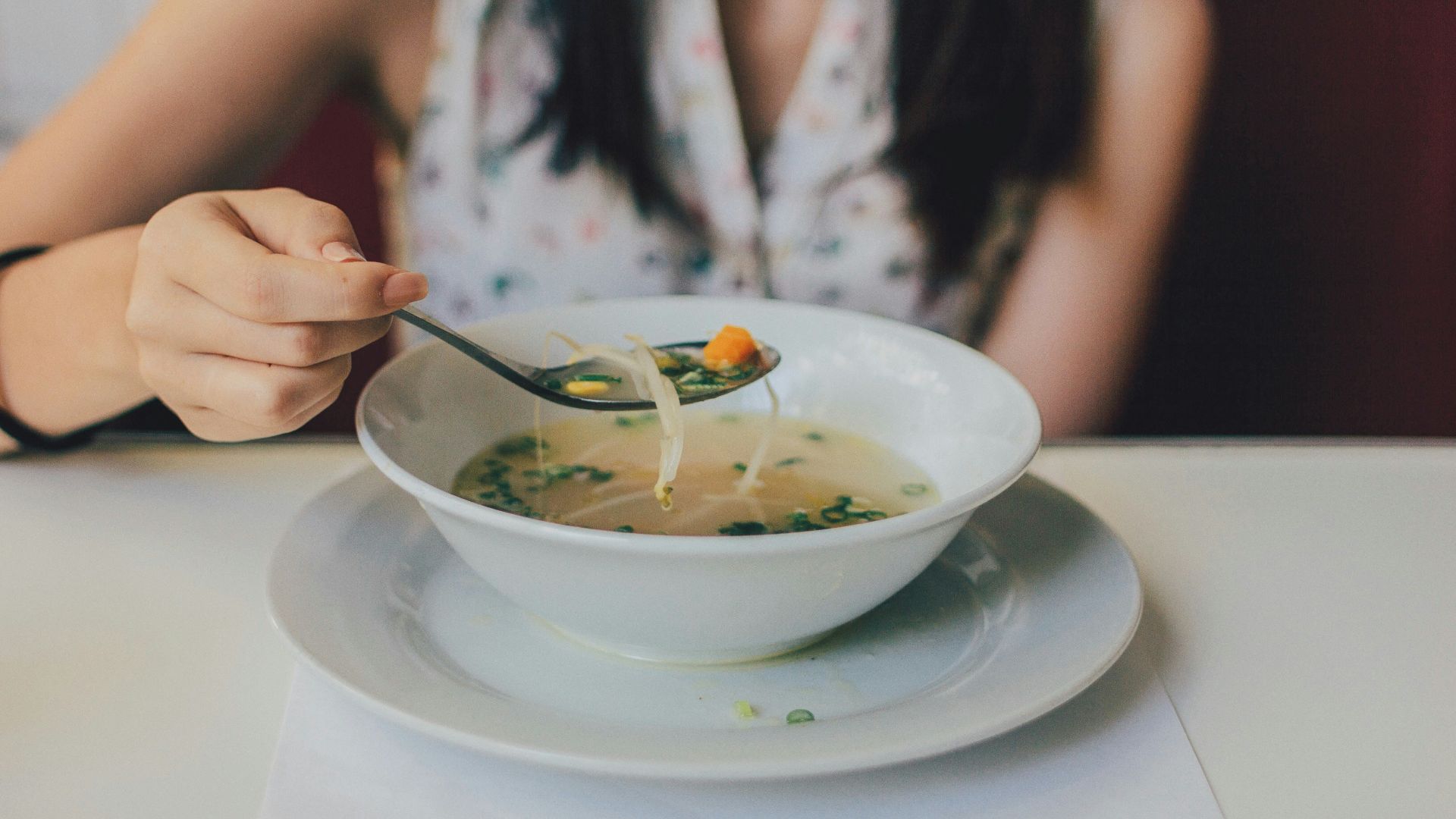
9. Chicken Soup
Chicken soup got a modern glow-up when researchers looked at its mild anti-inflammatory effects and its ability to support hydration. Even when the science is modest, the comfort is obvious, and comfort matters when sleep is part of recovery.
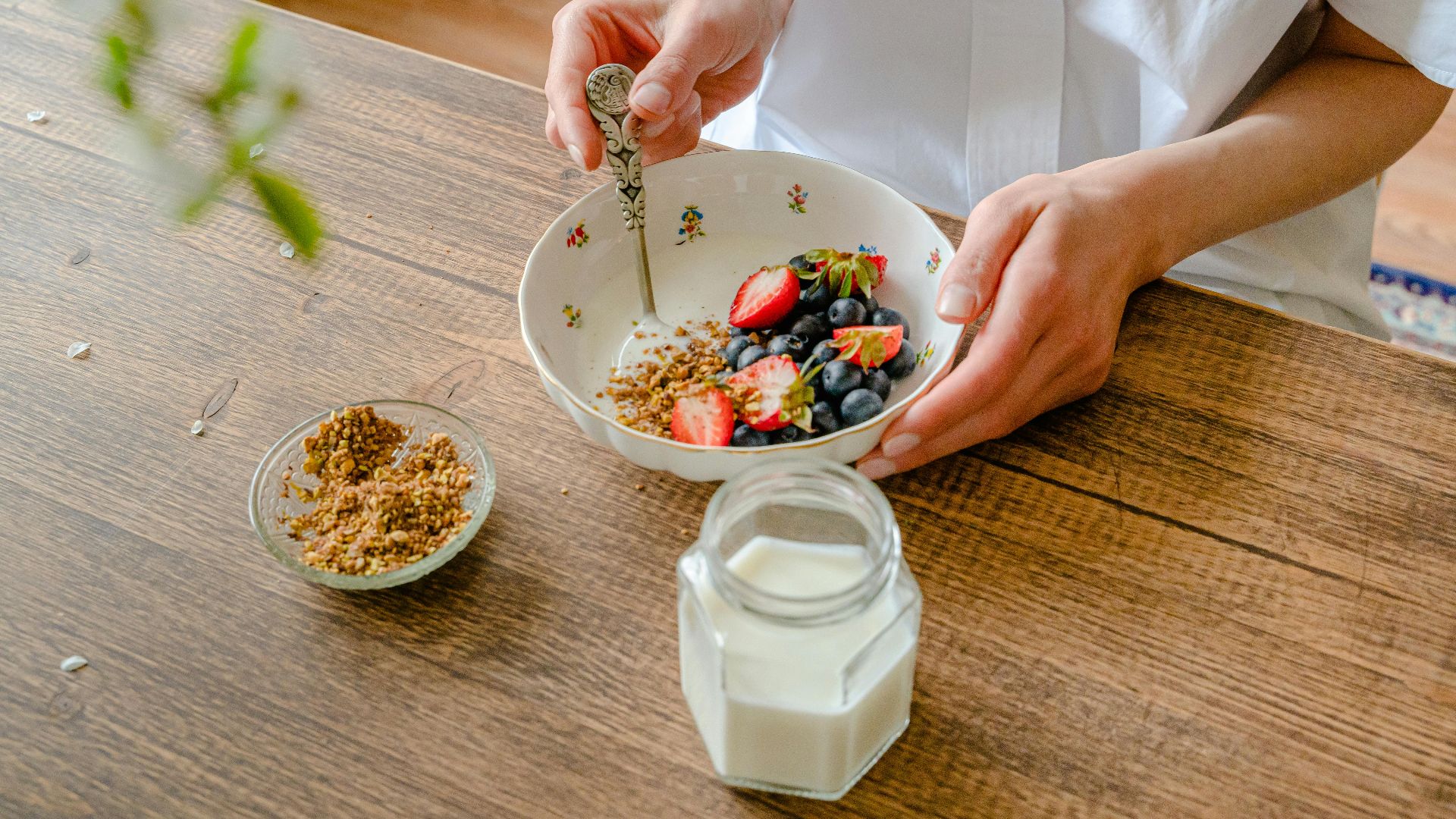
10. Yogurt After Antibiotics
The grandma version was often cultured foods, not a probiotic capsule with a marketing budget. Yogurt and fermented foods can support gut bacteria, and while results vary by strain and person, clinicians commonly accept them as a reasonable, low-risk option.
 Antoni Shkraba Studio on Pexels
11. Heat For Muscle Soreness
A heating pad and a hot bath are still standard for muscle tightness and the dull ache of overdoing it. Heat increases blood flow and helps muscles relax, which is why physical therapy culture never stopped using it.

12. Ice For Acute Sprains
Grandmas learned quickly that swelling feels worse when it balloons. Cold can reduce pain and limit swelling in the early phase of an injury, and while protocols have evolved, the basic idea still shows up in modern sports medicine advice.

13. Elevation For Swollen Ankles
Putting feet up was never glamorous, yet it remains effective for mild swelling. Gravity is not sentimental, and elevation helps fluid move back toward the center of circulation.
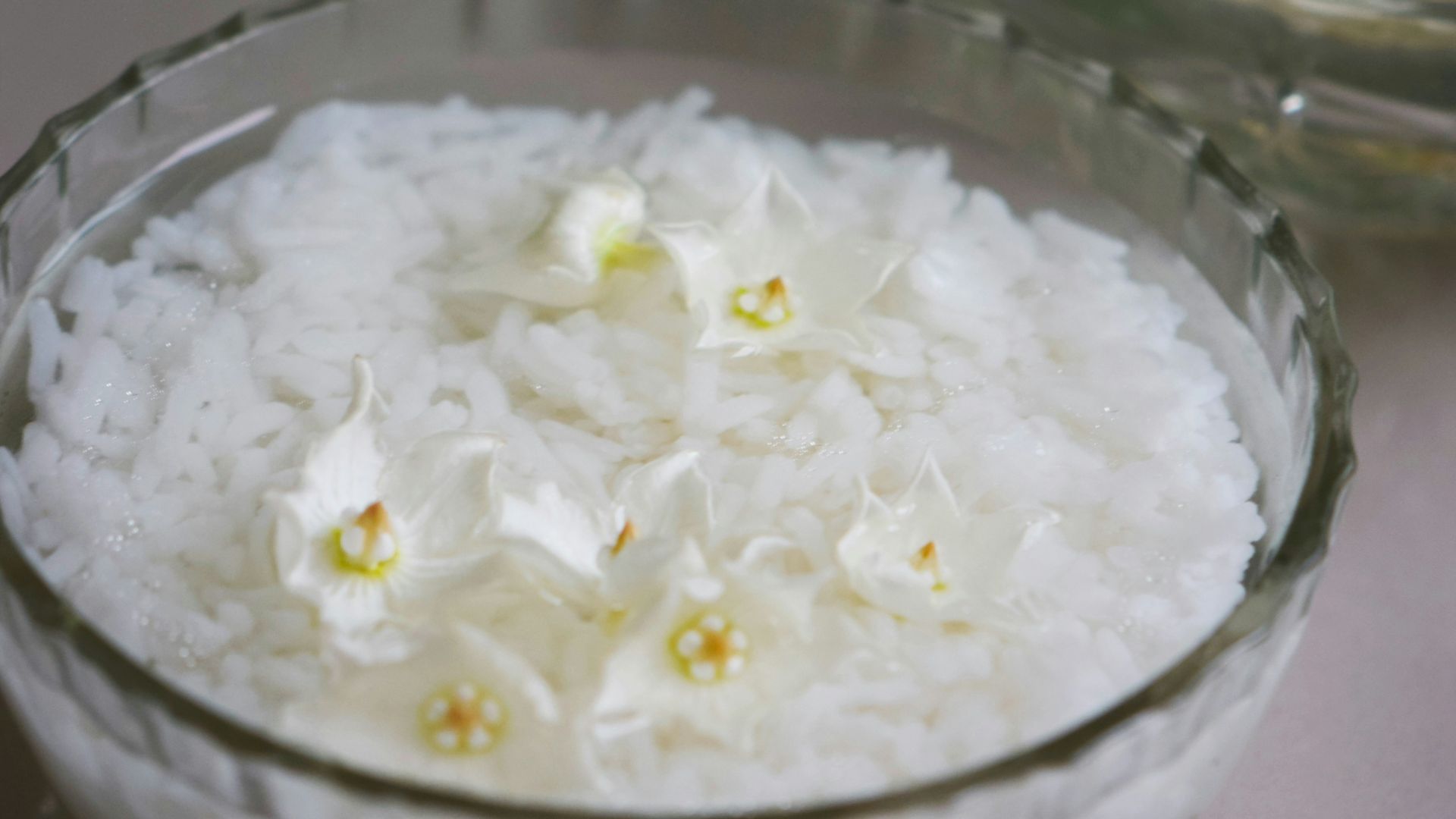
14. Rice Water For Upset Stomach
Rice water and plain rice porridge have a long history in many cultures for diarrhea and stomach upset. The logic is gentle starch, easy calories, and fluids, which still matches what clinicians suggest when the gut is touchy.
15. Oral Rehydration Mixes
Grandmas made their own versions with water, salt, and sugar long before packets were sold in pharmacies. Oral rehydration solutions have strong evidence for dehydration from diarrhea, and the basic recipe is now a cornerstone of global public health.
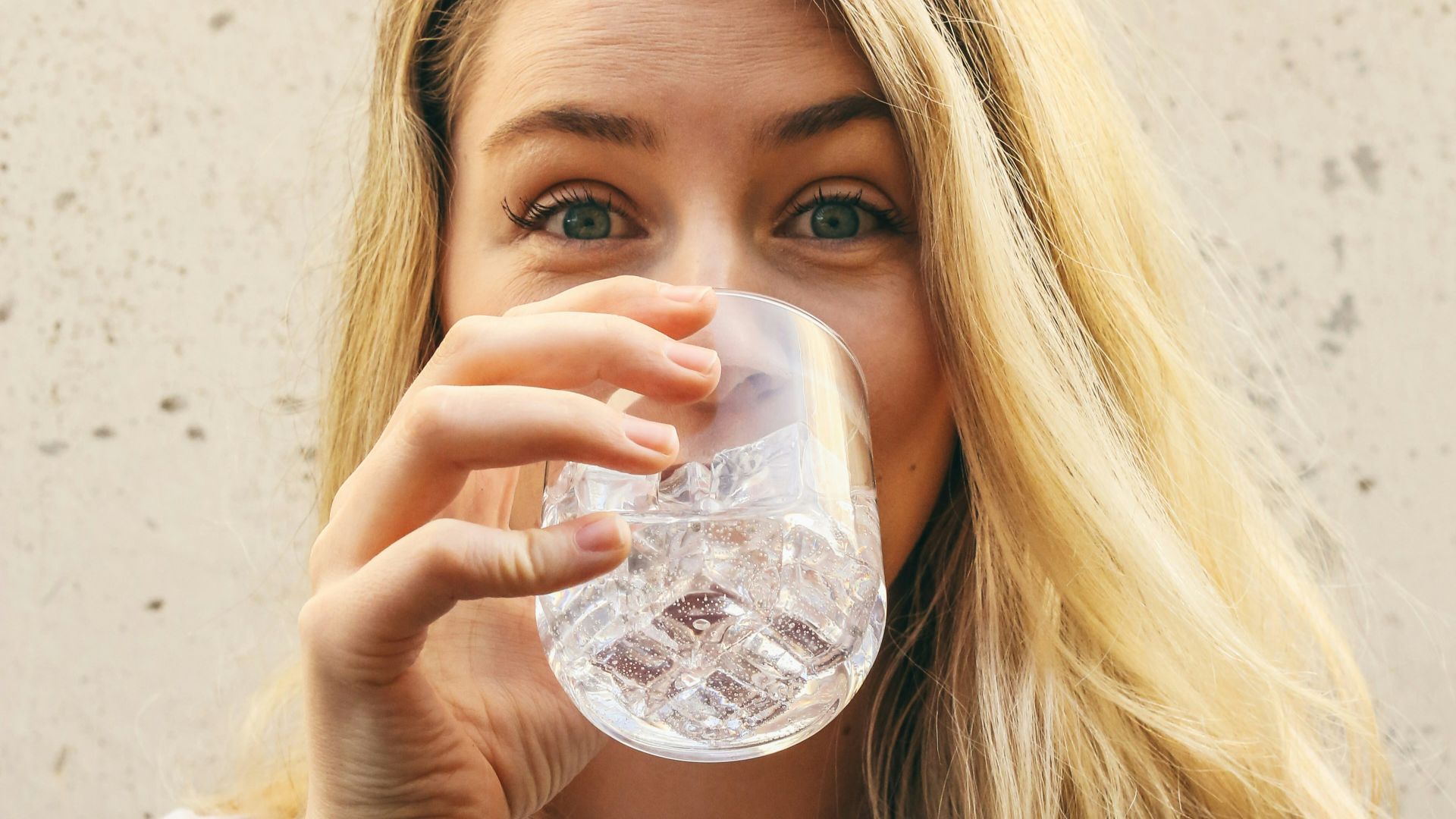
16. Warm Salt Soaks For Minor Skin Irritation
Soaking irritated areas in warm, salty water shows up in folk practice across many regions. It is not a cure-all, yet it can reduce discomfort, keep an area clean, and soften crusting so skin can settle down.

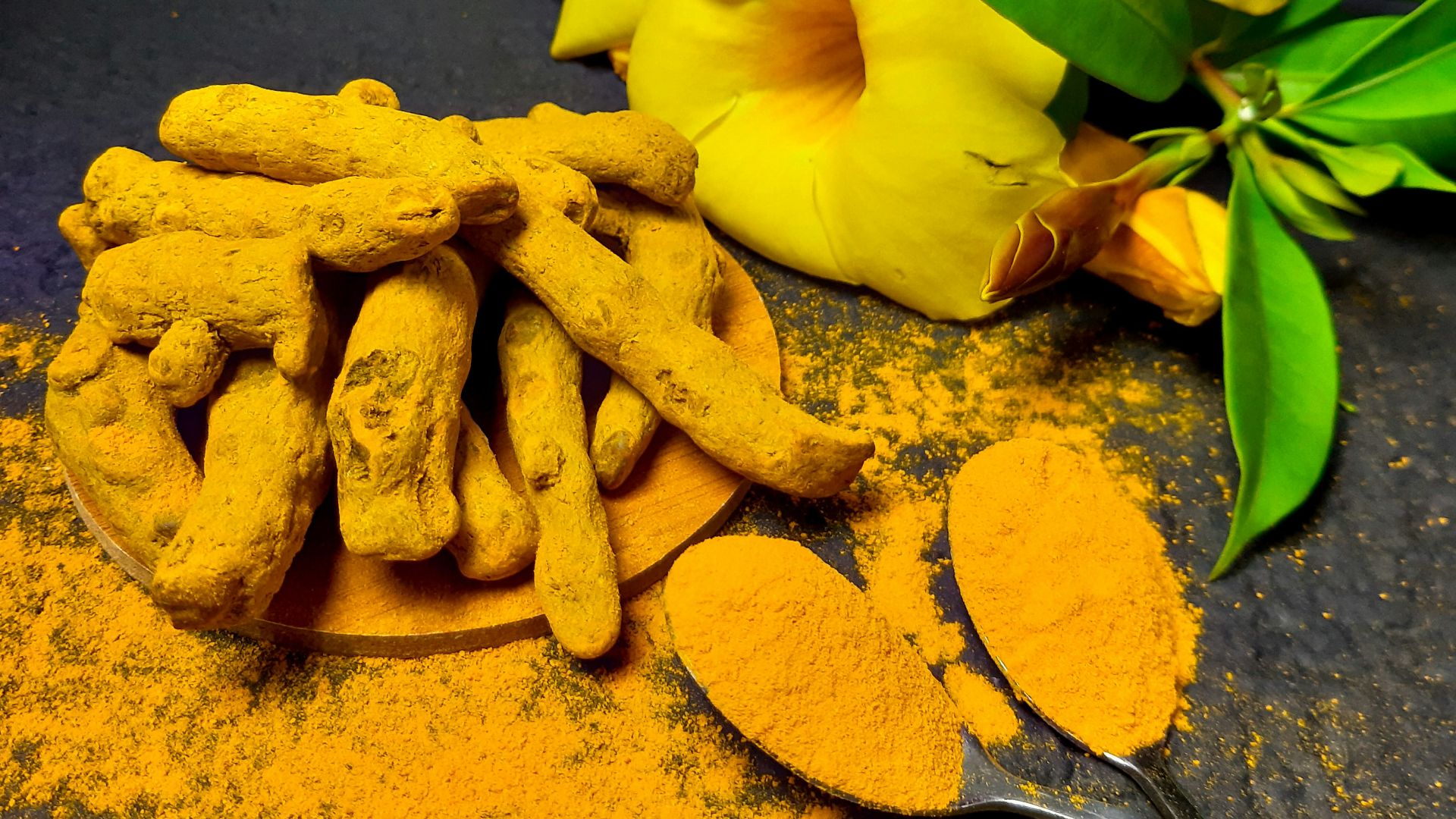
17. Turmeric In Food
Turmeric got rebranded as a wellness superstar, and the sensible version is still the grandma version, used regularly in cooking. Curcumin has anti-inflammatory properties in research contexts, and while absorption issues exist, incorporating turmeric in food remains a low-risk habit.
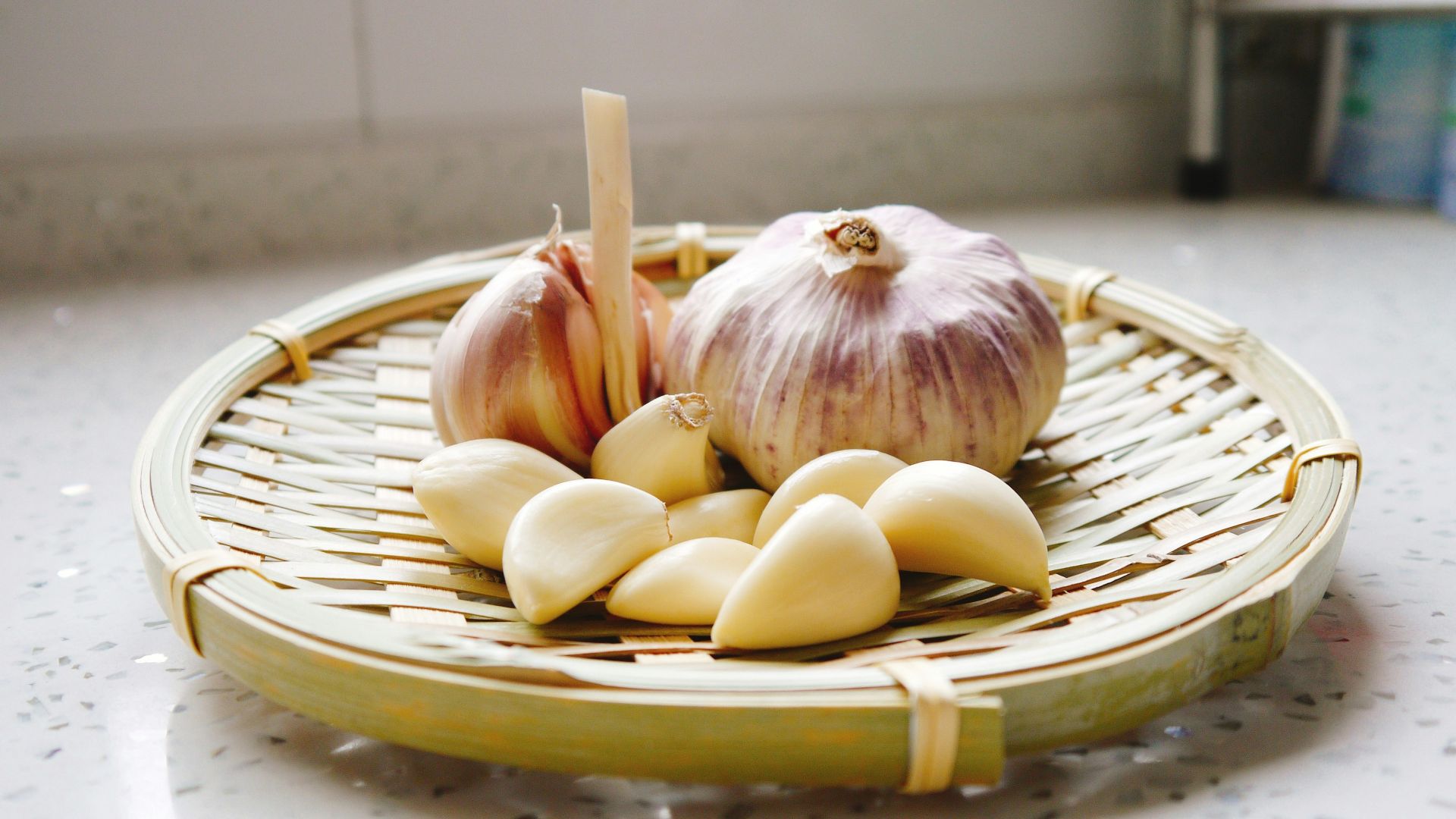
18. Garlic For Feeling Run-Down
Garlic has a long folk reputation, and modern interest often points to immune-modulating effects and cardiovascular benefits. It will not stop a cold on command, yet people keep using it because it is easy to add to meals and it supports overall health patterns.
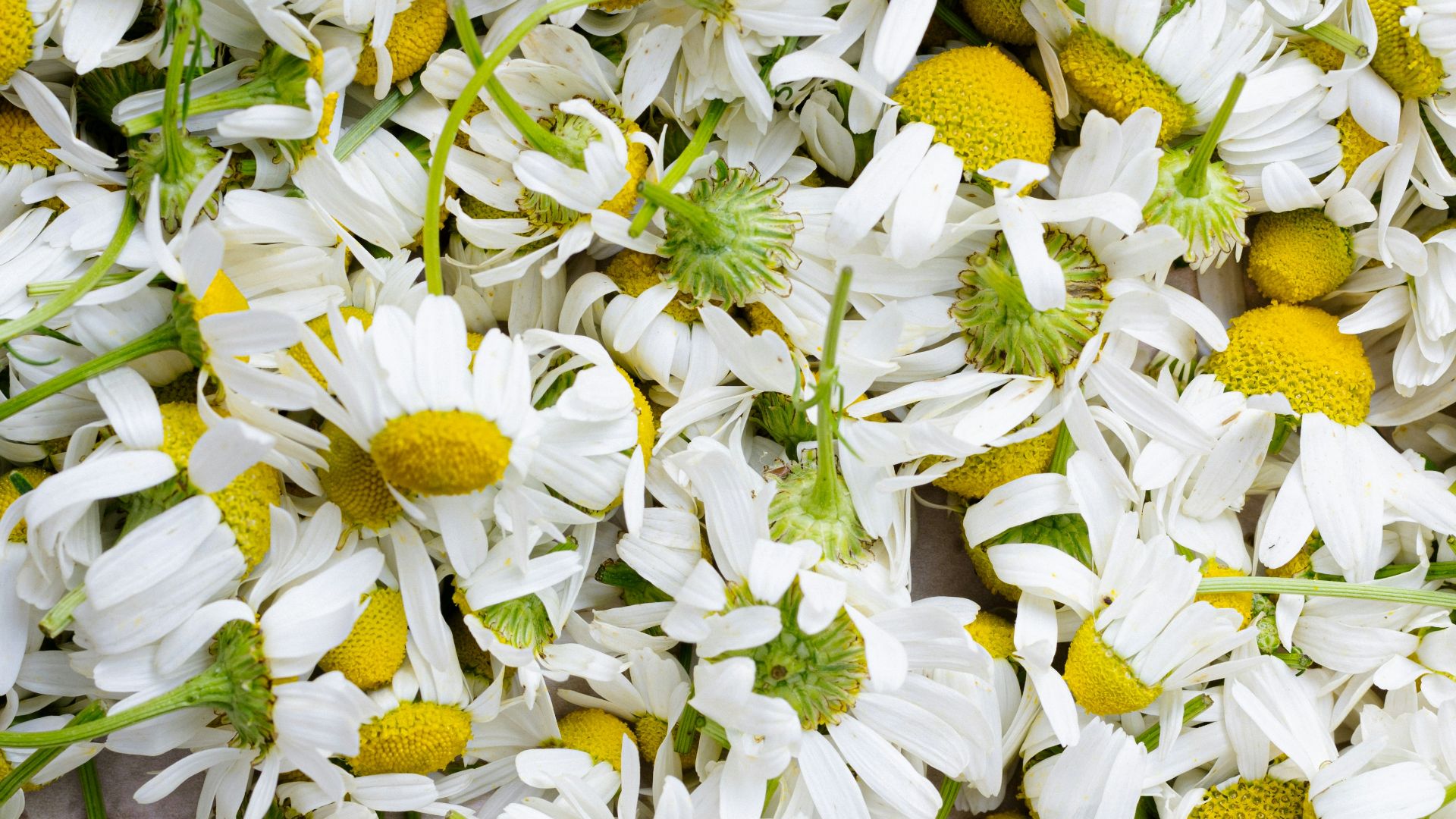
19. Chamomile For Sleepiness And Calm
Chamomile tea is not a knockout pill, yet it can help people downshift, especially when the bedtime routine is consistent. There is research interest in its mild sedative and anxiety-lowering effects, and its biggest strength is that it is gentle.
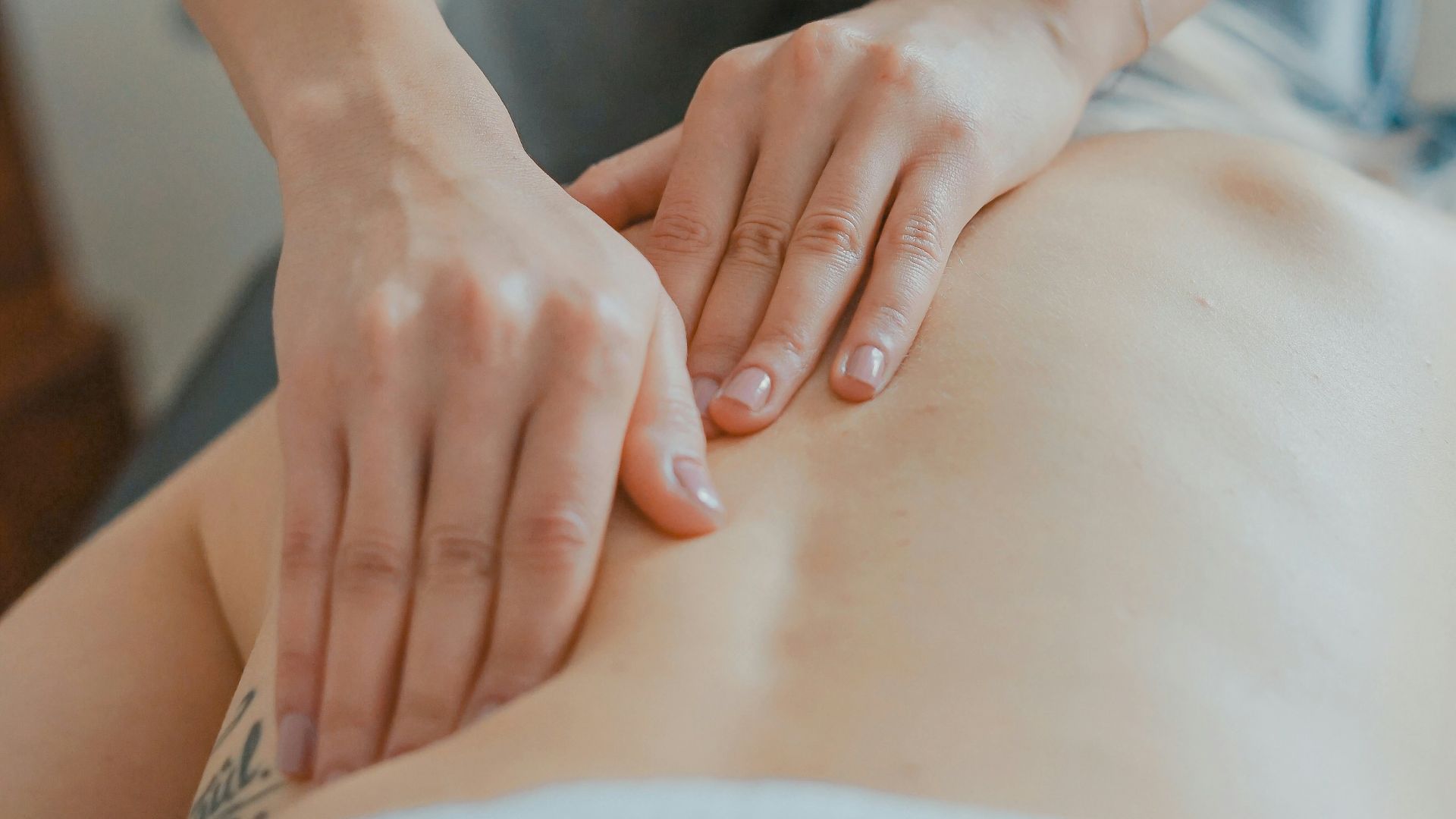
20. Massage For Stress And Tension
Grandmas knew that touch and routine can calm a nervous system, even if they did not use that language. Modern research on massage points to benefits for stress, pain perception, and sleep quality for some people, and plenty of clinicians treat it as a legitimate supportive therapy.
KEEP ON READING


20 Natural Ways You Can Boost Your Immune System
20 Ways To De-stress & Relax After Work

The 10 Most Common Diseases & The 10 Most Rare