
Is Your Stamina Trying to Tell You Something?
Stamina is one of those things you don't really think about until it starts letting you down, whether that's huffing up a flight of stairs or fading out halfway through a workout you used to handle with ease. It's the foundation of your physical and mental endurance, and when it's lacking, daily life can feel a lot harder than it should. If you've been feeling like your energy reserves run dry faster than they used to, there's a good chance your stamina needs some attention, and the good news is that it's entirely improvable with the right habits in place.

1. You Get Winded After Minimal Physical Activity
If a short walk to the parking lot or a quick trip up the stairs leaves you noticeably out of breath, that's a clear indicator your cardiovascular endurance isn't where it needs to be. Poor stamina often shows up first in these small, everyday moments rather than during intense exercise sessions. Your body's ability to efficiently use oxygen during physical activity is one of the most telling measures of your overall fitness level.

2. Your Muscles Fatigue Quickly During Exercise
When you're only a few minutes into a workout and your muscles already feel like they're shutting down, low muscular endurance is likely the culprit. Healthy stamina means your muscles can sustain effort over a prolonged period without giving out prematurely. If you're consistently hitting a wall earlier than expected, your body's ability to manage and recover from physical stress needs some work.

3. You Feel Exhausted After a Full Night's Sleep
Waking up tired despite getting seven to nine hours of sleep is a frustrating experience, and it can be a sign that your body isn't recovering efficiently. Poor stamina and poor recovery often go hand in hand, since a body that struggles with endurance also tends to struggle with restoration. If this is a regular pattern for you, it's worth looking at both your sleep quality and your overall physical conditioning.

4. Your Resting Heart Rate Is Consistently High
A resting heart rate above 100 beats per minute is considered tachycardic, but even consistently sitting in the 80s or 90s can suggest your cardiovascular system is working harder than it should be at rest. A well-conditioned heart pumps blood more efficiently, which typically results in a lower resting rate. Checking your resting heart rate in the morning before getting out of bed is an easy way to get a baseline sense of your cardiovascular health.

5. You Struggle to Hold a Conversation During Light Exercise
If you can't carry on a basic conversation while taking a brisk walk or doing a gentle jog, you're likely working at an intensity level that your current fitness can't comfortably support. The talk test is a well-recognized way to gauge exercise intensity, and failing it during low-effort activity points to limited aerobic capacity. Building up your stamina over time will make it much easier to exercise and breathe simultaneously without feeling like you're about to collapse.

6. You Experience Brain Fog and Mental Fatigue Throughout the Day
Stamina isn't purely physical; it has a strong mental component as well, and chronic mental fatigue is one of the less obvious signs that your endurance is suffering. Difficulty concentrating, slow thinking, and a general sense of cognitive sluggishness can all be linked to poor cardiovascular health and low physical fitness. The brain depends on a steady supply of oxygenated blood, and when your body isn't circulating it efficiently, your mental performance takes a hit.

7. Your Performance Drops Sharply Toward the End of Activities
Starting strong and fading fast is a hallmark of poor stamina, whether it's during a sports game, a long hike, or even a busy workday. Your body simply doesn't have the reserves to maintain a consistent output over time, so performance deteriorates as the activity goes on. This pattern tends to become more noticeable as the duration or intensity of the activity increases.
 Land O'Lakes, Inc. on Unsplash
8. You Feel Dizzy or Lightheaded During Physical Exertion
Occasional dizziness during intense exercise can be normal, but if it's happening during moderate or even light activity, it may point to cardiovascular inefficiency or poor conditioning. A body with good stamina regulates blood pressure and oxygen delivery effectively, even as physical demands increase. Persistent dizziness during exercise warrants a check-in with your doctor, since it can sometimes indicate underlying health concerns beyond fitness alone.

9. You Dread Physical Tasks That Others Handle Easily
If you find yourself mentally bracing for activities like helping a friend move, playing with your kids, or taking a longer walk, there's a good chance your stamina isn't keeping up with normal life demands. It's worth paying attention to when physical avoidance starts creeping into your daily decisions. This kind of anticipatory fatigue is often a sign that your current fitness level isn't matching the physical requirements of your lifestyle.

10. You Take Longer Than Usual to Recover After Exercise
Recovery time is a strong indicator of physical conditioning, and if you're still sore, tired, or sluggish two or more days after a moderate workout, your stamina likely needs building up. A fitter body adapts to physical stress more quickly and bounces back faster between sessions. Consistently long recovery periods suggest that your cardiovascular and muscular systems aren't yet efficient enough to handle and repair the demands you're placing on them.
So, is your body telling you your stamina is constantly pretty low? Don't worry—here are some ways to boost it.

1. Add Zone 2 Cardio to Your Weekly Routine
Zone 2 training involves exercising at a low to moderate intensity where you're working but still comfortable, typically around 60 to 70 percent of your maximum heart rate. This type of training is one of the most effective ways to build your aerobic base, which is the foundation of long-term stamina. Aiming for at least three sessions per week of 30 to 45 minutes each can produce noticeable improvements in endurance within just a few weeks.

2. Incorporate Interval Training for Faster Gains
High-intensity interval training, commonly known as HIIT, alternates short bursts of intense effort with brief recovery periods, which is an efficient way to push your cardiovascular system to adapt. Research consistently shows that interval training improves aerobic capacity faster than steady-state cardio alone, making it a valuable tool for building stamina. Adding one or two HIIT sessions per week alongside your lower-intensity training creates a well-rounded approach to endurance development.

3. Prioritize Getting Quality Sleep Every Night
Sleep is when your body does the bulk of its repair and recovery work, and consistently shortchanging it will undermine any efforts you make in the gym or on the track. Adults generally need between seven and nine hours of quality sleep per night to support physical performance and energy levels throughout the day. Keeping a consistent sleep schedule, limiting screen time before bed, and creating a dark, cool sleeping environment are all practical steps that can meaningfully improve your sleep quality.

4. Fuel Your Body with the Right Nutrients
What you eat has a direct impact on your energy levels and your body's ability to sustain physical effort, so poor nutrition will always work against your stamina goals. Complex carbohydrates, lean proteins, and healthy fats form the nutritional backbone of endurance, giving your body the energy it needs to perform and recover properly. Staying well-hydrated is equally important, since even mild dehydration can noticeably impair physical and cognitive performance.

5. Strength Train to Build a More Resilient Body
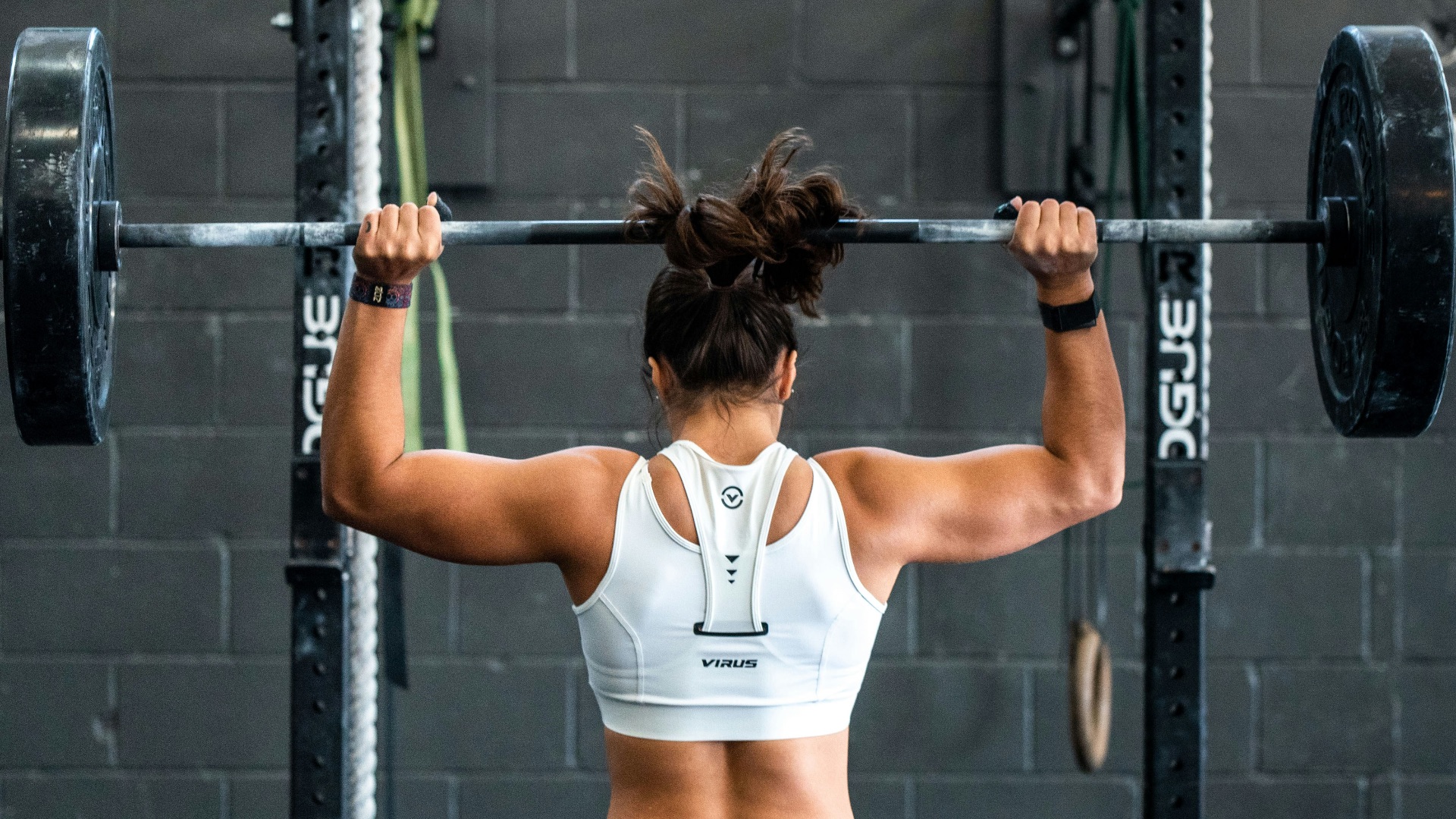
Many people overlook resistance training when working on stamina, but building stronger muscles means they're able to sustain effort for longer before fatiguing. Compound movements like squats, deadlifts, and rows train multiple muscle groups simultaneously, which translates well to the demands of real-world and athletic endurance. Including two to three strength sessions per week creates a strong physical foundation that supports your cardiovascular training rather than competing with it.
6. Work on Your Breathing Technique
The way you breathe during physical activity affects how efficiently your body uses oxygen, which has a direct impact on how long you can keep going. Diaphragmatic breathing, where you breathe deeply into your belly rather than taking shallow chest breaths, delivers more oxygen per breath and helps regulate your effort more effectively. Practicing intentional breathing during workouts, and even during rest, can lead to meaningful improvements in both physical performance and recovery.

7. Manage Your Stress Levels Consistently
Chronic stress keeps your body in a prolonged state of physiological tension, which drains energy, impairs recovery, and taxes your cardiovascular system over time. Activities like meditation, yoga, journaling, or even regular time outdoors have been shown to lower cortisol levels and support better overall energy management. Addressing stress as part of your stamina strategy isn't optional; it's a fundamental piece of the puzzle that's often overlooked in favor of purely physical interventions.

8. Gradually Increase the Duration and Intensity of Your Workouts
One of the most reliable principles in fitness is progressive overload, which means consistently and incrementally challenging your body beyond what it's currently comfortable with. If you do the same workout at the same intensity indefinitely, your body will adapt and stop making progress. Increasing your workout duration by about 10 percent per week, or bumping up the resistance or pace slightly on a regular basis, keeps your body improving without putting you at risk of injury.

9. Cut Back on Habits That Work Against Your Endurance
Smoking, excessive alcohol consumption, and a sedentary lifestyle are among the most significant lifestyle factors that directly suppress stamina and cardiovascular health. Smoking in particular reduces the oxygen-carrying capacity of your blood and damages lung function, both of which are critical to endurance. Even small, consistent changes in these areas can yield noticeable improvements in how you feel and perform physically over time.

10. Track Your Progress to Stay Consistent and Motivated
One of the most effective ways to build stamina over the long term is to monitor your improvements so you can see how far you've come. Using a fitness tracker, keeping a workout journal, or simply noting your resting heart rate and performance metrics every week gives you tangible evidence that your efforts are paying off. Seeing real progress, even in small increments, is a powerful motivator that helps you stay committed to the habits that are moving your stamina in the right direction.