The Physical Effects Are Real
Loneliness gets filed under feelings, like it belongs in the same category as a bad mood or an off day. The body does not treat it that way. When connection drops out for long stretches, the nervous system can stay on a low simmer, sleep gets lighter, cravings get louder, and small aches start taking up more space. Public health leaders have gotten increasingly blunt about this, tying social disconnection to higher risks for things like cardiovascular disease, dementia, stroke, depression, and premature death. On the flip side, when community is steady and real, the body often responds the way it responds with quicker recovery, and improved regulation. Here are ten ways loneliness can hit the body, followed by ten ways community can act like medicine.

1. Sleep Gets Lighter And Less Restorative
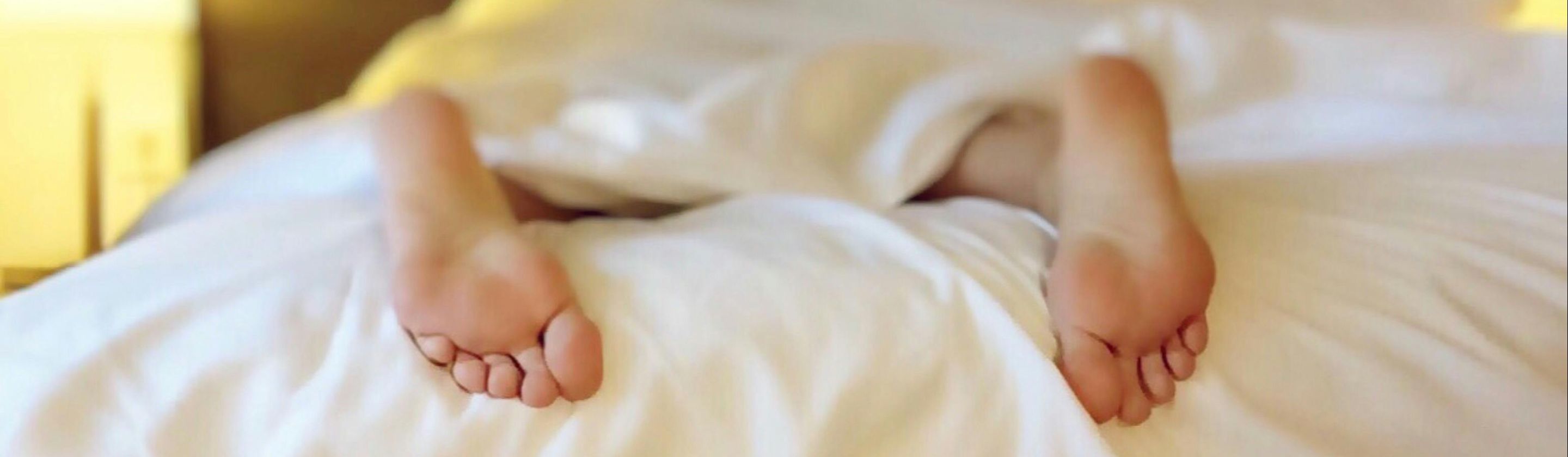
Loneliness tends to show up at night first, when the mind runs longer and the body stays slightly alert. Even with enough hours in bed, sleep can feel thin, which is the kind of tired that sits on your face and lingers into the afternoon. Over time, that lighter sleep bleeds into energy, appetite, and immune function.

2. Stress Hormones Stay Turned Up
Feeling socially unsafe can keep the stress response activated, even when nothing dramatic is happening. Research on loneliness has linked it with cortisol patterns that fit with a body that expects trouble and prepares for it. The result is often tension, irritability, and a baseline restlessness that gets mistaken for personality.
3. Blood Pressure Can Creep Higher
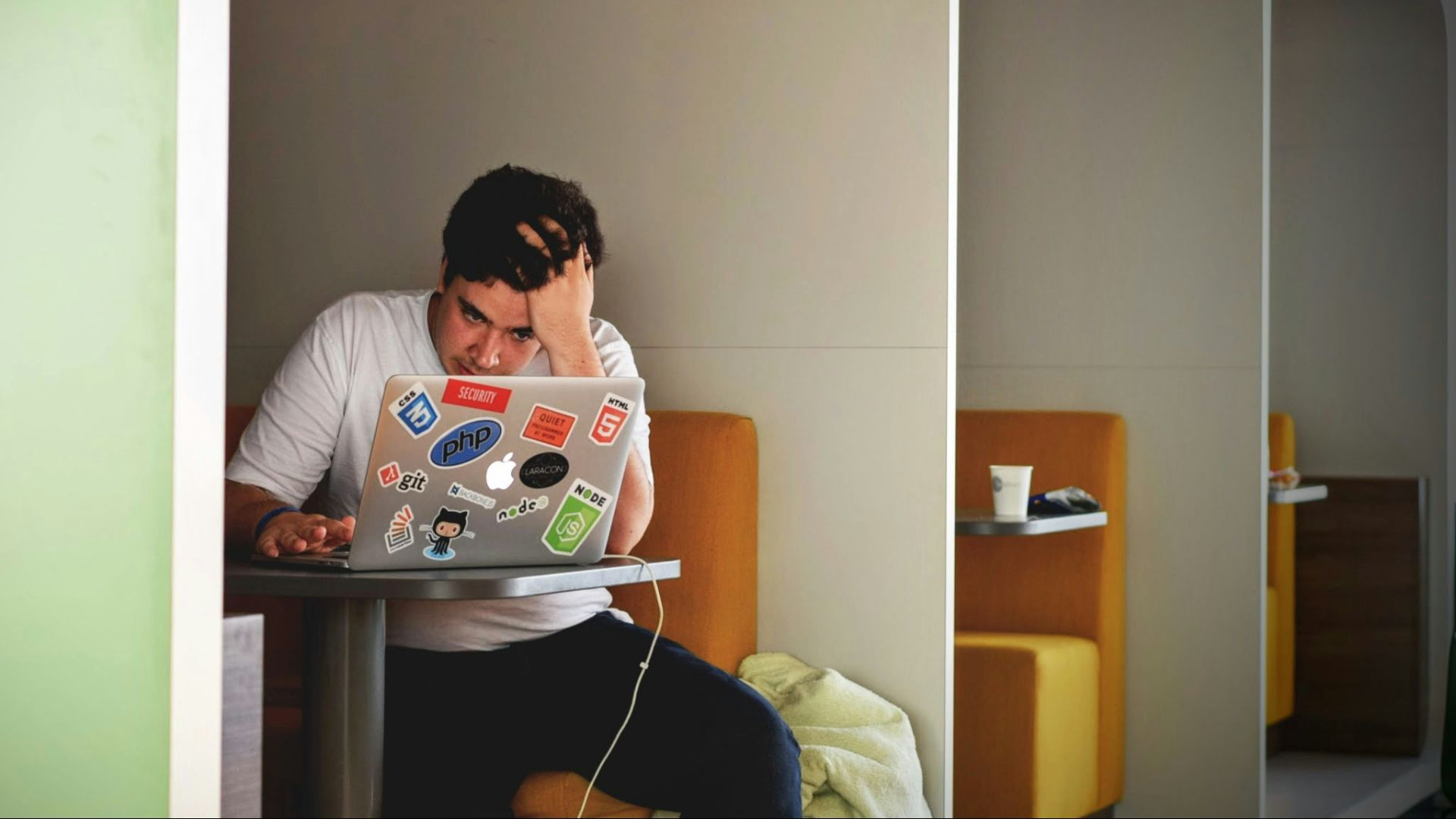
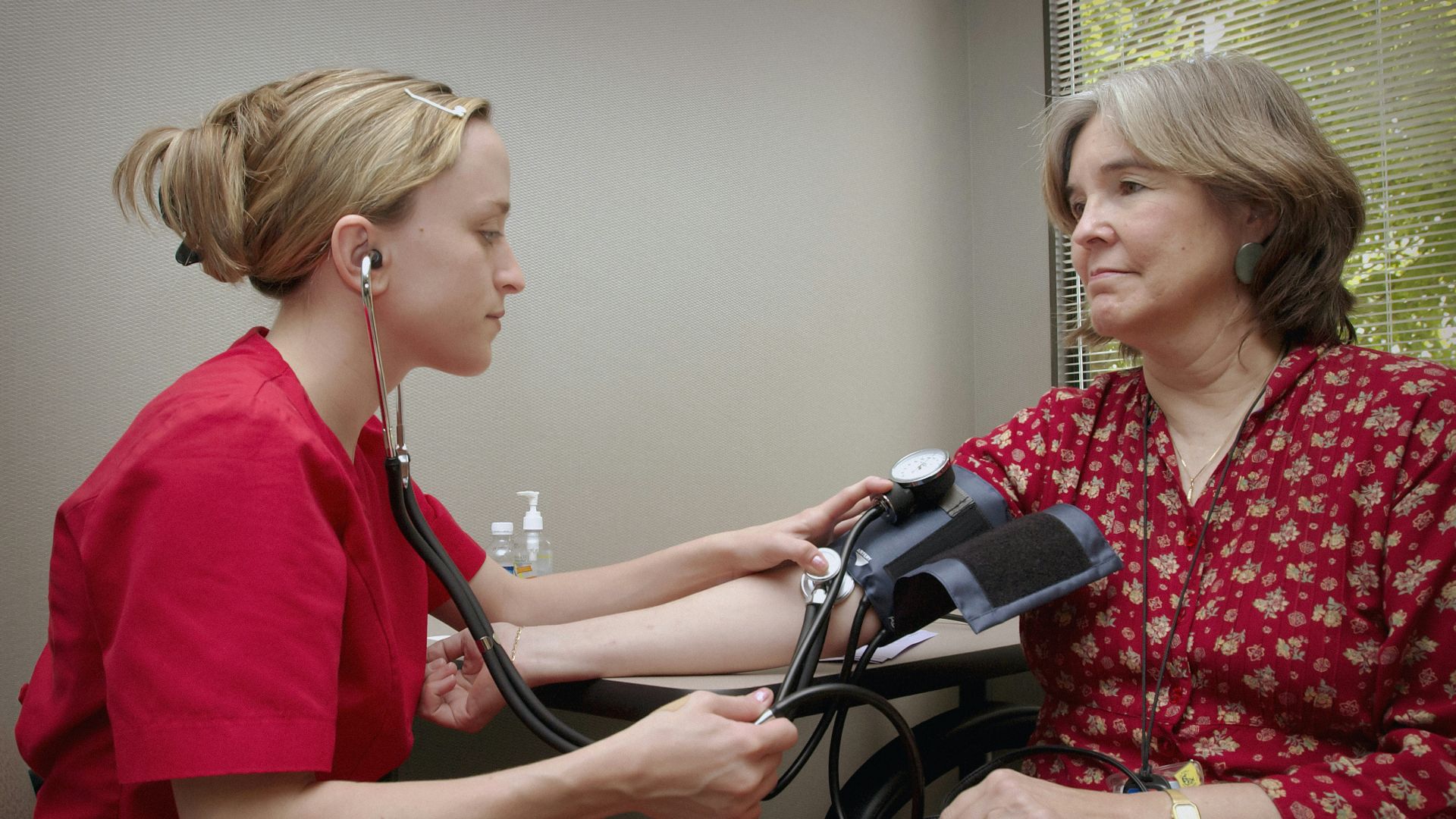
Loneliness has been studied as a factor that can predict higher blood pressure over time, especially in middle-aged and older adults. That creeping effect matters because it is easy to miss until it becomes a real problem. It is also the kind of change that feels invisible until a cuff and a quiet room make it obvious.
4. Inflammation Becomes More Likely
When the body stays in a defensive state, inflammation can become a regular background condition instead of a short-term response. Loneliness has been associated in research with inflammatory activity and other wear-and-tear patterns that look like the body is bracing more than it is repairing. That can show up as persistent aches, slower bounce-back, and a general sense of being run down.

5. Immune Function Can Feel Less Reliable
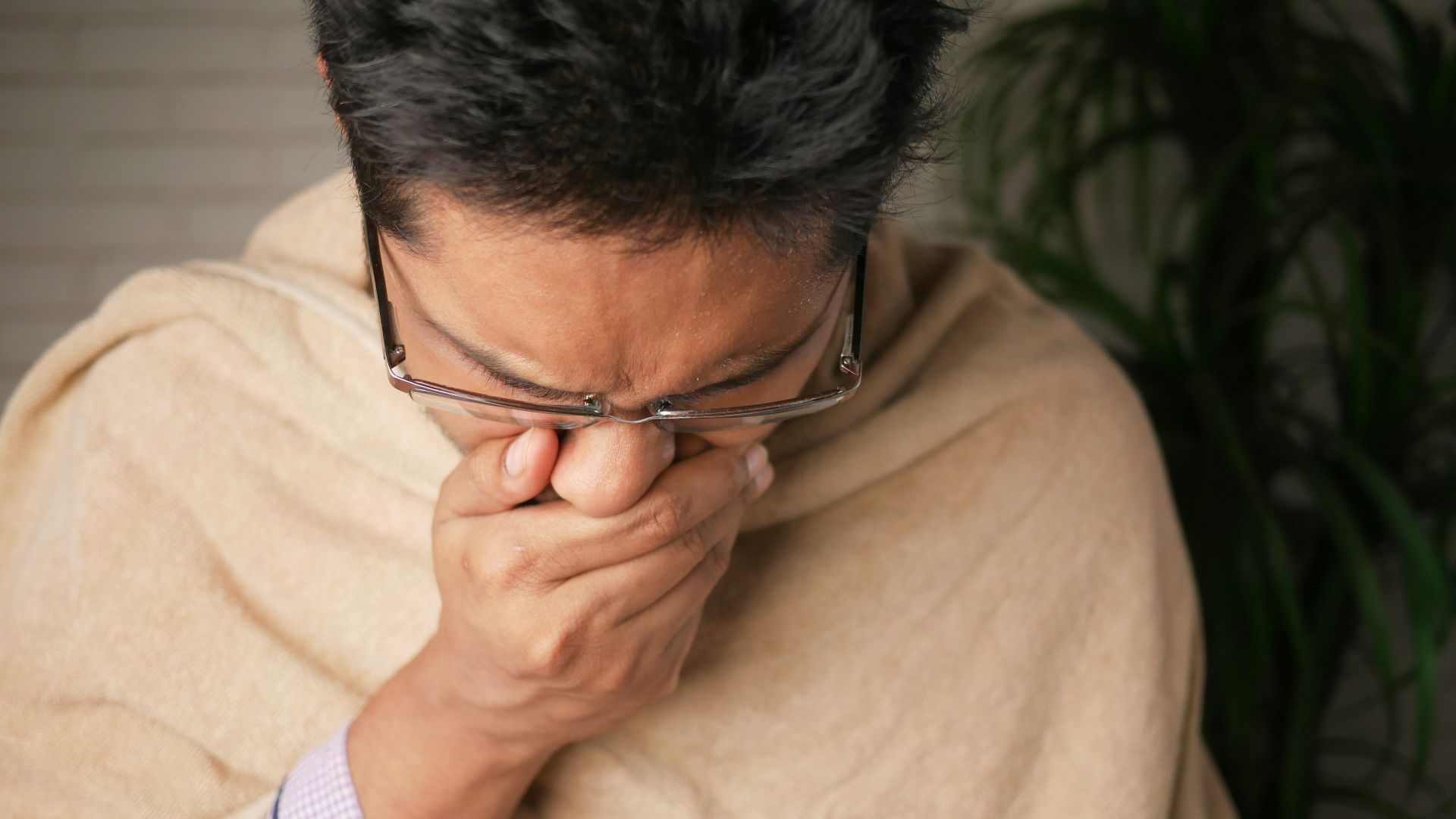
People who feel isolated often report getting sick more easily, and the scientific conversation includes links between social connection and immune resilience. When recovery is already slower because sleep and stress are off, even small colds can turn into long, annoying weeks. It is the kind of vulnerability that makes you cancel plans, which then deepens the isolation loop.
6. Pain Can Hit Harder
Loneliness and pain often travel together, partly because the brain processes social threat and physical threat in overlapping ways. When you feel alone, discomfort can feel louder and less tolerable, and the instinct is to get smaller and move less. That can turn a manageable issue into a body that feels older than it should.
 Road Trip with Raj on Unsplash
7. Appetite Swings Get More Extreme
Some people eat less when they feel lonely, and others start grazing in a way that feels automatic and oddly urgent. Food becomes a stand-in for comfort, stimulation, or structure, especially in the hours when nobody else is around. Over time, that pattern can tug weight, blood sugar, and mood in directions you did not sign up for.

8. Movement Gets Smaller
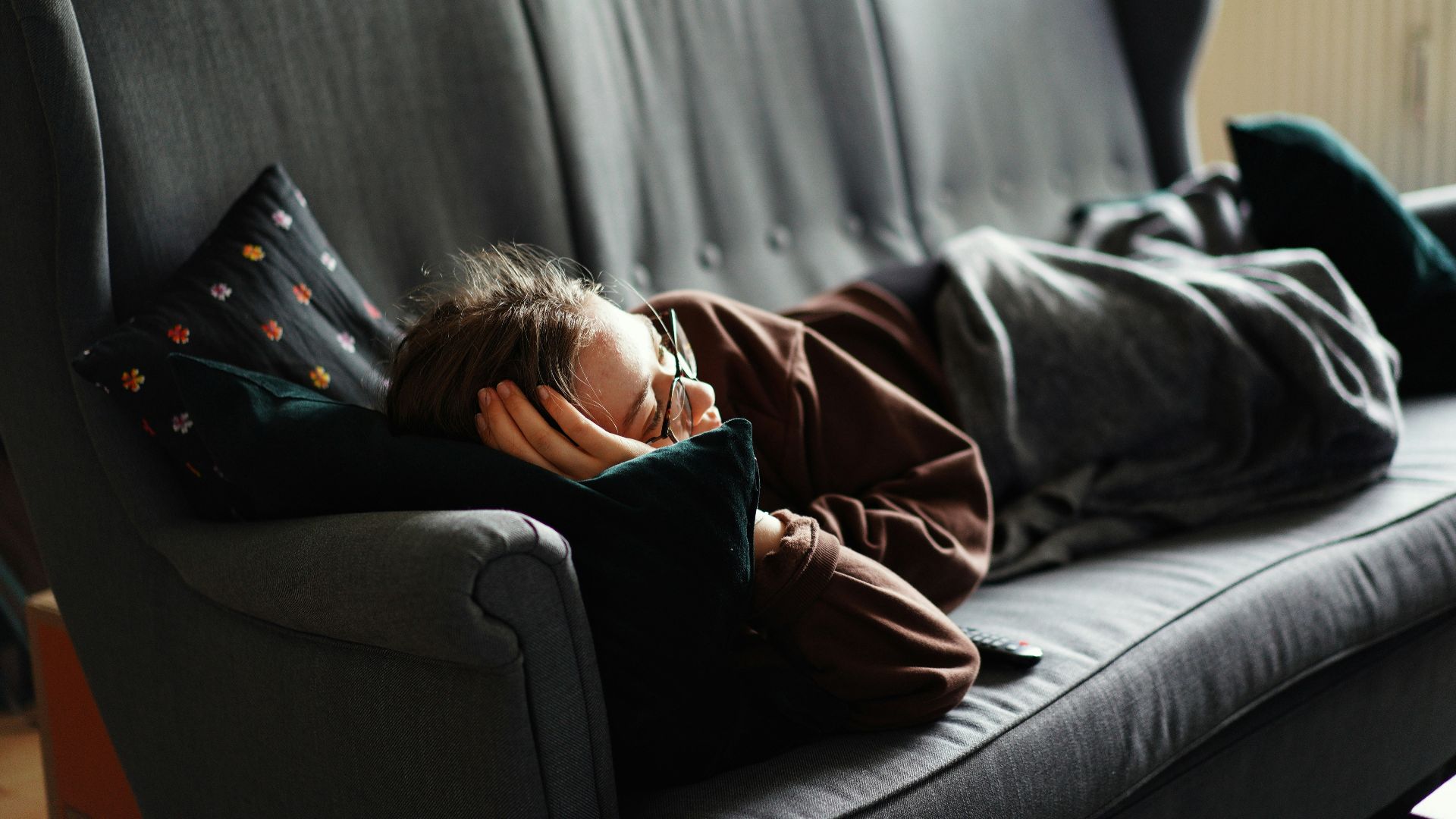
Loneliness can drain motivation, and it also removes the casual reasons people move, like meeting someone, walking to a class, or running errands with a friend. When movement shrinks, stiffness and fatigue fill the gap, which makes movement feel even less appealing the next day. It is a quiet spiral that looks like laziness from the outside and feels like heaviness from the inside.
9. Heart Health Takes A Hit
The stress, sleep disruption, and inflammatory patterns tied to loneliness are not great for the cardiovascular system. Public health guidance has been explicit about the connection between social disconnection and higher risk for cardiovascular disease and stroke. Over time, it can look like higher blood pressure, less activity, and coping habits that pile on.
 Victoriano Izquierdo on Unsplash
10. Brain Health Can Become More Vulnerable
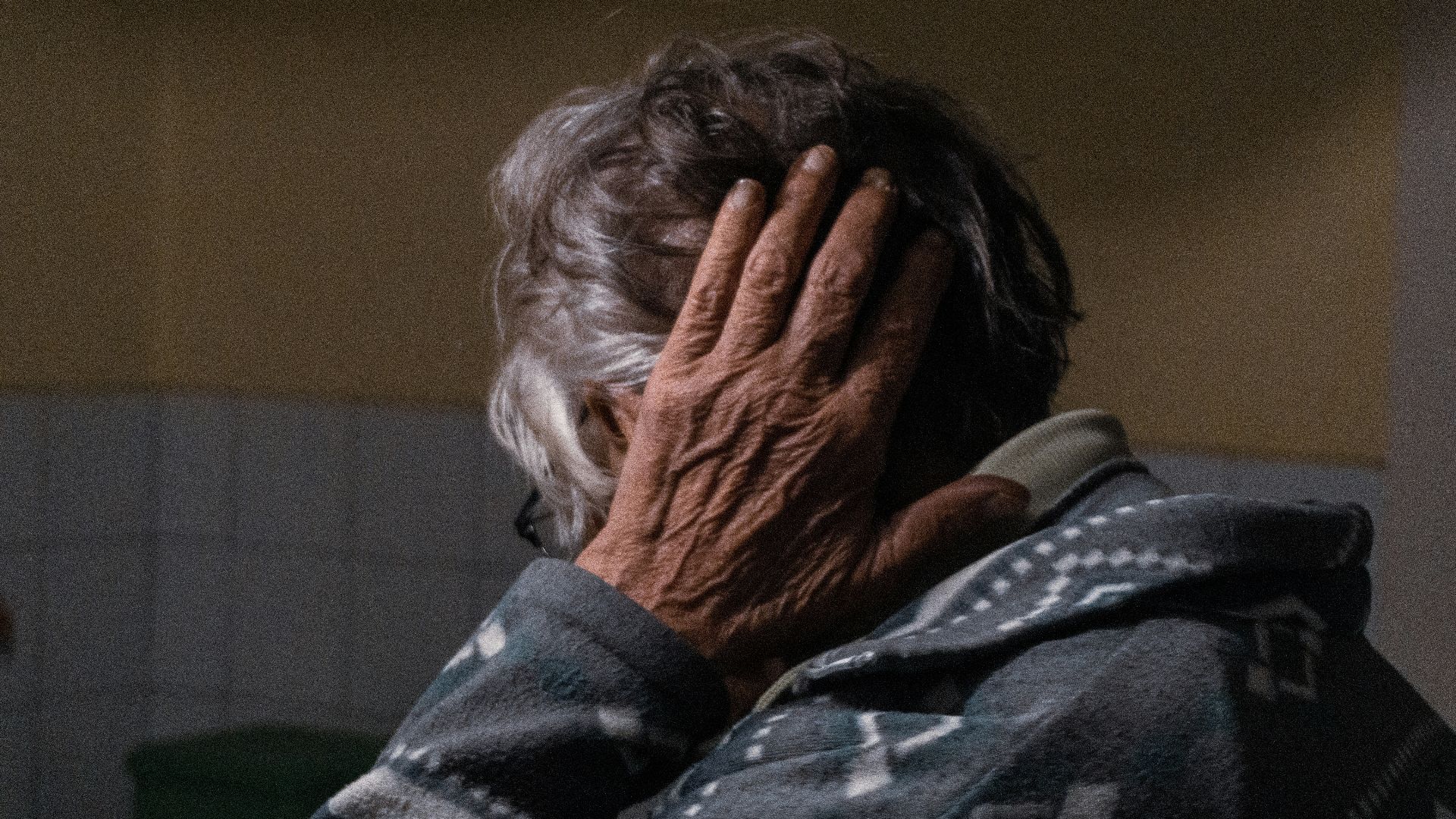
Long-term loneliness and social isolation have been associated with increased risk of cognitive decline and dementia in large observational studies. It is not a simple one-cause story, yet it fits a larger picture where stimulation, support, and daily engagement protect the brain. When days get repetitive and quieter, the mind can start to feel narrower.
And now, here are ten ways that having a dependable support system can boost your health.
1. Co-Regulation Calms The Nervous System
Being around steady, familiar people helps your body settle, even when nothing gets solved. You breathe a little deeper, your jaw unclenches, and you stop scanning the room like something is about to go wrong. Over time, that faster return to baseline can look like fewer stress spikes and a body that feels more workable.
2. Practical Help Shortens Sick Time
When someone can bring groceries, pick up a prescription, or drive you to an appointment, you recover with less strain. Illness drags on when every basic task becomes a solo project, especially if you’re dehydrated, underfed, or too tired to advocate for yourself. Simple support keeps small problems from snowballing.

3. Shared Routines Keep Life From Sliding Sideways
A standing walk, a weekly class, a regular dinner, these create gentle structure without turning life into a schedule spreadsheet. Those anchors make it easier to eat real meals, keep a steady sleep window, and get out of the house even when motivation is low. Routine ends up protecting health in ways that feel almost unfairly basic.
 Priscilla Du Preez 🇨🇦 on Unsplash
4. Micro-Joy Shows Up More Often
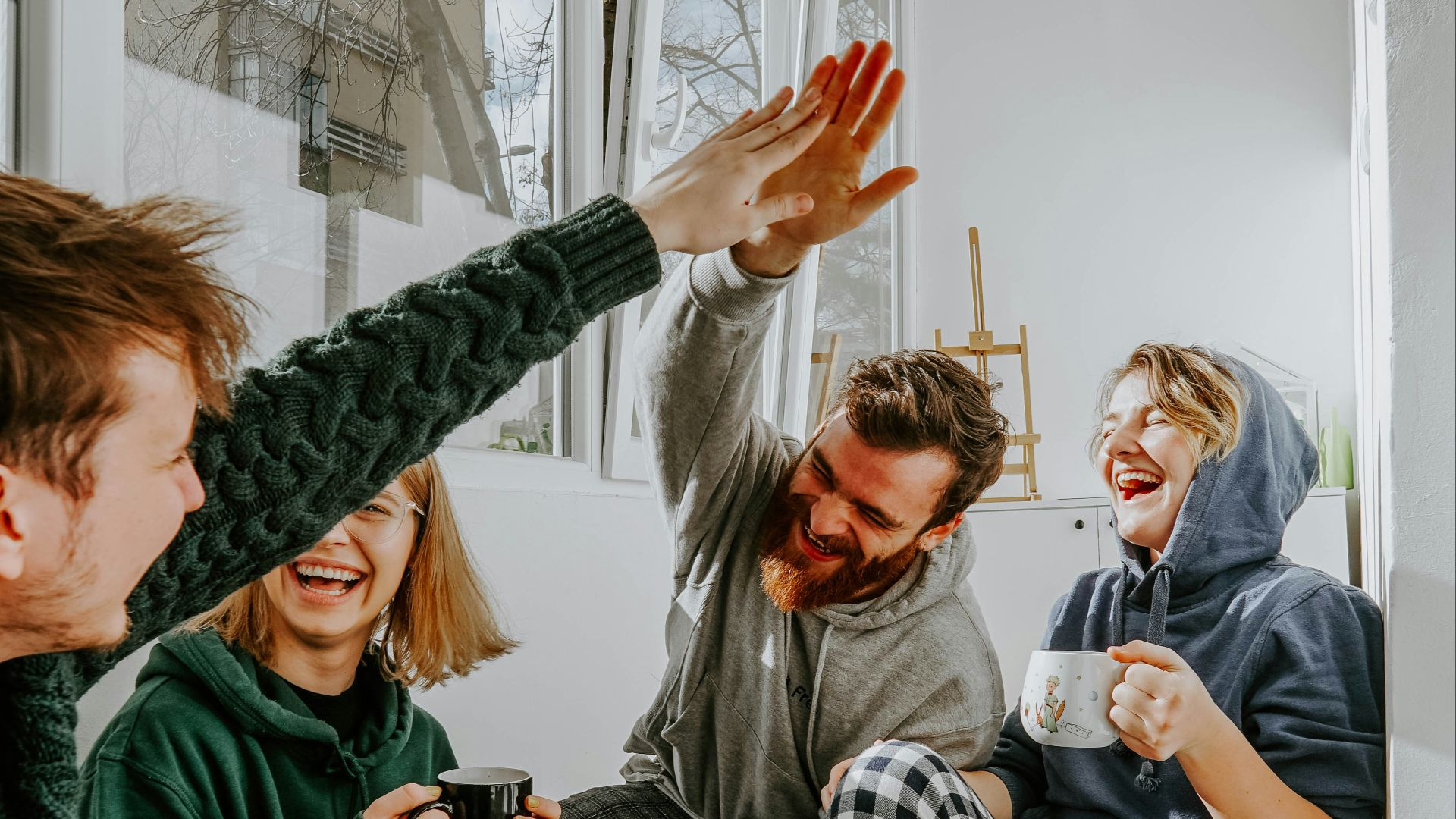
Little moments land differently when there are people around to notice them with you. A quick laugh, a warm greeting, a familiar face, these soften the day’s edges and change how your body holds tension. Over time, you carry less tightness in your expression and shoulders because you’re not bracing as much.

5. Follow-Through Gets Easier
It’s easier to keep appointments, stick with physical therapy, and take meds correctly when someone checks in or helps you problem-solve. Support groups exist for a reason, and not just for feelings, because adherence improves when people feel seen and encouraged. Health plans work better when you’re not executing them in isolation.

6. Early Warning Signs Get Caught Sooner
When someone sees you regularly, small changes don’t stay hidden for months. A new limp, a sudden drop in appetite, a shift in memory, or a slump in mood gets noticed before it becomes a crisis. That early noticing can be the difference between a quick adjustment and a hard fall.

7. Meaning And Usefulness Change How Stress Lands
Feeling needed does something practical to the body, even if it sounds abstract. Stress feels less pointless when you’re showing up for people, and the day has a reason to start. That sense of purpose often shows up as steadier energy and less collapse.

8. Safe Touch Makes The Body Feel Less On Edge
A hug, a hand on a shoulder, sitting close with someone you trust, these can signal safety faster than words. Many people go long stretches without that kind of contact and only notice the absence when it returns. The body often relaxes simply because it remembers what comfort feels like.

9. Decision Load Gets Shared
When everything is on your plate, your brain becomes the full-time manager of meals, money, health, and logistics. Having someone to talk things through with reduces the mental friction, and that reduces stress in a way you can feel in your stomach, sleep, and patience. Less mental load leaves more room for recovery.

10. Low Days Don’t Turn Into Disappearing
When you’re struggling, isolation makes it easier to cancel everything and drift. Being connected creates gentle friction against that slide, like a text that pulls you outside, a friend who expects you, or a neighbor who notices you’ve been quiet. That pull back into ordinary life often protects health more than big, dramatic interventions.