

When Labels and Ingredients Don’t Match Up
Walk through any grocery store, and you'll notice that the words "natural," "clean," and "wholesome" show up on nearly every label, but how frequently are these terms actually followed? In the United States, the FDA has no formal definition for the word "natural" on food labels, meaning manufacturers can use it almost freely, and many do. That gap between regulatory reality and consumer perception is exactly where food marketing thrives, filling shelves with products that feel virtuous at a glance but don't hold up under closer inspection. Here are 20 packaged foods that owe more to smart branding than to genuine nutritional value.
 gold touch nutrition on Unsplash
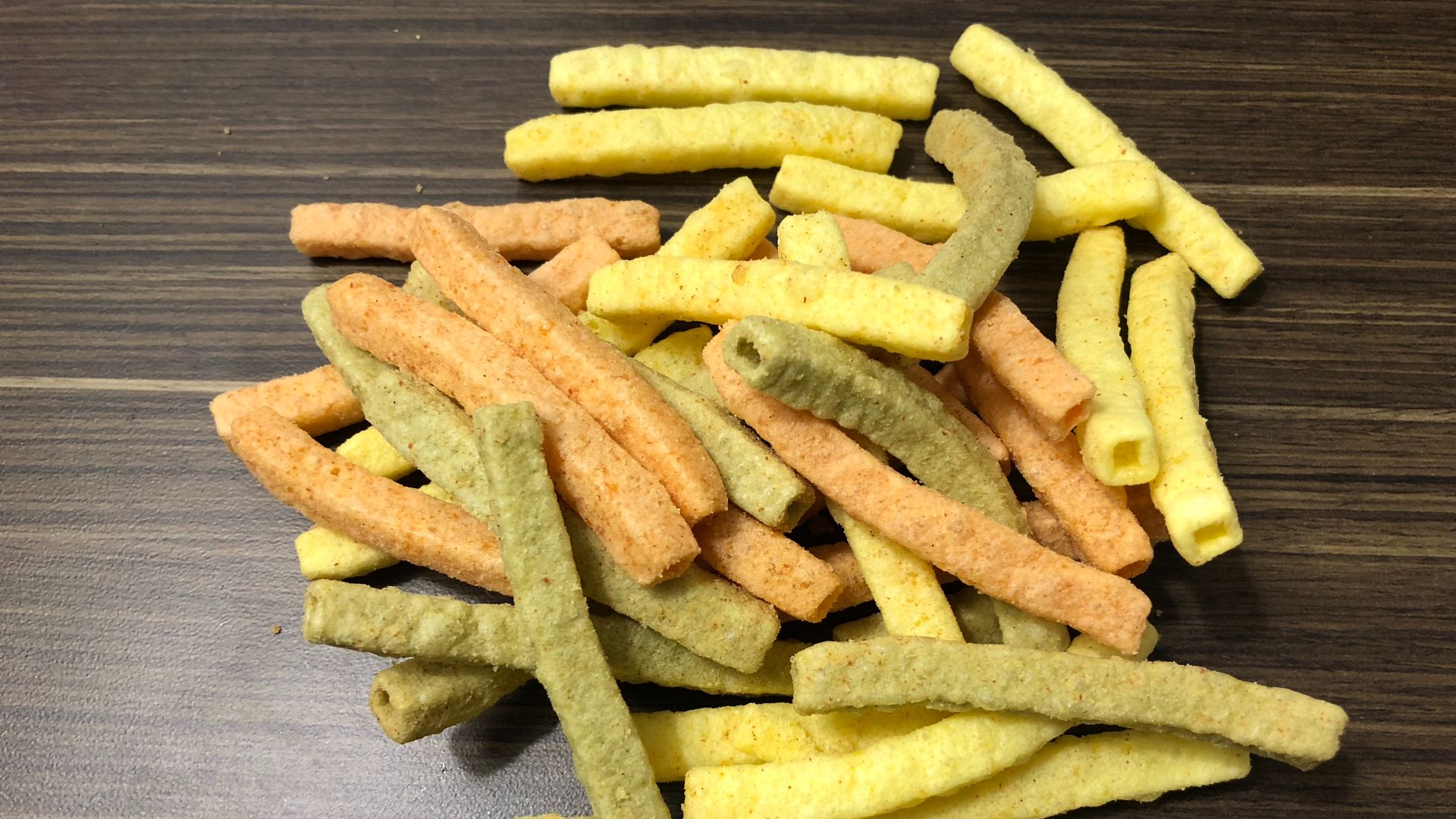
1. Veggie Straws
The garden imagery and green font on veggie straw packaging suggest something close to a vegetable, but the primary ingredient in this tasty snack is likely potato starch or flour, with vegetable powders added in trace amounts. If anything, you’re looking at a slightly healthier potato chip.
2. Fruit Snacks
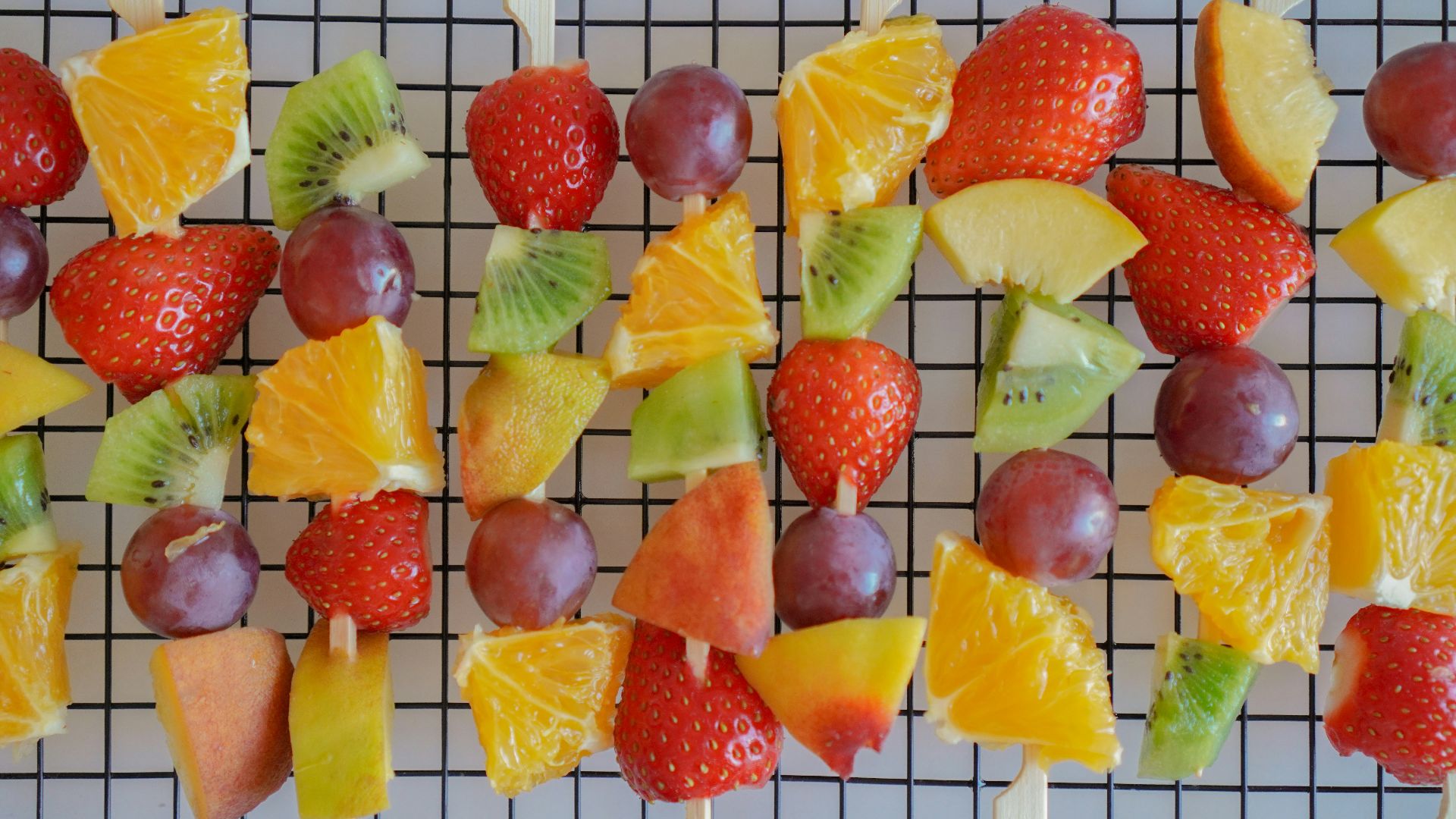
Packaging with phrases like "made with real fruit" is technically true, likely including fruit concentrate or purée somewhere on the ingredient list. That said, if the first ingredient is corn syrup, you’re likely just eating straight sugar.
 Karolina Kołodziejczak on Unsplash
3. Gluten-Free Cereals
Gluten-free labeling is incredibly important for those with celiac disease or gluten sensitivities, but the label has become synonymous with "healthier" among shoppers without those conditions. Many gluten-free cereals are loaded with added sugars and refined starches, and replacing wheat flour with rice flour or tapioca doesn't meaningfully improve a product's nutritional value.
4. All-Natural Cookies
Some cookie brands lean heavily on claims like "antioxidant-rich" or "fat-free" to position themselves as better-for-you options, but fat-free baked goods typically compensate with additional sugar to maintain flavor and texture. Any cookie claiming to be healthier is likely in the very same boat as your standard box of Oreos.

5. ‘No Artificial Flavors’ Snacks
Removing artificial flavors is a straightforward formulation choice that says nothing about a product's overall nutritional quality. Snacks carrying this claim are often still high in sodium, refined carbohydrates, or both, and the absence of one ingredient type doesn't offset a poor nutritional profile elsewhere.
6. Nutrient-Fortified Juices
Adding vitamins C, D, or zinc to a juice means you’ll be able to get a decent amount of your daily vitamin intake, but it doesn’t change the fact that most fortified juices are still sugar-dense beverages. Whole fruit delivers those same nutrients alongside fiber and slower sugar absorption, two things a bottle of fortified juice cannot replicate, regardless of how many vitamins are added.

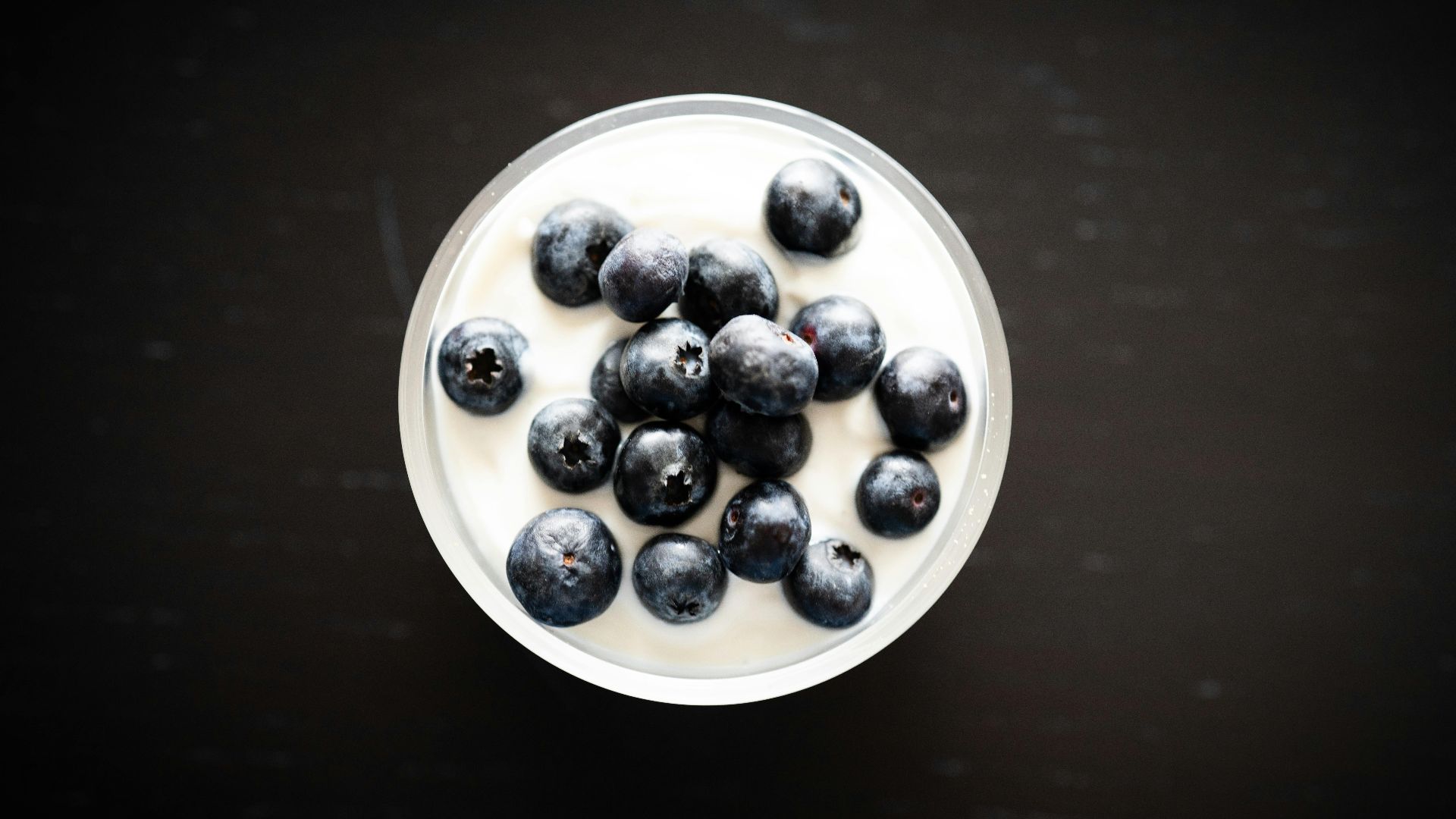
7. Organic Sugary Yogurts
Organic certification means something specific about farming practices and pesticide use, but it has no bearing on how much added sugar ends up in a product. Some organic flavored yogurts contain more sugar per serving than a standard candy bar, and the organic label doesn't change that.
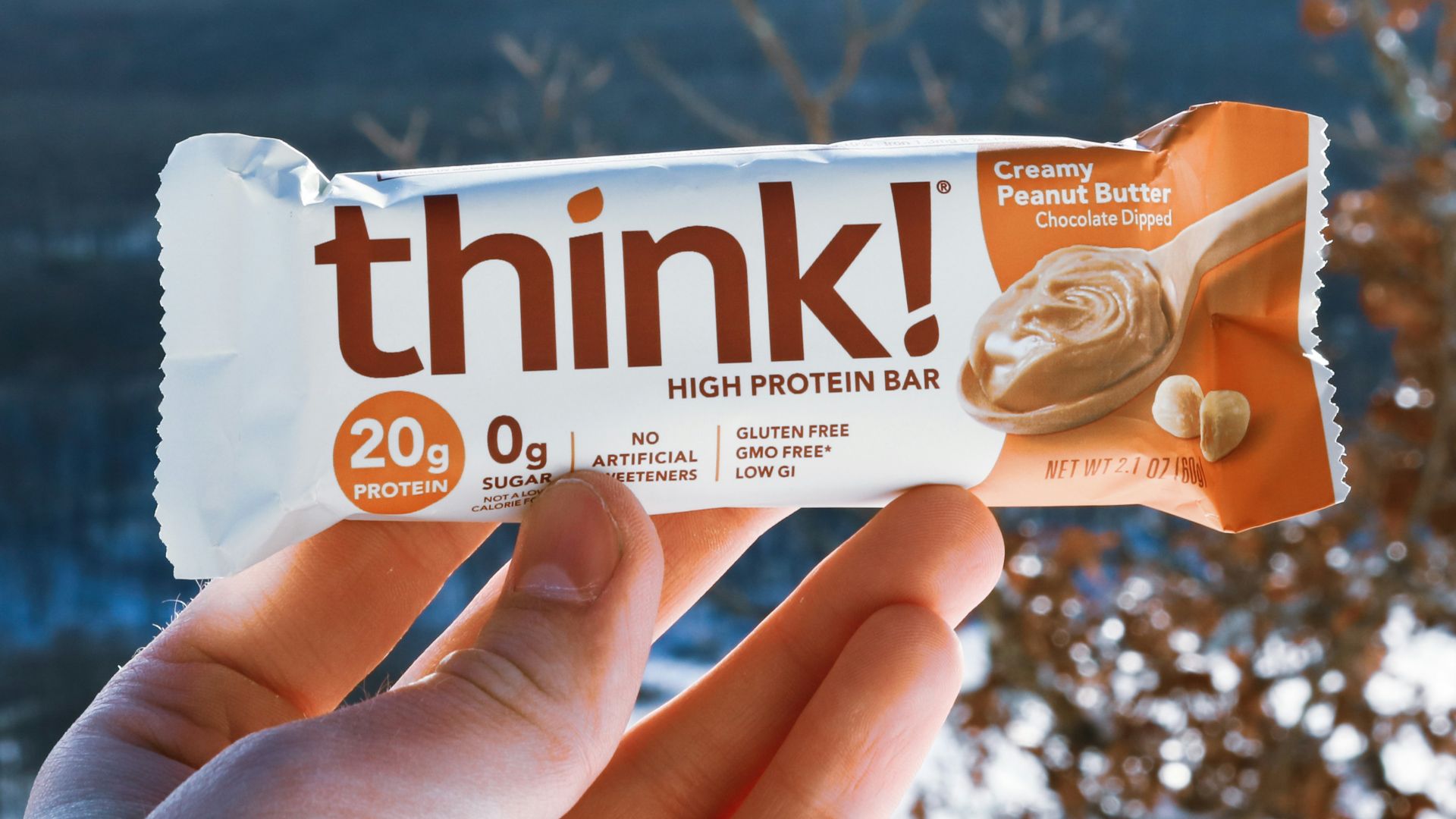
8. Clean Label Protein Bars
The phrase "clean label" has no regulated definition, but it reliably signals trustworthiness to consumers who associate the term with minimal processing. Many protein bars marketed this way are built on a foundation of refined carbohydrates, sugar alcohols, and protein isolates, which is a far cry from the simplicity the branding implies.
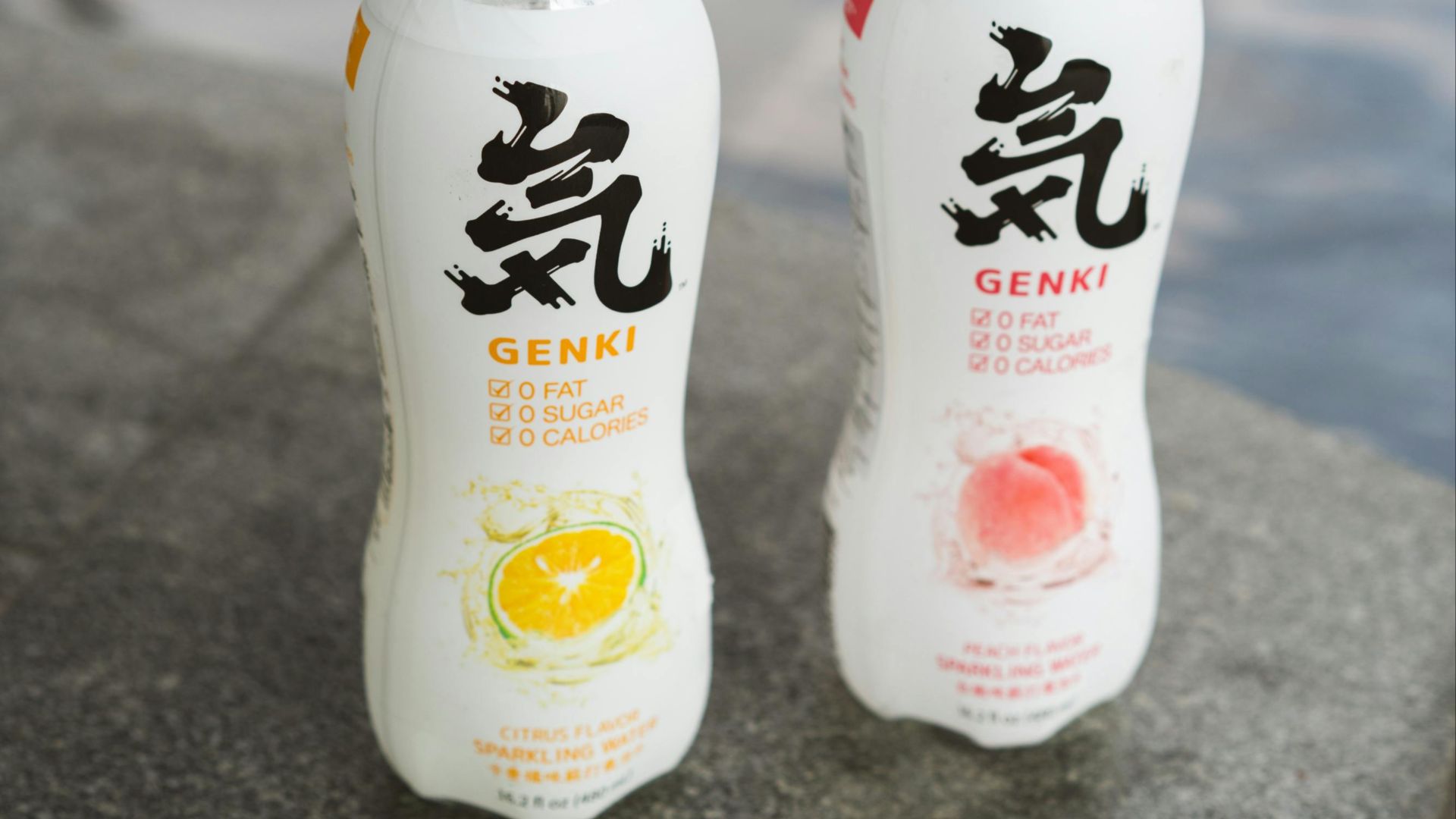
9. Naturally Flavored Waters
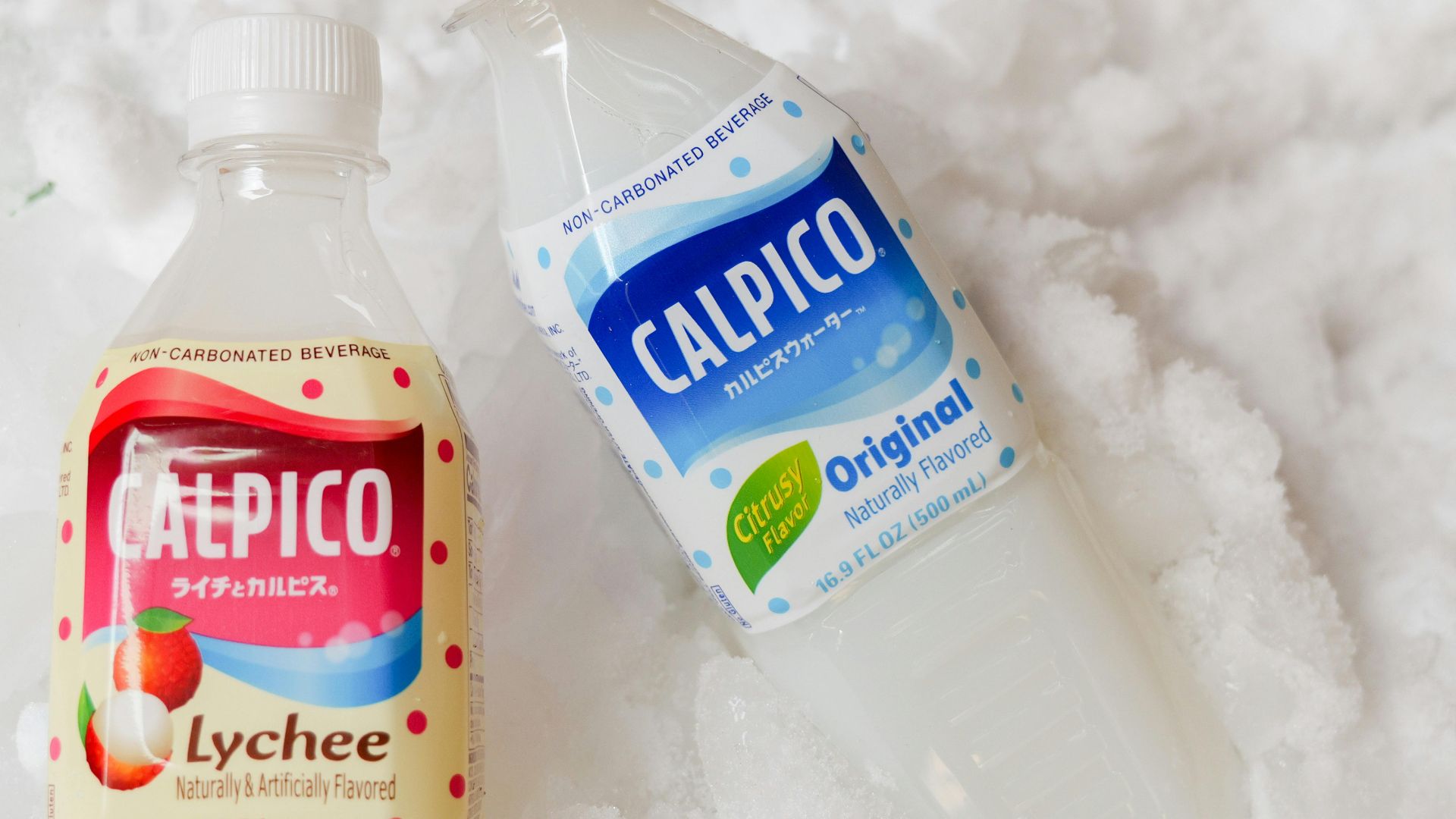
"Naturally flavored" is a regulated term, but it covers a wide range of derived flavor compounds and doesn't preclude the addition of sweeteners. Some flavored waters marketed as natural or clean alternatives to soda contain stevia, erythritol, or other additives that alter blood sugar response and gut microbiome activity in ways researchers are still studying.
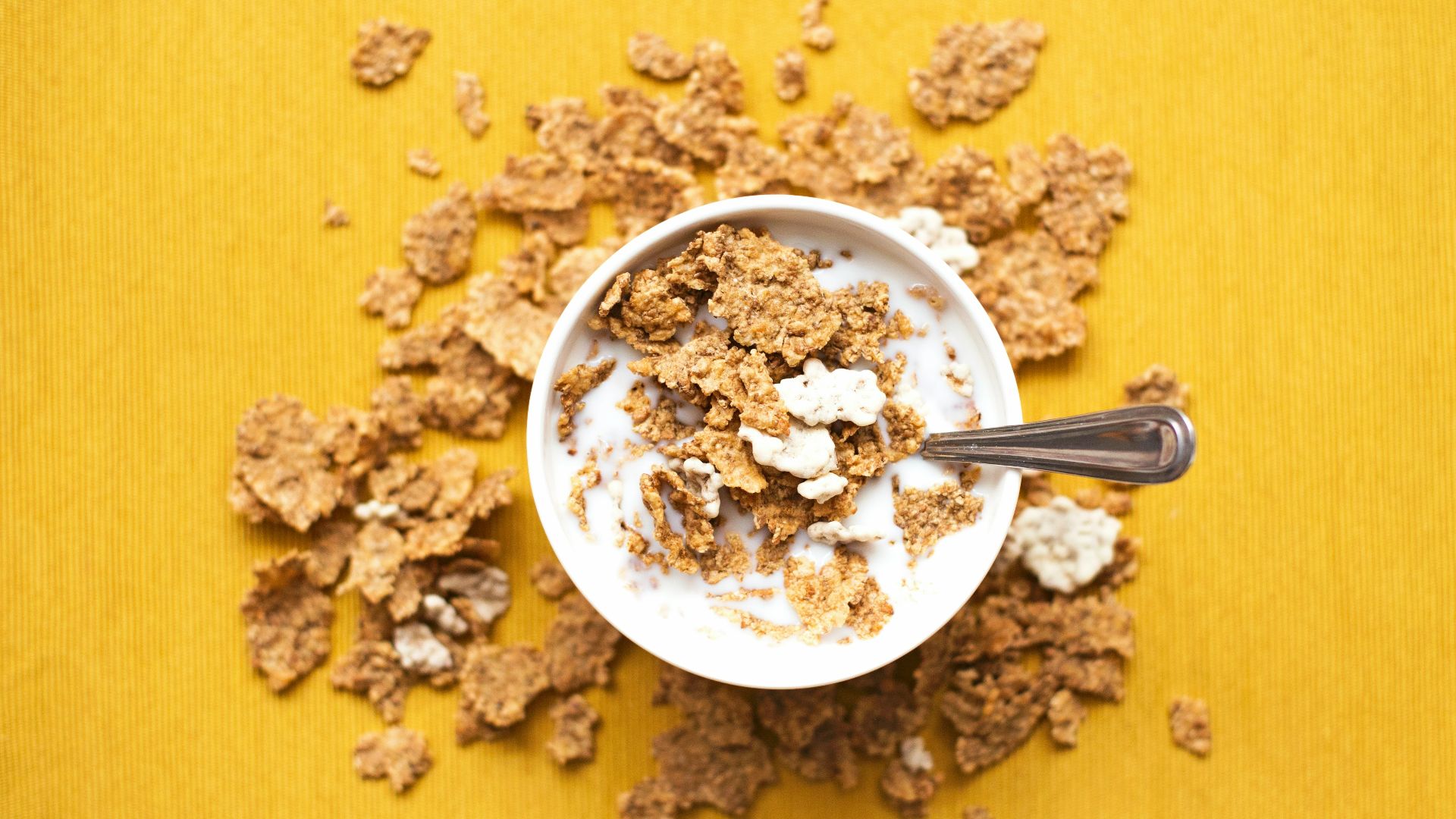
10. Antioxidant-Rich Cereals
The cereals that claim to be high in antioxidants are also frequently high in added sugar, low in protein, and not particularly filling, making the antioxidant framing something of a distraction from what the full nutrition panel actually shows.
11. Non-GMO Chips
A bag of non-GMO chips can be just as high in sodium and saturated fat as its conventional equivalent, and multiple studies have found that non-GMO labels increase perceived healthfulness among shoppers even when the nutritional content is identical.
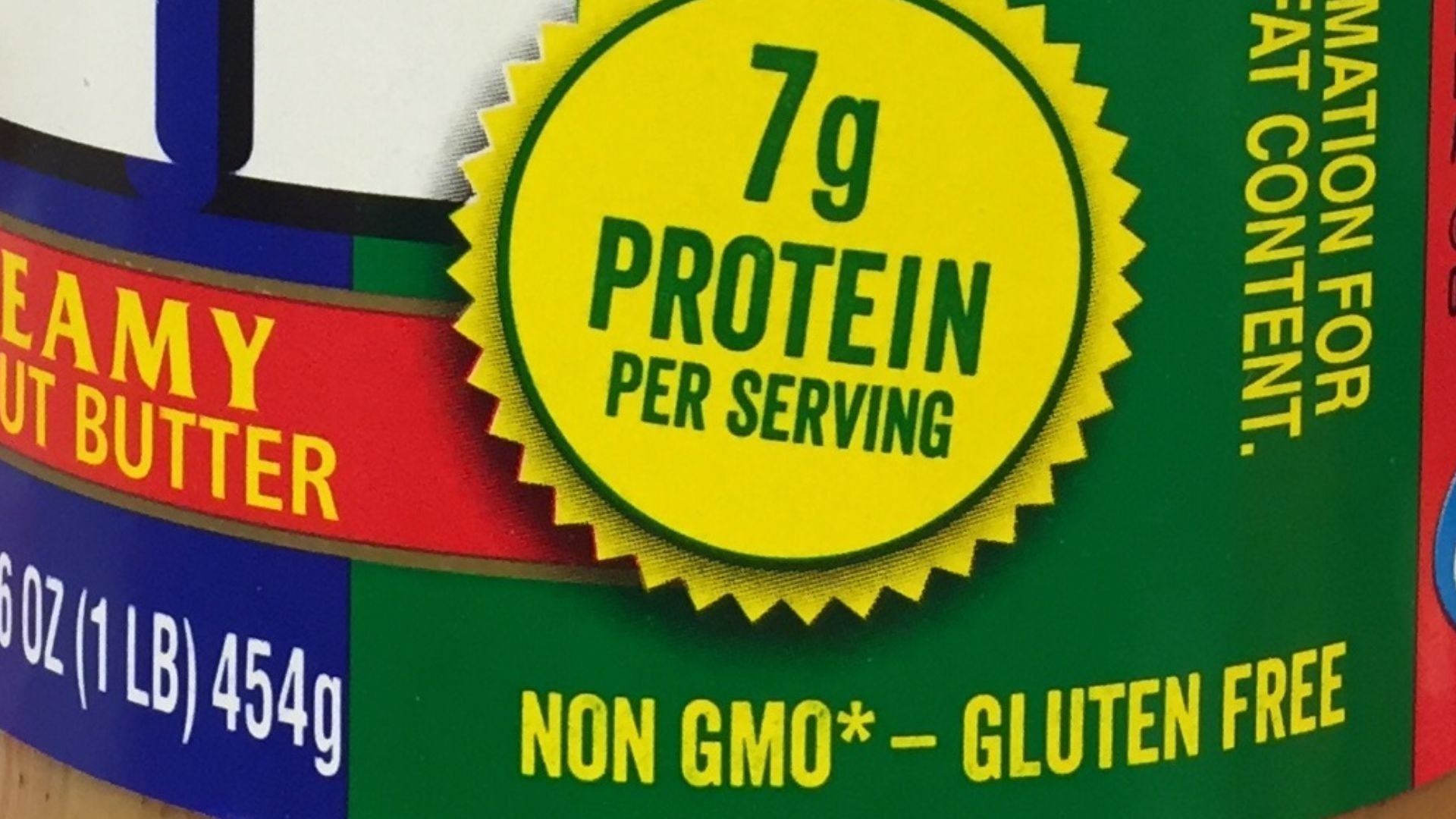
12. High-Fiber Candy
Some candy manufacturers have added chicory root or inulin to their products to support a fiber claim, which is enough to attract shoppers looking for functional foods. The added fiber doesn't meaningfully offset the calorie density or sugar content, and these products remain candy in every practical sense.

13. Allergen-Friendly Processed Snacks
Nut-free, dairy-free, and soy-free claims serve a genuine purpose for people managing food allergies, but these labels are increasingly used as general wellness signals for consumers without those conditions. The absence of a common allergen doesn't improve a product's sodium content, refine its ingredient list, or lower its calorie density.
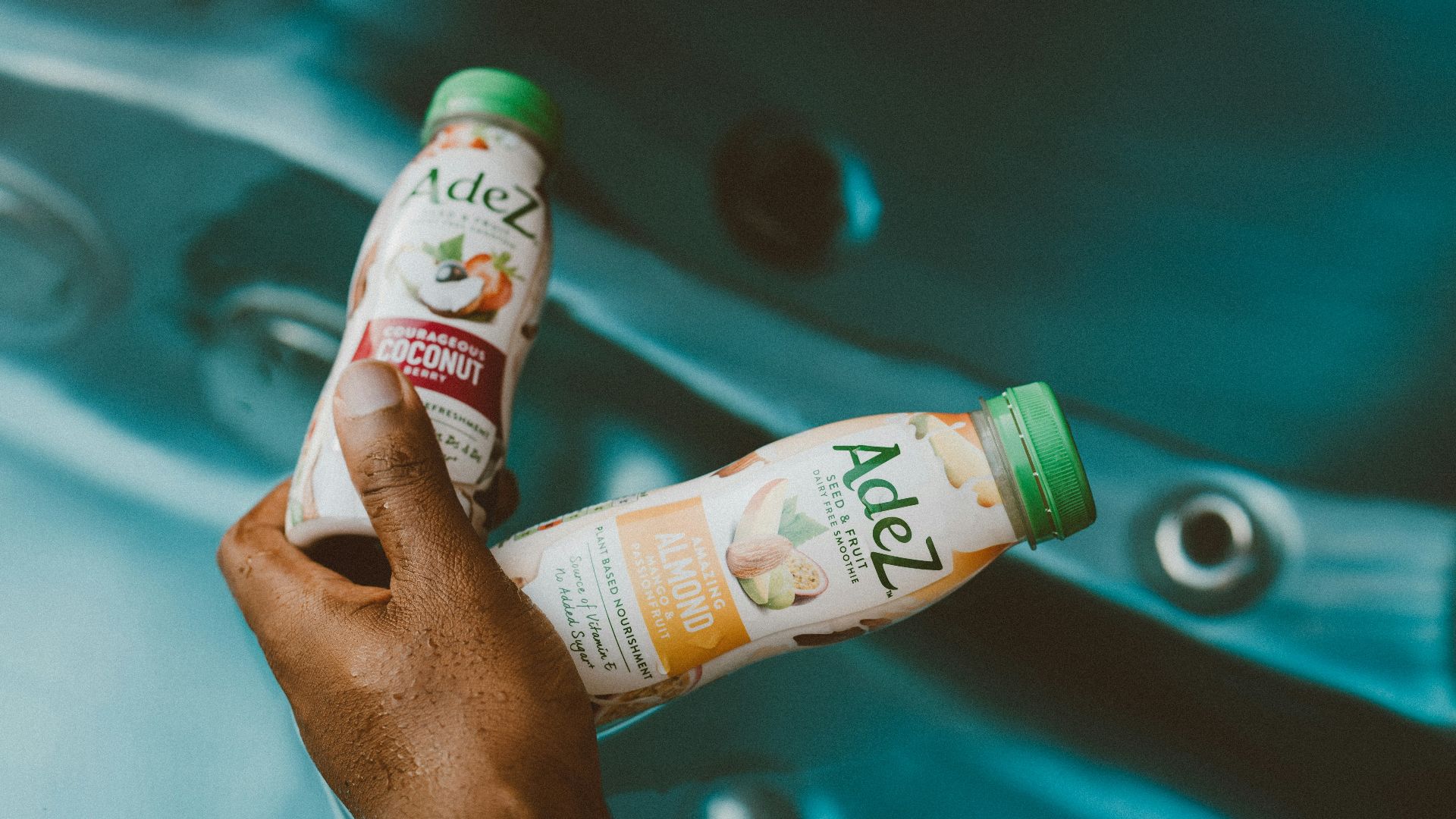
14. Simply-Named Crackers
Brands that use words like "simply" or "just" in their names or on their packaging lean on the implication of short ingredient lists and minimal processing. Many of these products are made primarily from refined flour and are not meaningfully different from standard crackers, despite the minimalist branding suggesting otherwise.

15. Low-Sugar Granola
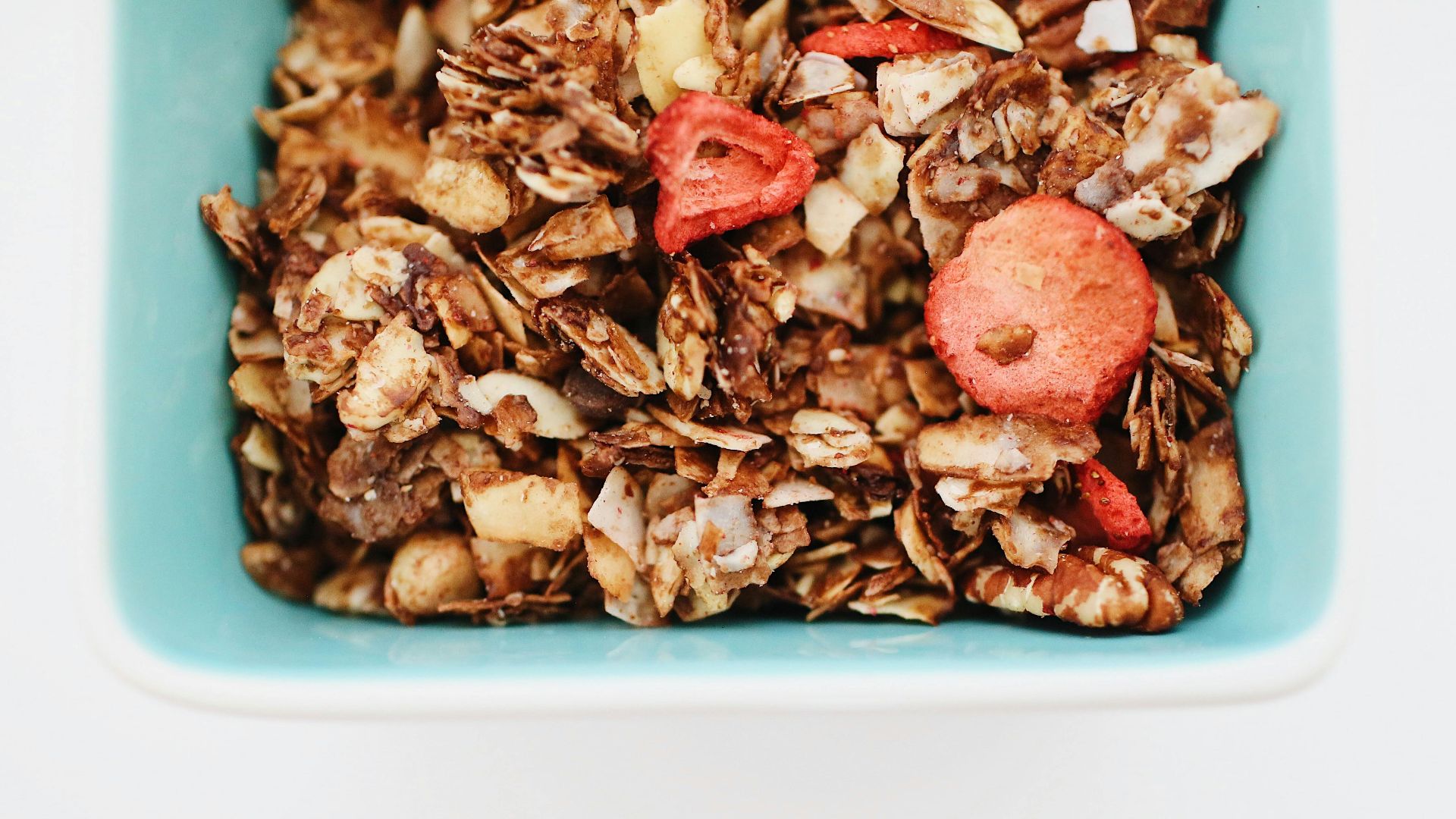
Granola has enjoyed a health halo for decades, and reduced-sugar versions seem just a little bit better than your standard bag. The issue is that granola's calorie density comes largely from oils and nuts, not sugar, so cutting sugar while maintaining the same base recipe doesn't produce the nutritional improvement the label implies.
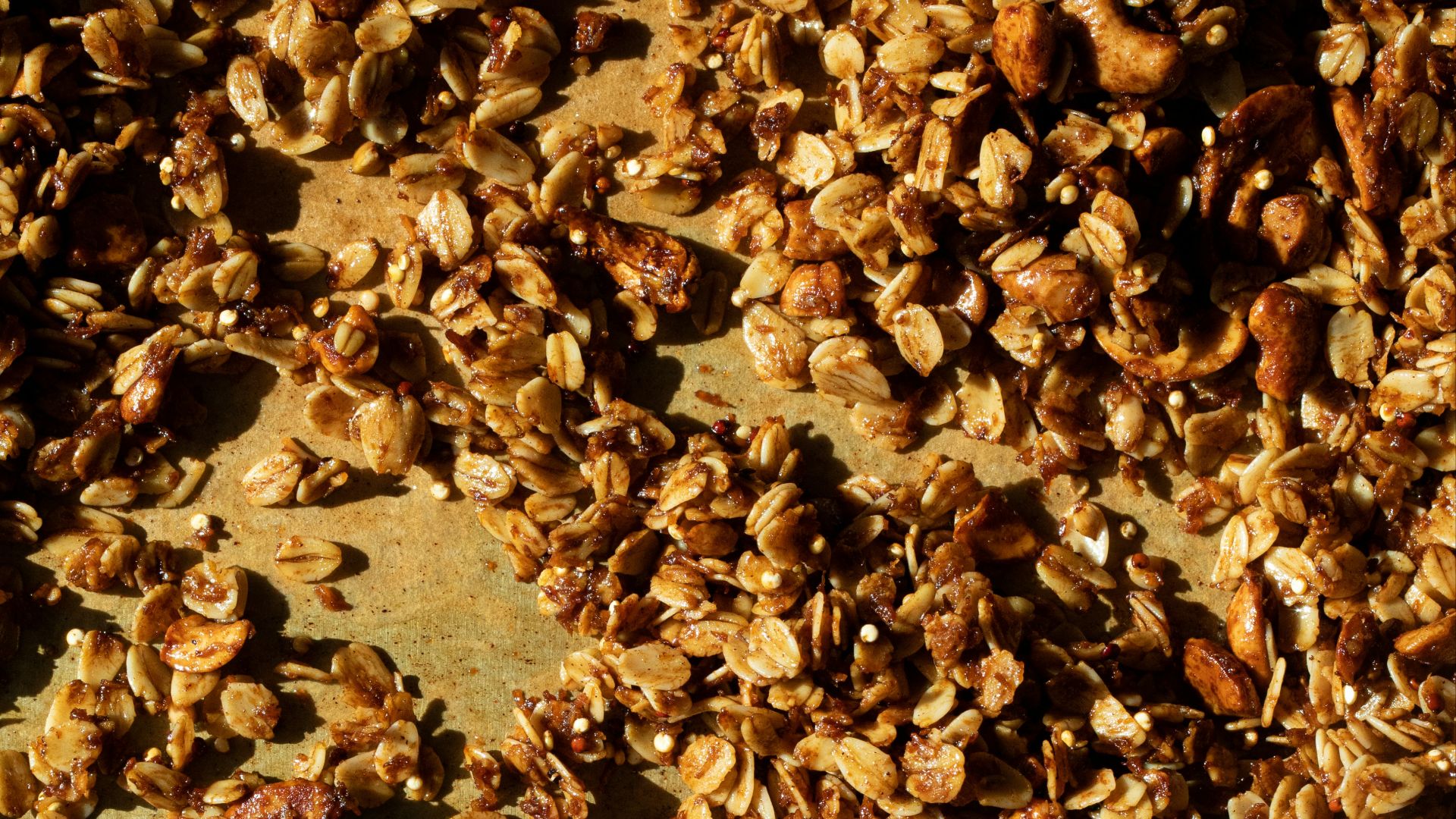
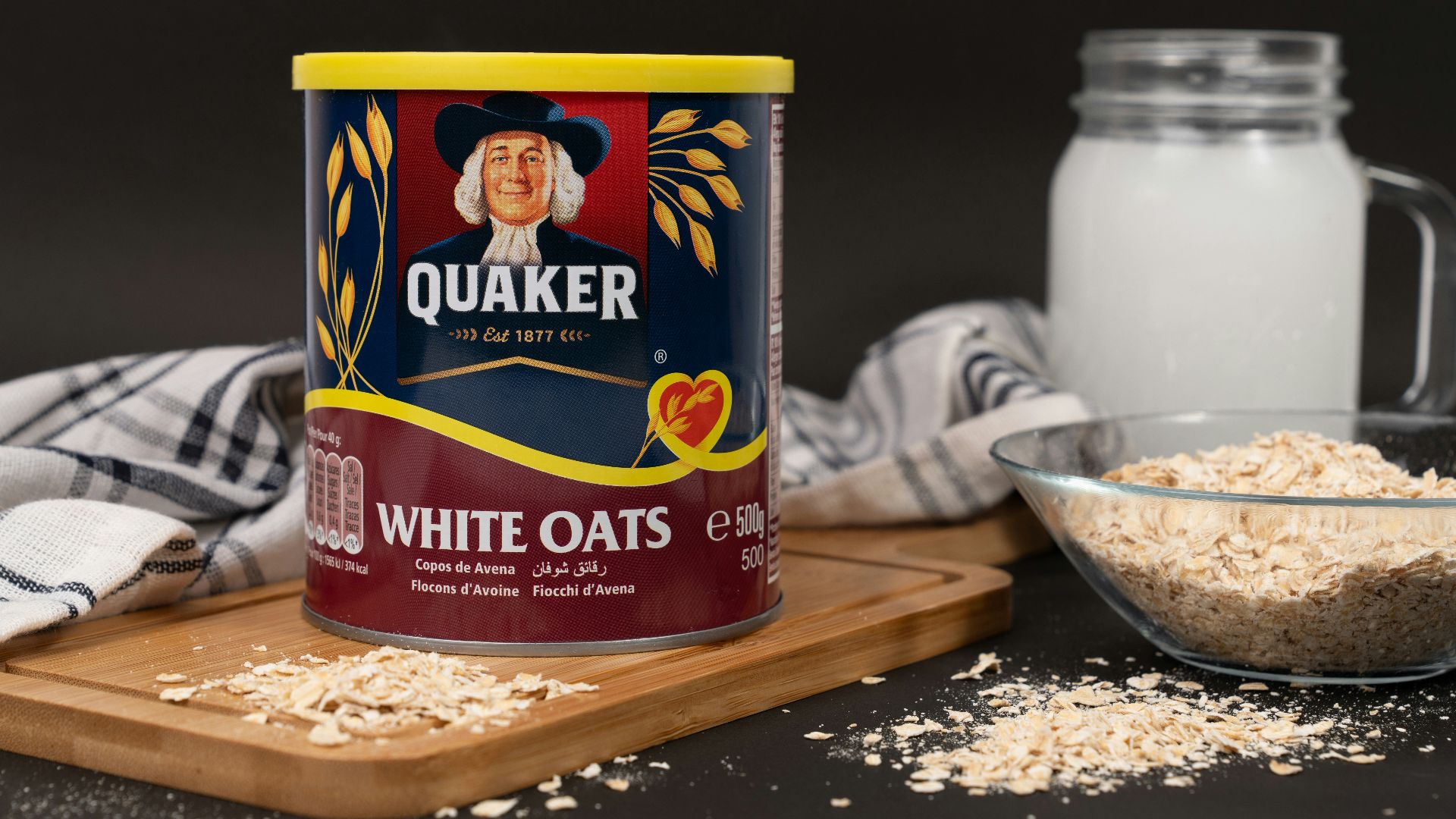
16. Flavored Instant Oatmeal Packets
Plain oats are a genuinely nutritious food, which is exactly why flavored instant oatmeal packets benefit so heavily from the association. The individual serving packets marketed as a quick, wholesome breakfast often contain as much added sugar as a frosted cereal, but the convenience format typically uses more heavily processed oats that digest faster and keep you full for a shorter amount of time.
 Abdul Raheem Kannath on Unsplash
17. No Artificial Colors Gummies
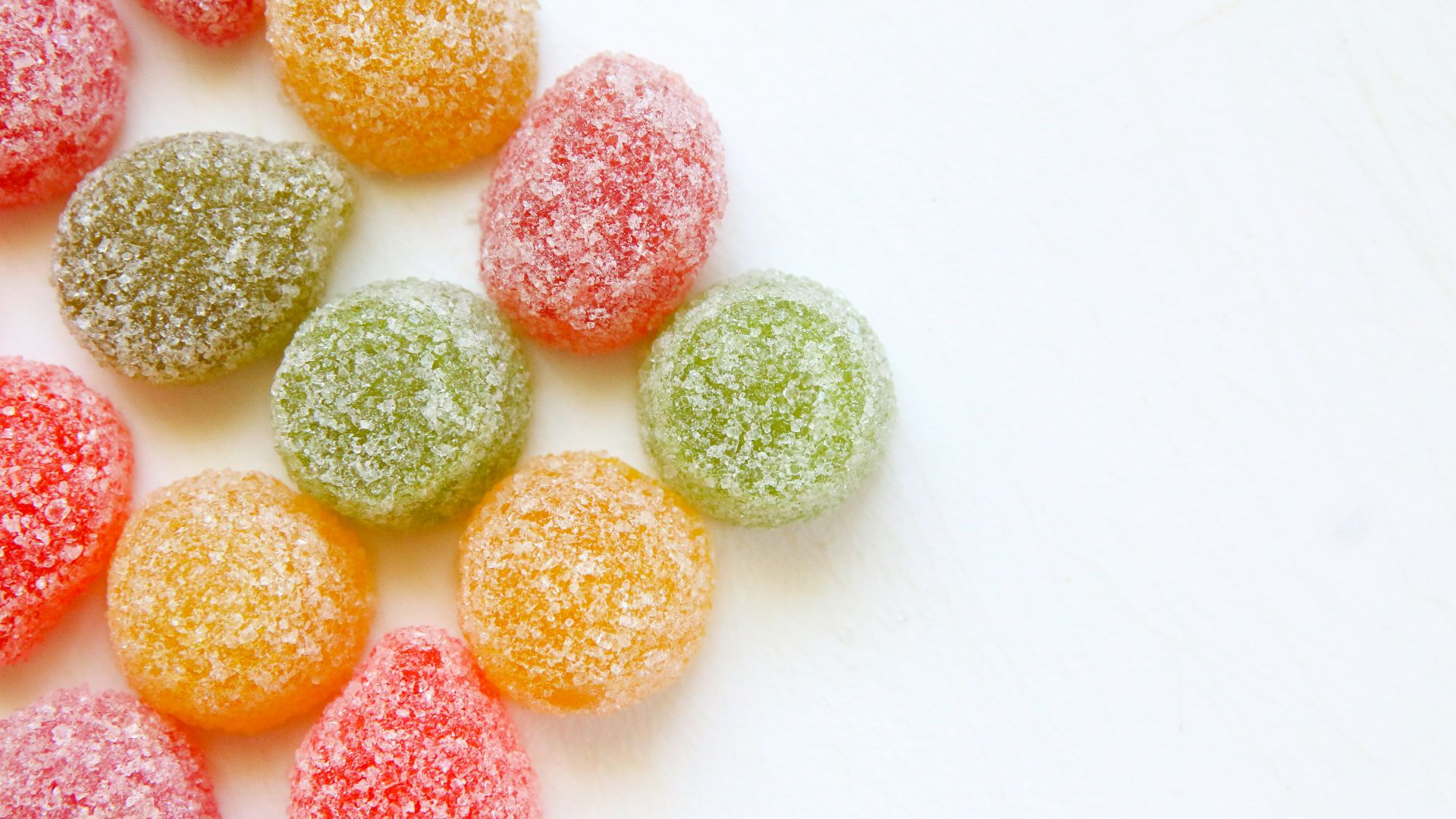
Removing synthetic dyes from gummy candies is a reasonable formulation choice, and some parents specifically seek these products out for their children. A dye-free gummy is still candy, though, and the nutritional profile of these products is nearly indistinguishable from conventional gummies that use artificial coloring.
18. Garden Veggie Chips
Like veggie straws, garden veggie chips typically contain vegetable powders as minor ingredients rather than actual vegetables in any meaningful quantity. The colorful packaging and vegetable imagery suggest a product that partially substitutes for a vegetable serving, which the ingredient panel does not support.

19. Natural Energy Bars
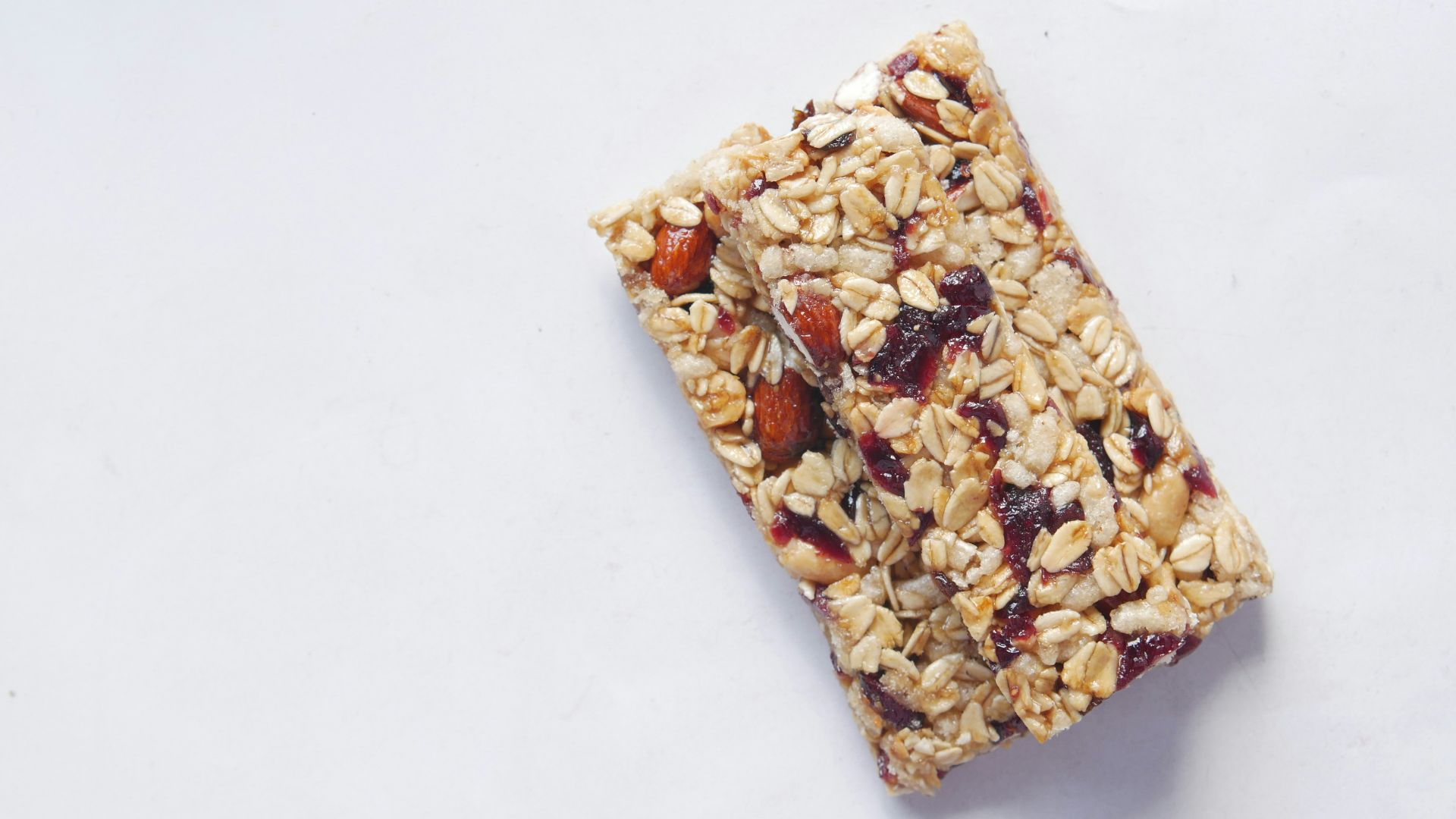
"Natural" appears on energy bar packaging without a standardized definition to back it up, and many bars marketed this way are built from protein isolates, syrups, and highly processed ingredients. The naturalness implied by the label is largely a positioning choice rather than a reflection of how minimally processed the product actually is.
20. Products Marketed As Wholesome Sweeteners
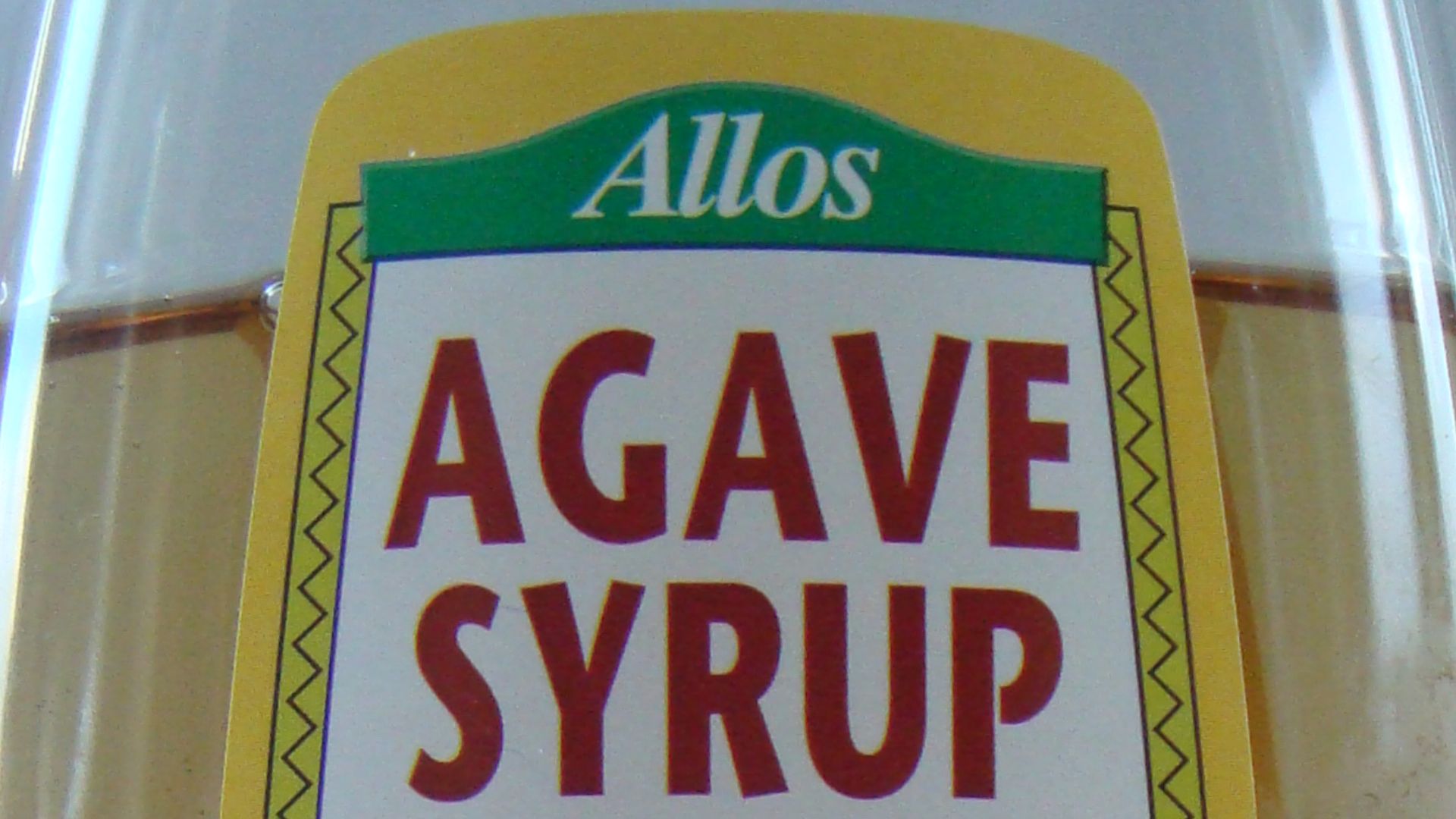
Some sweetener brands built their identity around words like "wholesome" and "natural" while producing products that undergo significant industrial processing. Whether the end product is organic cane sugar, agave syrup, or coconut sugar, the body metabolizes added sugar the same way, regardless of how the packaging frames its origins.
KEEP ON READING



20 Ways To Get Your Vitamins And Minerals

20 Ways Doing Less Can Actually Improve Your Health