

Familiar Bottles, Mystery Powders
Plenty of people take the same few staples every morning because they have heard they are good for energy, sleep, immunity, or joints, and the bottles are everywhere, from grocery stores to gym bags to office drawers. At the same time, the supplement world has a second tier of products with names that sound scientific, claims that sound confident, and explanations that get vague the second you ask what they actually do. A lot of this comes down to marketing outpacing understanding, plus the fact that people often stack supplements without knowing what overlaps or what is even measurable. Here are 10 supplements everyone seems to be taking, followed by 10 that many people buy without really understanding.
1. Vitamin D
Vitamin D is widely taken because many people do not get much sun exposure and blood tests often flag low levels. It is commonly linked to bone health and general wellness, which makes it feel like a safe baseline. People also like that it is a simple once-a-day habit.

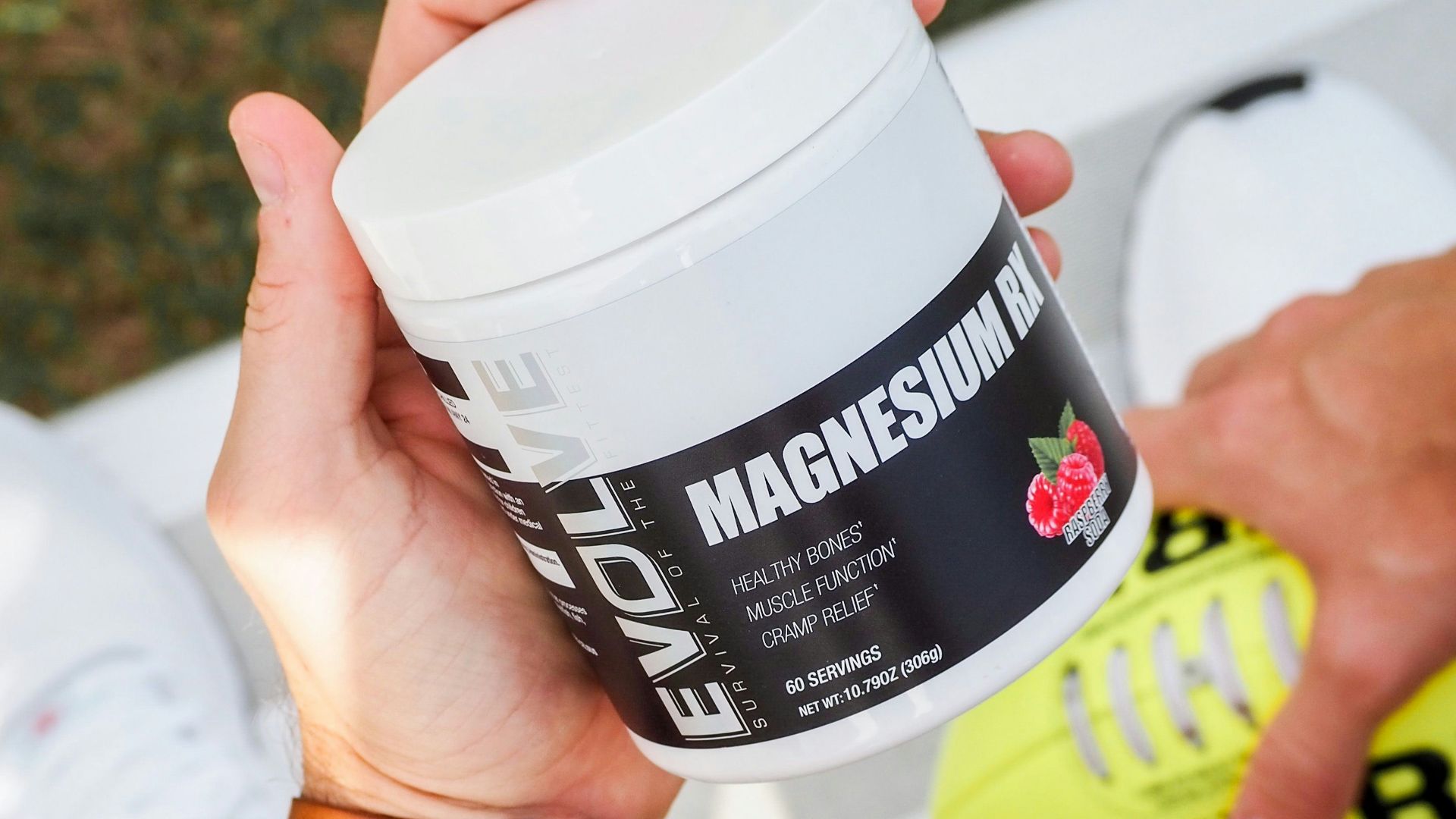
2. Magnesium
Magnesium is popular for sleep, muscle cramps, and general tension, and it shows up constantly in wellness conversations. Different forms exist, which is why people compare glycinate, citrate, and oxide like they are totally different products. It has become a go-to for people who want a low-drama supplement.
3. Omega-3 Fish Oil
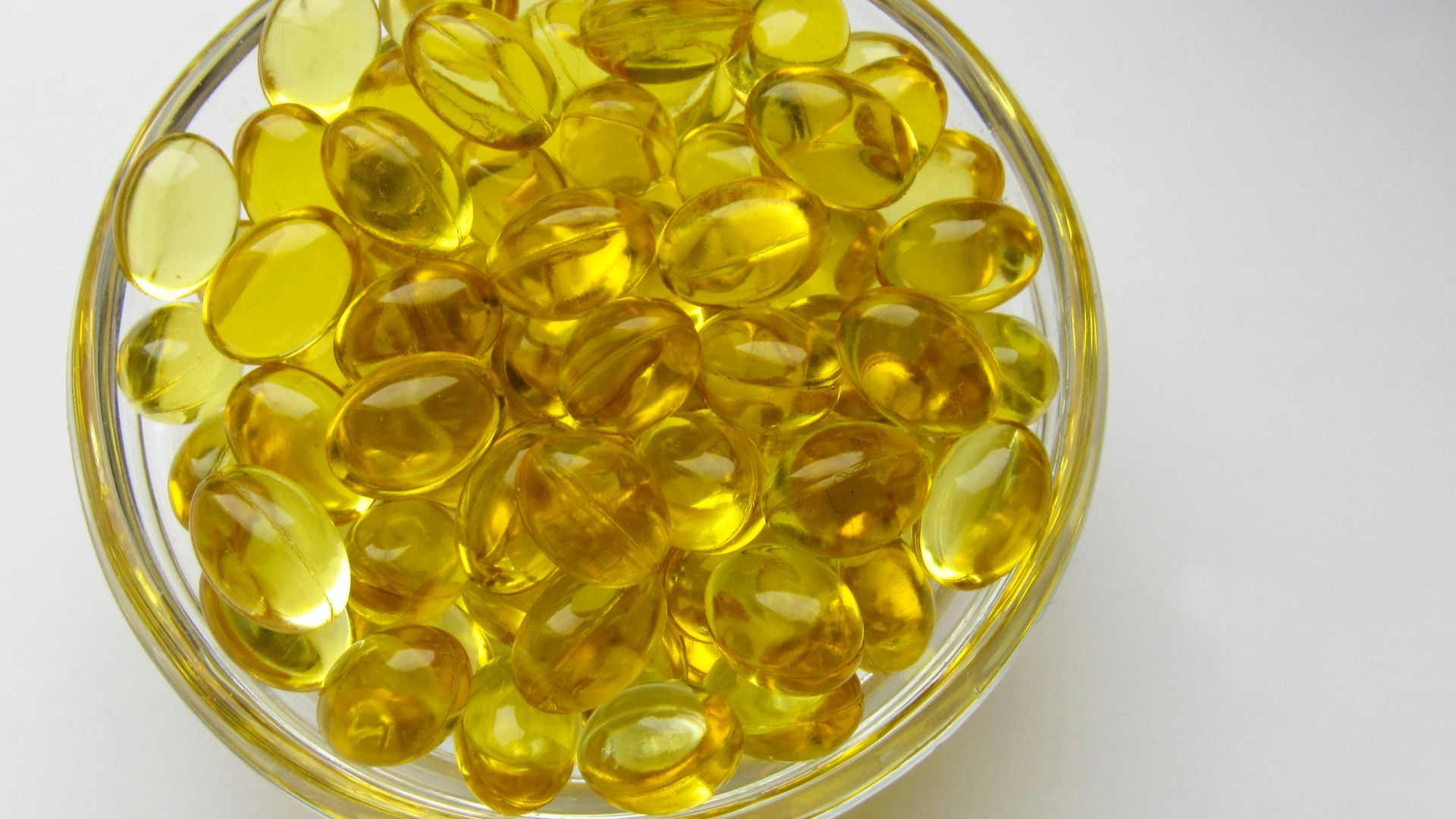
Omega-3s are taken for heart health, inflammation, and brain-related benefits. A lot of people take it because they do not eat fatty fish regularly. It is also one of the most common supplements recommended by clinicians.
4. Probiotics
Probiotics are popular because gut health has become a mainstream concern. People take them for digestion, bloating, and general wellness, even though results vary a lot between individuals. The popularity is driven partly by how easy it is to connect stomach issues to everything else.

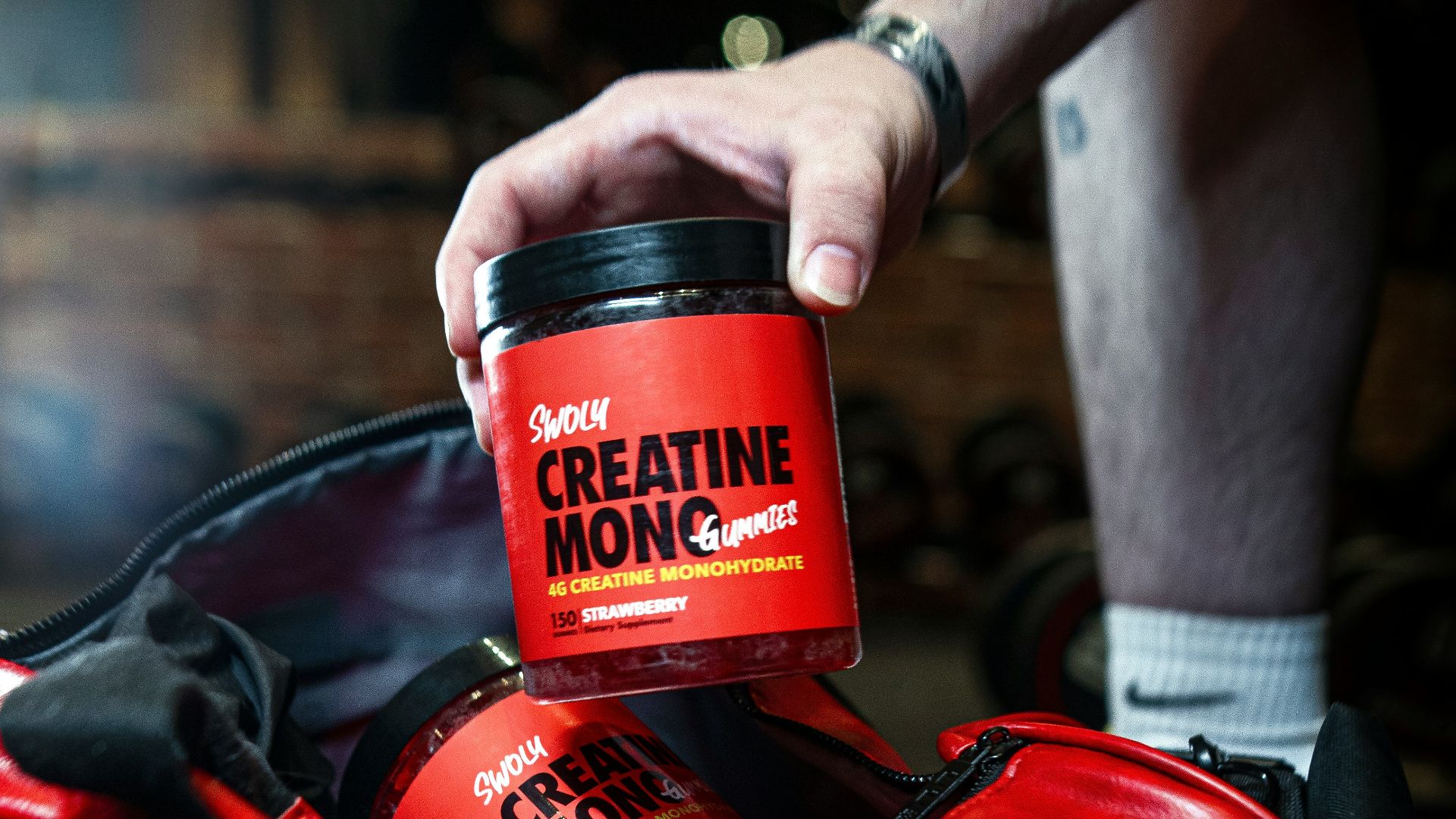
5. Creatine
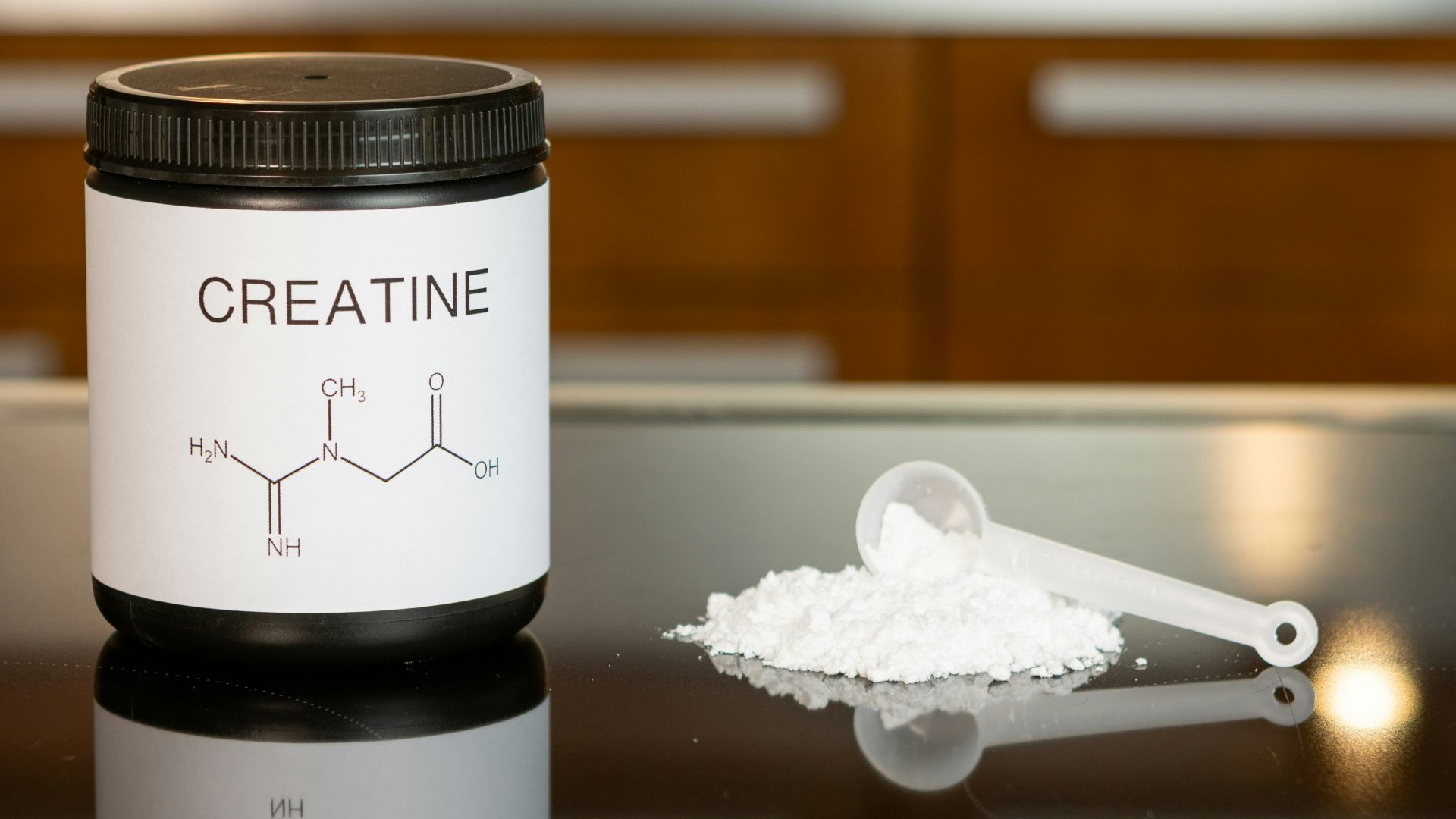
Creatine has moved far beyond bodybuilding circles and is now common among casual gym-goers and even non-athletes. People take it for strength, performance, and muscle support, and it has a strong research base compared with many fitness supplements. It is one of the few that feels both mainstream and evidence-backed.
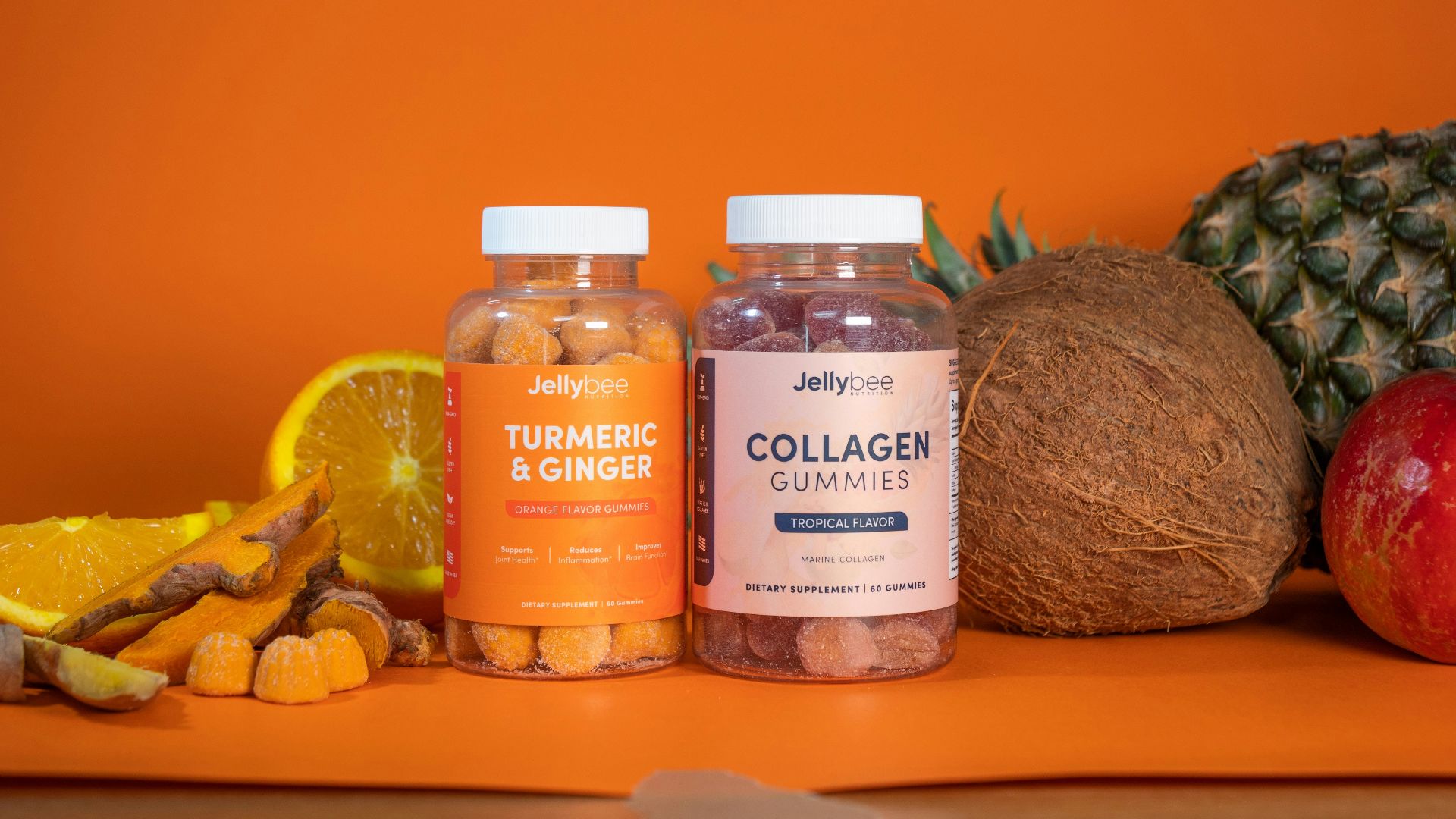
6. Collagen
Collagen is taken for skin, hair, nails, and joint support, and it is especially common in powders and drinks. People like it because it fits easily into coffee or smoothies and feels like a beauty habit with health benefits. Whether it works the way marketing implies depends on the person and the rest of their diet.
7. Multivitamins
Multivitamins are still the default “just in case” supplement. People take them to cover perceived gaps in diet, even if the benefits are not always clear for everyone. The appeal is simple insurance, even when it is imperfect insurance.

8. Vitamin C
Vitamin C remains popular because it is strongly associated with immune support. People often take more during cold season or travel, even though they may not have a specific deficiency. It is one of the most common supplements people keep around.
 Apostolos Vamvouras on Unsplash
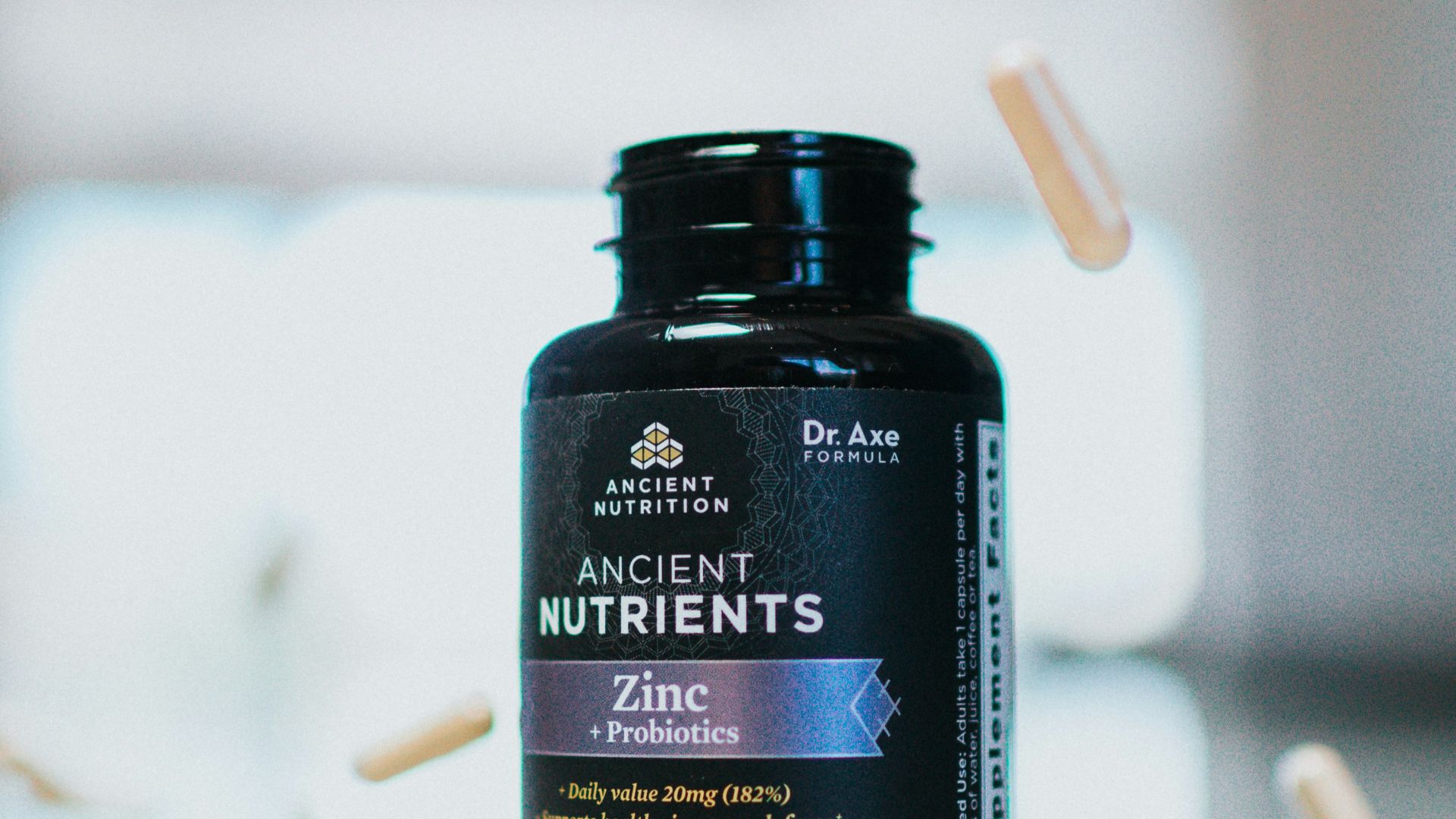
9. Zinc
Zinc gets taken for immune support and is often combined with vitamin C. Many people use it short-term when they feel run down, rather than taking it every day. It is also common in lozenges and cold-focused products.
10. Ashwagandha
Ashwagandha has become mainstream as a stress and sleep supplement. It shows up in gummies, powders, and calming blends, and people take it to feel less wired and more steady. It is now one of the most common herbs in modern supplement stacks.
Even if those are the “normal” ones, there is another category of supplements that a lot of people buy because they sound impressive, not because they are well understood. Here are ten examples.

1. Nootropic Blends
These are mixes of multiple ingredients marketed for focus and productivity. The problem is that the doses are often small or unclear, and it is hard to know what is actually doing anything. People end up taking them based on vibes and branding.

2. NMN
NMN is marketed in longevity circles, often linked to cellular energy and aging. Many people take it because they have heard it discussed alongside high-profile longevity content. The science is still evolving, and consumers often buy it without a clear idea of what outcomes to expect.

3. Resveratrol
Resveratrol is associated with anti-aging claims and is often linked to red wine narratives. People take it hoping for broad protective benefits, but the real-world evidence in humans is less clear than the hype suggests. It often ends up in longevity stacks by default.

4. Berberine
Berberine is sometimes described as a supplement version of a prescription-level metabolic tool. People take it for blood sugar and weight-related goals, but many do not realize it can affect digestion and interact with medications. It gets treated as casual even though it can act like something stronger.

5. Quercetin
Quercetin is often marketed for immune support, inflammation, and allergy help. Many buyers cannot explain what it is beyond being a plant compound with antioxidant claims. It sounds technical enough to feel legitimate, which helps it spread.
6. NAC
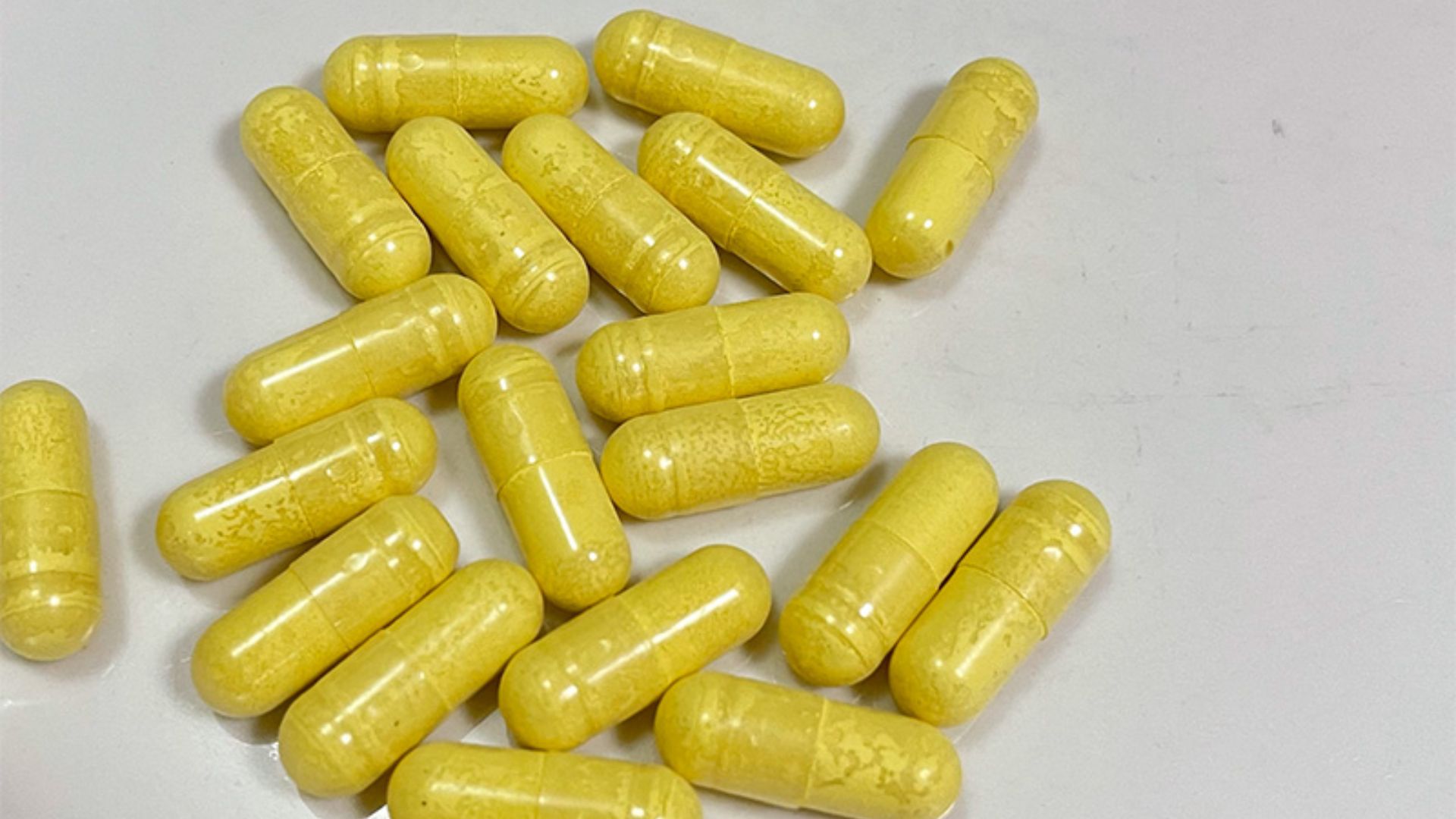
NAC is taken for a wide range of goals, from respiratory support to general wellness. Many people do not know it is tied to glutathione and antioxidant pathways; they just know it shows up in “detox” and immune stacks. It gets recommended a lot without much explanation.

7. Colostrum
Colostrum supplements have become popular in fitness and gut-health circles. People take it for immunity and digestion without fully understanding what it is or how it is sourced. It is one of those products that sounds intense and therefore effective.

8. Shilajit
Shilajit is marketed as a mineral-rich substance linked to energy and vitality. It has a strong traditional medicine aura, but many people do not really know what it contains or how quality is verified. It often gets bought because it sounds ancient and powerful.

9. Methylene Blue
Methylene blue has shown up in some biohacking circles with claims about brain and mitochondrial effects. Many people taking it are relying on influencer explanations and do not fully understand dosing, risks, or interactions. It is a prime example of something that feels more like a chemical than a supplement.
 Altynau Shyrynkhan on Unsplash
10. Peptides Sold Online
Various peptides are marketed for recovery, body composition, and skin, often sold in ways that blur the line between supplement and drug-like product. Many consumers do not really understand what they are buying, how it is regulated, or what is actually in the vial. The complexity and risk are often far higher than the casual way they get discussed.

KEEP ON READING



20 Ways to Deal With Your Sweet Tooth

20 Low-Impact Exercise Ideas For People Over 50