A Smarter Way To Size Up Where (and How) You Stand
Hip replacements are a massive surgery, and it’s always nerve-wracking to hear you might need one. While the smallest issue often causes us to panic, the procedure is usually only considered when hip pain and loss of function significantly interfere with daily life. Luckily, on the other hand, many hip problems can be managed without surgery, especially when symptoms are mild or improving with conservative care. It’s not always easy to spot the difference, and that’s why we’ve broken down a few of each!

1. Daily Tasks Are Much Harder
If routine activities like walking, climbing stairs, or even getting up from a chair feel tough, that struggle often warrants a conversation. When your hip repeatedly limits ordinary life, it can suggest joint problems are progressing beyond a simple flare.
 Fotógrafo Samuel Cruz on Unsplash
2. Pain Hangs Around
Persistent discomfort, especially while you rest, can indicate the issue isn’t only tied to activity. If you can’t count on downtime to bring much-needed relief, it’s smart to ask whether your treatment plan needs to change—or if a surgery’s looming on the horizon.

3. Stiffness Robs Your Range Of Motion
Hip stiffness shouldn’t interfere with basic range of motion. Does it limit bending? Do you struggle to lift your leg? If your range of motion keeps slipping despite consistent effort, you may be experiencing lasting structural change.

4. Walking Supports Become a Sidekick
Relying on a cane often reflects worsening pain, instability, or reduced confidence in the joint. Don’t be surprised if your doctor mentions a replacement, especially when medications, activity changes, or walking supports don’t adequately relieve symptoms.

5. Nonsurgical Options Don’t Cut It Anymore
Doctors don’t just schedule hip replacements—they usually come when other options are exhausted. So, if you’ve tried a well-structured plan and you’re still struggling with significant limitations, that problem could signal it’s time for another path forward.

6. Your Quality of Life is Plummeting
Consistent hip symptoms greatly reduce independence. They also get in the way of your normal routines. The last thing you want is to have a hard time putting on your shoes, and if it gets that bad, it’s often time to revisit long-term options.

7. Osteoarthritis
Osteoarthritis is a common reason people ultimately need hip replacement. If you’ve been diagnosed with it, and symptoms continue to worsen, replacement becomes more likely. It’s always worth monitoring your pain with your doctor, especially if you can’t find relief.

8. Inflammatory Arthritis Wears Things Down
Rheumatoid arthritis is another pesky problem that damages the hips over time. The reality is that if you have inflammatory arthritis, the replacement discussion may come up sooner than you expected. Keep an eye on your symptoms and always report back to your doctor.

9. Osteonecrosis
To put it simply, osteonecrosis means the bone in the hip isn’t getting enough blood supply, which can weaken it and cause changes in joint shape. If that’s been part of your diagnosis, your care team may keep a closer eye on symptoms; pain can worsen as the bone structure changes.

10. A Major Injury Left Lasting Dysfunction
Sometimes, lingering injuries only cause more problems down the line. If you’ve done the rehab, followed the plan, and your hip still isn’t cooperating, it may mean the joint surface is too damaged to bounce back.
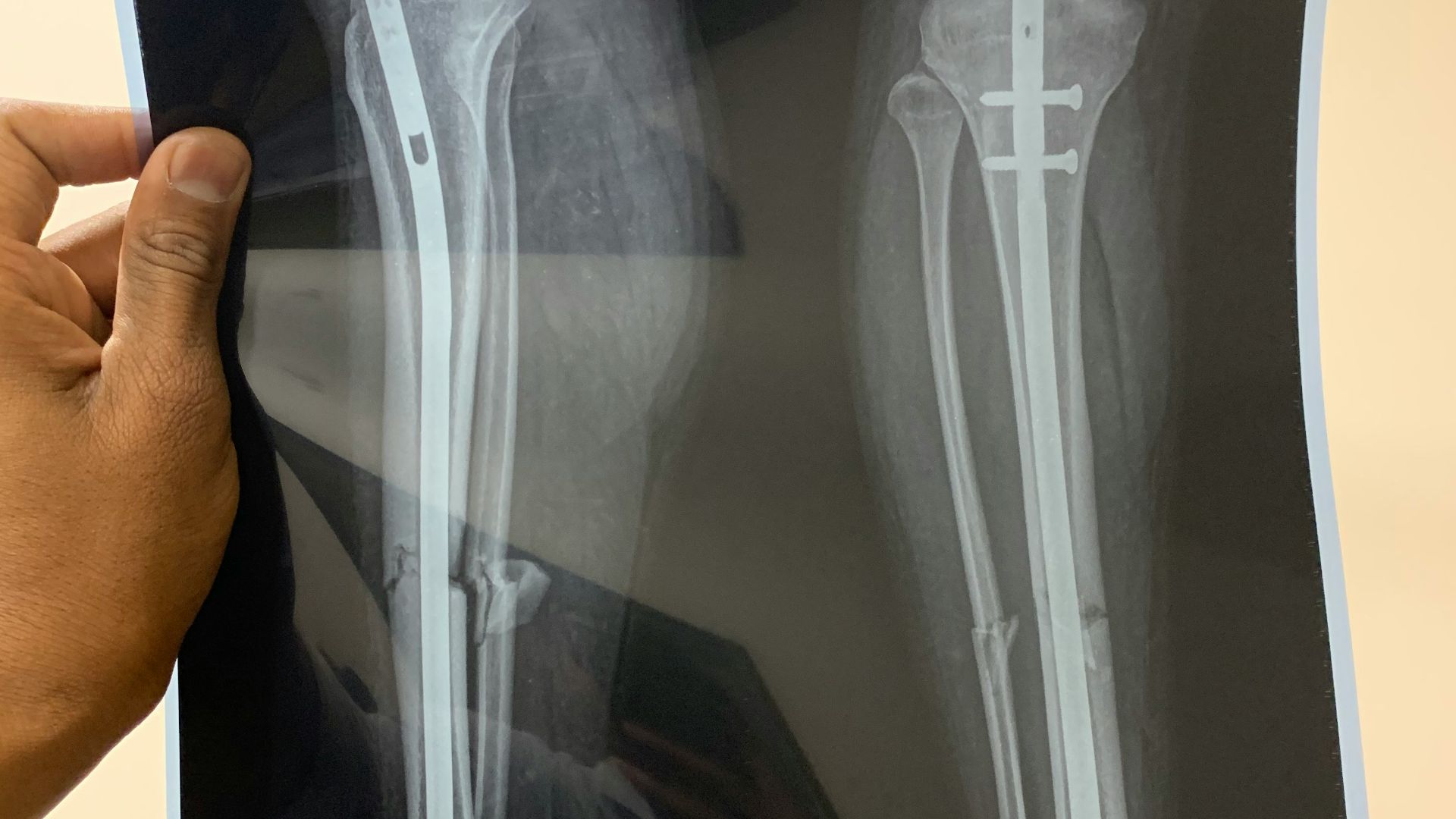
With some of the scary stuff out of the way, let’s explore a few green flags that a hip replacement likely won’t be on the table anytime soon.
1. Your Day Still Runs Normally
Occasional discomfort can still be annoying, but what matters most is whether you can function. Can you walk up the stairs? Can you handle basic stretching? If you can move without a thorn in your side, you might be able to stick with conservative care and keep an eye on any changes over time.

2. Conservative Care Gets You Through
If nonsurgical options are actually helping, that’s a solid sign you don’t need surgery right now. It’s hard to argue with a plan that’s making your days easier and your movement more manageable. As long as you’re getting meaningful relief, it usually makes sense to keep on keeping on.

3. Rest Actually Feels Restful
Isn’t it great when time in bed is actually useful? When your hip calms down once you sit or lie down, that usually suggests the discomfort isn’t running the show. That pattern also means you still have room to manage things without jumping straight to replacement.

4. Self-Care Isn’t a Struggle
If you can put on shoes and socks without turning it into a marathon, your range of motion may be holding up better than you think. Talk it out with your doctor and take note of your independence—it’s a meaningful win, even if you’ve got some stiffness here and there.

5. You Don’t Need a Cane Most Days
Walking around on your own is often a good sign! That doesn’t mean everything is perfect, but it does suggest you’re not at the point where mobility is always compromised. If you’re independent on your feet, chat with your doctor about further strengthening and symptom control.

6. Your Quality of Life is Mostly Intact
A little discomfort is one thing, but a major lifestyle shutdown is usually what pushes a replacement conversation forward. When your overall day-to-day life is still in good shape, the conservative lane often makes sense.

7. You Haven’t Tried The Full Basics Yet
The last thing you want to do is jump down the line without trying other things first. If you haven’t gone through a structured plan like targeted exercise, movement training, or a well-thought-out strategy, there may be plenty of runway left before surgery makes sense. A lot of people underestimate how much progress can happen with the right plan.
 National Cancer Institute on Unsplash
8. It’s Being Managed as Early-Stage Arthritis
When your function is still strong, replacement typically isn’t the first move. So, if your clinician’s treating your arthritis as early-stage, there’s still a strong case for nonsurgical care. The goal is usually to improve comfort and function while keeping the joint happy.

9. Symptoms Don’t Point to Surgery
If your imaging doesn’t show severe damage, it’s harder to justify a major step like replacement. While a scan is only part of the story, your ability to live your life matters just as much. It’s always better to talk things out with your doctor before either of you concretely lands on something.

10. You’ve Made A Clear, Informed Plan With Your Clinician
A thoughtful decision beats a rushed one, especially when you’ve still got workable options on the table! If you and your clinician have landed on a plan that doesn’t include surgery next, that’s a very real sign you’re not there yet.

KEEP ON READING



20 Questions Every Senior Should Ask Their Doctor