
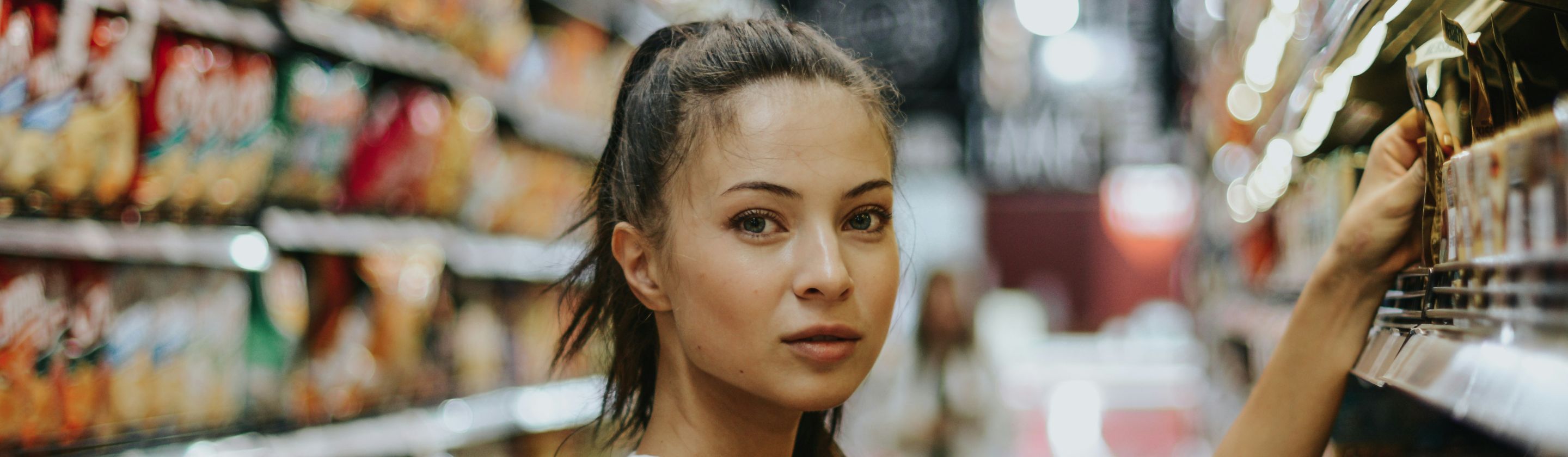
The Aisles Are Designed To Sell, Not To Support Your Goals
Grocery stores are carefully engineered environments, and "healthy choices" are rarely placed where you can find them. The bright end caps, the cozy bakery smell near the entrance, the snack wall by the registers... none of that is accidental. Those are sales tactics, and they work on almost everyone. Throw in a busy schedule, a tight budget, and the very human urge to just get dinner on the table, and it's no surprise that you’re gravitating towards the unhealthier aisles of the store. Even people who read labels and cook at home get tripped up by packaging language, portion tricks, and convenience foods that quietly pack in sugar, sodium, or refined starches. Here are the 20 most common ways we get nudged off course when we're trying to eat better.
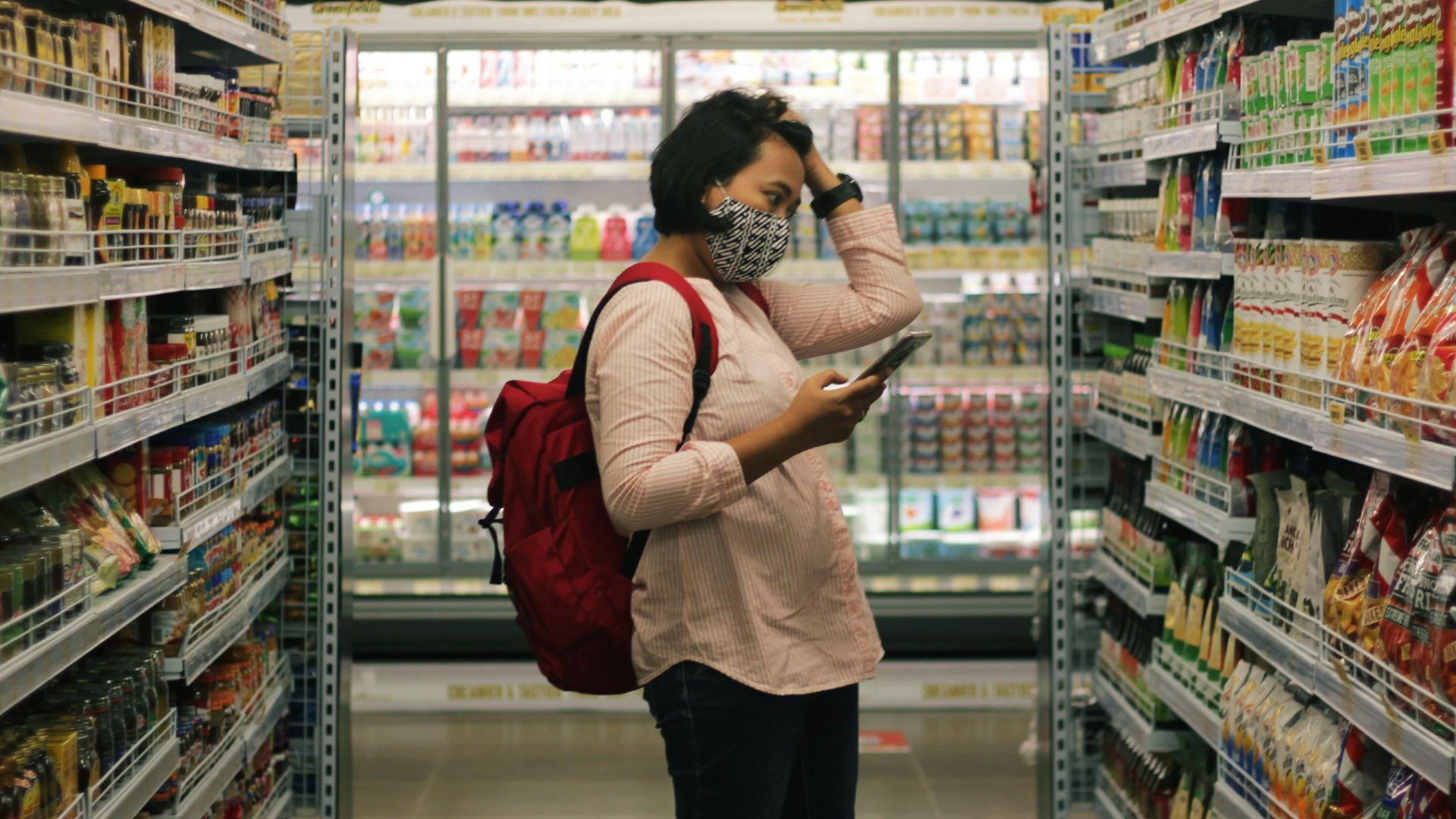
1. Shopping Hungry
Walking into a grocery store hungry makes the store feel way more persuasive. While research has linked hunger with higher-calorie impulse purchases, we probably don’t need to tell you that. If you’ve ever been shopping while hungry, you know exactly what kind of food ends up in your cart.
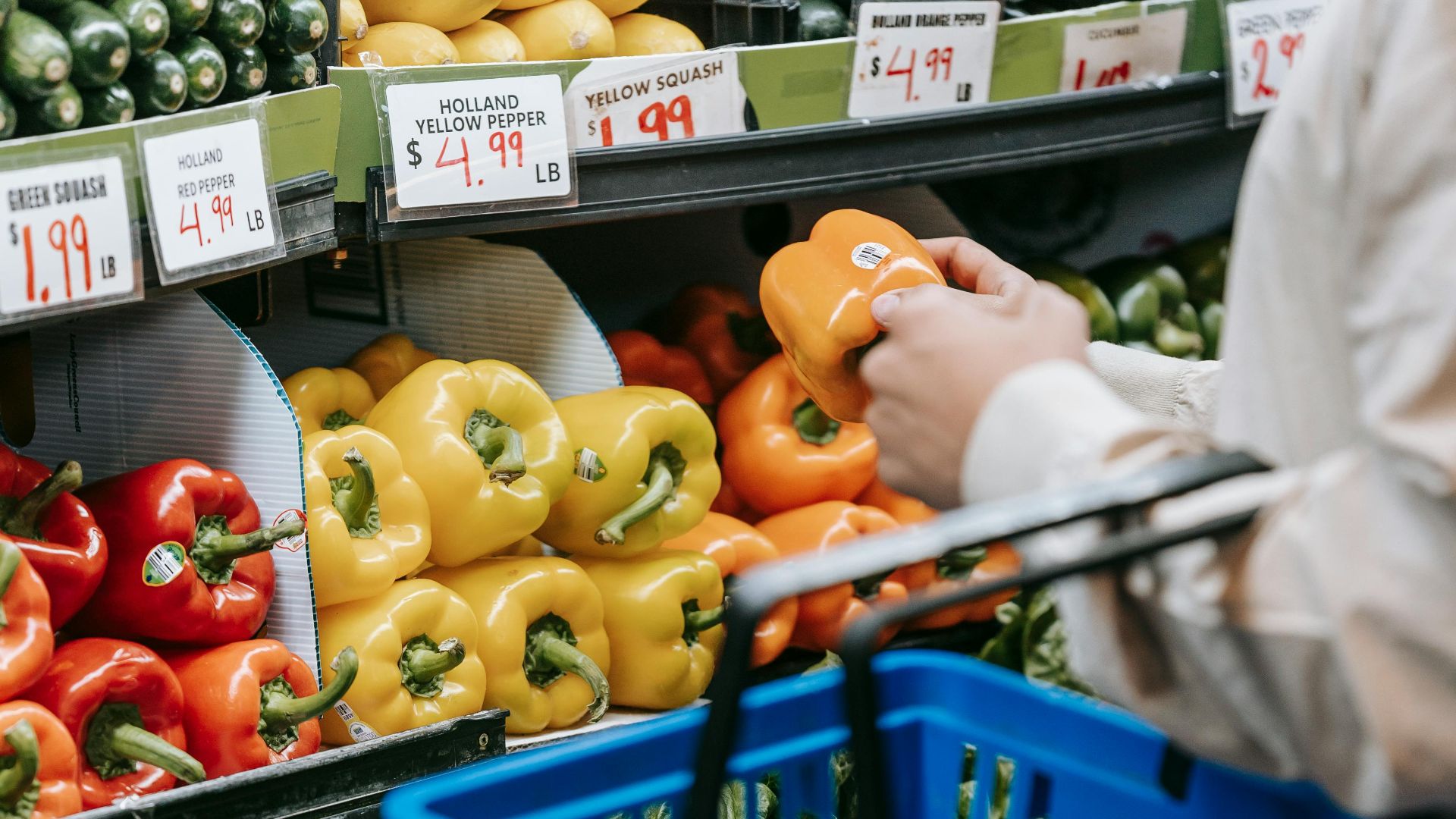
2. Skipping The Perimeter
The outer loop is usually where produce, eggs, plain dairy, meat, seafood, and frozen basics live, while the inner aisles contain the heavily processed food. Starting in the middle means filling the cart with "extras," leaving less room and money for the good stuff.
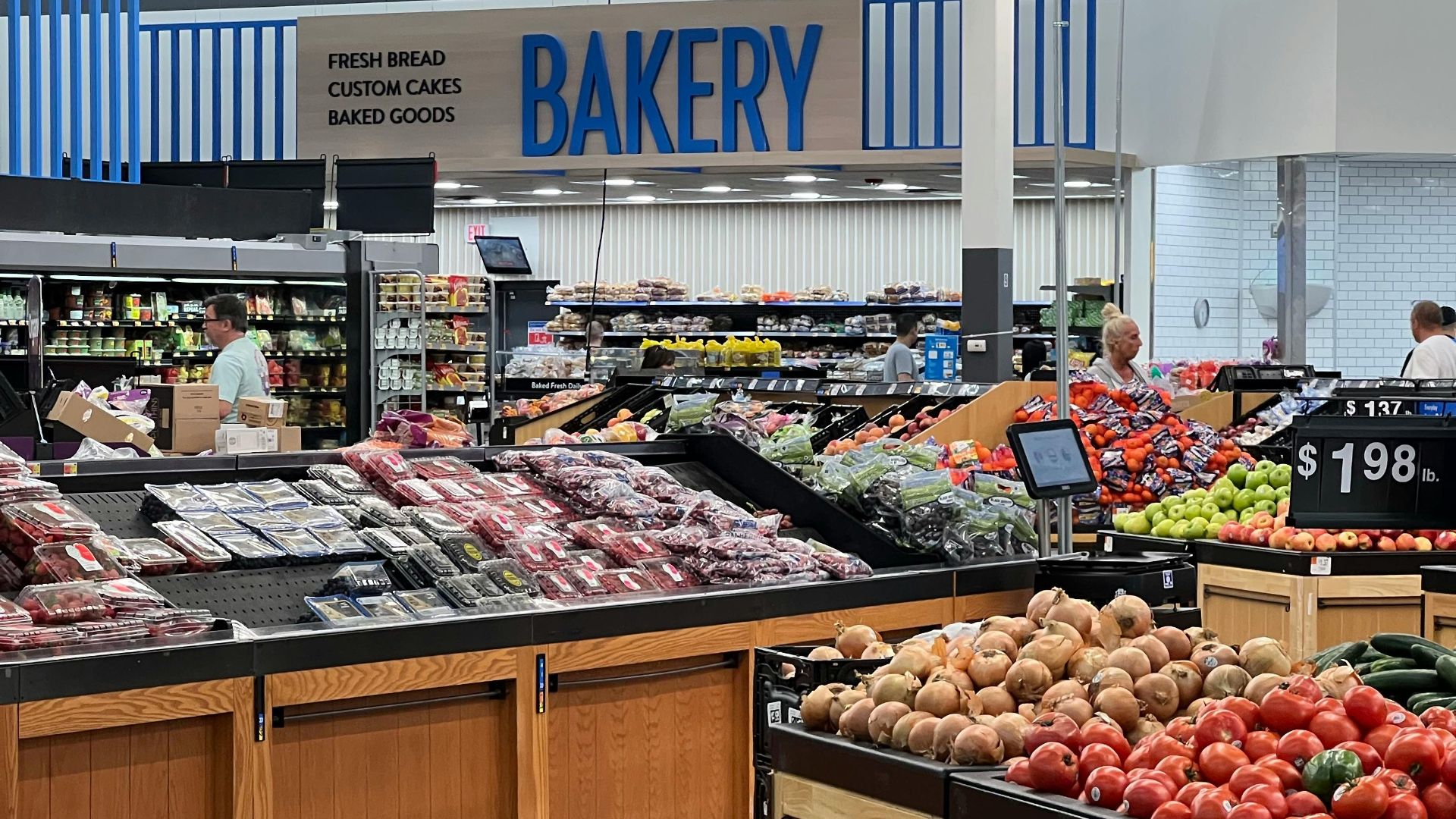
3. Reading Nutrition Facts, But Not The Ingredients
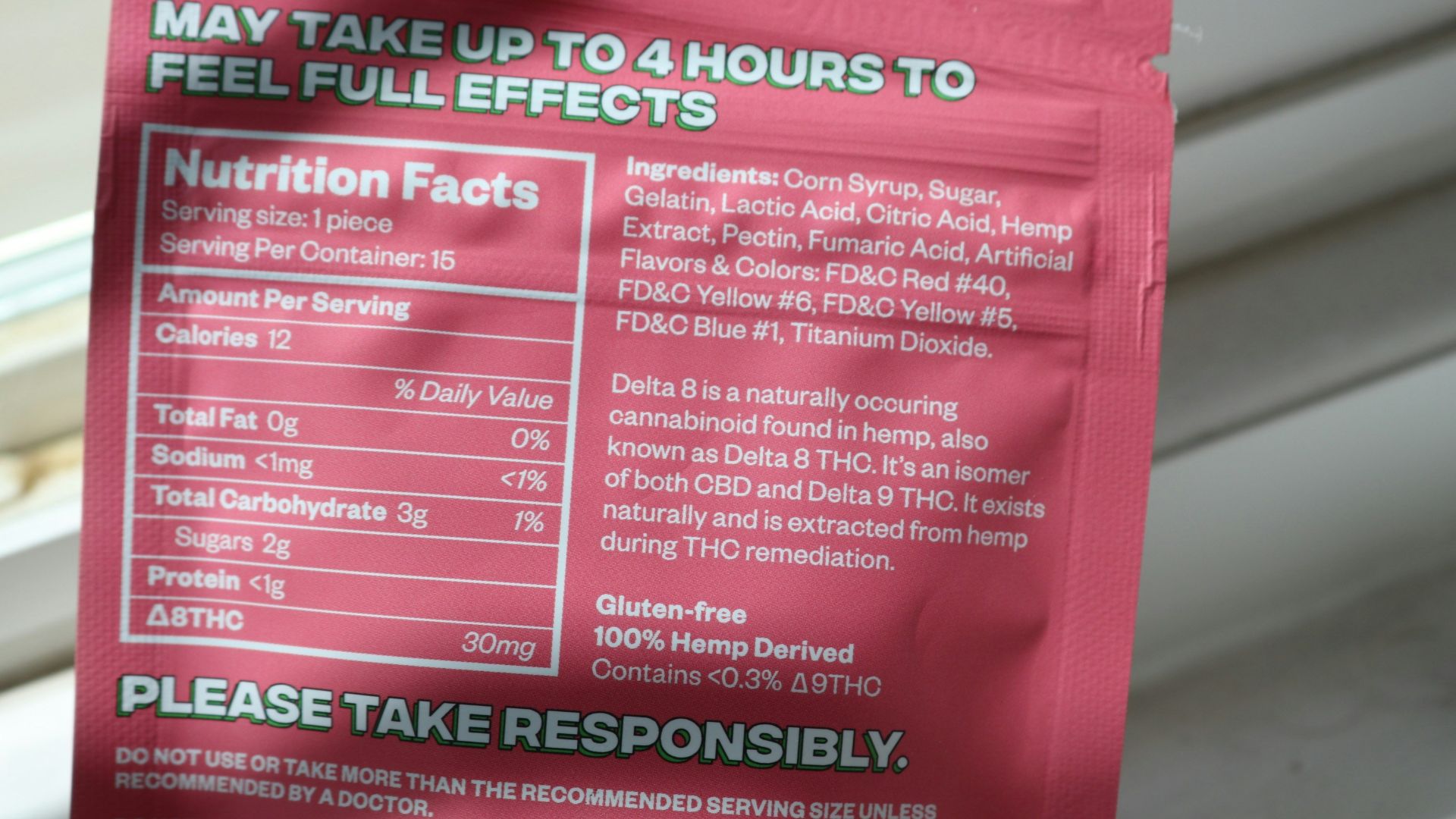
A package can look perfectly reasonable on the front panel, but then the ingredient list tells a completely different story, with multiple sweeteners, concentrates, and starches doing the heavy lifting. It’s best to figure out what items are at the top of the ingredient list, as that will tell you if the product is good for you or not.
4. Falling For Low-Fat Labels
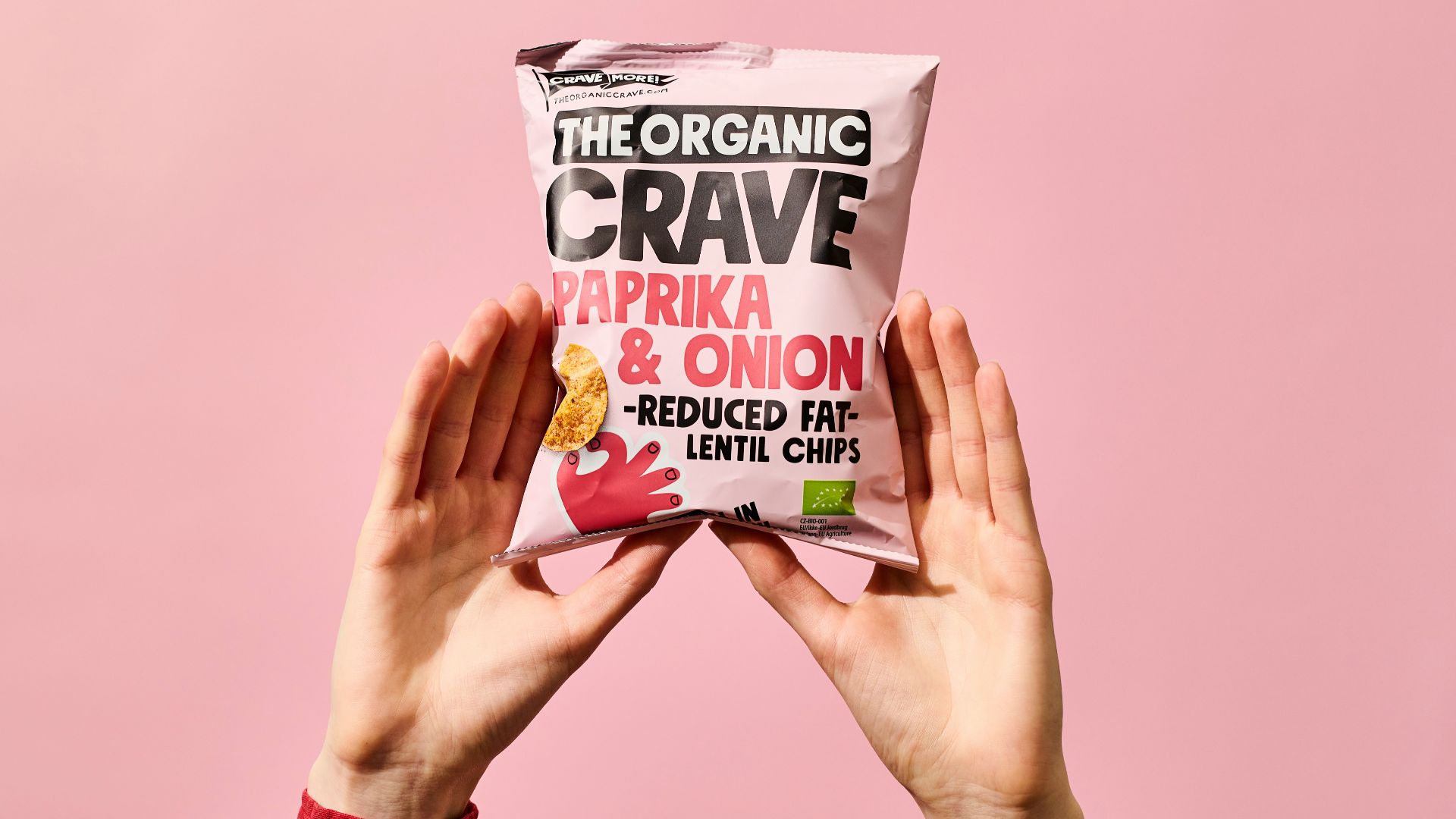
"Low-fat" often means the product needs something else to taste good, which usually translates into high sugar content. This shows up a lot in flavored dairy, sauces, and snacks that look virtuous until you notice the added sweeteners buried in the ingredients.
 THE ORGANIC CRAVE Ⓡ on Unsplash
5. Buying 100-Calorie Packs That Don't Satisfy
Tiny packs can feel like "control," yet they often leave you prowling the pantry an hour later. In this case, you’re better off pre-portioning regular-sized snacks, which will keep you much more satisfied in the long run.

6. Avoiding The Frozen Aisle
Frozen fruit and vegetables are picked at peak ripeness and frozen, so they can be nutritionally solid choices. Skimping out on them only makes your weeknight cooking harder, especially if fresh produce spoils before you can use it.
7. Ignoring Canned Staples
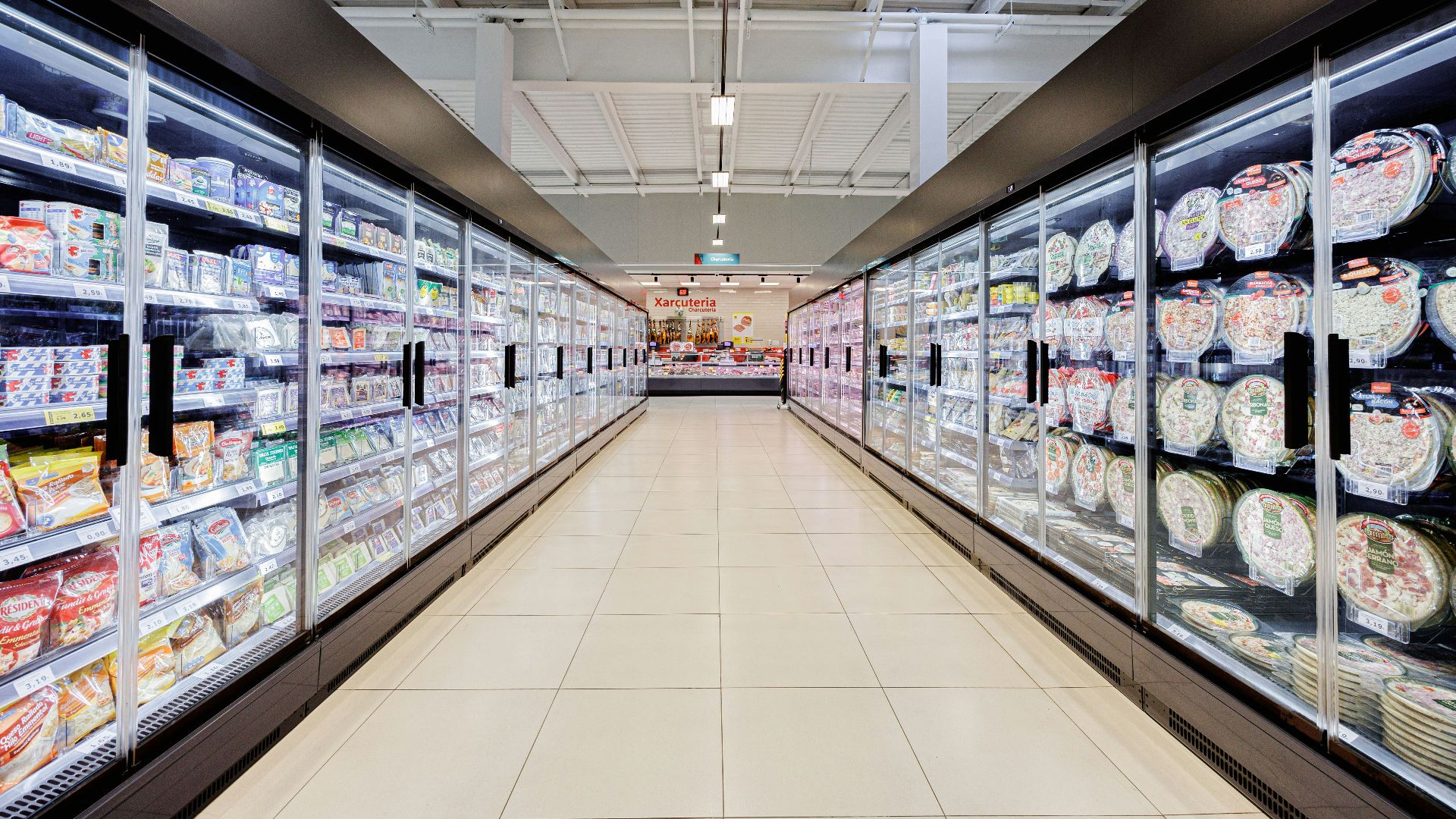
Canned beans, tomatoes, pumpkin, sardines, and salmon are affordable, quick, and useful for healthy meal planning. The trap is deciding "fresh only" is the gold standard, then abandoning your meal plan when fresh options are pricey or inconvenient.
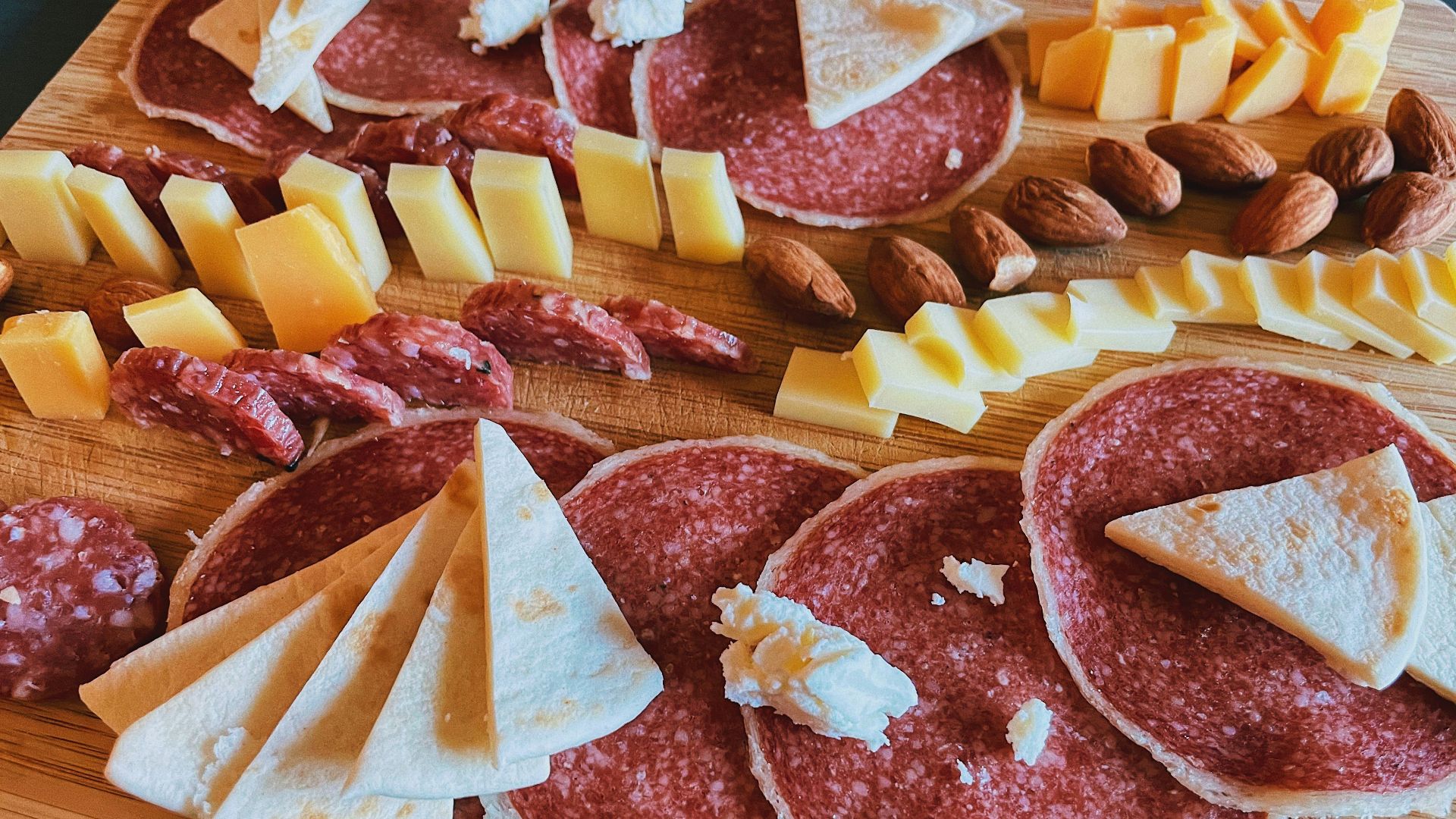
8. Leaning Too Hard On Deli Meats And Cheeses
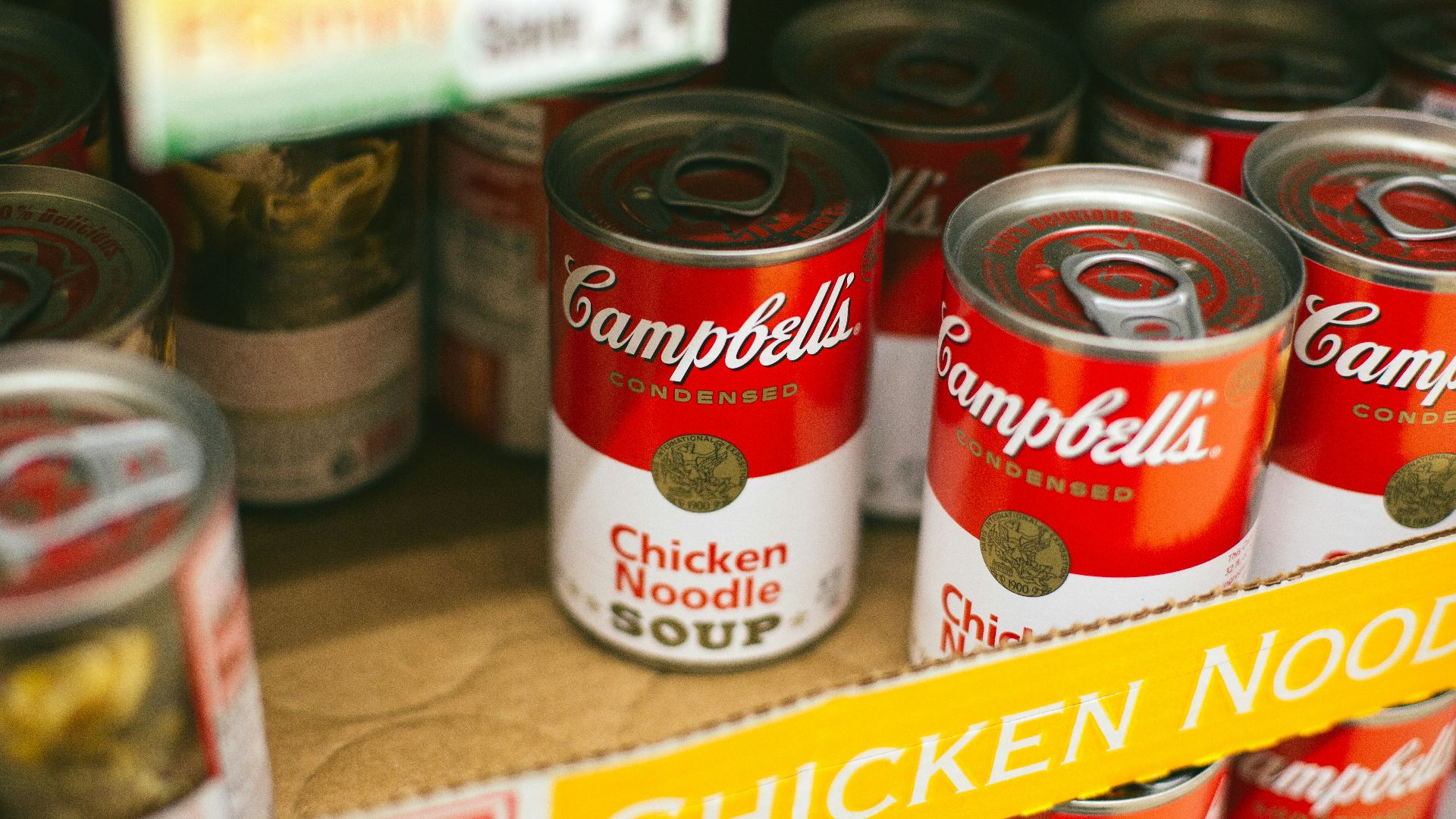
Delicatessens and many sliced cheeses run high in sodium, and processed meats have been linked in large bodies of research to poorer long-term health outcomes. Even when the sandwich is on whole-grain bread, you still end up eating a lot more salt than you expected.
9. Treating Organic As The Only Acceptable Option
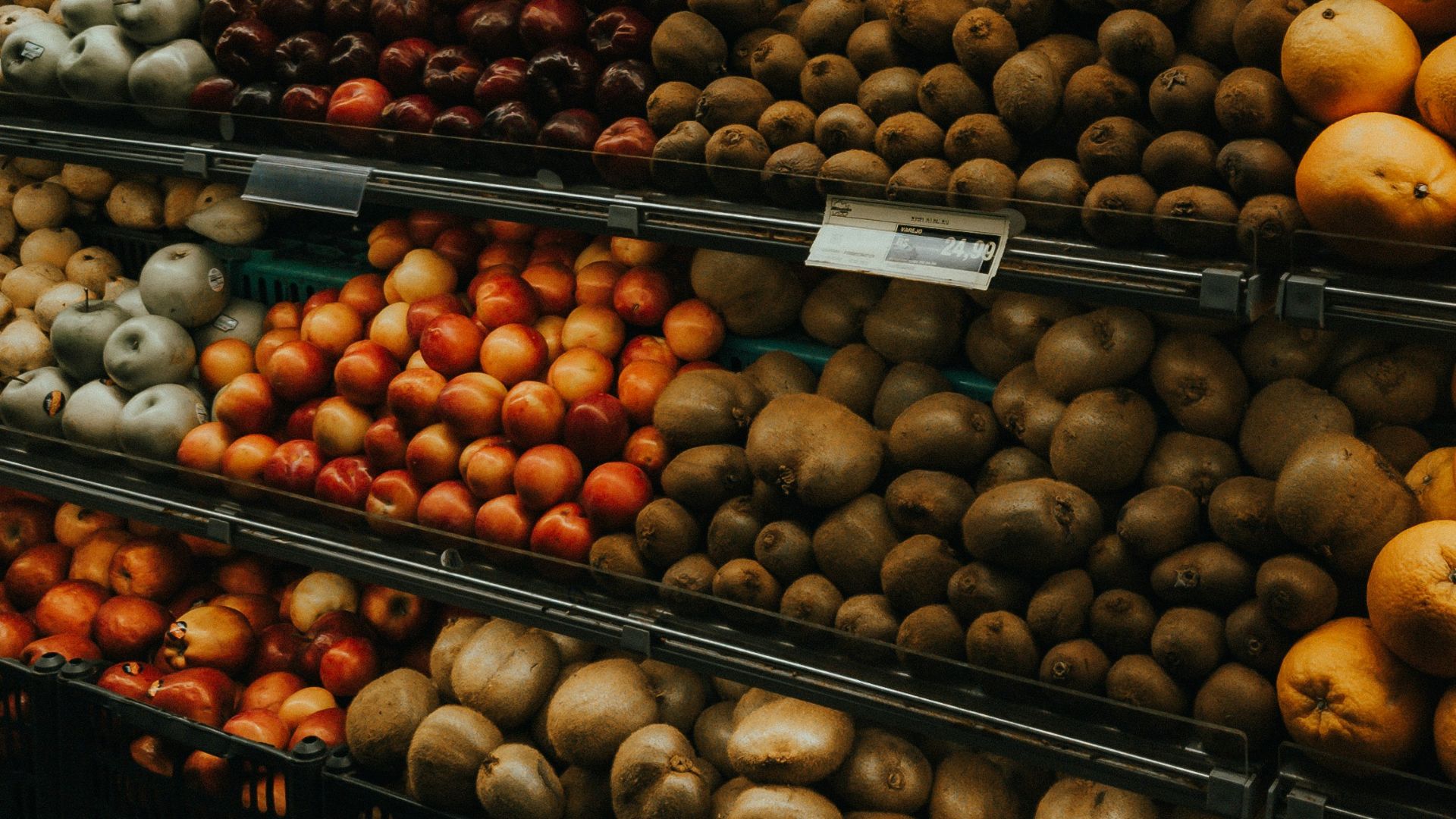
Deciding only organic "counts" can shrink a produce list down to a point where you're barely buying anything. Eating more fruits and vegetables matters more than perfection, and conventional produce still supports a nutrient-dense eating pattern.
10. Falling For The Whole-Grains Trick
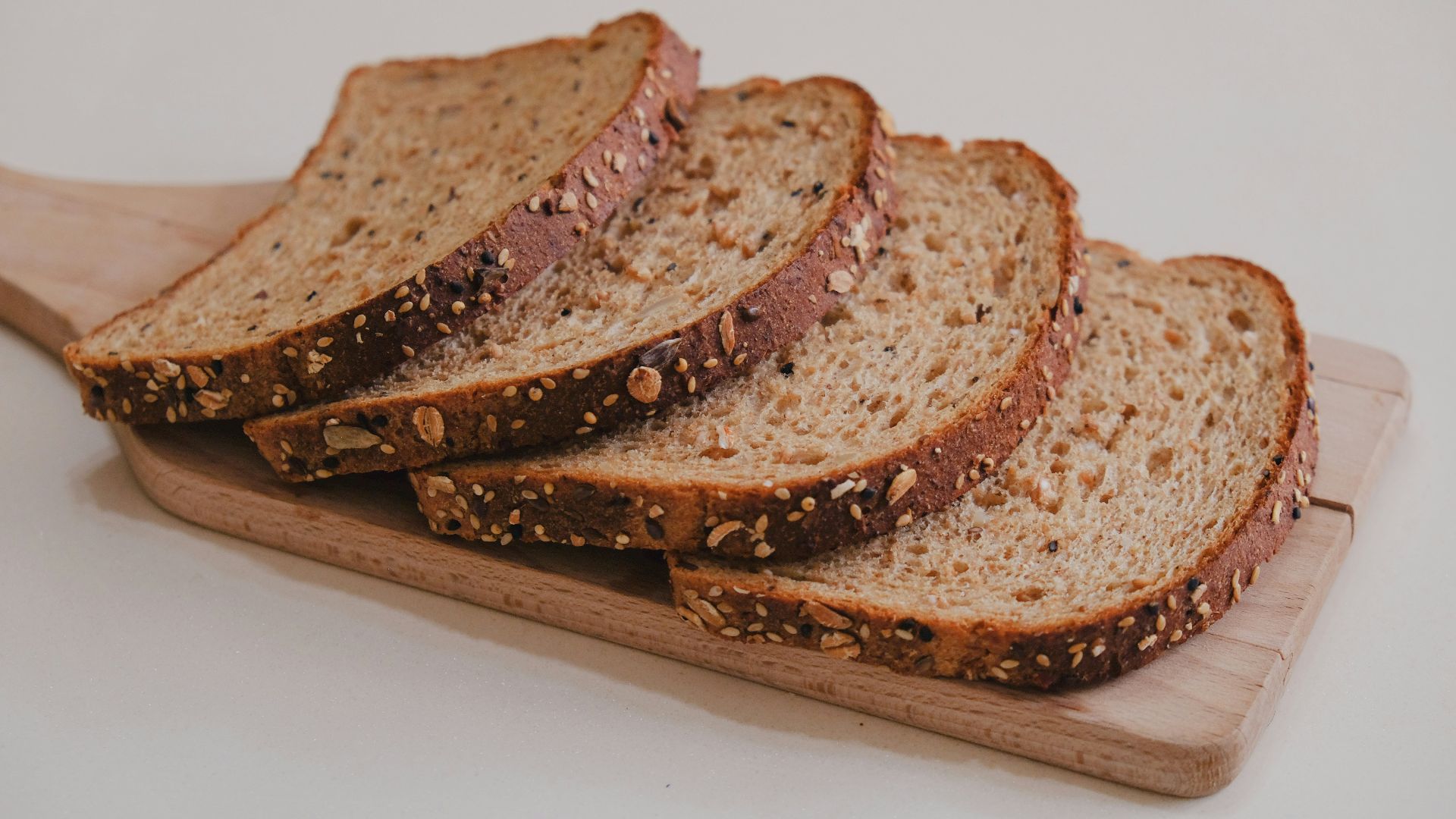
That phrase can mean a sprinkle of whole grain mixed into refined flour — especially with breads, crackers, and cereals. A better clue is seeing whole wheat, oats, or brown rice listed first, alongside a decent amount of fiber per serving.
11. Choosing Flavored Yogurts
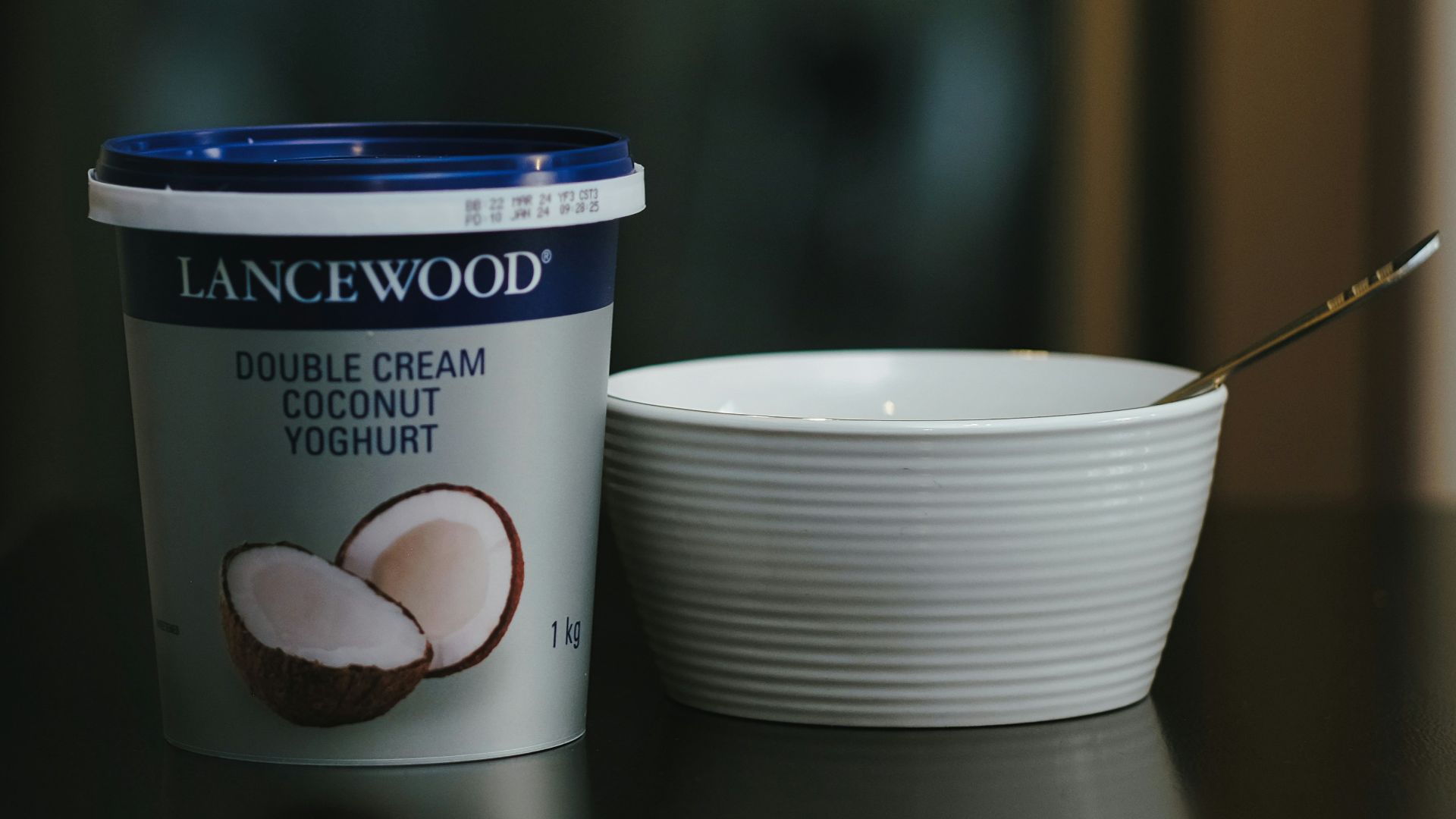
A small yogurt cup can turn into a dessert when it includes candy-like mix-ins or a thick layer of sweetened fruit at the bottom. Plain or lightly sweetened yogurt with your own berries, cinnamon, or chopped nuts is definitely the healthier option in the long run.
12. Buying Sale Items You Didn't Plan To Eat
End-cap deals may help you feel like you’re saving money, even when the item isn't something you normally buy. You may think you’re going to cook something with that item, but we promise it’s okay to skip out on the deals if you’re unsure what to do with it.
13. Shopping Without A List
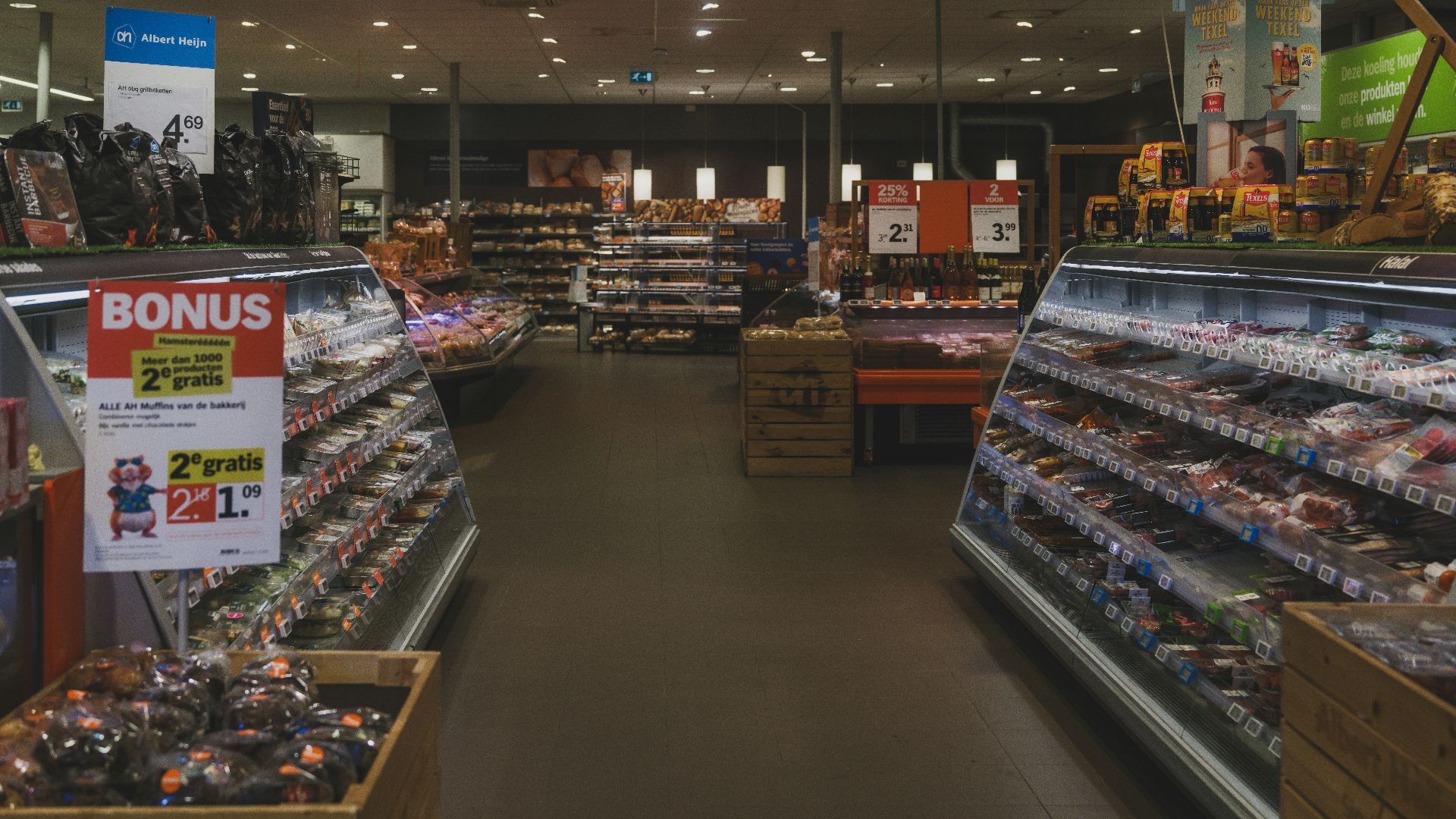
Without a list, shopping is based on whatever catches your eye — and stores are built to make sure you see the highest-margin products first. A simple plan keeps you from wandering into the snack aisle "just to look" and leaving with a cart full of things you never meant to buy.
14. Paying For Pre-Cut Produce
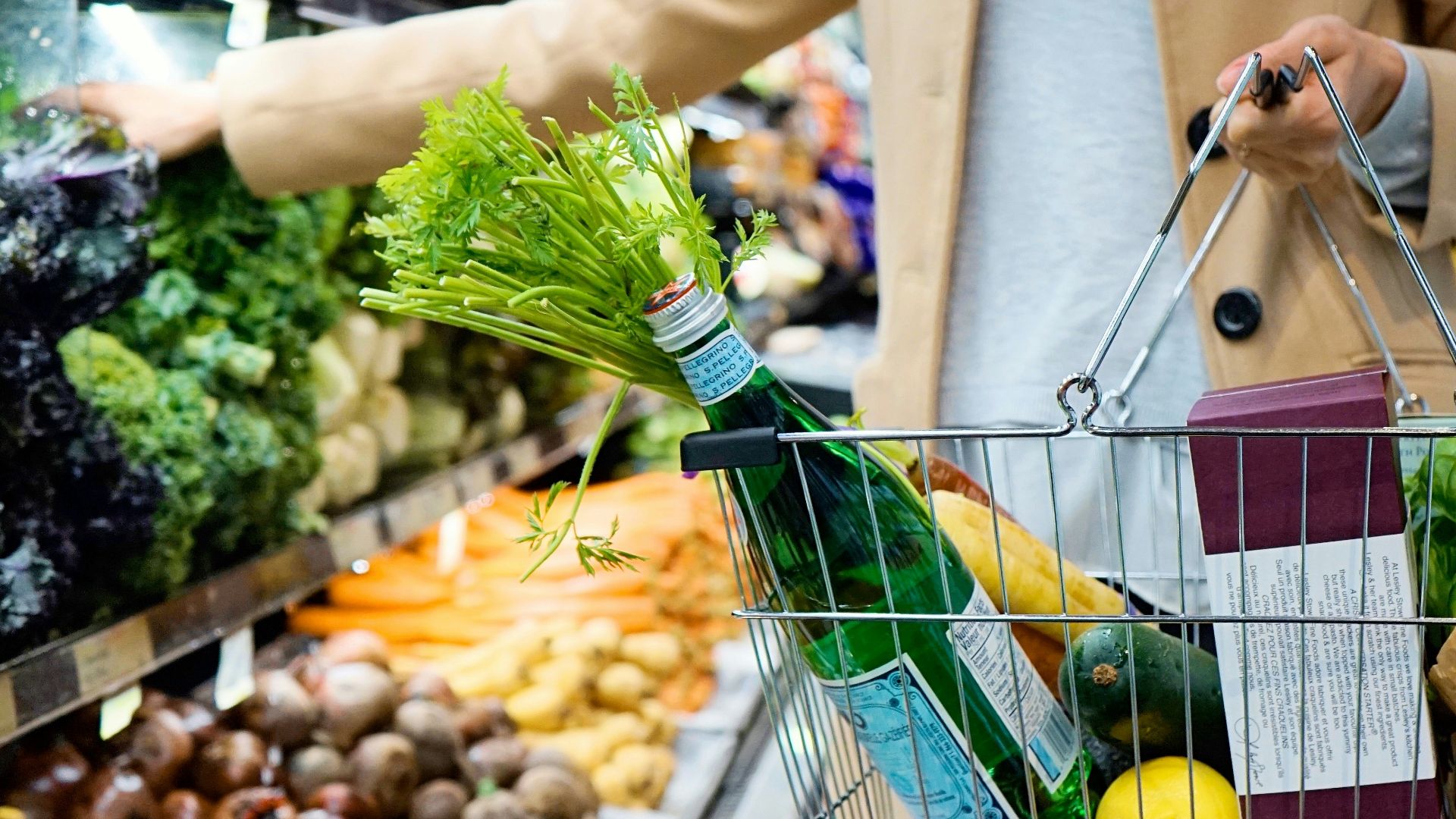
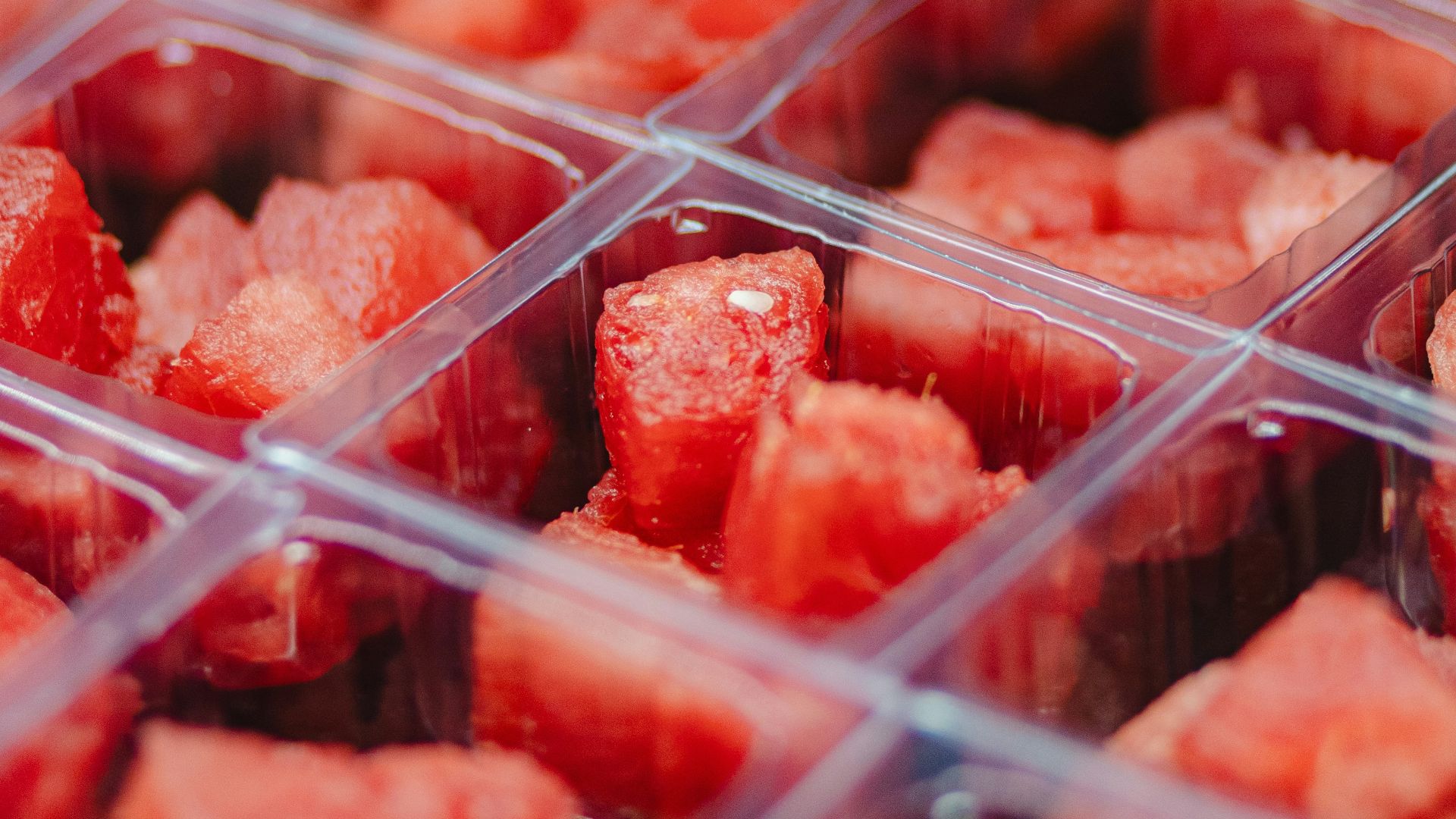
Pre-cut fruit and veggie trays can be helpful sometimes, yet they often cost significantly more and spoil faster once opened. If it works for you, great, but most of us are better off doing a little bit of meal prep. It’ll cost the same, or less, to buy carrots, peppers, celery, cucumber, and any other veggie separately.
15. Grabbing Ground Meat Without Checking Leanness
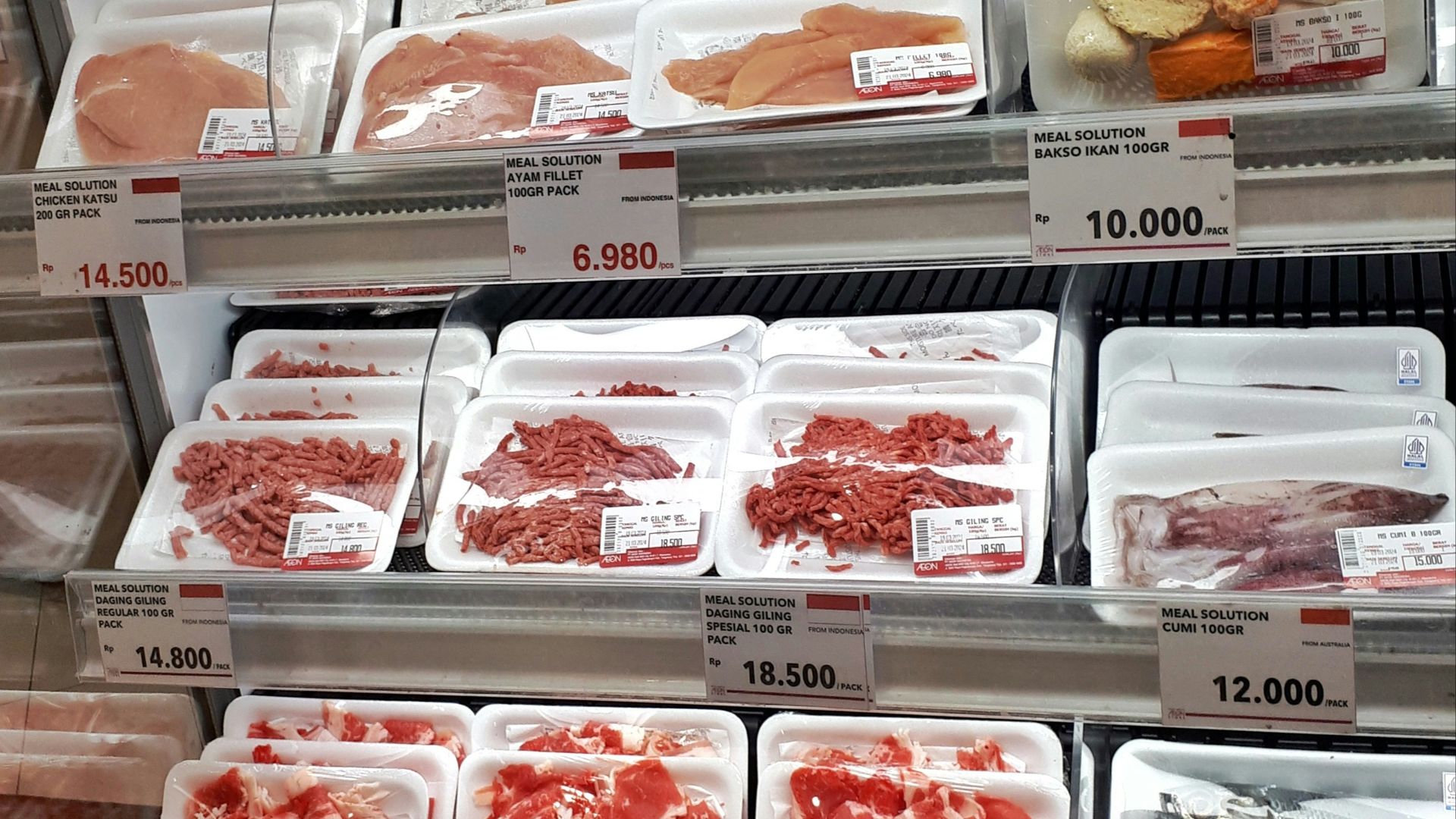
Ground meats vary a lot. The difference between 70/30 and 95/5 changes the calorie and saturated fat load exponentially. Choosing leaner options, or mixing ground meat with beans or chopped mushrooms, keeps meals hearty without making them heavy.
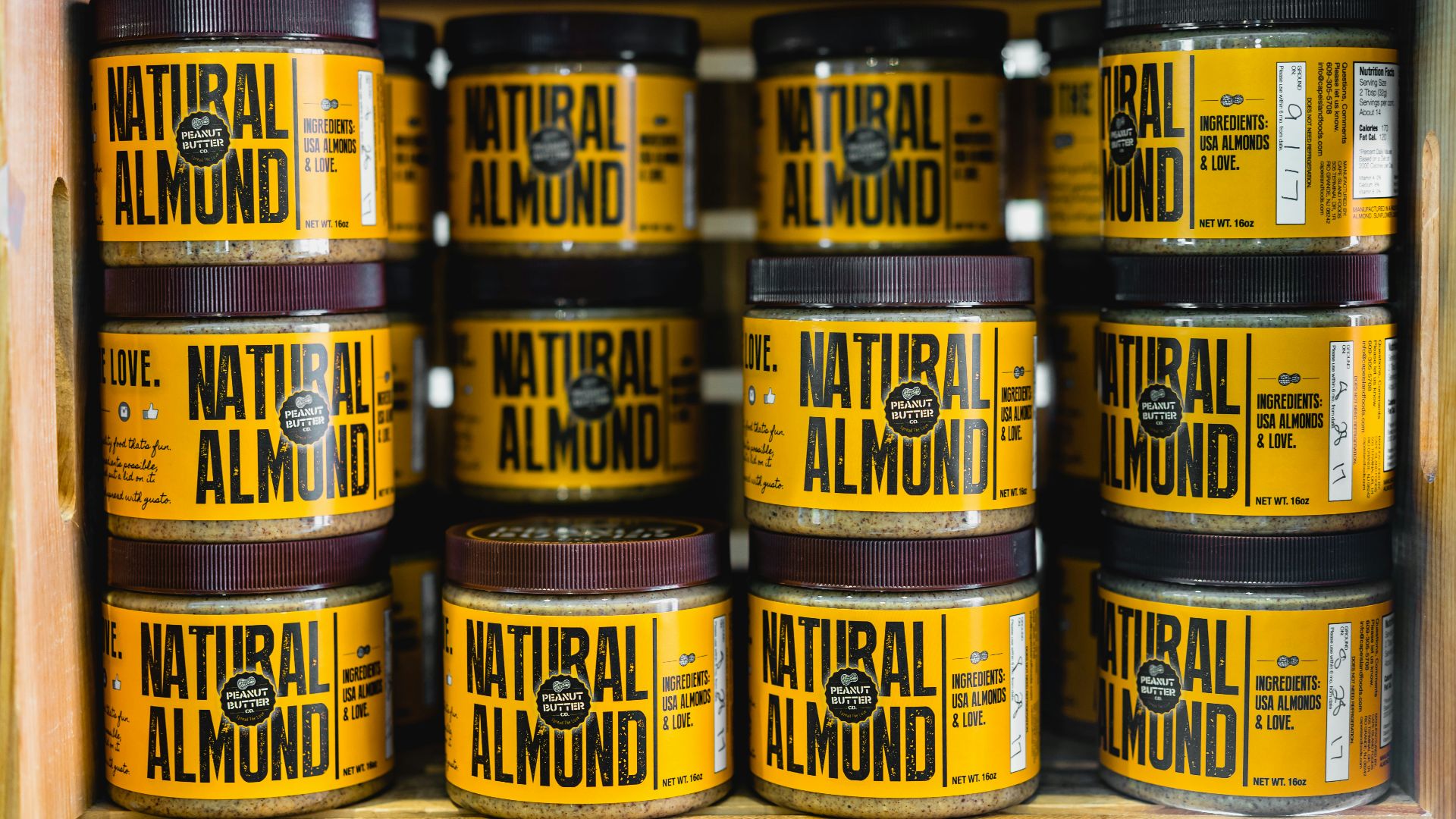
16. Trusting The Word “Natural”
Words like "natural" can sound reassuring while telling you almost nothing about added sugar, sodium, or processing. The trap is letting the front label think for you, while you avoid checking the nutrition label or ingredient list.
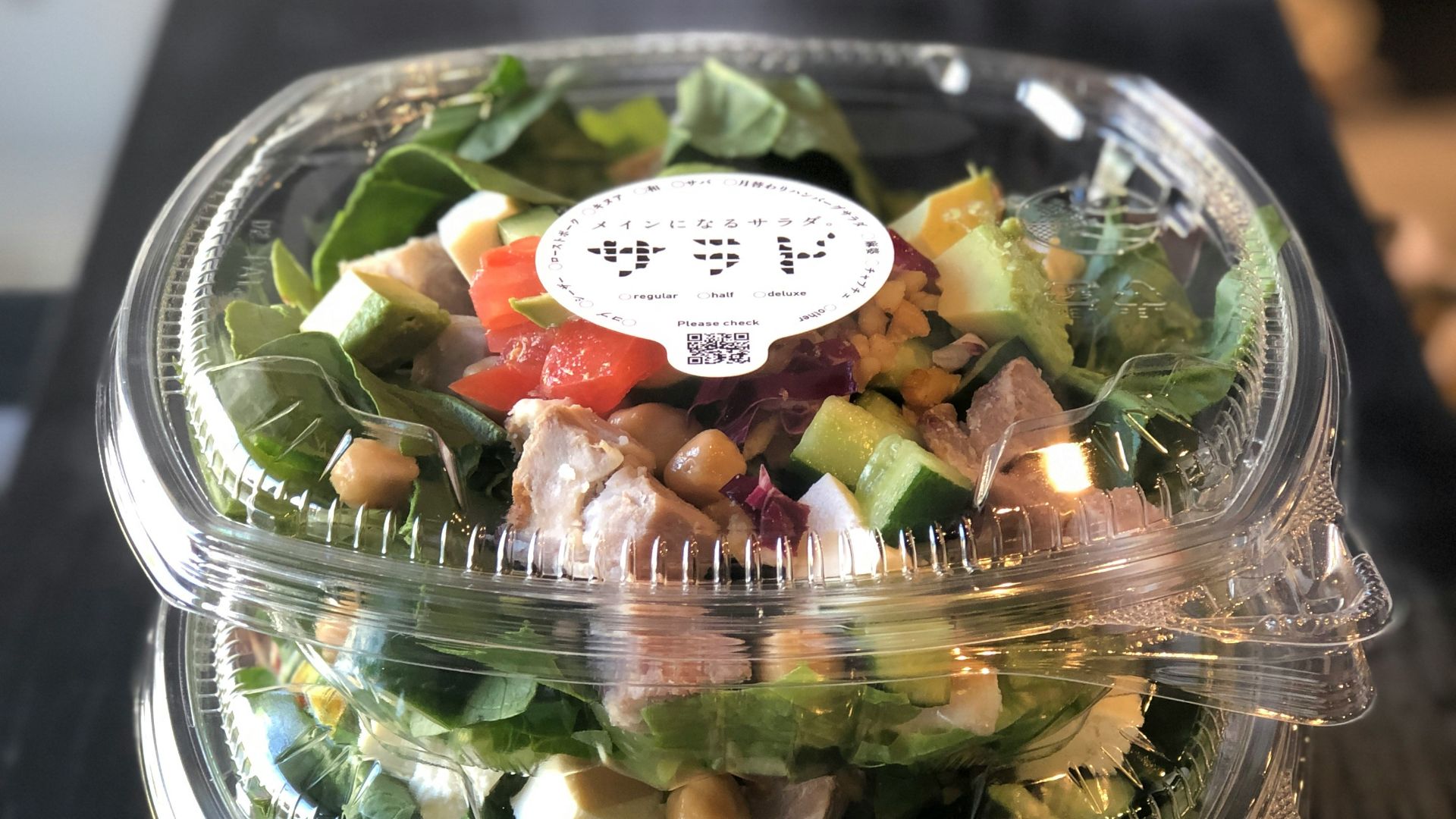
17. Buying Pre-Packaged Salads
Bagged salads can be great, until the kit includes a sugary, creamy dressing and crunchy toppings that push calories and sodium way up. Using half the dressing, swapping in olive oil and vinegar, or adding your own protein keeps this product convenient without overdoing it on the unhealthier ingredients.
18. Refined Grains
Many breads and cereals are built on refined flour, then "fortified" to look impressive on the nutrition label. Whole grains and higher-fiber options will keep you fuller for longer, and won’t cause you to suffer through a midday sugar crash.

19. Juice And Fruit Pouches
Even when a label says "fruit," juices and purees can concentrate sugars while removing much of the fiber you'd get from whole fruit. Dietary guidance commonly recommends keeping added sugars under 10 percent of daily calories. Sadly, sweet drinks make that limit very easy to blow past.

20. Getting Cornered At The Checkout
Checkout lanes are stocked with candy, soda, and salty snacks. Planning for that moment ahead of time by keeping gum, sparkling water, or a small snack in mind makes the final trap a lot less effective.

KEEP ON READING



10 Pre-Workout & 10 Post-Workout Tips To Follow