
The Myths Your Doctor Wishes You'd Stop Believing
We inherit health advice from parents, pick up tips from gym bros, and absorb medical “wisdom” from gurus with performing arts degrees. Some of these beliefs made sense given what we knew fifty years ago. Others never had any scientific basis at all. These misconceptions range from harmless folk advice to potentially dangerous, and yeah, you probably believe at least a few of them. Here are twenty health facts that have no basis in reality.

1. You Need Eight Glasses of Water Daily
This rule likely originated from a 1945 Food and Nutrition Board recommendation that adults consume about 2.5 liters of water daily. What gets omitted is that the recommendation included water from all sources, including fruits, vegetables, coffee, tea, and other beverages. Rather than rigid targets, rely on thirst as your guide. Pale yellow urine indicates adequate hydration as well.

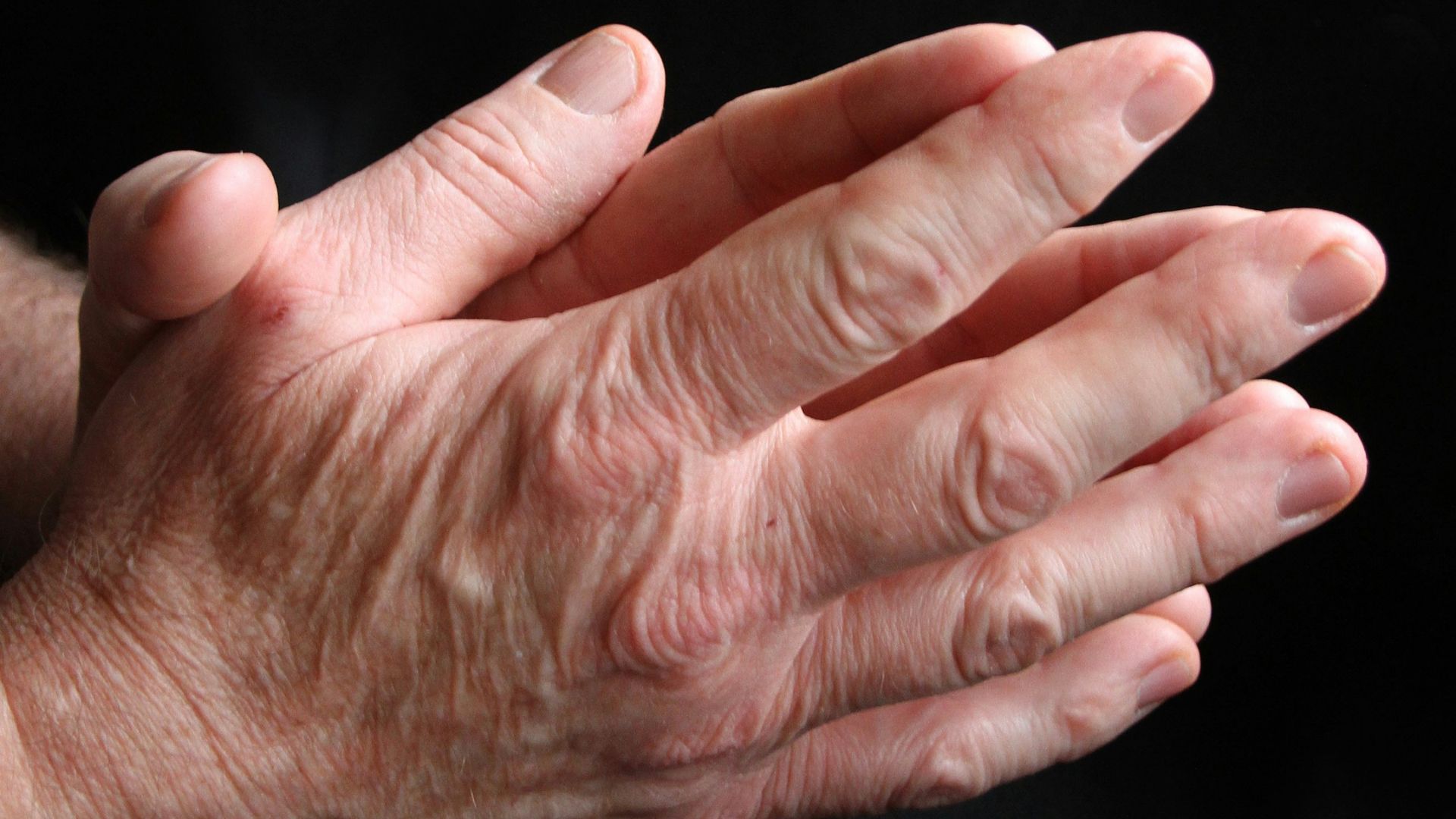
2. Cracking Your Knuckles Causes Arthritis
Generations of grandmothers have warned against this, but multiple studies have found no link between knuckle cracking and arthritis. Habitual crackers might experience reduced grip strength or hand swelling, though even that evidence remains weak.
3. Reading in Dim Light Damages Your Eyes
Reading in poor lighting makes your eyes work harder, causing fatigue, dry eyes, and temporary discomfort. Once you rest your eyes or improve the lighting, symptoms resolve completely. The myth probably persists because parents needed a reason to get kids to stop reading under the covers with a flashlight.

4. Sugar Makes Kids Hyper
Double-blind studies repeatedly show no connection between sugar consumption and hyperactivity in children. The reality is that birthday parties and holidays feature both sugar and excitement. We blame the cake instead of the fact that twenty screaming children create chaos regardless of frosting intake.

5. You Lose Most Body Heat Through Your Head
This persistent myth stems from flawed 1950s military experiments in which subjects wore survival suits but no hats. Of course, they lost heat through their exposed heads—it was the only uncovered part. They’d have lost just as much heat through an exposed arm or leg.

6. Wait 30 Minutes After Eating Before Swimming
No evidence supports this. The American Red Cross doesn't recommend waiting. The American Academy of Pediatrics doesn't either. Swimming on a full stomach might cause cramping or discomfort, especially during vigorous swimming, though the risk remains minimal.

7. You Can “Boost” Your Immune System
The immune system isn’t a muscle you can supercharge with supplements. It’s a tightly regulated network that works best in balance, not overdrive. An overactive immune response is what causes allergies, autoimmune disease, and cytokine storms. Vitamins, herbs, and powders can help people who are deficient return to normal—not exceed it.

8. MSG Causes Headaches and Other Symptoms
“Chinese restaurant syndrome” was described in a 1968 letter to the New England Journal of Medicine. Decades of research have failed to confirm MSG sensitivity in controlled conditions. Glutamate occurs naturally in tomatoes, cheese, mushrooms, and breast milk, meaning you’ve consumed it your entire life.

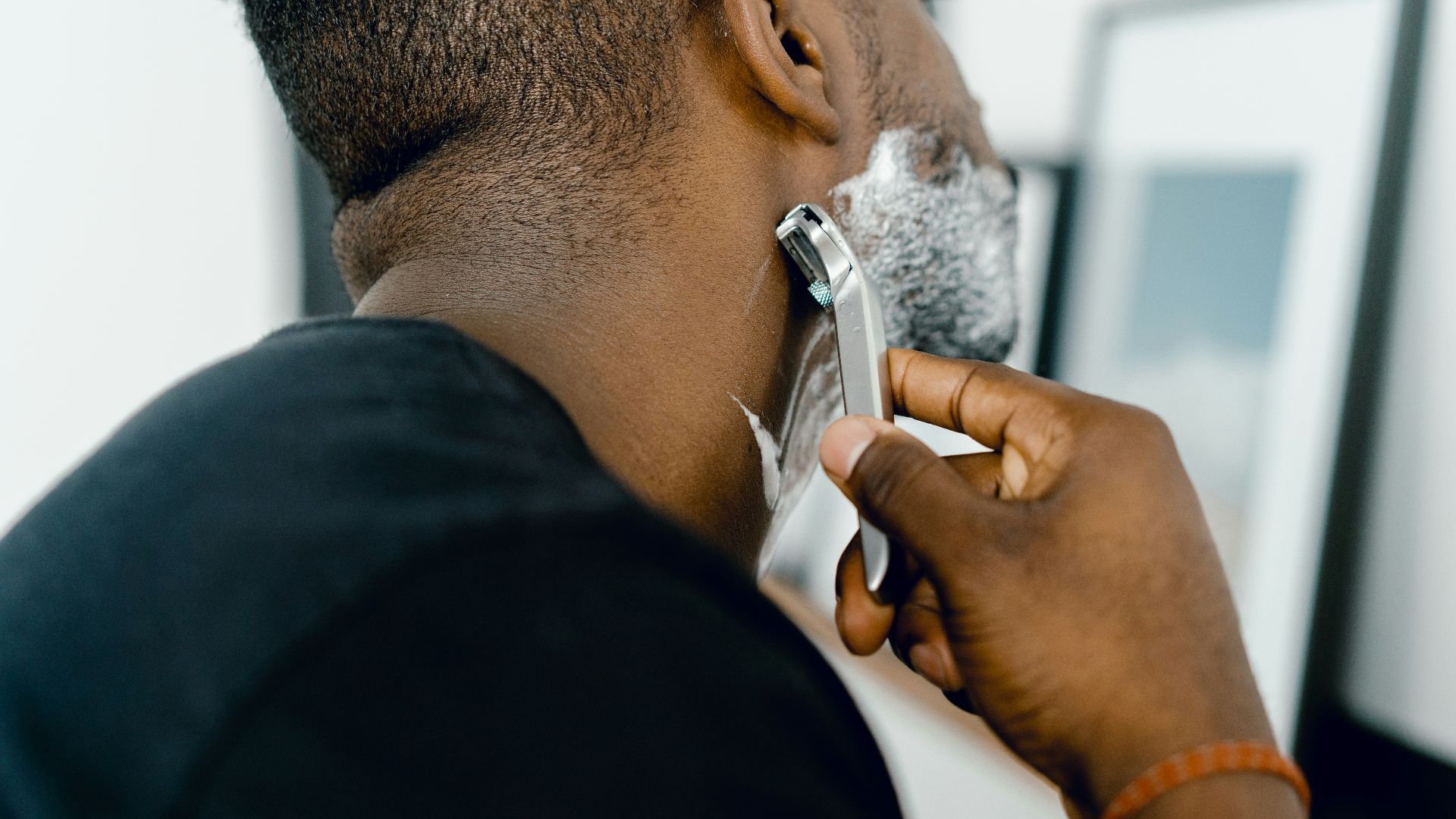
9. Shaving Makes Hair Grow Back Thicker and Darker
Shaving cuts hair at its thickest point, making stubble feel coarser. The hair shaft tapers naturally, so unshaven hair has a finer tip. Shaving doesn't affect hair growth rate, thickness, or color. Studies using microscopic analysis show no difference in hair shaft thickness before and after shaving.
10. Chicken Soup Cures Colds
Warm liquids soothe sore throats, steam loosens congestion, and the soup provides hydration and nutrients. The psychological comfort matters too. Mostly, chicken soup works because colds resolve on their own within a week, and warm, nourishing food makes you feel better while waiting.

11. Feed a Cold, Starve a Fever
This saying dates back centuries. Modern medicine disagrees with both halves. Your body needs adequate nutrition and hydration regardless of illness type. When you're sick, eat if you're hungry, drink plenty of fluids, and rest. Forcing yourself to eat or deliberately restricting intake serves no therapeutic purpose.

12. Alcohol Kills Brain Cells
Chronic alcoholism causes Wernicke–Korsakoff syndrome through thiamine deficiency, not direct cell death. The brain contains roughly 86 billion neurons. Having a beer won't obliterate them, though chronic heavy drinking absolutely causes brain changes and cognitive decline.

13. You Only Use 10% of Your Brain
Neuroimaging studies definitively disprove this. Different regions activate for different functions, so you're not using everything simultaneously. This myth probably persists because it's comforting to imagine vast untapped potential. Unfortunately, we're already using our whole brain.

14. Eating Fat Makes You Fat
The low-fat diet craze of the 1980s and 1990s demonized dietary fat. Science now recognizes that fat doesn't inherently cause weight gain—excess calories do. Healthy fats from avocados, nuts, olive oil, and fish provide essential nutrients.

15. Gum Takes Seven Years to Digest
Your body can't digest the elastomers that make gum chewy, but that doesn't mean it sits in your stomach for seven years. Swallowed gum passes through your digestive system and exits within days, like other indigestible materials such as corn kernels, fiber, and sesame seeds.

16. Natural Sugar Is Better Than Refined Sugar
Honey, agave nectar, maple syrup, and coconut sugar market themselves as healthier alternatives to white sugar, but your body processes them essentially the same way. Fructose is fructose whether it comes from an agave plant or a sugar beet.
17. Toilet Seats Spread STDs
STD transmission requires direct contact with infected bodily fluids through mucous membranes. Toilet seats don't provide the warm, moist environment most STD pathogens need to survive. The organisms causing gonorrhea, chlamydia, syphilis, and HIV cannot survive on toilet seats.
 Point3D Commercial Imaging Ltd. on Unsplash
18. Organic Food Is More Nutritious
Multiple studies comparing organic and conventional produce find minimal nutritional differences. Organic farming prohibits synthetic pesticides and fertilizers, which matters for environmental and other health-related reasons. Nutritionally speaking, an organic apple and a conventional apple deliver essentially the same vitamins, minerals, and fiber.

19. Brown Eggs Are Healthier Than White Eggs
Shell color depends on chicken breed. That's it. The nutritional content is identical. Brown eggs typically cost more because brown-egg-laying breeds are larger and eat more feed, increasing production costs.

20. You Can Sweat Out Toxins
Sweat is mostly water and electrolytes. Only trace amounts of heavy metals or chemicals leave through sweat. Your liver and kidneys do the real detox work. Sweating feels good, improves cardiovascular fitness, and helps regulate body temperature, but it doesn’t cleanse your body.
 CRYSTALWEED cannabis on Unsplash