
Breaking Down Defenses
Nobody wakes up thinking they'll mess with their immune system today. Yet millions of people do exactly that through everyday habits that seem harmless enough. Your defense system is tougher than you think, but it's not invincible. Stress piles up, sleep gets skipped, and those quick lifestyle choices start adding up in ways you won't notice until you're sick again. Here are 20 things that can weaken your immune system.

1. Chronic Sleep Deprivation
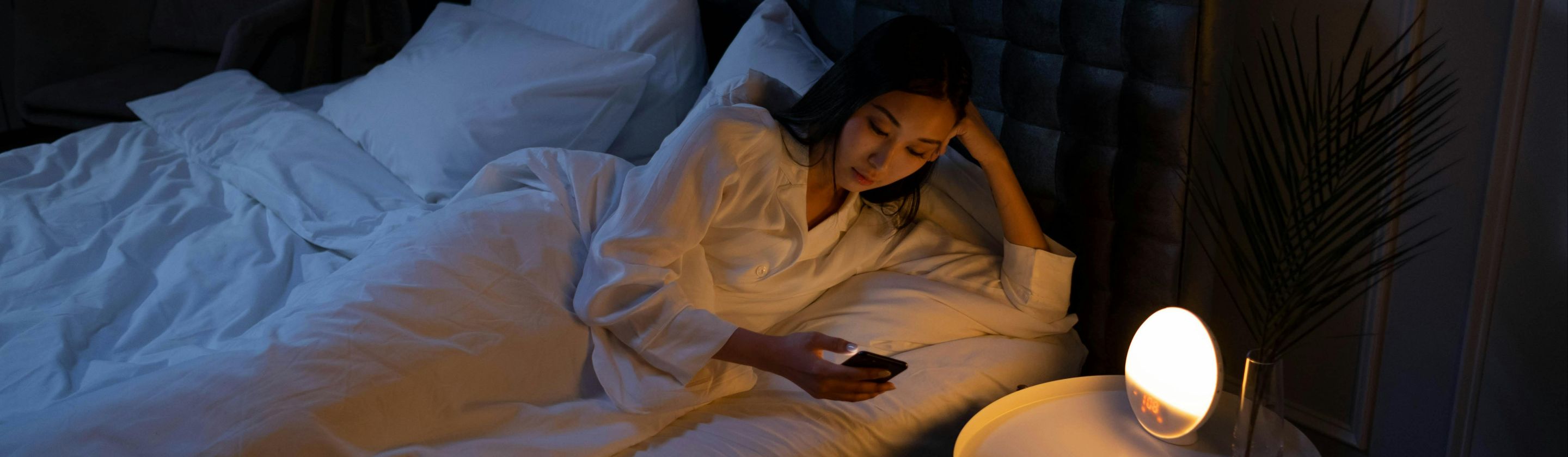
When you're burning the midnight oil night after night, your body's defense system starts running on fumes. Without proper rest, your body struggles to recover from the everyday wear and tear of stress, leaving you vulnerable to those common colds and infections.

2. Long-Term Psychological Stress
The constant mental pressure of deadlines, worries, and life's curveballs does more than just exhaust your mind. It keeps your entire body locked in emergency mode. Your digestive system gets thrown off course when stress takes over.

3. Excessive Sugar Intake
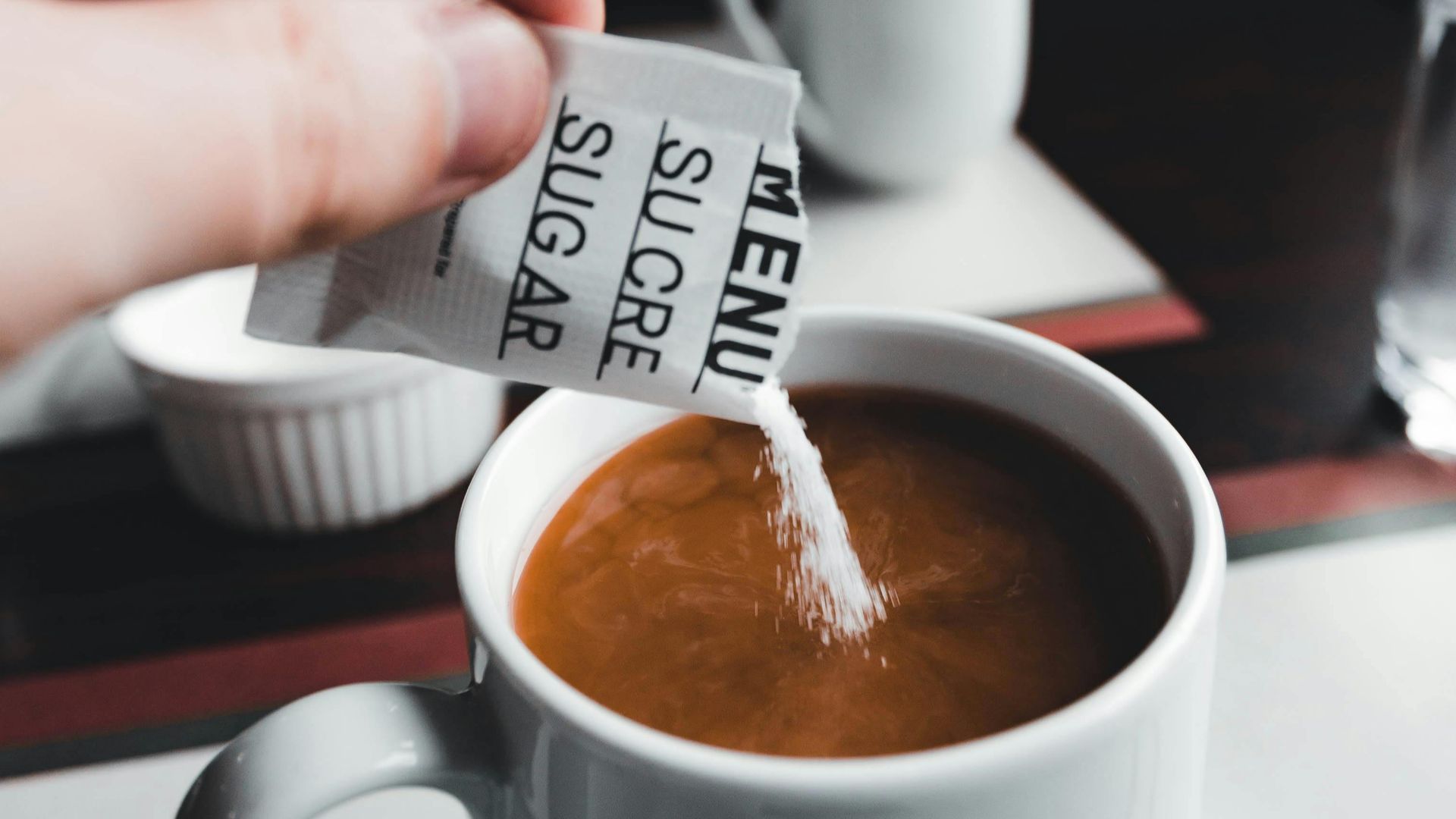
That afternoon candy bar or a sweetened coffee drink might give you an instant energy boost, but too much added sugar actively interferes with your body's natural defense responses against invaders. What makes sugar particularly problematic is how it crowds out the good stuff.
4. Smoking
Every puff of cigarette smoke delivers thousands of harmful chemicals directly into your lungs, damaging the very organs responsible for protecting you from respiratory infections. The protective lining of your respiratory tract gets progressively weaker with continued smoking.
5. Heavy Alcohol Consumption
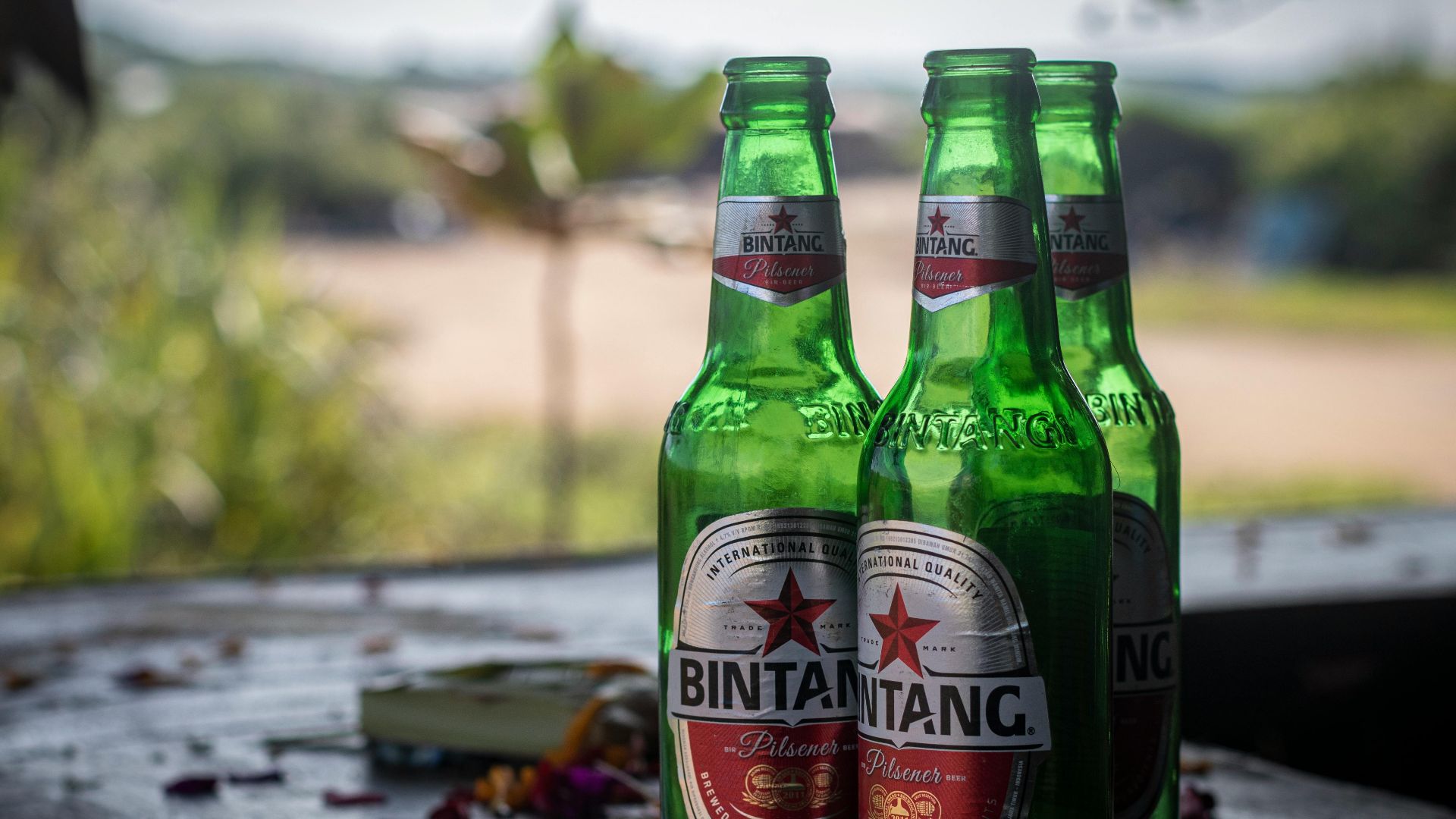
Did you know that your gut houses a huge portion of your immune system? And excessive alcohol throws this system into chaos. When you're regularly drinking heavily, your body's ability to bounce back from illness becomes significantly compromised.
6. Vitamin D Deficiency
This critical vitamin acts as a master regulator of your immune responses. People get this essential nutrient from three main sources: sunlight exposure (which triggers production in your skin), certain foods like fatty fish and fortified dairy, and supplements when needed.

7. Zinc Deficiency
Behind the scenes of your immune system's operations, zinc plays an absolutely essential role in the development and function of your infection-fighting cells. Your body's healing process slows when zinc levels drop too low, making cuts take longer to close.
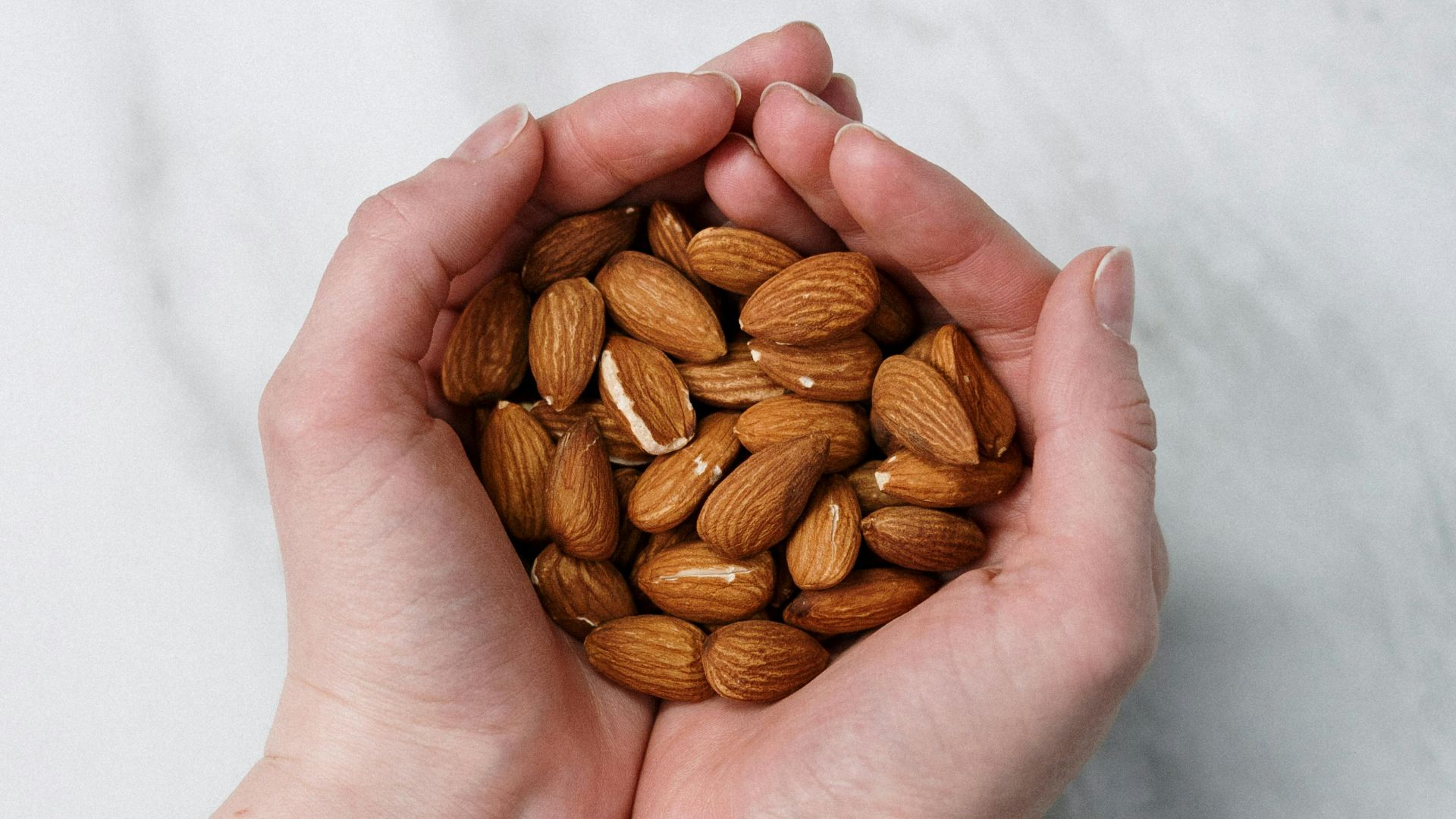
8. Sedentary Lifestyle
When you spend most of your day sitting, your circulation slows to a crawl, and since your immune system relies on good blood flow to transport defensive cells where they're needed, this creates a problem. Stiffness and low energy come with prolonged inactivity.

9. Obesity
Carrying excess body fat puts physical strain on multiple organs that play supporting roles in your immune function. This makes it harder for your body to maintain its defenses. This condition typically goes hand-in-hand with reduced activity levels.

10. Severe Calorie Restriction/Malnutrition
At the opposite end of the spectrum, not eating enough robs your body of the fundamental building blocks it needs to maintain immune function, leaving your defenses severely compromised. Malnutrition weakens your muscles and drains your energy levels.

11. Chronic Overuse Of Antibiotics
Here's an ironic twist: the very medications designed to fight bacterial infections can actually undermine your body's natural defenses when used too frequently. The problem lies in your gut, where trillions of beneficial bacteria form a critical part of your immune system.
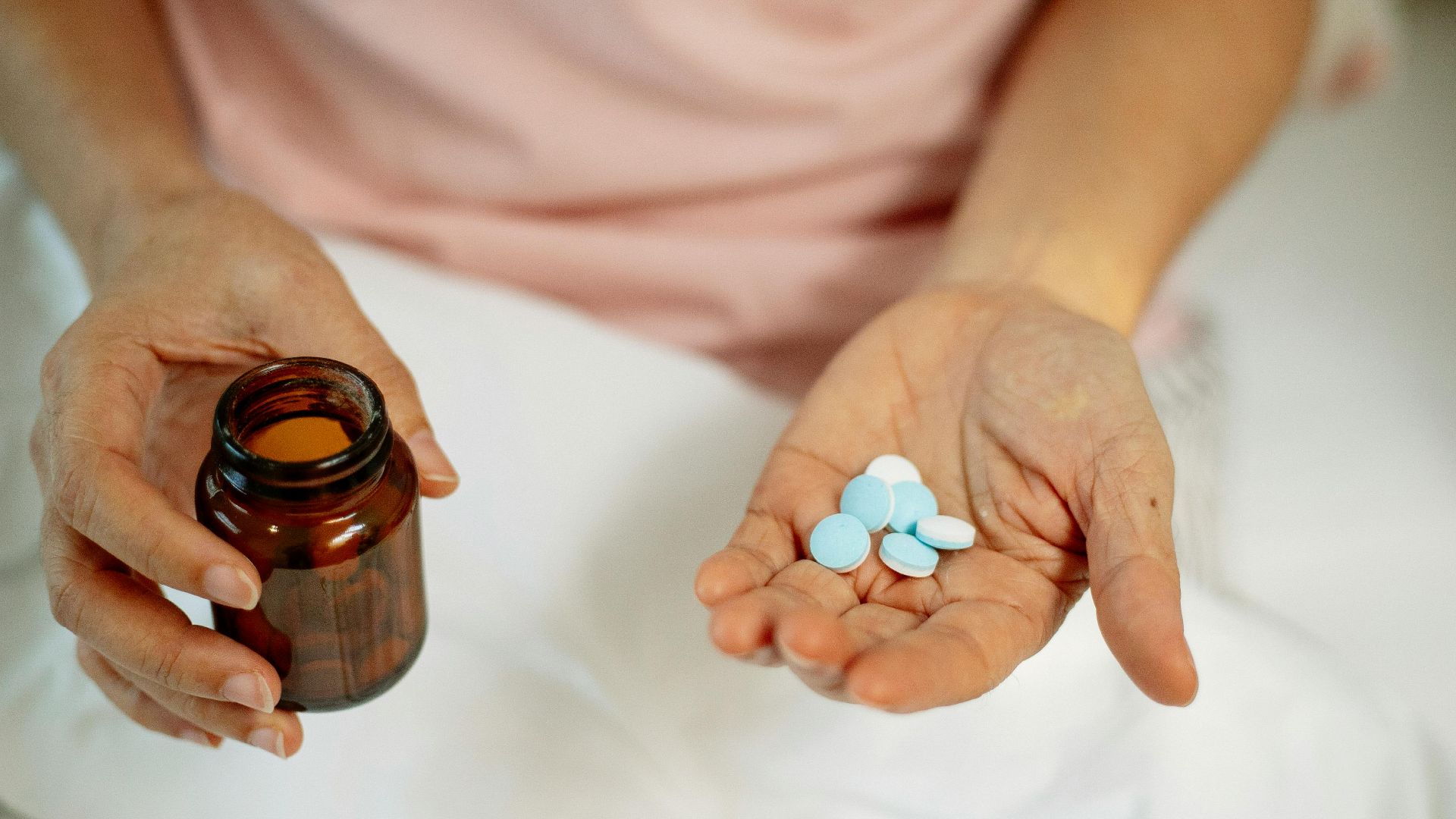
12. Long-Term Corticosteroid Use
Doctors prescribe corticosteroids because they're incredibly effective at reducing inflammation, but this power comes with a significant trade-off for your immune system. The longer you stay on these medications, the more challenging it becomes for your body to mount effective defenses.
13. Chemotherapy Or Radiation Therapy
Cancer treatments work by targeting rapidly dividing cells throughout your body, which unfortunately includes the fast-growing immune cells that form your frontline defense against infections. This temporary reduction in immune strength is an unavoidable side effect of treatments.

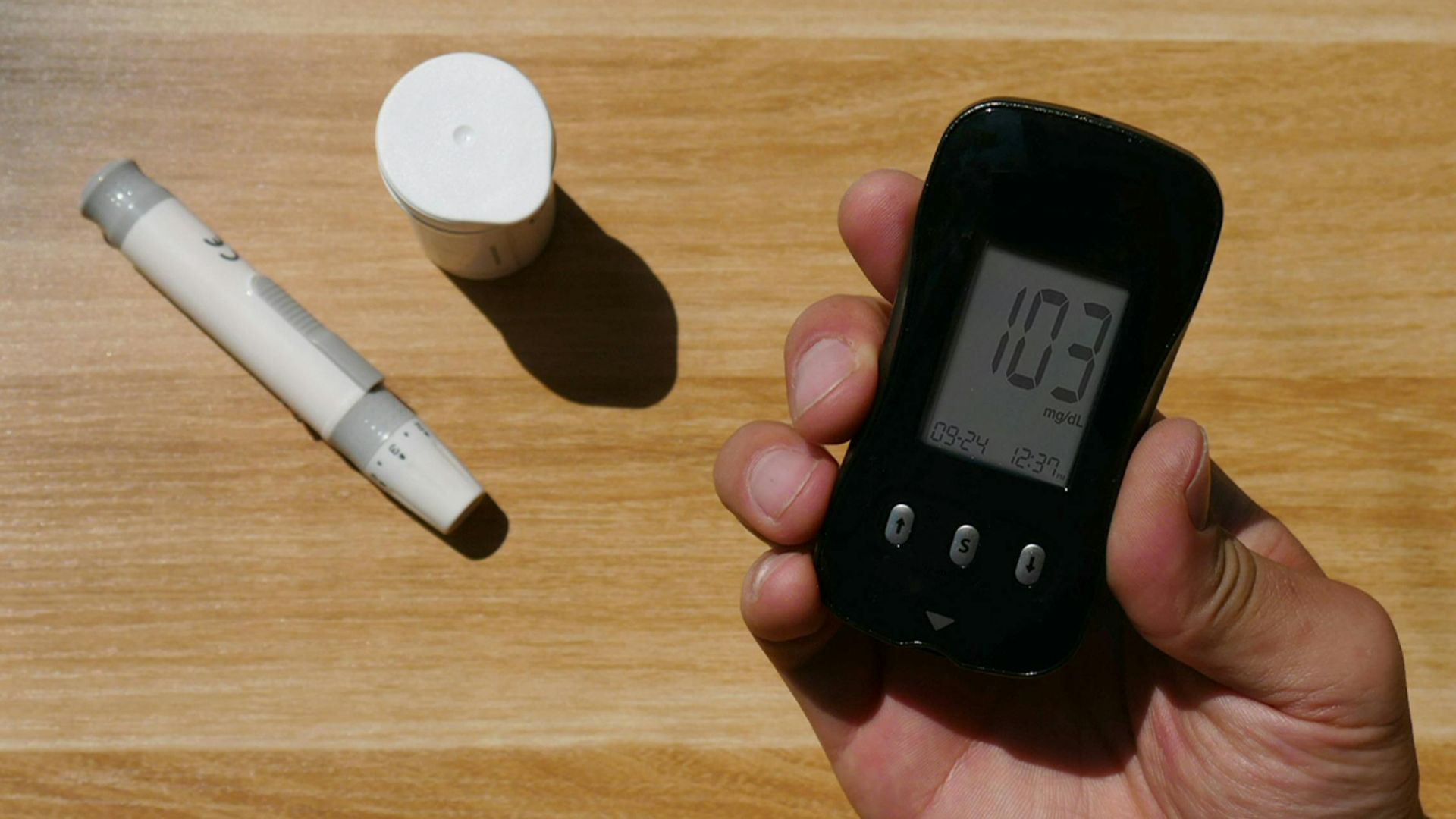
14. Chronic High Blood Sugar
Blood sugar isn't just about energy levels—when glucose levels stay consistently elevated, your body's ability to heal even minor wounds becomes seriously compromised. High blood sugar also wreaks havoc on circulation, which can give rise to a compound problem.
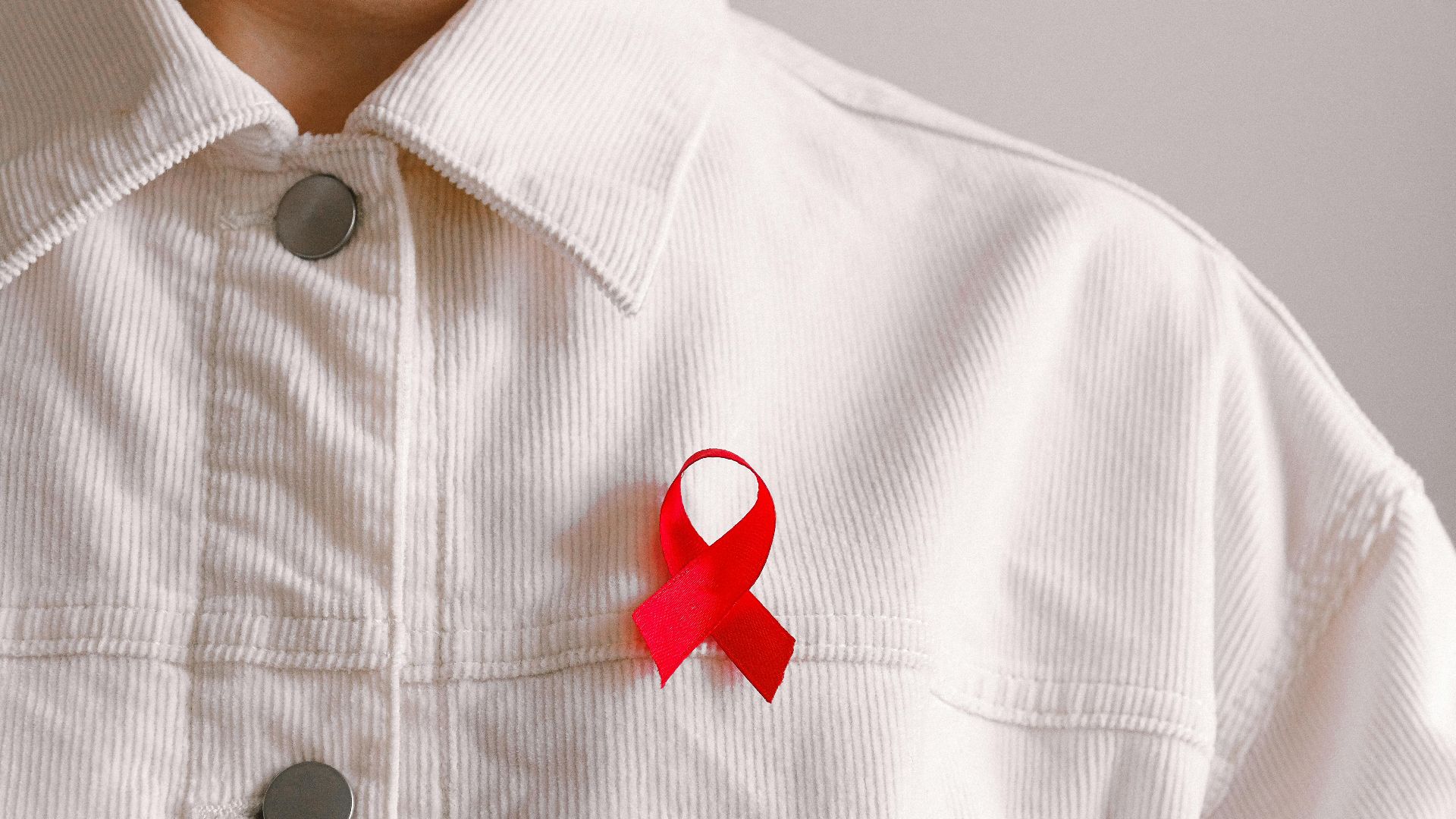
15. HIV Infection
Unlike most conditions that weaken immunity indirectly, HIV launches a direct assault on the very cells that coordinate your immune response, essentially dismantling your defenses from within. The virus specifically seeks out and destroys CD4 cells.
16. Advanced Age
Time inevitably slows down many of our body's processes, and the immune system is obviously no exception to this universal rule of aging. As we cross into our seventies and beyond, the speed and effectiveness of our immune responses naturally decline.

17. Organ Transplantation
Receiving a life-saving organ transplant creates a unique paradox: the very medications that allow your body to accept the new organ simultaneously weaken your ability to fight off infections. Transplant patients must take immunosuppressant drugs that intentionally dial down their immune responses.

18. Excessive UV Radiation Exposure
The sun's ultraviolet rays penetrate deep enough to harm the specialized skin cells that form an important part of your local immune defense system. Your skin acts as your body's first physical barrier against pathogens, and excessive UV exposure weakens this protective shield.

19. Exposure To Pesticides
Industrial chemicals and agricultural pesticides can interfere with the delicate cellular machinery that keeps your immune system running. Workers in manufacturing facilities and agricultural settings face the highest risks, as prolonged contact with these compounds can strain the organs.

20. Chronic Loneliness
The emotional pain of feeling disconnected from others isn't just in your head—it triggers real biological stress responses that measurably weaken your immune system over time. When loneliness becomes a chronic condition rather than an occasional feeling, it creates persistent emotional stress.

KEEP ON READING

20 Signs Your Diet Is Too Restrictive