Your Dentist Visit Decoded
Walking into a dentist's office shouldn't feel complicated, yet small mistakes can turn a routine visit into something stressful for everyone involved. Most people don't realize how much their behavior shapes the appointment's outcome. The difference between a smooth experience and a frustrating one often comes down to awareness. Understanding what not to do matters just as much as knowing what helps. Let's start with the habits that create the most trouble.

1. Show Up Late And Expect Full Treatment
Show up late and the clinic’s rhythm stumbles instantly. Tight schedules don’t leave room to stretch, so the work becomes rushed and the quality drops. Repeat it often enough, and the clinic may charge extra or simply refuse to book you again.

2. Eat Sticky Or Smelly Foods Right Before The Appointment
Sticky snacks cling to every corner of a tooth. Add garlic or onion breath, and the staff gets front-row seats to an aroma nobody asked for. Moreover, some dark beverages, like grape or pomegranate, stain enamel and can also complicate visual checks for early decay or gum irritation.

3. Lie About Flossing Or Brushing Habits
Gums tell the truth immediately. Plaque patterns show where floss never goes, and swollen spots reveal how often flossing actually happens. When the details aren’t honest, the diagnosis drifts off track. Dentists can spot non-flossers in seconds.

4. Talk Or Joke While Instruments Are In Your Mouth
Once the instruments go in, talking turns everything into a small circus act. One unexpected sentence and sharp tools lose their perfect rhythm. The appointment stretches longer, and the saliva spray joins the show. Infection-control protocols definitely don’t love that part.
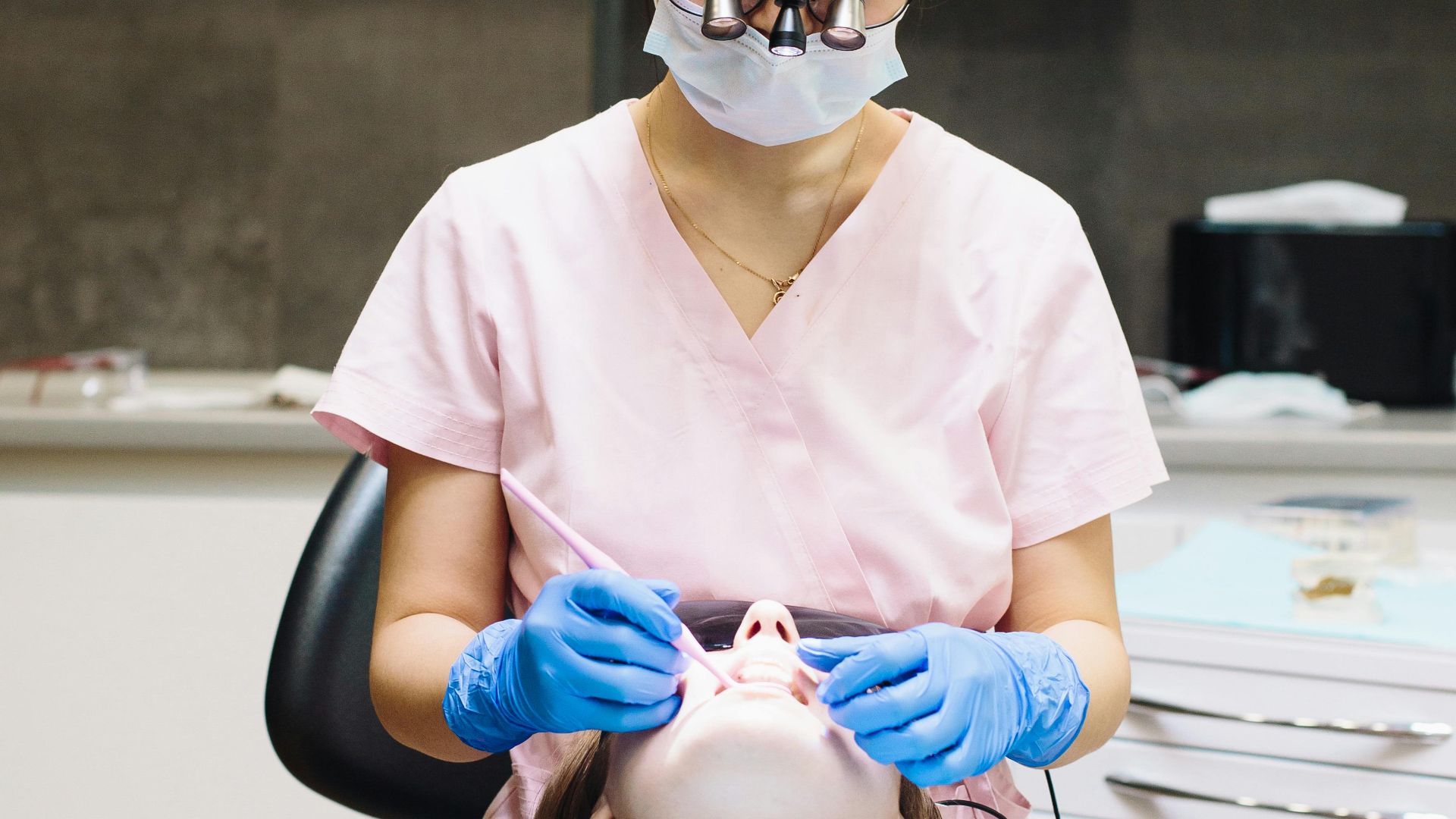
5. Ignore Pre-Procedure Instructions
Pre-procedure instructions aren’t optional suggestions dressed up formally. Skipping them can trigger medication conflicts, delay healing through smoking, or disrupt sedation safety. Even one missed detail can throw off the entire appointment.

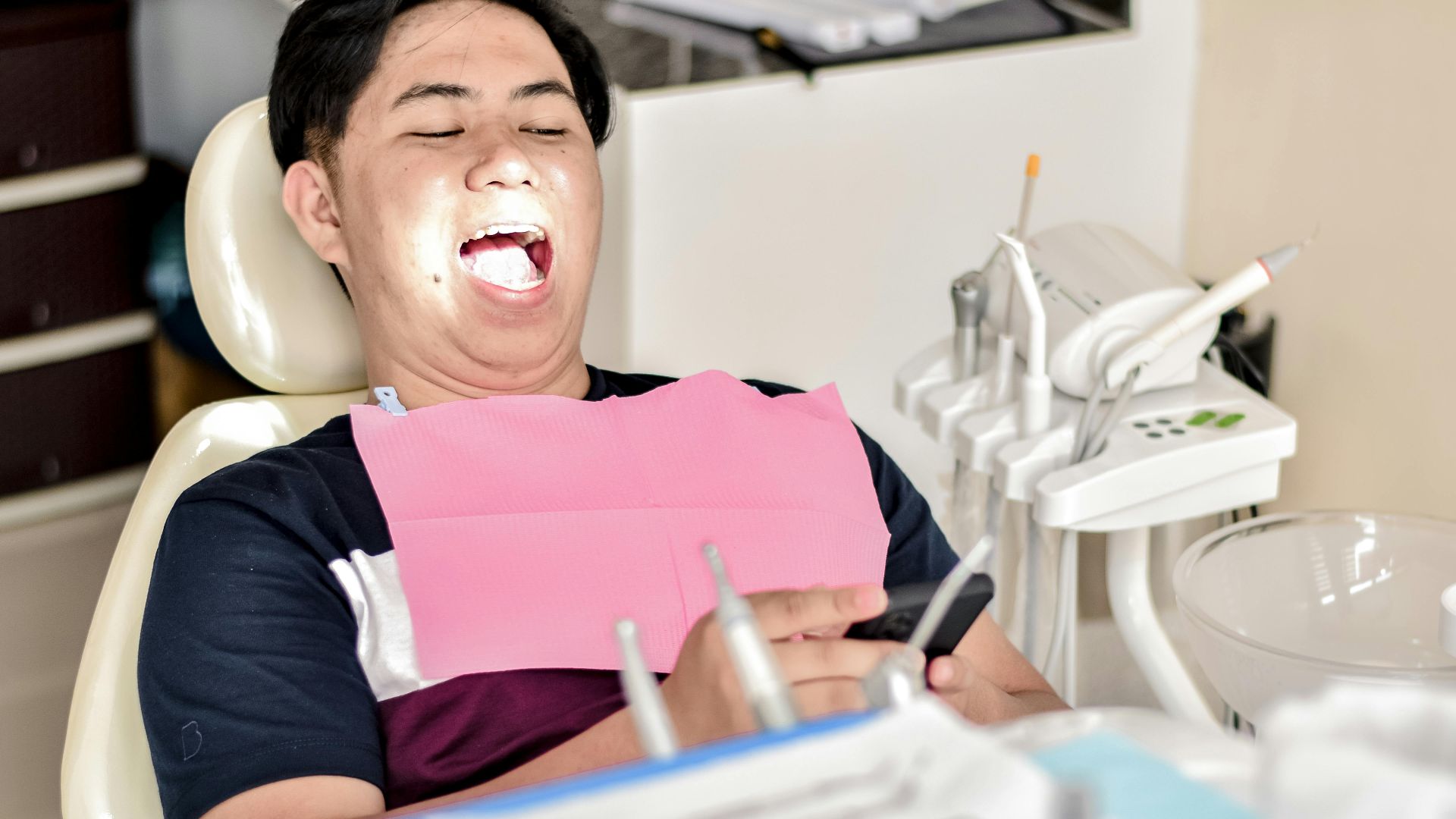
6. Use Your Phone During Treatment
Phones grab attention at the worst moment. A dropped device near tools brings contamination risks, and split focus makes cooperation harder. Many offices already offer ceiling TVs or music so patients can relax hands-free.
7. Skip Disclosing Medical Conditions Or Medications
Your medical history matters more than most people realize. Blood thinners change how much bleeding to expect, and allergies tell the dentist what materials to avoid. They sometimes uncover new issues, but the ones you already know about should always be shared.

8. Cancel Last Minute
A quick cancellation leaves a slot empty that another patient could’ve used. Do it repeatedly, and fees or blocked bookings show up. Although many clinics use waitlists that fill spots in seconds, steady communication keeps everyone moving through care.

9. Argue With The Dentist’s Expertise
Online searches turn small symptoms into big misunderstandings. That only slows real treatment because accurate answers come from exams and X-rays. Dentists hear “Dr. Google” claims daily. Well, working together solves the problem much faster than debating it.
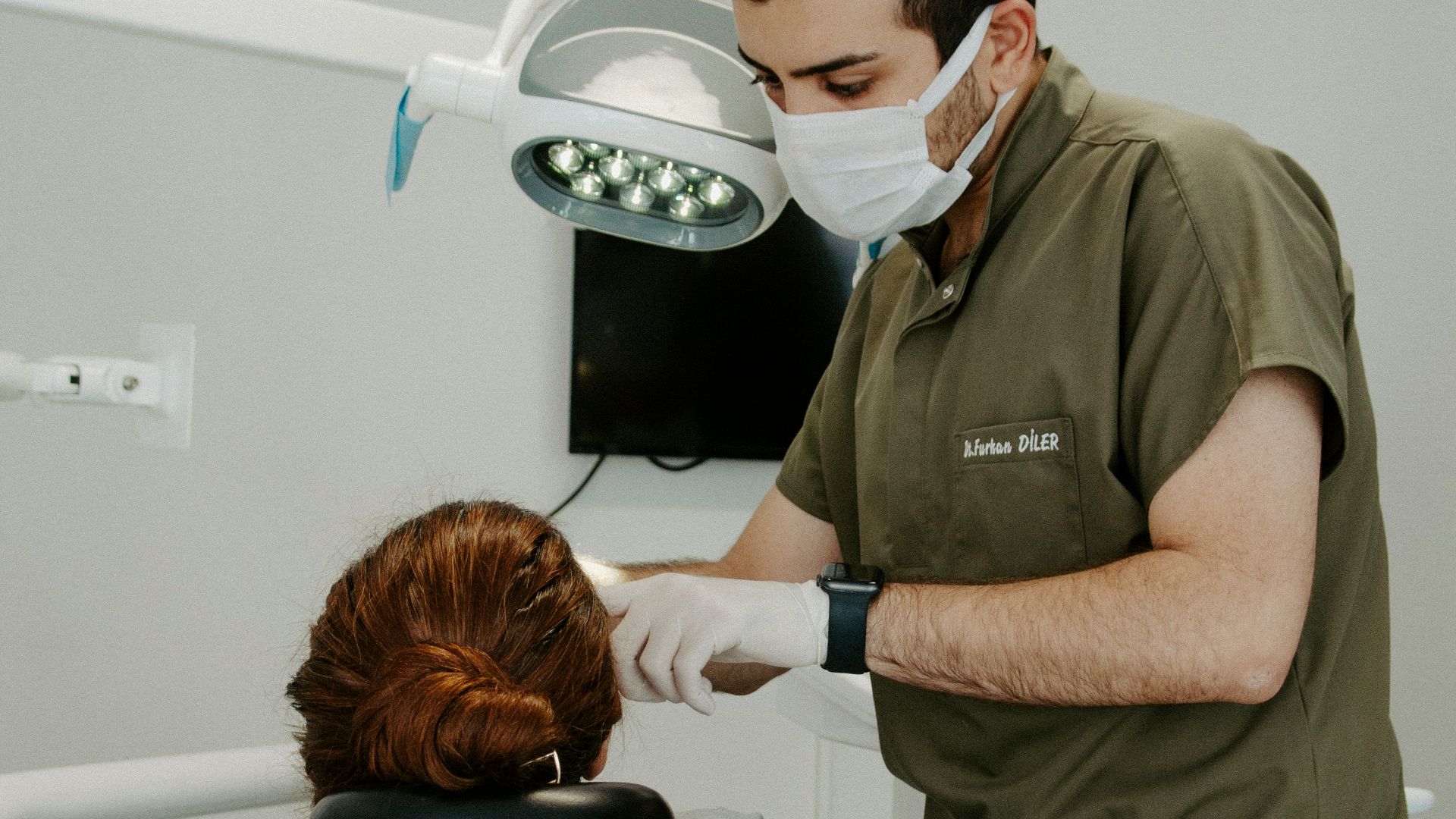
10. Refuse X-Rays Or Diagnostic Checks
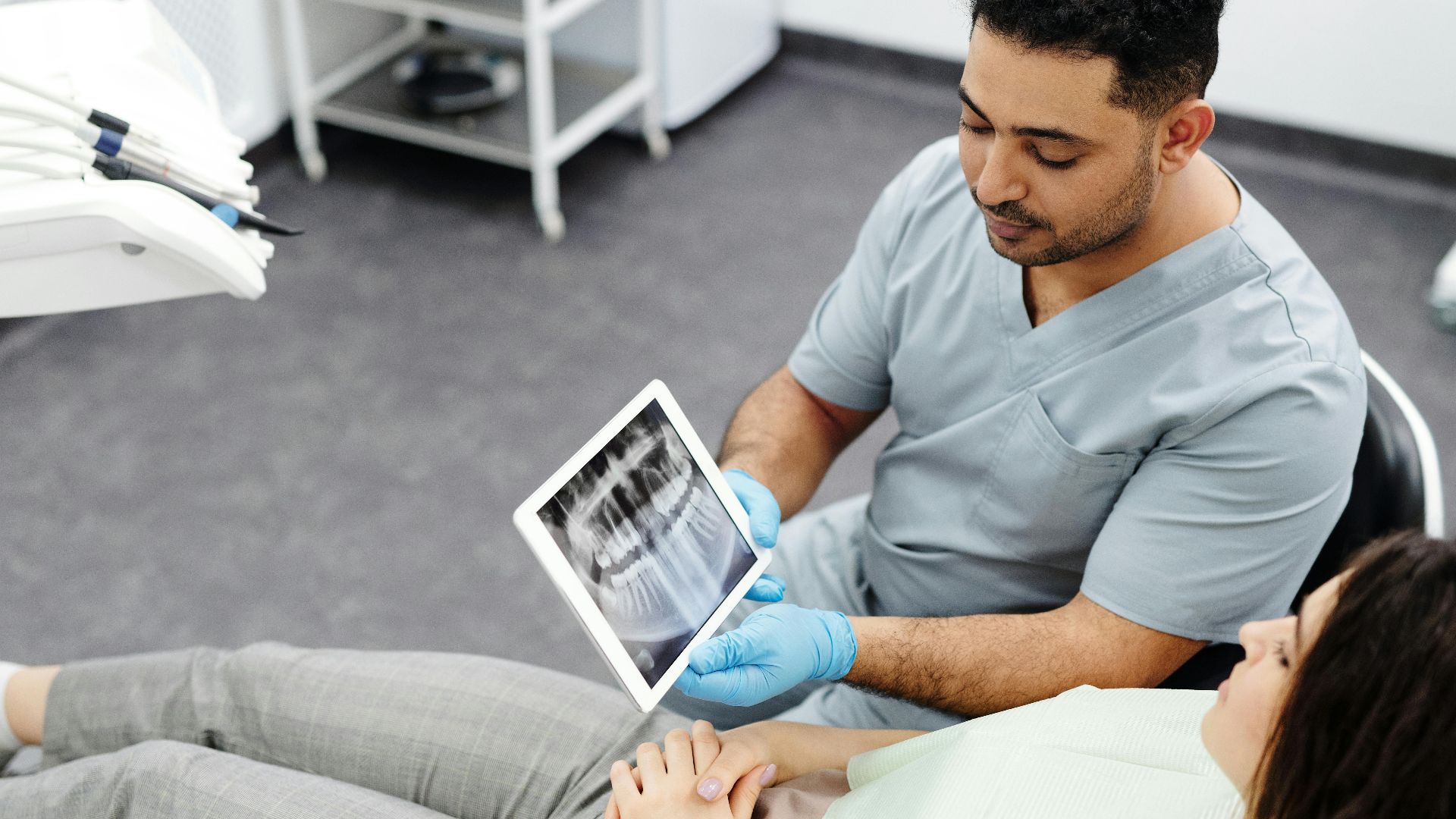
Some issues hide where eyes can’t see, so skipping X-rays keeps decay and early gum disease buried. A bitewing X-ray delivers a very low radiation dose, comparable to normal daily background exposure. That’s why it’s an easy tradeoff for catching issues early.
Now, what are the habits that make a dentist’s day smoother and your appointment a whole lot easier? Here’s how great patients set the tone from the moment they sit down.
1. Keep Children Calm And Cooperative
Dental visits go much more smoothly when kids feel relaxed. While child-friendly clinics help with bright colors and fun distractions, early preparation at home matters just as much. Many pediatric dentists even hand out “tooth fairy” tokens afterward to make the experience positive.

2. Follow Through With Recommended Follow-Up Appointments
When the dentist suggests a follow-up, it's not just a formality. Skipping that next visit can turn a small issue into a bigger problem down the line. Booking it before you leave ensures you don't forget.

3. Ask Questions When Unsure
If something feels unclear, asking about it makes the whole visit smoother. Questions sharpen understanding and stop simple mistakes before they happen. Some patients also arrive with short lists, so nothing slips their minds.
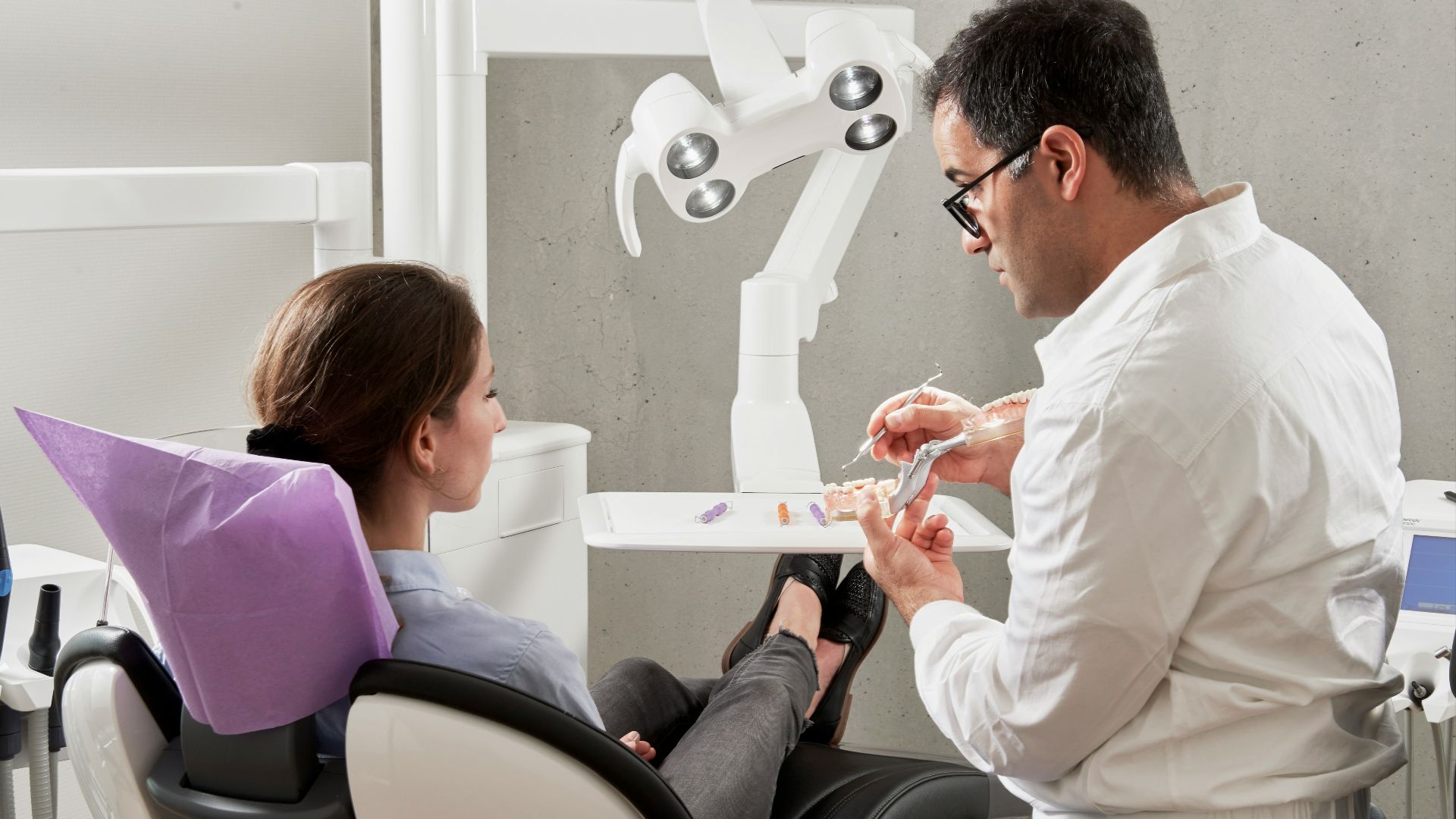
4. Avoid Eating Right Before Your Cleaning
Although grabbing a snack before a cleaning sounds harmless, leftover food makes the job messier than it needs to be. A quick brush beforehand helps. Fluoride treatments also need about 30 minutes before eating, so timing your snack makes the visit smoother.

5. Communicate Dental Fears
Plenty of people feel anxious at the dentist. Some people actually struggle with dental fear, and sharing that info lets the team slow down and make things easier. Some clinics may even provide therapy dogs to help calm nervous patients.

6. Keep Your Head Still And Relaxed
Sudden head movements make precision work nearly impossible. Staying still helps the dentist work faster and more accurately, which means less time in the chair overall. Relaxing your neck and jaw also prevents soreness afterward.
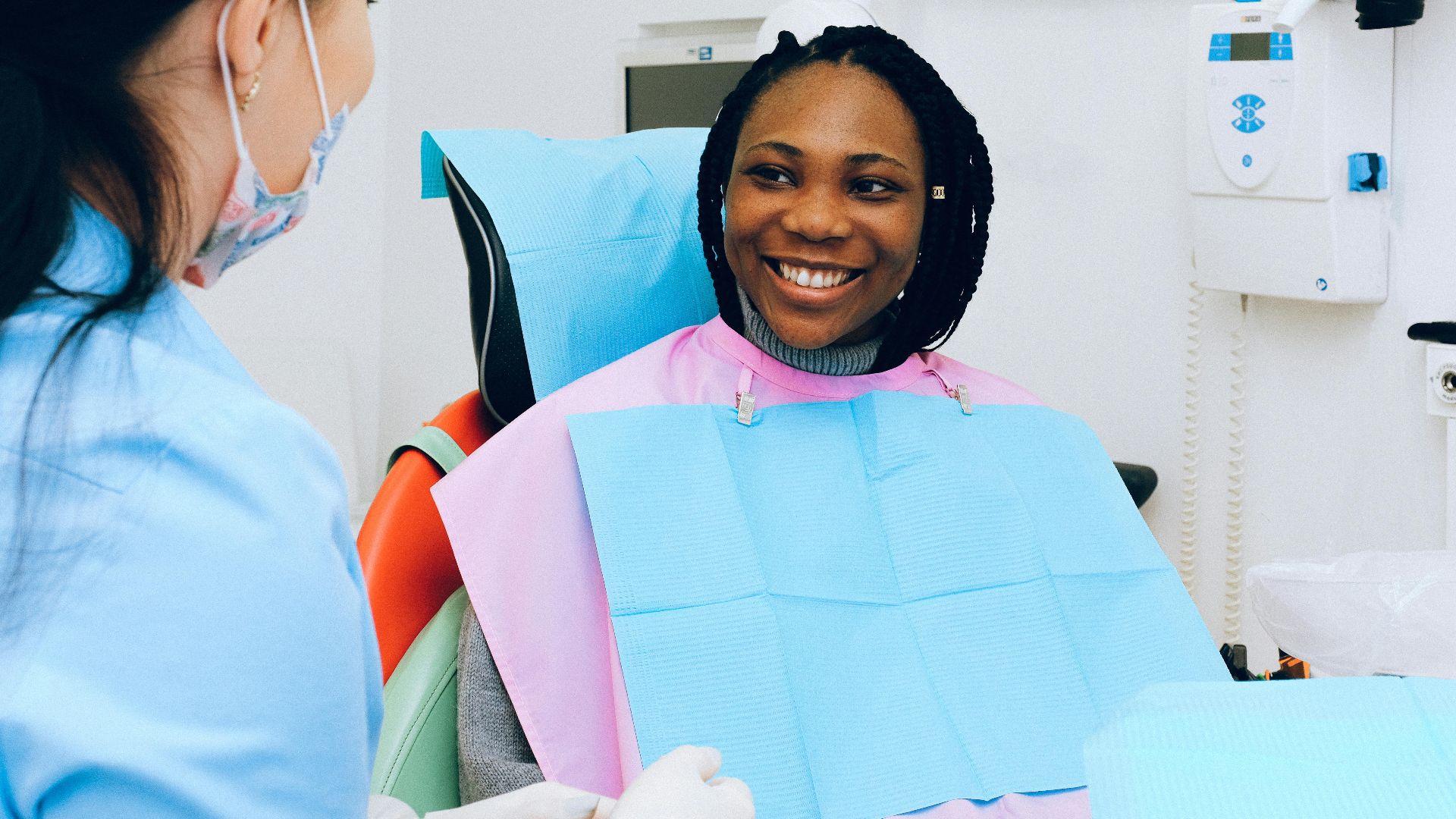
7. Keep Your Hands Away From Your Face During Treatment
Reaching up to touch your face mid-procedure disrupts the dentist's focus and can interfere with delicate work. It also increases contamination risks since your hands haven't been sanitized. Keeping them folded or resting on your lap gives the dentist clear access and prevents accidental interference.
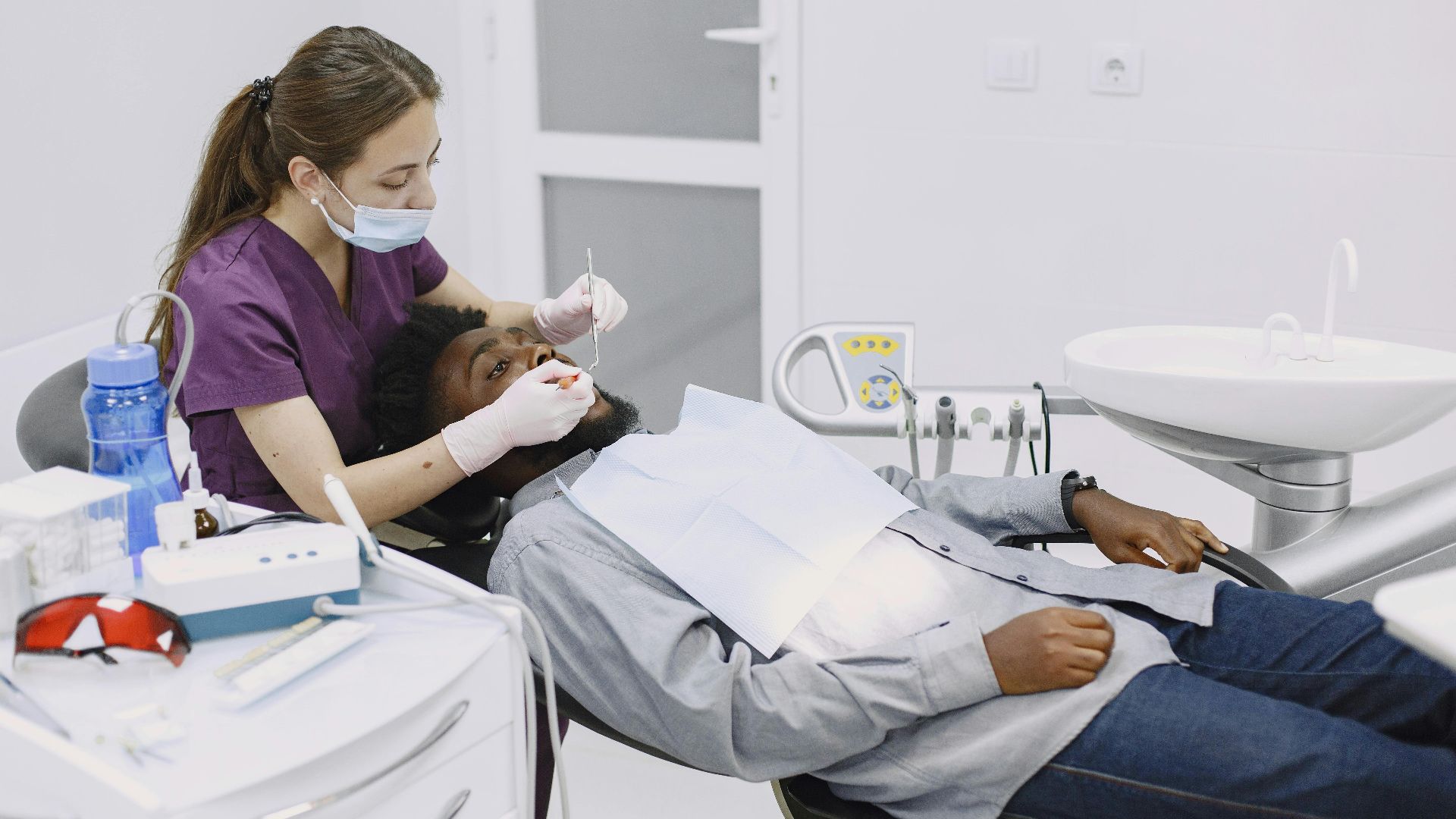
8. Listen To Post-Treatment Instructions
What you do after the appointment matters just as much as what happened in the chair. Those instructions help healing and help avoid problems, whether you had fillings, dentures, or something else.

9. Show Patience During Longer Procedures
Anxiety turns small sensations into bigger ones, while patience helps the dentist keep a clear focus. Though newer tools, including laser drills, can speed up certain steps, a relaxed patient still sets the tone for a more comfortable appointment.

10. Bring Insurance And Payment Details Prepared
Having insurance info ready avoids billing delays and lets the team confirm coverage before treatment begins. PPO and HMO plans work differently, so details matter. Dental insurance in the United States has followed this setup since the 1950s.

KEEP ON READING



20 Ways To Get Your Vitamins And Minerals

20 Ways Doing Less Can Actually Improve Your Health