Your Gut's Daily Report Card
Most people flush and forget, yet your bowel movements contain surprisingly detailed information about your health. The Bristol Stool Chart, developed at the University of Bristol in 1997, remains the gold standard for classifying stool types and continues to be used by gastroenterologists worldwide. Everything from color to consistency to frequency tells a story about what's happening inside your digestive system. Here are twenty signals you can pick up during your daily routine.

1. Dark Brown Means You're Probably Fine
When your digestive system works properly, bile breaks down in stages, creating that familiar brown shade. Light brown, medium brown, and darker brown are all generally acceptable variations depending on what you've eaten recently.

2. Green Suggests Speedy Transit
Your stool didn't spend enough time in the intestines for bile to fully break down, leaving it greenish. Diarrhea often produces this effect because everything's moving too fast. Eating tons of leafy greens can also tint things green, especially if you've recently demolished a massive salad.

3. Black and Tarry Signals Possible Bleeding
Black, tar-like stool often indicates bleeding in the upper gastrointestinal tract. The blood gets digested as it travels through your system, turning it dark and sticky. Iron supplements and Pepto-Bismol can also cause black stools, which is why it's crucial to consider what you've been taking before panicking.

4. Red Means Check for Blood or Beets
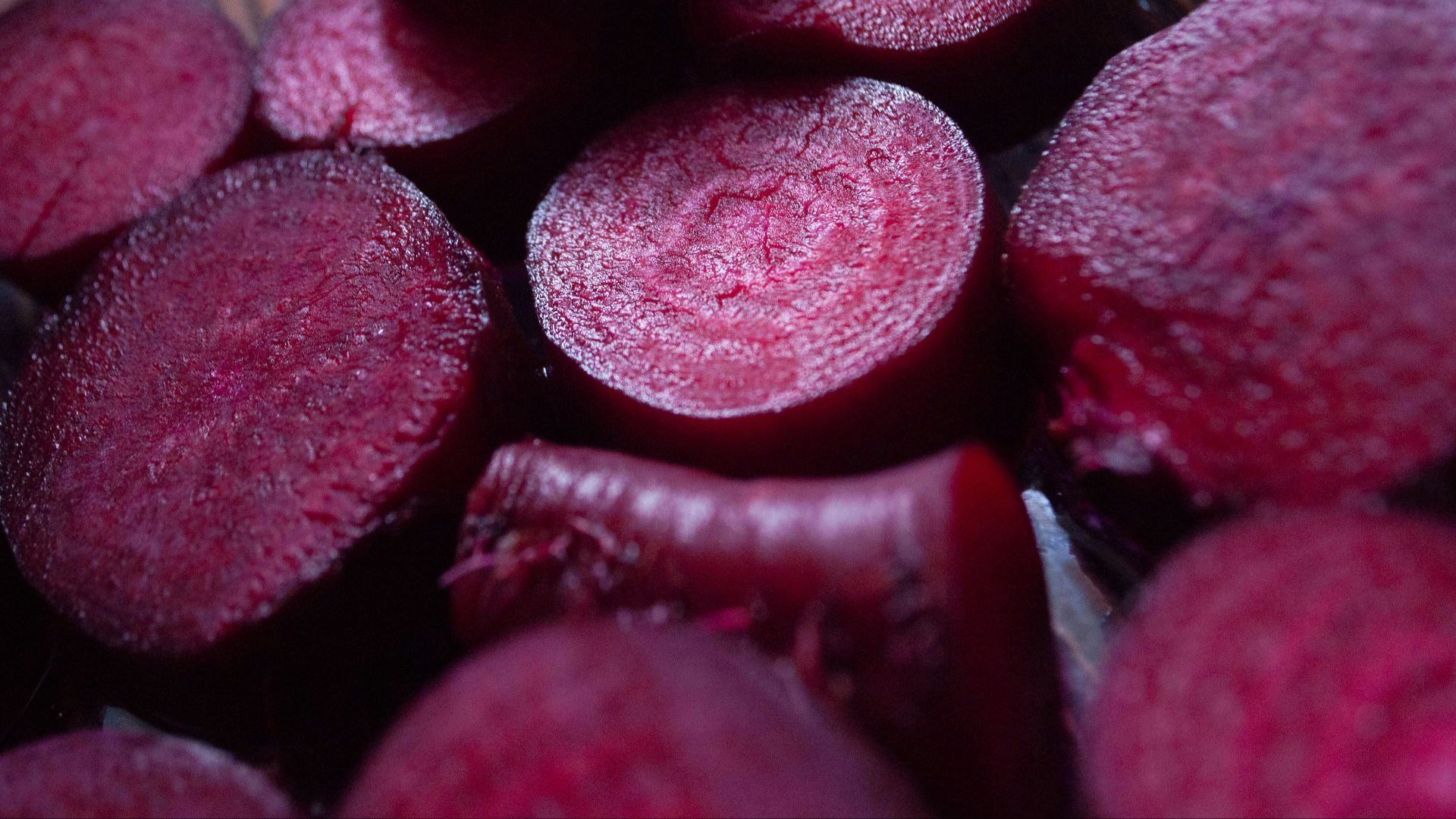
Lower GI bleeding from conditions like colitis or polyps can also cause red stool. Then there's the fact that eating beets turns your poop reddish or pink, which has startled many people into unnecessary alarm.
5. Pale or Clay-Colored Indicates Bile Problems
When stool comes out gray, whitish, or clay-colored, bile isn't reaching your intestines properly. Possible causes include blocked bile ducts, liver disease, or pancreatic problems. Certain medications can also lighten stool temporarily. This color change, paired with yellowing skin or dark urine, should send you straight to a doctor.

6. Floating Happens With Extra Gas
Stool that floats typically contains more gas than usual, often from eating fiber-rich foods like beans, broccoli, or whole grains. Your gut bacteria ferment these foods and produce gas that gets trapped in the stool, making it buoyant. Malabsorption issues can also cause floating because undigested fat is lighter than water.

7. Type 3 or 4 on Bristol Chart Is Ideal
The Bristol Stool Chart classifies poop into seven types. Type 3 looks like a sausage with cracks on the surface, while Type 4 resembles a smooth, soft snake. Both indicate healthy digestion and proper hydration. Most people fluctuate between types depending on diet and hydration, which is perfectly normal.

8. Pencil-Thin Stool Might Mean Obstruction
Consistently narrow stools can indicate something's blocking the colon or rectum. Occasional thin stools from straining don't mean much. If every bowel movement for weeks produces ribbon-like stools, get it checked out.

9. Excessive Mucus Suggests Inflammation
Small amounts of mucus in stool are normal since intestinal walls produce it for lubrication. Large amounts might indicate inflammatory bowel disease, infection, or other gut problems. The mucus looks like jelly or slime coating the stool.

10. Strong Odor Points to Diet or Malabsorption
Yes, poop smells, but exceptionally foul odors beyond the usual unpleasantness can result from eating sulfur-rich foods like eggs, meat, garlic, or cruciferous vegetables. Malabsorption disorders like celiac disease or lactose intolerance create particularly nasty smells because undigested food ferments in your gut.

11. Once or Twice Daily Is Generally Normal
Some people go three times daily, others three times weekly. The range of normal is surprisingly wide. The average American has a bowel movement once per day, according to various gastroenterology studies, though this varies based on diet, activity level, and individual differences.

12. Undigested Food Shows Quick Transit
Seeing corn kernels, tomato skins, or other recognizable food particles means those items passed through faster than your body could fully digest them. Corn's outer hull contains cellulose that human digestive enzymes can't break down, which is why it emerges looking eerily intact. Other high-fiber foods can do this too.

13. Urgent Bowel Movements Suggest IBS or Infection
Irritable bowel syndrome commonly causes urgent bowel movements, especially the diarrhea-predominant variety. Food poisoning creates urgency as your body tries to expel whatever's causing problems. Caffeine can also trigger urgency in sensitive individuals because it stimulates intestinal contractions.

14. Hard, Difficult Passage Means You Need More Fiber
Constipation has many causes, though insufficient fiber ranks among the most common. The recommended daily fiber intake is 25 grams for women and 38 grams for men, yet most Americans get only about 15 grams. Adding fruits, vegetables, whole grains, and drinking more water usually helps.
 Click2pharmacy.co.uk Images on Wikimedia
15. Sudden Changes Deserve Attention
Your digestive system operates on patterns. Dramatic shifts in color, consistency, frequency, or shape that persist for more than a few days warrant investigation. One weird poop after eating questionable gas station sushi is probably nothing. Several weeks of abnormal stools means it’s time to talk with a doctor.

16. Watery Diarrhea Signals Infection or Intolerance
Viral or bacterial infections, food poisoning, and parasites all cause watery diarrhea. Lactose intolerance produces this when you consume dairy. Some medications have diarrhea as a side effect. The main danger is dehydration, especially if vomiting accompanies the diarrhea.

17. Greasy, Floating Stool Indicates Fat Malabsorption
When stool looks oily, leaves a film in the toilet, and is difficult to flush, you might have steatorrhea—excess fat in the stool. This happens when your body can't properly absorb dietary fat, often due to pancreatic insufficiency, celiac disease, or chronic pancreatitis.

18. Blood With Pain Might Be Hemorrhoids
Bright red blood on toilet paper or in the bowl, accompanied by pain or itching, often comes from hemorrhoids or anal fissures. Straining during bowel movements, pregnancy, and sitting for long periods contribute to hemorrhoid development. While usually not dangerous, persistent bleeding should be evaluated.
 WikipedianProlific and Mikael Häggström on Wikimedia
19. Explosive Bowel Movements Suggest Food Issues
That violent, urgent, almost projectile situation where everything comes out at once typically indicates food poisoning, severe food intolerance, or gastrointestinal infection. Your intestines go into hyperdrive trying to expel whatever's causing problems as quickly as possible. Sometimes stress triggers this response too.

20. Regular Schedule Indicates Healthy Gut Function
Regular bowel movements suggest adequate fiber intake, proper hydration, good gut bacteria balance, and consistent eating patterns. Your colon develops a rhythm based on your habits, and maintaining that rhythm means your digestive system is working efficiently.

KEEP ON READING



20 Natural Ways You Can Boost Your Immune System

20 Ways To De-stress & Relax After Work
The 10 Most Common Diseases & The 10 Most Rare