Strong And Flexible
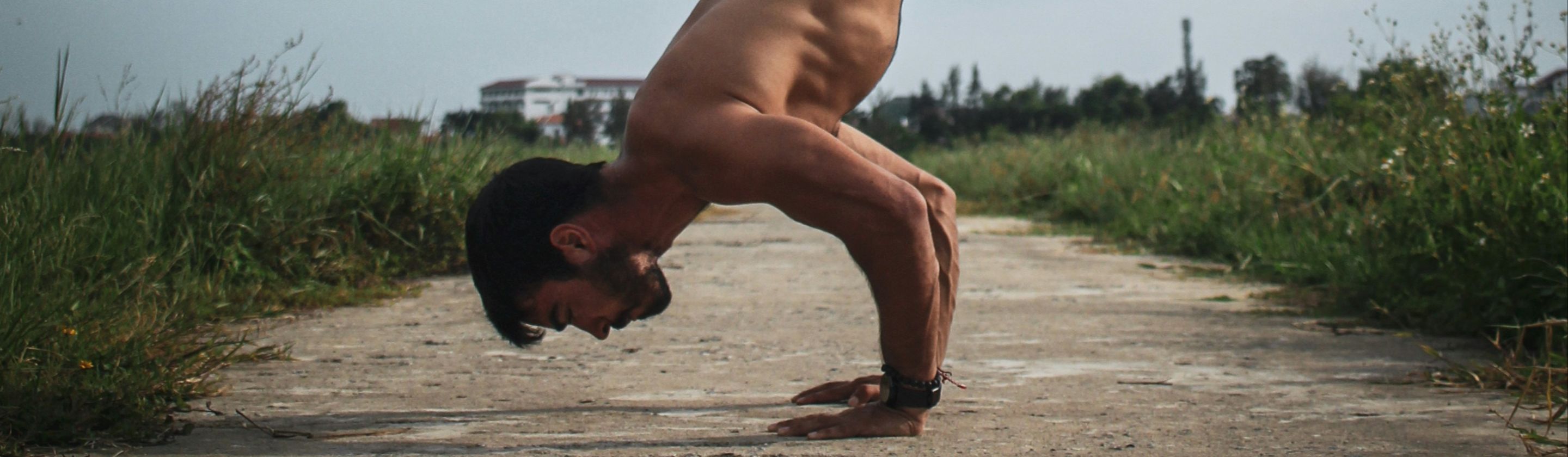
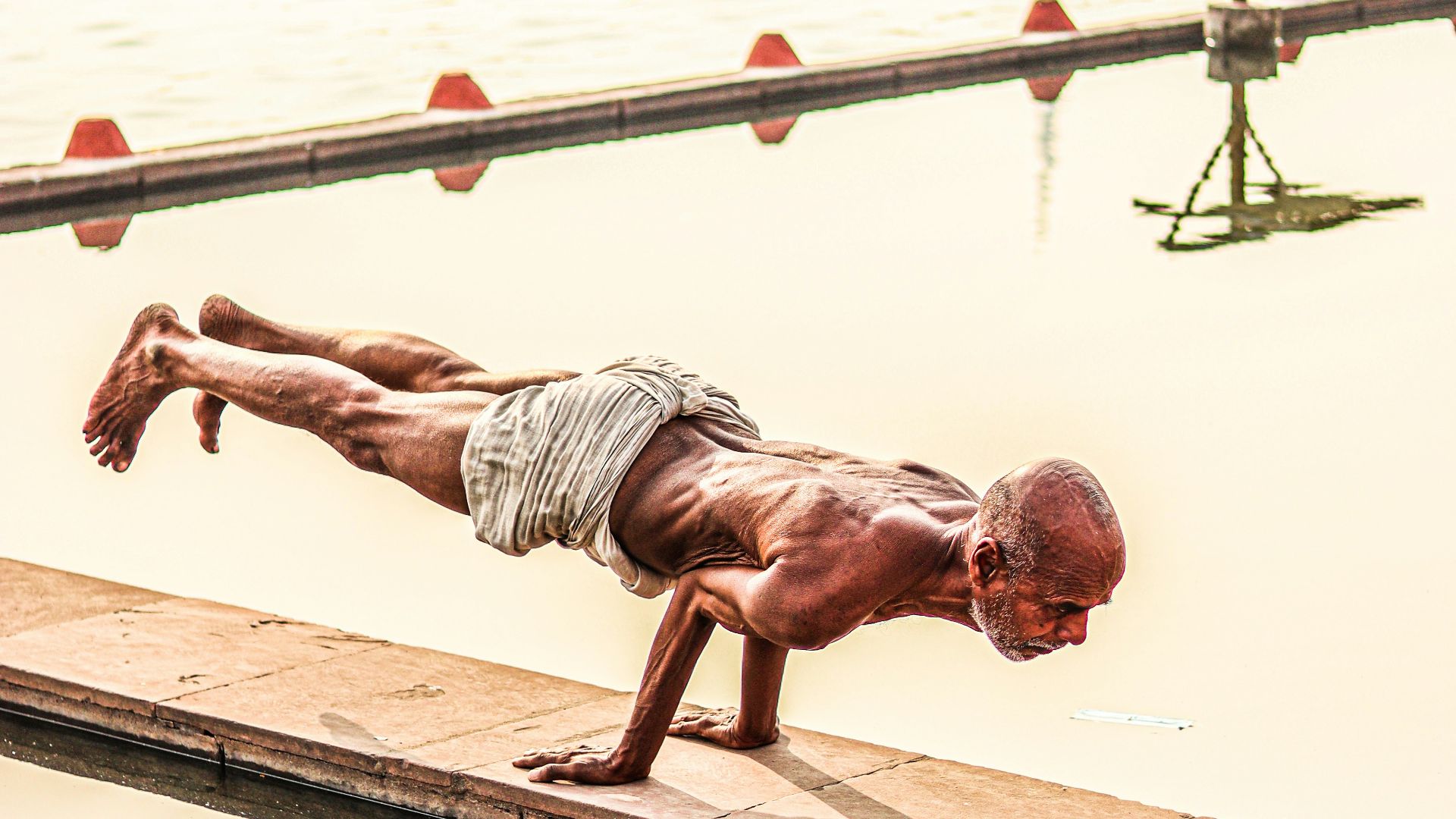
Calisthenics is a form of strength training that requires little to no equipment, instead using an individual's body weight as resistance. This form of exercise has become popular among folks due to its high adaptability, as it can be achieved successfully despite differing physical attributes. The main point of calisthenics is to improve one's strength, stability, and coordination. Also, wouldn’t it be cool to show your friends that you can balance your entire body on just your arms? If that sounds like it could be interesting to you, read on.
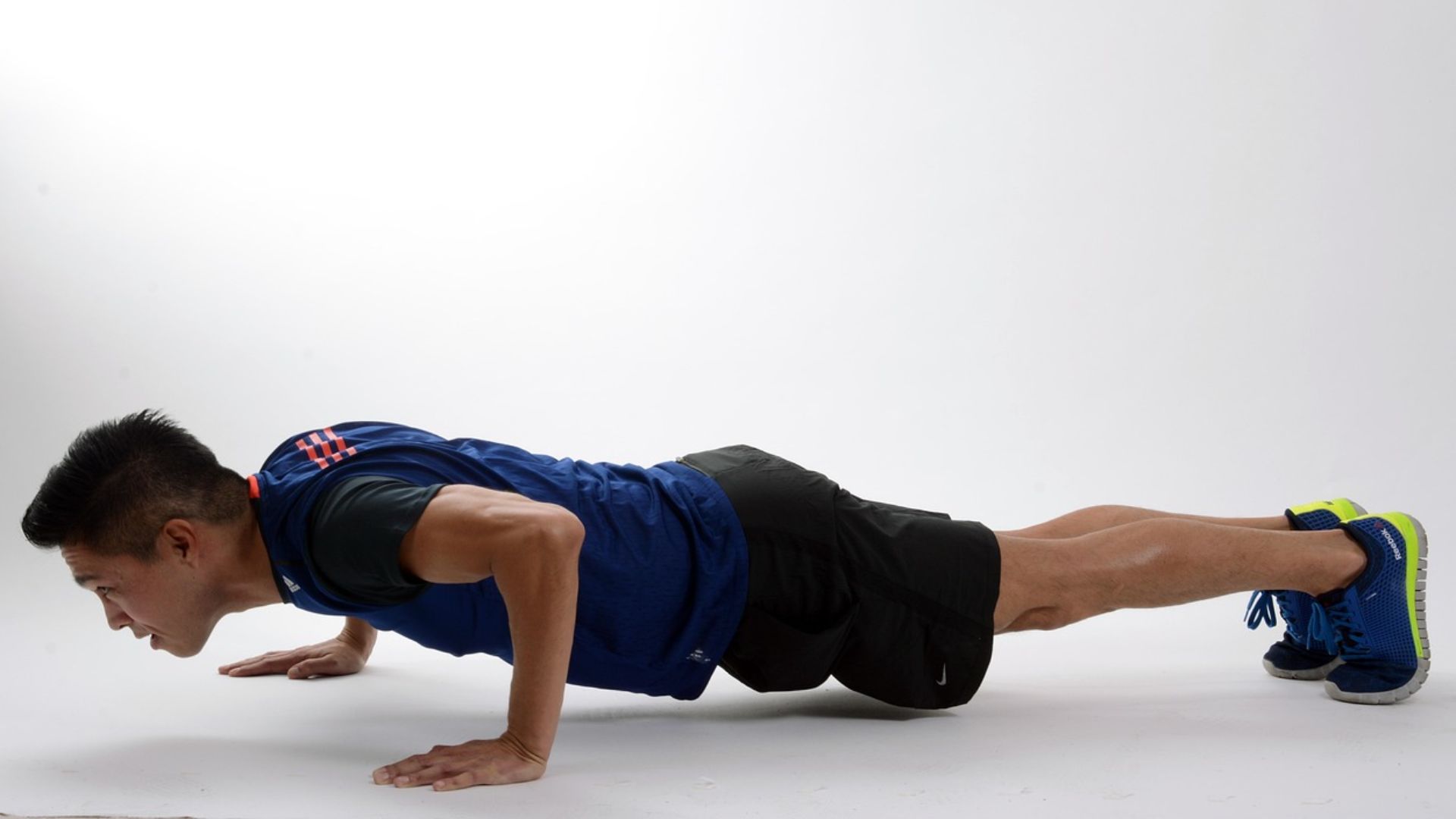
1. Push Ups
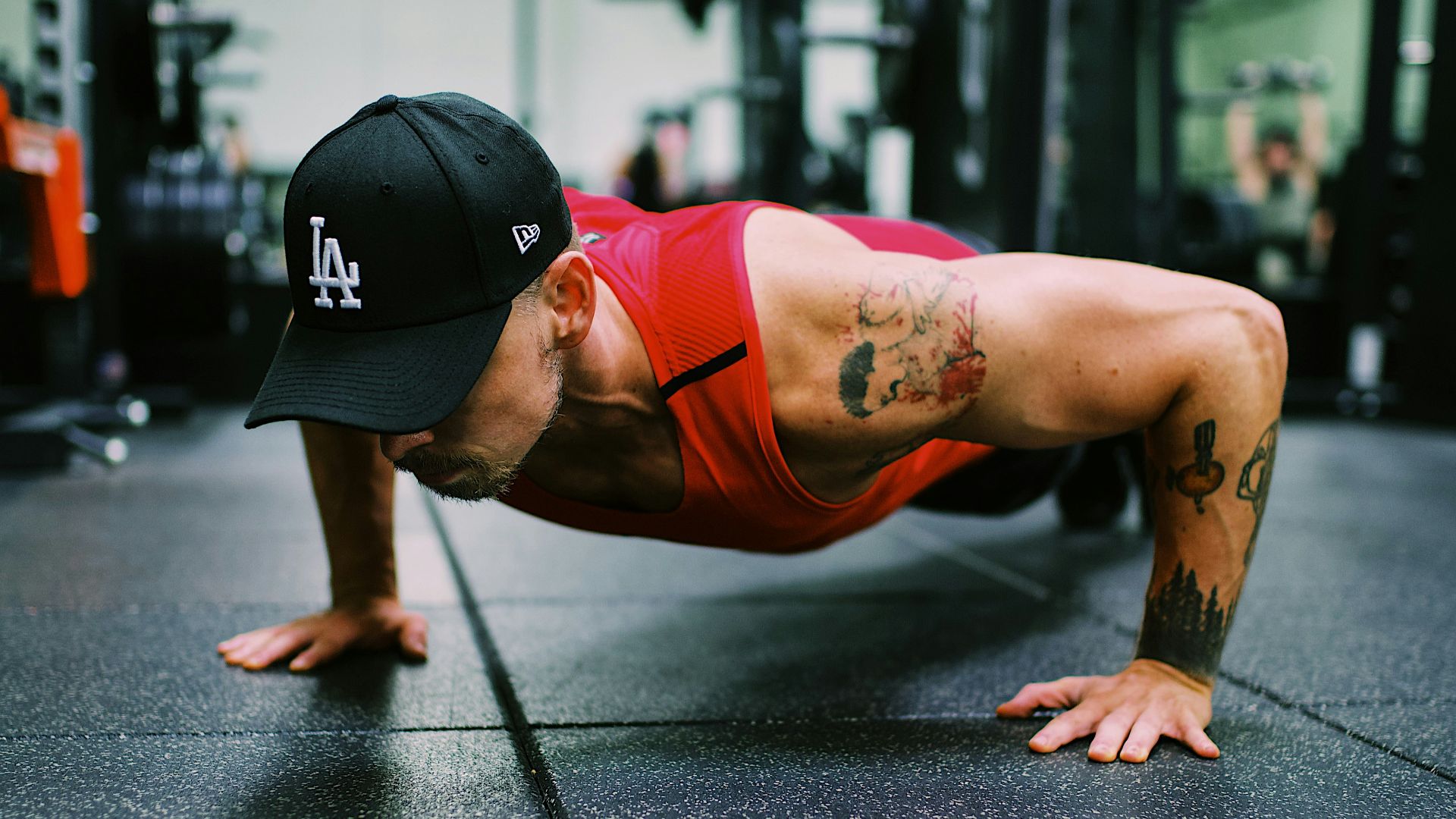
To be successful at calisthenics, you have to start building strong core, shoulder, and arm strength. What better way to do that than with pushups? Pushups are easily adaptable, starting from the wall to getting into more extreme one-handed or jumping exercises, which will be useful for handstand pushups or muscle-ups down the road.
2. Plank
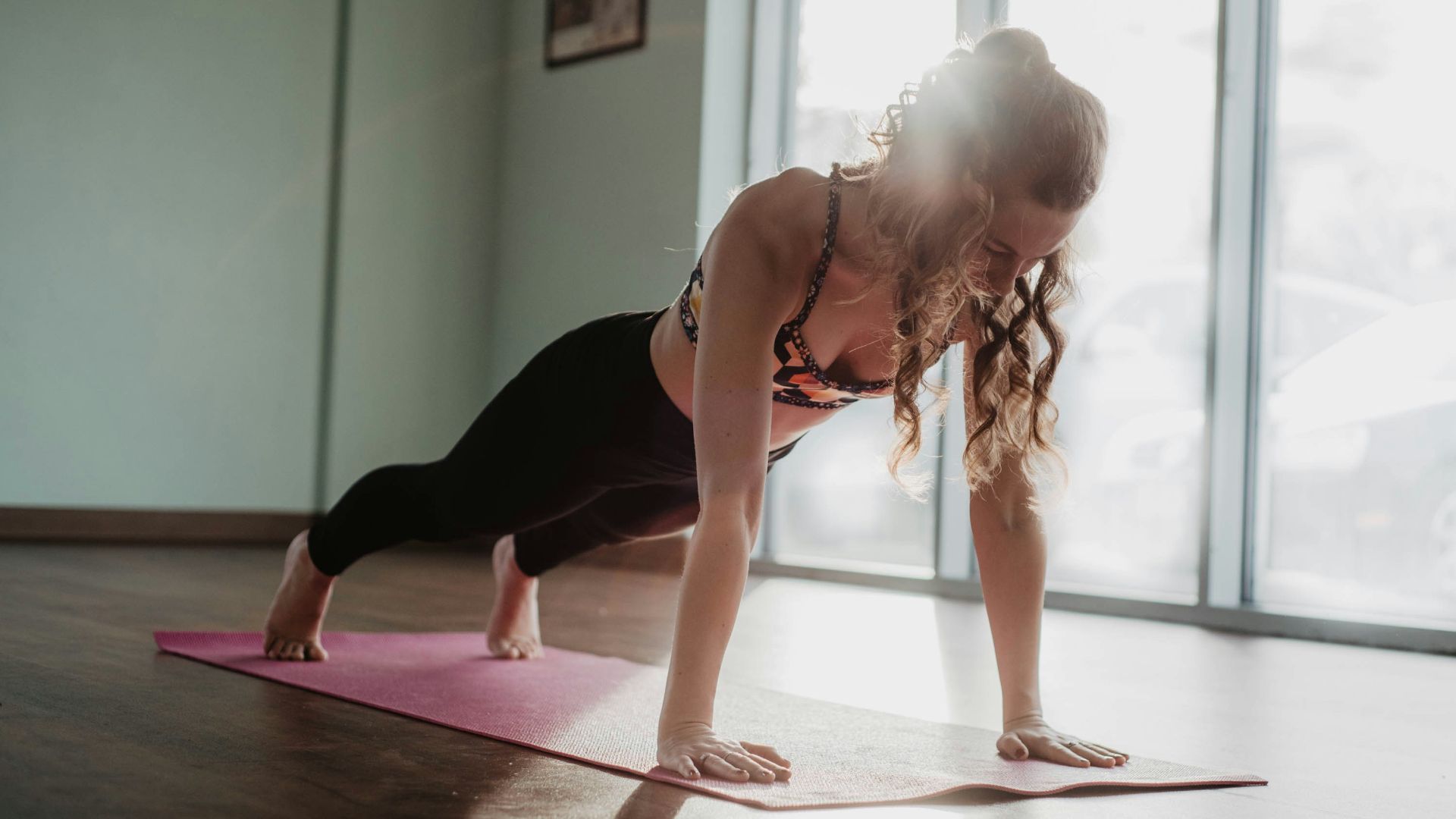
Yes, we know plank sucks, but it really is a useful tool when building core strength. Planks are also easily adaptable, and you can start with something as simple as lying on an incline or on your forearms to get your fitness journey going.
3. Pull-ups
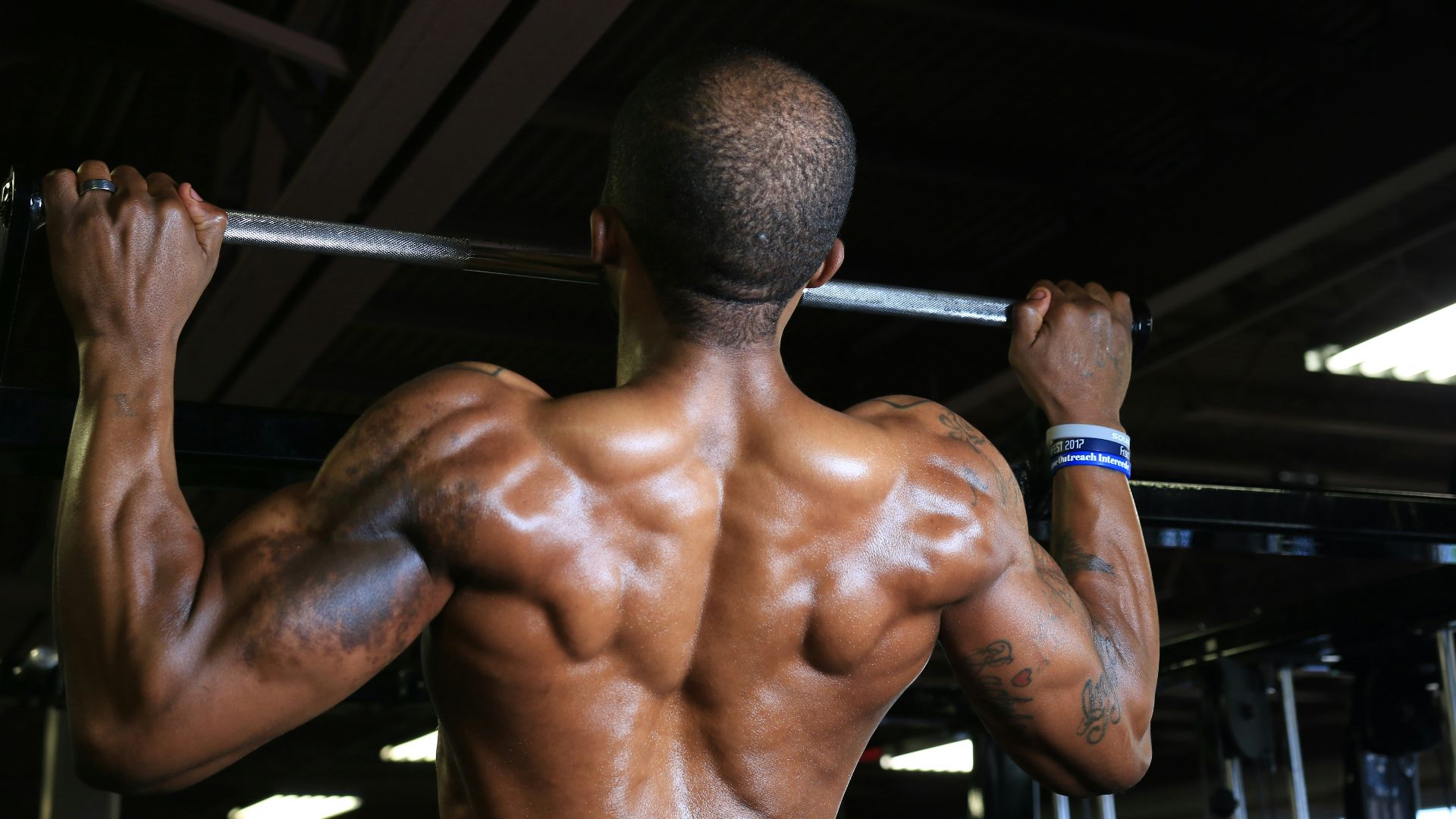
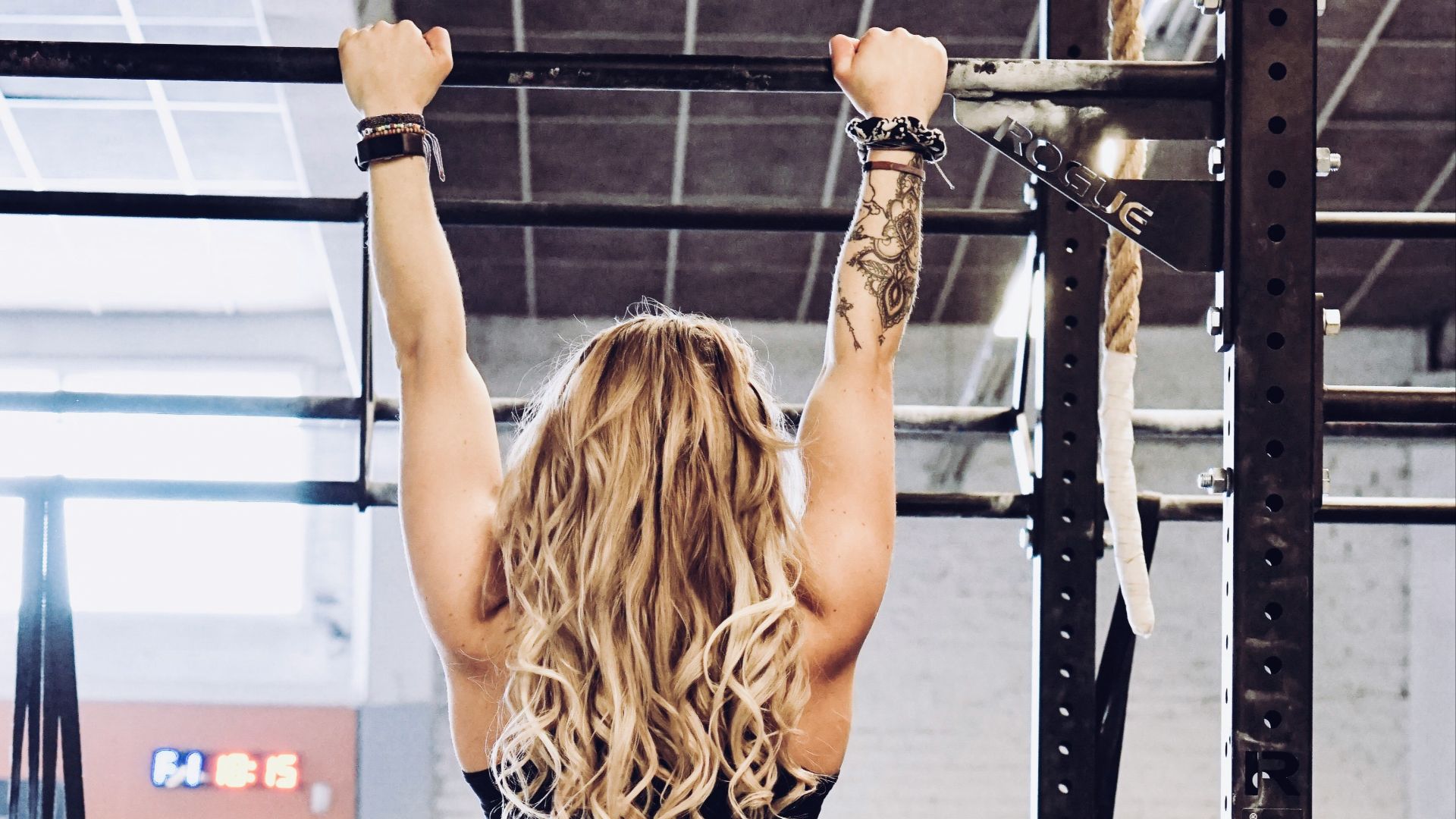
If you’re hoping to pull your body up by your arms alone, you’re going to have to get familiar with pull-ups. Pull-ups can start simple, even if it's just you hanging there for a few seconds. Eventually, you’ll be able to work towards assisted pull-ups and negative pull-ups before achieving the full thing.
4. Passive Hang
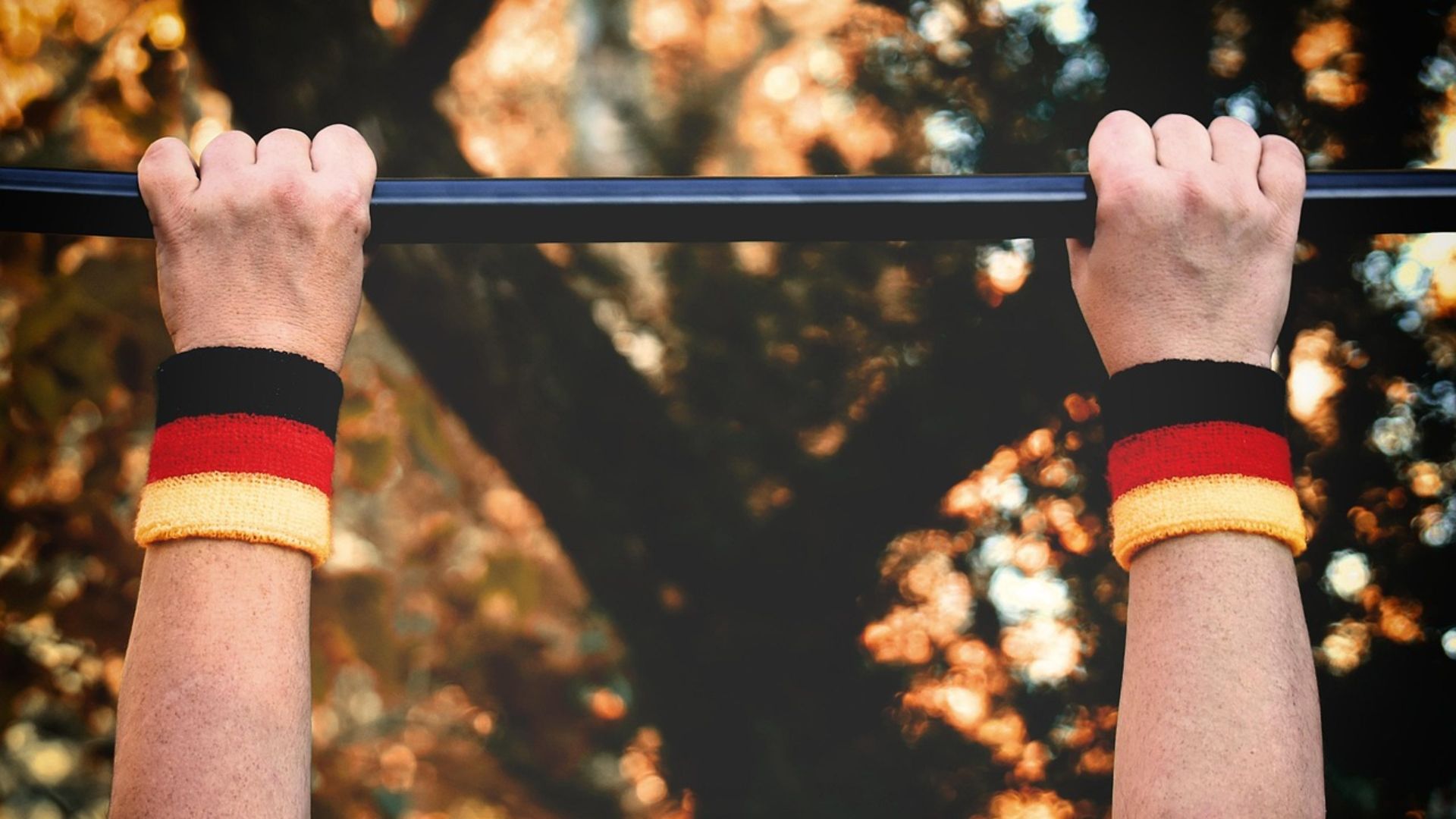
Speaking of just “hanging there,” passive hangs are beneficial in their own right. They not only decompress your spine, but also help you build grip strength, shoulder mobility, and proper form for your pull-ups.
5. Inverted Rows
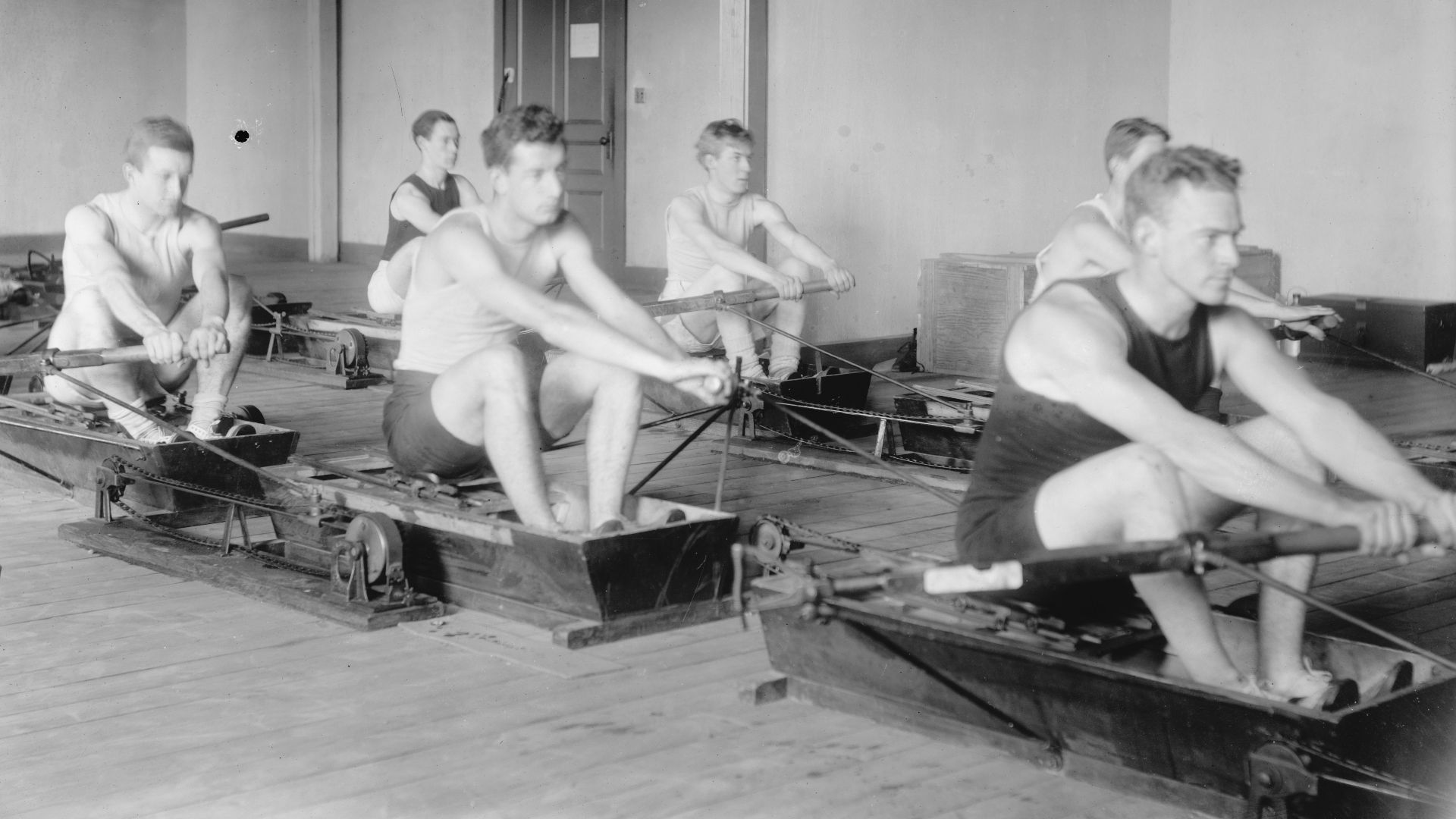
This exercise builds your biceps and upper back muscles, and the premise is simple. Pull your body off the ground while keeping it as straight as possible before slowly lowering yourself back down. This simple exercise builds the foundation for harder moves while being gentler on the spine.
 Library of Congress on Unsplash
6. Walking Lunge
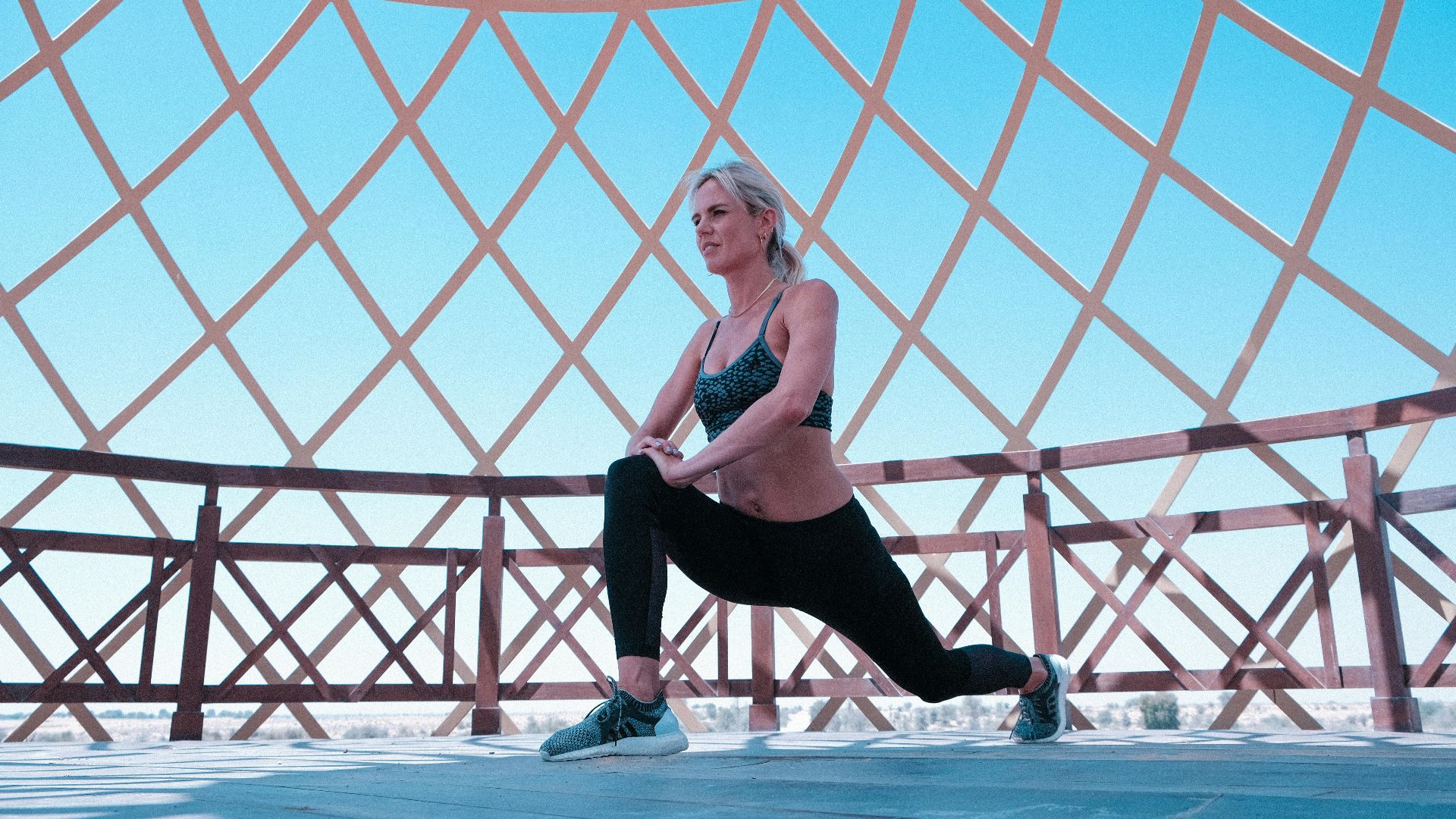
You can’t skip leg day, especially in calisthenics. Walking lunges are a good dynamic exercise that builds strength as well as stability, helping you to find your balance before moving on to harder exercises. They’re also just helpful for everyday mobility.
 The Lazy Artist Gallery on Pexels
7. Chin-Ups
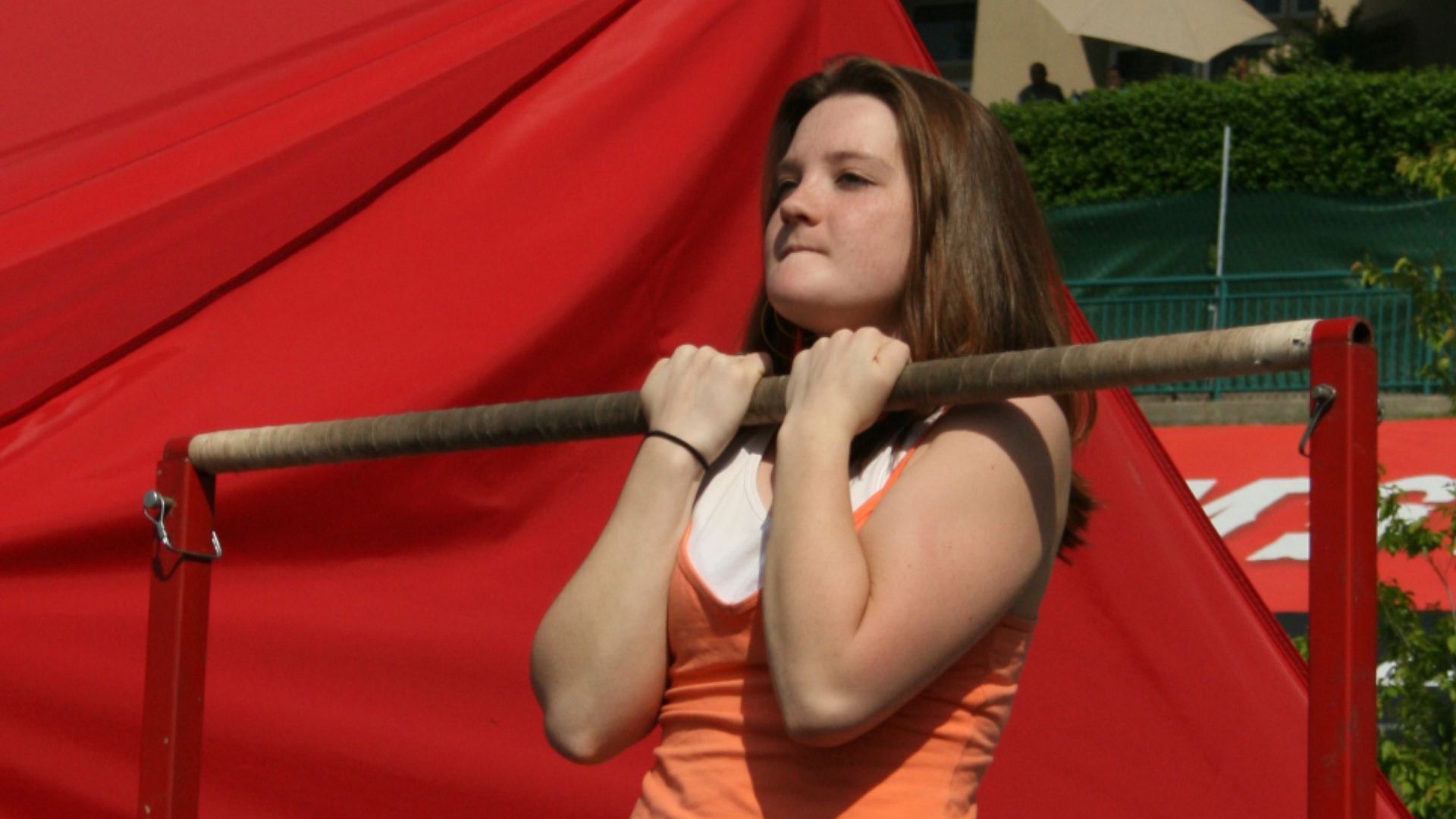
Chin-ups are the opposite of pull-ups, as in your palms are facing inward instead of outward. These are also hugely helpful for core and bicep strength. You can work your way up to a chin-up with assistant bands, dead hangs, or negatives.
 https://www.flickr.com/photos/theogeo/ on Wikimedia
8. Support Hold
A support hold involves suspending your body by pushing up on two bars. This exercise engages your core and builds straight-arm strength, which will help you perform more advanced exercises like dips, L-sits, and muscle-ups.
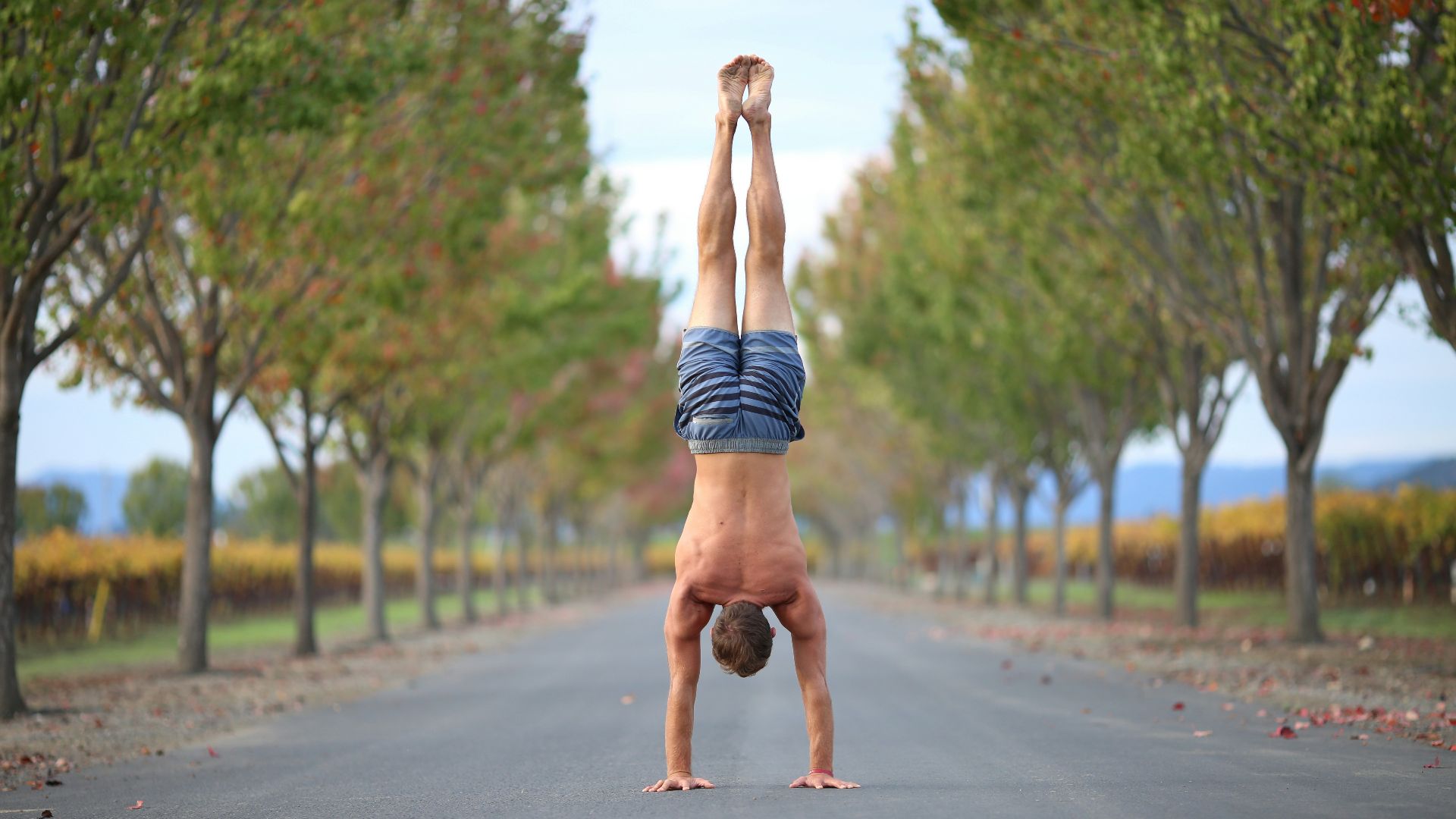
9. Handstand
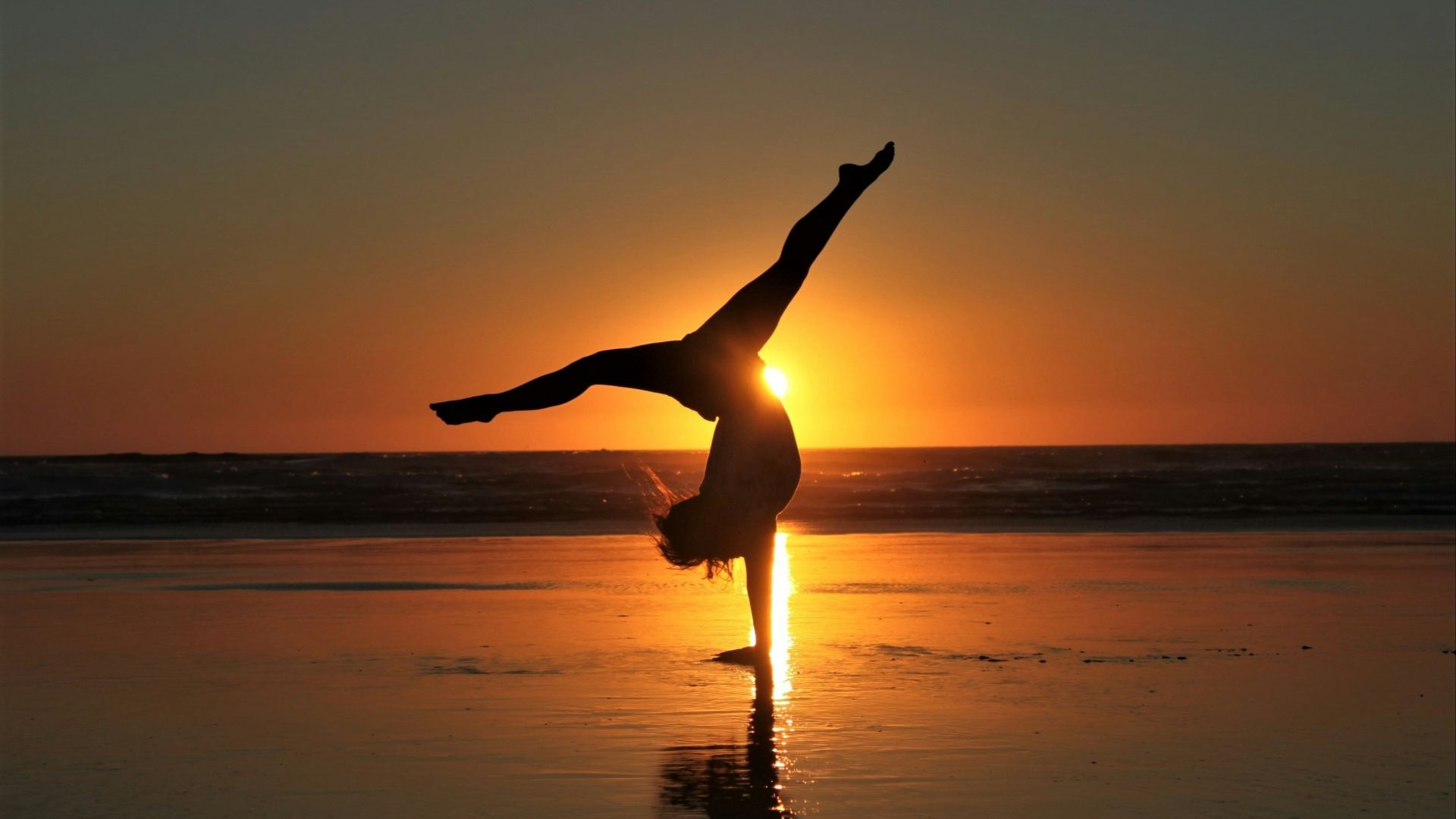
We’re going back to your gymnastics class for this one. Handstands are a crucial, foundational exercise for any calisthenics journey, building stability and strength in your core, shoulders, and arms. You can start small by supporting yourself against a wall as you build your muscles.
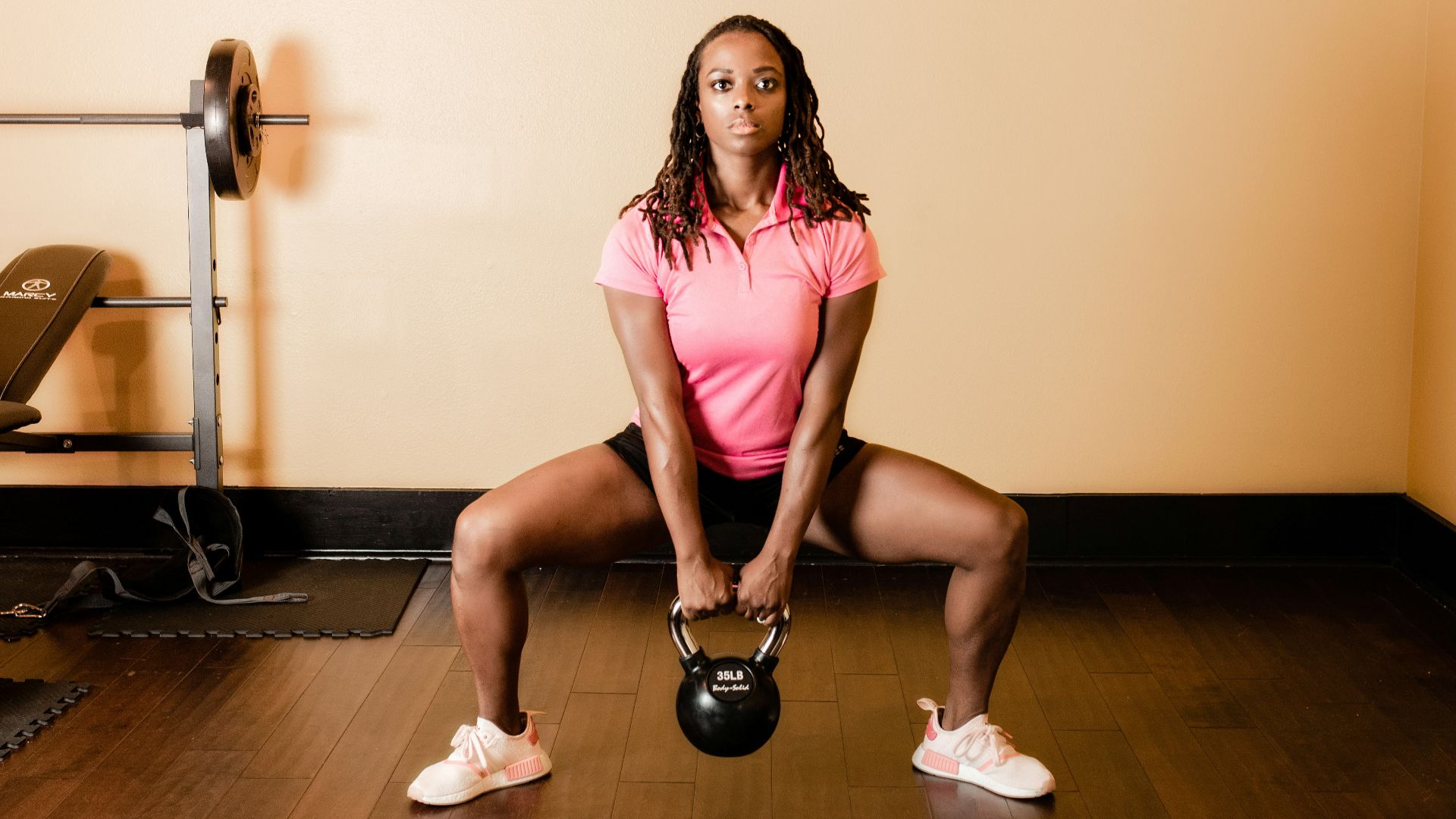
10. Squats
If you’ve ever watched a calisthenics video, you know that a one-legged squat is a popular exercise for the pros. Well, to get to a one-legged squat, you have to start with a two-legged squat. Build that strength in your glutes, hamstrings, and calves, and you’ll be able to pose like the pros in no time.
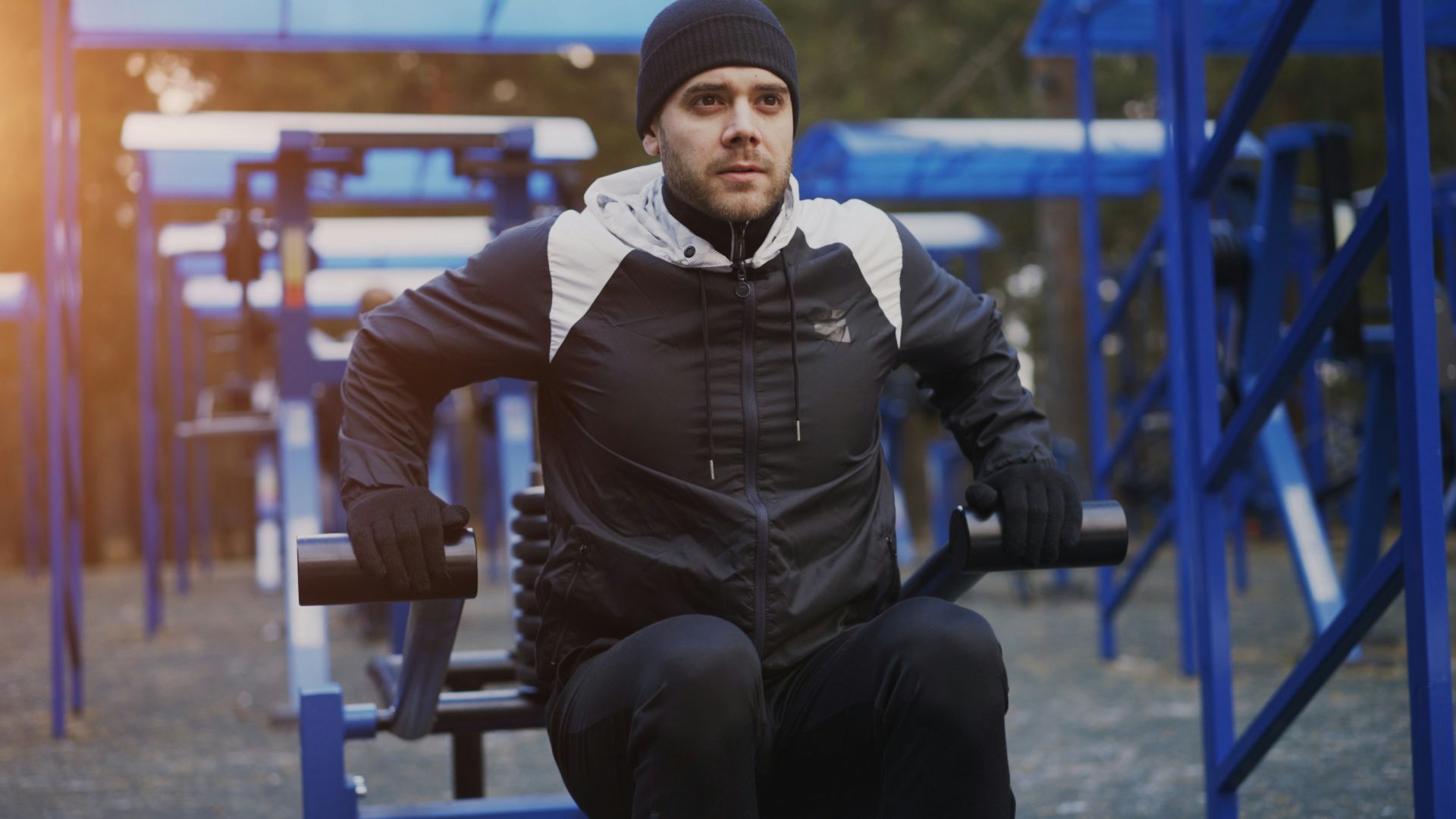
11. Dips
Dips target the chest, shoulders, and triceps, all while increasing stability and range of motion. Beginners usually start with a bar, incorporating negatives or assistant bands as they progress. Eventually, you’ll be able to do dips with rings and start flipping your body around like some kind of olympian.
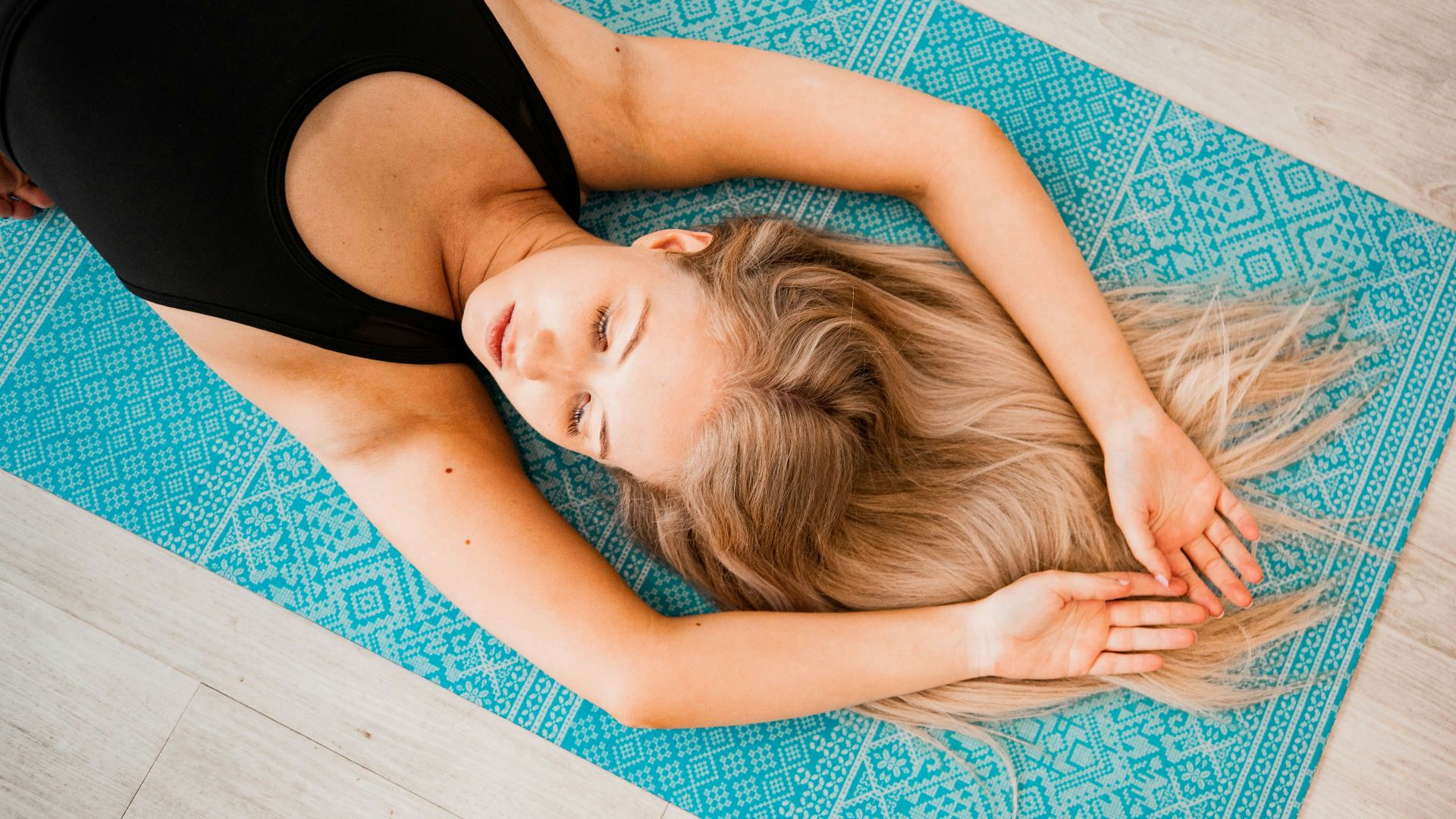
12. Hollow Body Hold
This core exercise might seem simple, but it's actually quite difficult. Challenging your abs and glutes, you must lift your back, shoulders, and legs off the ground while keeping your back against the floor. It might suck, but it’ll be a huge help when you’re trying to move on to more advanced exercises.
 LUNA ACTIVE FITNESS on Unsplash
13. Burpee
This full-body exercise doesn’t just build strength, but also endurance and agility. It engages all the major muscle groups in your body and builds muscular endurance. It’s also easy to modify, as you can remove the pushup or pump, or even add a plank variation if need be.
14. Compression Drills
It’s not just your shoulders, arms, and core that need to be strong for calisthenics. Your hips and wrists need a bit of love, too. Compression drills build those less-discussed areas of your body, and also train you to form tight body positions that you will need down the road.
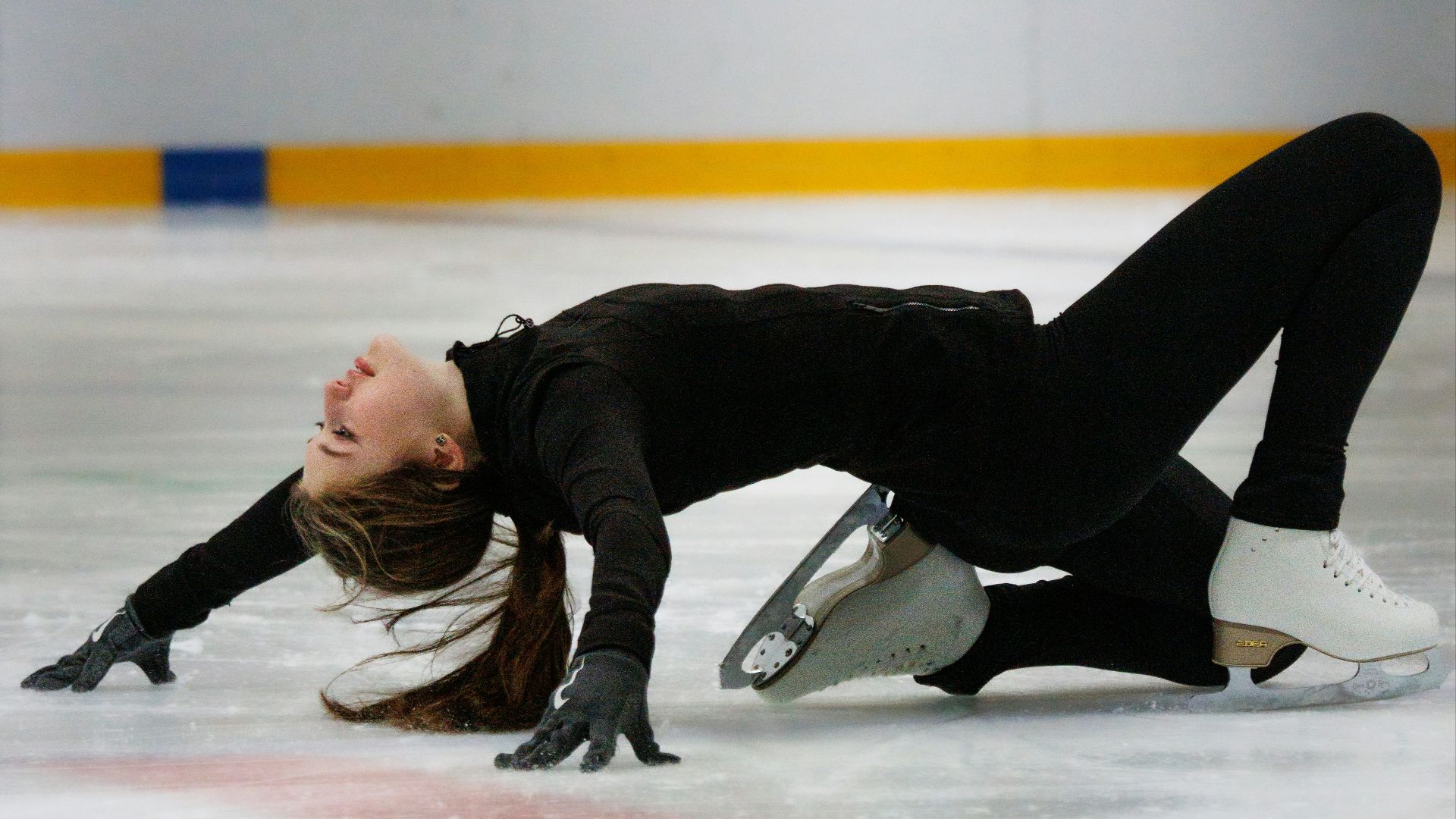
15. Reverse Nordic Curls
This exercise builds strength in your quads and hip flexors. It’s done by kneeling and slowly leaning back while maintaining a tight core and straight spine. This will build the quad strength needed for things like pistol squats, but will also help you learn how to control descents for other exercises.
 Nathanaël Desmeules on Unsplash
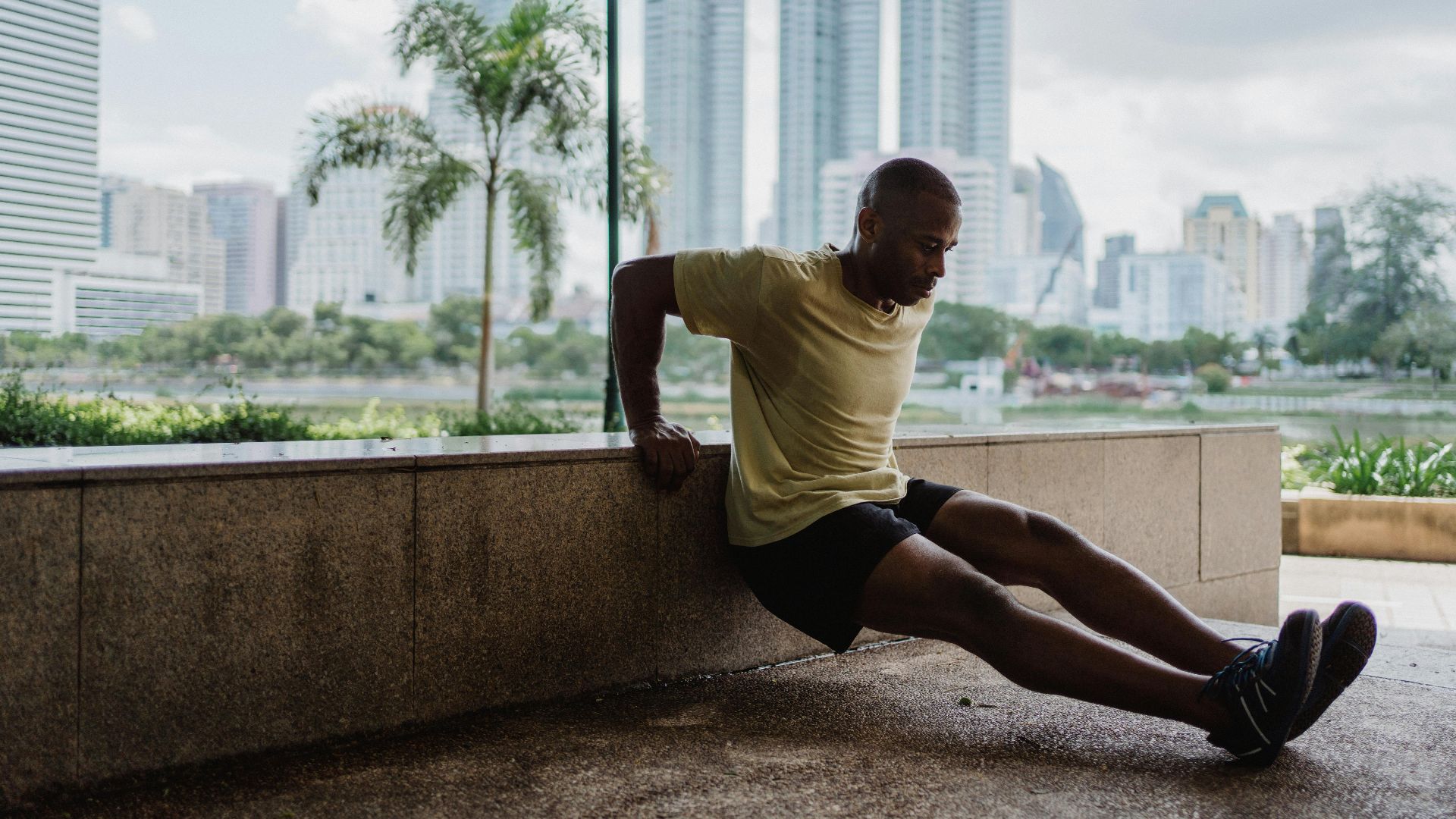
16. Tricep Dip
I mean…the muscle is in the name. Tricep dips help to build muscle in your triceps, and can easily be done with a couch table, or chair in your home. This exercise builds stability within the upper body, as well as ‘pushing power,’ which will help with exercises like planches and handstands.
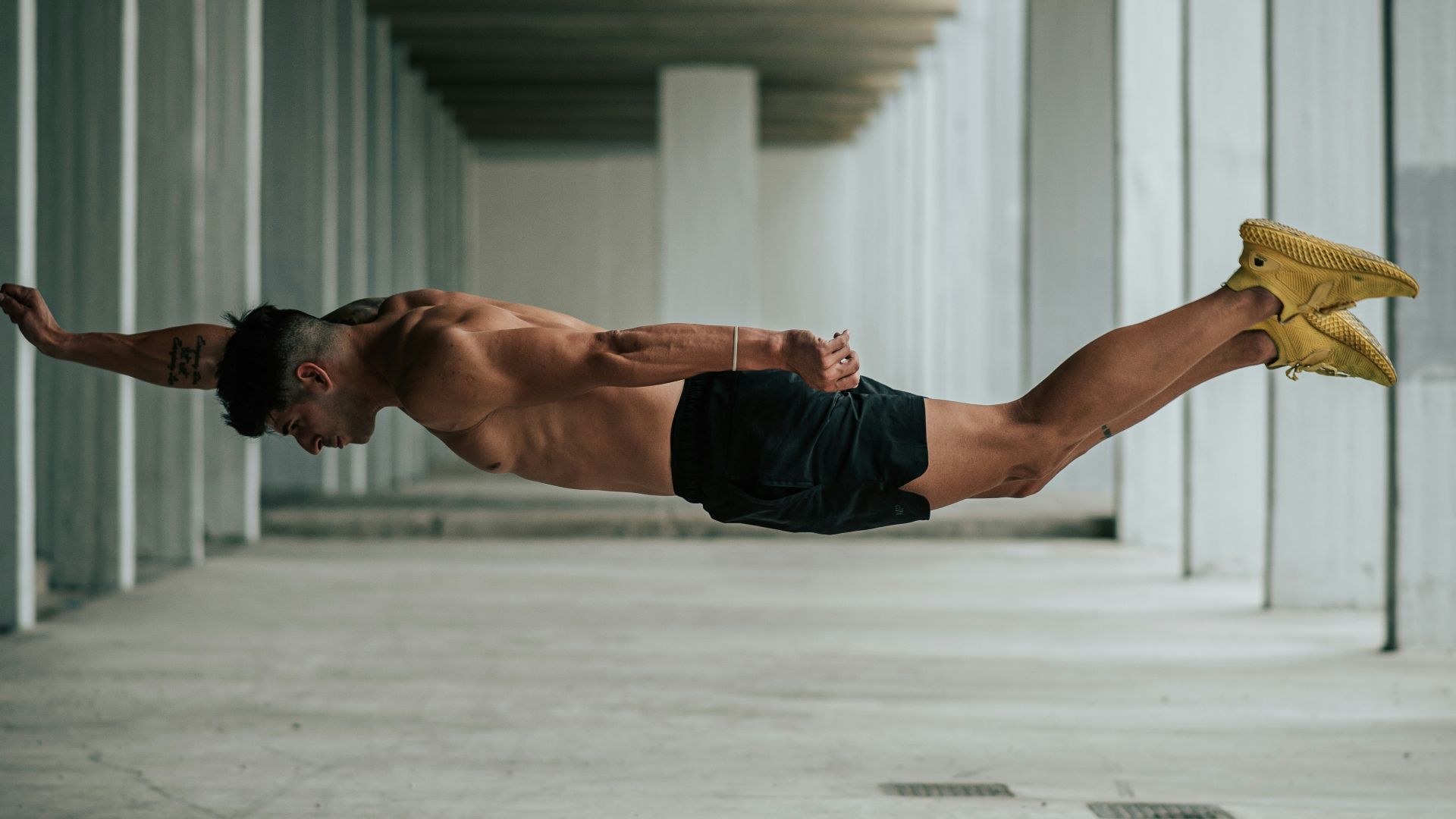
17. Superman
A superman hold requires you to lie on your stomach and lift your arms and legs simultaneously. This engages your back, glutes, and core, but also helps with posture and stability. Down the road, this simple exercise helps with body control for more advanced movements.
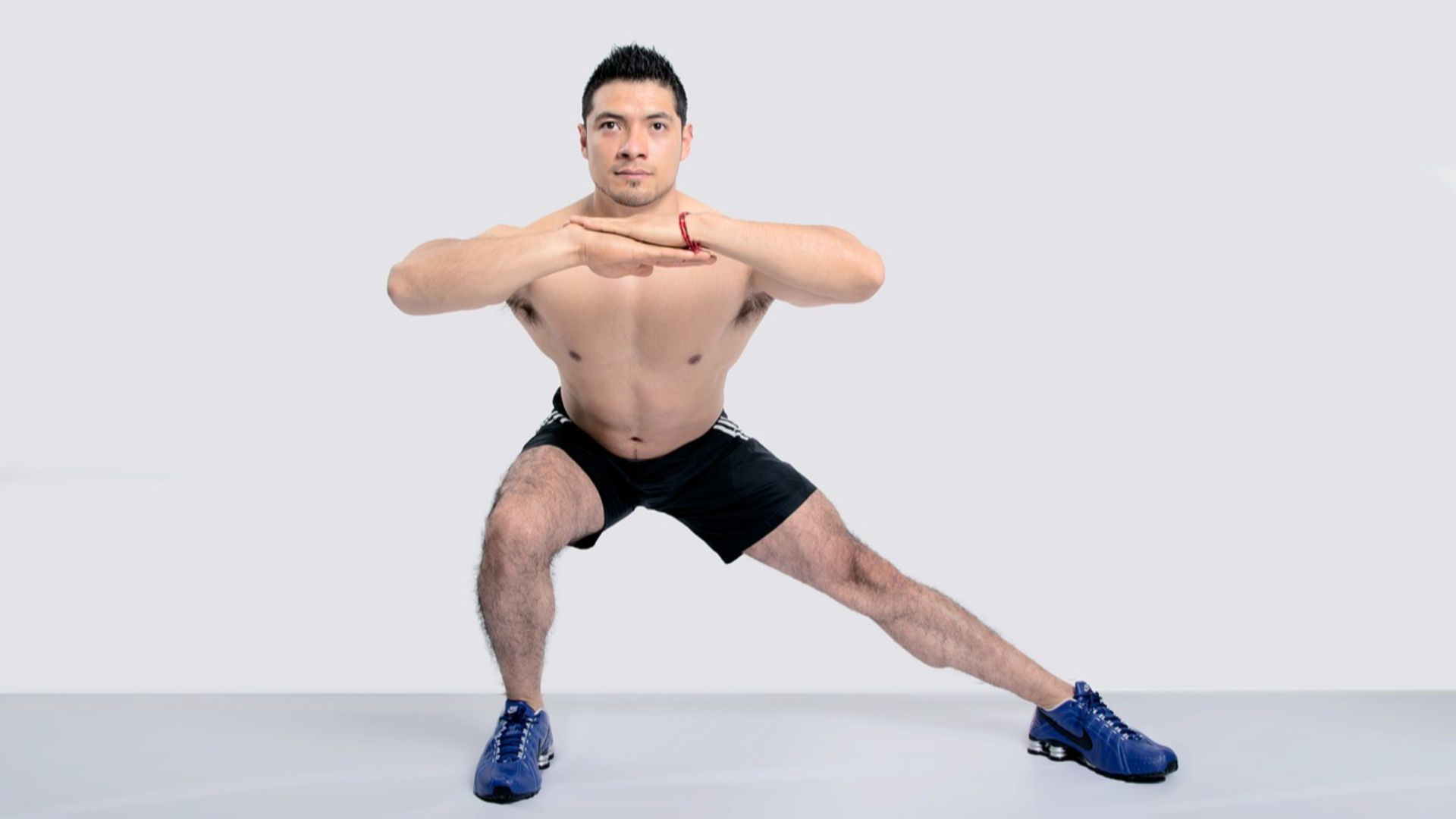
18. Lateral Lunges
These ‘side-to-side’ lunges build glutes, hip flexors, hamstrings, and quads. As it changes your direction from the traditional ‘up-and-down’ exercises most commonly used in workouts, you’ll be able to develop strength and control for more advanced multi-directional exercises. They also work your inner thighs, which tend to be left out when it comes to strength workouts.
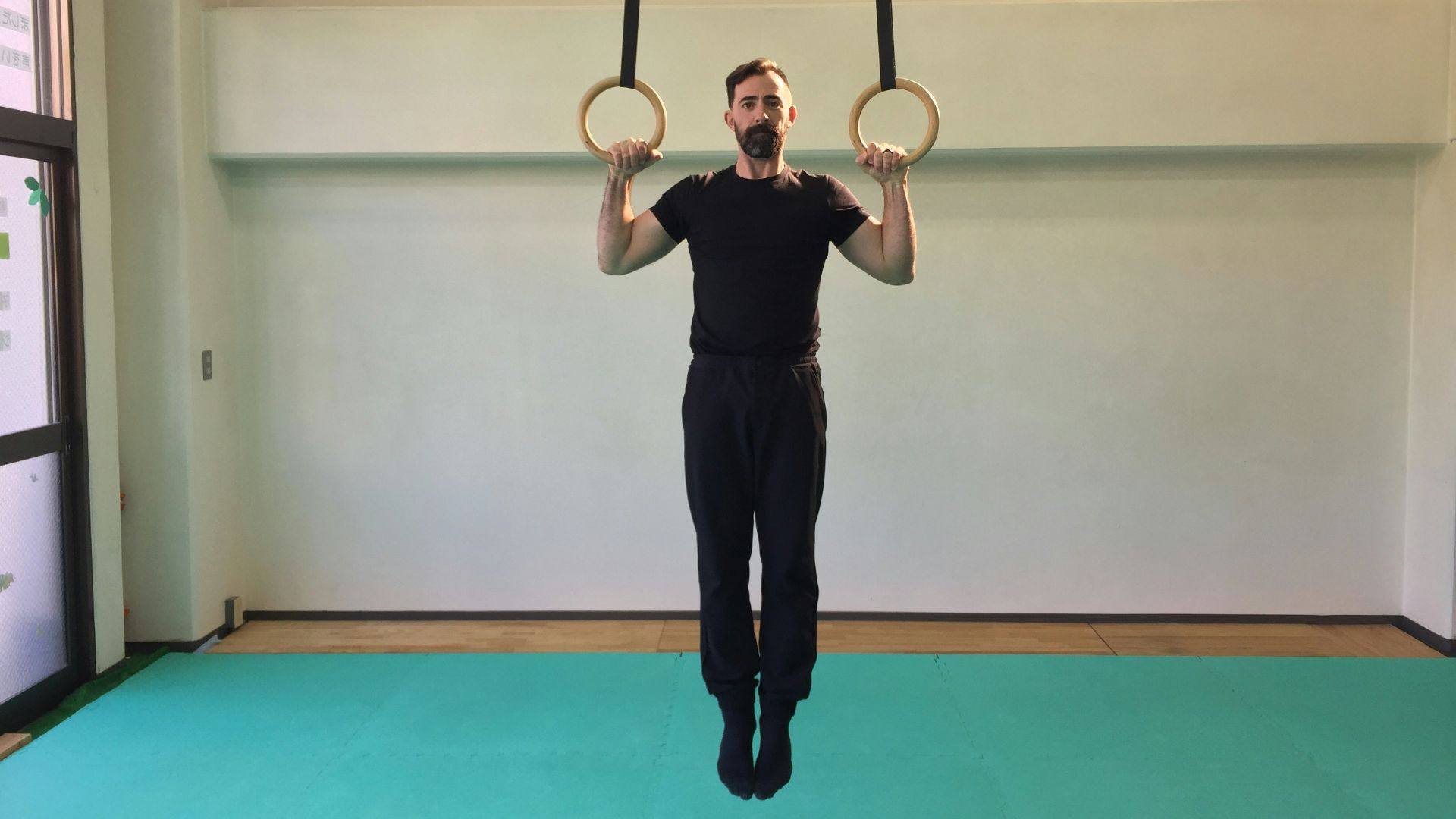
19. Hanging Knee Raises/Crunches
This is a step forward in terms of building your way up to a pull-up or chin-up, but it’s also a really useful core exercise. You can also work on hanging stability, grip strength, and muscle control.
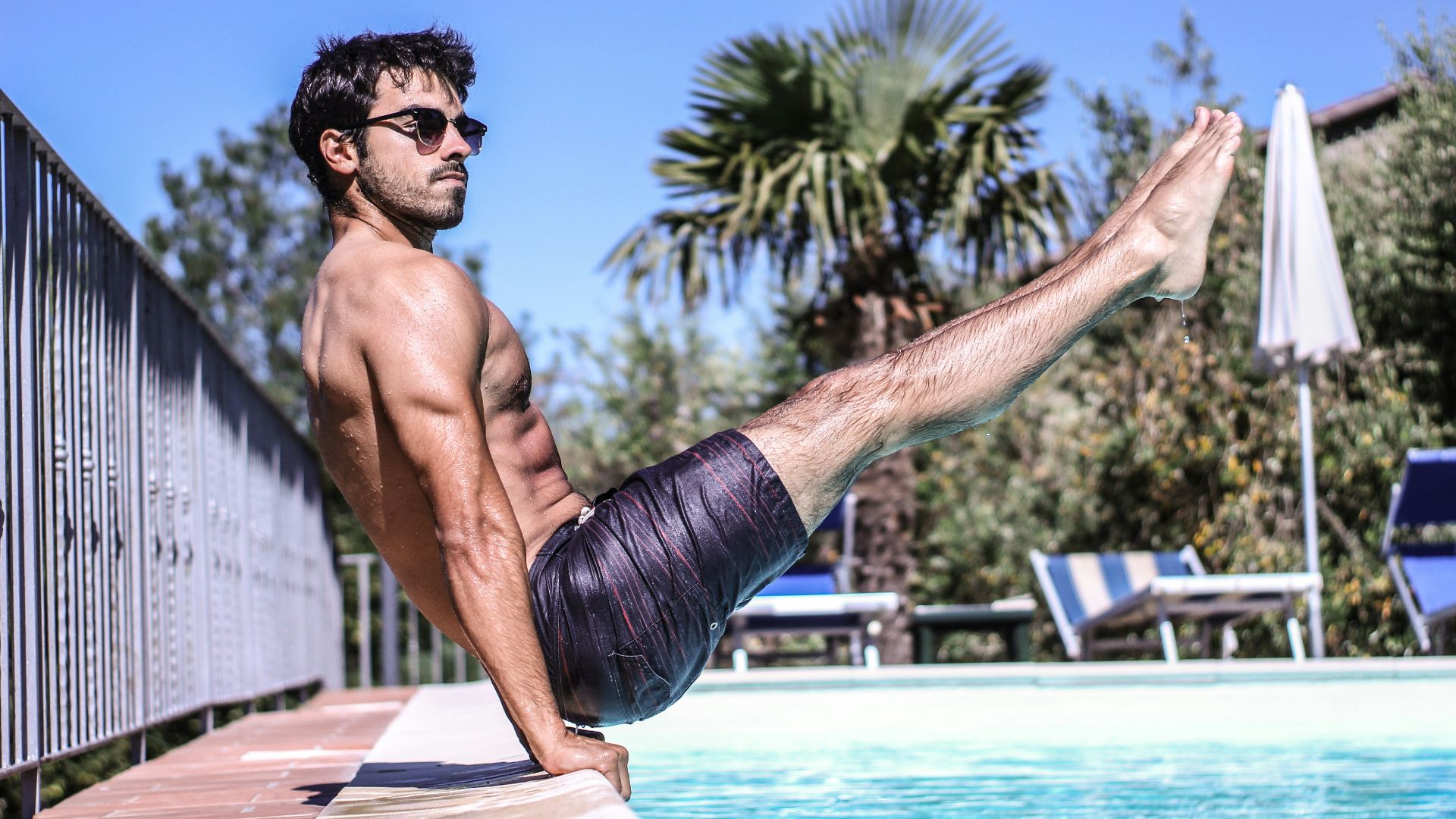
20. V-Sits
This exercise requires you to lift your legs and arms to create a “V” shape within the air, and builds strength and balance in your core. Beginners can start on the floor, but as you progress, you can start to do single-leg variations, tucked holds, and eventually balance with your hands instead of your tailbone.
KEEP ON READING

20 Natural Ways You Can Boost Your Immune System
20 Ways To De-stress & Relax After Work
The 10 Most Common Diseases & The 10 Most Rare