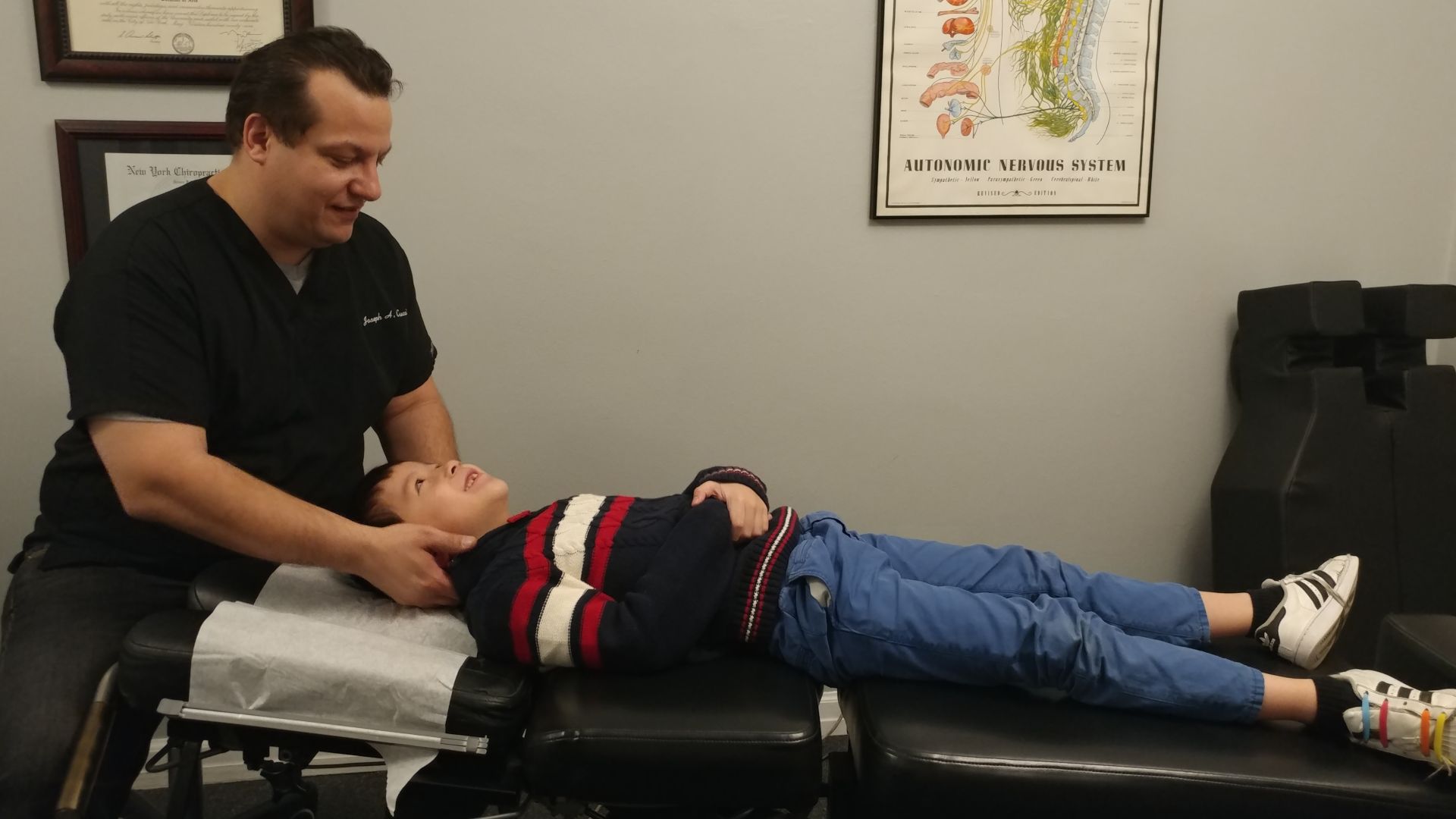
Two Paths To Pain Relief
Ancient healing and modern treatment rooms do not usually share space, yet acupuncture and chiropractic care keep crossing paths in health conversations. Both rely on touch, technique, and theories that once traveled by word of mouth rather than journals. This article breaks down how those ideas developed, spread, and gained legitimacy over time. Let's first start with acupuncture before moving on to some facts about chiropractic treatment.

1. Acupuncture Began In China Over 2,500 Years Ago
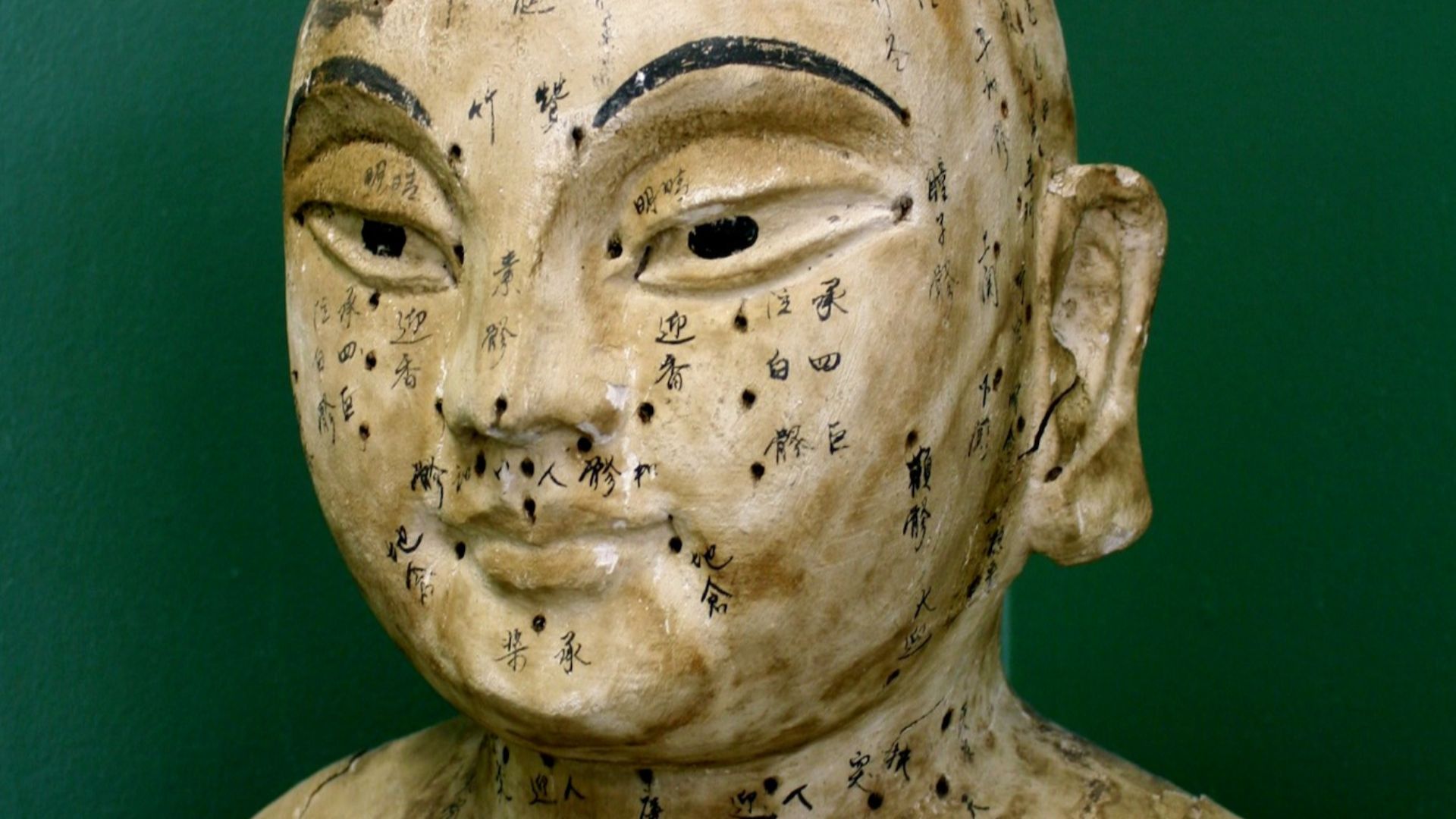
Long before stainless steel needles existed, healers in ancient China relied on sharpened stone and bone tools. Emerging during the Warring States period, acupuncture developed alongside herbs and massage, forming an early foundation of Traditional Chinese Medicine .
2. The Huangdi Neijing Shaped Acupuncture Theory
Written around 200 BCE, the Huangdi Neijing organized acupuncture into a coherent medical system. Split into Suwen and Lingshu, it formalized ideas of Qi, Yin Yang balance, and the Five Elements, which guided diagnosis and treatment for centuries.
 Unknown authorUnknown author on Wikimedia
3. More Than 300 Body Points Guide Treatment
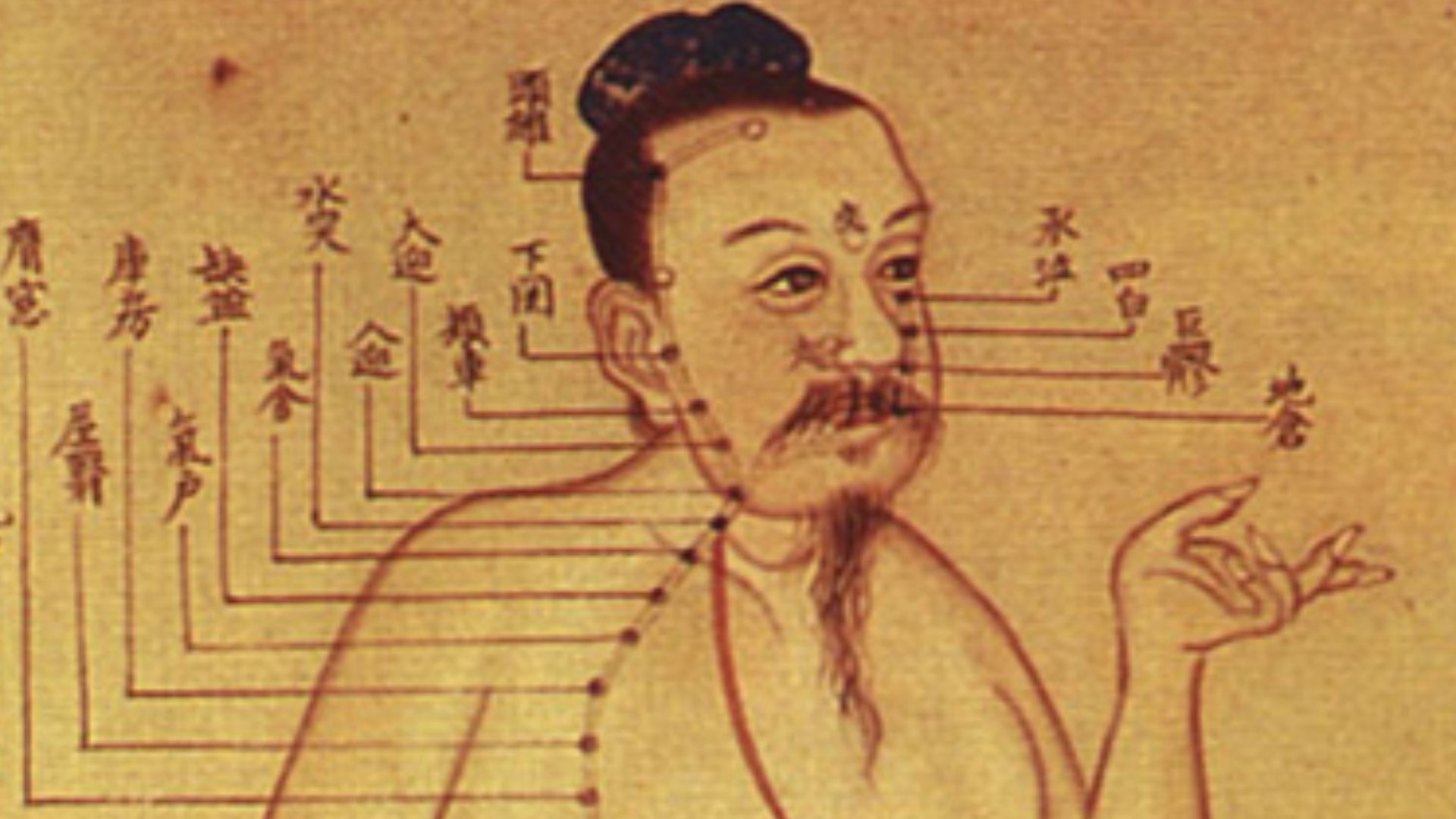
Modern acupuncture maps the body with precision. The World Health Organization also recognizes 361 standard points arranged along twelve primary meridians. Additional points exist outside these pathways, often used for specialized or localized conditions.
4. Acupuncture Extends Beyond Needles
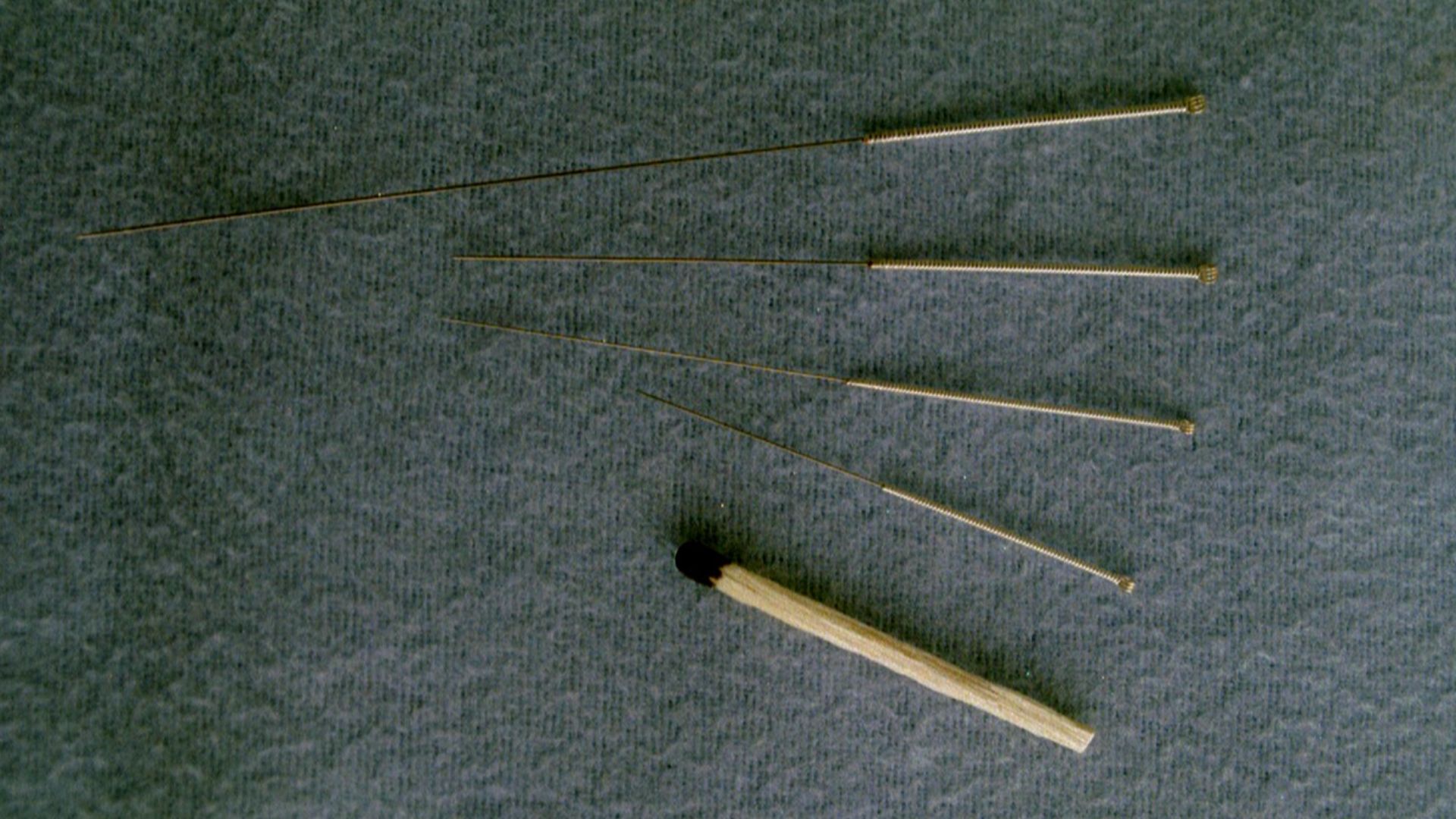
Despite the name, needles tell only part of the story. Practices such as acupressure, cupping, and moxibustion play supporting roles. More recently, laser acupuncture offers stimulation without puncturing skin, appealing to needle cautious patients.

5. Who Formally Recognized Acupuncture Conditions In 1979
Official approval finally showed up on paper. In 1979 the World Health Organization accepted acupuncture for forty three conditions. Ancient practice met modern authority in Beijing where centuries of use suddenly felt more believable once stamped by bureaucracy.

6. Acupuncture Activates Anti Inflammatory Pathways
Research at Harvard revealed acupuncture can trigger vagal adrenal pathways that regulate immune response. This neuroimmune effect lowers inflammation markers. Clinical evidence also supports benefits for arthritis and colitis. However, specific neurons must exist for this response.
7. Acupuncture Spread Worldwide During The 20th Century
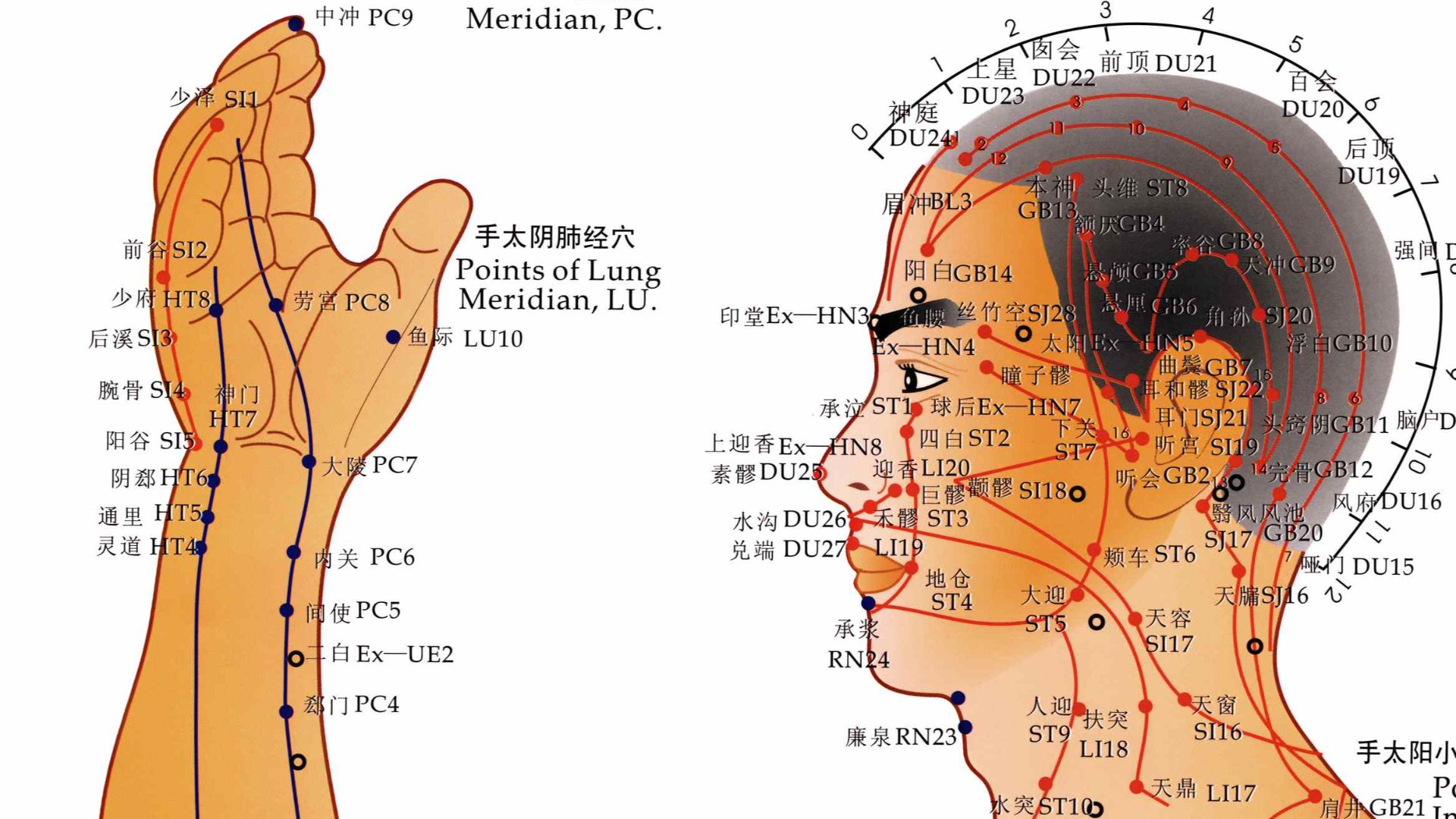
After centuries centered in Asia, acupuncture traveled widely during the twentieth century. Japan and Korea adapted techniques early, followed by Europe and the United States with France becoming an early Western adopter.

8. Electroacupuncture Uses Gentle Electrical Stimulation
Developed during the twentieth century, electroacupuncture pairs needles with low frequency electrical currents. This approach enhances nerve stimulation and sometimes shortens treatment sessions. Patients usually report a mild vibrating sensation rather than pain during therapy.
 Antoni Shkraba Studio on Pexels
9. Veterinary Acupuncture Supports Animal Recovery
Animals receive acupuncture care more often than many realize. Horses and dogs commonly also undergo treatment for joint and nerve conditions. Most importantly, racehorses use acupuncture to support recovery and maintain performance after physical strain.
 Mark Hillary from Serra Negra, São Paulo, Brazil on Wikimedia
10. Japanese Acupuncture Prioritizes Comfort (Abstract & Metaphorical)
Japanese acupuncture favors subtlety over force. Ultra fine needles enter shallow depths and sometimes give way to blunt tools. Plus, diagnostic focus begins at the abdomen. Techniques like Shonishin even allow treatment without puncture, especially for children.
1. Chiropractic Began In 1895 In Iowa
In 1895, a hands-on experiment in Davenport changed manual medicine. D.D. Palmer performed the first chiropractic adjustment on Harvey Lillard. That moment sparked an entirely new profession, later expanded worldwide through Palmer’s son and devoted followers.
 Unknown authorUnknown author on Wikimedia
2. Millions Visit Chiropractors Each Year
According to the American Chiropractic Association, chiropractic care now reaches more than thirty five million Americans annually. Over seventy thousand licensed practitioners provide treatment across the country. In fact, the approach ranks among the most commonly used complementary health services for adults and children alike.

3. Lower Back Pain Drives Most Visits
Back pain sends people searching for relief more than almost anything else. Chiropractic care frequently addresses mobility limits tied to lower back discomfort. Clinical guidelines even recommend it for some cases, reflecting how common this reason has become.

4. Adjustments Can Reduce Medication Use
Pain relief without pills appeals to many patients. Observational research shows chiropractic care often reduces reliance on pain medication, including opioids. Public health agencies encourage such non drug approaches, especially within broader pain management strategies focused on long term function.
 Antoni Shkraba Studio on Pexels
5. That Popping Sound Is Not Bones
The dramatic crack worries newcomers every time. However, that sound comes from gas release inside joint fluid not from bones shifting or breaking. The process is called cavitation and remains harmless. Many patients even find the sound oddly satisfying, similar to knuckle cracking, despite how dramatic it can seem during an adjustment.
 Jaysin Trevino from Evanston, IL, US on Wikimedia
6. Chiropractors Earn A Doctorate Degree
Becoming a chiropractor requires a Doctor of Chiropractic degree, typically completed after undergraduate study. Training includes anatomy, physiology, and supervised clinical work. Accreditation is overseen by the Council on Chiropractic Education, ensuring standardized medical instruction.

7. Licensing Rules Vary Worldwide
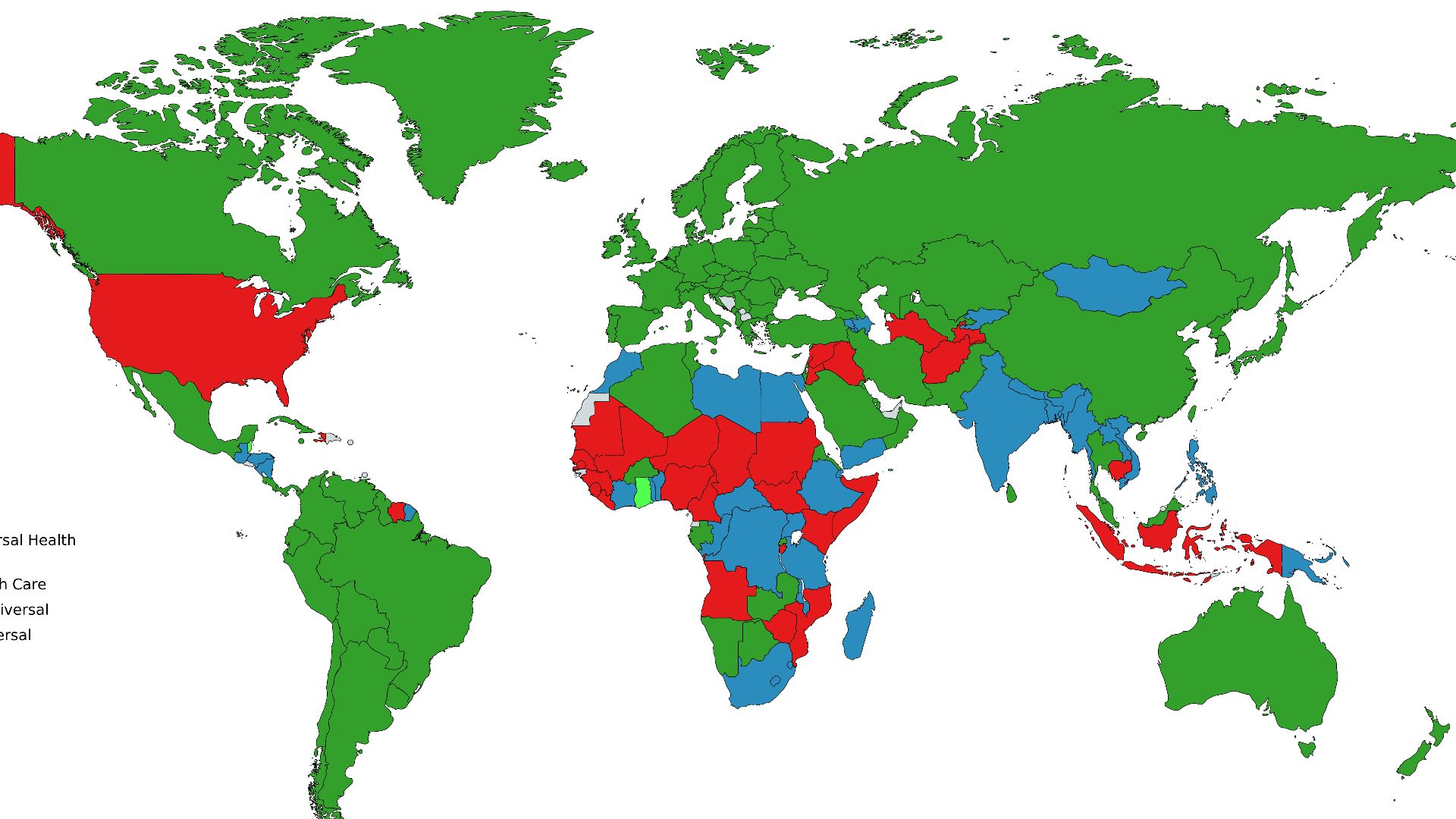
Practice standards shift by country. The United States requires national board exams, while Canada enforces provincial licensing. Some nations even classify chiropractic as alternative care. Switzerland, however, stands out by recognizing chiropractors as primary care providers within its healthcare system.
8. Serious Risks Remain Rare
Most chiropractic side effects involve temporary soreness or stiffness. Rare complications such as vertebral artery dissection are documented but uncommon. Informed consent is standard practice, and risks remain lower than many surgical interventions.

9. Multiple Adjustment Techniques Exist
Not every adjustment looks the same. Diversified technique dominates everyday practice, while Gonstead emphasizes precision analysis. Activator methods also rely on handheld instruments. Patients often notice differences quickly, even though the goal remains consistent joint mobility.

10. Children Also Receive Chiropractic Care
Pediatric chiropractic sparks debate yet continues worldwide. Care mainly focuses on posture and musculoskeletal balance rather than forceful adjustments. However, the effects are mostly mild. Some parents also seek treatment for discomfort tied to growth related strain.