The Bacteria Living Inside You Know More Than You Think
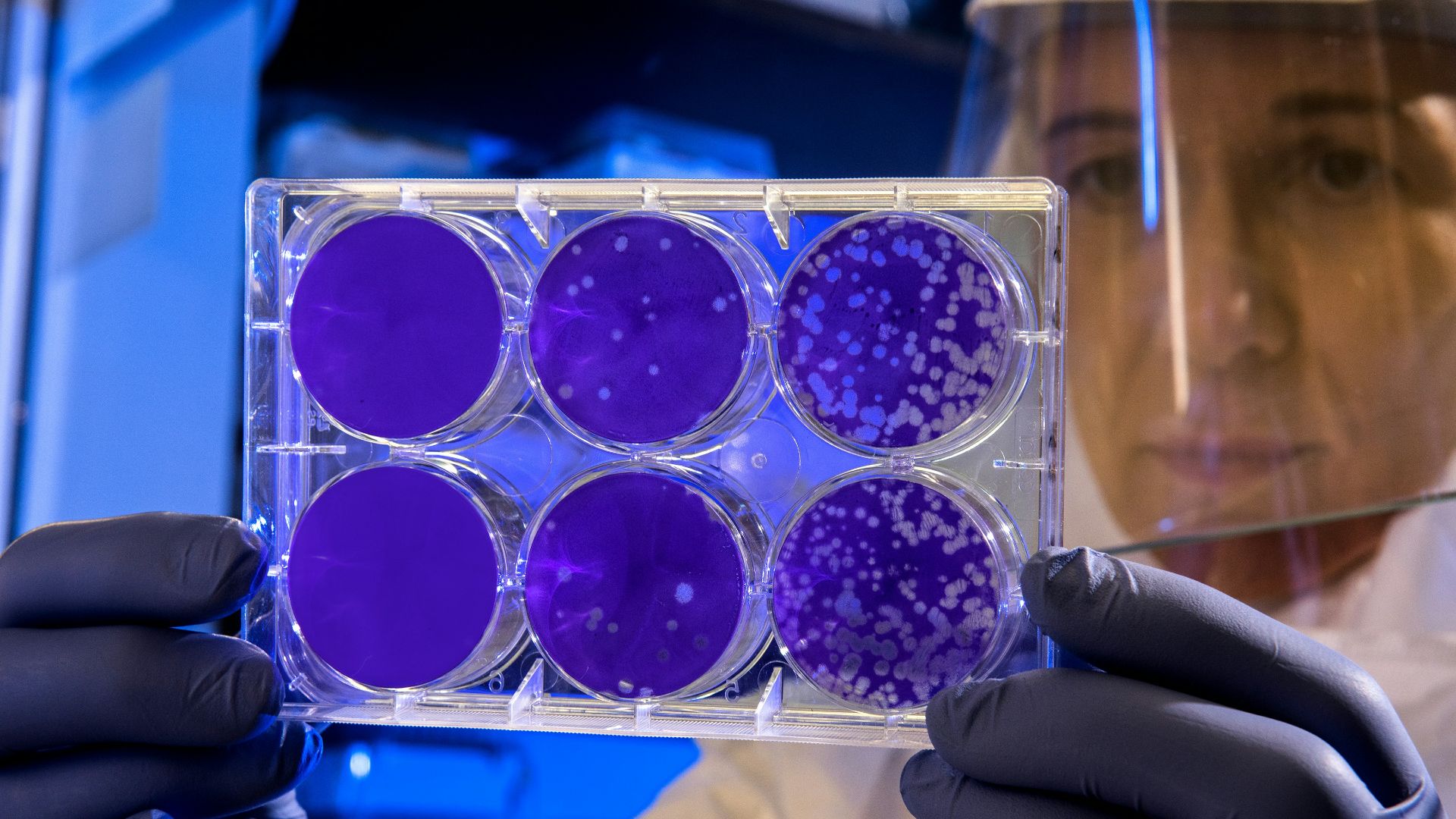
Your gut contains roughly 100 trillion microorganisms, outnumbering your human cells by about ten to one. These bacteria, fungi, viruses, and other microscopic life forms create an ecosystem so complex that scientists are still mapping its full implications. These tiny organisms influence everything from your mood to your susceptibility to certain diseases. Here are twenty ways the specific composition of your gut bacteria reveals surprising details about your life.
1. Your Stress Levels Show Up in Your Bacteria
Studies have documented how chronic stress directly alters the composition of gut bacteria, reducing beneficial species like Lactobacillus and increasing inflammatory ones. When you’re stressed for weeks or months, your microbiome shifts in measurable ways.

2. Where You Grew Up Leaves a Microbial Fingerprint
Research comparing gut bacteria across different populations shows that people raised in rural agricultural environments harbor different bacterial communities than those raised in urban areas. The soil you played in, the water you drank, even the local diet your family ate all contributed to establishing your baseline gut composition.
 Ricardo Gomez Angel on Unsplash
3. Your Sleep Schedule Gets Recorded
Circadian rhythms don’t just govern when you feel tired. Your gut bacteria operate on similar cycles, with populations waxing and waning throughout the day. Shift workers and people with irregular sleep patterns show disrupted microbial rhythms.

4. How Much Exercise You Get
Athletes have distinctly different gut microbiomes compared to sedentary people. Exercise changes your microbiome, and certain bacterial profiles may enhance athletic performance. You can’t fake an active lifestyle to your gut bacteria.

5. Your Antibiotic History
Every course of antibiotics you’ve taken has left its mark. These medications don’t discriminate between harmful pathogens and beneficial bacteria, wiping out huge swaths of your microbial community. While many bacteria eventually recover, some species may never return to pre-antibiotic levels.

6. Whether You Were Breastfed
Breastfeeding establishes specific bacterial populations in infancy that influence gut development for years afterward. Breast milk contains oligosaccharides that human babies can’t digest but that feed beneficial bacteria like Bifidobacterium. Formula-fed babies develop different microbial communities from the start.

7. Your Dietary Preferences and Restrictions
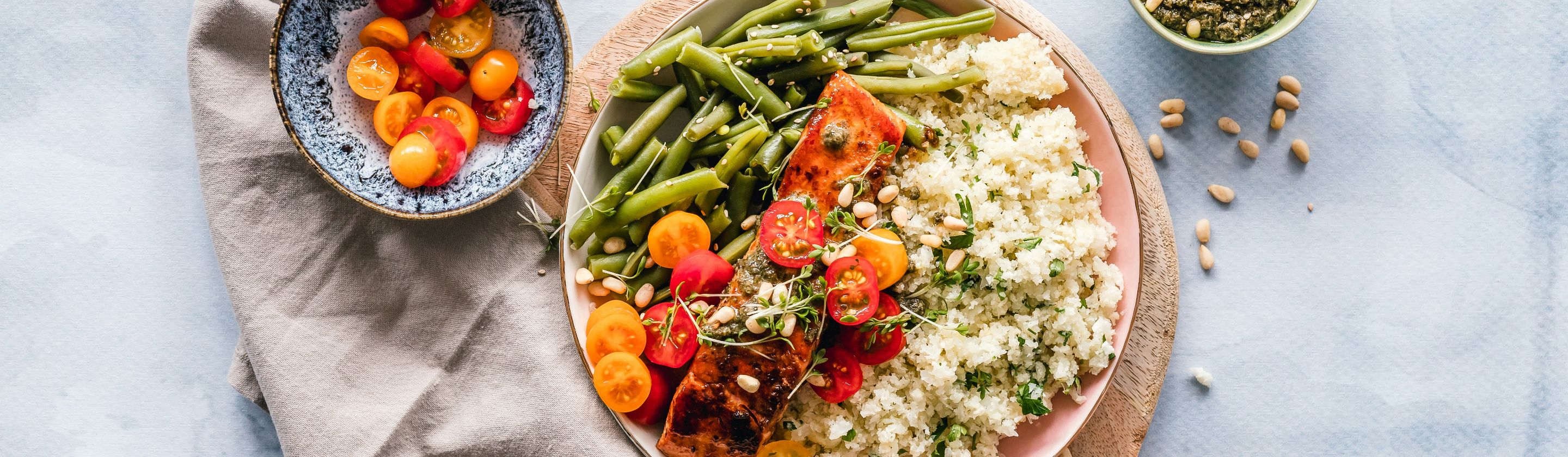
Vegans, vegetarians, and omnivores have measurably different gut bacteria. High-fiber intake promotes bacteria that ferment plant material, while high-protein and high-fat diets favor different species. Someone analyzing your microbiome could make educated guesses about whether you eat meat regularly, consume lots of vegetables, or favor processed foods.

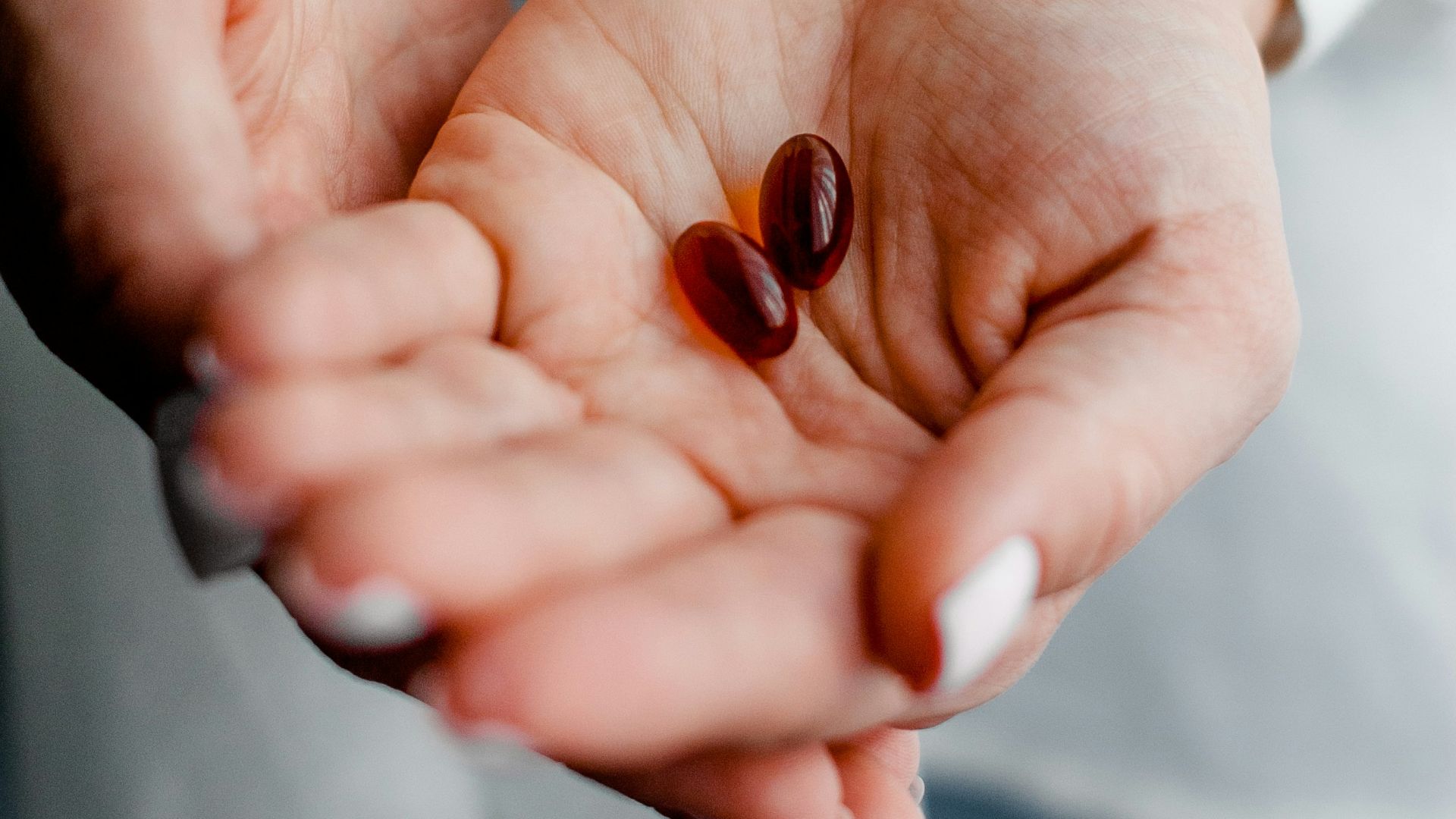
8. How Often You Take NSAIDs
Regular use of nonsteroidal anti-inflammatory drugs like ibuprofen affects gut bacteria composition. The bacteria respond to these medications, shifting populations in ways that might contribute to some of the gastrointestinal side effects NSAIDs can cause.
 Kateryna Hliznitsova on Unsplash
9. Your Age, Roughly
Gut microbiomes change predictably across the lifespan. Infant microbiomes are distinct and rapidly shifting. Adult microbiomes are relatively stable. Elderly microbiomes show reduced diversity and different bacterial ratios.

10. Alcohol Consumption Patterns
Heavy drinkers show specific microbial changes, particularly decreases in beneficial bacteria and increases in species associated with liver inflammation. The relationship between alcohol and gut bacteria helps explain why some people develop alcohol-related liver disease while others don’t, even with similar drinking patterns.

11. Your Exposure to Pollution
Air pollution affects more than your lungs. Studies have found that people living in highly polluted areas have different gut microbiomes compared to those in cleaner environments. Particulate matter and other pollutants can be swallowed, affecting the gut directly.

12. Mental Health Status
Depression and anxiety correlate with specific gut bacterial profiles. Research has identified lower levels of certain Coprococcus and Dialister bacteria in people with depression. The microbiome–gut–brain axis means that bacterial imbalances might contribute to mental health issues, while mental health problems can also alter gut bacteria through stress hormones.

13. Whether You Have Pets
Dog and cat owners have more diverse gut microbiomes, likely due to exposure to the microbes their pets carry. Studies comparing households with and without pets consistently find differences in human gut bacteria. This might partially explain why pet ownership in childhood is associated with reduced allergy and asthma risk.

14. Your Smoking Status
Cigarette smoking significantly alters gut bacteria composition, reducing beneficial species and promoting potentially harmful ones. The effects persist even after quitting, though bacterial communities gradually recover. Researchers can often distinguish current smokers, former smokers, and never-smokers based on microbial profiles.
 Alexandra Morozova on Unsplash
15. How Much Coffee You Drink
Regular coffee consumption correlates with specific bacterial populations. Coffee contains compounds that aren’t fully absorbed in the small intestine, reaching the colon where bacteria ferment them. The polyphenols in coffee seem to promote beneficial bacteria, which might explain some of coffee’s health associations.

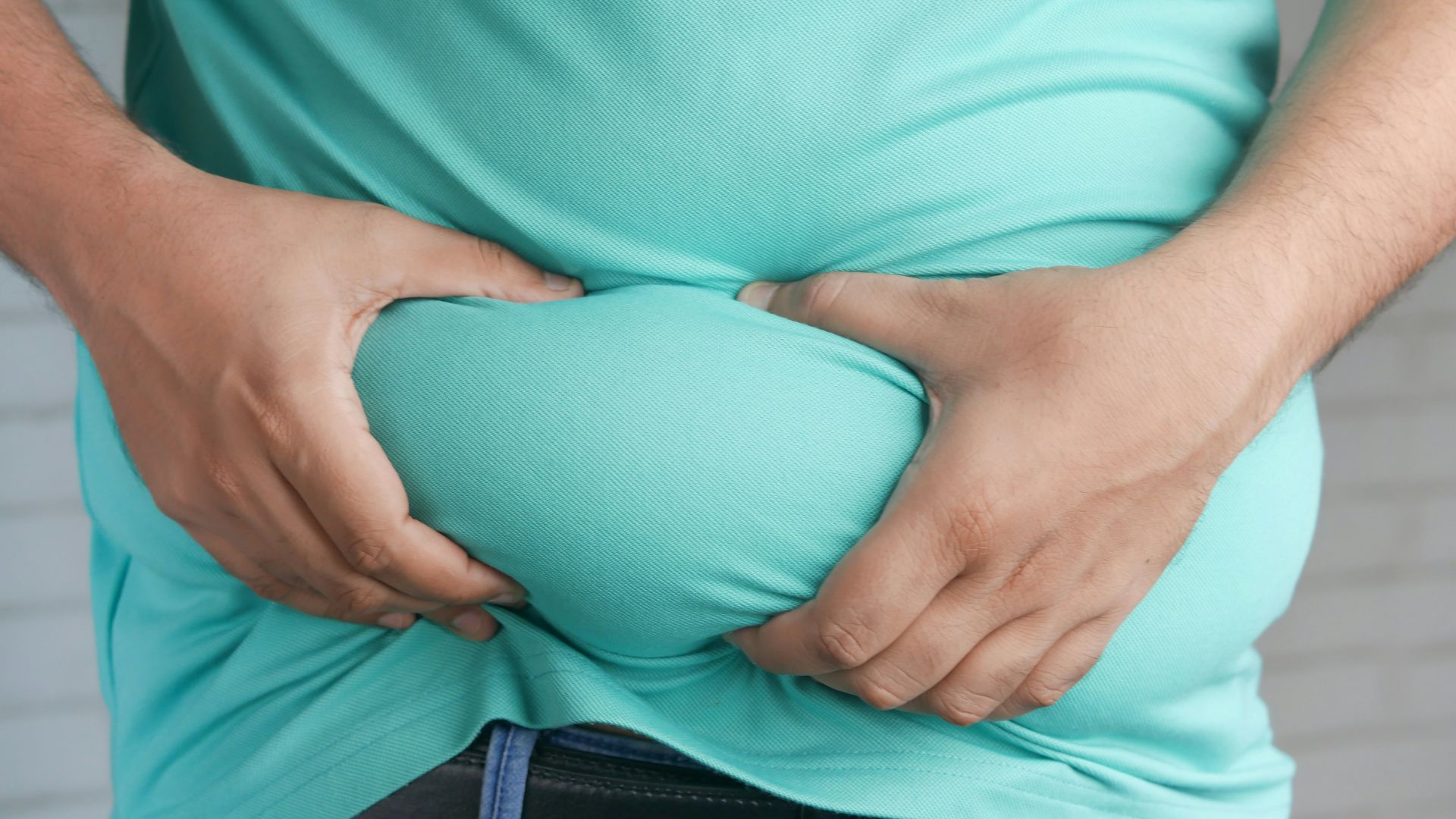
16. Your Body Mass Index, Approximately
Obesity is associated with reduced bacterial diversity and altered ratios of specific bacterial phyla. While you can’t determine someone’s exact weight from their microbiome, you can often tell whether they’re lean or carrying excess weight. Interestingly, when people lose significant weight, their microbial communities shift.
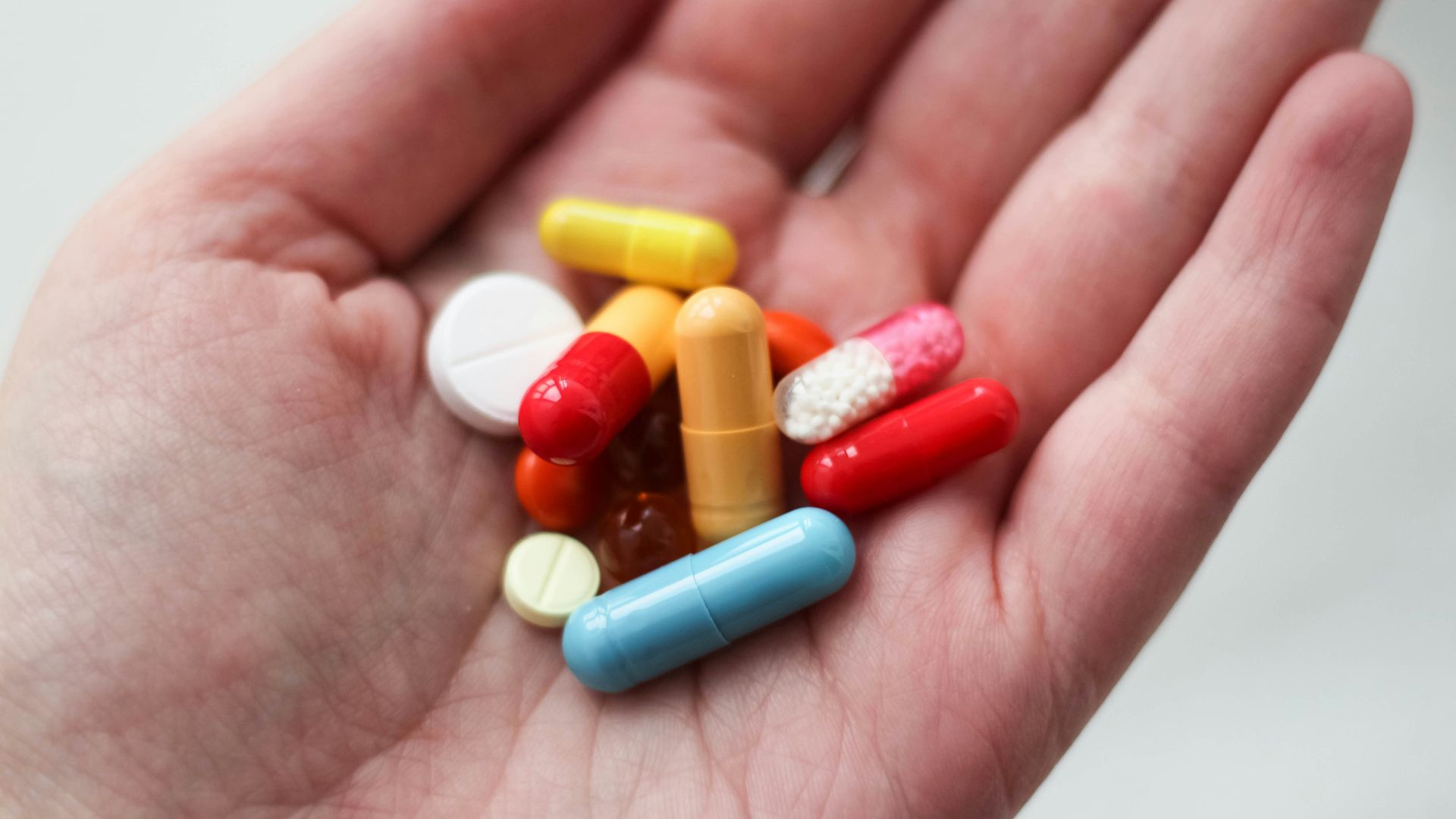
17. Medication Use Beyond Antibiotics
Antidepressants, blood pressure medications, and even antacids affect gut bacteria. Metformin, the diabetes medication, has such pronounced effects on the microbiome that some researchers think microbial changes contribute to its therapeutic benefits.
18. Your Birth Method
Cesarean-section babies initially acquire different bacteria than vaginally born babies. While these differences diminish over time, some studies suggest subtle variations persist. The way you entered the world influenced which microbes colonized you first, giving you a head start with certain bacterial populations.

19. Recent Travel History
International travel, especially to places with different food and water sources, temporarily alters your gut microbiome. Traveler’s diarrhea represents an extreme case, but even without illness, your bacterial community shifts in response to new dietary exposures and environmental microbes.

20. Your Relationship with Artificial Sweeteners
Regular consumption of nonnutritive sweeteners like saccharin, sucralose, and aspartame affects gut bacteria in ways that might promote glucose intolerance. Your microbiome reflects whether you’re drinking regular soda, diet soda, or neither, and responds differently to each choice.