
Your Circulation Can Send Subtle Signals
Artery problems can develop quietly, and some people don’t notice anything until blood flow has become significantly restricted. When symptoms do appear, they may affect the chest, brain, legs, feet, or other areas, depending on which arteries are involved. Many of these signs also have less serious explanations, so one symptom doesn’t automatically mean your arteries are clogged. Still, recurring, unexplained, or worsening changes deserve a conversation with a healthcare professional. Here are 20 warning signs your arteries might be under pressure.
1. You Feel Chest Pressure During Activity
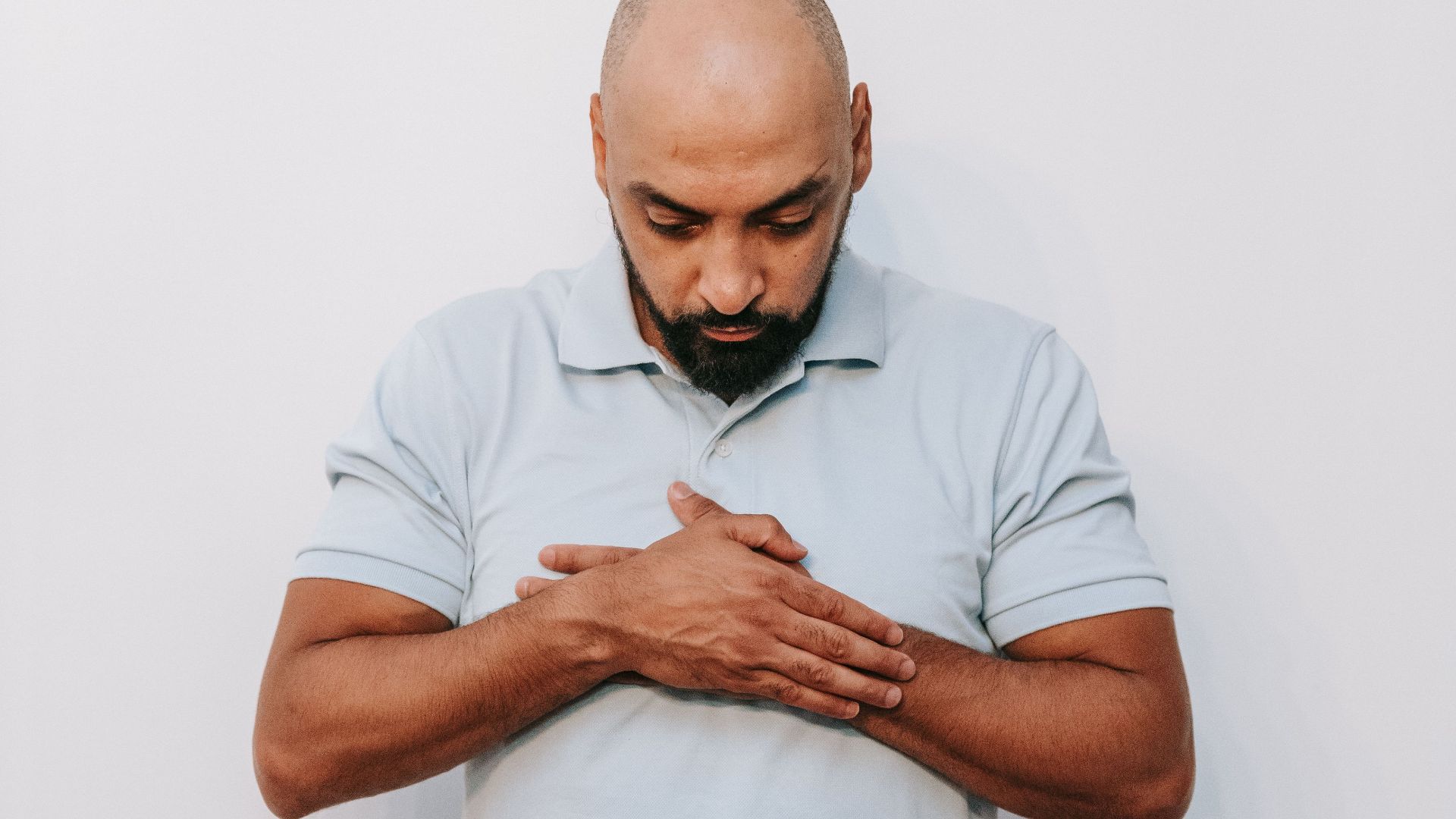
Pressure, squeezing, heaviness, or discomfort in the chest during physical activity can occur when the heart isn’t receiving enough oxygen-rich blood. It may ease once you stop and rest, which can make it tempting to dismiss. Repeated chest discomfort should be evaluated, especially when it appears during the same level of exertion each time.
2. Your Legs Cramp While Walking
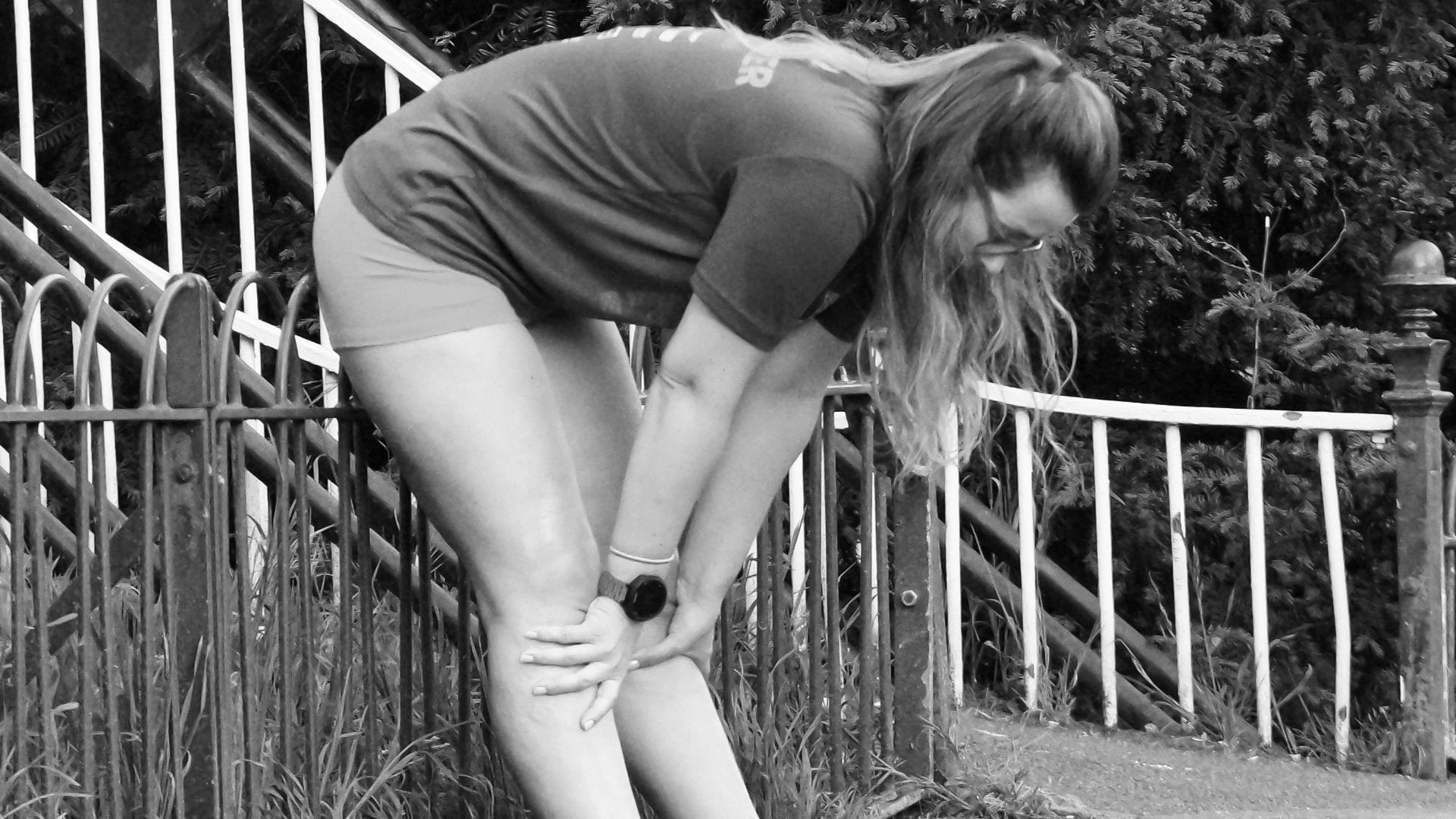
Aching or cramping in the calf, thigh, hip, or buttock that begins while walking and improves with rest can be associated with reduced blood flow to the legs. This pattern is different from an ordinary muscle cramp that appears randomly. If you regularly need to stop because one or both legs hurt, it’s worth mentioning to your doctor.

3. Unusual Shortness of Breath
Becoming breathless after climbing several flights of stairs isn’t unusual, but struggling during activities that were previously easy may deserve attention. Reduced blood flow to the heart can sometimes show up as breathlessness rather than obvious chest pain. The change matters more when it’s new, persistent, or accompanied by fatigue or discomfort.

4. One Foot Feels Colder
A noticeable temperature difference between your feet or lower legs can suggest that blood isn’t circulating evenly. The cooler side may also appear paler or feel numb. Room temperature and nerve problems can cause similar changes, but a consistent one-sided difference shouldn’t be ignored.
5. Cuts on Your Feet Heal Slowly
Healthy blood flow delivers the oxygen and nutrients that damaged tissue needs for repair. When circulation is limited, small blisters, cuts, or sores on the toes and feet may take unusually long to heal. Any wound that remains open, worsens, or develops signs of infection needs prompt medical care.

6. Your Legs Feel Heavy
Reduced circulation doesn’t always cause sharp pain. Some people notice heaviness, weakness, aching, or unusual tiredness in their legs when walking or climbing stairs. If your legs repeatedly feel worn out before the rest of your body does, there may be more going on than poor fitness.
7. Your Foot Pulse Seems Weak
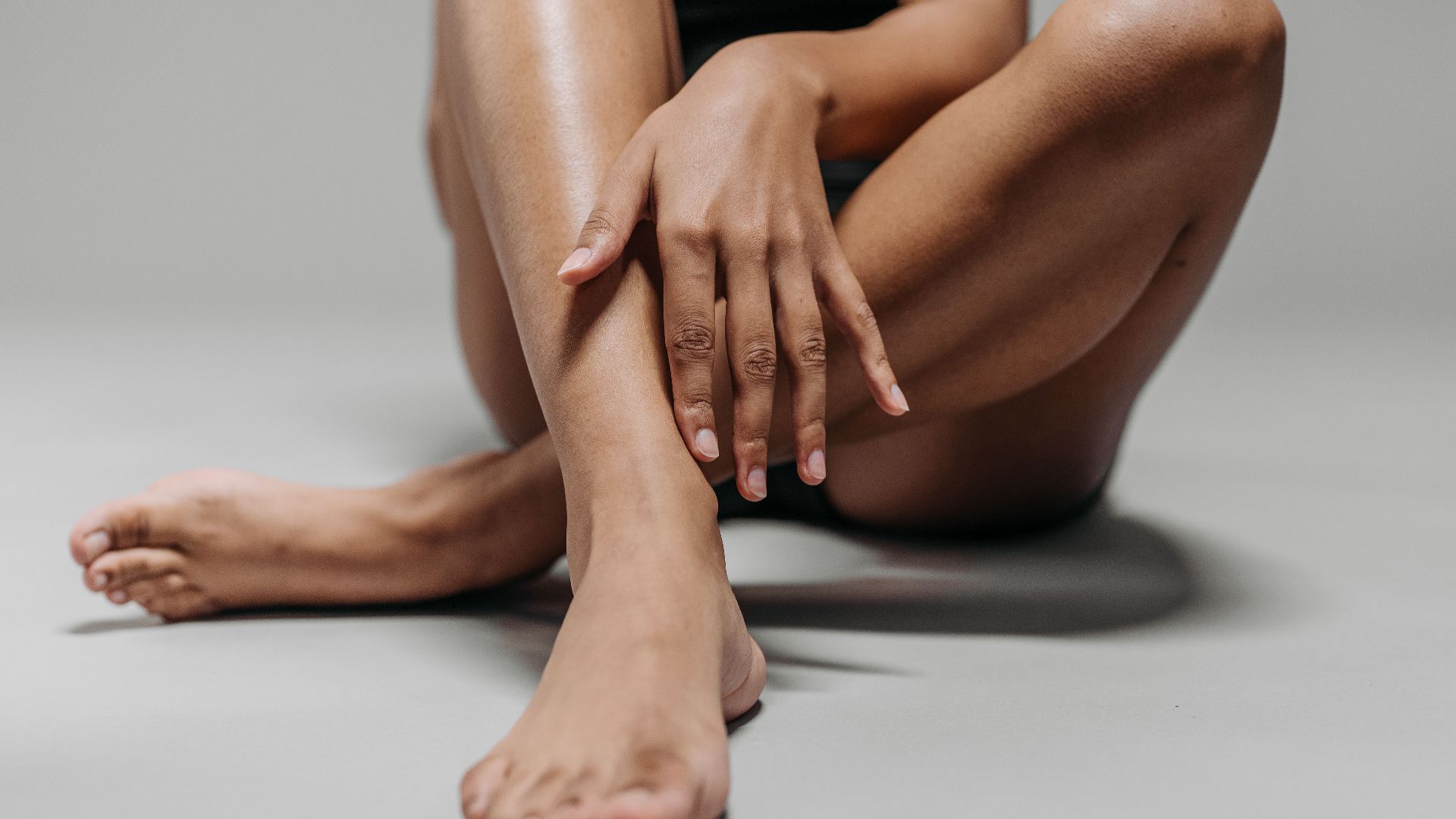
It may seem strange, but healthcare professionals often check pulses in the feet because they can offer clues about blood flow through the legs. A weak or absent pulse may occur when an artery is narrowed, although it’s difficult to assess accurately without training. Don’t rely on a home pulse check for a diagnosis, but let a clinician examine you if other circulation symptoms are present.
8. Leg Hair Is Disappearing
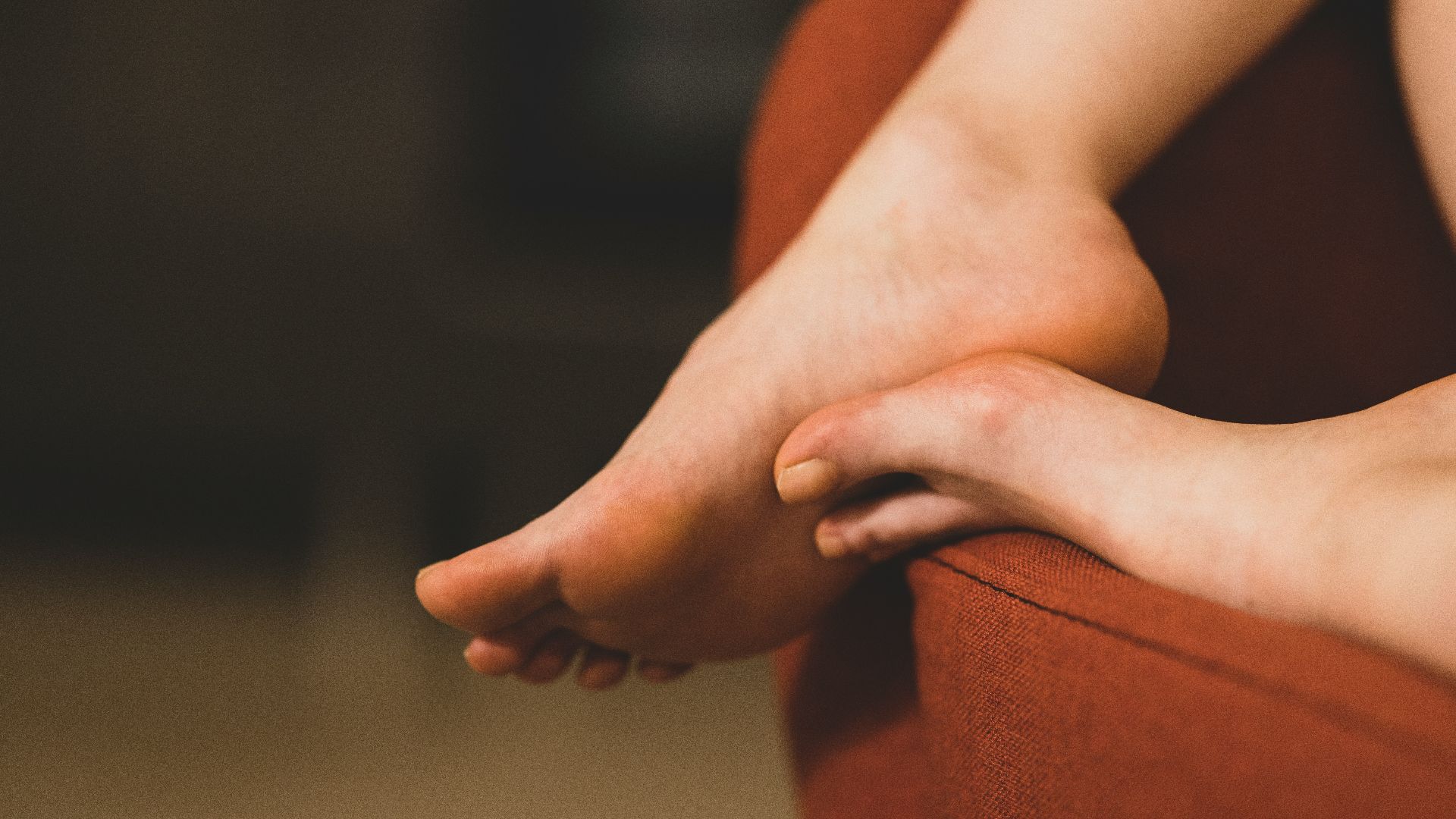
Gradual hair loss on the lower legs or feet can occasionally accompany poor circulation. Skin and hair follicles may receive fewer nutrients when arterial blood flow is reduced. Hair patterns naturally change with age, so this sign is more meaningful when it appears alongside pain, coldness, or skin changes.

9. Your Toenails Grow Differently
Toenails that become unusually slow-growing, brittle, or thick may sometimes reflect reduced circulation to the feet. Fungal infections and normal aging are much more common explanations, which is why this symptom can’t stand alone. A broader collection of changes may give your doctor a better reason to investigate.

10. Your Skin Looks Shiny or Pale
Restricted blood flow can alter the color and texture of skin on the legs and feet. The affected area might look pale, bluish, smooth, thin, or unusually shiny. Persistent changes on one side are particularly worth checking rather than covering them with another pair of socks.
 Angélica Echeverry on Unsplash
11. You Feel Pain While Resting
Advanced circulation trouble can cause burning or aching in the feet or toes, even when you aren’t walking. The discomfort may feel worse at night or when your legs are elevated in bed. Pain at rest is more concerning than mild exercise-related soreness and deserves timely medical attention.

12. You’re Frequently Dizzy
Dizziness has many possible causes, including dehydration, medication side effects, inner-ear problems, and low blood sugar. However, sudden dizziness paired with difficulty walking, weakness, vision changes, or poor coordination can be a stroke warning sign. That combination calls for immediate emergency help rather than a wait-and-see approach.

13. Your Vision Suddenly Changes
Brief or sudden vision loss, blurred vision, or double vision can occur when blood flow to the eye or brain is interrupted. The problem may affect one eye or only part of your visual field. Even when sight returns quickly, the episode can be medically urgent and shouldn’t be written off as simple eye strain.
14. One Side Becomes Weak or Numb
Sudden numbness or weakness affecting the face, arm, or leg, particularly on one side, is a classic stroke warning sign. You might also notice that your smile looks uneven or that one arm drifts downward when raised. Emergency treatment is time-sensitive, so don’t wait for the sensation to pass.

15. Your Speech Sounds Different
Slurred speech, trouble forming words, or difficulty understanding someone can indicate that blood flow to part of the brain has been disrupted. A person may sound confused even though they believe they’re speaking normally. Treat any sudden language change as an emergency, especially when facial drooping or weakness appears too.

16. You Feel Discomfort in Your Jaw or Arm With Exertion
Heart-related discomfort doesn’t always remain in the center of the chest. It can spread into the arm, shoulder, back, neck, or jaw, and some people mainly notice pressure in those areas. Symptoms that begin with activity or arrive alongside sweating, nausea, or breathlessness require urgent attention.

17. You Tire More Easily Than Before
A major drop in stamina can be easily blamed on age, stress, or a busy week. Still, unusual fatigue may sometimes occur when the heart and muscles aren’t receiving the blood supply they need during activity. Make an appointment when the change persists or interferes with everyday tasks that once felt manageable.
18. Men Experience Erectile Difficulties
An erection depends on adequate blood flow, so ongoing erectile dysfunction can be an early clue that arteries aren’t functioning well. Hormonal changes, medications, stress, and other conditions can also be responsible. Rather than treating it as merely an awkward inconvenience, discuss a persistent change with a healthcare professional.
 Rhema Emeka-Chiemenem on Pexels
19. One Limb Suddenly Becomes Painful & Cold
Sudden severe pain, coldness, paleness, numbness, or weakness in an arm or leg may mean its blood supply has dropped sharply. This is very different from the gradual symptoms that can develop over months or years. It’s a medical emergency because tissue can be damaged when circulation isn’t restored quickly.
20. Symptoms Keep Appearing Together
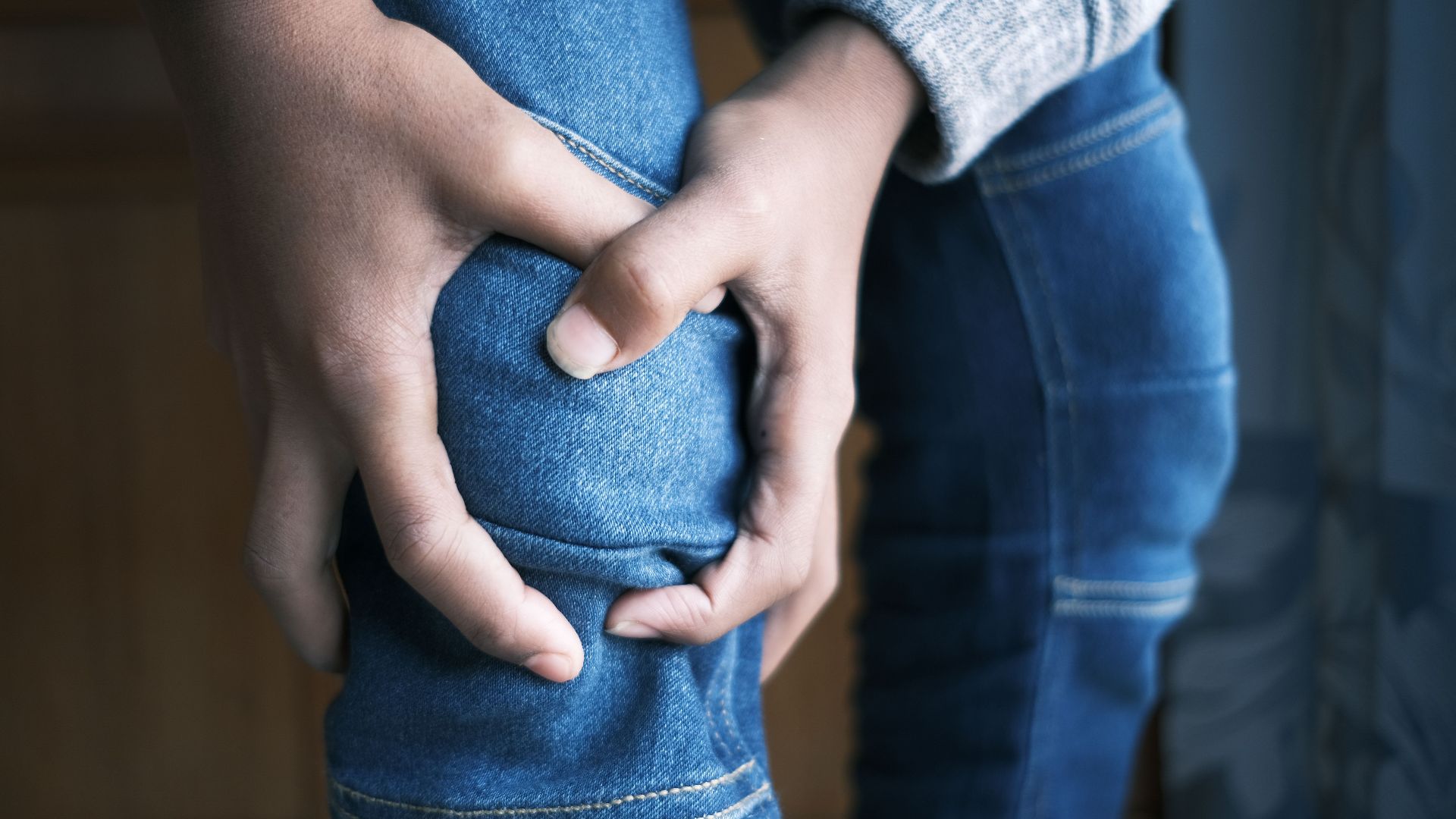
One vague symptom may not reveal much, but a pattern can be more informative. Leg pain combined with cold feet, slow-healing sores, and skin changes gives a clinician more reason to check your circulation. Keeping track of when symptoms begin, what triggers them, and how long they last can make your appointment far more useful.

KEEP ON READING



20 Ways To Get Your Vitamins And Minerals
20 Ways Doing Less Can Actually Improve Your Health