
Small But Mighty
The human body is full of tiny parts doing work that feels wildly above their pay grade. Some are so small you never think about them unless something goes wrong, while others quietly help you see, hear, breathe, digest, balance, heal, and react to the world around you. They may not get the same attention as the heart, brain, lungs, or stomach, but they keep daily life running in ways you’d notice immediately if they stopped cooperating. Here are 20 tiny parts of the body that do huge, important things.

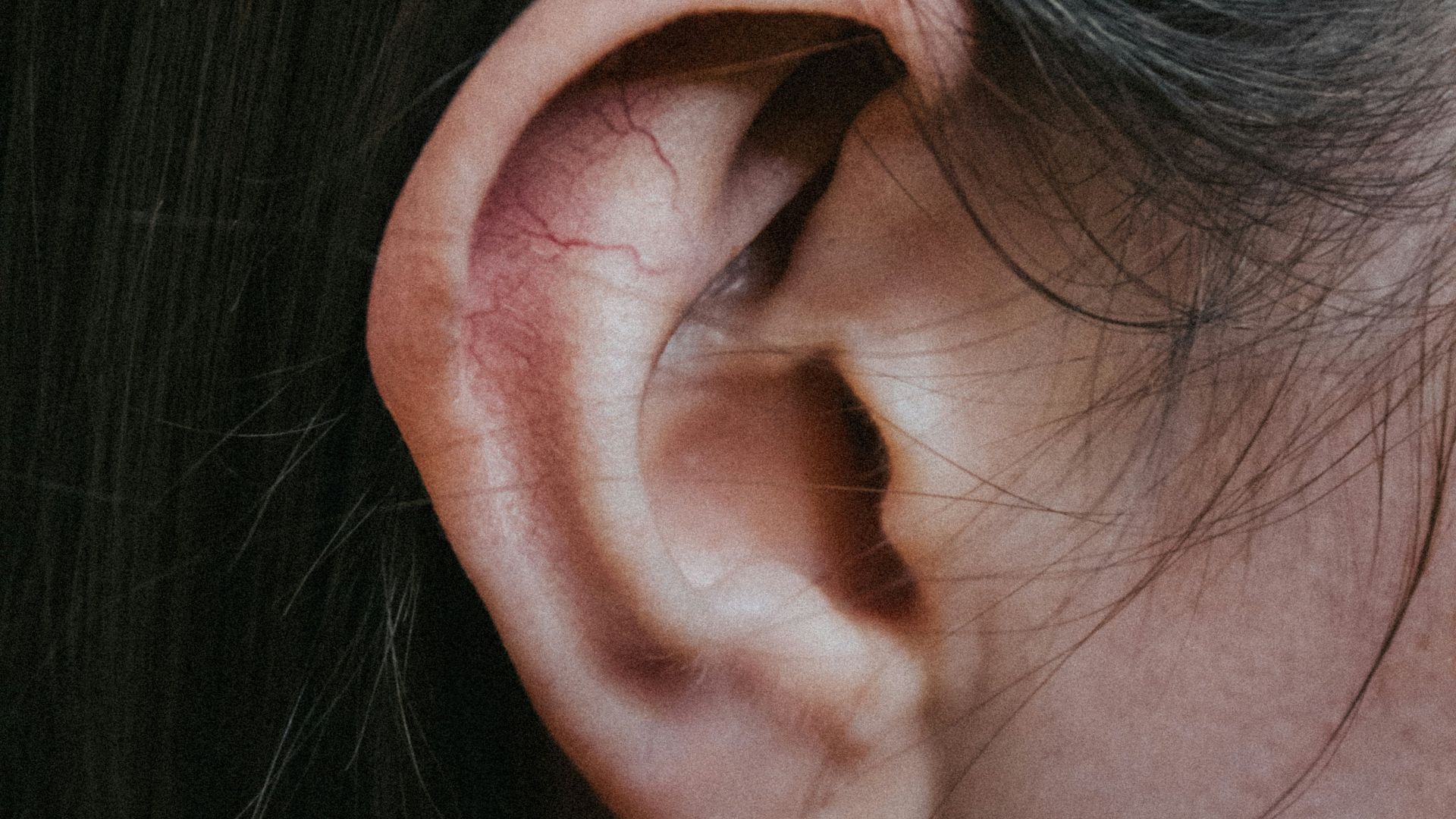
1. Stapes
The stapes is the smallest bone in the human body, but it has a major role in hearing. It sits in the middle ear and helps transmit sound vibrations toward the inner ear. Without this tiny bone doing its job, sound wouldn't move through the ear as effectively.
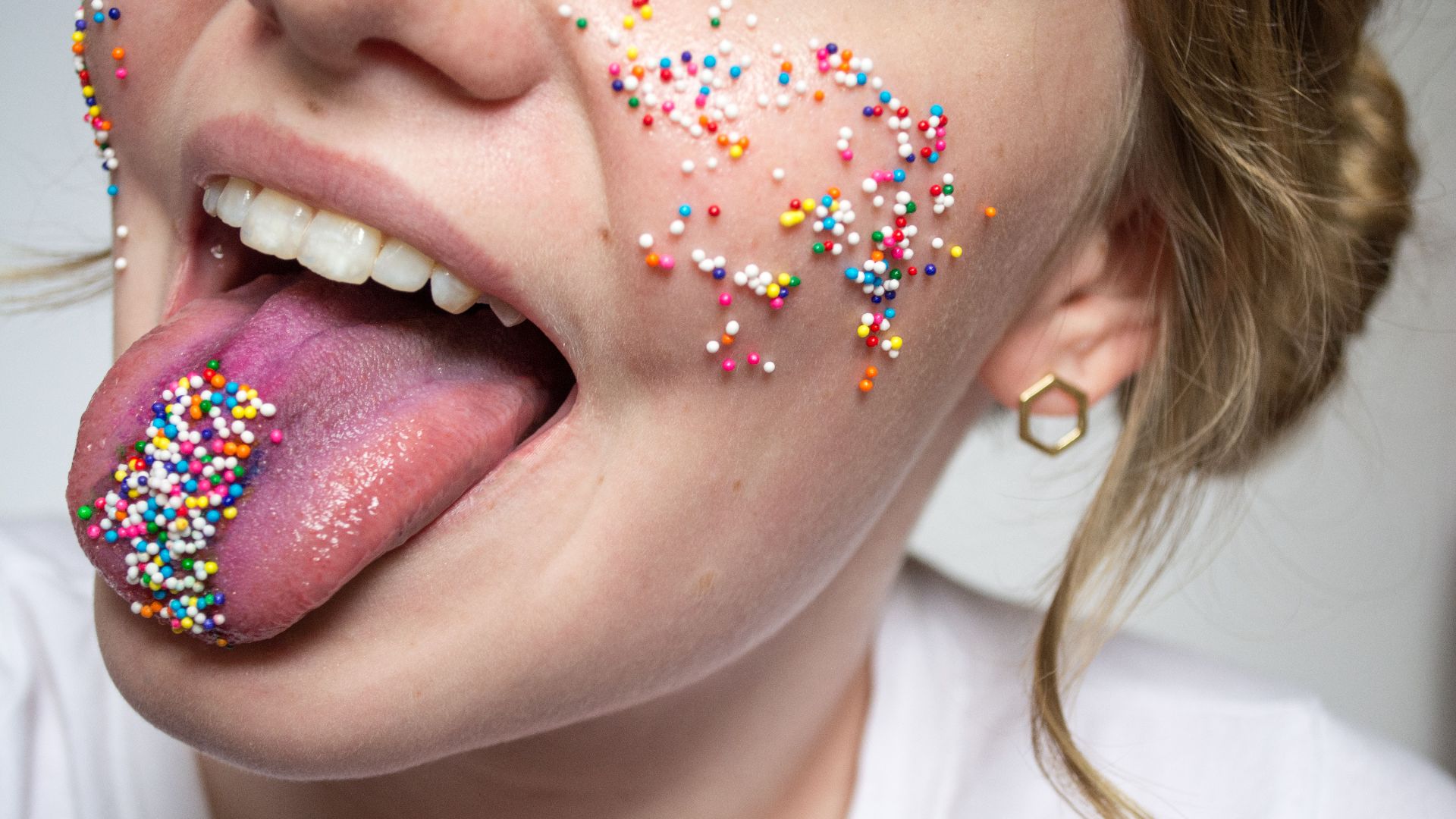
2. Taste Buds
Taste buds are tiny sensory structures that help you detect sweet, salty, sour, bitter, and umami flavors. They work with your sense of smell, saliva, and nerves to make food more than just something you chew. Without them, a huge part of life would be flavorless.
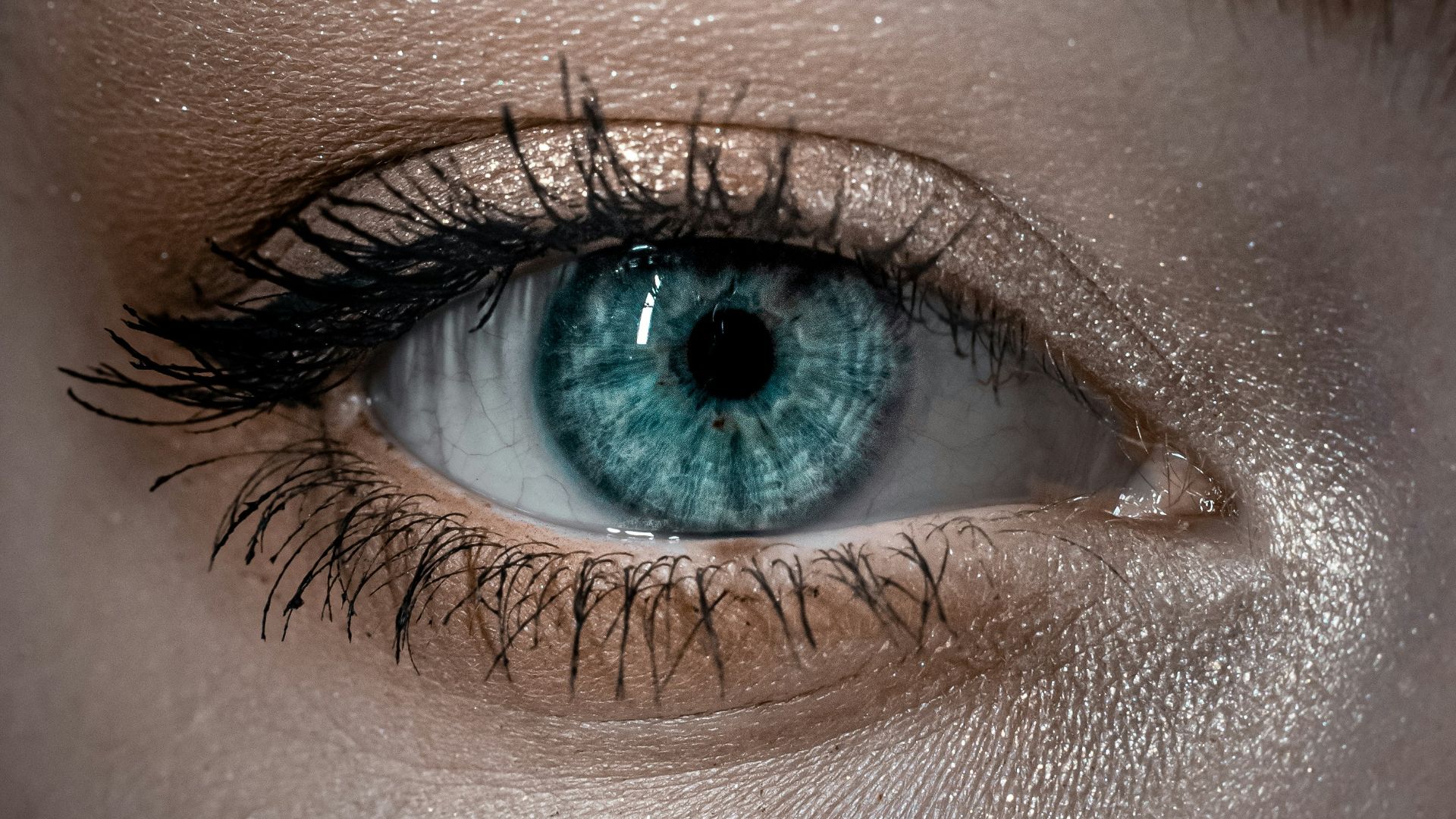
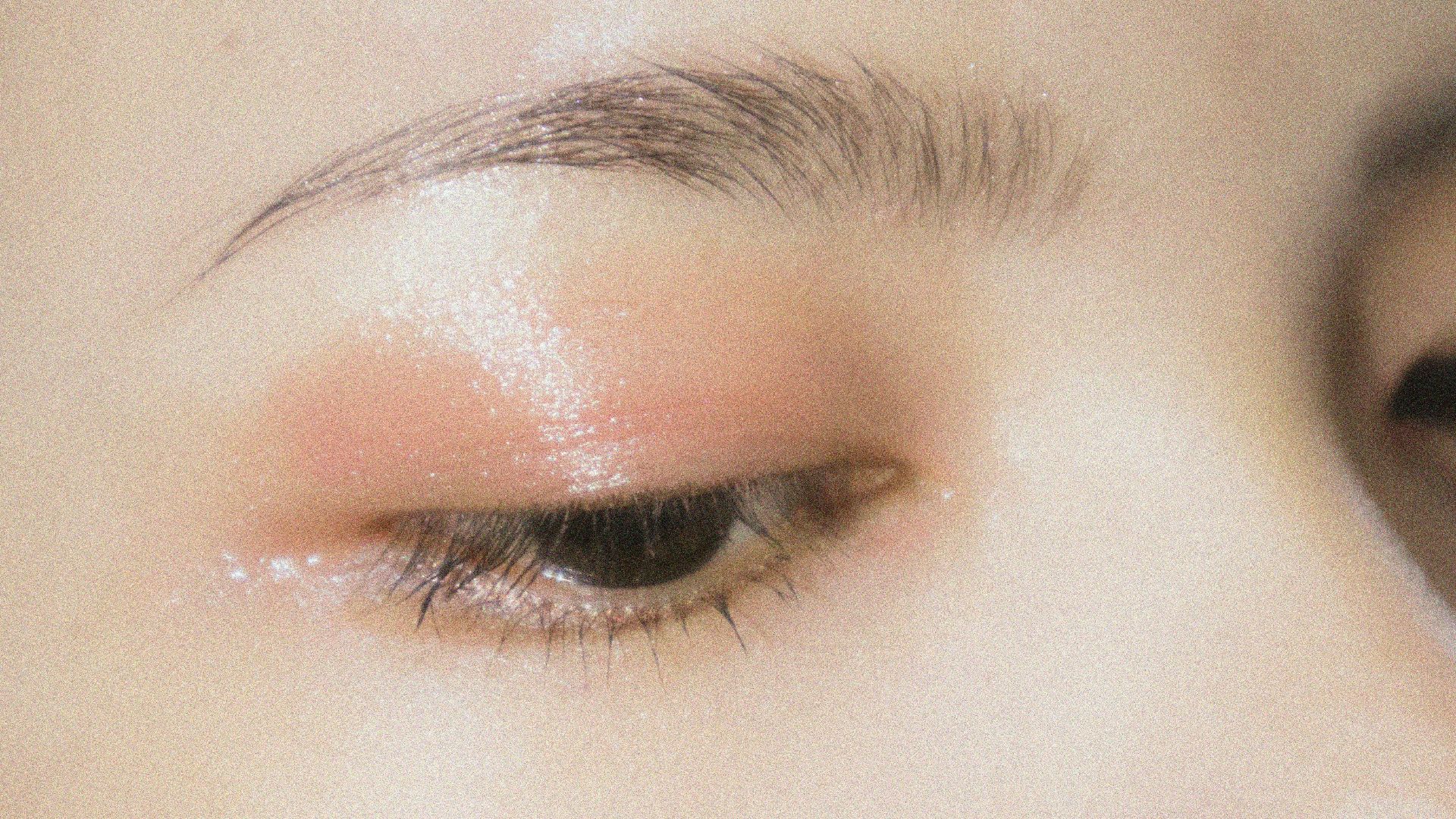
3. Eyelashes
Eyelashes do more than make eyes look expressive. They help catch dust, tiny particles, and other irritants before they reach the surface of the eye. They can also trigger a blink when something gets too close, which is a very useful little defense system.
4. Tear Ducts
Tear ducts are tiny drainage channels near the inner corners of your eyes. They help carry tears away from the eye’s surface and down toward the nose, which is why your nose may run when you cry. Without proper drainage, tears can build up and make your eyes watery to the point where you wouldn't be able to see.

5. Lacrimal Glands
The lacrimal glands sit near the upper outer part of the eyes and help produce the watery layer of tears. Those tears keep the eyes moist, nourished, smooth, and better protected from dust and irritation. When they aren't working well, the result can be dry, gritty, uncomfortable eyes.

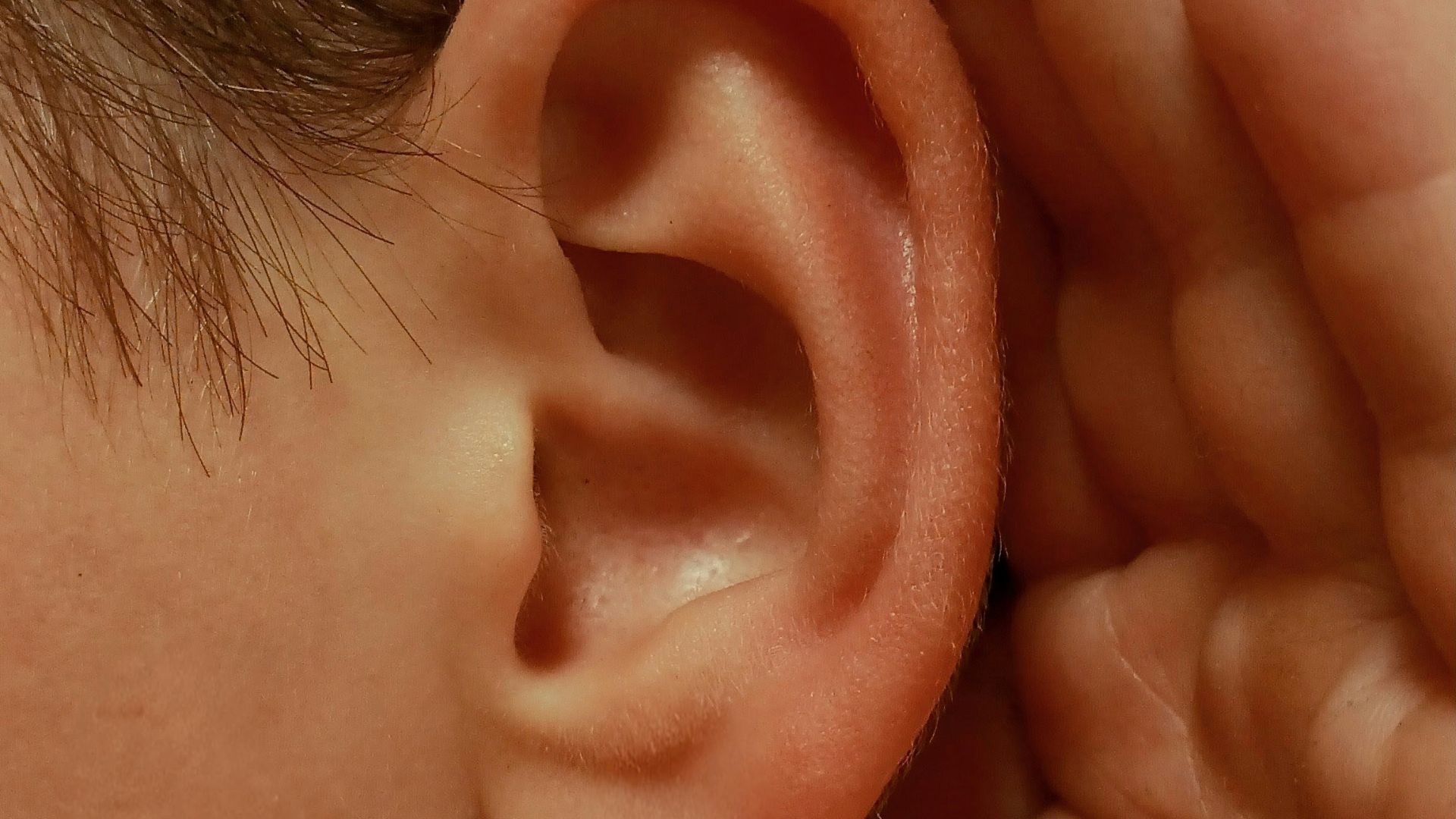
6. Semicircular Canals
The semicircular canals are tiny structures in the inner ear that help you keep your balance. They detect head movement and send information to the brain about direction and motion. When they're disturbed, you can feel dizzy or unsteady.
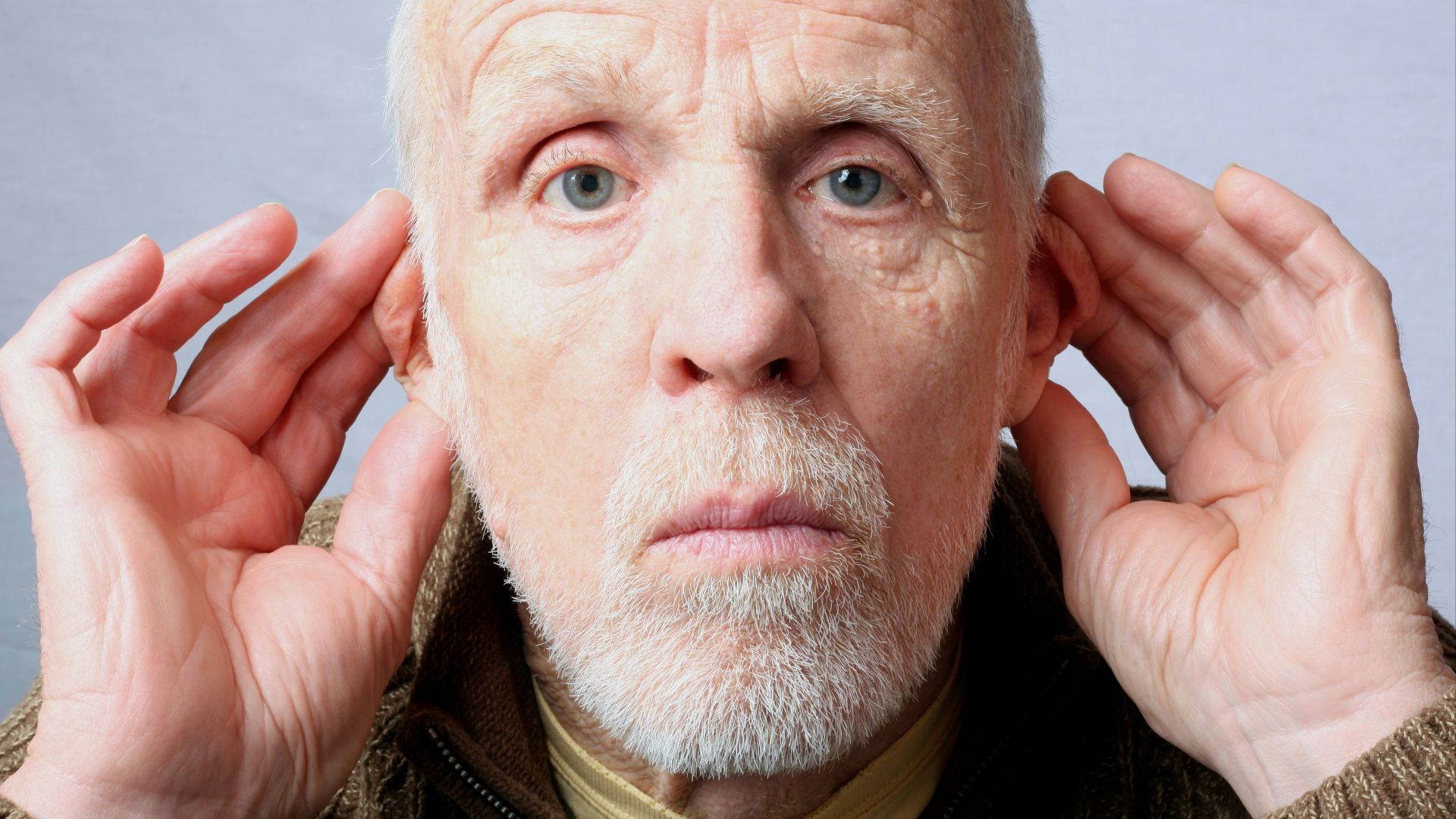
7. Cochlear Hair Cells
Inside the cochlea, tiny hair cells help turn sound vibrations into electrical signals the brain can understand. These delicate cells are essential for hearing, and they can be damaged by loud noise, aging, or certain illnesses. Once many of them are lost, they generally don't come back in humans, which makes them tiny, powerful, and worth protecting from unnecessary volume battles.
8. Cilia
Cilia are microscopic hair-like structures that help move mucus, particles, and other material in different parts of the body. In the airways, they help clear out dust, germs, and irritants so your lungs can function more smoothly. They also play important roles in development and sensory systems.

9. Villi
Villi are tiny finger-like projections in the small intestine that help absorb nutrients from food. Their shape increases the surface area available for absorption, which makes digestion much more efficient. Without villi, your body would have a harder time pulling useful nutrients from what you eat.
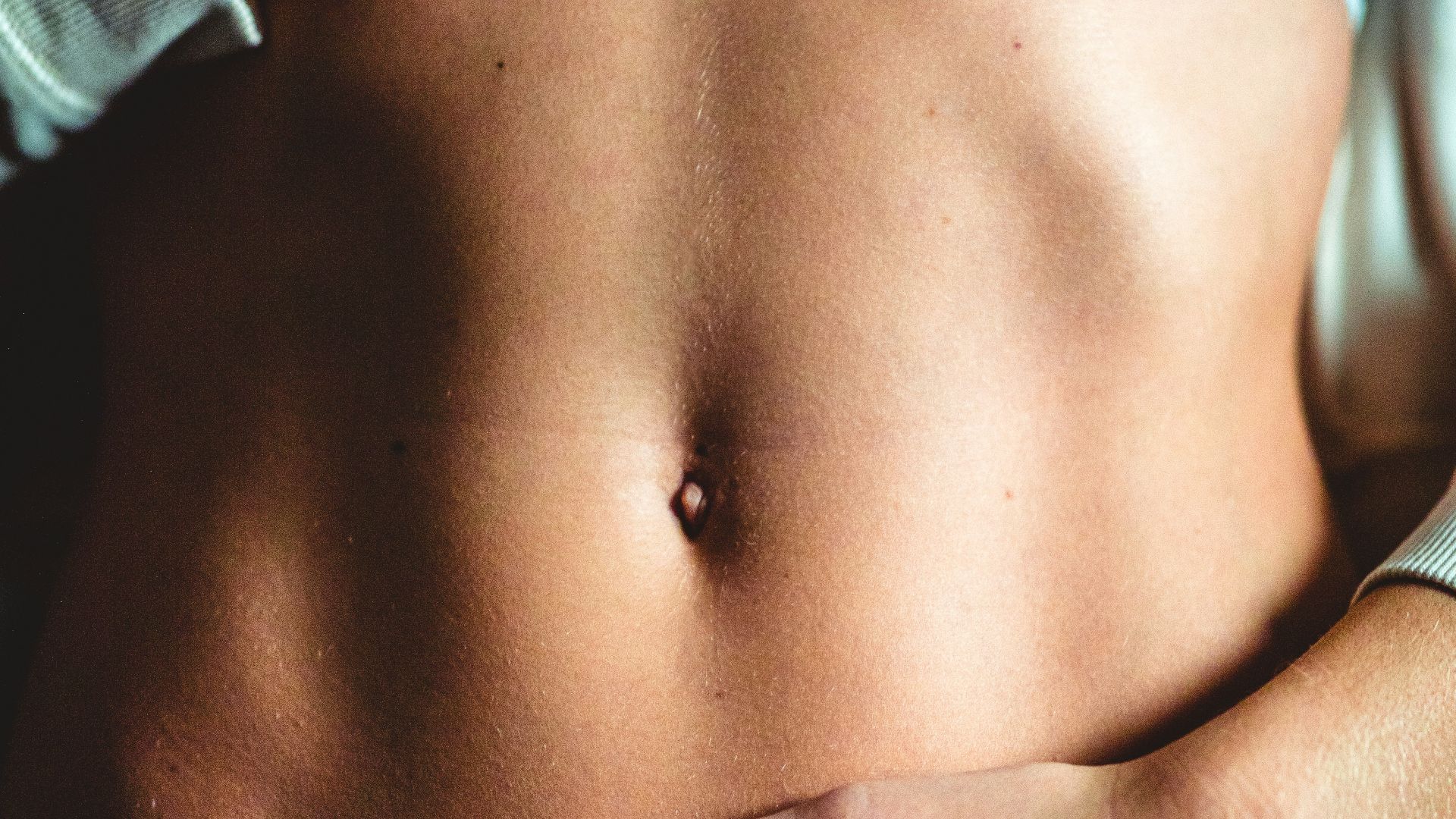
10. Microvilli
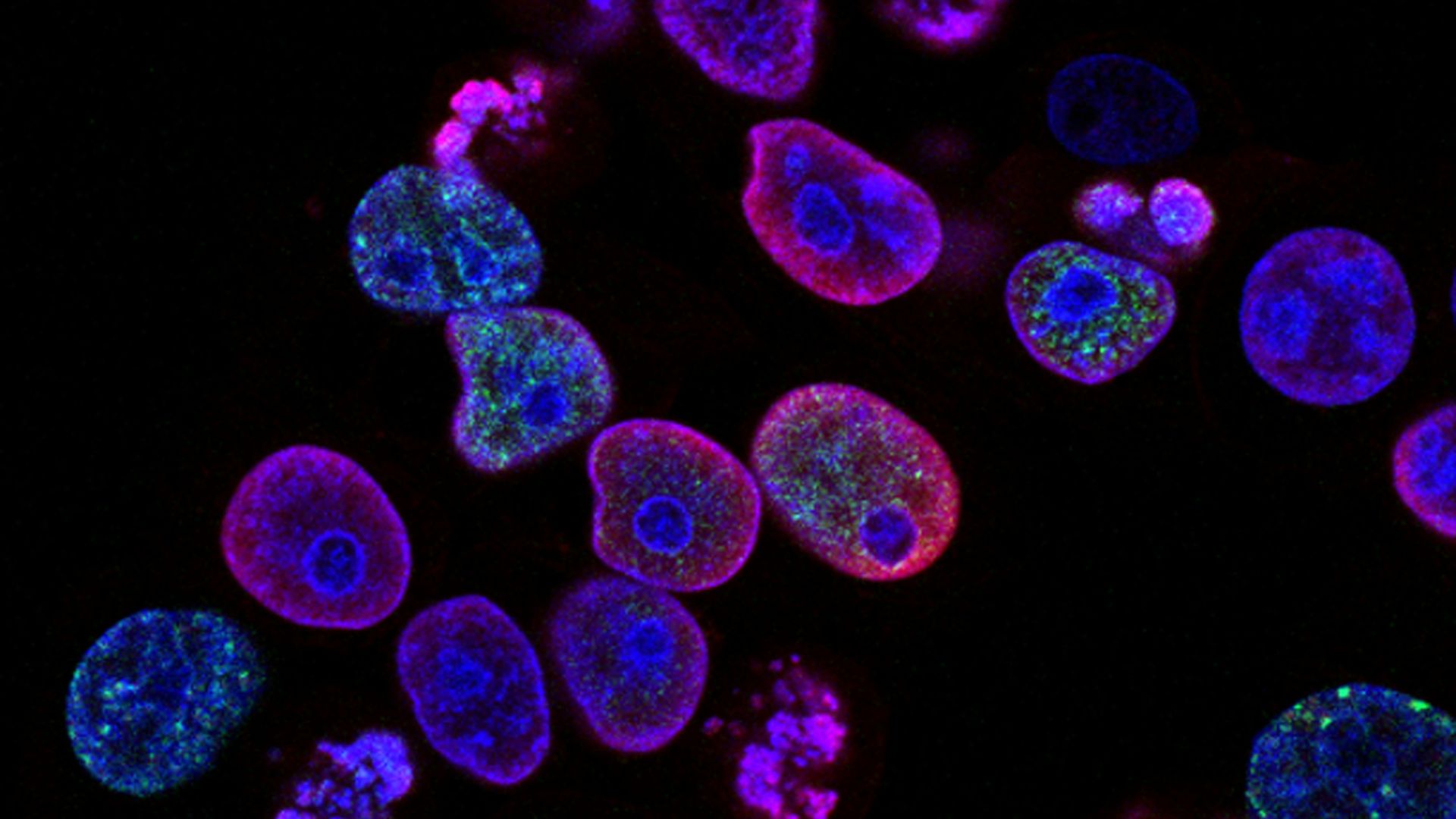
Microvilli are even smaller projections found on certain cells, including those in the intestine. They further increase surface area, helping the body absorb nutrients more effectively. Think of them as the tiny details that make an already useful system work even better.
 National Cancer Institute on Unsplash
11. Alveoli
Alveoli are tiny air sacs in the lungs where oxygen enters the blood and carbon dioxide leaves it. You have a huge number of them, and together they create a large surface area for gas exchange. Breathing would be much less effective without these delicate little sacs.

12. Capillaries
Capillaries are the smallest blood vessels, but they handle essential exchanges between blood and tissues. Oxygen, nutrients, waste products, and carbon dioxide move through their thin walls. They reach places larger blood vessels can't, which makes them vital to keeping cells supplied and cleaned up.
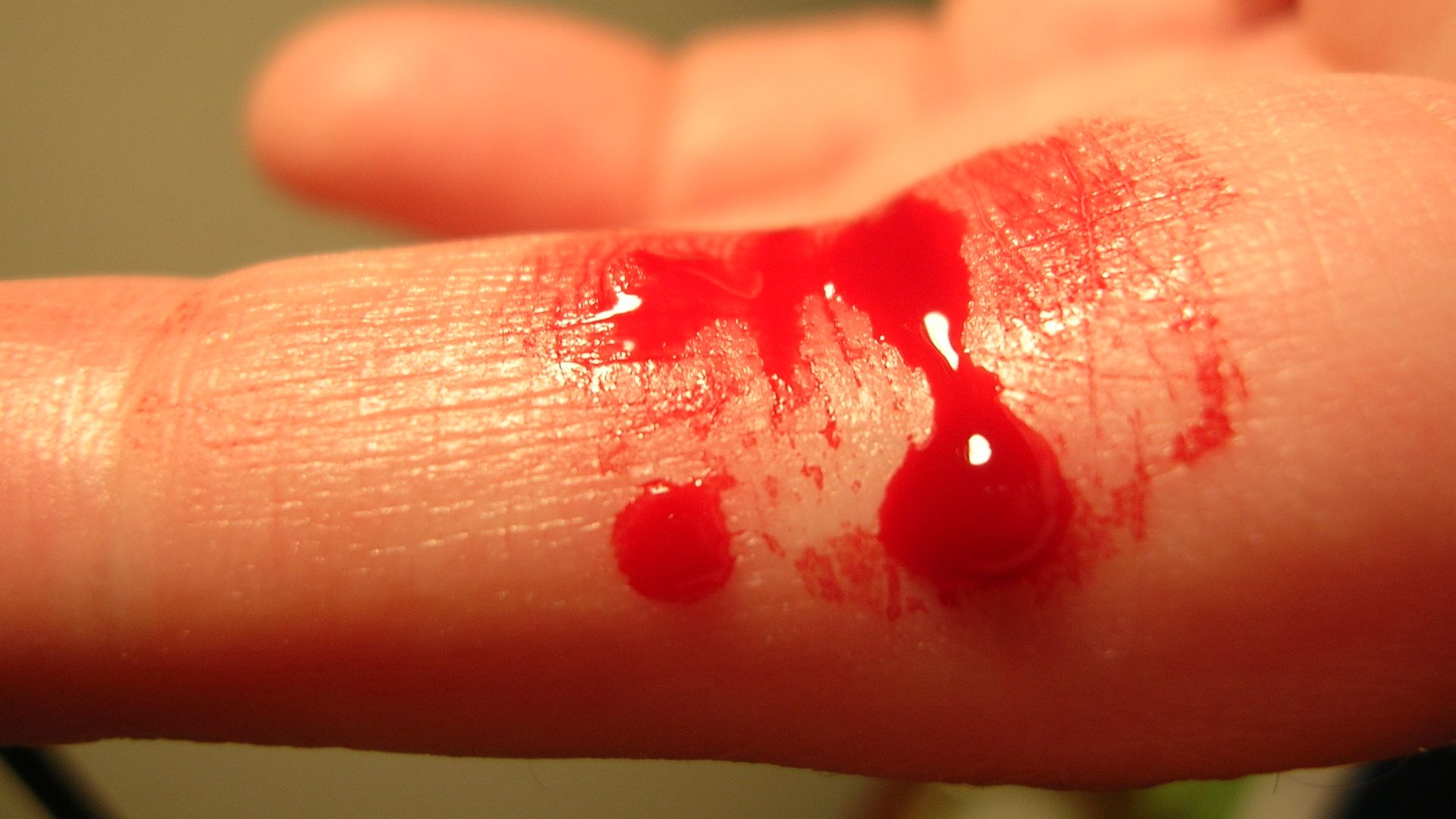
13. Platelets
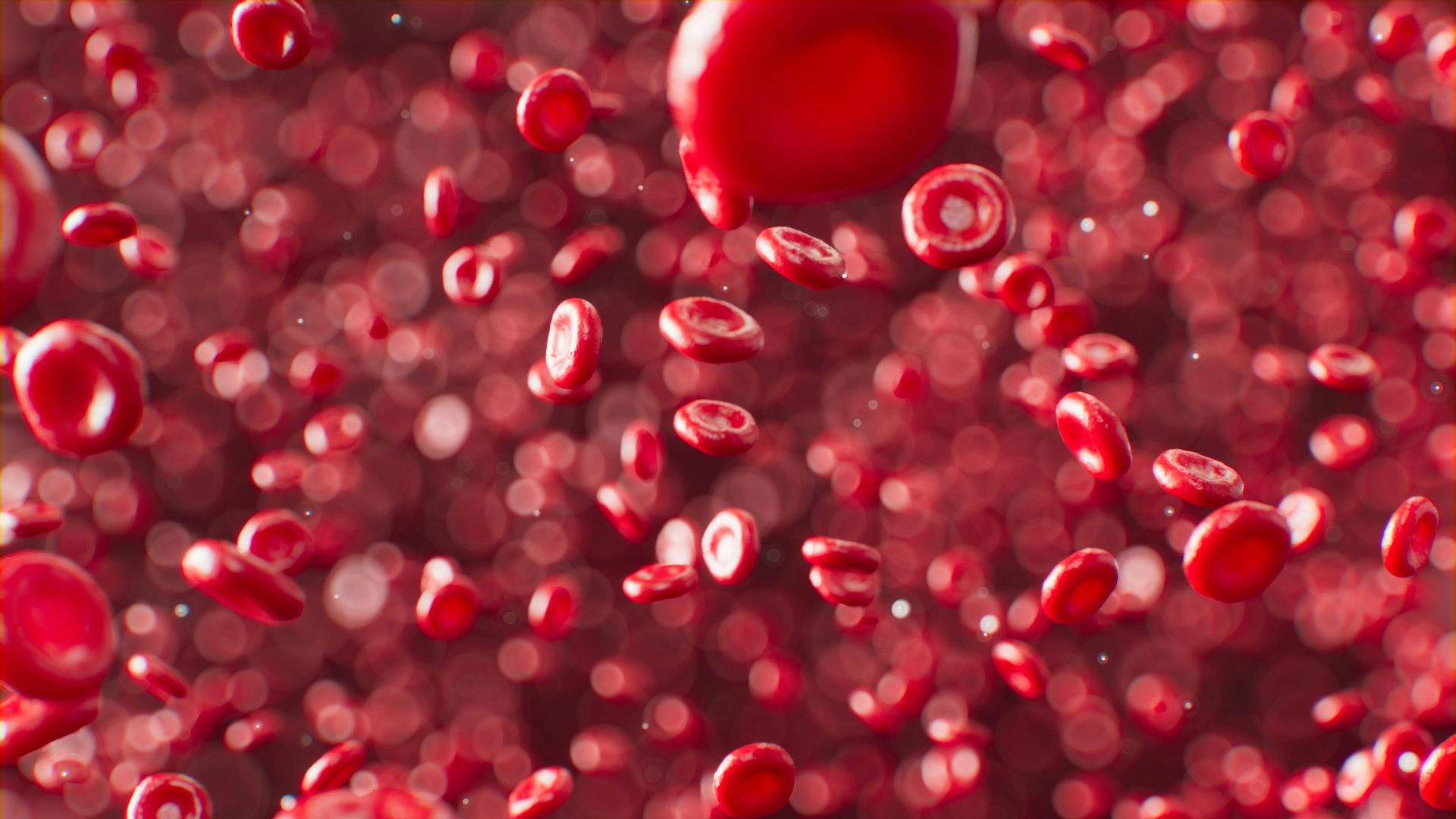
Platelets are small blood cell fragments that help your blood clot when you're injured. They gather at the site of damage and help form a plug to slow or stop bleeding. Without them, even a minor cut could become much more serious.
 Crystal (Crystl) from Bloomington, USA on Wikimedia
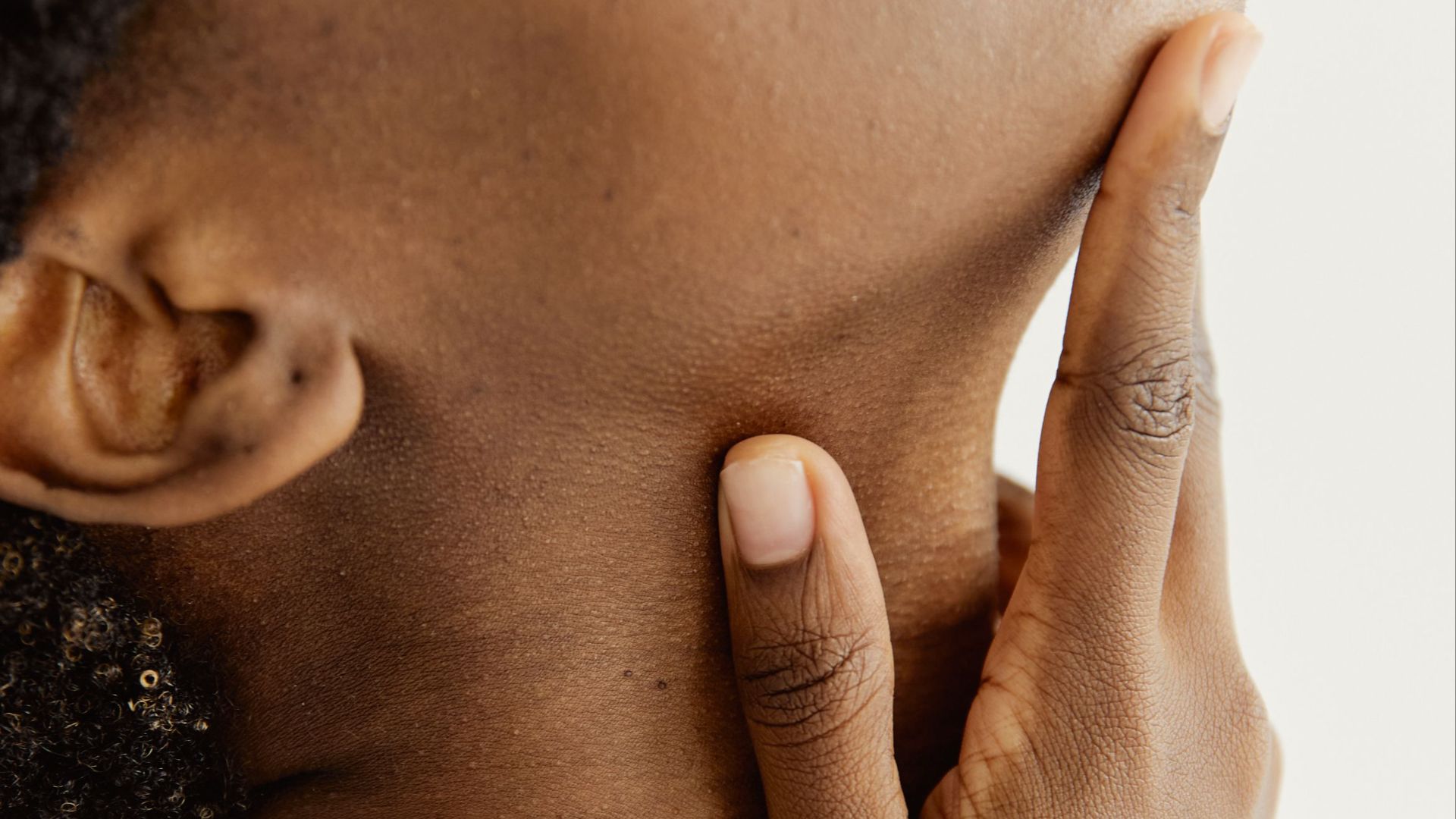
14. Lymph Nodes
Lymph nodes are small immune-system filters found throughout the body. They help trap germs and support the immune cells that respond to infection. When they swell, it often means your body is working on a problem nearby.
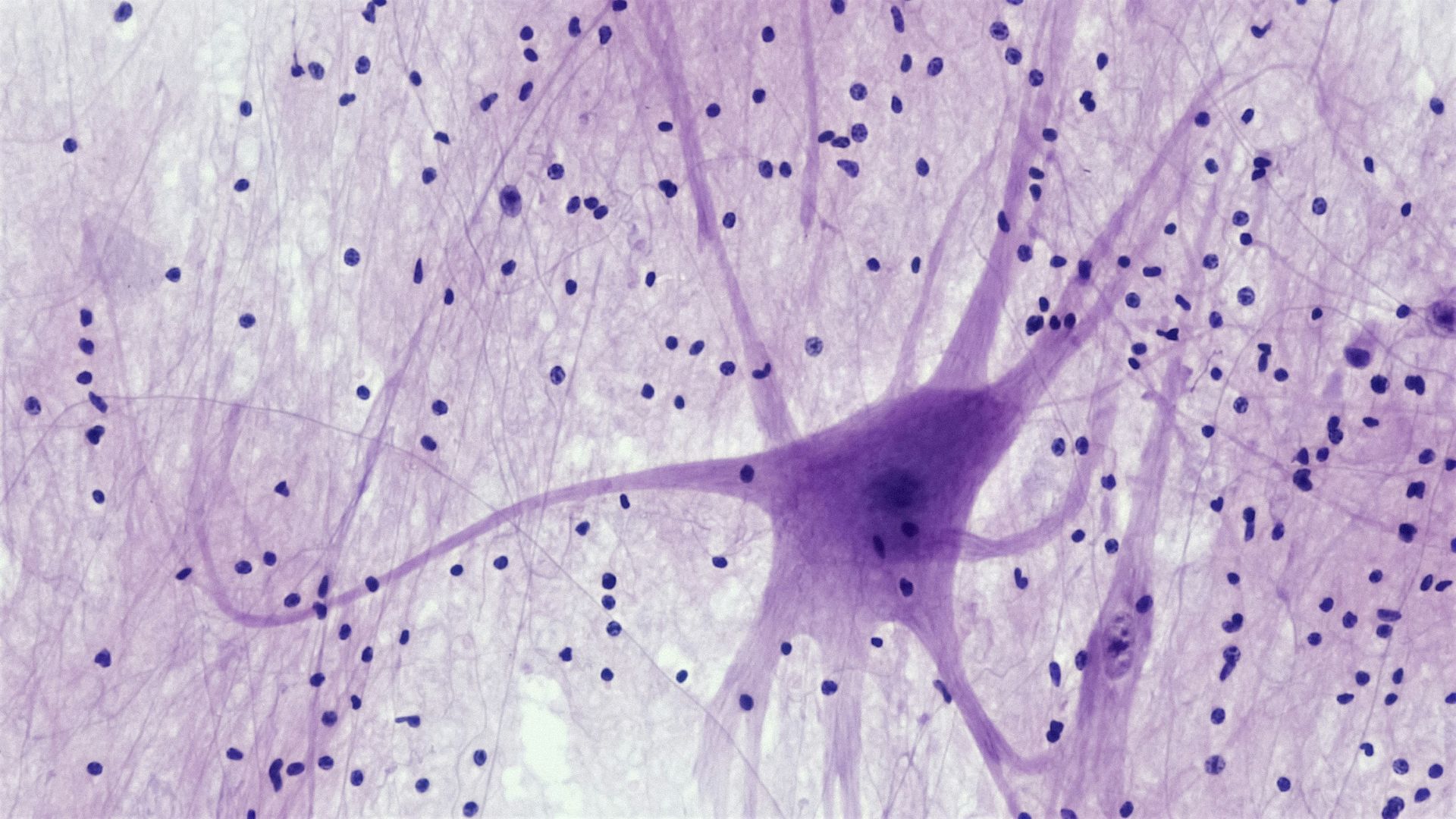
15. Synapses
Synapses are tiny gaps where nerve cells communicate with one another. Signals cross these spaces using chemical messengers, allowing your brain and nervous system to process information quickly. Every thought, movement, memory, and reaction depends on these microscopic communication points.
 Bioscience Image Library by Fayette Reynolds on Unsplash
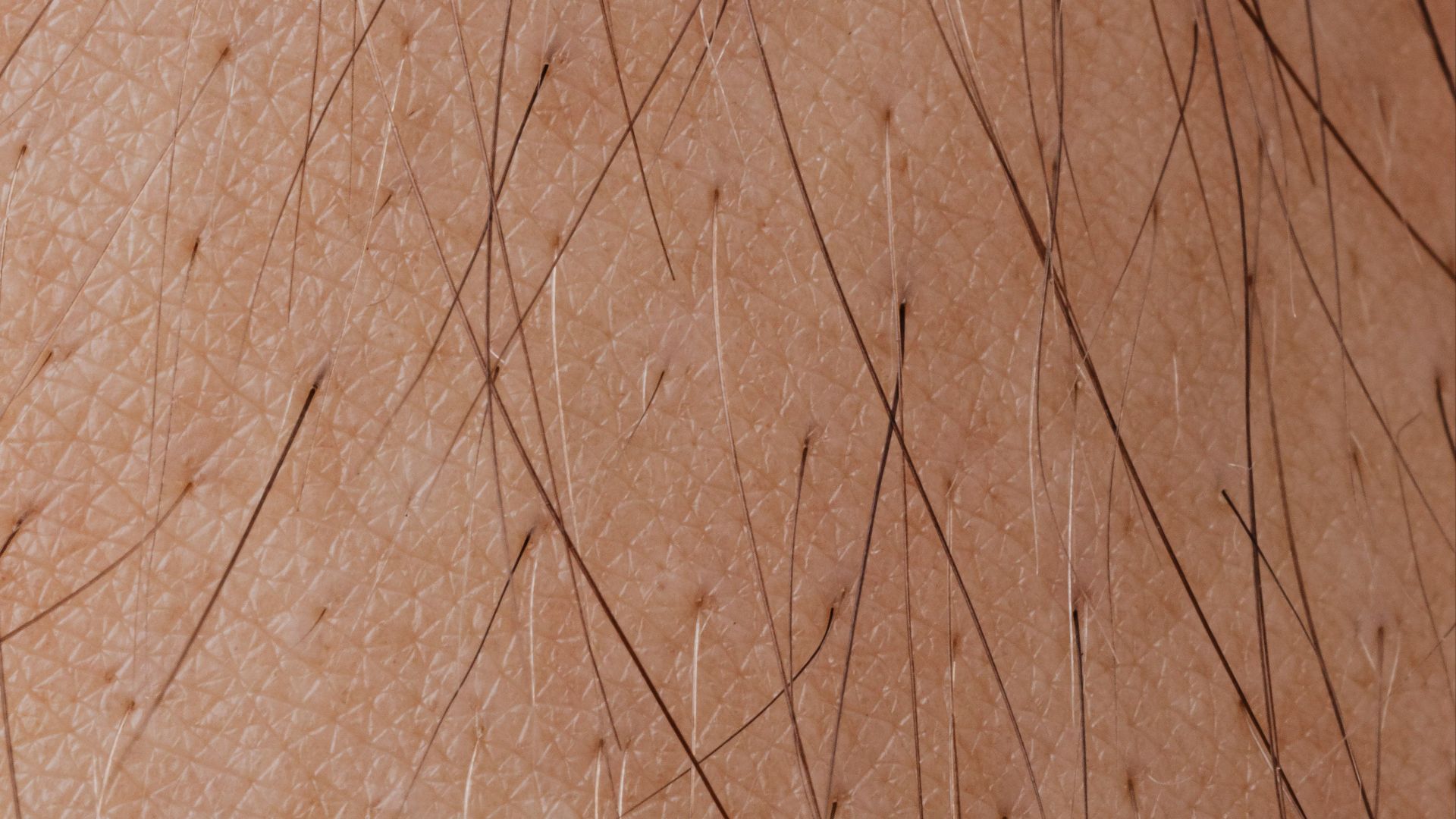
16. Hair Follicles
Hair follicles are tiny structures in the skin that produce hair. They also play roles in sensation and can help with skin repair after certain types of injury. While people often focus on the hair itself, the follicle is where the real work starts.
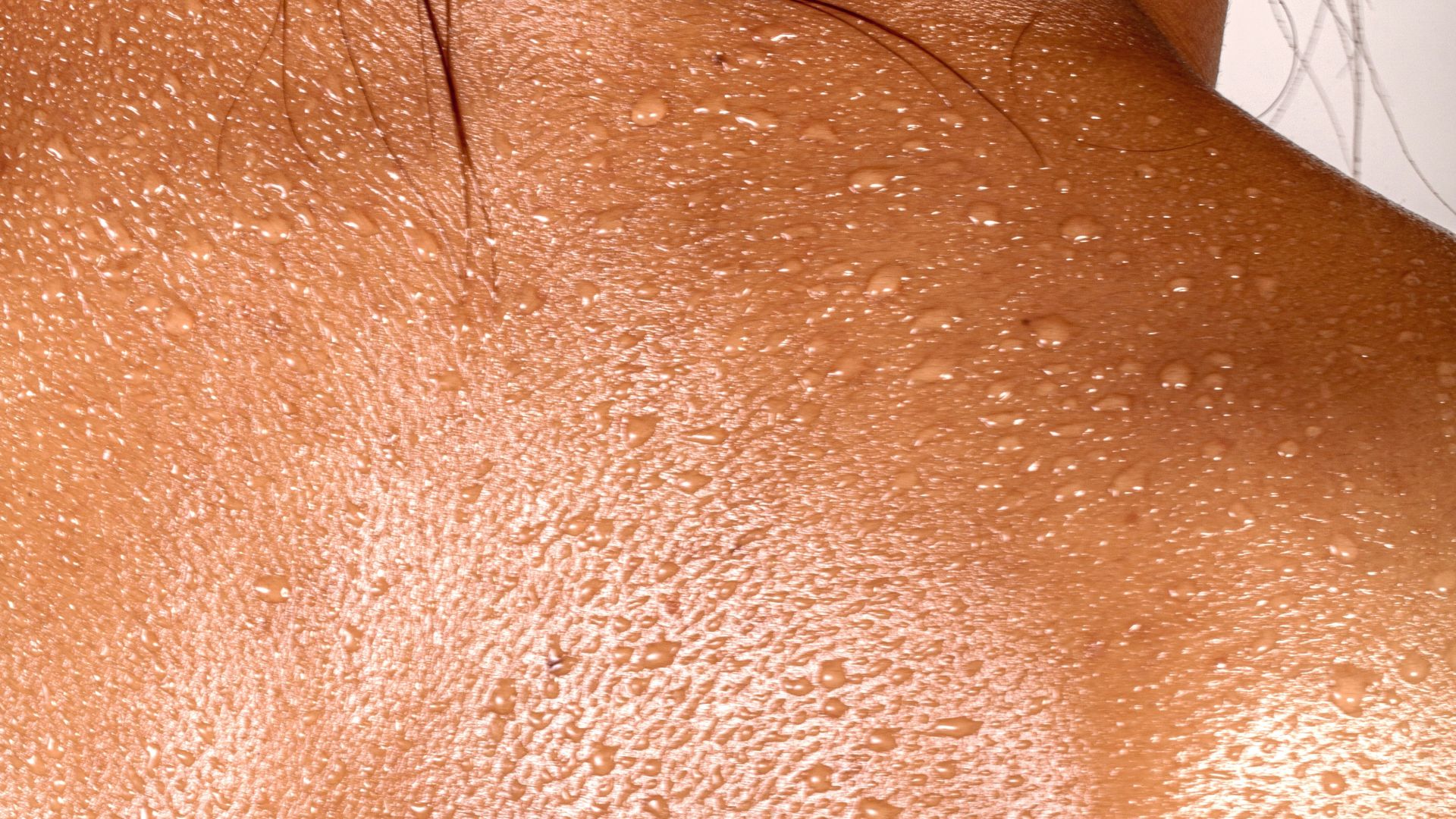
17. Sweat Glands
Sweat glands help regulate body temperature by releasing sweat onto the skin. As sweat evaporates, it cools the body, which is especially important during heat, exercise, or stress. It may be inconvenient sometimes, but sweating is one of the reasons you don't overheat every time life gets warm.
18. Meibomian Glands
Meibomian glands are tiny oil-producing glands along the edges of the eyelids. They add an oily layer to tears, which helps slow evaporation and keeps the eyes more comfortable. When these glands don't work properly, dry eye symptoms can become more likely.
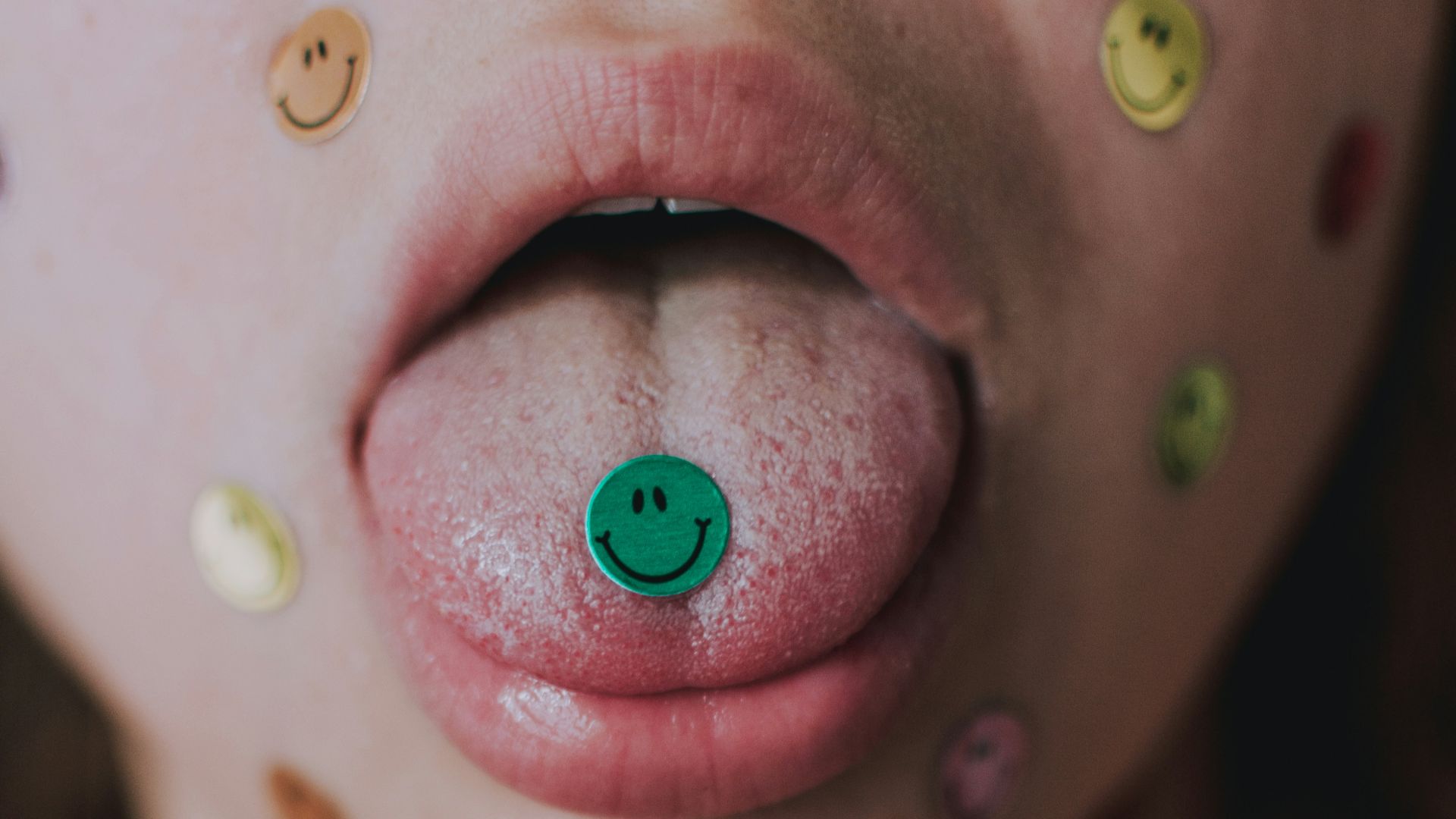
19. Papillae on the Tongue
Papillae are small bumps on the tongue, and many of them help house taste buds or assist with texture. They give the tongue its rough surface and help move food around as you chew. Some papillae are more involved in taste, while others are more mechanical, but either way, your tongue would be much less useful without its tiny, textured helpers.
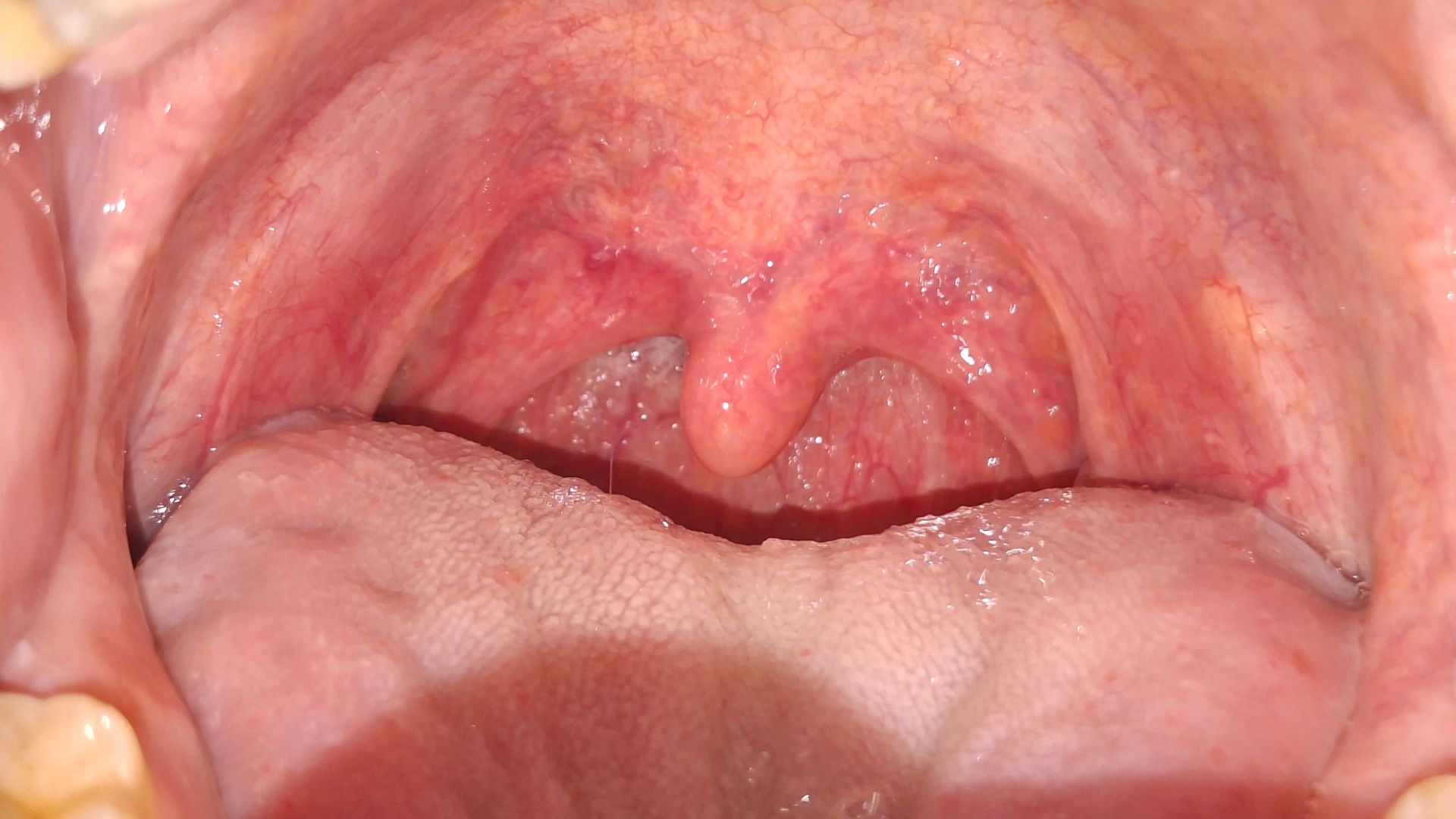
20. The Uvula
The uvula is the small dangling structure at the back of the throat. It helps with speech, swallowing, and keeping food and liquid moving in the right direction. Most people only notice it when they say “ahh” at the doctor or when it gets irritated, but it actually does a lot.
KEEP ON READING




20 Ways to Make Errands Count as Exercise