

20 Things Women Do in Their 40s That Can Affect Their Health in Their 60s
The Long-Term Impact of Everyday Habits
The decisions women make in their 40s can have a surprising influence on how healthy, mobile, and independent they feel two decades later. As hormonal changes begin and the natural aging process becomes more noticeable, certain lifestyle habits start to carry more weight than they did in early adulthood. While some of these behaviors can help protect against age-related health problems, others may increase the likelihood of developing them. Here are 20 things women do in their 40s that can affect their health in their 60s.

1. Neglecting Strength Training
Although going for a daily walk is wonderful for cardiovascular health, it doesn't necessarily do enough to preserve muscle mass throughout the body. Women naturally lose muscle as they age, which can make everyday activities like carrying groceries or climbing stairs more difficult in their 60s. Making resistance training part of your routine in your 40s can help maintain muscle strength, support bone health, and preserve your physical independence later in life.

2. Not Getting Enough Calcium
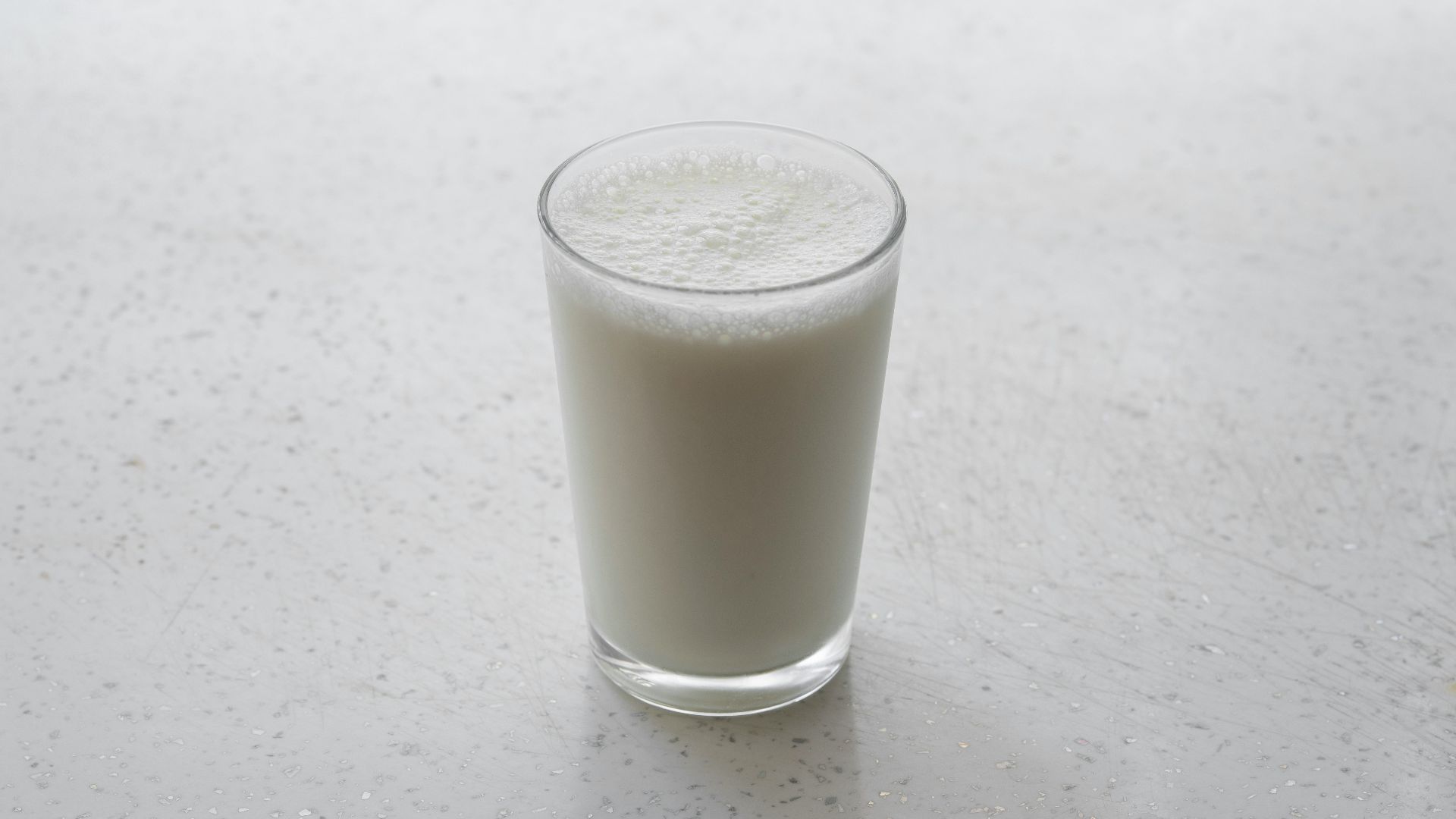
As estrogen levels decline during menopause, women become particularly susceptible to accelerated bone loss. Consistently falling short of your daily calcium needs during your 40s can contribute to weaker bones and an increased risk of osteoporosis down the road. Incorporating more calcium-rich foods like yogurt, sardines, and fortified plant-based milk into your diet can help keep your bones healthy as you age.
3. Having a Glass of Wine Every Evening
Pouring yourself a glass of wine after a particularly demanding workday might seem harmless enough, especially if it's become part of your evening routine. However, regular alcohol consumption can increase a woman's risk of developing breast cancer, high blood pressure, and liver disease. Cutting back on how often you drink during middle age can help reduce some of these long-term health risks.

4. Ignoring Perimenopause Symptoms
Irregular periods, night sweats, mood changes, and difficulty sleeping are all symptoms women may experience throughout their 40s. Unfortunately, many women simply put up with these changes without realizing there are treatment options that could significantly improve their quality of life. Bringing these symptoms up with a healthcare provider also offers an opportunity to assess the cardiovascular and bone health risks associated with menopause.

5. Frequently Going on Restrictive Diets
Women who've spent much of their adult lives trying to lose weight may continue experimenting with restrictive diets well into middle age. Severely limiting calorie intake without meeting your body's nutritional needs, however, can contribute to muscle loss and nutrient deficiencies. By the time you reach your 60s, having enough muscle to comfortably perform everyday tasks may matter far more than achieving a particular number on the scale.
6. Spending Most of the Day Sitting
Between working at a desk, commuting, and unwinding in front of the television, it's surprisingly easy to spend most of your day sitting down. Prolonged sedentary behavior is associated with an increased risk of cardiovascular disease, type 2 diabetes, and premature death. Getting into the habit of breaking up long periods of sitting with short walks or other forms of movement is well worth doing before retirement.
 LinkedIn Sales Solutions on Unsplash
7. Forgetting to Exercise Their Pelvic Floor
Pregnancy, childbirth, hormonal changes, and aging can all affect the muscles responsible for supporting the bladder and other pelvic organs. Women with weakened pelvic floor muscles may find themselves dealing with urinary leakage or pelvic organ prolapse as they get older. Learning which pelvic floor exercises are appropriate for you or visiting a pelvic health physical therapist in your 40s can help address existing problems and improve muscle function.

8. Treating Sleep as a Luxury
Between raising children, advancing their careers, and caring for aging parents, women in their 40s often have a great deal on their plates. Consistently sacrificing sleep, though, can negatively affect blood pressure, blood sugar regulation, and mental health. Establishing healthier sleeping habits during middle age may also make it easier to cope with the sleep disturbances that frequently accompany menopause.

9. Skipping Routine Mammograms
It's understandable that women with demanding schedules might occasionally put off medical appointments, particularly when they're feeling perfectly healthy. Breast cancer, however, can develop without causing any noticeable symptoms, which is why regular screening is so valuable. Following age- and risk-appropriate mammogram recommendations beginning in your 40s can improve the chances of detecting breast cancer at an earlier, more treatable stage.

10. Not Eating Enough Protein
A breakfast consisting of toast and coffee followed by a light salad for lunch might leave you well short of your daily protein needs. Getting enough protein becomes increasingly important with age because it helps maintain muscle tissue and supports recovery following exercise. Making a conscious effort to include protein-rich ingredients in your meals throughout your 40s can help you stay physically strong in the decades that follow.

11. Continuing to Smoke
Someone who's been smoking since their teenage years may assume that much of the damage has already been done by the time they're 45. In reality, quitting during middle age can still substantially reduce the risk of developing serious cardiovascular and respiratory illnesses. Smoking has also been linked to earlier menopause and poorer bone health, making it an especially worthwhile habit for women to give up.

12. Allowing Friendships to Fall by the Wayside
Maintaining an active social life isn't always easy when work and family responsibilities occupy most of your free time. Allowing meaningful friendships to gradually fade, however, can leave women more vulnerable to social isolation once their children move out or they retire. Strong social connections are associated with better mental well-being and cognitive health, so those occasional lunch dates might be doing you more good than you realize.

13. Only Wearing Sunscreen on Vacation
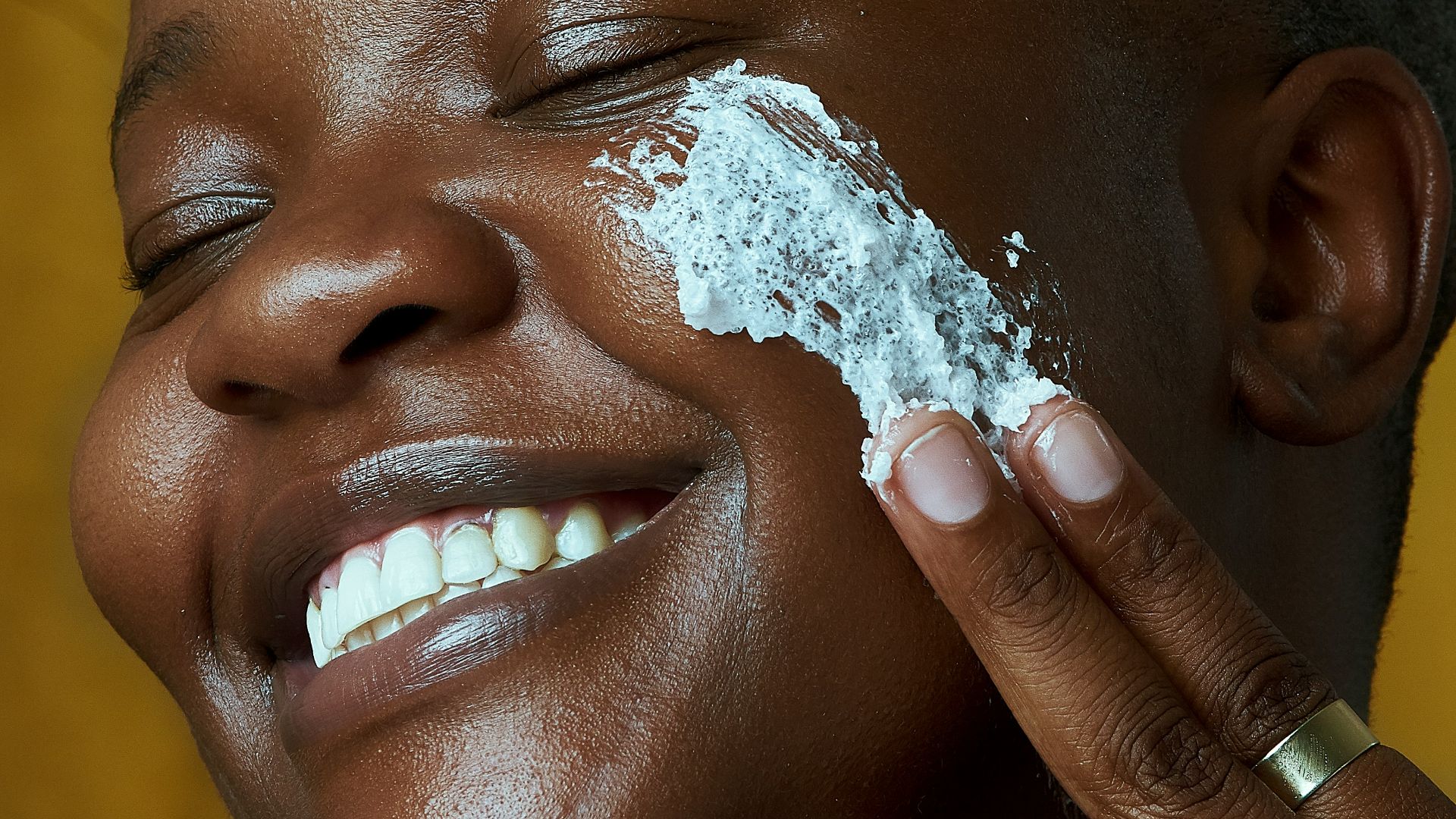
The sun exposure women accumulate while gardening, driving, walking the dog, and attending their children's sporting events can have lasting consequences. Ultraviolet radiation contributes to premature skin aging and increases the risk of developing skin cancer, sometimes decades after the initial damage occurs. Getting into the habit of wearing broad-spectrum sunscreen whenever you're exposed to the sun can help protect your skin before you reach your 60s.
14. Paying Little Attention to Their Blood Pressure
High blood pressure rarely causes noticeable symptoms, which is precisely why it's so easy to overlook during middle age. When left unmanaged, it can gradually damage blood vessels and increase the risk of stroke, heart disease, kidney disease, and cognitive decline. Given that cardiovascular risks tend to increase around menopause, having your blood pressure checked regularly is particularly important during this stage of life.

15. Putting Everyone Else's Needs First
Many women spend their 40s juggling the responsibilities of caring for their children, supporting their partners, and helping their elderly parents. With so little time left to address their own emotional and physical needs, they may find themselves dealing with chronic stress, exhaustion, and untreated health problems. Learning to set boundaries and ask for help when necessary may benefit both their mental and physical well-being as they get older.

16. Neglecting Their Dental Health
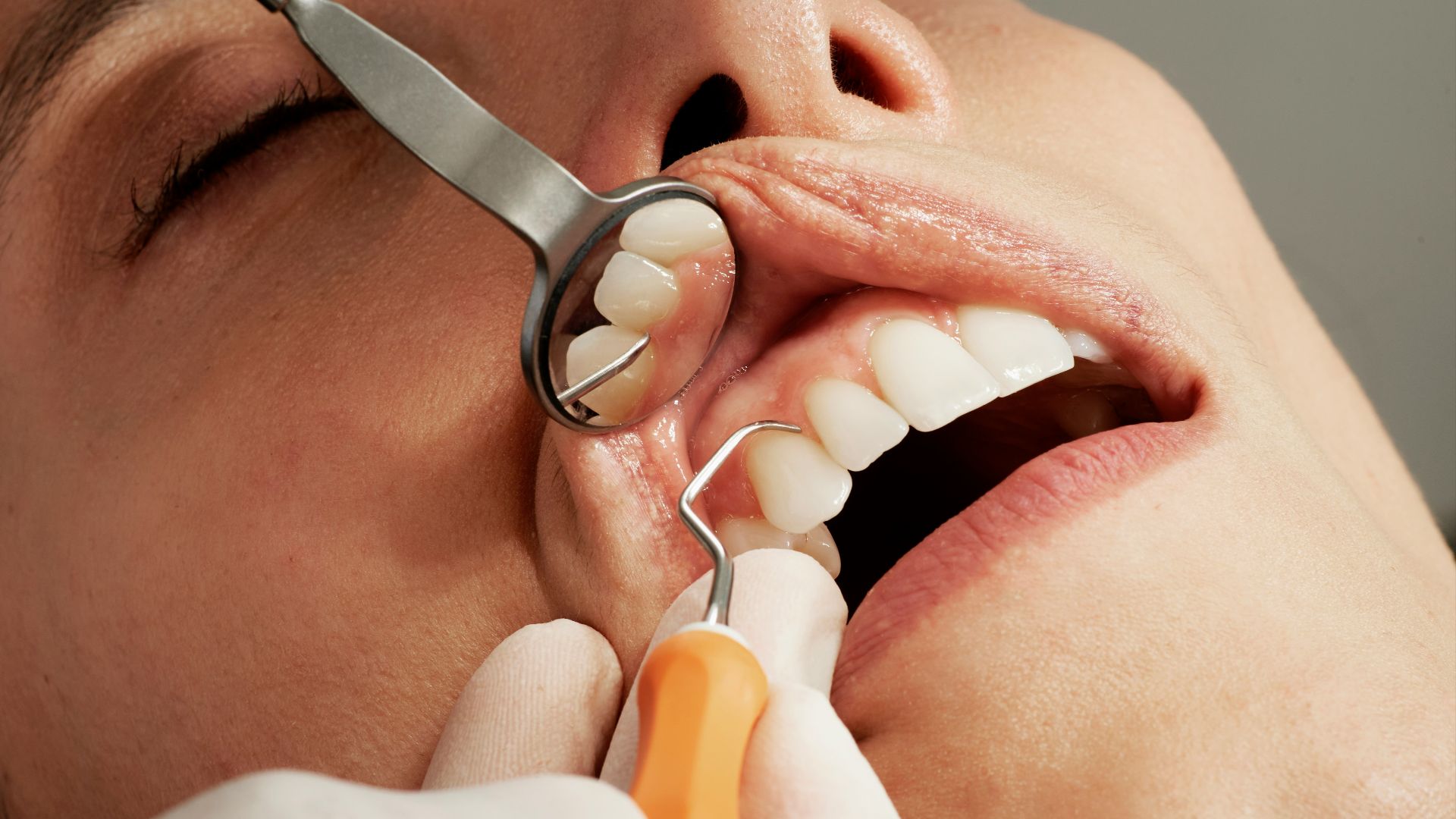
Hormonal changes around menopause can affect oral health, sometimes causing dry mouth and increasing susceptibility to certain dental problems. Years of inadequate brushing, inconsistent flossing, and postponed dental appointments may eventually catch up with you in the form of gum disease or tooth loss. Taking good care of your teeth throughout middle age can make it easier to enjoy a varied, nutritious diet well into your retirement years.
17. Eating Very Little Dietary Fiber
A diet that consists largely of refined carbohydrates and convenience foods often contains far less fiber than the body needs. Over time, insufficient fiber intake can negatively affect digestive health, cholesterol levels, and blood sugar management. Eating more foods like lentils, oats, raspberries, and whole-grain bread in your 40s can do both your heart and digestive system a favor in the long run.

18. Ignoring Changes in Their Hearing
Turning up the television or having trouble following conversations in noisy restaurants might not seem like much of a concern at 45. However, untreated hearing loss can gradually make socializing more difficult and is associated with an increased risk of cognitive decline in older adulthood. Protecting your ears from excessive noise and having persistent hearing difficulties checked out early can help preserve your ability to communicate comfortably as you age.

19. Giving Up Physically Demanding Activities
Some women become more hesitant to participate in activities like hiking, dancing, or recreational sports as they enter middle age, particularly if they've experienced an injury. While adjusting activities to accommodate physical limitations is sensible, becoming considerably less active can contribute to declining endurance, balance, and mobility. Finding ways to remain physically active throughout your 40s can help reduce the likelihood of falls and mobility problems in your 60s.

20. Forgetting About Their Pregnancy-Related Health History
Women who experienced gestational diabetes or preeclampsia may assume those health complications are no longer relevant once their pregnancies are over. However, gestational diabetes is associated with a higher lifetime risk of type 2 diabetes, while preeclampsia can indicate an increased risk of future cardiovascular disease. Making sure your healthcare provider is aware of these past complications can help establish which preventive screenings and lifestyle changes you should prioritize during middle age.

KEEP ON READING


20 Things Your Body Is Secretly Doing Right Now