

10 Reasons Cold Weather Can Be Good for You & 10 Reasons It Can Be Hard on Your Body
The Health Effects of Colder Temperatures
Although many people dread the arrival of winter, there's more to cold weather than frozen fingers and painfully early sunsets. Cooler temperatures can actually offer some surprising health benefits, from improving certain aspects of physical performance to helping you get a better night's sleep. That being said, spending too much time in the cold can also put additional strain on your body, especially if you have underlying health conditions. Here are 10 reasons cold weather can be good for you and 10 reasons it can be surprisingly hard on your body.
1. It Can Activate Brown Fat
Unlike white fat, which primarily stores energy, brown fat helps your body generate heat by burning calories. Exposure to moderately cold temperatures can activate this specialized tissue, causing your body to expend more energy as it works to keep you warm. Researchers are particularly interested in the potential role brown fat plays in improving metabolic health.
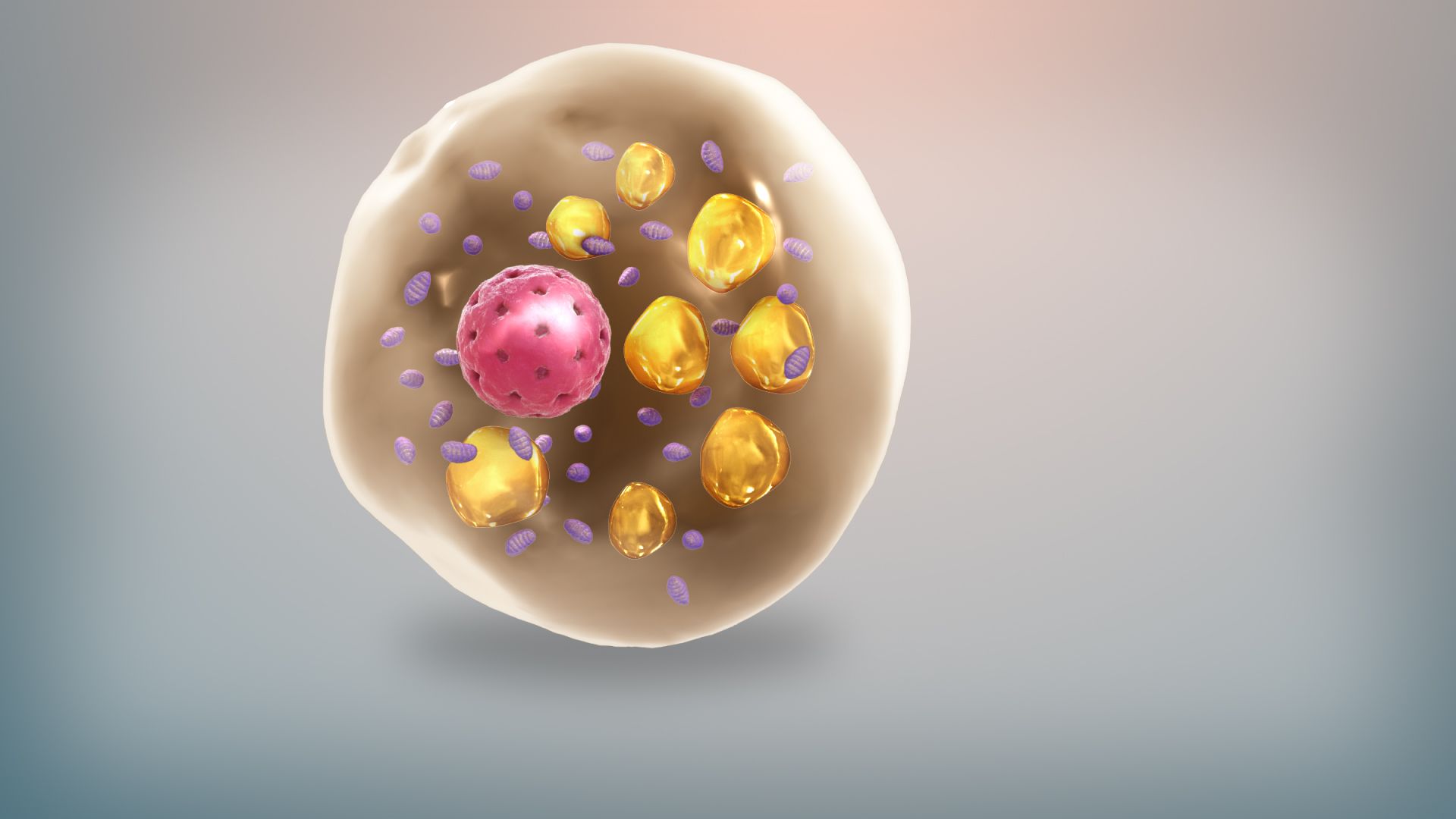 https://www.scientificanimations.com/ on Wikimedia
2. It Can Help You Sleep Better
There's a good reason why you might sleep more comfortably in a slightly chilly bedroom than a warm one. Your core body temperature naturally drops as you prepare for sleep, and a comfortably cool environment can help facilitate this process. Turning down the thermostat a few degrees before bed might make it easier to drift off without having to part with your favorite blankets.

3. It Can Improve Your Endurance
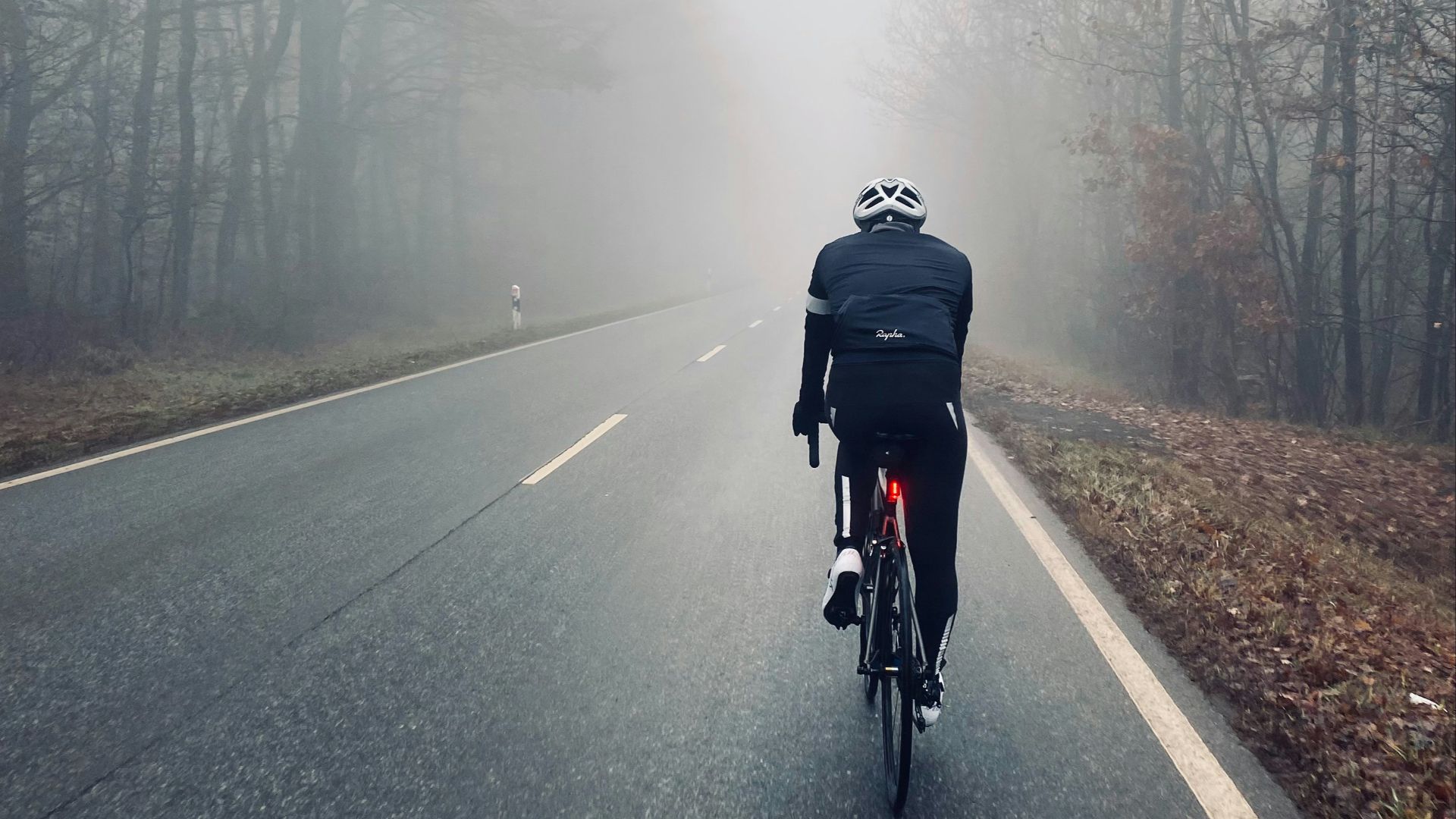
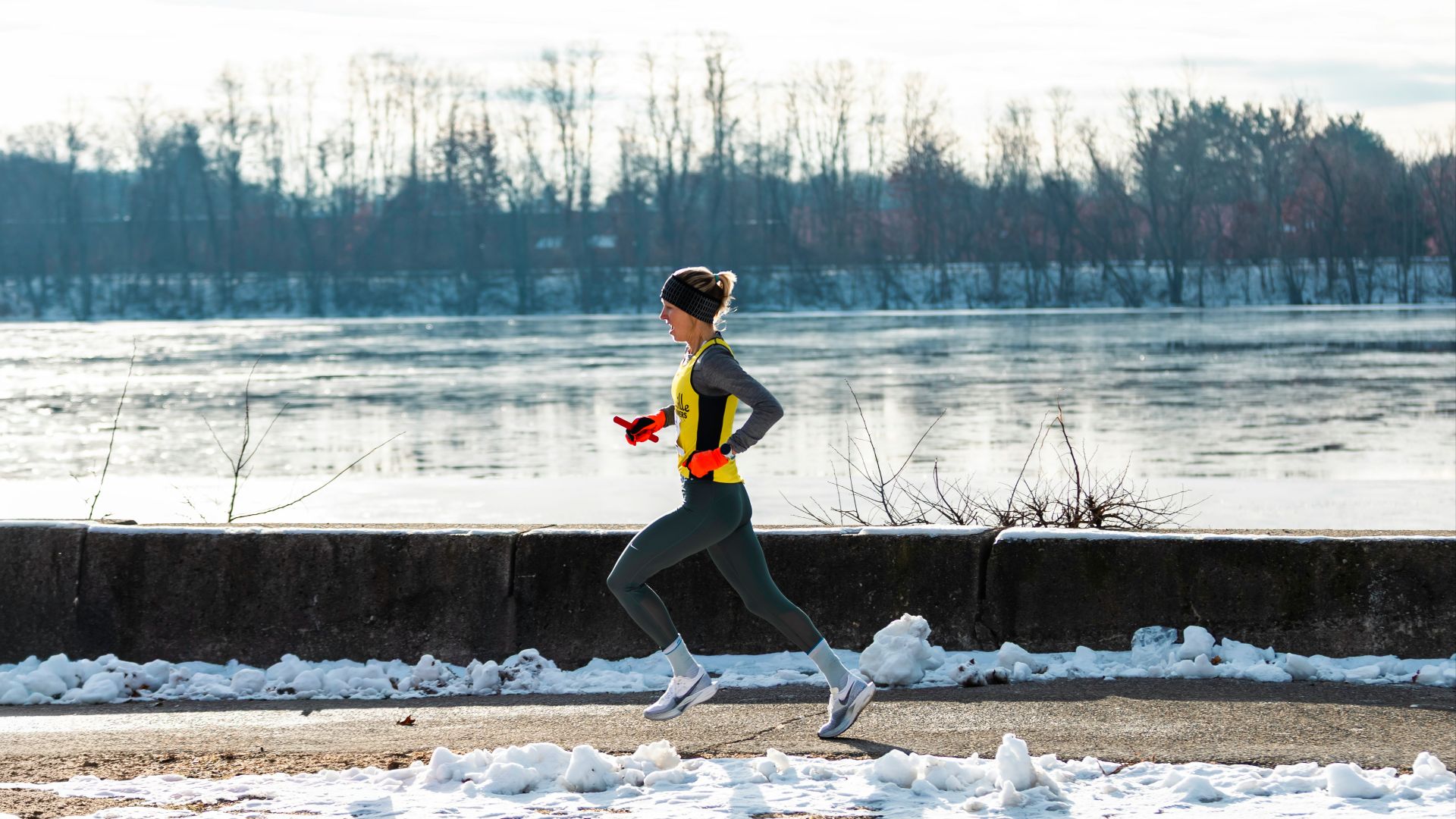
Anyone who's gone for a run on a humid summer afternoon knows how exhausting exercising in the heat can be. Cooler temperatures make it easier for your body to release the heat generated by working muscles, potentially allowing you to exercise for longer without overheating. As long as it's not excessively cold outside, winter can be a great time to work on your cardiovascular fitness.
4. It Can Reduce Your Exposure to Outdoor Allergens
For people who spend much of the spring and summer sneezing, the first frost often comes as a welcome relief. Colder temperatures cause many plants to enter dormancy, significantly reducing the amount of airborne pollen in regions with freezing winters. Although indoor allergens can still cause problems, winter may be one of the few times of year when people with hay fever can enjoy an afternoon outside without constantly reaching for tissues.

5. It May Improve Insulin Sensitivity
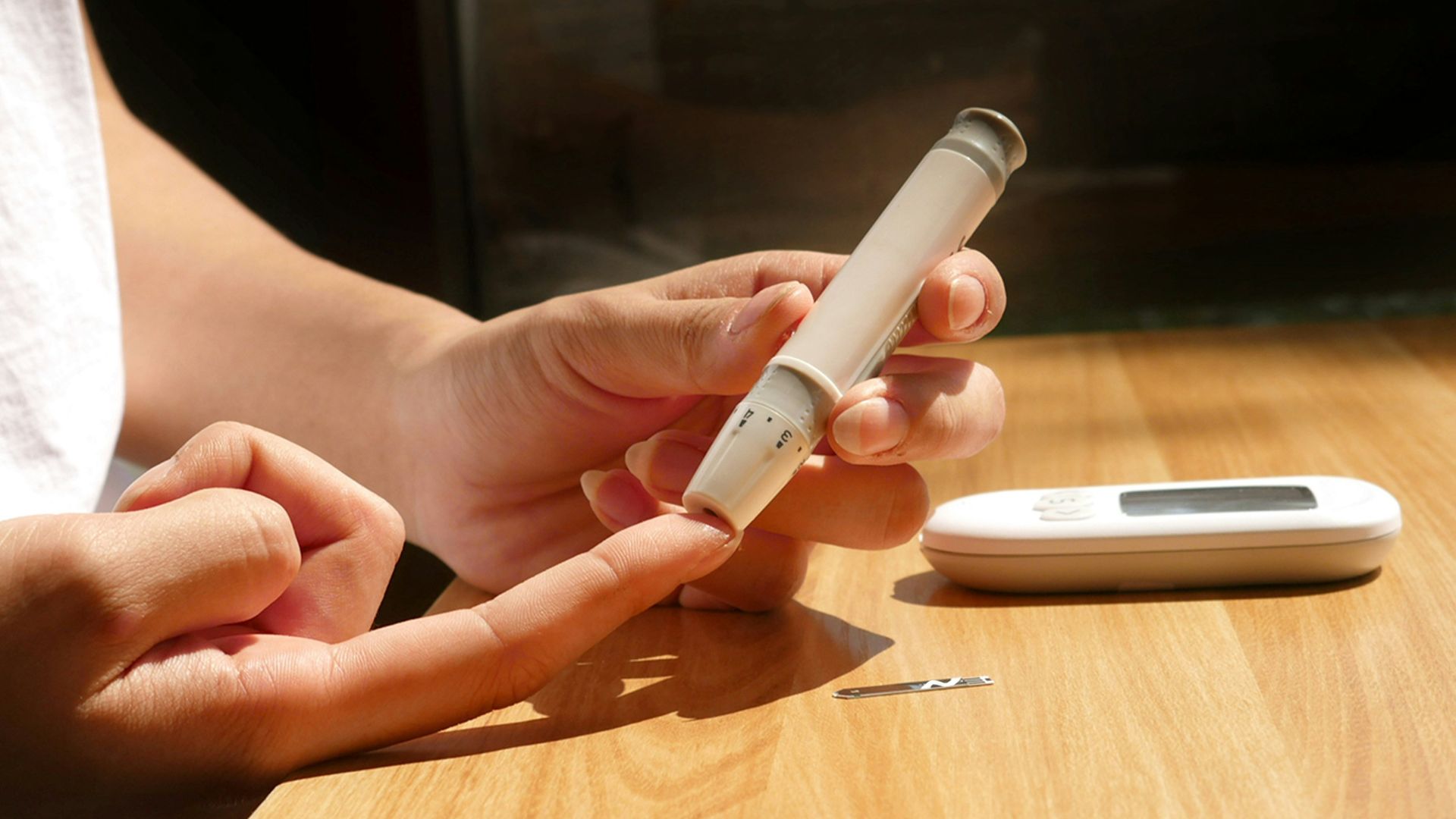
Some interesting research suggests that regular exposure to mildly cold environments could improve how effectively the body responds to insulin. A small study supported by the National Institutes of Health found that men who spent a month sleeping in cooler conditions experienced improvements in insulin sensitivity. Although further research is needed, these findings suggest that the temperature of our surroundings may influence how our bodies regulate blood sugar.
6. It Can Make You Feel More Alert
Stepping outside on a crisp winter morning can make you feel considerably more awake, especially if you've spent the past several hours in a warm, stuffy room. Mild cold exposure stimulates the sympathetic nervous system, which plays a role in regulating alertness and responding to environmental changes. If you're having trouble waking up in the morning, a short walk outside might help you shake off some of that lingering grogginess.
7. It Reduces Your Risk of Certain Insect-Borne Diseases
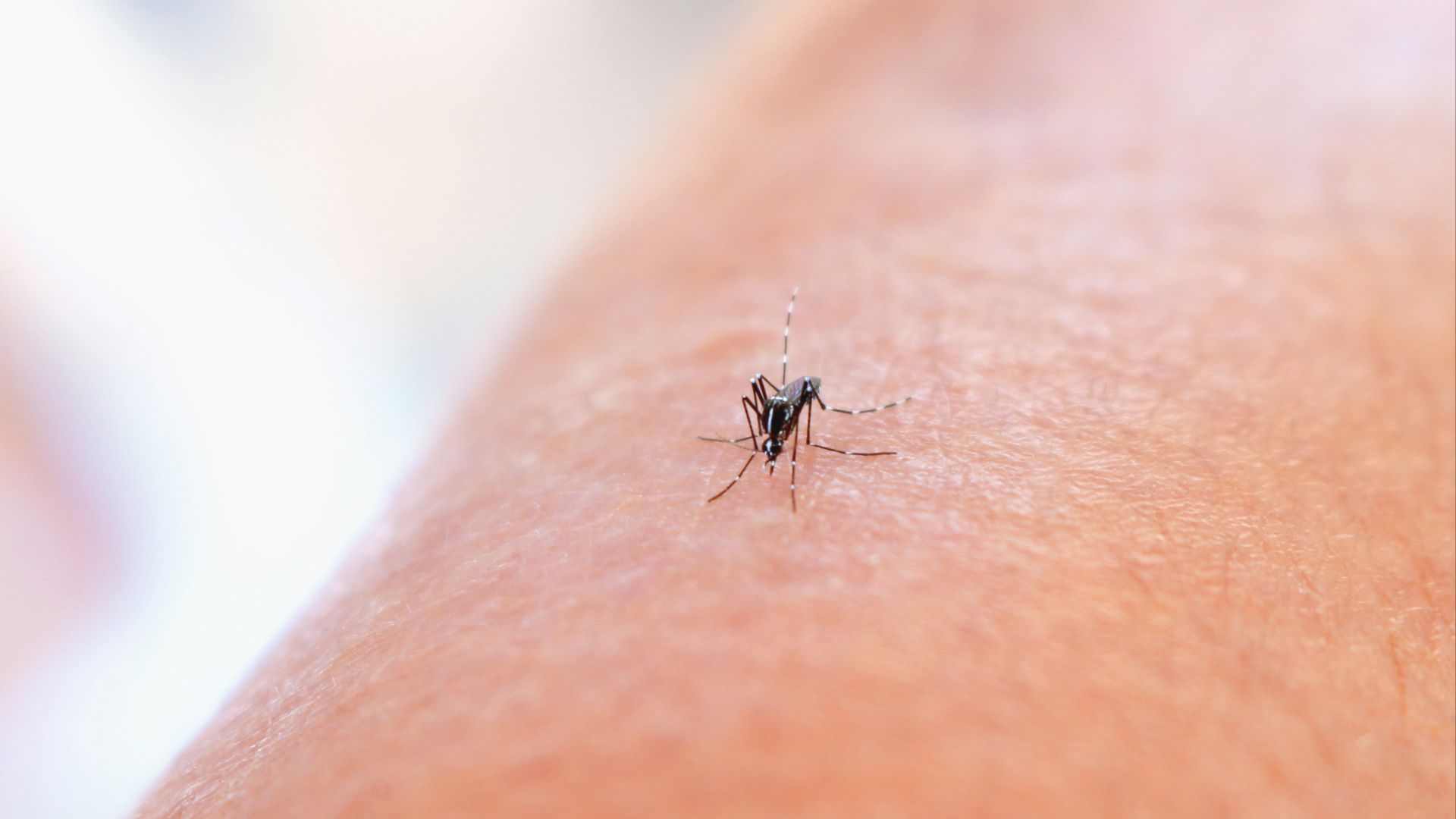
Mosquitoes are far less active during the winter in regions where temperatures regularly fall below freezing. This seasonal decline in insect activity can reduce your chances of contracting mosquito-borne illnesses, such as West Nile virus. Some ticks can remain active on milder winter days, but colder weather generally means you'll have fewer encounters with these unwanted pests.
 National Institute of Allergy and Infectious Diseases on Unsplash
8. It Encourages Different Forms of Physical Activity
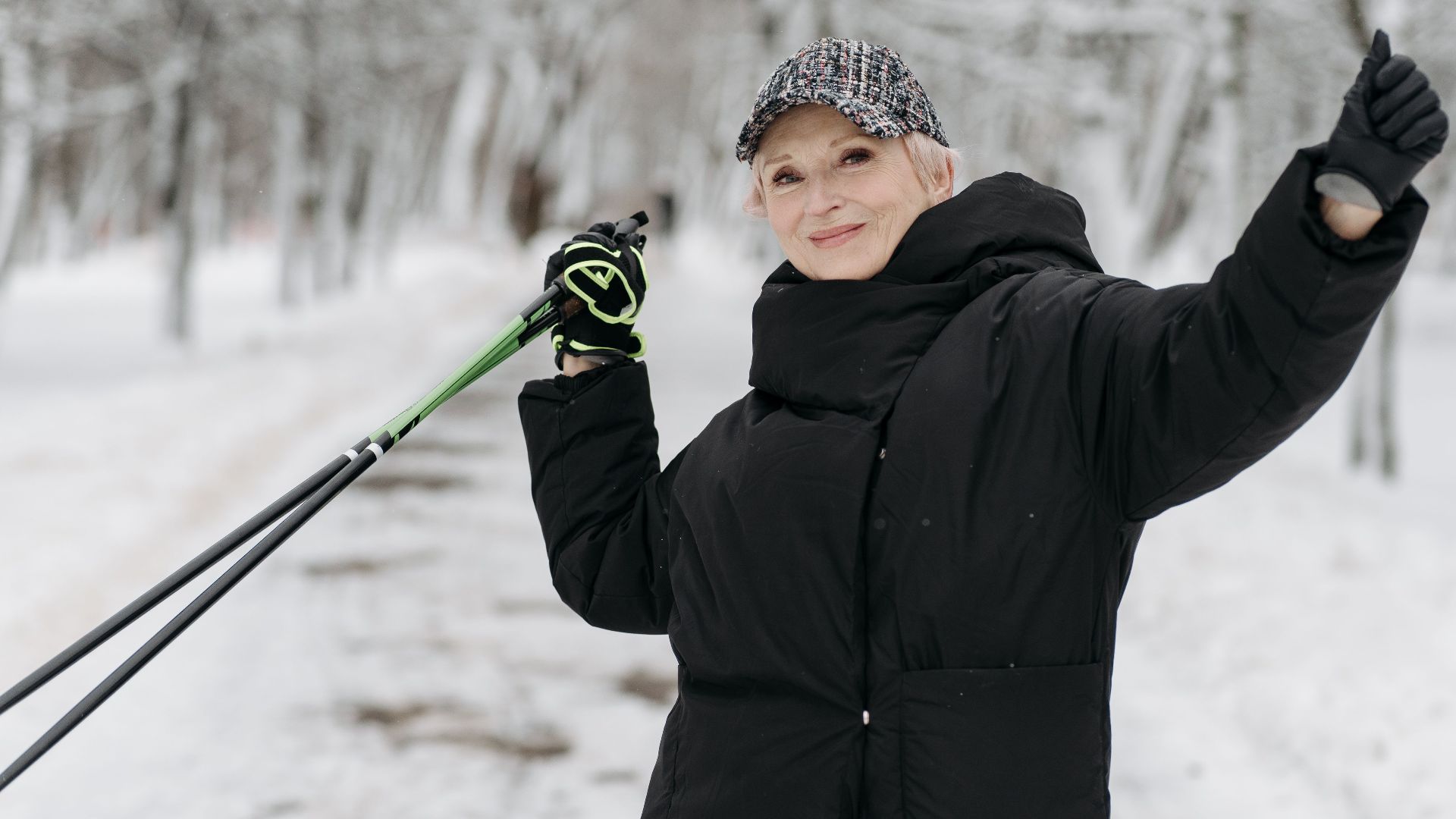
The arrival of winter gives you an opportunity to try several physically demanding activities that aren't typically accessible during the warmer months. Cross-country skiing, snowshoeing, and ice skating can improve cardiovascular fitness while engaging muscles that you might not regularly use. Having a few seasonal activities to look forward to can also help if you tend to lose motivation when following the same exercise routine.

9. It Can Be Easier on People With Heat Sensitivity
Individuals with certain medical conditions, including multiple sclerosis, can experience a temporary worsening of their symptoms when their body temperature rises. Cooler weather may allow these people to go about their daily lives without becoming uncomfortably warm. Even those who simply don't tolerate heat particularly well might find walking, exercising, and running errands much more manageable during the winter.
10. It Can Improve Your Tolerance for Cold
Regular, moderate exposure to cooler temperatures can gradually change how your body responds to the cold. Through a process known as cold acclimation, you may experience changes in your shivering response, heat production, and perception of thermal discomfort. While this certainly doesn't make you immune to the dangers of freezing temperatures, you might eventually find everyday winter conditions a little more tolerable.

Now that we've covered how winter can be good for your health, let's talk about how it can be hard on you.
1. It Can Raise Your Blood Pressure
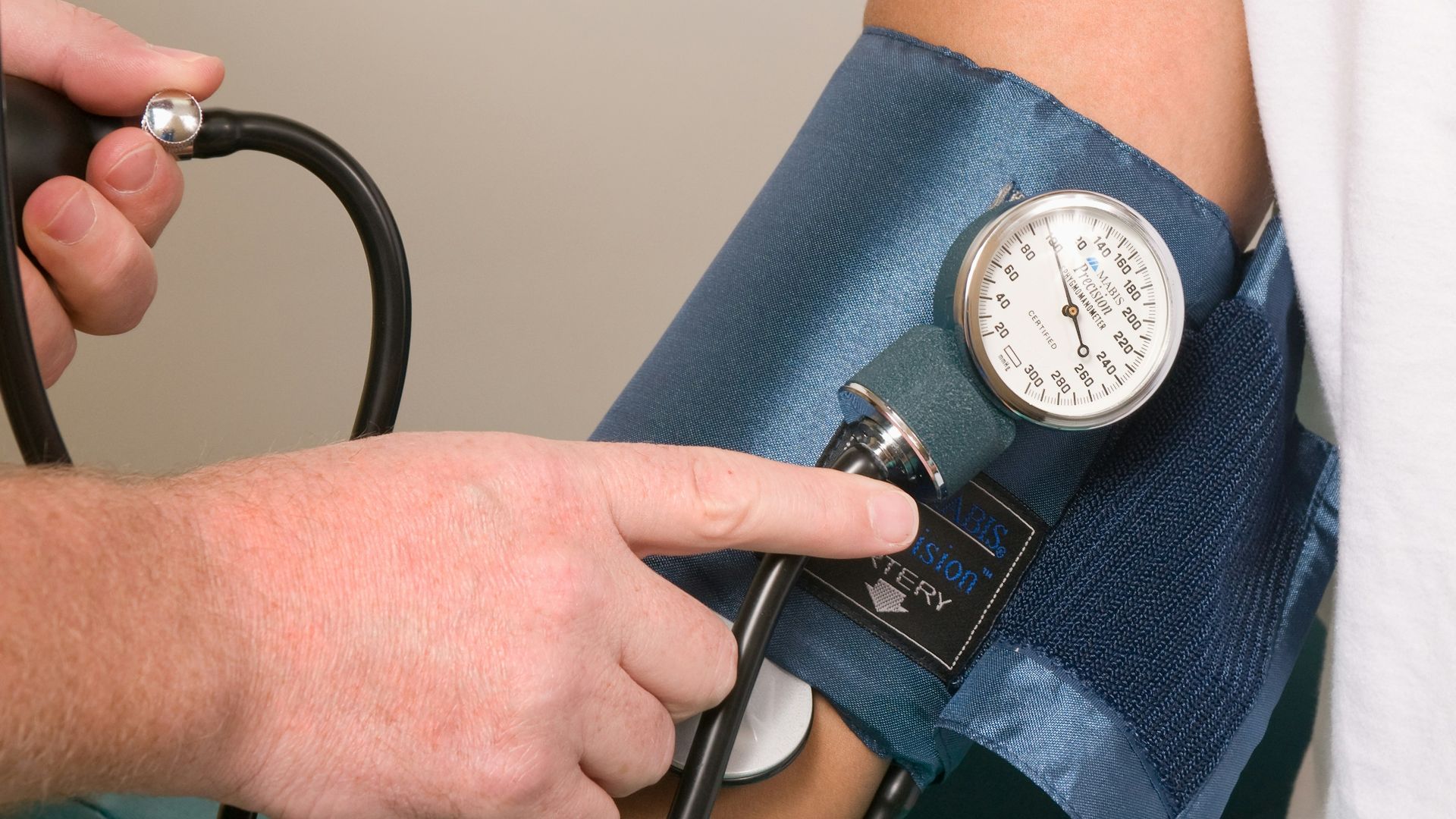
Unfortunately, one of the biggest drawbacks of cold weather is the extra strain it puts on your cardiovascular system. Your blood vessels narrow in response to falling temperatures in an effort to conserve heat, which can cause your blood pressure to rise. People with hypertension or existing heart conditions need to be particularly careful, as strenuous winter activities can place even more stress on their hearts.
2. It Can Make Your Joints Feel Stiffer
Many people with arthritis notice that their joints become more uncomfortable when the weather turns cold. Although researchers haven't established exactly why this happens, changes in atmospheric pressure, temperature, and activity levels may all contribute to the problem. Even something as routine as getting out of bed in the morning can become a challenge when your knees, hips, or fingers are particularly stiff.

3. It Can Damage Your Skin Barrier
Between the low humidity outdoors and the dry air produced by indoor heating systems, winter can be especially unforgiving on your skin. Retaining moisture becomes more difficult under these conditions, which can lead to flaking, itching, and painful cracks. People with eczema may also notice more frequent flare-ups, making it especially important to moisturize regularly throughout the colder months.

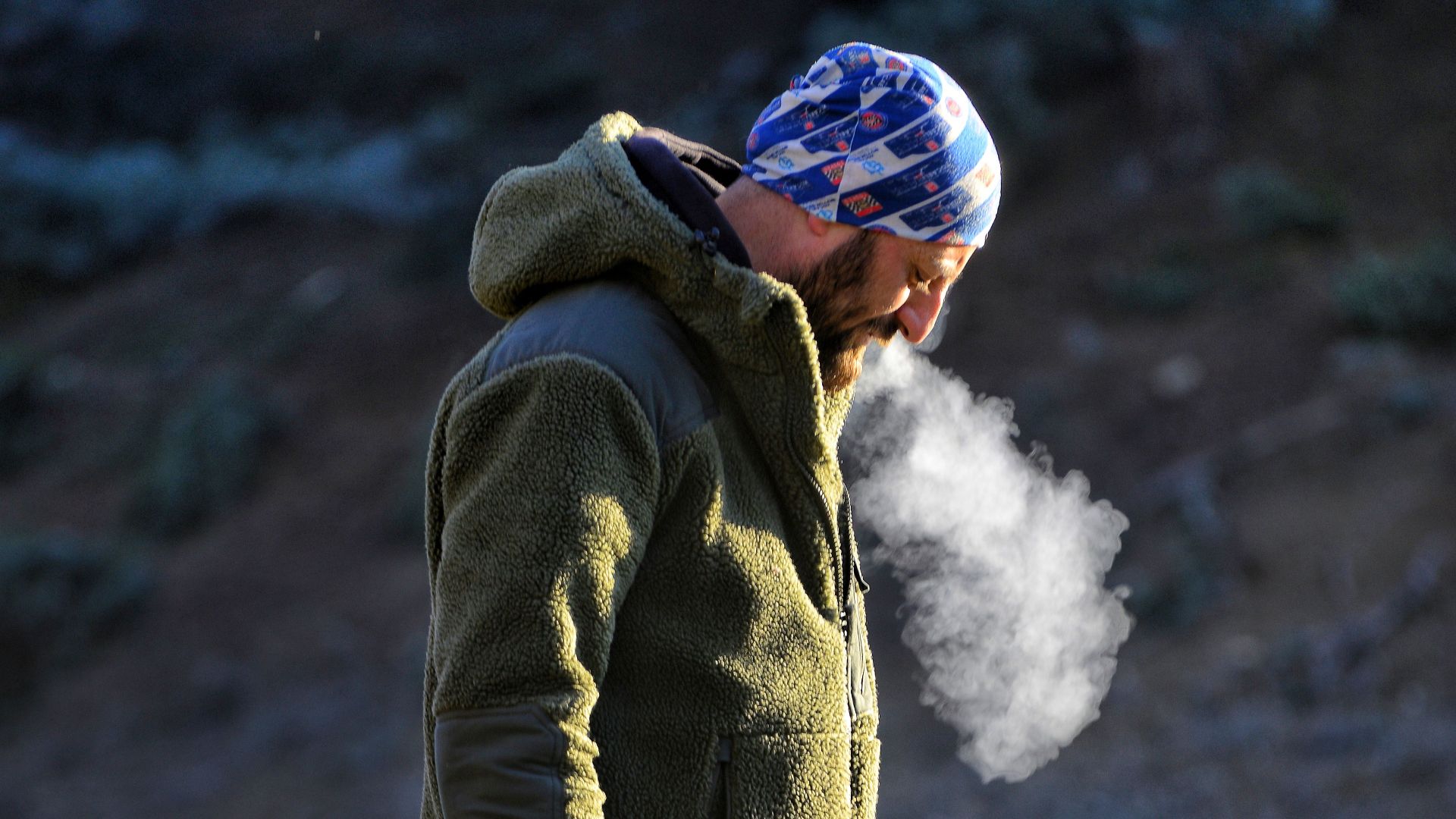
4. It Can Irritate Your Airways
Taking a deep breath of freezing air isn't always as refreshing as you'd expect, particularly if you have asthma. Cold, dry air can irritate your respiratory passages and cause your airways to narrow, resulting in coughing, wheezing, or shortness of breath. Wearing a scarf over your nose and mouth when you head outside can help warm and humidify the air before you breathe it in.
5. It Can Make Dehydration Less Noticeable
Most people instinctively reach for a glass of water when they're hot and sweaty, but remembering to stay hydrated in the winter can be a little more difficult. Your thirst response can diminish in cold environments, even though you're still losing moisture through breathing, perspiration, and urination. Exercising in several layers of clothing can also cause you to sweat much more than you realize.

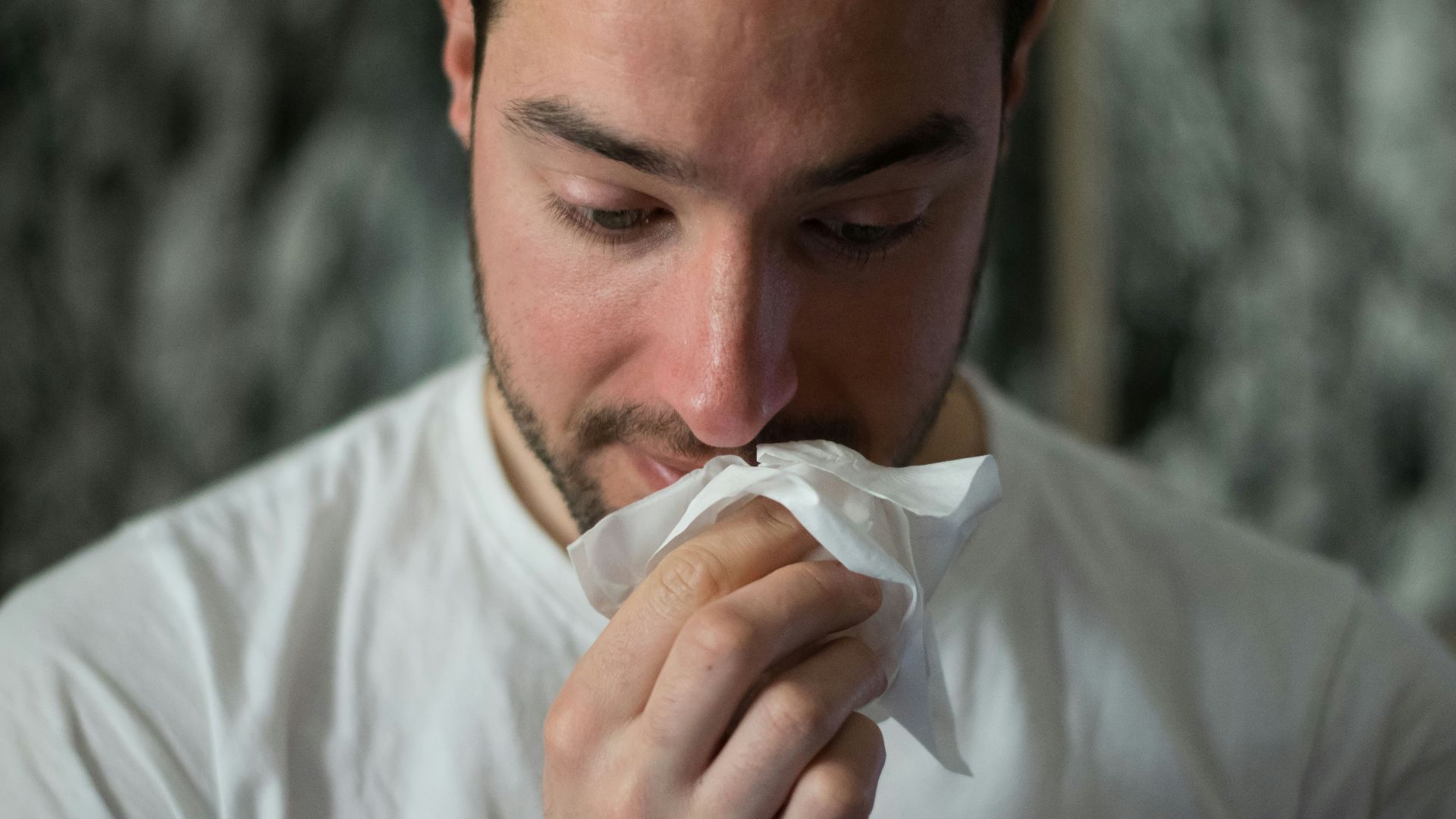
6. It Can Increase Your Susceptibility to Respiratory Infections
While standing outside without a jacket won't directly give you a cold, certain winter conditions can make respiratory infections easier to contract. Exposure to cold, dry air may interfere with some of the natural defenses in your nasal passages that help protect you against viruses. The fact that people tend to spend more time together in poorly ventilated indoor spaces during winter doesn't help matters, either.
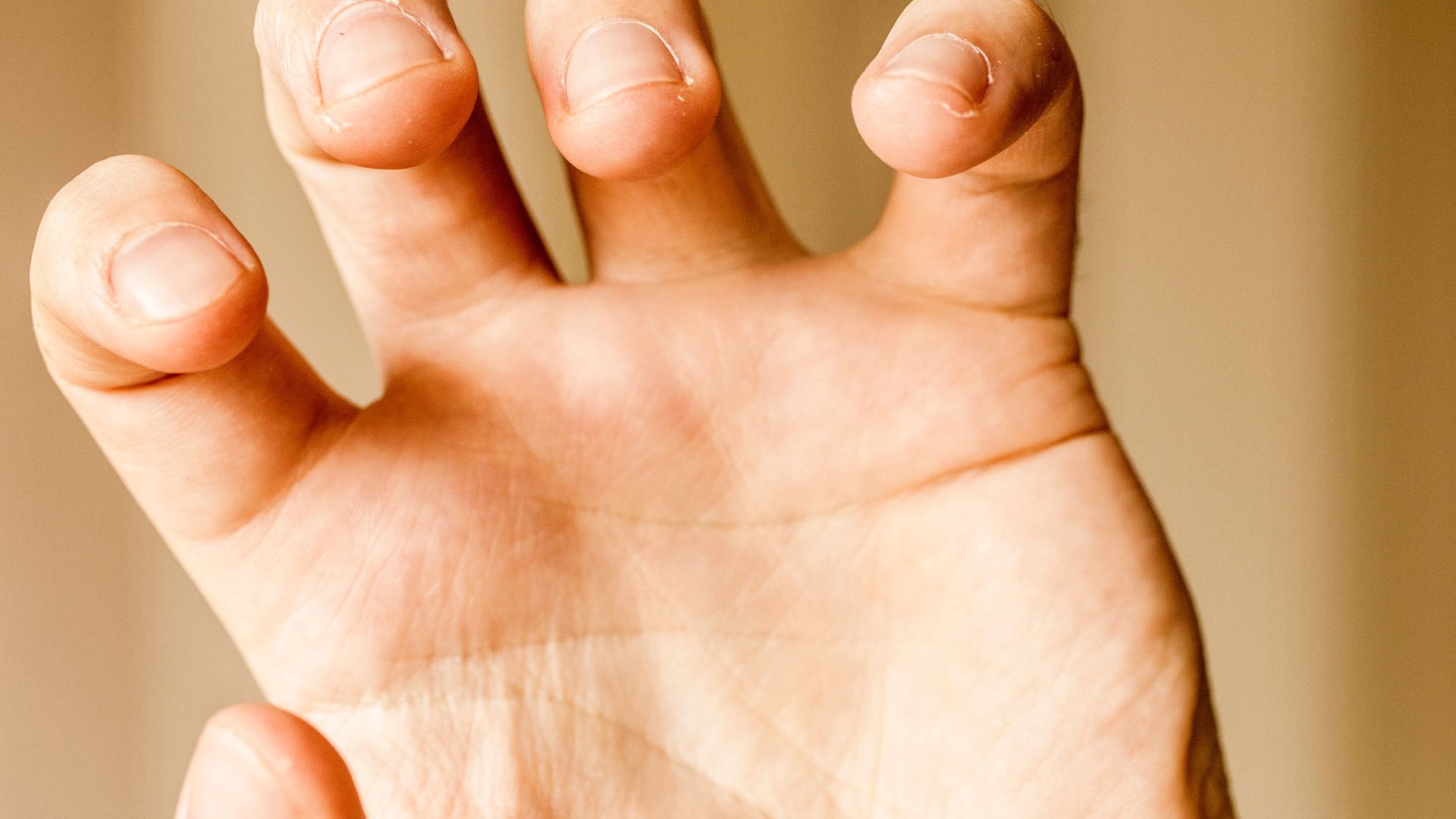
7. It Can Reduce Your Dexterity
Have you ever struggled to unlock your front door after spending a little too long outside in freezing temperatures? As your hands get colder, reduced circulation and changes in muscle and nerve function can make it increasingly difficult to perform precise movements. Beyond being a frustrating inconvenience, this can pose a genuine safety concern for people who work outdoors, operate equipment, or regularly handle tools.
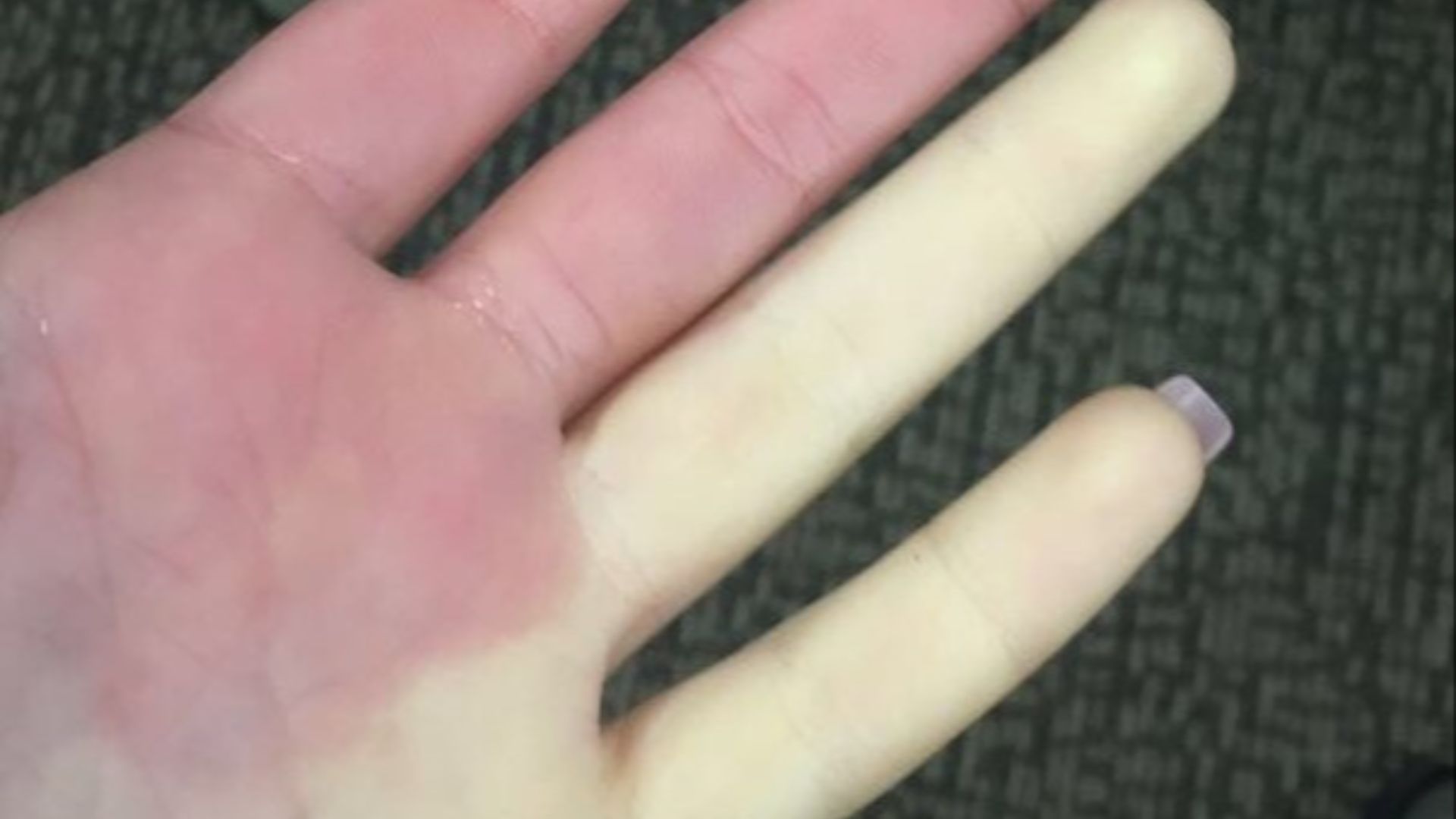
18. It Can Trigger Painful Circulatory Problems
For individuals with Raynaud's phenomenon, even something as simple as reaching into a freezer can trigger an uncomfortable physical reaction. Exposure to the cold causes small blood vessels to constrict excessively, causing fingers or toes to temporarily turn white or blue. The affected areas can become painfully tingly as circulation returns, making even relatively short winter outings unpleasant for people with this condition.
19. It Can Increase Your Risk of Musculoskeletal Injuries
Muscles and tendons can become less flexible as their temperature drops, which is one reason why warming up before exercising outdoors is so important. Between slippery sidewalks, uneven snow-covered surfaces, and the physical demands of shoveling, there's certainly no shortage of opportunities to injure yourself during winter. Giving your body a little extra time to warm up before tackling physically demanding activities may help reduce your risk of injury.

10. It Can Overwhelm Your Body's Temperature Regulation
Your body has several mechanisms for maintaining a stable internal temperature, but they can only do so much when you're exposed to the cold for extended periods. When you start losing heat faster than your body can produce it, your core temperature can fall dangerously low, potentially resulting in hypothermia. Older adults and people with certain chronic health conditions are especially vulnerable, even in weather that doesn't seem particularly extreme.

KEEP ON READING



20 Natural Ways You Can Boost Your Immune System

20 Ways To De-stress & Relax After Work

The 10 Most Common Diseases & The 10 Most Rare