
Your Eyes Are Only Part Of The Picture
Try closing your eyes and touching the tip of your nose. Chances are you'll get pretty close without having to think about it. Your body is constantly keeping tabs on where your limbs are, how you're moving, and which way you're leaning, even in complete darkness. Most of this happens in the background while you go about your day. Here are 20 ways your body knows where it is without relying on your eyes.

1. Muscle Spindles Track How Far Each Muscle Stretches
Tucked inside almost every skeletal muscle are tiny sensors called muscle spindles, which fire whenever the muscle lengthens. Your brain reads those signals to work out where your limbs are and how they're moving. Your arm alone carries about 4,000 of them.

2. Three Fluid-Filled Loops In Your Inner Ear Sense Rotation
Each inner ear holds three semicircular canals, set roughly at right angles to one another. When you turn your head, the fluid inside shifts and bends tiny hair cells, which tells your brain which way you're rotating. Together they pick up turns in any direction, whether you're nodding yes or tipping your head toward a shoulder.
3. The Soles Of Your Feet Map Your Weight
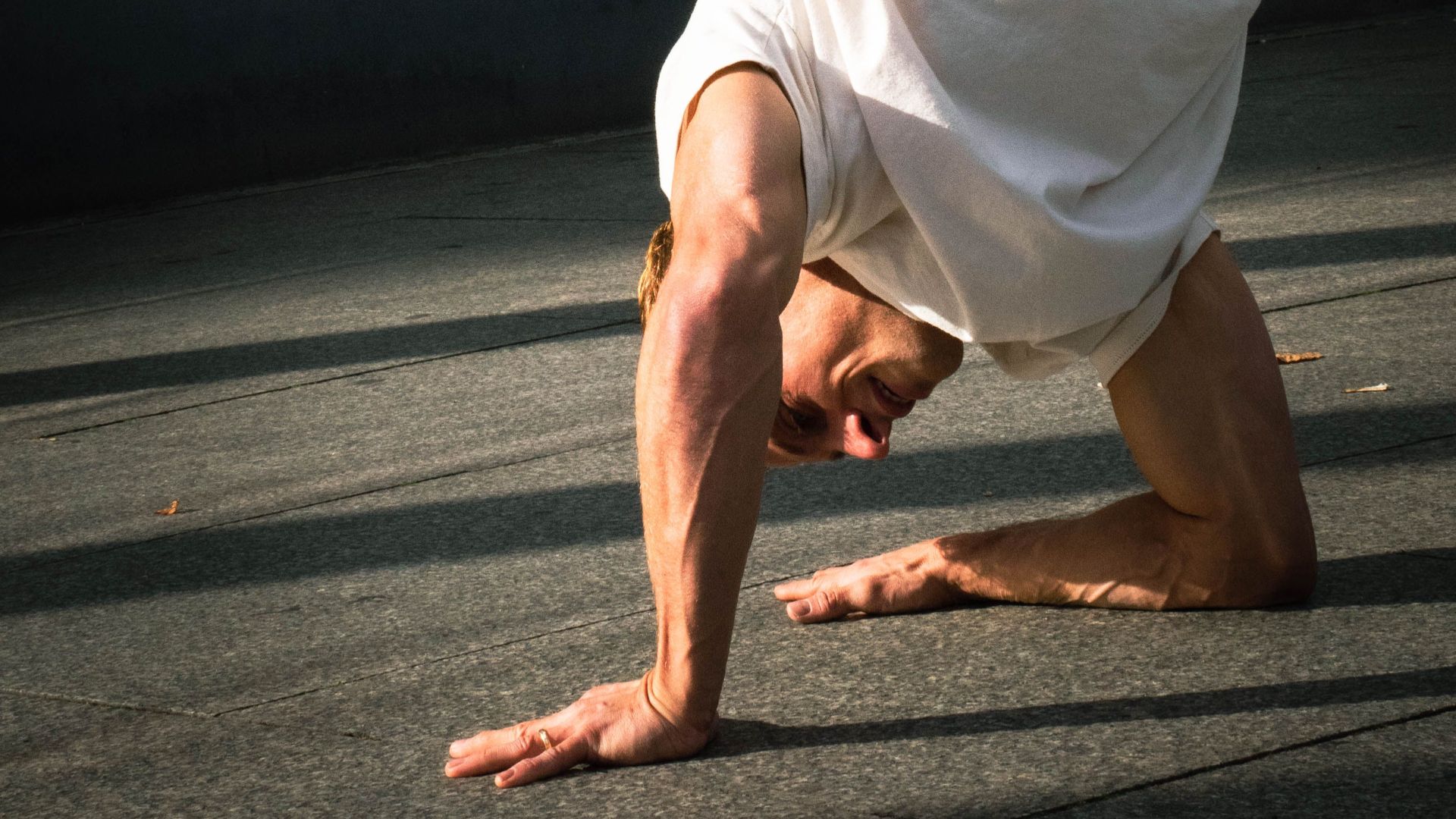
Pressure sensors on the bottoms of your feet track how your weight shifts from heel to toe and side to side. That's a big part of why standing still feels effortless. In one study, simply placing a small coin-shaped object under the forefoot helped older adults stay steadier while standing with their eyes closed.

4. Tiny Crystals In Your Ears Tell You Which Way Is Down
Two small organs in the inner ear, the utricle and saccule, hold crystals of calcium carbonate called otoconia. Gravity and acceleration push those crystals against sensitive hair cells, which is how you can tell you're tilted or speeding up in a car even with your eyes shut. The utricle leans toward sensing horizontal motion, while the saccule handles vertical motion like an elevator ride.

5. Your Brain Times Sounds Down To Millionths Of A Second
A sound coming from your left reaches your left ear a fraction of a millisecond before your right. Your brain uses that tiny delay to figure out where the sound came from. With practice, people can detect a difference of about 10 to 20 millionths of a second, which is precise enough to place a sound within a few degrees.

6. Tendon Sensors Measure How Hard You're Pulling
Golgi tendon organs sit where muscles connect to tendons, and they respond to the force a muscle is producing. That's how you can tell a full suitcase from an empty one before you've lifted it very far. The human arm has roughly 2,500 of them working alongside the muscle spindles.

7. Place Cells Fire In Specific Spots
Your brain has its own way of mapping the places you visit. Researchers discovered this by monitoring neurons in the hippocampus of rats as they wandered around a room. Certain neurons fired when a rat reached a particular spot, while others kicked in as it moved elsewhere. Together, these aptly named place cells help the brain keep track of where it is in its surroundings.
 Guillaume DHALLUIN on Unsplash
8. Gravity Sensors In Your Torso Help You Stay Oriented
Experiments involving spinning people in a centrifuge suggest that the inner ear isn't the only part of the body that senses gravity. Further studies pointed to the kidneys and cardiovascular system as possible contributors. Even shifting blood toward or away from the legs can change a person's sense of which way is upright.

9. Your Neck Tells Your Brain Where Your Head Is Pointing
Your inner ear senses how your head is tilted, while sensors in your neck keep track of its position relative to your body. Some of the smallest neck muscles contain around 100 times more muscle spindles per gram than the large trapezius muscle across your upper back. These sensors work closely with your vision and balance systems, which helps explain why neck pain can leave you feeling disoriented.

10. Some People Navigate With Echoes
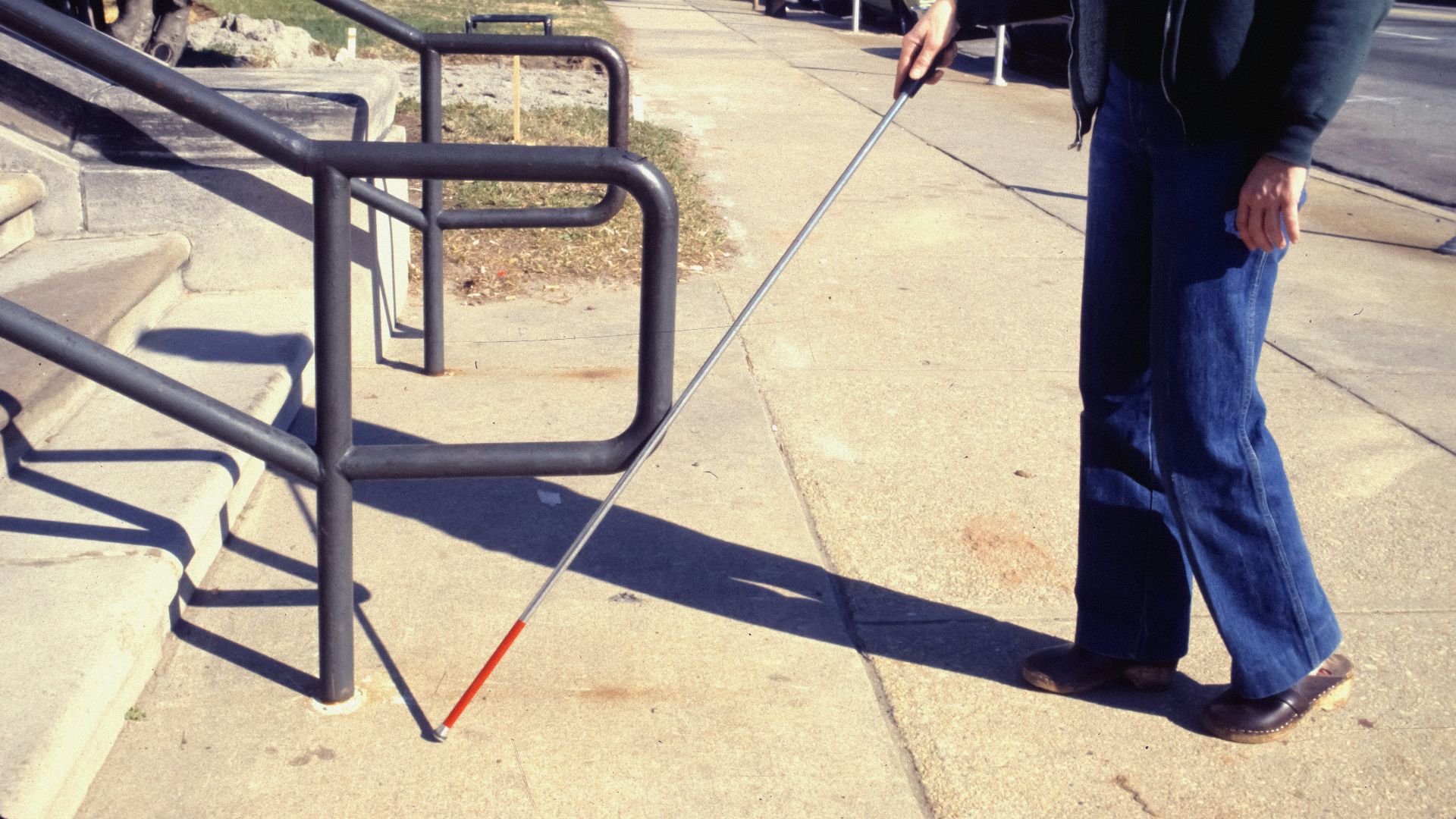
Some blind people navigate by clicking their tongues and listening to the echoes that bounce off nearby objects. Skilled echolocators can find their way around unfamiliar places, and some have even taken up mountain biking. Brain scans show that experts process these echoes in areas normally used for vision. Studies have also found that both blind and sighted people can learn the technique in about 10 weeks.
11. Head Direction Cells Work Like A Compass
Researchers studying rats discovered brain cells that act a bit like an internal compass. Each cell fires when the animal faces a particular direction, regardless of where it's standing. Together, these head-direction cells cover all 360 degrees, using familiar landmarks to stay calibrated. Scientists have since found similar cells in primates.

12. Your Inner Ear Stops Noticing A Steady Turn
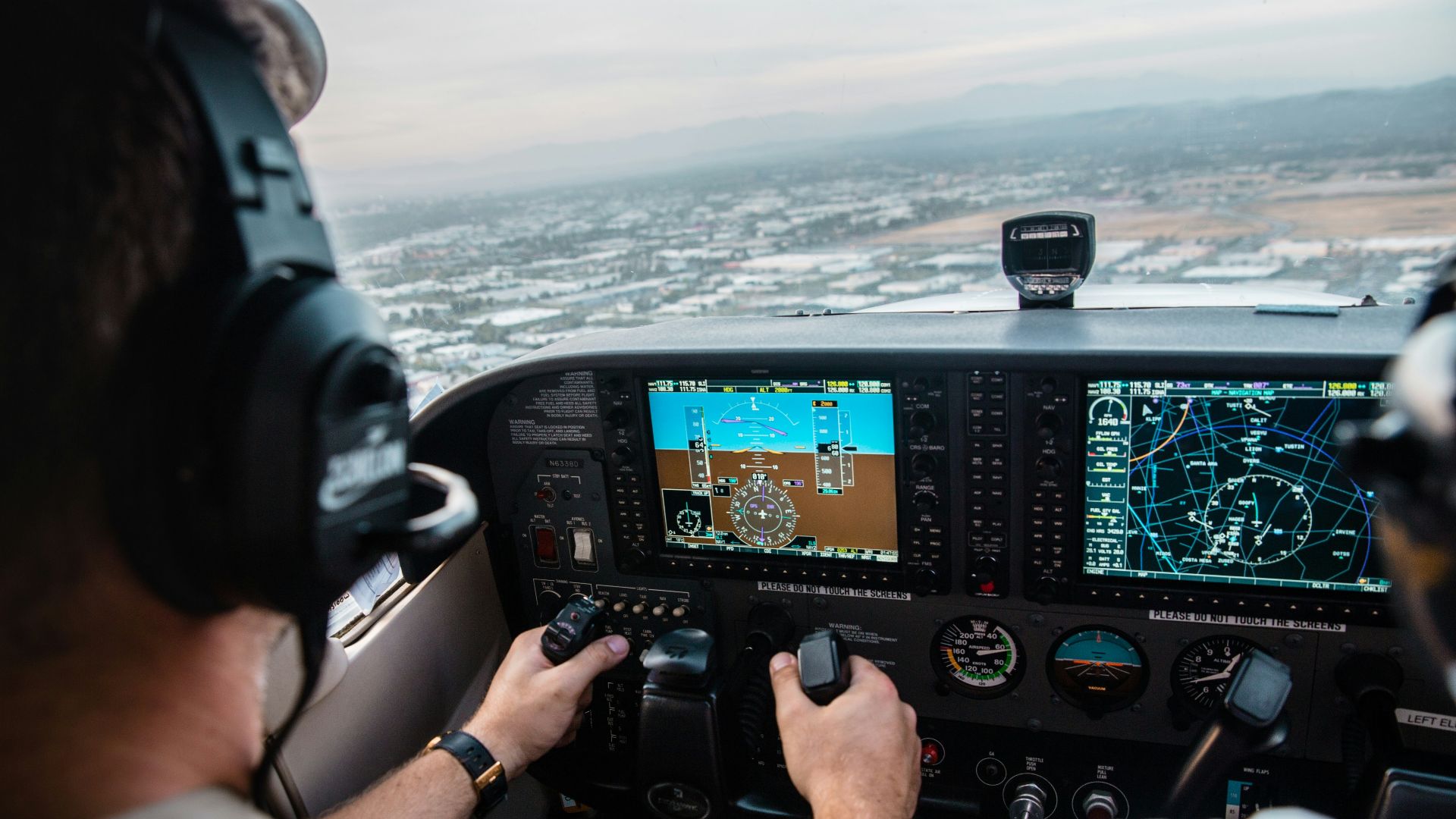
The semicircular canals respond to changes in rotation, so a turn that starts slowly or goes on long enough lets the fluid inside settle. Once that happens, your brain stops registering the turn. Pilots know this well, since leveling out after a long, gentle bank can make them feel like they're tilting the other way.
 Kristopher Allison on Unsplash
13. Your Head Casts A Sound Shadow
High-pitched sounds don't wrap around your head very well, so the ear facing away from the source hears them at a slightly lower volume. Your brain compares that volume difference between your ears to locate the sound. It's the main cue for sounds above about 2,000 hertz, while timing differences do more of the work at lower pitches.

14. Joint Sensors Mostly Speak Up At The Limits
Your joints have their own small set of sensors, though there are far fewer of them than in your muscles. Many of them fire mostly when a joint nears the edge of its range, possibly as a warning that you're close to an injury. Researchers still aren't sure how much they contribute to everyday position sense.

15. Grid Cells Lay Down An Internal Coordinate System
Grid cells give the brain something like its own coordinate system. As an animal moves around, these neurons fire at regularly spaced points that form a hexagonal pattern. They work alongside place cells to help the brain keep track of its location. The discoveries earned a Nobel Prize in 2014, shared by a married couple and their former research supervisor.

16. Your Brain Predicts What Your Own Movements Will Feel Like
Whenever you move, your brain predicts how that movement should feel and turns down the sensation when it arrives. That's the reason you can't tickle yourself. In experiments, adding a short delay between a person's movement and the touch from a tickling robot made the sensation feel ticklish again.

17. Pilots Can Lose Track Of Which Way Is Up In Clouds
When clouds or darkness hide the horizon, a pilot has to lean on the inner ear, and it's easy to fool in flight. The resulting confusion, known as spatial disorientation, is behind roughly 5 to 10% of general aviation accidents, and about 90% of those are fatal. Pilots are trained to trust their instruments over what their body is telling them.

18. Doctors Test Your Position Sense With Your Eyes Closed
The Romberg test is a simple way to check how well your body senses its own position. You stand with your feet together, first with your eyes open and then with them closed. If closing your eyes makes you noticeably unsteady, it may point to a problem with the nerves that carry position or balance signals to your brain. Police even use a modified version during sobriety checks.
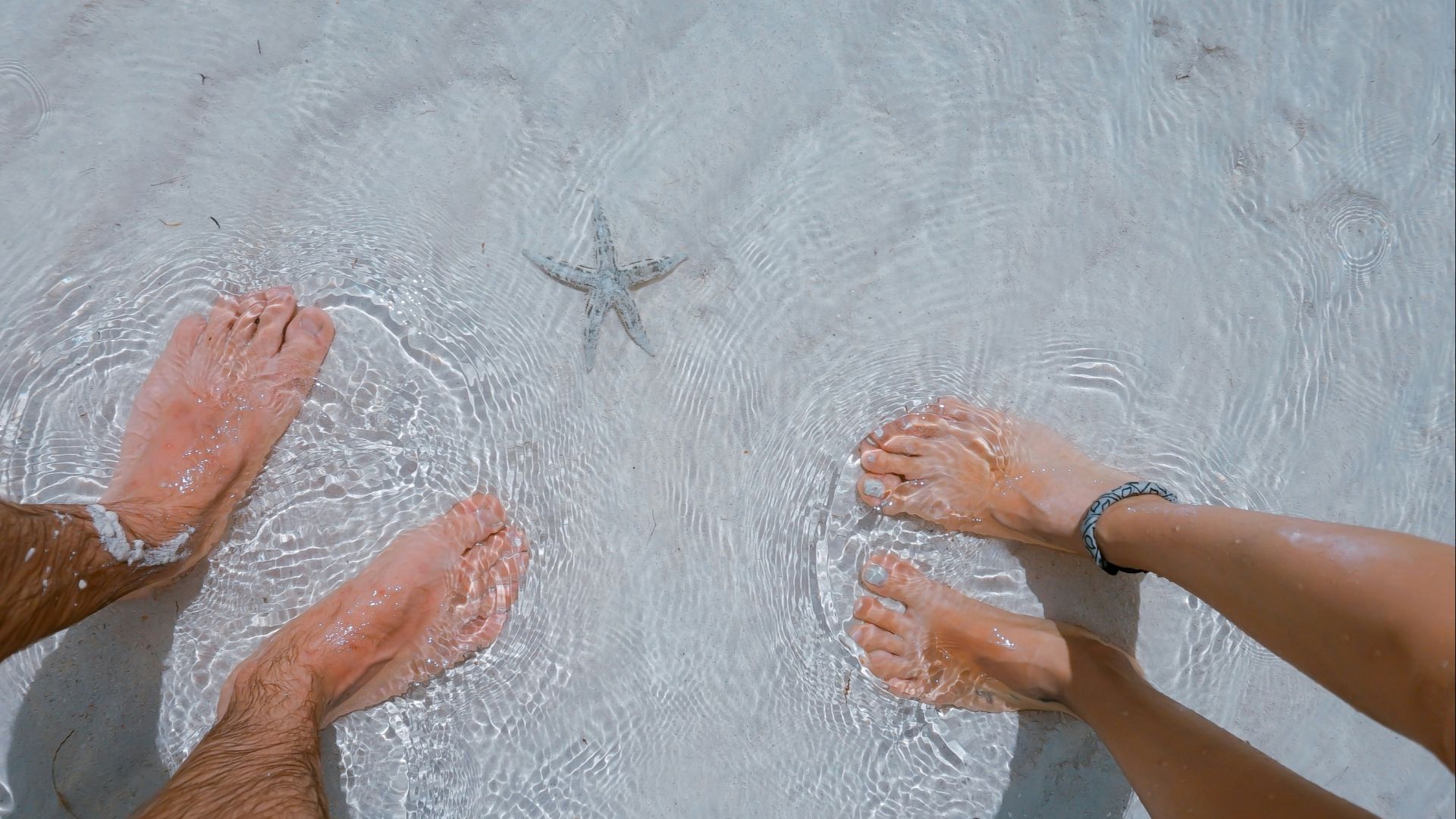
19. Astronauts Have To Relearn Which Way Is Down
In orbit, the otolith organs no longer feel gravity, so a major source of the brain's up-and-down information goes quiet. Most astronauts adjust within a few days, though close to 70% deal with balance problems or motion sickness at first. Coming home brings the same problem in reverse, since the brain has to readjust to gravity all over again.

20. Ian Waterman Shows What Happens When It's Gone
At 19, Ian Waterman lost his sense of body position from the neck down after a rare autoimmune reaction. His muscles still worked, but he couldn't coordinate them. Over several years, he relearned how to walk by watching his legs and consciously controlling each step. Even decades later, darkness or a lapse in concentration can leave him unable to move safely.

KEEP ON READING


20 Ways To Get Your Vitamins And Minerals
20 Ways Doing Less Can Actually Improve Your Health