

Your Body Keeps More Than One Schedule
Your body keeps track of time in more ways than you might imagine. There's a clock in your brain that helps determine when you fall asleep, but even your skin and liver have timekeeping systems of their own. Some follow the rising and setting of the sun, while others track much shorter intervals or mark the passing of years. Most of the time, these systems work together without you noticing. Spend a night traveling across time zones, though, and you'll quickly appreciate how much of your biology runs on a schedule. Here are 20 clocks hidden throughout your body.

1. A Master Clock In Your Brain Sets The Schedule
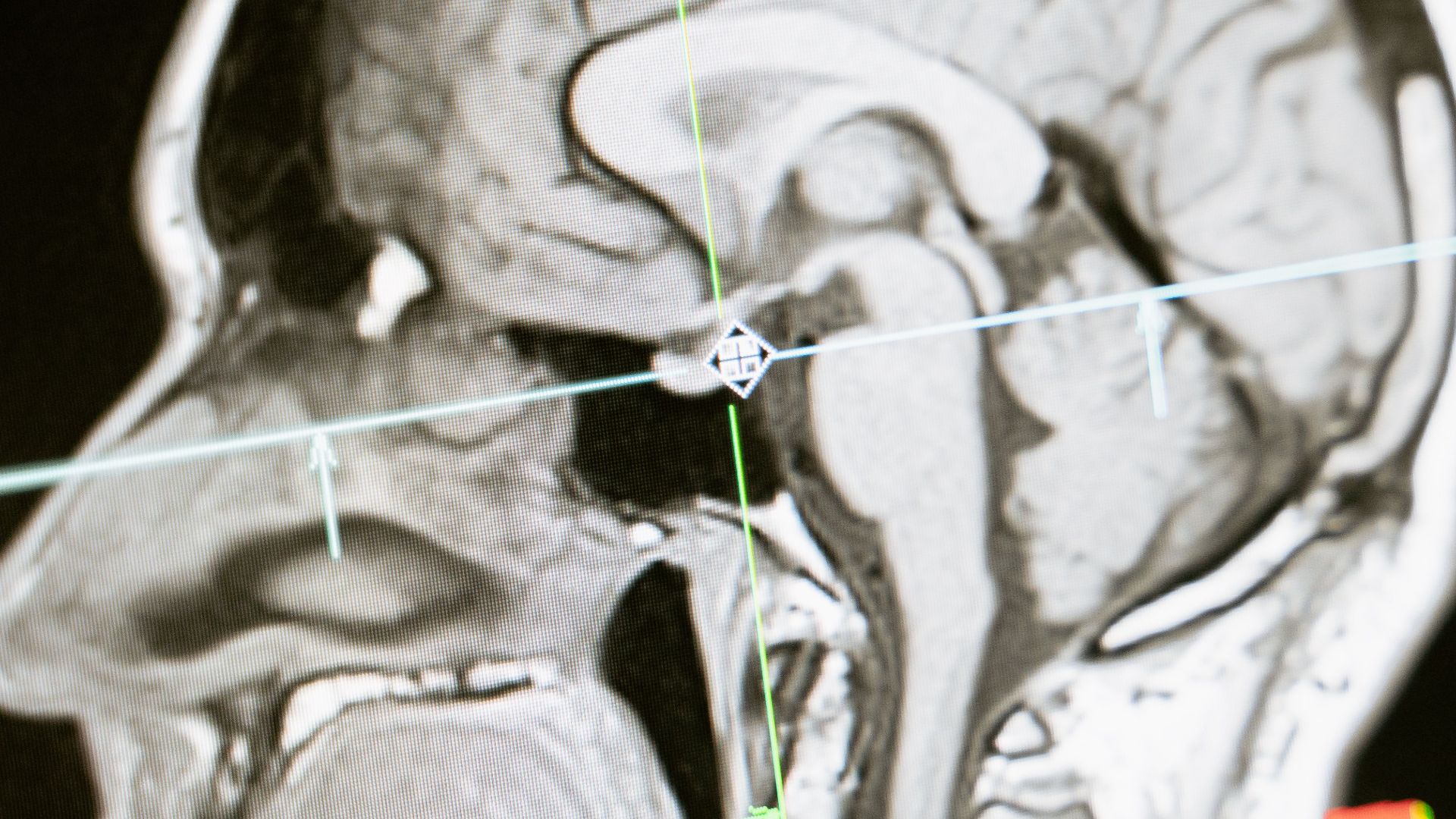
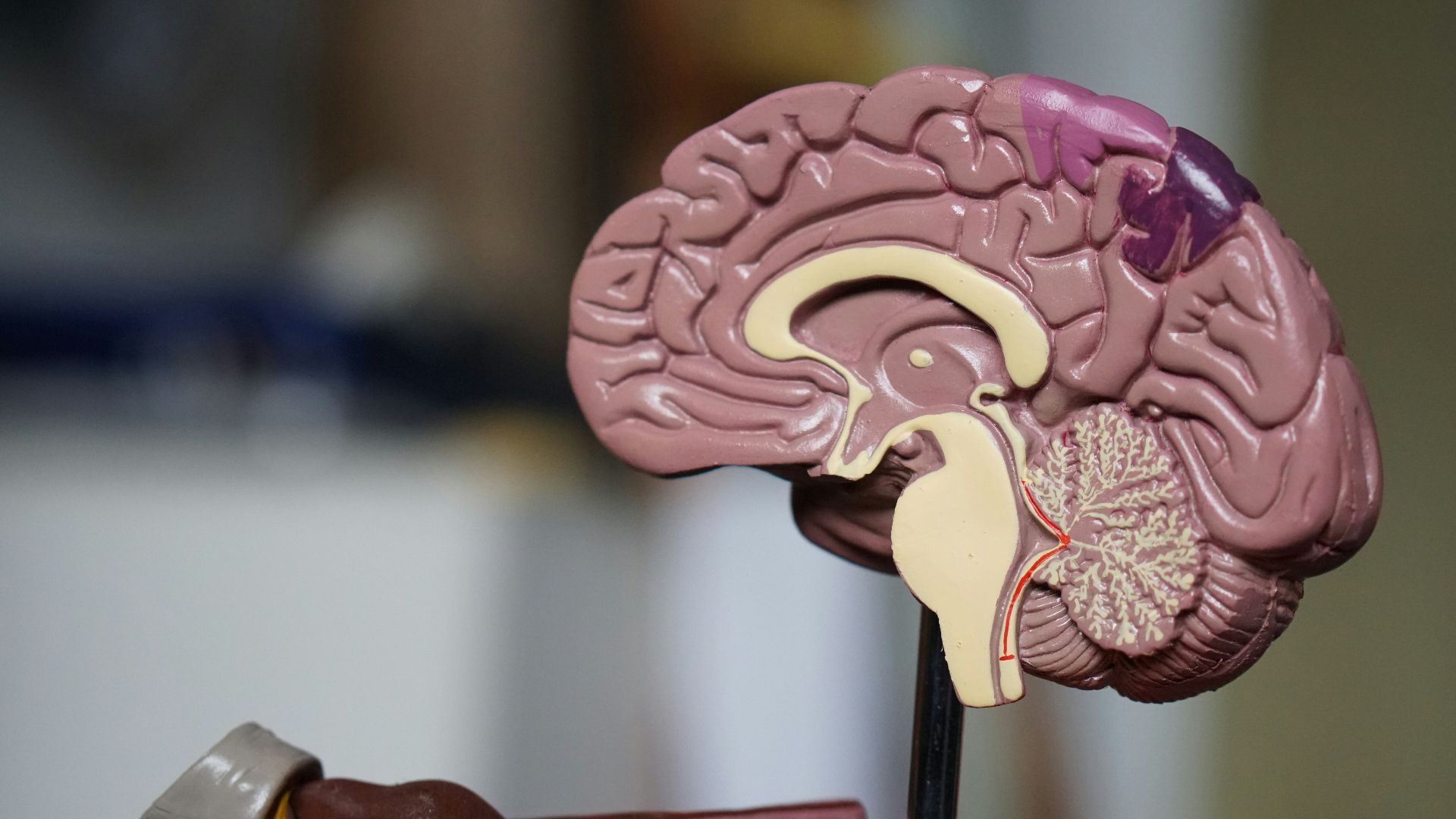
A pair of tiny cell clusters sits deep in your brain, just above the spot where your optic nerves cross. Together they hold tens of thousands of neurons, and they use light coming in through your eyes to stay matched to the day outside. Most of your body's other clocks take their cues from this one.

2. Light Sensors In Your Eyes Feed The Master Clock
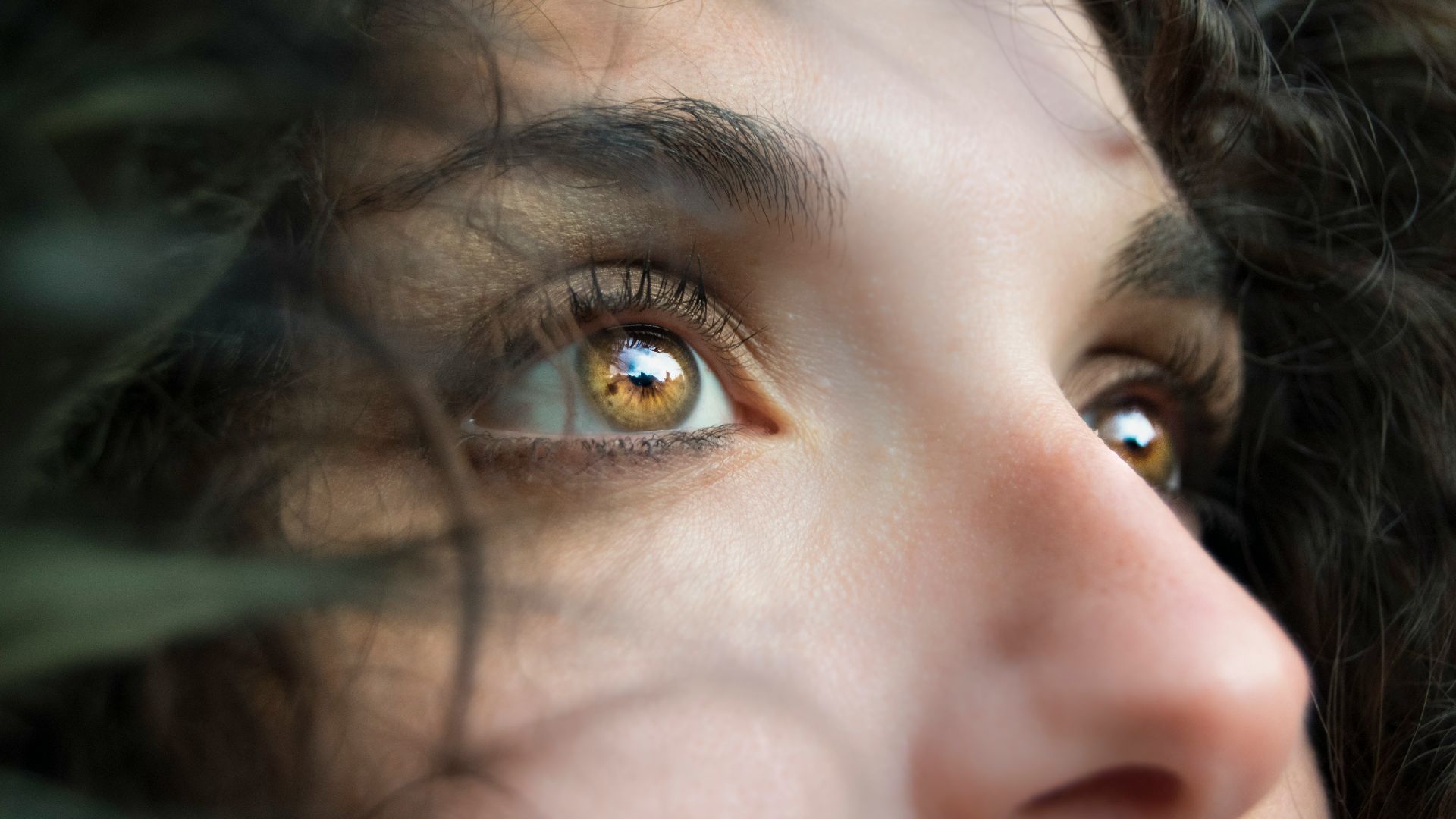
Some cells in your retina have nothing to do with seeing shapes or colors. Their job is to sense light and send that signal straight to the brain's master clock. That's a big part of why bright screens late at night tend to push your sleep schedule later.
3. Your Pineal Gland Releases Melatonin After Dark
A small gland in your brain releases melatonin, and levels usually climb at night and drop during the day. Light exposure holds production down, which is one reason a dim room helps you wind down. Melatonin acts as a signal to the rest of your body that it's nighttime.
4. Cortisol Rises To Help You Wake Up
Cortisol, often called the stress hormone, follows its own daily curve. It rises in the early morning to help you feel alert and ready to move, then tapers off through the afternoon. Levels are usually at their lowest around the time you go to bed.
5. Your Body Temperature Dips Before Dawn
Your core temperature rises and falls a little over the day, and it usually bottoms out in the hours before you wake up. That nightly dip is part of what makes it easier to fall and stay asleep. It's also why early morning tends to be when you feel coldest under the covers.

6. Your Liver Resets Its Clock Around Mealtimes
Your liver keeps its own time, and it pays more attention to when you eat than to when the sun comes up. In animal studies, moving meals to a new schedule shifted the liver's clock within a few days, while some other organs took longer. Eating late at night can leave your liver running on a different schedule from your brain.
 Farhad Ibrahimzade on Unsplash
7. Your Body Handles Sugar Better In The Morning
The same meal tends to raise your blood sugar more at dinner than at breakfast. A 2015 study found that glucose levels after identical meals were 17% higher in the evening, even after accounting for when people slept and ate. The insulin-producing cells in the pancreas appear to work less efficiently later in the day.

8. Your Gut Bacteria Run On A Daily Cycle
The bacteria in your gut shift their numbers and activity over the day, following the rhythm of your meals. A 2014 study found that jet lag threw those cycles off in both mice and people. When gut bacteria from jet-lagged people were moved into mice, the mice gained more fat and had more trouble handling sugar.
9. Your Heart Has A Built-In Pacemaker
A small patch of tissue in the upper right chamber of your heart sends out the electrical pulse that starts each beat. It sets your resting pace on its own, though nerves and hormones can speed it up or slow it down. That's why a transplanted heart keeps beating even after its original nerve connections are cut.

10. Your Heart's Daily Rhythm Makes Mornings Riskier
Heart attacks happen more often in the morning hours than later in the day. Part of the reason is that a protein that helps blood clot peaks in the early morning, a swing driven by your internal clock. Waking up mildly dehydrated after a night without water can thicken your blood a little too.

11. A Cluster Of Brain Cells Times Every Breath
A small group of neurons in your brainstem sets the rhythm of your breathing. It keeps firing while you sleep, so you never have to remember to inhale. You can override it by holding your breath, though only for so long (kids racing to the bottom of a pool find this out fast) before it takes over again.
12. Your Muscles Are Strongest In The Late Afternoon
Your muscles have clocks of their own, and decades of research find that strength tends to peak in the late afternoon and early evening. Sprint and power performance usually follow a similar pattern. If your morning workouts feel heavier than evening ones, your muscle clock may be part of the reason.

13. Your Skin Switches To Repair Mode At Night
Skin cells spend the day focused on defending against sunlight, then shift toward repair and renewal at night. Research on human skin stem cells found that genes protecting against UV damage are most active during the day. Skin also tends to absorb more at night, so some creams may work better when you apply them in the evening.

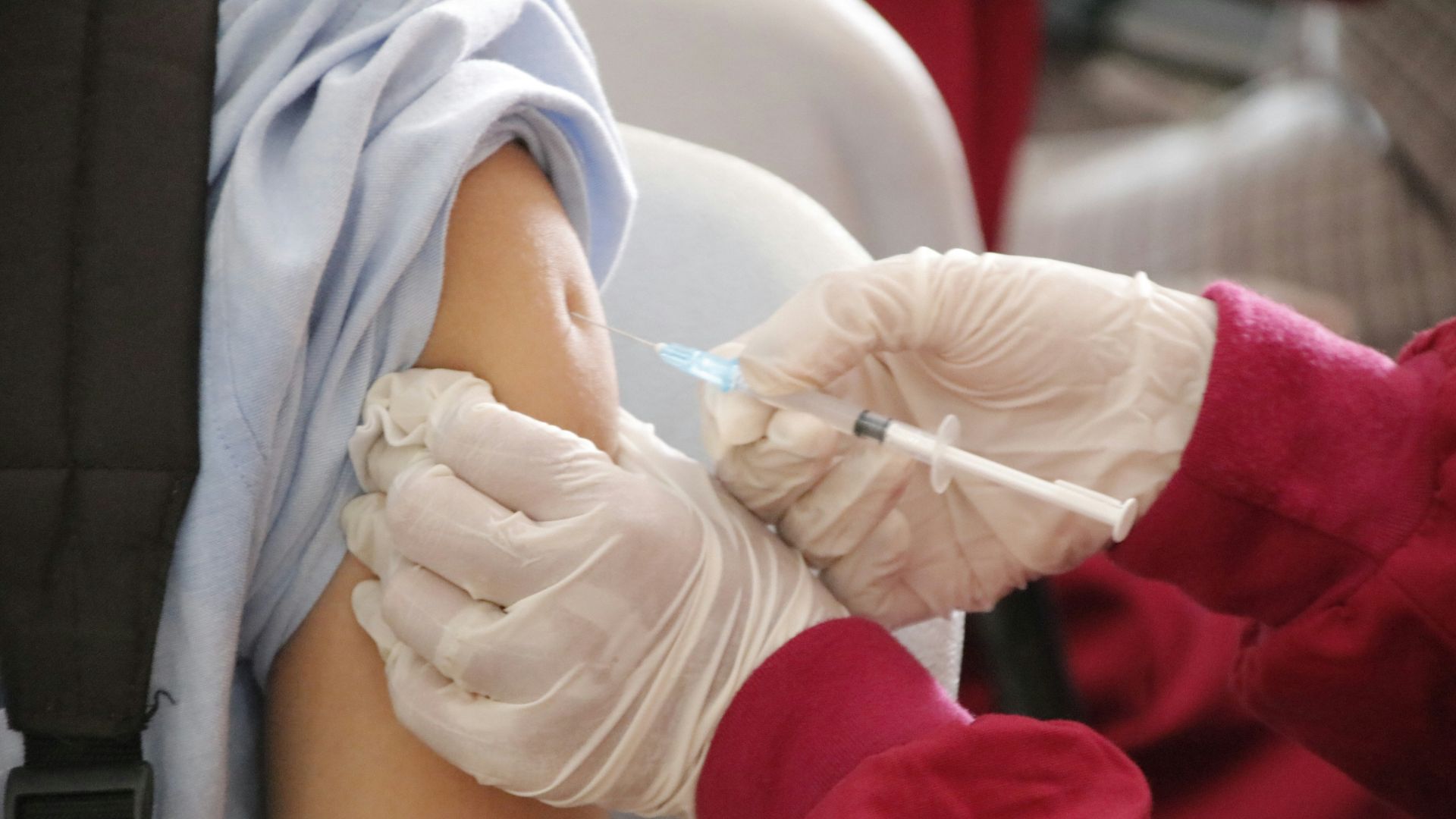
14. Your Immune System Responds Differently By Time Of Day
Your immune system responds differently depending on the time of day. In a 2016 study of older adults, those who received their flu shot between 9 and 11 a.m. produced more antibodies against two of the three flu strains than those vaccinated in the afternoon. Even the hour of a doctor's appointment may make a difference in how your body responds to a vaccine.
15. Your Kidneys Slow Down Overnight
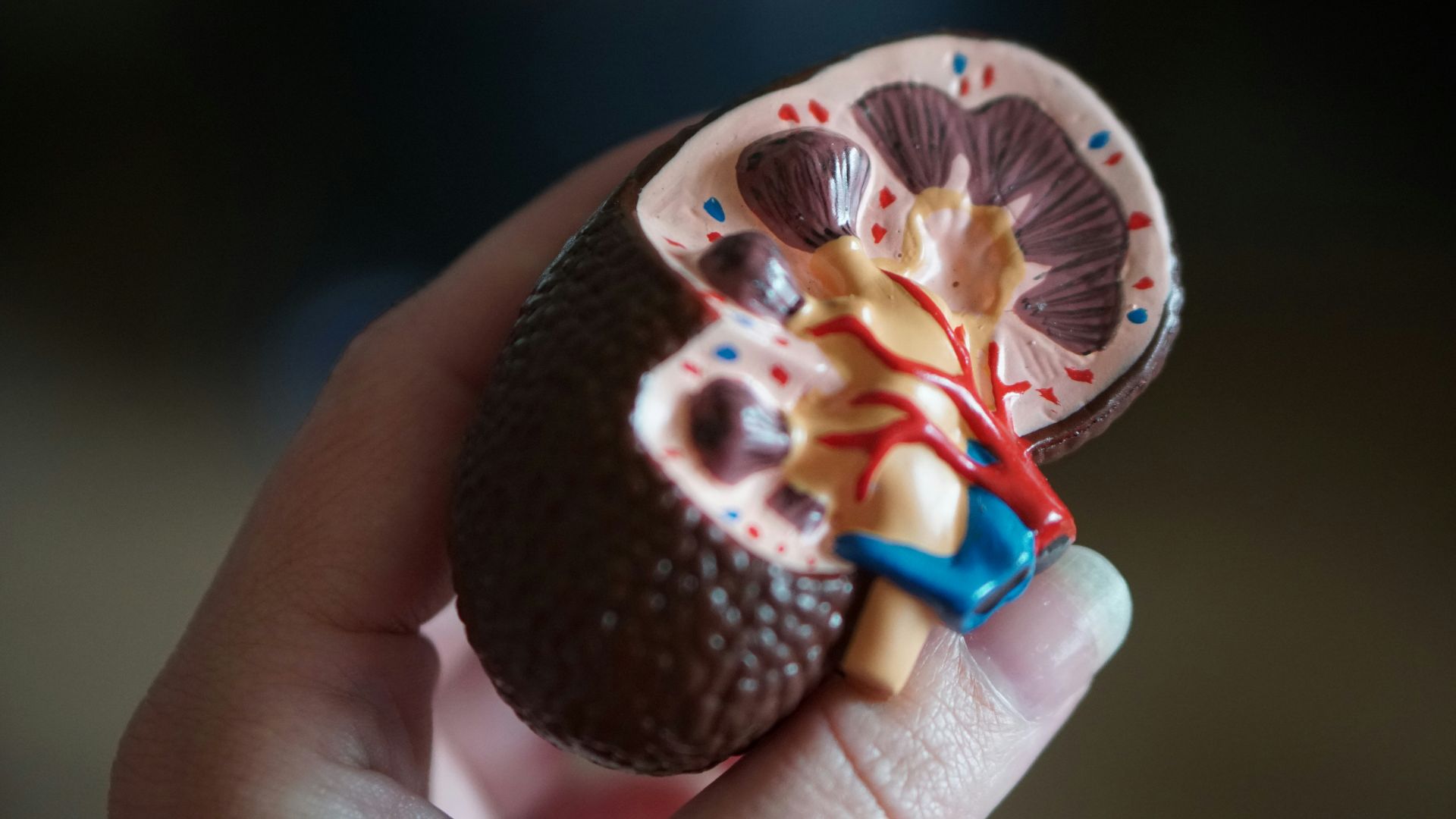
Your body releases more of a water-saving hormone at night, which tells your kidneys to make less urine while you sleep. That's how most people get through the night without waking up to use the bathroom. When this rhythm weakens, nighttime bathroom trips tend to become more common.
16. Sleep Runs On Roughly 90-Minute Cycles
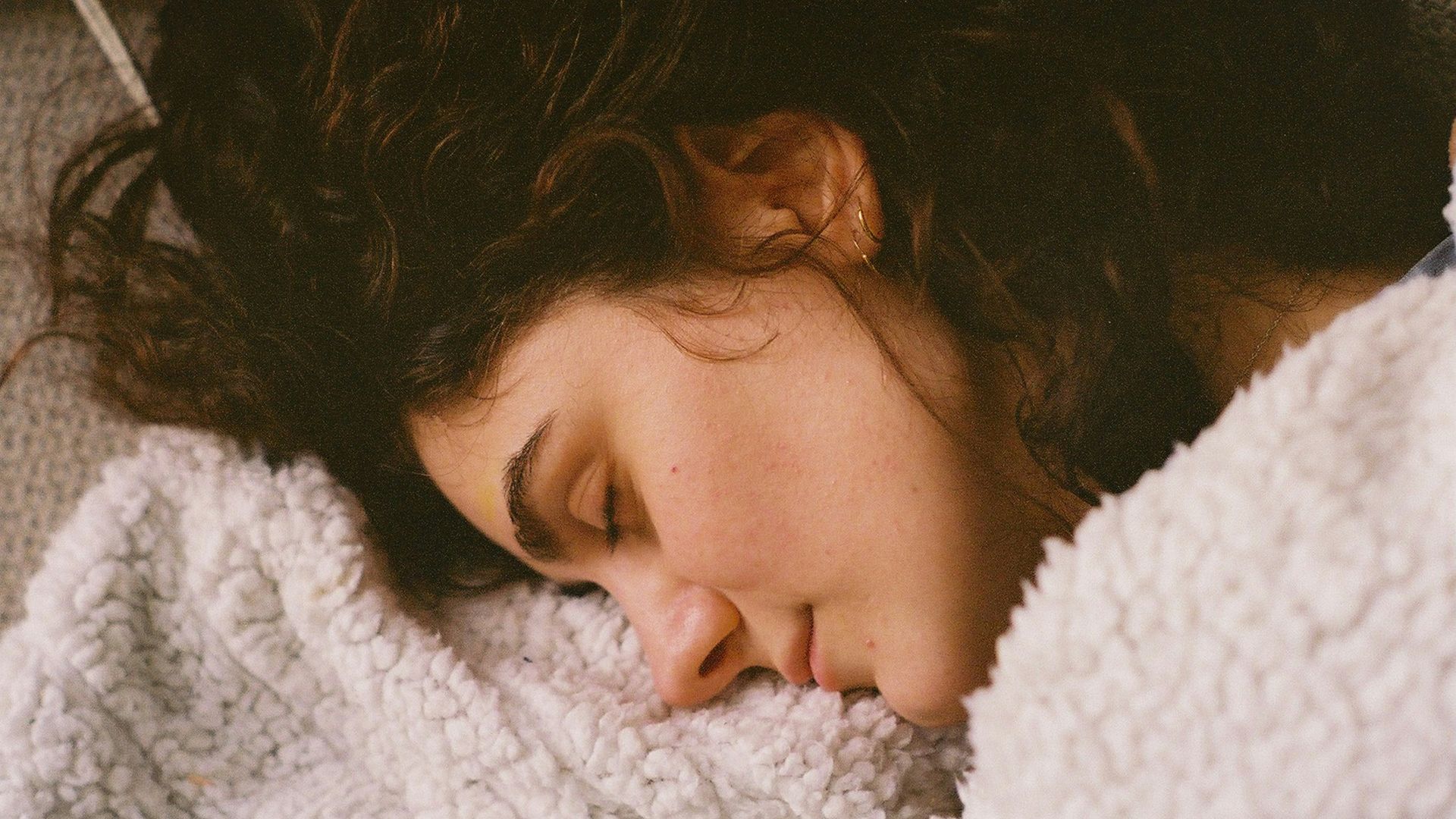
A night of sleep moves through repeating cycles, and each one lasts roughly 90 minutes. Deep sleep takes up more of the early cycles, while dream-heavy REM sleep stretches longer toward morning. Waking up at the end of a cycle usually feels easier than getting pulled out of deep sleep.
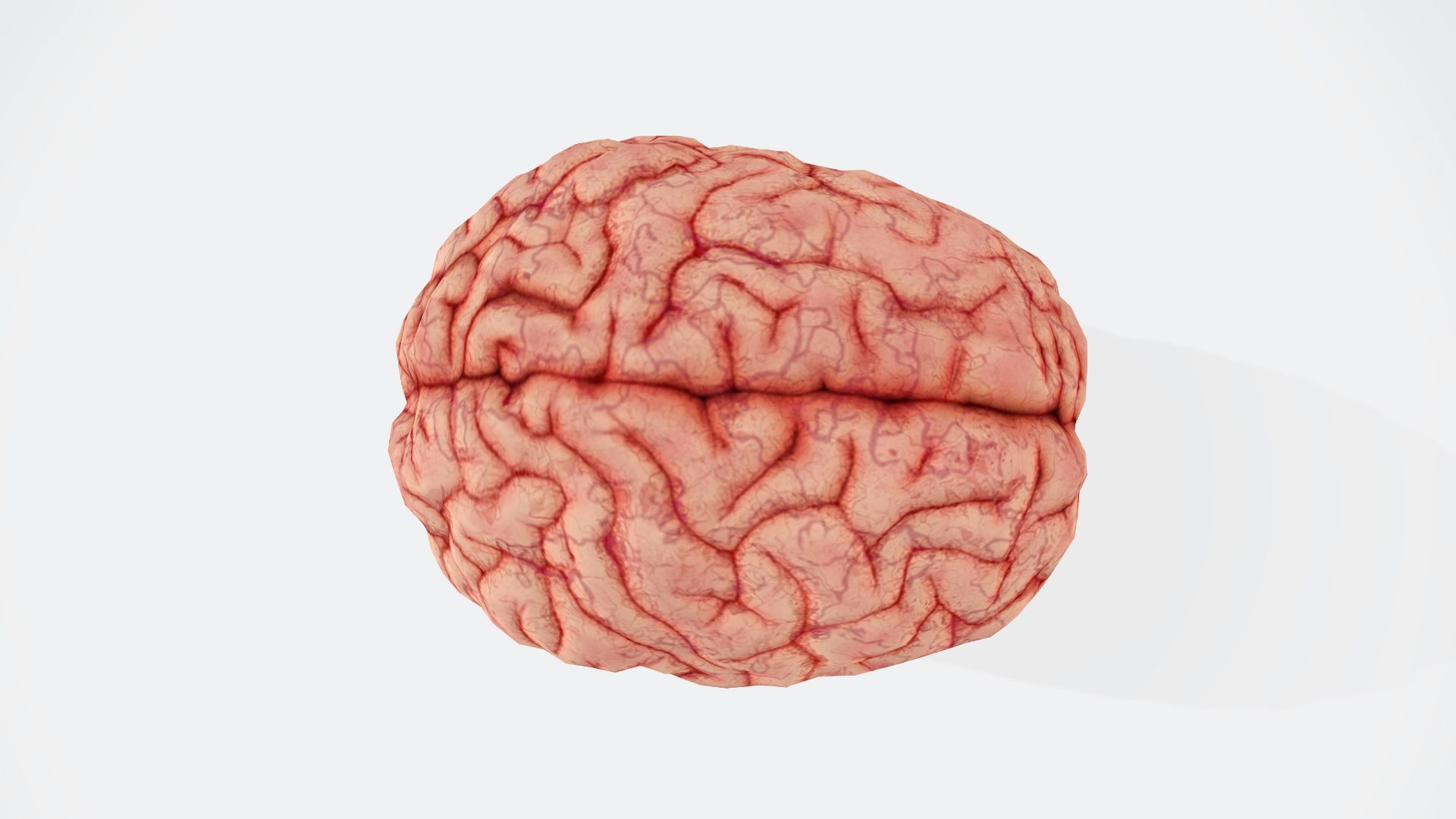
17. Your Brain Has A Stopwatch For Seconds And Minutes
Separate from your daily clock, your brain tracks shorter stretches of time, like how long a traffic light has been red. Circuits deep in the brain that rely on dopamine handle much of this timing. Shifts in dopamine levels can make a few seconds feel longer or shorter than they really are.
 BUDDHI Kumar SHRESTHA on Unsplash
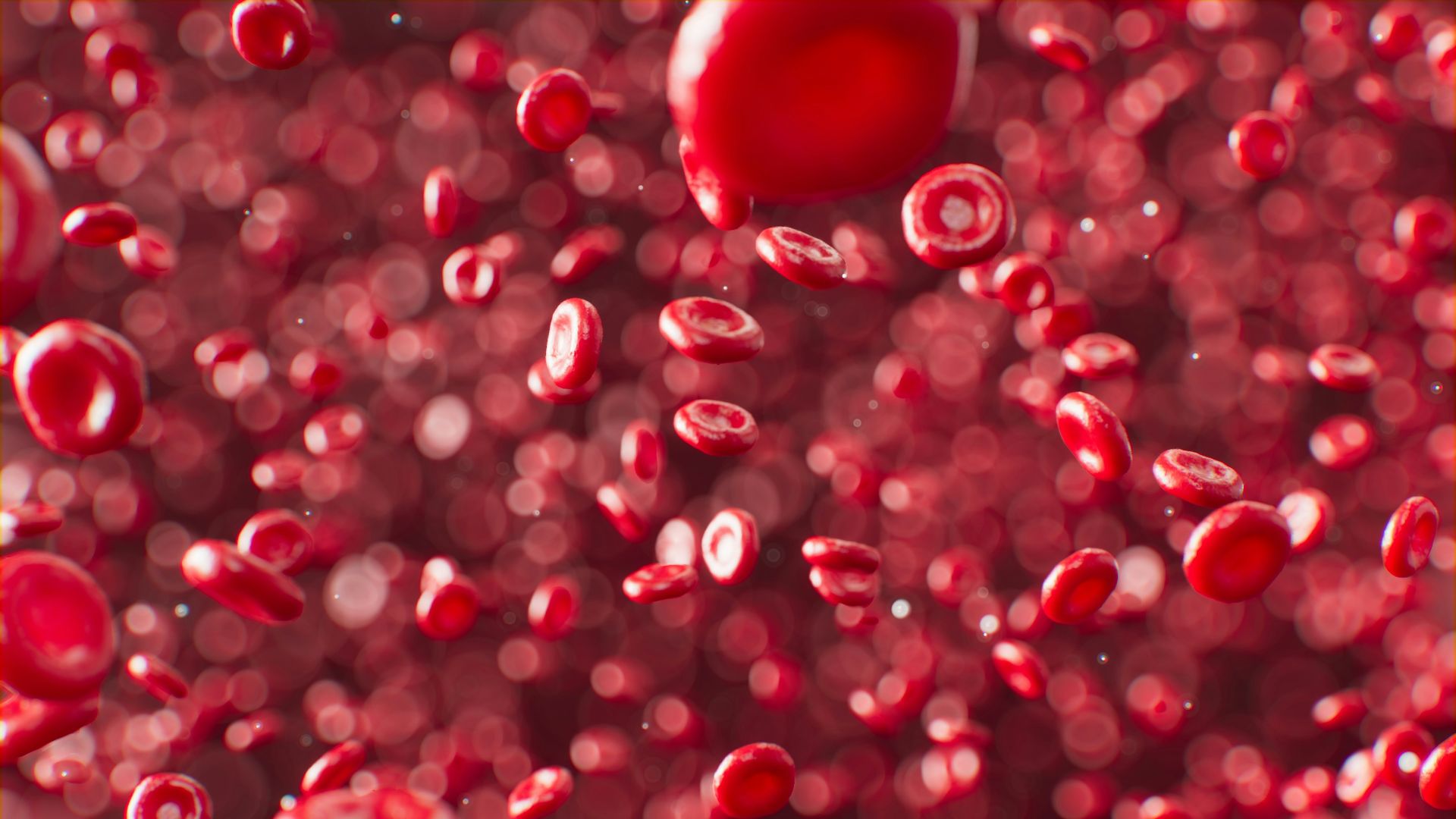
18. Red Blood Cells Keep Time Without Any DNA
Red blood cells have no nucleus and no DNA, so scientists assumed they couldn't run a daily clock. A 2011 study found that they keep a 24-hour cycle anyway, tracked through proteins that switch back and forth on a daily schedule. The rhythm kept going for days with the cells sitting in the dark.
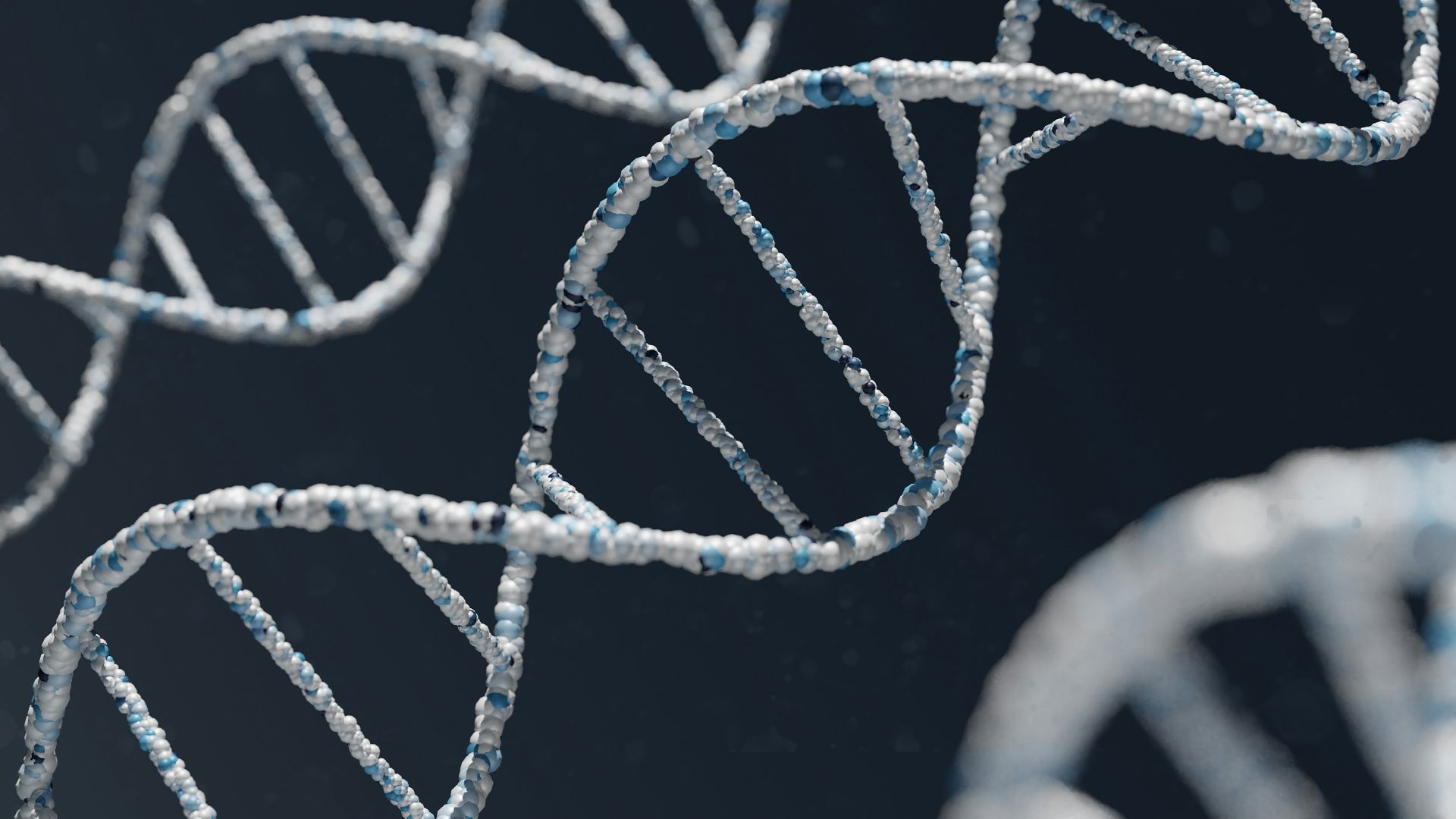
19. Your DNA Carries A Record Of Your Age
As you get older, the pattern of chemical tags attached to your DNA changes in surprisingly predictable ways. In 2013, researchers used about 8,000 samples from 51 tissue and cell types to develop an epigenetic clock that could estimate a person's age. Scientists now compare that reading with the number of birthdays someone has celebrated to better understand why some people age faster than others.
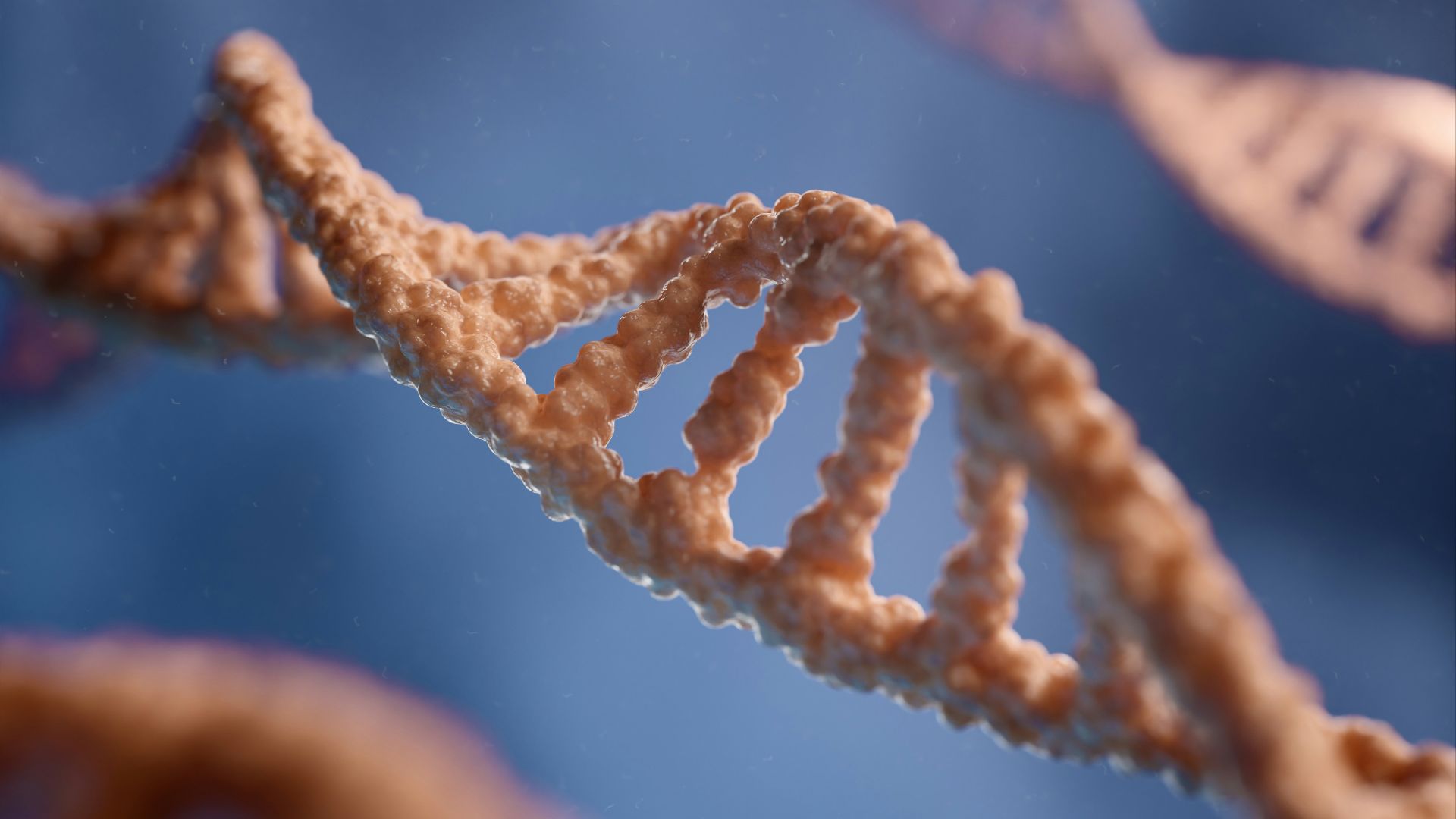
20. The Tips Of Your Chromosomes Shorten Over Time
Each chromosome has a protective cap called a telomere, and it tends to get a little shorter every time a cell divides. Once those caps wear down far enough, the cell usually stops dividing. Telomere length varies a lot between people, so it works best as a rough gauge of cellular age.
KEEP ON READING


20 Natural Ways You Can Boost Your Immune System

20 Ways To De-stress & Relax After Work
The 10 Most Common Diseases & The 10 Most Rare